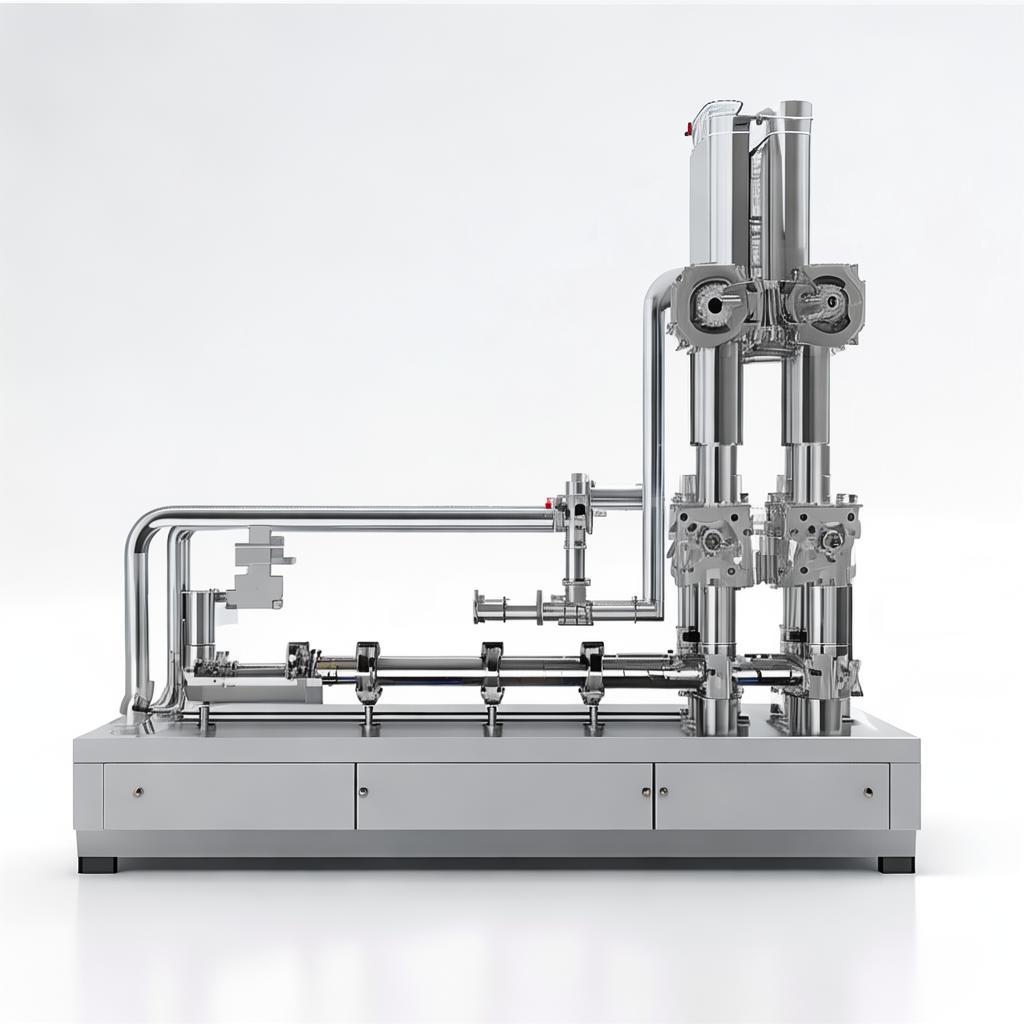
Metal Detector For Meat Processing
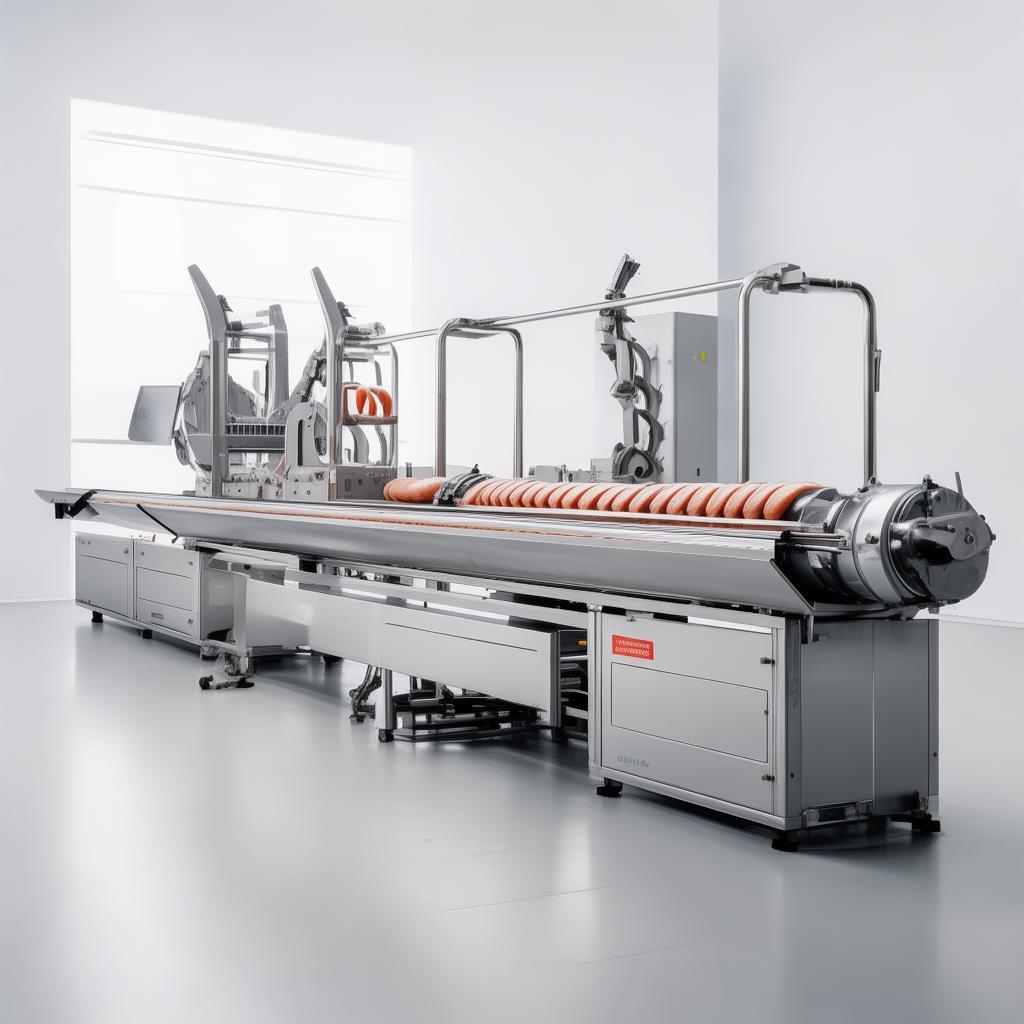
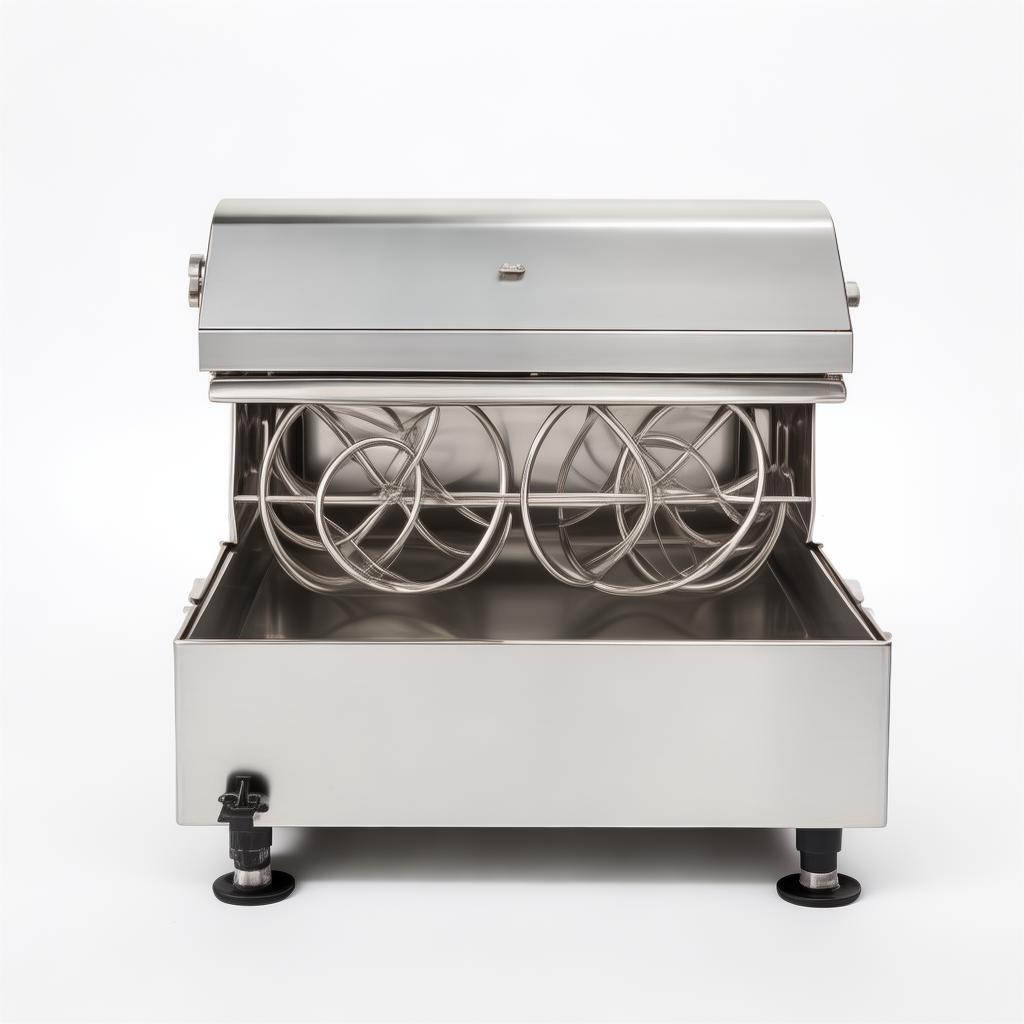
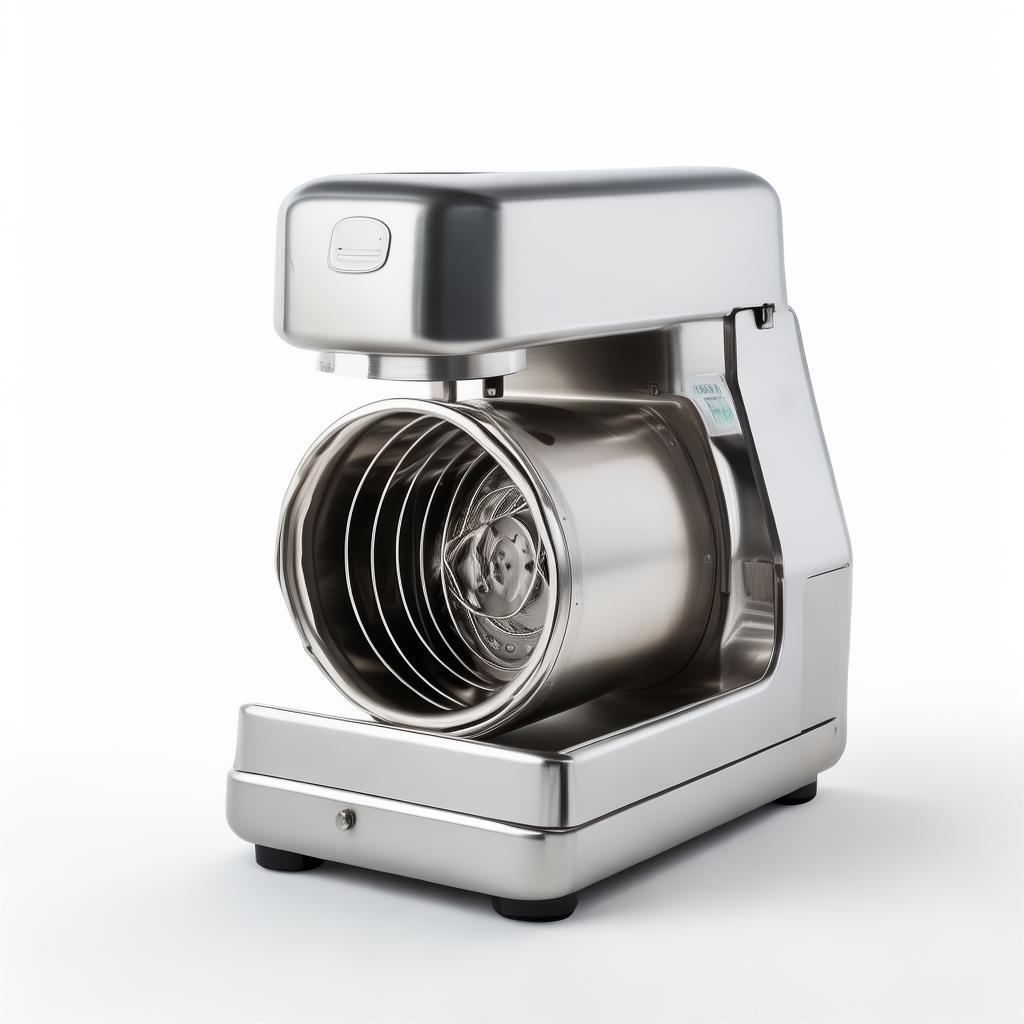
Industrial Metal Detectors for Meat Processing: Ensuring Purity, Protecting Brands
Safeguard your product integrity and brand reputation with advanced metal detection technology tailored for the rigorous demands of meat processing facilities.
Table of Contents
- The Non-Negotiable Need for Metal Detection in Meat Processing
- Common Contamination Risks & Their Costly Consequences
- Understanding the Technology: How Metal Detectors Work for Meat
- Key Advantages of Our Industrial Metal Detectors
- Beyond the Line: Versatile Applications in Meat Production
- Detailed Technical Specifications
- Seamless Integration: Installation and Maintenance
- Procurement Essentials: What Buyers Need to Know
- Hebei Yuanchang: Your Partner in Food Safety
- Commitment to Quality: Certifications and Standards
- What Our Clients Say
- Frequently Asked Questions
- Ready to Enhance Your Food Safety?
The Non-Negotiable Need for Metal Detection in Meat Processing

By Li Wei
Senior Export Manager, Hebei Yuanchang Food Mechanism & Technology Co., Ltd.
October 26, 2023
In the fast-paced, high-volume world of meat processing, where efficiency and hygiene are paramount, the presence of unintended metallic contaminants can be more than just a production hiccup; it can be a catastrophic event for a brand. From errant screws and bolts from machinery to fragments of metal tools or even small wear parts, the risks are ever-present. These foreign objects can cause severe damage to downstream processing equipment like grinders and slicers, leading to costly downtime and repairs. More critically, if a contaminated product reaches the consumer, the repercussions can range from product recalls and significant financial losses to irreversible damage to consumer trust and brand reputation. Regulatory bodies worldwide, including the FDA in the United States, have increasingly stringent requirements for food safety, making proactive contamination detection a cornerstone of any responsible meat processing operation.
The global meat processing equipment market itself is a testament to this growing demand for safety and efficiency. Reports indicate a significant market value, with projections showing steady growth driven by factors such as rising demand for processed meats, the imperative for automation to ensure hygiene and labor efficiency, and the constant tightening of food safety standards. For instance, the market was valued at approximately USD 11.28 billion in 2024 and is projected to reach USD 15.04 billion by 2030, with segments like filling, grinding, and cutting equipment being essential. This growth isn't just about scale; it's about sophistication and reliability. As automation increases, so does the complexity of machinery, meaning the potential for metallic debris also rises. This is where advanced detection systems become indispensable auxiliary components, integrated seamlessly into production lines to provide a critical last line of defense.
Consider the journey of a meat product. It moves from raw material reception through various stages of processing: grinding, mixing, forming, cooking, freezing, and finally, packaging. At each step, the risk of foreign body contamination persists. A robust metal detector doesn't just identify metal; it acts as a vigilant guardian, ensuring that only pure, safe product leaves your facility. This is not a luxury; it's a fundamental requirement for operational integrity and market access. For businesses engaged in wholesale export or OEM/ODM manufacturing, maintaining international quality standards and meeting diverse import regulations is non-negotiable. A single compliance failure due to contamination can jeopardize future export opportunities. Therefore, investing in high-performance metal detection technology is a strategic decision that underpins your entire business operation, safeguarding both your equipment and your market standing.
The technical sophistication of modern meat processing lines, from advanced MMM (Meat, Marinade, and Molds) systems to automated filling and ripening machinery, demands equally advanced detection capabilities. These systems must be sensitive enough to detect even minuscule metallic fragments, yet robust enough to operate reliably in the challenging environments of a busy processing plant. Factors like high humidity, dust, and the presence of other conductive materials (like salty brines or seasoned meats) can interfere with less advanced detectors. This is why selecting a detector specifically engineered for food applications, with features like multi-frequency detection, robust build quality (often stainless steel), and intuitive controls, is critical. We understand these nuances because we've been designing and manufacturing food processing equipment for over 40 years. Our deep-seated experience with complete production lines informs every aspect of our metal detector design, ensuring they are not just standalone units but integral components of a safe and efficient processing ecosystem.
The market for processed meats is expanding globally. With an increasing demand for ready-to-eat meals and convenience foods, the volume and complexity of meat processing operations are only set to grow. This expansion necessitates a commensurate increase in food safety measures. The global processed meat market is projected to grow significantly, with some reports forecasting it to reach over USD 1.2 trillion by 2034. This growth is directly linked to the demand for reliable processing equipment, including those that ensure product purity. Auxiliary items like smoking, massaging, and grinding systems are becoming more sophisticated, but their effectiveness is directly tied to the absence of metallic interference. Our metal detectors are designed to complement these systems, providing that essential layer of protection. By integrating these detectors into your line, you're not just complying with regulations; you're investing in operational continuity, reducing waste, and enhancing the overall quality and safety perception of your brand in a competitive international marketplace.
Common Contamination Risks & Their Costly Consequences
Meat processing plants face a unique set of challenges when it comes to preventing metallic contamination. Understanding these risks is the first step in mitigating them:
- Machinery Wear & Tear: Over time, moving parts in grinders, mixers, slicers, and conveyor systems can shed small metallic particles. Regular maintenance is crucial, but a metal detector acts as a final check.
- Tool & Fixture Breakage: Knives, blades, whisks, sorting tools, and even fasteners can break during operation or cleaning. These fragments, especially from hardened steel or alloys, pose a significant hazard.
- Maintenance & Repair Debris: Bolts, screws, nuts, washers, and wire bristles from cleaning brushes are common contaminants introduced during maintenance or repair operations. Proper lockout/tagout and thorough cleaning procedures are vital, but unexpected losses happen.
- Raw Material Sourcing: While less common for processed meat, if raw materials are not properly inspected or if suppliers have issues, small metal pieces could potentially enter the process.
- Employee Practices: Accidental loss of jewelry, small tools, or even metallic components from personal protective equipment (PPE) can occur. Training and clear policies are key, but a detector offers a safety net.
The consequences extend far beyond the immediate detection:
- Equipment Damage: Even small metal fragments can cause significant damage to expensive downstream equipment like emulsifiers, stuffing machines, or packaging machinery, leading to prolonged downtime and high repair costs.
- Product Recalls: A single reported incident of a foreign object in a consumer product can trigger costly and damaging recalls, impacting inventory, logistics, and public relations.
- Brand Reputation Erosion: Recalls and safety scares can severely damage consumer trust and brand loyalty, leading to long-term sales declines. In today's interconnected world, negative publicity spreads rapidly.
- Regulatory Fines & Penalties: Non-compliance with food safety regulations can result in substantial fines, facility shutdowns, and even legal action from authorities.
- Loss of Export Markets: International markets have stringent import regulations. A contamination incident can lead to the suspension of import permits, closing off entire regions to your products.
Understanding the Technology: How Metal Detectors Work for Meat
Industrial metal detectors for food processing operate on the principle of electromagnetic fields. They are designed to generate a stable magnetic field and then detect any disturbances caused by the presence of conductive materials—specifically, metals. For meat processing, where the product itself can be conductive due to moisture and salts, specialized designs are crucial.
Here’s a simplified breakdown:
- Transmitting Coil: The detector’s aperture (the 'tunnel' or 'head' through which the product passes) contains a transmitting coil that generates a high-frequency electromagnetic field.
- Receiving Coil: Surrounding the transmitting coil are one or more receiving coils. These coils are balanced to detect no signal when no metal is present.
- Product Passage: As the meat product, typically on a conveyor belt or falling through a gravity feed system, passes through the aperture, it enters the electromagnetic field.
- Interference: If a metallic object is present within the product, it will induce eddy currents within the metal. These eddy currents generate their own magnetic field, which interferes with the detector's original field.
- Detection & Signal: The receiving coils detect this disturbance. The detector's electronics interpret this signal, measure its strength and phase, and compare it against pre-set thresholds.
- Rejection System: If the detected signal exceeds the programmed sensitivity threshold, indicating the presence of metal, the system triggers an alert. This typically involves activating a rejection mechanism—such as a pneumatic pusher, diverter arm, or air blast—to automatically remove the contaminated product from the line.
Modern systems often employ advanced technologies:
- Multi-Frequency Operation: Allows the detector to optimize sensitivity for different metal types (ferrous, non-ferrous, stainless steel) and product characteristics. This is vital for meat, which is often a wet and conductive product.
- Automatic Product Learning/Calibration: Simplifies setup by automatically adjusting to the product's signal, minimizing false rejects.
- Robust Construction: Typically manufactured with food-grade stainless steel (e.g., SS304 or SS316) and designed to withstand washdowns (IP65 or higher ratings).
- Data Logging & Reporting: Essential for traceability and compliance, recording detections, rejections, and system status.
Key Advantages of Our Industrial Metal Detectors
At Hebei Yuanchang, we engineer our metal detectors with the practical realities of meat processing in mind. Our focus is on reliability, sensitivity, and ease of integration:
Exceptional Detection Sensitivity
Engineered to detect even minute ferrous, non-ferrous (like aluminum and brass), and even non-magnetic stainless steel fragments, safeguarding against a broad spectrum of potential contaminants.
Optimized for Conductive Products
Utilizes advanced multi-frequency technology to effectively discriminate between the product signal and metal contaminants, minimizing false rejects in wet and salty meat products.
Rugged, Food-Grade Construction
Constructed with high-quality SS304 stainless steel, designed to meet stringent IP65 washdown requirements, ensuring durability and hygiene in demanding processing environments.
Intuitive User Interface
Simple-to-use control panel with clear readouts and straightforward calibration procedures, reducing operator training time and potential for errors.
Reliable Rejection Systems
Integrated with high-speed, precision reject mechanisms (e.g., pneumatic pushers, air blasts) to ensure contaminated products are efficiently removed without product loss or line disruption.
Traceable Performance Monitoring
Built-in data logging capabilities to record inspection events, system parameters, and performance metrics, crucial for HACCP plans and regulatory compliance.
Beyond the Line: Versatile Applications in Meat Production
Our metal detectors are not limited to a single point; they can be strategically deployed across various stages of your meat processing operation:
- Raw Material Inspection: Placed immediately after bulk raw material reception or prior to initial processing steps like grinding or mixing to catch contaminants early.
- Post-Grinding/Mixing: A critical checkpoint after initial size reduction or blending, where wear parts from machinery are a significant risk.
- Formed Product Inspection: Ideal for inspecting formed products such as patties, sausages, nuggets, or meatballs before cooking or packaging.
- Pre-Cooked/Cooked Product Inspection: Placed before final packaging, ensuring the safety of products that have undergone cooking or other heat treatments.
- Bulk Ingredient Lines: Can be adapted for inspecting bulk ingredients like ground meat, diced meat, or marinated portions before they enter final assembly.
- Pet Food Processing: While this page focuses on human-grade meat, similar principles apply to pet food production, where machinery wear and tool fragments are also concerns. Hebei Yuanchang also offers equipment for this sector.
The choice of detector aperture size and rejection system will depend on the product form (bulk, individual pieces, flow-through), line speed, and processing environment. Our team can help you select the optimal configuration for your specific needs.
Detailed Technical Specifications
Our standard industrial metal detector models offer robust performance suitable for most meat processing applications. Custom configurations are available upon request.
| Feature | Specification |
|---|---|
| Detection Technology | Multi-frequency electromagnetic induction |
| Detection Capabilities | Ferrous metals, non-ferrous metals (Al, Cu, Brass), Non-magnetic Stainless Steel |
| Typical Aperture Sizes (W x H) | e.g., 200mm x 80mm, 300mm x 100mm, 400mm x 150mm (Customizable) |
| Construction Material | Food-grade SS304 Stainless Steel (SS316 optional) |
| Ingress Protection (IP Rating) | IP65 standard (IP66/IP69K optional) |
| Rejection Systems | Pneumatic pusher, Air blast, Diverter (configurable) |
| User Interface | LCD Touchscreen or Button Panel |
| Power Supply | AC 220V/50Hz (or as per regional standards) |
| Operating Temperature | 0°C to 40°C (32°F to 104°F) |
| Data Logging | USB port for data export, internal memory for events |
| Certifications | CE, ISO (refer to certifications section) |
Meat metal detector meat metal detection Metal detector for the food industry
Specifications are subject to change without notice. Consult with our sales team for precise details on your chosen model.
Seamless Integration: Installation and Maintenance
Getting our metal detectors operational on your processing line is designed to be straightforward, but attention to detail is key for optimal performance.
Installation Considerations:
- Location is Crucial: Install the detector at the end of the line, after all metal-generating processes, but before packaging. This ensures that any contamination is caught before the product is sealed. Avoid placing it near large metal objects or variable speed drives that could cause electromagnetic interference.
- Conveyor Integration: For conveyor systems, ensure the metal detector is securely mounted and aligned with the belt. The belt material itself should be non-metallic or have a known, consistent metallic content if applicable (though non-metallic is preferred). Ensure adequate clearance for the rejection mechanism.
- Gravity Feed Systems: For products falling through an aperture (e.g., ground meat, diced products), ensure a consistent flow rate and product presentation. The aperture size must be sufficient for the product but optimized for detection sensitivity. Proper baffling might be needed to manage product density.
- Electrical Connections: Connect to a stable power source. Ensure proper grounding. If connecting to a PLC or SCADA system, verify communication protocols and wiring requirements.
- Environmental Protection: Ensure the detector and its associated electronics are protected from high-pressure washdowns, excessive moisture, and extreme temperatures as per its IP rating.
Routine Maintenance:
Consistent maintenance is vital for sustained performance. Our machines are built for durability, but regular checks prolong their life and accuracy:
- Daily Checks: Perform a 'test with known metal' (using standard test pieces provided with the unit) at the start of each shift to verify sensitivity and rejection function. Visually inspect for any damage or wear.
- Weekly Cleaning: Thoroughly clean the exterior of the detector and aperture according to your plant's hygiene protocols. Avoid using abrasive cleaners or high-pressure jets directly on sensitive electronic components or seals. Ensure it's dry before subsequent testing.
- Monthly/Quarterly Calibration: Re-calibrate the detector with your specific product to ensure optimal performance. This might involve re-running the product learning process if there are significant changes in product formulation or moisture content.
- Annual Servicing: For maximum reliability and to maintain warranty, consider annual service checks by our qualified technicians or your approved service partner. This includes inspecting electrical components, recalibrating to factory standards, and checking the rejection mechanism.
Our comprehensive documentation and available support ensure you can maintain your equipment effectively, maximizing uptime and safeguarding your product quality.
Procurement Essentials: What Buyers Need to Know
As a purchasing manager or procurement director, selecting the right industrial metal detector involves more than just looking at price. Here’s a practical guide to ensure you make a sound investment:
Key Buying Considerations:
- Product Characteristics: What are you inspecting? Bulk ground meat, individual sausages, frozen blocks, marinated chicken? The physical form, size, moisture content, and conductivity of your product are primary drivers for detector selection (aperture size, frequency).
- Sensitivity Requirements: What size and type of metal contaminants are you most concerned about? The required sensitivity (e.g., detecting 1.0mm ferrous sphere) will dictate the detector's specification and potentially its cost. Consult with standards like HACCP for guidance.
- Line Integration: How will the detector fit into your existing line? Consider conveyor height, product flow (gravity or belt), space constraints, and the need for specific rejection mechanisms. What is the product throughput speed?
- Environmental Conditions: Your processing environment dictates the detector's build. High humidity, washdown procedures, dust, and temperature extremes all require robust, food-grade construction (e.g., SS304/316, IP65+ rating).
- Compliance & Traceability: Does the detector support your food safety management system (HACCP, GFSI)? Look for features like data logging, audit trails, and compliance with relevant standards (CE, UL, FDA recommendations).
- Supplier Reliability & Support: Beyond the initial purchase, consider the supplier's reputation, technical support availability, spare parts inventory, warranty terms, and ability to provide installation assistance or training. Long-term partnerships are crucial in industrial equipment.
- Total Cost of Ownership (TCO): Factor in not just the upfront price but also installation costs, operational costs (power consumption), maintenance, potential downtime, and the cost of a failure. A slightly higher initial investment in a reliable unit often yields significant savings over its lifecycle.
For buyers looking at OEM/ODM options, ensuring the detector can be seamlessly integrated into your broader equipment design is paramount. Clear technical specifications and collaborative engineering support are key.
The global meat processing equipment market is valued at over USD 11 billion and is projected to grow consistently. This indicates a strong demand for reliable, safe, and efficient solutions. Investing in a quality metal detector is not an expense; it's an investment in risk mitigation and operational excellence.
Hebei Yuanchang: Your Partner in Food Safety
With a legacy stretching back to 1986, Hebei Yuanchang Food Mechanism & Technology Co., Ltd. isn't just a manufacturer; we are seasoned experts in the field of meat processing. Spanning approximately 14,000 square meters, our facility is home to a dedicated team of 80-100 professionals committed to R&D, production, and sales.
Our 40 years of experience mean we understand the complete production line, from initial pretreatment to final auxiliary items. This deep operational knowledge is precisely why our industrial metal detectors are designed for practical, real-world application in demanding environments. We don't just build machines; we build solutions informed by decades of hands-on industry insight.

Our advanced machining workshop is equipped for high-precision component manufacturing.
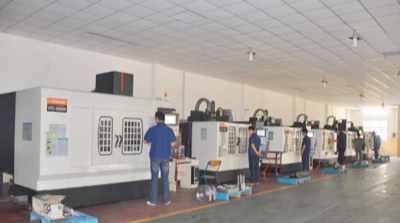
Japanese Mazak CNC centers ensure the highest standards for critical parts.
Our in-house machining capabilities, featuring over 20 sets of processing machinery and 8 advanced Japanese Mazak CNC machining centers (since 2012), allow us to produce high-precision, non-standard components independently. This control over component quality translates directly to the reliability and longevity of our metal detectors and all our equipment. Combined with our traceable after-sales management system, this ensures you receive equipment built to last, backed by worry-free service.
Whether you are looking for a standalone inspection solution or a fully integrated system, Hebei Yuanchang offers the expertise, quality, and dedication to support your food safety objectives.
Commitment to Quality: Certifications and Standards
Hebei Yuanchang adheres to strict quality management and international standards. Our commitment to delivering safe, reliable, and compliant equipment is reflected in our certifications:

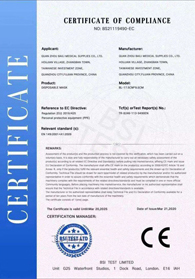
Our metal detectors are designed to meet the requirements for use in facilities adhering to standards such as:
- ISO 22000 Food Safety Management
- HACCP (Hazard Analysis and Critical Control Points) principles
- GFSI (Global Food Safety Initiative) recognized schemes
- FDA (U.S. Food and Drug Administration) guidelines for food safety
We understand that international trade requires adherence to diverse regulatory landscapes. Our export experience and commitment to quality assurance ensure our equipment meets the rigorous demands of global markets, providing you with confidence in your investment.
What Our Clients Say
Real feedback from businesses like yours:
 Sarah Chen, Procurement Manager - Premier Meats Co. (USA)
"Implementing Yuanchang's metal detector on our sausage line was a critical step. We had a minor incident with a broken grinder tooth previously, and the cost of repair and downtime was significant. This detector has provided invaluable peace of mind, and the setup was surprisingly simple, even for our existing line."
 David Rodriguez, Operations Lead - Texas Prime Cuts (USA)
"We needed a robust solution that could handle the wet, salty environment of our marination and forming process. The SS304 construction and IP65 rating were key for us. The detector performs reliably, and the support team was helpful in ensuring correct integration. We've seen a marked reduction in near-misses since installation."
 Ananya Sharma, Quality Assurance - Global Foods Export Ltd. (Canada)
"For our export markets, meeting stringent international standards is critical. The Yuanchang metal detector helps us demonstrate due diligence in our quality control. The data logging feature is particularly useful for our audit trails. The export process was smooth, and the equipment arrived well-packaged and ready for installation."
Frequently Asked Questions
1. How sensitive are these detectors? Can they detect small metal fragments?
Our detectors are designed for high sensitivity. We can detect ferrous metal spheres as small as 0.8mm to 1.5mm, non-ferrous down to 1.0mm to 2.0mm, and stainless steel down to 1.5mm to 3.0mm, depending on the specific model, aperture size, and product being inspected. We can engineer custom solutions for even higher sensitivity needs.
2. What is the difference between a metal detector and a metal separator?
A metal detector uses a magnetic field to sense metallic contaminants within a product and then triggers a rejection system (e.g., pusher, air blast) to remove the contaminated product. A metal separator typically uses magnets to physically attract and remove ferrous metal particles from a falling product stream. Metal detectors are more versatile and detect a wider range of metals, including non-ferrous and stainless steel.
3. Can I use the same metal detector for different meat products?
Yes, our detectors are designed with product learning/calibration features, allowing you to easily switch between different products. However, significant changes in product characteristics (like moisture or salt content) may require recalibration for optimal performance. For vastly different product sizes or forms, an aperture change or dedicated unit might be more efficient.
4. What maintenance is required for these detectors?
Routine maintenance includes daily testing with standard metal samples, weekly cleaning, and periodic recalibration. Beyond that, annual servicing by a qualified technician is recommended for long-term reliability. Detailed maintenance procedures are provided in the user manual.
5. How do I choose the right aperture size?
The aperture (the opening the product passes through) should be sized to allow the product to pass freely with sufficient clearance (typically 1.5 to 2 times the maximum product dimension). A smaller aperture generally offers higher sensitivity, so it's a balance between product flow and detection capability. We can help you select the appropriate size based on your product specifications.
Ensure Purity. Protect Your Brand. Enhance Your Operations.
Don't leave your product integrity to chance. Investing in an industrial metal detector for your meat processing line is a critical step towards ensuring food safety, preventing costly equipment damage, and maintaining consumer trust.
Contact us today for expert consultation and discover the perfect metal detection solution for your meat processing needs.
Phone: +86 15830991513 | E-mail: ycmeatmech@gmail.com