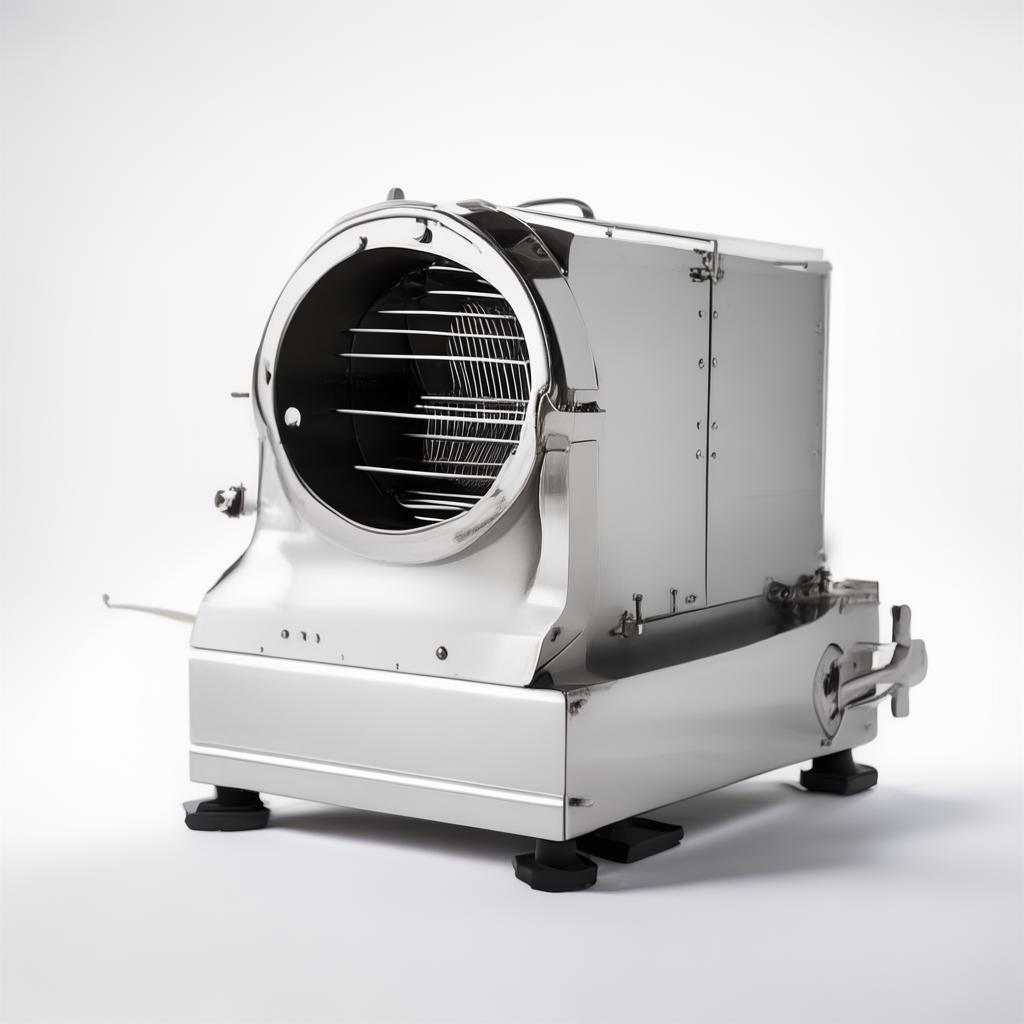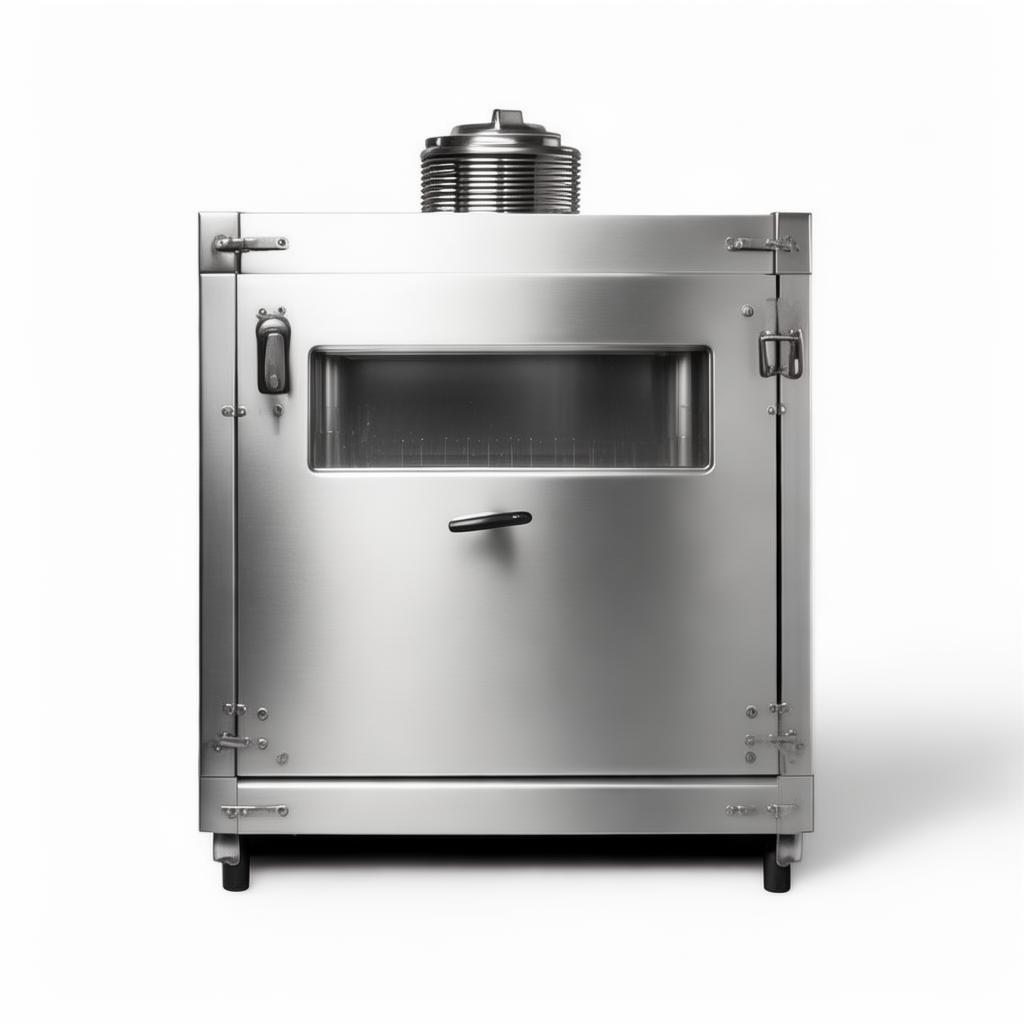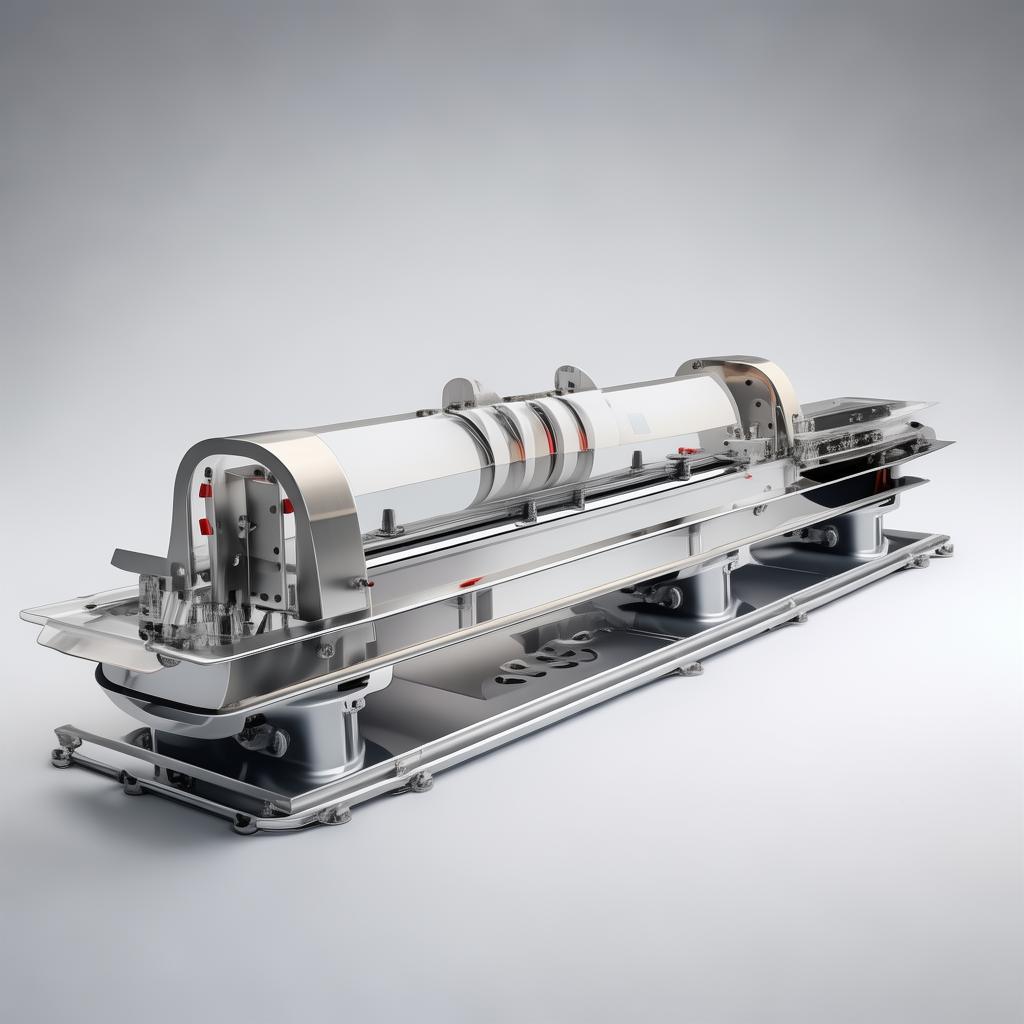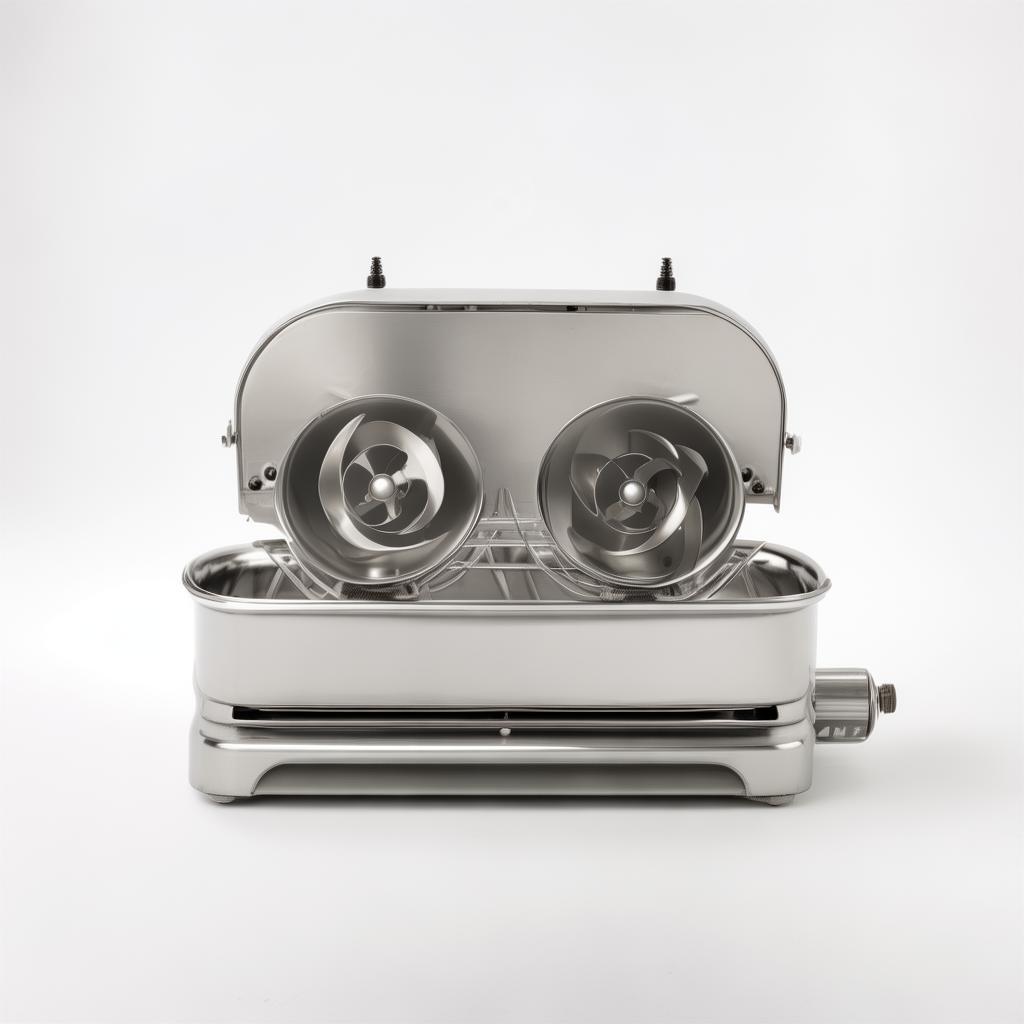
Meatball Stuffer
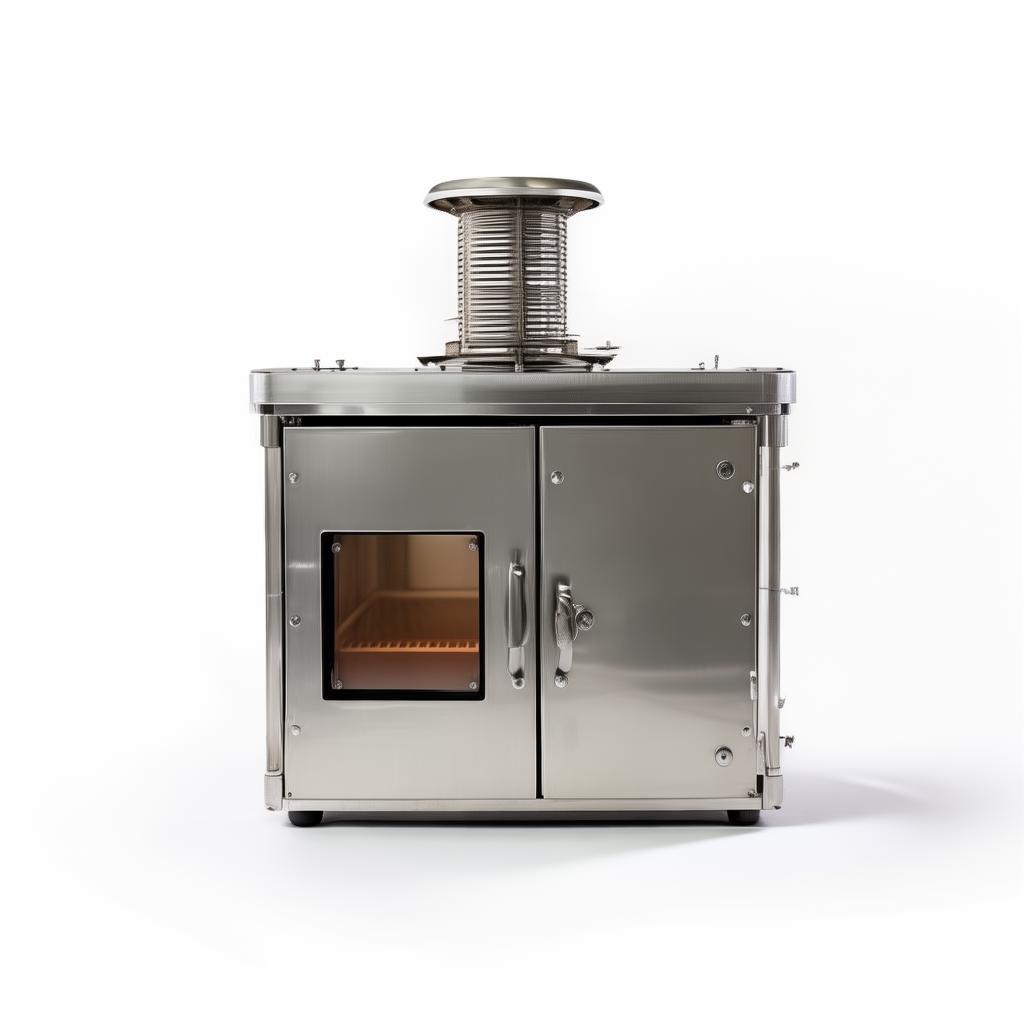
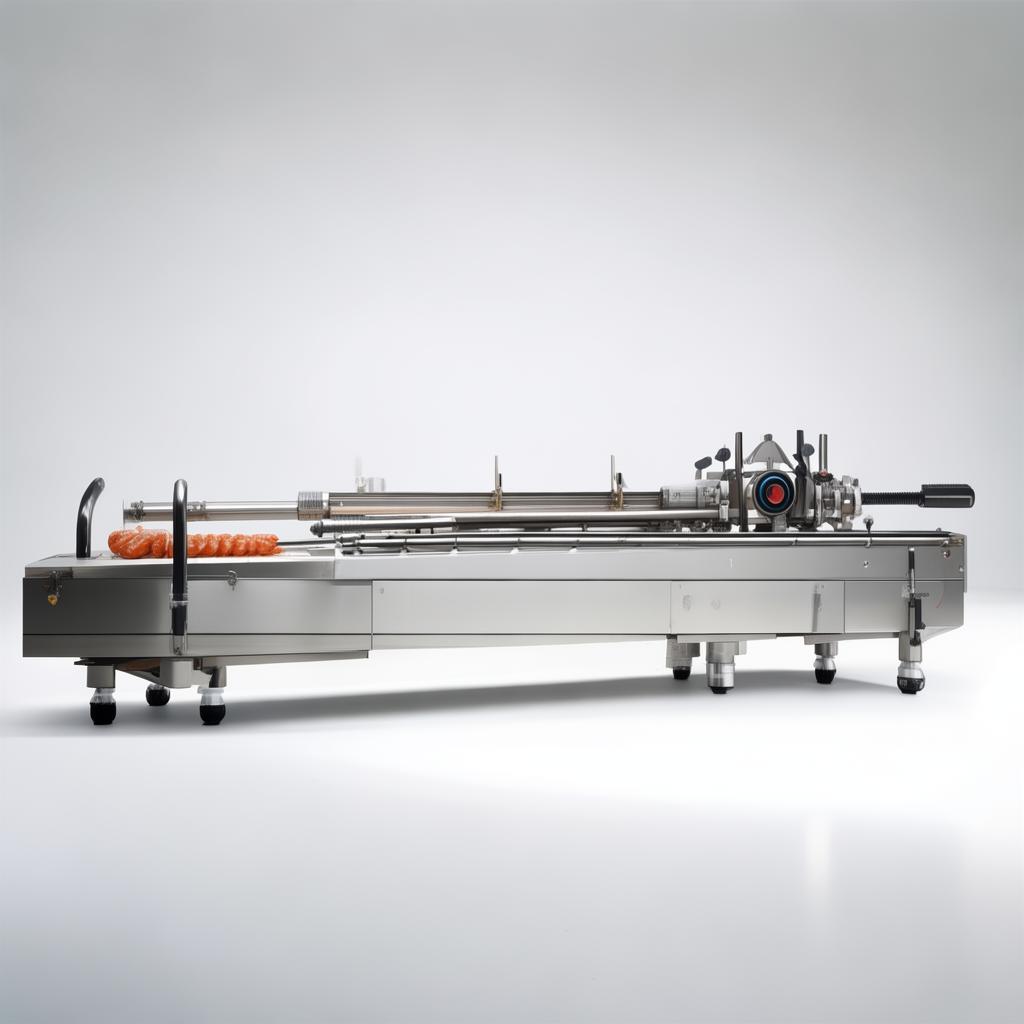
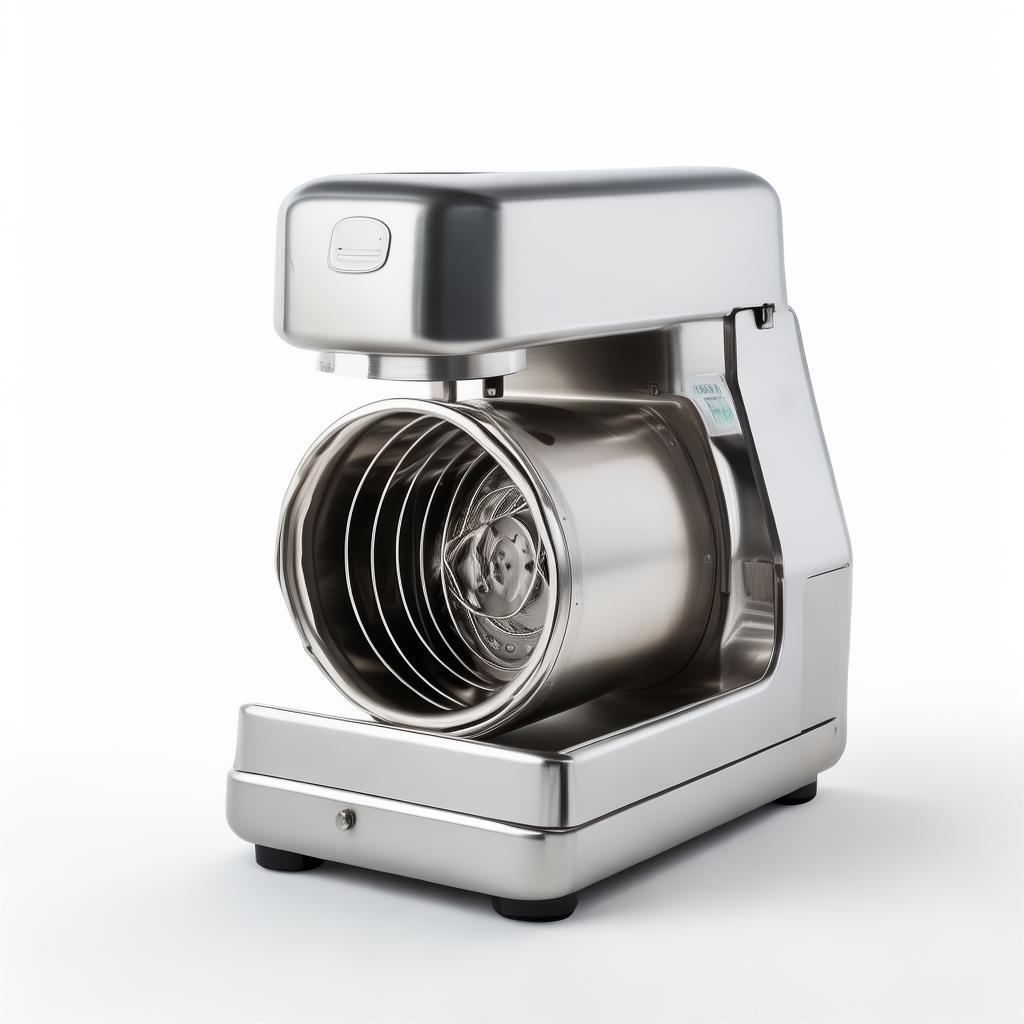
Precision Meatball Stuffers: Elevate Your Production Efficiency & Consistency
Unlock unparalleled accuracy and high-volume output for your meatball production with our advanced stuffing solutions.
 By Zhang Wei, Senior Production Engineer
On This Page:
- Why Your Meatball Production Demands Precision Stuffing
- Common Bottlenecks in Meatball Formation
- The Hebei Yuanchang Meatball Stuffer Advantage
- Engineering Excellence: Key Specifications
- Versatile Applications Across the Food Industry
- Procurement Insight: Choosing the Right Stuffer
- Our Manufacturing Prowess: Hebei Yuanchang Difference
- Quality Assurance & Certifications
- What Our Clients Say
- Frequently Asked Questions
- Ready to Enhance Your Production?
Why Your Meatball Production Demands Precision Stuffing
The global market for processed meat, including meatballs, is experiencing consistent growth. Reports indicate the processed meat market is projected to reach well over $1.2 trillion by 2034, with a compound annual growth rate (CAGR) around 6.62% across various segments. This isn't just about raw volume; it's about meeting consumer demand for convenience, consistency, and quality. For businesses aiming to capitalize on this, the efficiency and reliability of their production lines are paramount. At the heart of consistent meatball production lies the stuffing process. Manual methods or outdated equipment simply cannot keep pace with modern demand, leading to variations in size, density, and shape – all critical factors affecting cooking time, texture, and consumer appeal.
A high-quality meatball stuffer is more than just a piece of machinery; it's a precision instrument engineered to deliver uniformity batch after batch. It impacts everything from raw material utilization to final product presentation. In an industry where margins can be tight and competition fierce, investing in the right stuffing technology translates directly to improved operational efficiency, reduced waste, and a stronger brand reputation. Think about the variability you might see in hand-rolled meatballs – inconsistent density means some might be dry while others are tough. Automated stuffing solves this by precisely controlling fill volume and compression, ensuring every meatball cooks evenly and delivers the expected bite. This precision is also crucial for meeting stringent food safety standards and ensuring accurate portion control, a key consideration for both retail and foodservice.
We understand that selecting equipment for your processing line involves more than just looking at a specification sheet. It's about anticipating operational challenges, ensuring seamless integration, and securing a return on investment. The global meat processing equipment market itself is substantial, estimated to reach around $17.39 billion by 2034, with filling and stuffing equipment being a critical segment. This growth is fueled by increasing automation, the demand for processed meats, and stricter hygiene requirements. As automation adoption rises for labor efficiency and food safety, so does the need for sophisticated, reliable machinery. A robust meatball stuffer is fundamental to this automated workflow, minimizing manual intervention and potential contamination points.
The drive towards value-added products also plays a role. Consumers are increasingly looking for ready-to-cook or ready-to-eat options, and the quality of the forming process directly impacts perceived value. Whether you're producing traditional Italian meatballs, Asian-style fish balls, or even specialized plant-based alternatives, the ability to consistently shape and fill is non-negotiable. Our machines are designed with this versatility in mind, capable of handling a wide range of formulations and product specifications. The right stuffer can transform your production capacity, allowing you to scale operations without compromising the quality that builds customer loyalty. It's about achieving that perfect texture, consistent weight, and appealing appearance that keeps customers coming back.
Furthermore, the international trade landscape for food processing equipment is dynamic. As global demand for processed foods rises, particularly in emerging economies within the Asia-Pacific region which is a significant driver for this market, there's a greater need for reliable suppliers who can deliver robust, compliant machinery. We have decades of experience navigating these complexities, ensuring our equipment meets international standards and that our clients receive comprehensive support, from initial consultation to after-sales service. This commitment to quality and service underpins our approach to every piece of equipment we engineer, especially critical components like meatball stuffers.
Consider the operational benefits: reduced labor costs associated with manual forming, minimized product loss due to inconsistencies, and the ability to achieve higher throughput. The investment in a quality meatball stuffer is an investment in efficiency, consistency, and ultimately, profitability. It’s the foundation for scaling your meatball production to meet current market demands and future growth opportunities.
Common Bottlenecks in Meatball Formation
Many food processors grapple with recurring challenges that hinder optimal meatball production. These aren't minor inconveniences; they directly impact output, product quality, and operational costs.
- Inconsistent Size & Weight: Manual or semi-automatic methods lead to significant variations. This means uneven cooking, customer complaints, and challenges with portion control for packaged goods. A typical processing plant might see a 5-10% variation in weight per meatball with manual filling, which is unacceptable for high-volume operations.
- Density Variations: Unevenly compacted meat mixtures result in meatballs that are either too dense and tough, or too loose and prone to falling apart during cooking or handling. Achieving the right "mouthfeel" is critical for consumer acceptance.
- Product Breakage & Waste: Aggressive handling or poor formation can lead to product deformation or breakage, especially with more delicate formulations. This directly translates to material loss and reduced yield.
- Slow Production Rates: Manual or less efficient machines limit throughput, making it difficult to meet demand, especially during peak seasons or promotional periods. This can be a significant barrier to scaling the business.
- Labor Intensive Processes: Relying on manual labor for stuffing is costly, prone to human error, and introduces hygiene risks. Finding and retaining skilled labor for such repetitive tasks is also increasingly challenging.
- Formulation Limitations: Some equipment struggles with higher fat content, fibrous meats, or the inclusion of smaller inclusions like herbs or spices, leading to blockages or poor product structure.
- Hygiene Concerns: Open processes or difficult-to-clean machines can be a breeding ground for bacteria, posing a significant food safety risk. Compliance with standards like HACCP and GMP requires meticulous design.
These challenges collectively drive up operational costs, compromise product integrity, and cap production potential. Identifying and addressing these pain points is the first step toward optimizing your meatball manufacturing.
The Hebei Yuanchang Meatball Stuffer Advantage
Our meatball stuffers are engineered from the ground up to tackle the challenges faced by modern food processors. We’ve combined decades of manufacturing experience with advanced engineering to deliver a solution that prioritizes precision, efficiency, and durability.
Unmatched Consistency
Utilizing advanced volumetric feeding and precise servo-driven mechanisms, our stuffers ensure every meatball is formed to exact weight and dimensions, minimizing variations to ±1%. This level of uniformity is critical for cooking predictability and brand integrity.
High-Volume Output
Engineered for continuous operation, our machines can achieve production rates of up to 10,000-20,000 pieces per hour, depending on the model and product. This dramatically increases your capacity to meet market demand.
Gentle Product Handling
Our unique filling auger and die design minimizes shear and compression on the meat mixture, preserving texture and preventing the release of moisture or fats. This results in a more tender, palatable final product.
Durable Construction
Built with high-grade stainless steel (e.g., 304 grade), our machines are designed for longevity in demanding industrial environments. Easy-to-clean surfaces and robust components ensure reliable performance with minimal downtime.
Versatile Formulation Handling
Our stuffer design accommodates a wide range of meat types, fat percentages, and inclusions. Whether it’s beef, pork, poultry, fish, or even plant-based alternatives, our machines adapt to your specific recipe.
User-Friendly Operation
Intuitive control panels with digital interfaces allow for easy adjustment of fill volumes, speeds, and other parameters. Operators can quickly learn to operate and maintain the equipment.
Engineering Excellence: Key Specifications
Our range of meatball stuffers offers various capacities and features to suit different production scales and needs. Below are typical specifications for our popular models. For detailed engineering drawings and custom configurations, please contact our technical sales team.
| Feature | Model YC-MS1000 | Model YC-MS2000 | Model YC-MS3000 (Heavy Duty) |
|---|---|---|---|
| Production Capacity (Meatballs/Hr) | 10,000 - 12,000 | 15,000 - 18,000 | 20,000 - 25,000+ |
| Meat Mixture Capacity (Liters) | 30 | 50 | 75 - 100 |
| Meatball Diameter Range (mm) | 20 - 40 | 20 - 45 | 25 - 50 |
| Motor Power (kW) | 3.0 | 4.5 | 7.5 |
| Material Construction | SS304 Stainless Steel | SS304 Stainless Steel | Heavy Duty SS304 Stainless Steel |
| Control System | PLC + Touch Screen | PLC + Touch Screen | Advanced PLC + HMI |
| Dimensions (L x W x H) (mm) | 1500 x 800 x 1400 | 1800 x 900 x 1600 | 2200 x 1100 x 1800 |
| Weight (kg) | 400 | 600 | 950 |
| Power Supply | 380V/50Hz/3Phase (Customizable) | 380V/50Hz/3Phase (Customizable) | 380V/50Hz/3Phase (Customizable) |
meatball molder meatball machine meatball former
Note: Specifications are subject to change without prior notice. Please consult with our sales team for the most up-to-date information and custom configuration options.
Versatile Applications Across the Food Industry
Our meatball stuffers are not limited to one type of product. Their adaptable design makes them suitable for a broad spectrum of food processing applications, enabling manufacturers to diversify their offerings and capture new market segments.
Beef & Pork Meatballs
For classic Italian, American, or Asian-style meatballs. Handles various grinds and fat content with ease.
Poultry Meatballs
Ideal for chicken or turkey meatballs, often requiring slightly different handling due to leaner meat compositions.
Fish & Seafood Balls
Perfect for producing uniform fish balls, shrimp balls, or other seafood-based products with delicate textures.
Plant-Based Alternatives
Handles various vegan and vegetarian meatball formulations, including those with binders, plant proteins, and inclusions.
Formed Patties & Nuggets
With appropriate tooling, the same stuffer can be adapted for forming consistent patties or nuggets for various applications.
Specialty Products
From small appetizer-sized balls to larger cooking spheres, our machines can be customized for unique product requirements.
Procurement Insight: Choosing the Right Stuffer
As a procurement manager or operations director, your decision carries significant weight. A poorly chosen piece of equipment can lead to operational headaches and financial losses. Here's what to consider when evaluating meatball stuffers:
1. Production Volume & Scalability
Assess your current and projected production needs. Are you aiming for 1,000 meatballs an hour or 20,000? Ensure the stuffer's capacity aligns with your business goals. Consider future growth – can the machine be upgraded or supplemented later? A machine rated for 15,000/hour might be adequate now, but will it suffice for next year's expansion plans?
2. Formulation Versatility
Your product recipes are unique. Does the stuffer handle high-fat mixes, delicate poultry, or include chopped vegetables? Look for machines with adjustable fill pressures and gentle auger designs. The ability to process a variety of formulations without significant retooling is a major operational advantage.
3. Ease of Cleaning & Maintenance
This is critical for food safety and minimizing downtime. Look for designs with minimal crevices, easily removable parts, and smooth surfaces made from food-grade materials like SS304 stainless steel. What is the typical cleaning time for a shift change or product changeover? Factor in the availability of spare parts and the supplier's service responsiveness.
4. Integration into Existing Line
How will this stuffer fit into your current production flow? Does it have the right output interface for downstream equipment (e.g., forming machines, conveyors)? Consider footprint, power requirements, and necessary utilities. A seamless integration prevents the creation of new bottlenecks.
5. Supplier Reputation & Support
Research the manufacturer. Do they have a proven track record in the food processing industry? What is their after-sales support like? For international buyers, understanding lead times, shipping logistics, and the availability of local service or training is crucial. With 40 years of experience, Hebei Yuanchang offers unparalleled expertise in this area.
6. Total Cost of Ownership
Don't just look at the upfront price. Consider energy consumption, maintenance costs, potential for waste reduction, and the impact on labor. A slightly more expensive machine that offers greater efficiency and reliability can deliver a much lower total cost of ownership over its lifespan.
Making an informed decision now will save your organization significant time, money, and operational stress down the line.
Our Manufacturing Prowess: The Hebei Yuanchang Difference
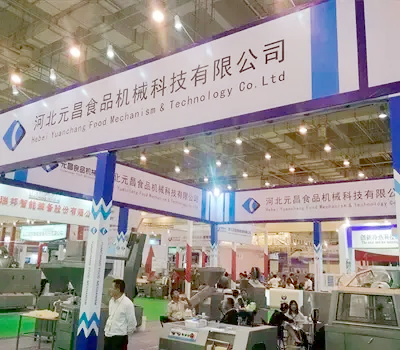
At Hebei Yuanchang Food Mechanism & Technology Co., Ltd., our 40-year legacy since 1986 is built on a foundation of rigorous engineering and a deep understanding of meat processing needs. We don't just assemble machines; we engineer solutions.
Our 14,000-square-meter facility houses a state-of-the-art machining workshop equipped with over 20 sets of advanced processing machinery. This includes high-precision grinding machines, boring machines, and wire cutting equipment. The strategic investment in eight Japanese Mazak CNC machining centers in 2012 was a pivotal step, allowing us to produce exceptionally high-standard, non-standard components with remarkable precision – a capability that sets us apart in the industry.
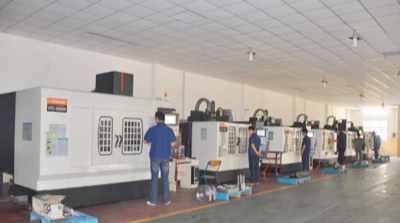
This in-house capability for producing critical, high-precision parts means we have complete control over quality and can significantly reduce lead times. It also underpins our commitment to providing traceable, reliable after-sales service. Our team of 80-100 dedicated professionals integrates R&D, production, and sales, ensuring a holistic approach to equipment manufacturing. Whether you need a standard meatball stuffer or a fully customized production line, our expertise and infrastructure are geared to deliver. We specialize in complete lines for meat product pretreatment, filling & molding, and ripening, making us a one-stop solution provider for many processors.
Our experience spans across various meat processing equipment, ensuring we understand the interplay between different machines in a production line. This holistic view allows us to design and manufacture equipment that integrates seamlessly, optimizing the entire workflow, not just individual steps.
Quality Assurance & Certifications
Commitment to quality and safety is paramount in the food processing industry. Hebei Yuanchang adheres to stringent international standards to ensure our equipment meets global benchmarks for performance, safety, and reliability.

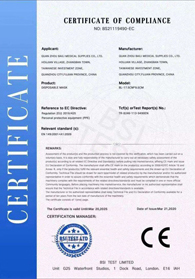



Our manufacturing processes are certified under ISO 9001 standards, reflecting our dedication to quality management systems. Key equipment components and finished products often comply with CE directives for the European market and meet RoHS requirements for hazardous substances. We also ensure materials and designs align with FDA guidelines for food contact safety, crucial for the US market. This dedication to compliance ensures peace of mind for our international clientele, guaranteeing that our equipment is safe, reliable, and ready for global distribution.
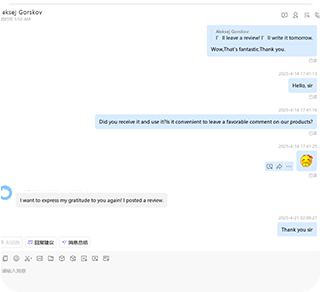
What Our Clients Say
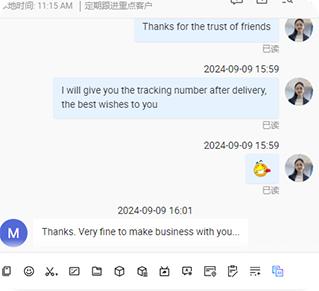
Hear directly from businesses that have integrated our meatball stuffers into their operations.

Operations Manager, USA
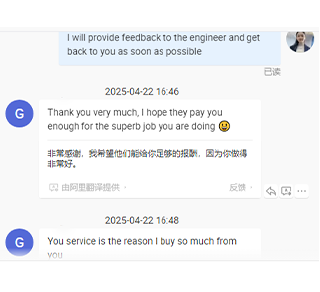
"We were struggling with consistency in our product line. The Hebei Yuanchang YC-MS2000 has been a game-changer. Our meatballs are now uniform in size and density, which has significantly improved cooking times and reduced customer complaints. The machine is robust and surprisingly easy to clean."

Factory Director, Japan
"Our specialty fish ball production requires delicate handling. The YC-MS1000's gentle forming mechanism has preserved the texture beautifully. We've seen a significant increase in throughput, and the machine’s reliability is impressive. Customer service has been responsive."

Procurement Lead, Canada
"We needed a high-capacity stuffer that could handle various formulations, including plant-based. Hebei Yuanchang delivered. The YC-MS3000 is a workhorse. The precision components and sturdy build suggest it will last for years. Their export support was thorough."
Direct Inquiry & Support
Have specific questions about integration, customisation, or technical details? Our experts are ready to assist you.
Frequently Asked Questions
Q: What types of meat mixtures can these stuffers handle?
Our stuffers are designed to handle a wide range, including beef, pork, poultry, fish, and lamb. They are also capable of processing newer formulations like plant-based alternatives. The key is managing moisture content and particle size for optimal flow.
Q: How is the meatball size adjusted?
Size adjustment is typically managed through interchangeable dies and by controlling the filling volume via the PLC interface. For specific diameter requirements, custom tooling can be provided.
Q: What is the typical lead time for delivery?
Lead times can vary based on model availability and any customization required. Standard models often ship within 4-8 weeks. For specific inquiries, please contact our sales department for an accurate estimate.
Q: Is installation and training included?
We offer comprehensive installation and operator training services, typically as an optional package for international clients. Our team provides detailed manuals and can arrange on-site support if required.
Upgrade Your Meatball Production Today
Don't let inconsistent production hold your business back. Partner with Hebei Yuanchang for reliable, high-performance meatball stuffing solutions.
Phone: +86 15830991513 | E-mail: ycmeatmech@gmail.com