Used Food Slicers
Your Strategic Source for Refurbished Food Slicers: Quality, Value, and Performance
Navigating the Market for Used Food Slicers: Beyond the Price Tag
The global meat processing equipment market is a robust sector, projected to reach USD 19.66 billion by 2033, according to SkyQuestt. This growth highlights a continuous demand for efficiency and automation in food preparation. For many businesses, especially those in the initial growth stages or looking to expand capacity without a massive capital outlay, the secondary market for food slicers presents a compelling opportunity. However, venturing into the used equipment market requires more than just a quick search. It demands an understanding of the underlying technology, the specific application needs, and the reliability of the supplier. Purchasing a used food slicer can be an incredibly smart move. You can acquire a piece of equipment that might have cost tens of thousands when new, for a fraction of that price. This significantly lowers your barrier to entry or your upgrade costs, freeing up capital for other critical areas of your operation, such as ingredient sourcing or marketing.
The key is to approach this decision with a discerning eye. A poorly maintained or misrepresented used slicer can quickly turn into a costly liability. Downtime due to unexpected breakdowns, inconsistent slice thickness leading to product waste, and difficulties in meeting hygiene standards are all risks associated with buying without proper due diligence. We often see businesses bypass this crucial step, focusing solely on the lowest initial cost. This is a common pitfall. Think about it: a slicer that jams frequently or produces uneven cuts doesn't just waste food; it also slows down your entire production line. The labor costs associated with dealing with a subpar machine can easily outweigh the initial savings.
Our experience, spanning four decades, has taught us that the true value of equipment lies in its consistent performance and longevity. When we offer used food slicers, they have passed through our rigorous inspection process. We don't just clean them; we assess critical components, perform necessary repairs or replacements, and ensure they operate to manufacturer specifications. This level of commitment is what separates a good deal from a potential headache. Consider the specific types of food you'll be slicing. Are you processing deli meats, cheeses, vegetables, or perhaps something more specialized? Each application might benefit from different blade types, motor strengths, and adjustability features. Understanding these nuances is crucial when selecting a used unit.
The market reports indicate a strong trend towards automation and hygiene in meat processing. Grand View Research noted the market was valued at USD 11.28 billion in 2024, with slicing equipment being a core segment. This underscores the importance of reliable slicing technology. A used slicer, when properly sourced, can integrate seamlessly into your workflow, providing the precision needed for both high-volume output and delicate, consistent presentation. We've found that many importers are particularly interested in the traceability and certification of equipment, even when it's pre-owned. This is a valid concern, especially when dealing with international markets that have stringent food safety regulations. Our company, rooted in China but serving global clients, is accustomed to these requirements and can provide documentation to support the provenance and suitability of our refurbished units.
Why Choose Refurbished Over New?
- Significant Cost Savings: Acquire high-quality machinery at a reduced price point.
- Reduced Depreciation: The steepest depreciation curve for most equipment occurs in the first few years of its life. Buying used bypasses this.
- Faster Availability: Often, used equipment is ready for immediate shipment, unlike the often lengthy lead times for new custom orders.
- Proven Performance: You're buying a model that has already been tested in real-world conditions.
Our Inventory: Quality Used Food Slicers Ready for Your Operation
At Hebei Yuanchang, our inventory of used food slicers is not a random collection. Each machine is selected based on its potential for continued reliable service. We focus on established brands known for durability and performance. Our technicians, with years of hands-on experience in food machinery maintenance and repair, conduct a comprehensive multi-point inspection. This includes:
Blade System Check
We inspect the blade for wear, damage, and sharpness. If necessary, blades are professionally re-sharpened or replaced with high-quality alternatives. We ensure the blade carriage operates smoothly and safely.
Motor and Gearbox
The heart of any slicer. We test for consistent power, proper gearing, and listen for unusual noises. Any wear components are addressed.
Material and Construction
We examine the structural integrity, particularly in food-grade stainless steel surfaces, for corrosion, cracks, or significant wear that could impact hygiene or durability.
Safety Features
All guards, interlocks, and emergency stops are tested to ensure they function correctly, meeting industry safety standards.
Adjustments and Controls
We verify that the slice thickness adjustment mechanism is precise and easy to operate, allowing for consistent results.
This detailed approach ensures that when you purchase a used food slicer from us, you're not just getting a machine; you're getting a reliable partner for your food processing needs.
Procurement Insight: When evaluating used slicers, always ask for detailed inspection reports and inquire about any parts replaced. A supplier willing to provide this transparency is generally one you can trust.
Technical Considerations for Used Food Slicers
Selecting the right food slicer, even a used one, involves understanding key technical specifications that impact performance and suitability for your specific tasks. The variety of models available means that a "one-size-fits-all" approach simply doesn't work.
Blade Diameter: This is a primary determinant of the size of product the slicer can handle. Larger diameter blades (e.g., 12-14 inches) are typically found on commercial-grade units designed for larger cuts of meat or cheese blocks. Smaller slicers (e.g., 9-10 inches) are more suited for smaller items or lower volume operations.
Motor Power (HP/Watts): Higher horsepower motors provide more torque, essential for slicing dense or frozen products consistently without bogging down. For standard deli meats or cheeses, a moderate motor is usually sufficient. For applications involving semi-frozen products, investing in a unit with a more powerful motor is advisable.
Slice Thickness Adjustment: Precision is key. Look for slicers with a finely graduated adjustment mechanism, often controlled by a micro-adjustment knob. The range of slice thickness can vary significantly, from paper-thin to over an inch thick. Understanding your typical slicing needs will guide this choice.
Blade Type: While most food slicers use high-carbon stainless steel blades, some may feature ceramic coatings for extended sharpness or specialized serrations for different product types (e.g., bread slicers have very specific serrations). For general-purpose use, a well-maintained standard blade is usually ideal.
Construction Material: Food-grade stainless steel is the industry standard for food contact surfaces due to its durability, ease of cleaning, and resistance to corrosion. Anodized aluminum is also common but may be less resistant to pitting over time. Always prioritize units with robust construction.
Automation Features: While many used slicers are manual or semi-automatic, some higher-end units might offer features like automatic carriage return or programmable slice counts. These can significantly boost efficiency in high-volume settings.
Operational Tip: When considering a used slicer, ask about its typical application. A slicer used primarily for soft cheeses will likely show less wear than one used daily for tough, fibrous meats.
Entity Mention: The demand for precise slicing is a direct driver for advancements in meat processing equipment. According to Mordor Intelligence, the market for such equipment is expected to grow to USD 12.60 billion by 2031, with efficient cutting and grinding systems being pivotal.
Applications and Industries Benefiting from Used Food Slicers
The versatility of food slicers makes them indispensable across a wide spectrum of the food industry. Investing in a quality used unit can provide immediate benefits to businesses of all sizes.
Deli & Grocery Stores
Essential for slicing meats, cheeses, and specialty items for sandwiches and charcuterie boards. Consistent thickness ensures customer satisfaction and controlled portioning.
Restaurants & Catering
Quickly prepare large volumes of ingredients like meats, vegetables, and cheeses for daily service or large events. Reduces labor costs and ensures uniformity.
Food Manufacturers
Used in primary or secondary processing for slicing cured meats, vegetables for ready-to-eat meals, or portions for packaging. The global meat processing equipment market growth (CAGR of 5.0% as per Fortune Business Insights) fuels demand for reliable slicing tech.
Bakeries
While primarily for meats, specialized slicers can handle loaves of bread, cakes, or other baked goods, ensuring consistent portioning for sale or further processing.
Institutional Kitchens
Schools, hospitals, and corporate cafeterias benefit from efficient slicing to manage food costs and provide consistent quality for large numbers of servings.
Installation, Maintenance, and Logistics: Our Support System
Acquiring a used food slicer is the first step; ensuring it operates smoothly long-term is the next. At Hebei Yuanchang, we understand that our responsibility extends beyond the sale.
Installation Guidance
Most commercial food slicers are designed for straightforward setup. Key considerations include:
- Stable Surface: The slicer must be placed on a level, sturdy countertop or stand to prevent vibration and ensure safe operation.
- Power Supply: Ensure your electrical outlet matches the slicer's voltage and amperage requirements. A dedicated circuit is often recommended for high-power units.
- Clearance: Allow adequate space around the unit for operation, cleaning, and product feeding.
- Ventilation: Some motors require proper airflow to prevent overheating.
Routine Maintenance for Longevity
Regular maintenance is non-negotiable for both performance and food safety. This includes:
- Daily Cleaning: Thoroughly clean all food-contact surfaces after each use. Disassemble parts as per the manufacturer's instructions.
- Blade Sharpening: Use the built-in sharpener (if applicable) or a professional service to maintain blade edge. A dull blade strains the motor and produces poor cuts.
- Lubrication: Moving parts may require occasional lubrication with food-grade lubricants.
- Motor Checks: Periodically listen for unusual sounds from the motor and gearbox.
We can provide basic operational manuals or guidance for the models we supply. For complex repairs or deep maintenance, our technical team is available to consult.
Logistics and Global Shipping
Hebei Yuanchang specializes in international trade. We have extensive experience in securely packaging and shipping machinery worldwide. Whether you require LCL (Less than Container Load) or FCL (Full Container Load) shipment, we ensure your equipment is protected throughout its journey.
- Custom Crating: For maximum protection, especially for delicate or high-value units.
- Container Optimization: We work to maximize space efficiency to reduce shipping costs.
- Documentation: We provide all necessary export documentation for smooth customs clearance.
- Incoterms Expertise: We are familiar with various international trade terms (e.g., FOB, CIF) to suit your procurement preferences.
Logistics Alert: Always factor in potential import duties, taxes, and local handling fees in your destination country when budgeting for used equipment.
Hebei Yuanchang: Your Trusted Partner for 40 Years
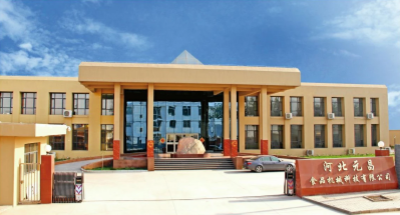
With a legacy dating back to 1986, Hebei Yuanchang Food Mechanism & Technology Co., Ltd. has established itself as a reliable name in the meat processing equipment industry. Spanning over 14,000 square meters, our facility houses a dedicated team of 80-100 professionals committed to R&D, production, and sales.
Our in-house machining workshop is a testament to our commitment to quality. Equipped with over 20 sets of advanced processing machinery, including high-precision grinding machines and Japanese Mazak CNC machining centers (introduced in 2012), we possess the capability to produce complex, high-standard components. This vertical integration means we can ensure the precision and reliability of every piece of equipment we offer, including our refurbished used food slicers.
Our expertise covers complete production lines for meat products, from pretreatment to ripening and auxiliary items. This deep understanding of the entire processing workflow allows us to provide insightful advice and support to our clients, ensuring they select equipment that truly meets their operational needs. We pride ourselves on building long-term relationships based on trust, quality, and consistent performance.

Mr. Li Wei
Export Manager
Hebei Yuanchang Food Mechanism & Technology Co., Ltd.
"We stand by the quality of our refurbished equipment. Our 40 years of experience means we know what it takes for machinery to perform reliably in demanding industrial environments. We're here to help you find the right solution."
Why Partner With Us?
- 40 Years of Expertise: Since 1986, unparalleled knowledge in meat processing.
- In-House Precision Machining: Over 20 advanced processing machines, including Japanese CNC centers.
- Rigorous Refurbishment Process: Used equipment inspected, serviced, and tested for optimal performance.
- Global Export Capabilities: Experienced in international logistics and documentation.
- Comprehensive Product Lines: Offering solutions for the entire meat processing workflow.
- Traceable After-Sales Service: We ensure you have support throughout the equipment's lifecycle.
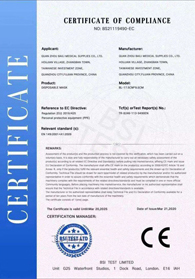
Certifications & Standards


Customer Testimonials
"We were hesitant about buying used equipment, but the slicer we got from Yuanchang has been a workhorse. It arrived in excellent condition, and the team provided great support for setup. Saved us a considerable amount compared to new."

Maria S.
Owner, Deli Delights
food slicer uses how to use food slicer food and meat slicer
"As an international food distributor, sourcing reliable equipment is critical. Hebei Yuanchang understood our export requirements and provided a detailed report on the used slicer we purchased. The logistics were handled flawlessly, and the equipment met our client's needs perfectly."

John K.
Procurement Director, Global Foods Inc.
"We needed to scale up our production of pre-packaged meals quickly. A new slicing line was out of budget. Yuanchang offered a robust used slicer that fit our needs and timeline. The build quality is evident, and it's made our slicing process much more efficient."

Sarah L.
Operations Manager, ReadyMeals Co.
Ready to Enhance Your Food Processing Efficiency?
Get Factory Pricing
Discover how our competitively priced, refurbished food slicers can fit your budget and operational needs.
Talk With an Engineer
Have specific technical questions or need advice on integration? Our experts are ready to assist.
Frequently Asked Questions (FAQs)
What is the warranty on your used food slicers?
While used equipment is typically sold "as-is," we offer a limited warranty on critical components for a specified period. Please inquire for details on specific units, as warranty terms can vary. Our goal is to ensure your initial operational period is worry-free.
Can you provide documentation for the used equipment?
Yes, we provide available documentation such as operation manuals and service history where possible. For international sales, we ensure all necessary export documentation is in order.
What is the typical lifespan of a commercial food slicer?
With proper maintenance, a well-built commercial food slicer can last well over 10-15 years, sometimes much longer. Our refurbishment process aims to restore units to a condition that allows for many more years of reliable service.
How do I choose the right size food slicer for my business?
Consider the volume of product you need to slice daily, the size of the products (e.g., large roasts vs. small cheeses), and the available counter space. Our sales team can help guide you based on your specific operational requirements.
Are your used slicers compliant with food safety standards?
We ensure all food-contact surfaces are thoroughly cleaned and inspected. Our machines are built to standards common in the industry. Compliance with specific local health codes is the responsibility of the end-user, but we can provide information to assist you.
Risk Reduction & Buyer Assurance
Buying used equipment can feel like a gamble, but at Hebei Yuanchang, we've built our process to minimize that risk for you. Our 40-year legacy is founded on trust and delivering tangible value.
- Transparent Inspections: We provide honest assessments of our used equipment.
- Expert Refurbishment: Our skilled technicians restore functionality and safety.
- Experienced Export Team: We manage international logistics with precision.
- Direct Factory Pricing: Benefit from our manufacturing expertise without unnecessary markups.
- Long-Term Support: We are a partner, not just a vendor, offering ongoing consultation.