Meat Trolley Price
Meat Trolley Price: Navigating Costs, Features, and Supplier Value
Your Comprehensive Guide to Investing in Quality Meat Trolleys for Efficient Processing and Handling.
 By Alex Chen, Senior Export Manager at Hebei Yuanchang Food Mechanism & Technology Co., Ltd.
Understanding the Investment: What Drives Meat Trolley Pricing?
When sourcing industrial equipment, especially for critical processes like meat handling, understanding the true cost is paramount. The query "meat trolley price" often signifies a buyer deep in the procurement cycle, looking beyond initial figures to assess value, reliability, and long-term operational benefits. It's not just about the sticker price; it's about the entire lifecycle cost, the impact on your production efficiency, hygiene compliance, and the durability of the investment. At Hebei Yuanchang, with over 40 years of experience manufacturing specialized food processing machinery since 1986, we've seen firsthand how the right choice in equipment, down to the humble meat trolley, can significantly influence a plant's output and profitability.
The global meat processing equipment market itself is substantial, projected to reach between USD 11 to over USD 19 billion by 2034, with key segments including filling, massaging (for ripening), cutting, and grinding machines. Our own segment, auxiliary items, plays a crucial supporting role. The meat trolley, often seen as a simple material handling tool, is in fact an integral part of the workflow, facilitating the movement of raw materials, intermediate products, and even finished goods within a processing facility. Its design, materials, and construction directly affect hygiene, worker safety, and the speed at which operations can be conducted.
A buyer searching for "meat trolley price" is typically evaluating their options among various suppliers, potentially including domestic manufacturers, international exporters, and different grades of equipment. They are likely considering factors such as capacity, material (stainless steel is a standard for a reason), load-bearing capabilities, maneuverability, ease of cleaning, and compliance with food safety regulations (like FDA or local equivalents). The price can vary wildly based on these specifications. A basic, small-capacity trolley might cost a few hundred dollars, while a heavy-duty, custom-designed stainless steel unit with specialized features could run into thousands. Our goal is to provide clarity on these variables, helping you make an informed decision that aligns with your operational needs and budget.
Industry reports consistently highlight the growing demand for processed meats, driven by urbanization and convenience. This trend, projected to see the processed meat market exceed USD 1.2 trillion by 2034, directly fuels the need for efficient and robust handling solutions. [Fortune Business Insights - Processed Meat Market] This necessitates equipment that can keep pace with higher throughputs while maintaining strict hygiene standards. Meat trolleys, when chosen correctly, contribute to this by minimizing manual handling, reducing contamination risks, and ensuring smooth transitions between processing stages, whether it's moving meat cuts to a tenderizer, into a filling machine, or towards a ripening process.
Furthermore, the conversation around meat trolley pricing must also acknowledge the manufacturing origin. Facilities like ours in China leverage advanced CNC machining centers, including Japanese Mazak equipment, allowing us to produce high-precision parts for demanding applications. This capability, combined with extensive experience since 1986, enables us to offer competitive pricing without compromising on quality or customization. We understand that international buyers are looking for a balance of cost-effectiveness and reliable performance, and our integrated R&D, production, and sales model is designed to deliver exactly that. The search for "meat trolley price" often leads to a discovery of the value proposition offered by experienced international manufacturers.
When you look at "meat trolley price," consider it an investment in operational fluidity. A well-constructed trolley reduces the risk of product spillage, damage, and contamination. It simplifies cleaning protocols, a critical factor in any food processing environment. The materials used, typically high-grade stainless steel (like 304 or 316 for superior corrosion resistance), impact not only the price but also the longevity and maintainability of the equipment. Our own manufacturing includes a dedicated machining workshop with over 20 sets of processing machinery, ensuring we can produce robust, food-grade components for our trolleys.
The complexity of modern meat processing involves numerous steps, from initial cutting and grinding to molding, filling, and ripening. Auxiliary items like trolleys are the silent workhorses that enable these processes to occur efficiently. For example, a trolley designed to interface seamlessly with a filling machine or a vacuum tumbler reduces transfer times and potential for errors. The price point of such a trolley reflects its integration capabilities, material thickness, wheel quality (essential for smooth movement under load), and overall design robustness. We aim to demystify these elements, offering transparency in our pricing structure based on tangible features and benefits.
Understanding the supply chain dynamics also plays a role. The global meat processing equipment market is expected to reach USD 17.39 billion by 2034, driven by automation and hygiene standards [Fortune Business Insights]. As a manufacturer with direct control over production and quality, we can offer pricing that reflects true manufacturing costs, cutting out unnecessary intermediaries. This is particularly relevant for buyers sourcing from overseas, where logistics and lead times are critical considerations. The price you see from us includes the value of our 40 years of manufacturing expertise and our commitment to delivering reliable, high-performance equipment.
Ultimately, the "meat trolley price" is a snapshot of a larger operational decision. It's about securing a piece of equipment that will reliably serve your facility, contribute to food safety, and enhance productivity for years to come. By providing detailed specifications, transparent pricing discussions, and insights into our manufacturing process, we empower you to make that informed choice.
Common Operational Challenges & How the Right Trolley Solves Them
-
✔
Hygiene & Contamination Risks: Traditional or poorly designed trolleys can harbor bacteria in crevices, leading to cross-contamination. Our trolleys are constructed with seamless, food-grade stainless steel surfaces, designed for easy and thorough cleaning and sanitization.
-
✔
Inefficient Material Handling: Clumsy, unstable trolleys slow down production, increase labor costs, and risk product damage or spills. Smooth-rolling, robust trolleys ensure quick, safe transfers between processing stations, optimizing workflow.
-
✔
Durability & Frequent Replacements: Lower-quality materials or construction lead to premature wear and tear, increasing replacement costs and downtime. We utilize high-grade stainless steel and precision engineering, ensuring a long service life even in demanding environments.
-
✔
Limited Mobility & Ergonomics: Difficult-to-maneuver trolleys strain workers and create bottlenecks. Our trolleys feature high-quality casters for effortless movement, even when fully loaded, improving workplace ergonomics.
-
✔
Compliance Issues: Non-compliant equipment can lead to costly audits, fines, or production stoppages. Our trolleys are built to meet stringent international food safety and hygiene standards.
Why Choose Hebei Yuanchang Meat Trolleys? Value Beyond Price.
At Hebei Yuanchang, we don't just sell meat trolleys; we provide a critical piece of material handling infrastructure engineered for performance and longevity. Our pricing reflects a deep understanding of the food processing industry and a commitment to delivering exceptional value. When you inquire about "meat trolley price," you're engaging with a supplier who prioritizes:
- Uncompromising Stainless Steel Construction: We exclusively use high-grade SUS304 stainless steel, renowned for its excellent corrosion resistance, durability, and hygienic properties, making it ideal for the harsh environments of meat processing plants. This material ensures a long operational life and simplifies cleaning protocols.
- Precision Engineering & Robust Design: Our in-house machining capabilities, including advanced CNC equipment, allow us to craft trolleys with superior structural integrity. This means they can handle substantial loads without deforming, and their welded joints are smooth and crevice-free for optimal hygiene.
- Superior Maneuverability: Equipped with high-quality, food-grade casters (often polyurethane or nylon, depending on application), our trolleys glide effortlessly across various floor surfaces. This reduces operator strain and speeds up internal logistics. We offer swivel, fixed, and braked options.
- Hygienic Design for Food Safety: Every aspect, from rounded corners and smooth welds to the absence of external fasteners where possible, is designed to prevent bacterial accumulation and facilitate thorough washdowns. This directly supports your HACCP and other food safety management systems.
- Customization Capabilities: While we offer standard models, we excel at tailoring designs to your specific needs. Whether you require a different dimension, a specialized lid, a specific number of shelves, or unique castor configurations, our engineering team can develop a solution. This flexibility is key for operations with unique workflows.
- Extensive Experience & Export Know-How: With 40 years in the industry, we understand international standards, shipping logistics, and the nuances of cross-border commerce. Our export team ensures a smooth transaction from inquiry to delivery.
Our commitment to these principles ensures that while the "meat trolley price" is a factor, the overall value delivered – in terms of performance, hygiene, and longevity – far exceeds the initial outlay. We believe in building long-term partnerships, and that starts with providing equipment you can rely on.
meat trolley for sale commercial meat trolley meat trolley manufacturer
Standard Meat Trolley Specifications: A Baseline for Your Needs
To provide a clear understanding of what influences meat trolley pricing, here are typical specifications for our popular models. These can be customized extensively.
| Feature | Standard Specification (Model YC-MT-200) | Description & Considerations |
|---|---|---|
| Material | SUS304 Stainless Steel | Food-grade, excellent corrosion resistance. Option for SUS316 for highly aggressive environments. |
| Capacity | 200 Liters (approx.) | Available in various sizes (e.g., 100L, 300L). Essential to match batch sizes. |
| Dimensions (L x W x H) | 1050 x 750 x 950 mm (approx.) | Crucial for plant layout, aisle clearance, and integration with other equipment. Can be customized. |
| Construction | Seamless welded tank, reinforced base frame | Ensures hygiene and structural integrity. Reinforced base withstands heavy loads. |
| Drainage | Optional integrated drain plug | Facilitates faster and more thorough cleaning. |
| Lid | Hinged, removable lid | Prevents contamination, easy to open/close. |
| Casters | 4 x Ø125mm heavy-duty food-grade casters (2 swivel, 2 fixed) | Ensures smooth, stable maneuverability. Options for all-swivel, brakes, or larger diameter for rougher floors. |
| Load Capacity | Up to 300 kg (when evenly distributed) | Reflects the robust construction and caster rating. Critical for safe operation. |
| Finish | Polished (Ra < 0.8 µm) | Smooth surface finish reduces adhesion of particles and aids cleaning. |
| Optional Features | Various configurations, custom sizes, specialized lids, brake systems. | Tailor the trolley to unique operational requirements. |
The price of a meat trolley is directly influenced by these specifications. A larger capacity, higher-grade stainless steel, more specialized casters, or custom dimensions will all contribute to a higher price point. Our aim is to provide a detailed breakdown so you understand precisely what you're paying for.
Versatile Applications Across the Meat Processing Spectrum
The meat trolley is a fundamental piece of equipment, finding its place in nearly every stage of meat processing. Its robust construction and hygienic design make it indispensable for various applications:
- Raw Material Handling: Transporting freshly slaughtered meat from receiving areas to cutting or deboning stations.
- Pre-Processing Stages: Moving meat cuts to mixers, grinders, or tenderizers. Our trolleys are designed to interface efficiently with our range of pretreatment equipment.
- Filling & Molding Operations: Delivering bulk meat ingredients to sausage stuffers, patty formers, or other molding machines. The capacity and ease of loading are critical here.
- Ripening & Curing Processes: Transporting meat batches into vacuum tumblers or ripening chambers. The sturdy construction ensures product integrity during longer processing times.
- Smoking & Cooking: Moving marinated or prepared meats to smoking kilns or cooking ovens.
- Finished Goods Handling: Transporting packaged or processed meat products to storage or dispatch areas.
- Washing & Sanitation: Easy transport to and from washing stations, facilitating efficient plant hygiene.
The global meat processing equipment market is projected to reach USD 17.39 billion by 2034, with a significant portion of growth attributed to the increasing demand for processed and convenience meats. [Fortune Business Insights] This upward trend underscores the continuous need for reliable auxiliary equipment like meat trolleys that support high-volume, efficient production. Regardless of whether you are processing beef, pork, poultry, or even pet food (a segment we also serve), the right trolley is essential.
Procurement Insights: Getting the Best Meat Trolley Price and Value
Sourcing industrial equipment internationally involves more than just comparing quotes. For "meat trolley price," consider these procurement strategies:
- Define Your Exact Needs: Before requesting quotes, clearly list capacity requirements, dimensions, intended use, and any specific hygiene or material requirements. This prevents ambiguity and ensures you get accurate pricing.
- Ask About Material Grades: Specify SUS304 as a minimum. For areas with high salt content or aggressive cleaning agents, SUS316 might be necessary, though it comes at a higher cost.
- Investigate Caster Quality: This is often an overlooked component. High-quality, heavy-duty, food-grade casters are critical for longevity and ease of movement. Poor casters are a common failure point.
- Request Detailed Drawings/Specs: Ensure the supplier provides comprehensive technical documentation that matches your requirements.
- Understand Lead Times: Manufacturing and shipping times can significantly impact your project timeline. Factor this into your decision-making process. We typically manage production lead times effectively thanks to our integrated manufacturing.
- Clarify Shipping & Incoterms: Understand who is responsible for shipping, insurance, and customs duties (e.g., FOB, CIF). This significantly affects the landed cost.
- Inquire About After-Sales Support: Even for a simple item like a trolley, knowing how to source replacement parts (like casters) or get support is valuable. Our traceable after-sales management system ensures peace of mind.
- Evaluate Supplier Experience: Look for manufacturers with a proven track record and international export experience. A supplier with 40 years of experience, like Hebei Yuanchang, offers a level of reliability and technical understanding that generic suppliers may lack.
When comparing "meat trolley price," remember that the lowest upfront cost doesn't always equate to the best value. A robust, well-engineered trolley from a reputable manufacturer will often have a lower total cost of ownership due to its extended lifespan and reduced maintenance.
Our Manufacturing Strength: Delivering Quality and Value
Hebei Yuanchang Food Mechanism & Technology Co., Ltd. isn't just another supplier; we are a dedicated manufacturer with a deep-rooted history and advanced capabilities. Spanning approximately 14,000 square meters with a team of 80-100 skilled employees, we integrate R&D, production, and sales, focusing on meat processing equipment.
Our journey began in 1986, giving us 40 years of accumulated practical knowledge. This experience is crucial for understanding the subtle but vital requirements of meat processing machinery. Our in-house machining workshop is a testament to our commitment to quality: equipped with over 20 sets of precision processing machinery, including lathes, milling machines, high-precision grinders, and wire cutting equipment. Critically, in 2012, we invested in 8 sets of Japanese Mazak CNC machining centers. This advanced technology allows us to manufacture high-standard, high-precision components, even for non-standard specifications, ensuring that every part of our meat trolleys meets stringent quality controls.
Our integrated approach means we can independently produce high-precision parts, which translates directly into reliable, durable products and a traceable, worry-free after-sales service. When you receive a quote for a meat trolley from us, you're not just paying for steel and wheels; you're investing in decades of engineering expertise, cutting-edge manufacturing processes, and a company that stands behind its products.
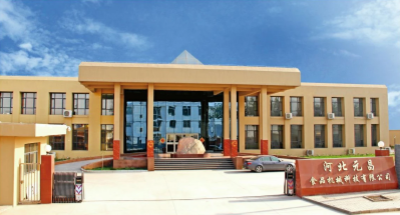
Our advanced machining workshop ensures precision components for every piece of equipment.
Compliance and Quality Assurance
While meat trolleys themselves may not always carry specific certifications like machinery, the materials and manufacturing processes adhere to international food safety and quality standards. Our commitment to producing equipment that meets global benchmarks ensures:
- Food-Grade Materials: All stainless steel used is certified for food contact applications, ensuring it does not leach harmful substances.
- Hygienic Design Principles: Our manufacturing follows principles that align with HACCP, FDA, and EU food safety guidelines for equipment design, focusing on cleanability and preventing contamination.
- ISO 9001 Compliance (Company Level): As a manufacturing company, we operate under quality management systems that are often aligned with ISO 9001 principles, ensuring consistent production quality.


Ensuring materials and design meet international food safety expectations.
What Our Clients Say
"We were looking for robust trolleys for our new sausage production line. Hebei Yuanchang understood our specific needs, offering a custom trolley that perfectly fits our filling machine. The price was competitive, and the quality is outstanding. They've held up incredibly well even with daily, heavy use."

Operations Manager, Texas, USA
"The meat trolleys we sourced from Yuanchang are exactly what we needed. We were initially concerned about the cost of international shipping, but their pricing and the durability of the trolleys made it a worthwhile investment. They are easy to clean, which is a major plus for our hygiene standards."

Procurement Director, Vancouver, Canada
"We needed strong trolleys for moving large cuts of beef to our aging racks. The quality of the stainless steel and the smooth rolling casters on these trolleys from Hebei Yuanchang are exceptional. Compared to our previous ones, these feel like they'll last twice as long. The inquiry and ordering process was straightforward."

Plant Supervisor, Chicago, USA
Direct Inquiry & Support
Have specific questions about meat trolley pricing, customization, or integration with your existing equipment? Our team is ready to assist.
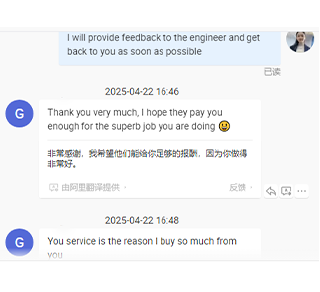
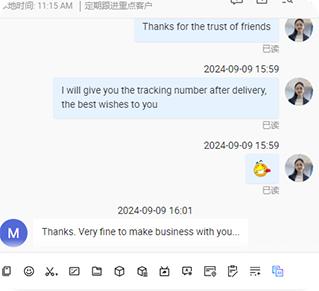
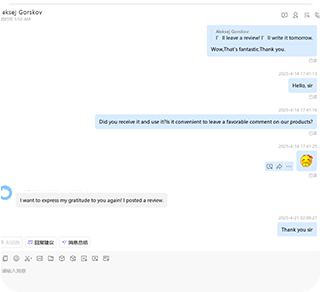
Get real-time answers from our technical and sales experts. We pride ourselves on clear communication and practical solutions.
Ready to Optimize Your Meat Handling Process?
Don't let inefficient material handling impact your bottom line or hygiene standards. Invest in quality that pays for itself.