Meat Tenderizing Equipment
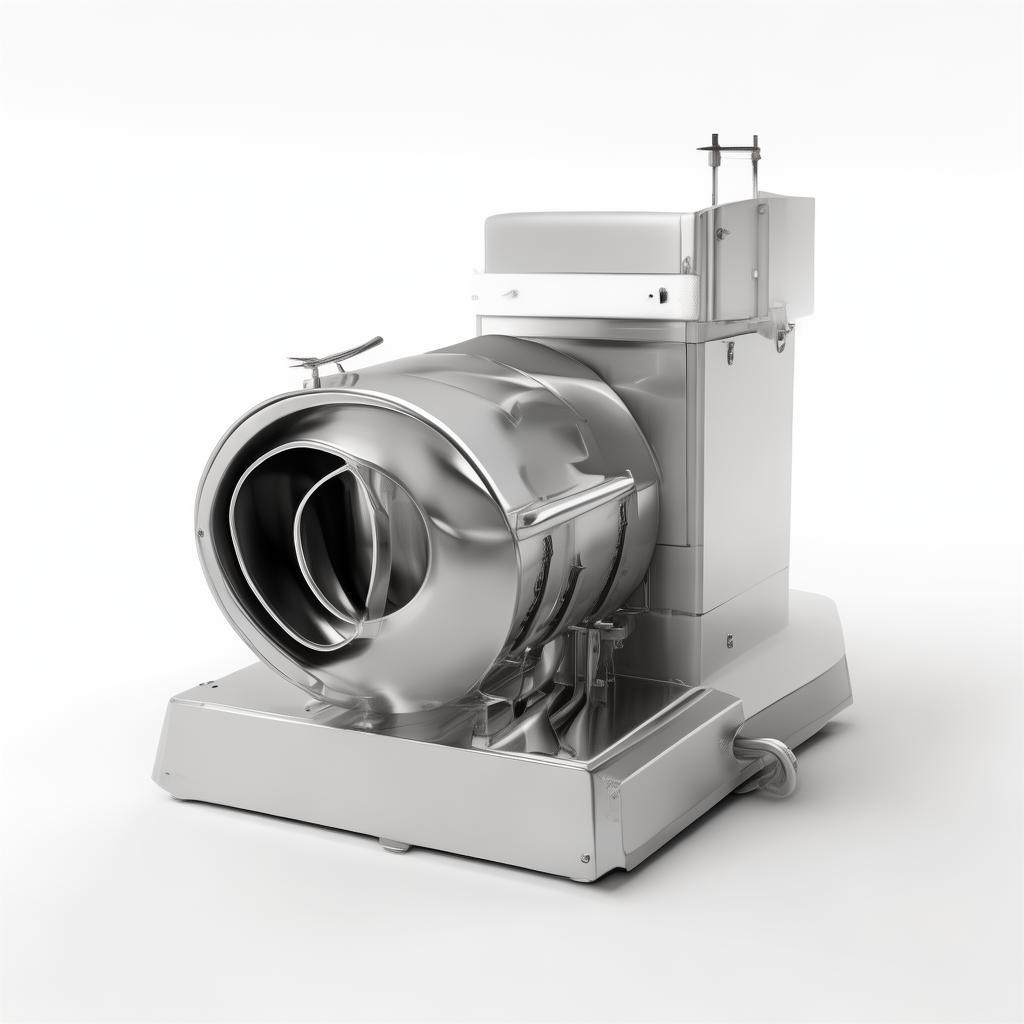
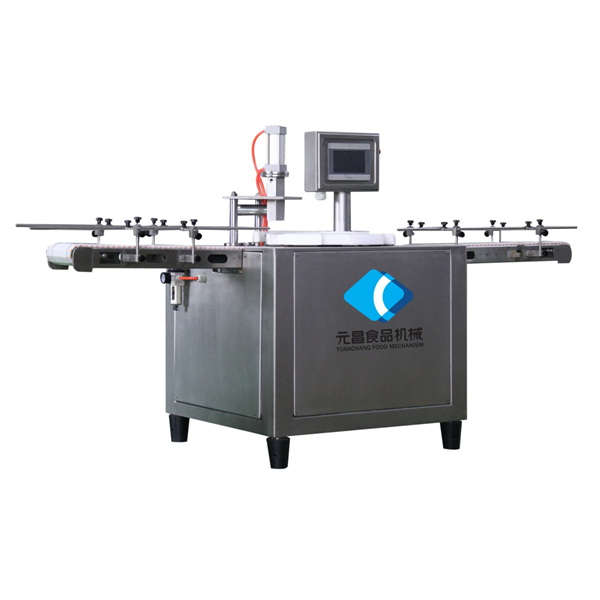
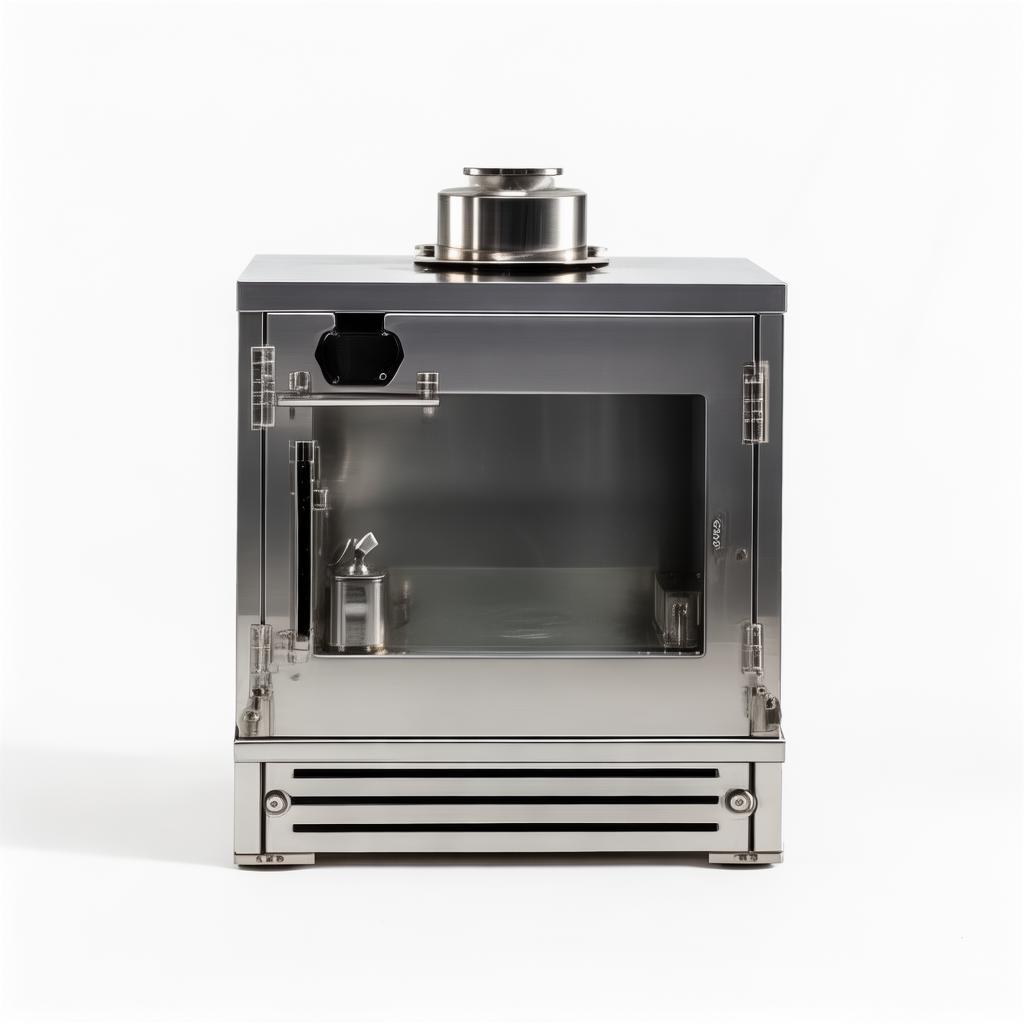
Elevate Your Meat Quality: Precision Tenderizing Equipment for Global Export
Unlock unparalleled texture and profitability with advanced tenderizing solutions from Hebei Yuanchang.

Written by: Li Wei, Senior Export Manager
Hebei Yuanchang Food Mechanism & Technology Co., Ltd. (Since 1986)
The Case for Advanced Meat Tenderizing in a Competitive Global Market
In the fast-paced world of international food trade, achieving consistent, high-quality meat products isn't just an advantage—it's a necessity. For importers, distributors, and large-scale food processors eyeing the lucrative US market and beyond, the texture and tenderness of meat are critical differentiators. Tough, unappealing meat leads to reduced sales, higher customer returns, and ultimately, eroded profit margins. This is precisely where robust, industrial-grade meat tenderizing equipment, often integrated into larger processing lines, becomes indispensable.
The global meat processing equipment market, a sector valued at over USD 11 billion and projected to surpass USD 17 billion by 2034 (according to Fortune Business Insights), underscores the scale of this industry. Within this, specific segments like massaging and tumbling equipment – essentially sophisticated tenderizing mechanisms – are highlighted for their role in enhancing meat ripening and texture. The demand is driven by a few key factors: the unwavering consumer appetite for processed meats (a market itself nearing USD 1.2 trillion by 2034), the continuous push for automation to improve hygiene and labor efficiency, and the ever-tightening grip of food safety standards worldwide. For any serious player in the wholesale export or OEM/ODM space, understanding these dynamics is paramount.
Consider the procurement decision for a major US-based distributor specializing in premium beef cuts. Their buyers are tasked with sourcing products that meet rigorous texture standards. Manual tenderizing is simply not scalable or consistent for large volumes. They require machinery that can reliably break down connective tissues, increase moisture retention, and prepare the meat for further processing like marination or packaging. This isn't just about making meat softer; it's about optimizing it for a better eating experience, extending shelf life, and enabling innovative product development. Without the right equipment, achieving these goals becomes a significant operational hurdle, impacting everything from procurement costs to final product appeal.
Furthermore, market trends indicate a strong preference for ready-to-eat and convenience meat products. This means that the time from raw material to final sale is being compressed. Equipment that can efficiently prepare meat for these faster processing cycles is highly sought after. Tenderizing, as a pretreatment step, is crucial. It not only improves the final texture but can also reduce cooking times for the end consumer, aligning perfectly with the demand for convenience. As detailed in various industry analyses, including Grand View Research's projections, massaging and tumbling systems are recognized as high-growth areas directly supporting this consistent product quality and enhanced food safety compliance.
At Hebei Yuanchang, we've spent over four decades (since 1986, to be exact) mastering the intricacies of meat processing machinery. We understand that a tenderizer isn't just a standalone unit; it's often a critical component within a larger ecosystem of equipment, from cutting and grinding to filling and ripening. Our perspective, honed through years of direct manufacturing and export experience, is that the "Fit For Now (2026)" era demands machinery that is not only robust and efficient but also adaptable and integrated. This means our tenderizing equipment is designed with downstream processes in mind, ensuring seamless operation and maximizing the overall productivity of your plant.
The market for meat processing equipment is dynamic. Reports from IMARC Group suggest a global market size of USD 18.3 billion in 2025, set to climb to nearly USD 30 billion by 2034. This growth is fueled by urbanization, the demand for convenient food options, and stringent food safety regulations. For businesses involved in cross-border commerce, selecting the right supplier and the right equipment is a strategic decision that can significantly impact their competitive edge. It's about investing in technology that delivers tangible operational improvements and resonates with the demands of the target market. Our goal is to provide that edge, equipping you with machinery that performs reliably, year after year.
Navigating the Hurdles: Common Challenges in Meat Processing & Tenderizing
The path to consistently tender, high-quality meat products for export is paved with operational challenges. Many businesses, especially those scaling up or entering new international markets, grapple with similar issues:
- Inconsistent Texture: Manual tenderizing or outdated equipment leads to unpredictable results. Some batches are too tough, others are over-processed, alienating discerning international buyers.
- Production Bottlenecks: Inefficient tenderizing processes can slow down the entire production line, creating costly delays and impacting delivery schedules for wholesale orders.
- Moisture Loss: Improper tenderizing techniques can result in significant weight loss during cooking and storage, directly reducing profitability.
- Labor Costs & Skill Gaps: Relying on manual labor for tenderizing is expensive and prone to human error. Finding and retaining skilled workers for these tasks is increasingly difficult.
- Hygiene Concerns: Complex or difficult-to-clean equipment can harbor bacteria, posing a significant food safety risk, especially critical for export markets with strict regulations.
- Variable Yields: Inconsistent product quality directly translates to inconsistent yields, making inventory management and cost projection challenging.
- Achieving Specific Product Profiles: Different cuts and meat types require tailored tenderizing. A one-size-fits-all approach rarely yields optimal results for diverse product portfolios.
- Durability & Maintenance: Industrial environments are demanding. Equipment that breaks down frequently or requires constant, specialized maintenance becomes a significant operational burden.
- Meeting Export Standards: Understanding and complying with diverse international food safety and quality standards (like FDA requirements for US imports) adds another layer of complexity to equipment selection and operation.
These aren't minor inconveniences; they are core business issues that can prevent companies from achieving their export potential. Addressing them effectively requires not just any equipment, but the *right* equipment, backed by a manufacturer with deep operational understanding.
Hebei Yuanchang's Solution: Precision Mechanical Tenderizing for Superior Quality
At Hebei Yuanchang, we engineer meat tenderizing equipment designed to systematically address these challenges. Our machines are not just about softening meat; they're about precision control, enhanced yield, and operational reliability. We focus on mechanical tenderization, a method that respects the integrity of the meat while effectively improving its textural properties.
Our primary tenderizing machines utilize advanced mechanical processes. Think of them as sophisticated systems that physically alter the meat's structure. This can involve specialized blades or rollers that carefully score or penetrate the muscle fibers, breaking down tough connective tissues and collagen. The result is a more tender product that also absorbs marinades and spices more effectively. This controlled mechanical action is key to achieving consistent results across large batches, something crucial for any B2B export operation.
We understand that tenderizing is often part of a broader process. Our equipment is designed to integrate seamlessly into existing or new production lines, whether for beef, pork, lamb, or even poultry. The aim is to enhance your product's appeal, increase its value, and ultimately, boost your profitability. As industry reports suggest, the demand for equipment that supports pretreatment processes, including tenderizing, is steadily rising, driven by the growth in processed and convenience meats. Our machines are built to meet this demand head-on.
We also recognize the importance of hygiene and ease of maintenance. Our tenderizers are constructed with food-grade stainless steel and designed for straightforward cleaning. This minimizes downtime and ensures compliance with the stringent hygiene standards expected by international food safety authorities. Our 40 years of experience since 1986 have taught us that operational efficiency is directly tied to maintainability and reliability.
Key Benefits at a Glance:
- Enhanced Tenderness: Significantly improves meat texture, leading to higher customer satisfaction.
- Improved Yield: Better moisture retention reduces weight loss during cooking and storage.
- Increased Marinade Absorption: Scores in the meat allow for deeper and faster penetration of marinades and seasonings.
- Consistent Quality: Achieves uniform results across large production volumes, crucial for export.
- Operational Efficiency: Designed for high throughput and minimal downtime.
- Robust Construction: Built with industrial-grade materials for long-term durability.
- Food-Grade Compliance: Manufactured to strict hygiene and safety standards.
Technical Deep Dive: Features & Benefits of Our Tenderizing Equipment
Our commitment to quality and performance is reflected in the engineering of our meat tenderizing machines. We combine tried-and-tested mechanical principles with modern manufacturing techniques to deliver reliable solutions for global B2B clients.
Core Mechanism: Precision Mechanical Action
The heart of our tenderizing units lies in their controlled mechanical action. Depending on the specific model, this can involve:
- Scoring/Stitching: Arrays of sharp, food-grade stainless steel blades precisely cut through the meat's connective tissues and muscle fibers. This increases surface area and breaks down tough structures without significantly altering the meat's overall form.
- Impact/Pounding (less common in industrial scale, but principles apply): While not a primary method for our direct offerings, the effect is similar to what our specialized rollers can achieve – disrupting fibers for enhanced tenderness.
This mechanical approach ensures that the tenderization process is standardized, repeatable, and highly effective across a wide range of meat types and cuts. It is a critical distinction from chemical tenderizers, offering a cleaner label and predictable results.
Material Excellence & Construction
Durability and hygiene are non-negotiable. Our machines are predominantly constructed from high-grade SUS304 stainless steel. This material is chosen for its:
- Corrosion Resistance: Essential for operating in moist, often salty, food processing environments.
- Food Safety: Non-porous and easy to sanitize, preventing bacterial growth.
- Longevity: Withstands the rigors of continuous industrial operation.
Internal components, such as blades and rollers, are manufactured for optimal performance and wear resistance. We utilize our in-house machining capabilities, including Japanese Mazak CNC centers, to produce high-precision parts that meet stringent quality controls.
Operational Features Designed for Efficiency
We engineer for real-world performance:
- Adjustable Intensity: Control over blade depth or roller pressure allows customization for different meat types and desired tenderness levels.
- High Throughput: Designed for continuous operation, handling significant volumes required by industrial processors and exporters.
- Integrated Control Systems: Simple, intuitive controls for easy operation and parameter setting.
- Easy Cleaning & Maintenance Access: Quick disassembly of key components facilitates thorough cleaning, critical for HACCP compliance.
Considering the market trends, for example, the demand for processed and convenience meats which is expected to grow significantly, efficient pretreatment equipment like our tenderizers is crucial. The ability to scale production while maintaining quality is a hallmark of our engineering.
Example Specification Snippet (Model T-2000):
| Feature | Specification |
|---|---|
| Model | YC-T2000 (Industrial Blade Tenderizer) |
| Material Construction | SUS304 Stainless Steel Body & Food-Grade Blades |
| Working Width | 600 mm |
| Blade Configuration | Interchangeable, precision-sharpened stainless steel |
| Power Supply | 380V/50Hz/3Phase (Customizable) |
| Output Capacity | Up to 2000 kg/hour (Meat dependent) |
| Dimensions (LxWxH) | 2.5m x 1.2m x 1.5m (Approx.) |
| Certifications | CE Marked (Optional), ISO 9001 Compliant Manufacturing |
meat handling equipment meat tenderiser machine meat curing equipment
Note: Specifications may vary by model. Please contact us for detailed datasheets.
Versatile Applications: Where Our Tenderizers Excel
The benefits of mechanical meat tenderizing extend across a wide spectrum of food processing operations. Our equipment is designed for versatility, empowering you to enhance various meat products destined for international markets.
Beef Processing:
From steaks to roasts, beef often benefits from enhanced tenderness. Our machines can pre-treat cuts, ensuring a more palatable final product that meets the high expectations of consumers in markets like the USA. This is particularly important for value-added cuts where texture is a primary selling point.
Pork and Lamb Production:
For pork chops, ribs, or lamb shanks, improving tenderness can elevate the quality and marketability. Our tenderizers help break down muscle fibers, making these meats more enjoyable and reducing cooking times, a factor increasingly important for convenience-focused consumers.
Poultry Enhancement:
While poultry is generally tender, certain cuts or processing methods can benefit from mechanical treatment to improve texture consistency and moisture retention, especially for further processed products like chicken nuggets or processed turkey products.
Processed Meats & Formed Products:
Our tenderizing equipment plays a crucial role as a pretreatment step for sausages, burgers, deli meats, and other formed products. By tenderizing the meat matrix before grinding or mixing, you can achieve:
- Improved texture in the final product.
- Better binding of ingredients.
- More consistent product structure.
- Enhanced flavor development through better marinade absorption.
This aligns with the growing global market for processed meats, estimated to reach USD 1.3 trillion by 2035, where quality and consistency are paramount.
Marination and Flavor Infusion:
The scores created by our tenderizing blades provide an ideal pathway for marinades, brines, and spices to penetrate deeper into the meat. This leads to more intensely flavored products and significantly reduces marination time, a key advantage in high-volume food production. This is a direct benefit for manufacturers looking to offer premium marinated products.
Procurement Guide: Key Considerations When Buying Meat Tenderizing Equipment
Selecting the right industrial equipment is a significant investment, and for international buyers, the considerations are even more complex. Here’s a practical guide from our export team's perspective to help you make an informed decision:
1. Understand Your Specific Needs:
What types of meat will you be processing? What is your target output volume per hour/shift? What is the desired tenderness level? Are you looking for a standalone unit or integration into an existing line (e.g., alongside filling or ripening equipment)? Answering these questions will help narrow down the suitable models.
2. Evaluate Machine Construction & Materials:
For food processing, SUS304 stainless steel is the industry standard for a reason. It offers excellent hygiene, durability, and resistance to corrosion. Inspect the overall build quality – look for robust welding, solid frames, and food-grade components throughout. Our 40 years of manufacturing experience emphasize the importance of quality materials for longevity.
3. Assess Production Capacity & Efficiency:
Does the stated capacity align with your production targets? Consider the actual working width and the speed of the conveyor or blade action. Also, factor in potential downtime for cleaning and maintenance. Efficient machines minimize labor and energy costs over their operational lifespan.
4. Hygiene and Cleanability:
This is paramount for export. Can critical parts be easily removed for thorough cleaning and sanitization? Are there any hard-to-reach crevices where bacteria could accumulate? Compliance with standards like HACCP and FDA regulations is often a prerequisite. Our designs prioritize accessibility for cleaning.
5. Supplier Reputation & Experience:
Look for manufacturers with a proven track record, especially in international trade. How long have they been in business? Do they have experience exporting to your target markets? A supplier with decades of experience, like Hebei Yuanchang (since 1986), brings invaluable operational knowledge and a commitment to quality.
6. After-Sales Support & Spare Parts:
For international buyers, this is critical. What is the lead time for spare parts? Do they offer technical support via phone, email, or video calls? Reliable after-sales service ensures minimal disruption to your production. Our traceable after-sales management system is designed for just this purpose.
7. Certifications and Compliance:
While not always mandatory for all markets, certifications like CE marking (for Europe) or adherence to ISO standards demonstrate a commitment to quality and safety. Ensure the manufacturer can provide necessary documentation for customs and regulatory compliance.
8. Total Cost of Ownership (TCO):
Beyond the initial purchase price, consider installation costs, energy consumption, maintenance, potential repair costs, and the lifespan of the equipment. A slightly higher initial investment in a durable, efficient machine can lead to significant savings over time.
Making a considered choice now prevents costly operational headaches and product quality issues down the line. Investing in dependable equipment from an experienced supplier like Hebei Yuanchang is an investment in your brand's reputation and future growth.
Our Manufacturing Prowess: A Foundation of Quality and Precision
At Hebei Yuanchang, our claim of delivering high-quality meat processing equipment isn't just a statement – it's backed by substantial investment in our manufacturing capabilities. With over 40 years of operation since 1986, we've built a facility designed for precision, scale, and reliability.
Our facility spans approximately 14,000 square meters, housing a dedicated team of 80-100 skilled professionals. This is not a small operation; it’s a fully integrated enterprise handling R&D, production, and sales of a comprehensive range of meat processing solutions, including pet food equipment. Our extensive experience with complete production lines gives us a unique perspective on how individual machines, like our tenderizers, function within a larger workflow.
In-House Machining: The Cornerstone of Quality Control
We pride ourselves on our advanced in-house machining workshop. Equipped with over 20 sets of high-performance processing machinery – including precision lathes, milling machines, high-precision grinding machines, boring machines, plate shears, bending machines, and wire cutting equipment – we have the capability to produce complex components with exceptional accuracy. This self-sufficiency is crucial for ensuring the quality of every part that goes into our machines.
State-of-the-Art CNC Technology:
A significant leap in our manufacturing precision came in 2012 with the acquisition of 8 sets of Japanese Mazak CNC machining centers. These cutting-edge machines enable us to undertake the production of high-standard components that demand large volumes, extreme precision, and non-standard specifications. This capability is particularly vital for producing the sharp, consistent blades and precise rollers required in our meat tenderizing equipment.
The integration of advanced CNC technology allows us to maintain tight tolerances, ensuring that each machine performs identically and reliably. This is a key differentiator for international buyers who need assurance of consistent product quality from their suppliers.
Traceable After-Sales Management:
Our commitment doesn't end with production. We have implemented a traceable after-sales management system. This system, coupled with our independent production of high-precision parts, ensures that we can provide worry-free after-sales service. Whether you need a replacement blade set or a more complex part, our robust system ensures timely and accurate fulfillment, minimizing your operational downtime.
Our factory capabilities mean that when you partner with Hebei Yuanchang, you are working directly with the manufacturer. This eliminates intermediaries, fosters clearer communication, and provides greater assurance of quality and support, especially for OEM/ODM projects.
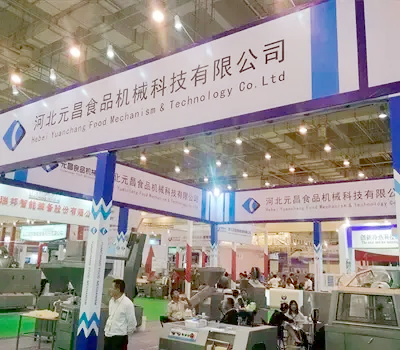
Global Compliance: Ensuring Your Exports Meet International Standards
For businesses engaged in international trade, compliance with global standards is not optional; it's a fundamental requirement for market access and consumer trust. At Hebei Yuanchang, we understand the critical importance of manufacturing equipment that adheres to stringent international quality and safety regulations.
ISO 9001 Quality Management:
Our manufacturing processes are conducted in strict accordance with ISO 9001 quality management principles. This internationally recognized standard ensures that we maintain a consistent focus on quality control, customer satisfaction, and continuous improvement across all our operations. It provides a robust framework for our R&D, production, and sales processes.
CE Marking (Optional/Upon Request):
For products destined for the European Economic Area, CE marking is essential. We can provide equipment that meets CE directives upon specific client request and order. This involves rigorous testing and documentation to ensure conformity with health, safety, and environmental protection standards within the EU.
Food-Grade Materials and Hygiene Standards:
As detailed in our specifications, our equipment is constructed using food-grade SUS304 stainless steel and other approved materials. This adherence to material standards is crucial for meeting the requirements of food safety authorities like the US Food and Drug Administration (FDA). Our machine designs also prioritize ease of cleaning to support HACCP (Hazard Analysis and Critical Control Points) principles, vital for any facility exporting to regulated markets.
Export Experience & Documentation:
With decades of export experience, we are well-versed in the documentation required for international customs clearance and regulatory approval. This includes providing certificates of origin, manufacturing details, and any specific compliance declarations needed for your destination country. Our export team is ready to assist you in navigating these requirements.

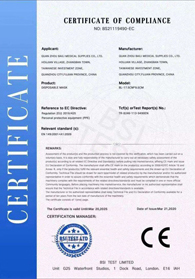
Partnering with Hebei Yuanchang means you are working with a manufacturer committed to quality, safety, and global compliance. This provides a solid foundation for your international B2B trade operations.
Trusted by Partners Worldwide: Client Testimonials
We believe the true measure of our success lies in the satisfaction of our clients. Here’s what some of our international partners have to say about our meat tenderizing equipment and our service:

Maria Rodriguez
Procurement Manager, Texas Beef Exporters
"We were struggling with inconsistent tenderness in our bulk beef shipments. Hebei Yuanchang's blade tenderizer has been a game-changer. The blades are robust, and the consistency of the tenderization across thousands of pounds is remarkable. It’s simplified our marination process significantly."

David Chen
Operations Lead, Pacific Food Processors
"The build quality of the YC-T2000 model is impressive – heavy-duty stainless steel that holds up well to daily cleaning. We appreciate the straightforward operation and the fact that spare parts are readily available. Hebei Yuanchang offers genuine industrial-grade equipment at a competitive price point."

Anja Schmidt
Export Specialist, German Meatworks GmbH
"We needed a reliable tenderizer for our premium pork products destined for the North American market. Hebei Yuanchang's expertise and willingness to customize blade configurations to our specific needs were outstanding. The equipment arrived on schedule and performed exceptionally from day one."
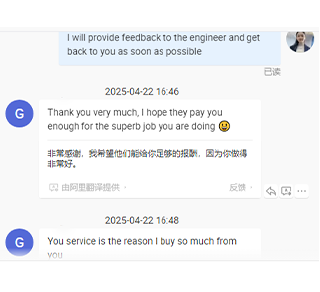
Direct Conversations with Our Experts
See how we assist our clients with their specific needs:


Frequently Asked Questions (FAQ)
Q1: How does your mechanical tenderizer differ from chemical tenderizers?
Our mechanical tenderizers use precision blades to physically break down muscle fibers and connective tissues. This method enhances texture, improves marinade absorption, and boosts moisture retention without altering the natural composition of the meat. Chemical tenderizers often use enzymes that can over-process the meat if not carefully controlled, leading to a mushy texture or undesirable flavor changes. Our approach offers predictable, consistent results.
Q2: What is the typical lifespan of your tenderizing equipment?
With proper maintenance and regular cleaning, our industrial-grade tenderizing equipment, constructed from high-quality stainless steel and using robust components, can last for many years, often exceeding 10-15 years in demanding production environments. We back this with our traceable after-sales support and readily available spare parts.
Q3: Can your tenderizers handle frozen or partially frozen meat?
Our machines are primarily designed for fresh or chilled meat. Attempting to tenderize fully frozen or very hard, partially frozen meat can damage the blades and strain the motor. It's best to thaw meat to a point where it is pliable but still firm for optimal results and equipment longevity.
Q4: What are the installation requirements for your tenderizing machines?
Installation is relatively straightforward for industrial machinery. Key requirements typically include a stable, level floor space, adequate power supply (usually 380V/50Hz/3Phase, but customizable), and access to a water source for cleaning. Our team can provide detailed installation guides and support.
Q5: How do I order spare parts like blades for my tenderizer?
Ordering spare parts is a streamlined process. You can contact our sales or support team directly via email or phone, providing your machine's model number and the specific part required. Our traceable after-sales management system ensures prompt identification and dispatch of the correct components.
Ready to Elevate Your Meat Production and Export Potential?
Don't let inconsistent texture limit your market reach. Partner with Hebei Yuanchang Food Mechanism & Technology Co., Ltd., a trusted manufacturer with 40 years of experience, to equip your facility with precision meat tenderizing solutions.
Contact Us: +86 15830991513 | ycmeatmech@gmail.com
Address: Shijiazhuang, Hebei Province, China