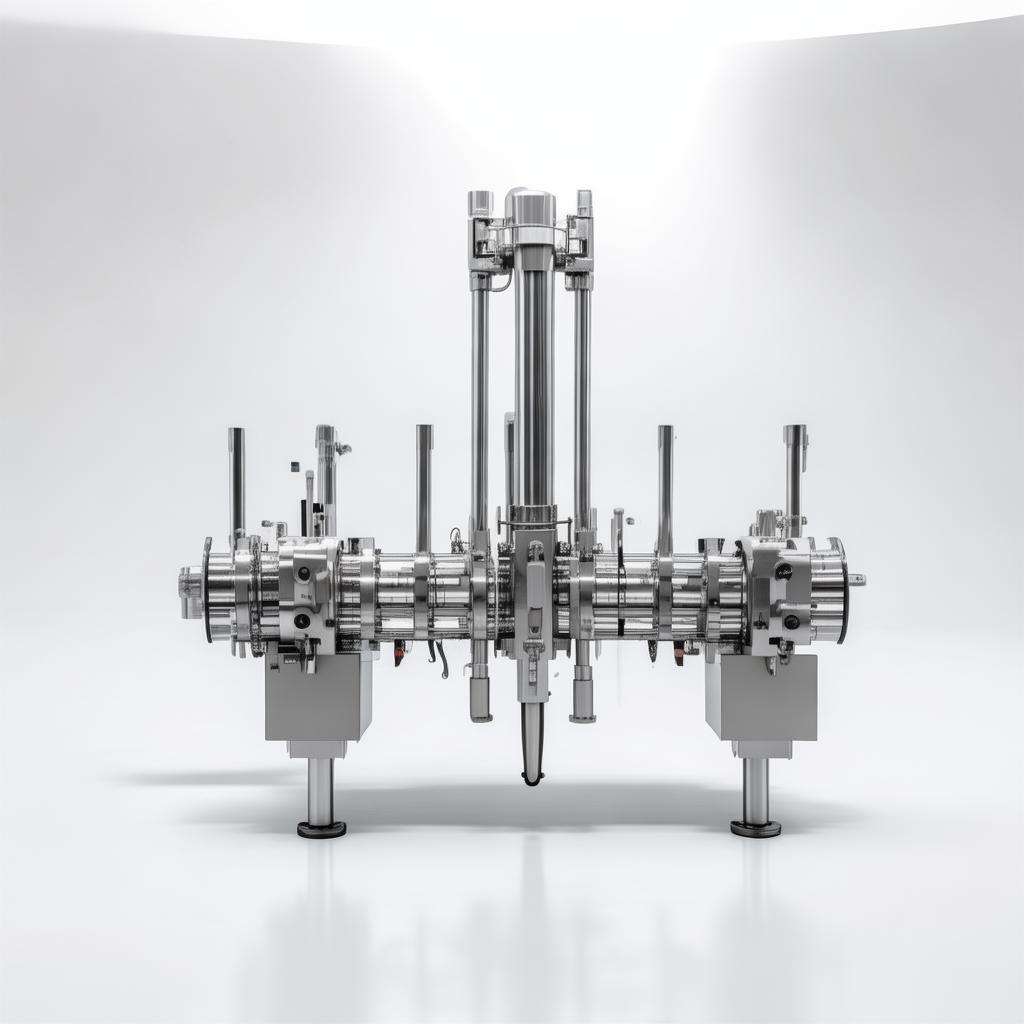
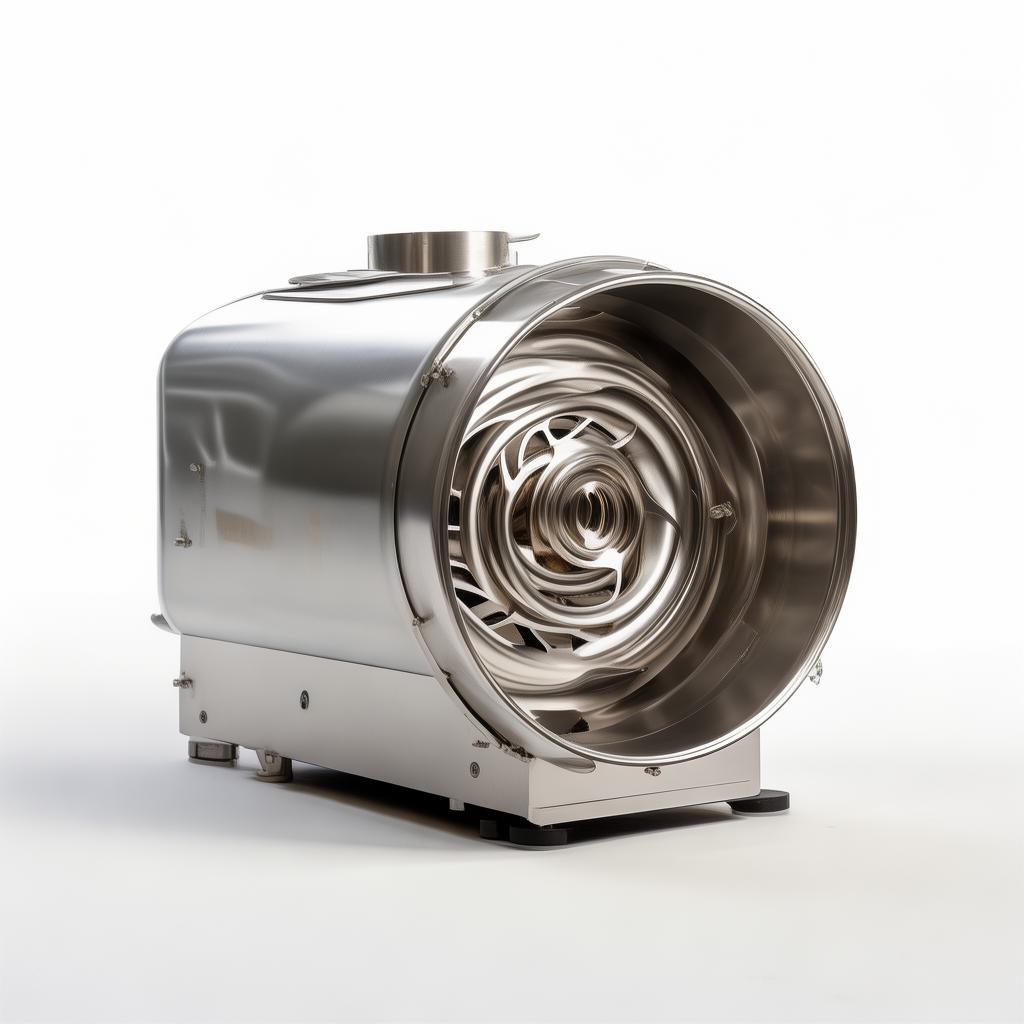
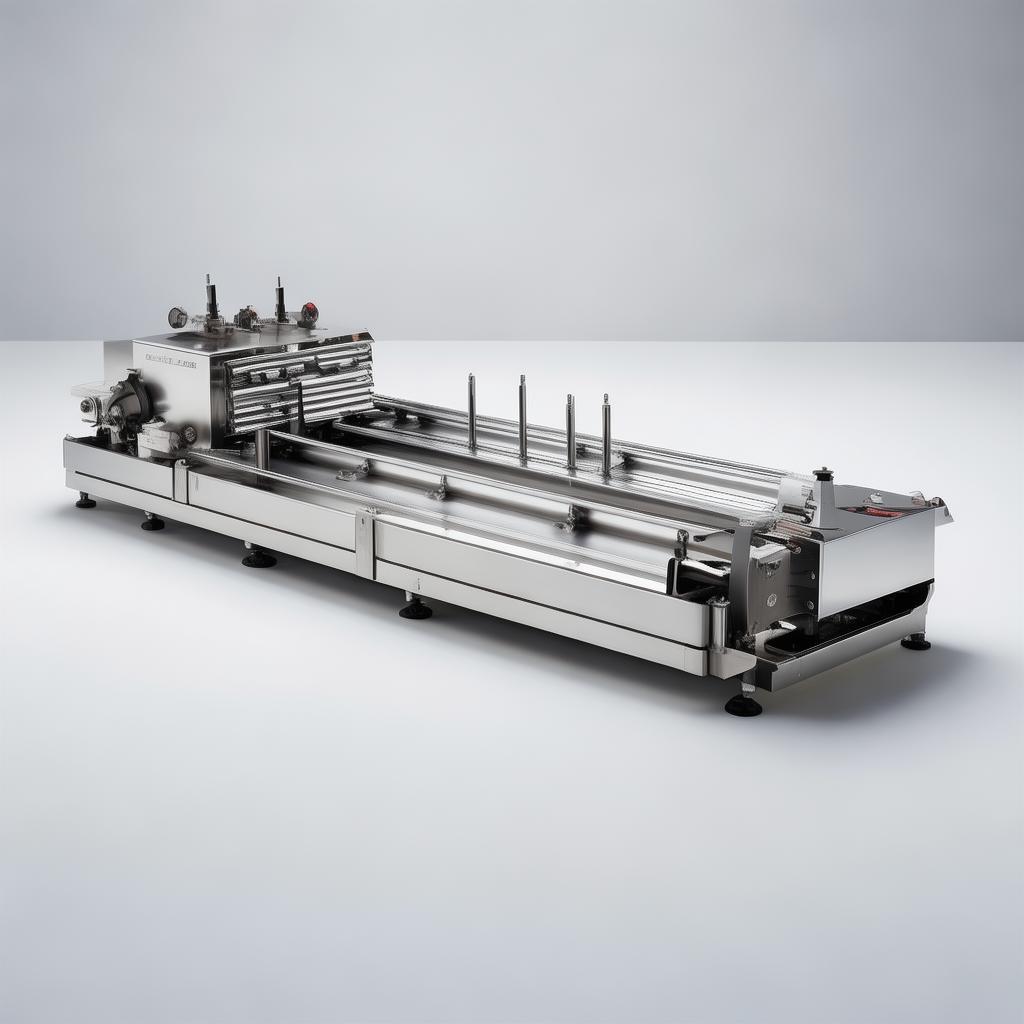
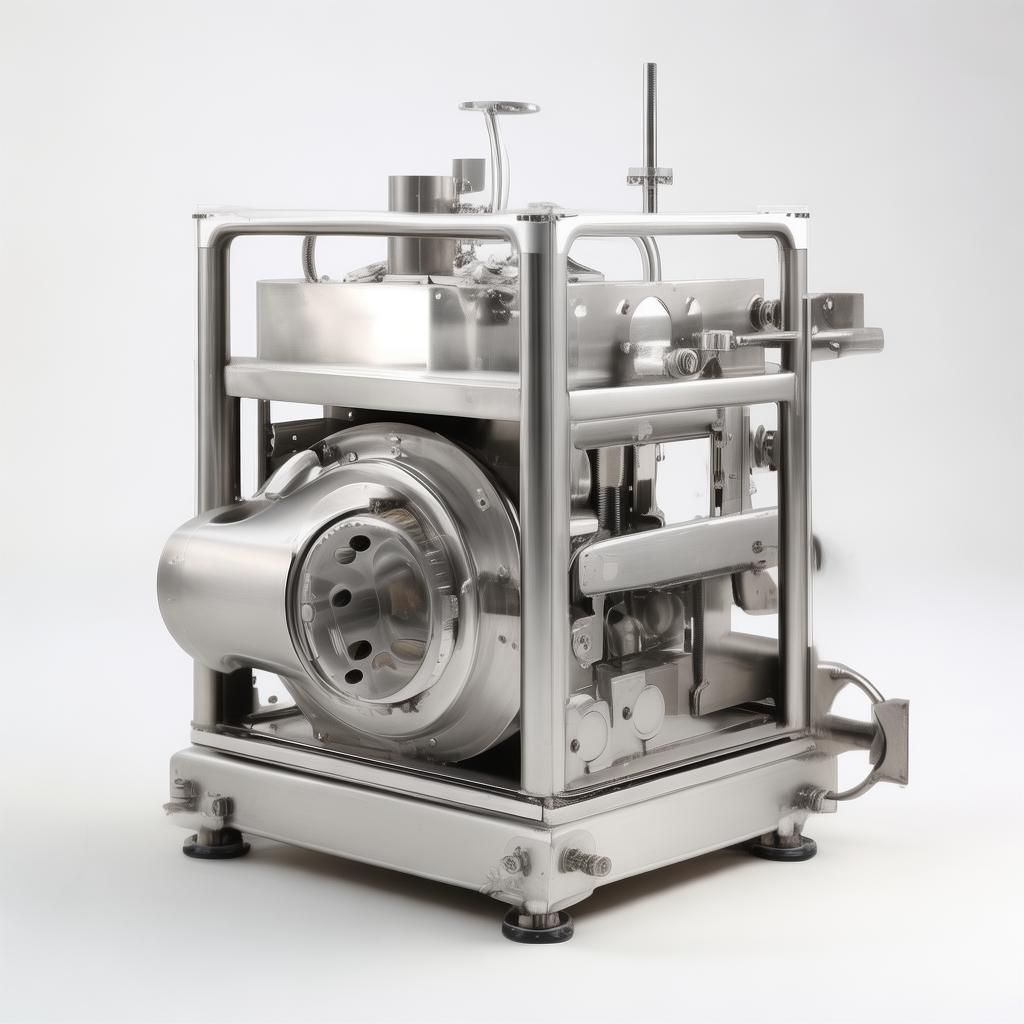
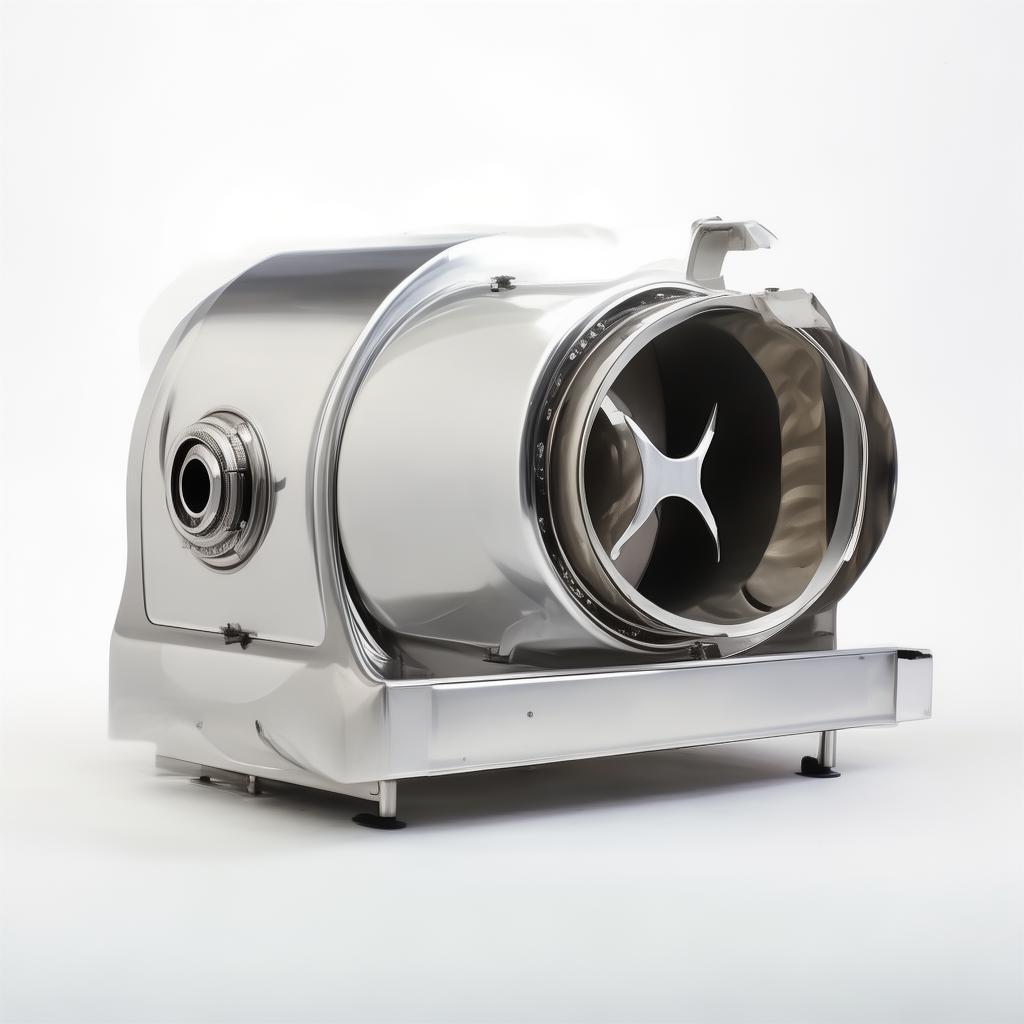
Meat Tenderiser Machine
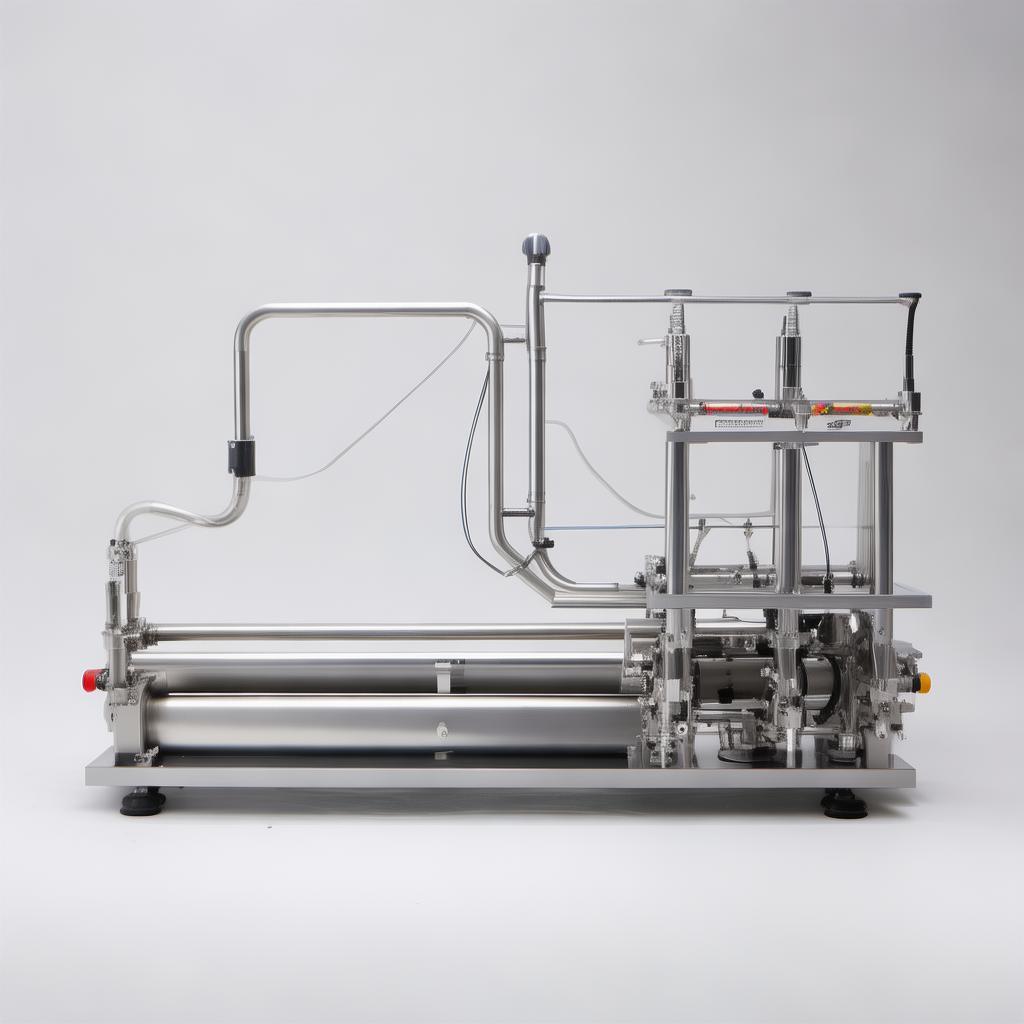
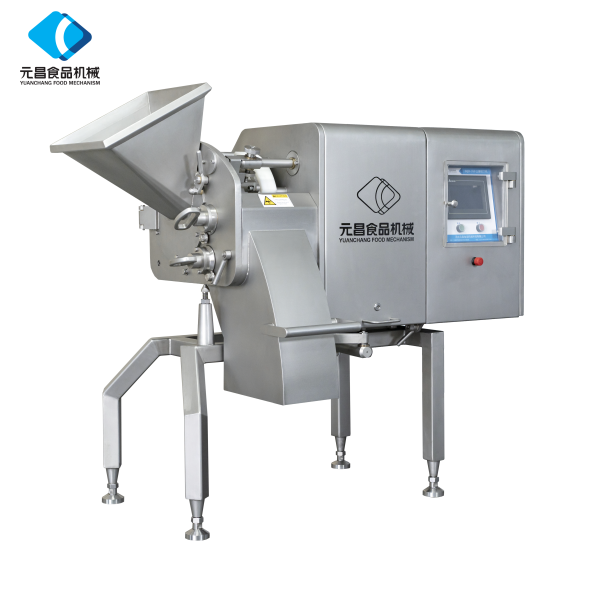
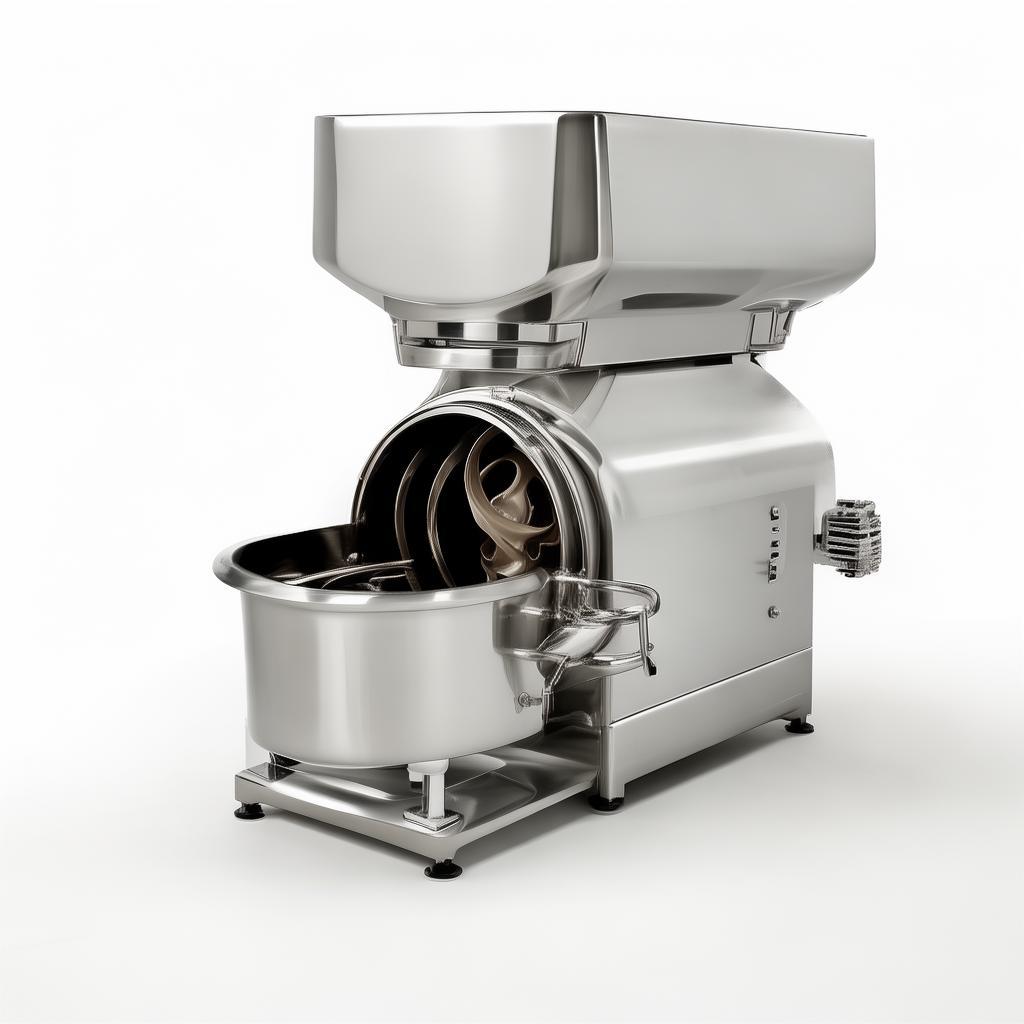
Unlocking Superior Texture & Yield: Industrial Meat Tenderiser Machines for Enhanced Production
Your trusted partner for advanced meat processing solutions.

On This Page
- The Critical Role of Meat Tenderization in Modern Processing
- Addressing Common Challenges in Meat Processing
- The YCMEATMECH Advantage: Robust Tenderiser Machines
- Detailed Technical Specifications
- Versatile Applications Across the Meat Industry
- Our Manufacturing Prowess: 40 Years of Expertise
- Procurement Insights: What Buyers Need to Consider
- Operational Realities: Installation & Maintenance
- Commitment to Quality and Compliance
- What Our Partners Say
- Frequently Asked Questions
- Get Your Custom Solution
The Critical Role of Meat Tenderization in Modern Processing
In the demanding world of commercial meat processing, achieving consistent quality, optimal yield, and superior texture isn't just a goal; it's a necessity for market competitiveness. Processors constantly look for ways to enhance the inherent characteristics of raw meat, transforming it into appealing products that meet consumer expectations for tenderness, juiciness, and flavor. This pursuit of perfection often leads back to one crucial stage: tenderization. While culinary experts might rely on marination, aging, or manual pounding, industrial operations require robust, efficient, and scalable solutions. This is where advanced meat tenderiser machines come into play, offering a mechanical approach to breaking down tough muscle fibers and connective tissues.
The global meat processing equipment market is a significant industry, projected to grow substantially. Recent market analyses indicate a strong upward trend, with valuations reaching well into the billions and anticipated compound annual growth rates (CAGRs) around 5-7%. For instance, reports suggest the market was valued at approximately USD 11.29 billion in 2025 and is expected to climb to USD 17.39 billion by 2034, driven by rising demand for processed meats, increasing adoption of automation for efficiency and hygiene, and stringent food safety regulations. Within this expansive market, tenderizing equipment represents a vital segment, directly impacting the quality of products like steaks, roasts, marinated cuts, and even ingredients for processed items such as sausages and formed patties. The demand isn't limited to just breaking down toughness; it extends to improving moisture retention and marinade uptake, which are critical factors for palatability and yield.
Understanding the nuances of meat tenderization is key for any processor looking to elevate their offerings. Toughness in meat is primarily due to the structure of muscle fibers and the surrounding collagen. Mechanical tenderization, as performed by industrial machines, works by physically disrupting these structures. This can involve various methods, such as scoring, needling, or a gentle pounding action, all designed to achieve the desired textural outcome without compromising the meat's integrity or introducing significant moisture loss. The challenge for procurement managers and operations leads is to select a machine that not only effectively tenderizes but also integrates seamlessly into their existing workflow, maintains high levels of hygiene, and delivers a positive return on investment through improved product quality and reduced waste.
The impact of effective tenderization goes beyond just palatability. For certain cuts, it can significantly increase their market value by making them more appealing to a wider consumer base. It also plays a role in marination processes, as the created micro-channels allow marinades and brines to penetrate deeper and more uniformly, enhancing flavor and aiding in further tenderization or preservation. For manufacturers of ready-to-eat meals, convenience foods, or even pet food, the consistency in texture and moisture achieved through mechanical tenderization is paramount for product standardization and consumer satisfaction. The need for these sophisticated solutions is underscored by the growth in the processed meat market itself, which is projected to exceed USD 1.2 trillion by 2034, a market that heavily relies on optimized raw material preparation.
When evaluating tenderiser machines, considerations like material durability, ease of cleaning, energy efficiency, and the type of tenderization method employed are crucial. For example, some machines might use rotating blades or needles, while others might use a roller system with blunt edges. Each method has its advantages depending on the specific application and the type of meat being processed. Our focus at Hebei Yuanchang Food Mechanism & Technology Co., Ltd. (YCMEATMECH) is to provide robust, high-performance mechanical tenderisers that meet the rigorous demands of industrial food production, ensuring reliability and superior results. With nearly four decades of experience since 1986, we've honed our engineering capabilities to deliver machinery that not only performs but also endures.
Ultimately, investing in the right meat tenderiser machine is an investment in product quality, operational efficiency, and market differentiation. It’s about ensuring that every cut of meat processed meets the high standards expected by today's discerning consumers and competitive food service industries. Whether you're a large-scale exporter, a dedicated OEM producer, or a specialized food manufacturer, understanding the role and capabilities of mechanical tenderization is fundamental to optimizing your production lines.
Addressing Common Challenges in Meat Processing
The daily operations in a meat processing facility are fraught with challenges that can impact efficiency, product quality, and profitability. Many of these hurdles are directly related to the inherent properties of the raw material and the demands of the market.
- Inconsistent Meat Tenderness: Different cuts or even batches of the same cut can vary significantly in toughness. This leads to customer complaints, product returns, and a damaged brand reputation. Achieving consistent tenderness is a constant battle.
- Suboptimal Yield and Moisture Retention: Tougher meats often require longer cooking times or aggressive processing, which can lead to significant moisture loss. This directly reduces the final product weight and profitability.
- Difficulties with Marinades and Flavor Penetration: Dense muscle structures resist the penetration of marinades, brines, and flavorings. This results in uneven seasoning and a less appealing final product, especially for value-added products.
- Production Bottlenecks: Manual tenderization methods are time-consuming, labor-intensive, and cannot scale to meet high-volume demands, creating significant bottlenecks in the production line.
- Hygiene and Food Safety Concerns: Many traditional or manual processing methods can introduce risks of cross-contamination. Equipment that is difficult to clean thoroughly poses an ongoing food safety challenge.
- Limited Versatility in Product Development: Without the ability to effectively alter meat texture, developing a diverse range of products, especially those requiring specific mouthfeel or bite, becomes challenging.
- Cost of Waste and Rejects: Meat products that don't meet tenderness standards are often downgraded, sold at a lower price, or discarded, representing a direct financial loss.
These operational pain points are precisely why investing in robust, engineered solutions like industrial meat tenderiser machines is not a luxury, but a strategic imperative for modern processing plants.
The YCMEATMECH Advantage: Robust Tenderiser Machines
Our meat tenderiser machines are engineered to directly address the challenges faced by processors, delivering tangible benefits that enhance both product quality and operational efficiency. Built on decades of manufacturing experience, these machines are designed for the rigors of industrial use.
Enhanced Tenderness & Texture
Our machines utilize advanced mechanical action to effectively break down collagen and muscle fibers, ensuring consistently tender meat that meets high consumer expectations. This also improves mouthfeel.
Improved Yield & Moisture Retention
By optimizing meat structure without over-processing, our tenderisers help minimize moisture loss during cooking and further processing, leading to better yield and a juicier final product.
Superior Marinade Penetration
The subtle disruption of meat fibers creates micro-channels, significantly enhancing the absorption of marinades, brines, and seasonings. This leads to more flavorful and consistently seasoned products.
Increased Throughput & Automation
Designed for continuous operation, our machines automate the tenderization process, dramatically increasing throughput compared to manual methods and reducing labor dependency.
Robust Construction & Durability
Constructed with high-grade stainless steel and industrial-grade components, our tenderisers are built to withstand demanding operational environments and ensure a long service life.
Ease of Cleaning & Sanitation
Our design prioritizes hygiene. Smooth surfaces, easily removable parts, and food-grade materials facilitate quick and thorough cleaning, crucial for maintaining stringent food safety standards.
We understand that for exporters and OEM manufacturers, reliability and consistent performance are non-negotiable. That's why our engineering team focuses on precision and durability, ensuring our machines contribute positively to your bottom line.
Detailed Technical Specifications
Our meat tenderiser machines are available in various configurations to suit different production scales and types of meat. Below are typical specifications; custom solutions are always an option.
| Feature | Standard Model (e.g., YC-TDR-200) | Heavy-Duty Model (e.g., YC-TDR-500) |
|---|---|---|
| Material Construction | Food-grade Stainless Steel (SUS304) | Heavy-duty Stainless Steel (SUS304/SUS316) |
| Processing Width | 200 mm | 500 mm |
| Tenderizing Mechanism | Rotating blades/rollers with adjustable depth | Heavy-duty rollers/needles with variable speed control |
| Capacity | Up to 500 kg/hour | Up to 1500 kg/hour |
| Motor Power | 2.2 kW | 5.5 kW |
| Power Supply | 380V/50Hz/3Phase (Customizable) | 380V/50Hz/3Phase (Customizable) |
| Dimensions (L x W x H) | 1.5m x 0.8m x 1.2m | 2.5m x 1.2m x 1.6m |
| Weight | ~350 kg | ~800 kg |
| Safety Features | Emergency stop, safety guards | Integrated safety sensors, robust guarding |
mechanical meat tenderizer meat tenderizing equipment commercial meat dicer machine
Note: Specifications are subject to change for product improvement. Please consult our sales team for the most up-to-date information and customisation options.
Versatile Applications Across the Meat Industry
The efficiency and effectiveness of our meat tenderiser machines make them indispensable across a wide spectrum of meat processing operations:
Steak and Roast Production
Enhance the texture of tougher cuts like flank, skirt, or round, making them more palatable and suitable for grilling, pan-frying, or braising. Ideal for butcher shops and restaurants.
Marinated & Value-Added Meats
Improve marinade penetration for products like chicken wings, beef jerky, or marinated skewers, ensuring deeper flavor and enhanced tenderness for convenience foods.
Sausage and Formed Product Ingredients
While not directly used for fine grinding, tenderizing can improve the binding and texture of meat used in formed products, contributing to a better final bite, especially for coarser grinds or specific product types.
Pet Food Processing
Ensuring a consistent, palatable texture is crucial for pet food formulations. Our machines can help prepare meat components for both wet and dry pet food products.
OEM/ODM Manufacturing
For contract manufacturers, our reliable equipment ensures consistent output for their clients' diverse product specifications, enhancing their service offering.
Export Markets
Meeting international standards for meat quality and texture is vital for export success. Our machines help processors produce goods that consistently meet the demanding quality expectations of global markets.
Our Manufacturing Prowess: 40 Years of Expertise
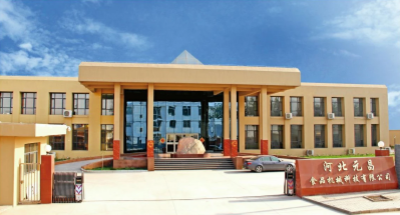
At Hebei Yuanchang Food Mechanism & Technology Co., Ltd. (YCMEATMECH), our 40 years of experience since 1986 are the bedrock of our manufacturing capabilities. We operate from a substantial 14,000 square meter facility, employing a dedicated team of 80-100 skilled professionals who integrate R&D, production, and sales of high-quality meat processing equipment. Our commitment to precision is evident in our in-house machining workshop, which houses over 20 sets of advanced processing machinery. This includes lathes, milling machines, high-precision grinders, boring machines, plate shears, bending machines, and wire-cutting equipment.
A significant milestone in our technological advancement was the integration of 8 sets of Japanese Mazak CNC machining centers in 2012. This investment allows us to independently produce high-standard components that demand exceptional precision, large volumes, and non-standard specifications. This in-house capability is critical; it means we control the entire manufacturing process for key parts, ensuring superior quality and consistency. For our international clients, this translates to a reduction in lead times for custom parts and a more reliable supply chain for critical components.
Furthermore, our commitment extends to a traceable after-sales management system. We don't just build machines; we build lasting partnerships. We understand that the best equipment is only as good as the support it receives. Our ability to independently produce high-precision parts ensures that we can provide worry-free after-sales service, offering spare parts and technical assistance promptly. This control over our supply chain and manufacturing process is what allows us to stand behind the durability and performance of every meat tenderiser machine we deliver. Whether you're looking for standard models or a bespoke solution tailored to your unique requirements, our extensive experience and advanced manufacturing infrastructure are at your disposal.
Procurement Insights: What Buyers Need to Consider
Selecting the right industrial meat tenderiser machine involves more than just looking at specifications. For procurement managers, understanding the operational context and long-term implications is vital. Here’s what you should prioritize:
- Production Volume and Throughput: Assess your current and projected processing capacity. Does the machine's stated hourly output align with your needs? Can it handle peak demand periods without becoming a bottleneck? Consider machines with variable speed controls for flexibility.
- Meat Type and Cut Suitability: Different machines and tenderizing mechanisms are better suited for specific types of meat (beef, pork, poultry) and cuts (tougher vs. leaner). Consult with suppliers to ensure the machine can handle your primary product range effectively without causing excessive damage or waste.
- Material Quality and Durability: Look for machines constructed from high-grade stainless steel (SUS304 or SUS316 for more corrosive environments). Robust build quality is essential for longevity in demanding industrial settings. This directly impacts maintenance costs and uptime.
- Ease of Cleaning and Sanitation: Food safety is paramount. A machine's design should allow for quick and thorough cleaning. Consider features like easily removable parts, smooth surfaces, and no hidden crevices where bacteria can accumulate. Compliance with HACCP principles is often a requirement.
- Energy Efficiency: In large-scale operations, energy consumption adds up. While powerful motors are needed, look for well-engineered systems that optimize power usage for the required output.
- After-Sales Support and Spare Parts: What is the manufacturer's track record for after-sales service? How accessible are spare parts? For international buyers, understanding the logistics of obtaining parts and technical support is crucial. Look for suppliers with a global reach or robust local partnerships.
- Customization Capabilities: Does your process require specific adjustments to width, tenderizing intensity, or integration with other equipment? A manufacturer's ability to offer OEM/ODM solutions can be a significant advantage.
- Total Cost of Ownership (TCO): Beyond the initial purchase price, factor in installation, energy consumption, maintenance, downtime, and the cost of potential repairs. A slightly higher initial investment in a more durable, efficient machine can yield significant savings over its lifespan.
Choosing a supplier with deep industry experience, like YCMEATMECH with its 40 years in food machinery, provides confidence in product quality and support. We are happy to discuss your specific operational needs to ensure you select the most suitable solution.
Operational Realities: Installation & Maintenance
Proper installation and a consistent maintenance schedule are critical for maximizing the lifespan and performance of your meat tenderiser machine. Neglecting these can lead to costly downtime and premature equipment failure.
Installation Considerations:
While our machines are designed for straightforward integration, some practical points are worth noting:
- Space Requirements: Ensure adequate space around the machine for operation, cleaning, and maintenance access. Consider the conveyor belt infeed and outfeed points.
- Power Supply: Verify that your facility's electrical infrastructure can support the machine's power requirements (e.g., 3-phase, voltage, amperage).
- Flooring and Drainage: The machine should be placed on a level, stable surface. Proper drainage in the processing area is essential, especially during washdowns.
- Ventilation: While not a major issue for mechanical tenderisers, good general ventilation in processing areas is always recommended.
- Integration with Line: Plan how the tenderiser will fit into your existing workflow – is it placed after washing, before marination, or before further processing?
Routine Maintenance Schedule:
A proactive maintenance approach is your best defense against breakdowns. We recommend the following:
- Daily Cleaning: Thoroughly wash and sanitize the machine after each production run. Ensure all food contact surfaces are clean.
- Weekly Inspection: Check for any signs of wear on belts, rollers, or blades. Inspect electrical connections and safety guards. Lubricate moving parts as per the manual.
- Monthly Checks: More detailed inspection of bearings, drive mechanisms, and structural integrity. Verify settings for tenderness and consistency.
- Annual Overhaul: Consider a more in-depth service, potentially involving replacement of wear parts like blades or rollers, especially if operating in high-volume, continuous use environments.
Always refer to the operation and maintenance manual provided with your specific machine for detailed instructions. Our after-sales support team can also provide training and guidance on best practices for maintenance, ensuring your investment continues to deliver optimal performance for years to come.
Practical Warning: Using dull blades or worn rollers not only reduces tenderizing efficiency but can also tear meat fibers, leading to increased drip loss and a less desirable texture. Regular replacement of wear parts is crucial.
Commitment to Quality and Compliance
At YCMEATMECH, quality and safety are not afterthoughts; they are engineered into every machine we produce. We understand that operating in the food industry requires adherence to stringent international standards. Our commitment is reflected in our manufacturing processes and the certifications we pursue.

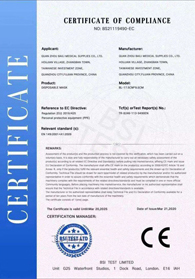


Our equipment is designed and manufactured to meet or exceed industry benchmarks. Key certifications and compliance include:
- ISO 9001: Demonstrates our commitment to robust quality management systems in production and R&D.
- CE Marking: Indicates compliance with European health, safety, and environmental protection standards for products sold in the European Economic Area.
- FDA Compliance: Materials used in food contact areas meet the standards set by the U.S. Food and Drug Administration.
- RoHS Compliance: For electrical components, ensuring restriction of hazardous substances.
We work diligently to ensure our machinery supports your compliance needs, whether you are exporting to North America, Europe, or any other regulated market. Our export department is well-versed in international trade regulations and documentation requirements, ensuring a smooth transaction and delivery process.
What Our Partners Say

"We integrated the YC-TDR-200 into our steak processing line six months ago. The improvement in tenderness across our beef cuts has been remarkable. Customer feedback is noticeably better, and we've seen a slight but crucial increase in yield due to better moisture retention. Setup was straightforward, and the support from YCMEATMECH's export team was professional."
- Mark Jennings, Operations Manager, USA
"As an OEM manufacturer supplying marinates poultry, consistent tenderness and marinade uptake are critical for our clients. YCMEATMECH's tenderiser machine has been a game-changer. It allows for deep, uniform penetration, resulting in products that are not only tender but also incredibly flavorful. The reliability of the machine means fewer interruptions in our production schedule."
- Sarah Chen, Production Lead, Canada
"We were looking for a robust solution for tenderizing pork cuts for our export market. The YCMEATMECH team understood our needs and recommended a suitable model. The machine's build quality is impressive – very heavy-duty. Cleaning is manageable, and the consistency in product texture we achieve now meets the strict standards required by our overseas buyers."
- David Rodriguez, Procurement Director, MexicoFrequently Asked Questions
1. What types of meat can be tenderized with your machines?
Our machines are effective for a wide range of meats including beef, pork, lamb, veal, and poultry. The specific settings may need to be adjusted based on the cut, thickness, and inherent toughness of the meat.
2. How does mechanical tenderization affect meat quality and yield?
Proper mechanical tenderization breaks down tough connective tissues and muscle fibers, leading to improved tenderness and a more desirable texture. It can also enhance marinade absorption, contributing to better flavor and potentially increasing yield by improving moisture retention during subsequent processing or cooking.
3. Is the tenderization process invasive or damaging to the meat structure?
Our machines are designed to tenderize effectively without being overly destructive. The degree of tenderization is adjustable, allowing processors to achieve the desired texture while minimizing damage to the meat fibers, which is crucial for maintaining structural integrity and reducing drip loss.
4. How do I select the right model for my operation?
Consider your production volume, the types of meat you process, your available space, and budget. Our sales team can guide you through the options, helping you choose a standard model or discuss a custom solution based on your specific operational needs.
5. What are the power requirements for your tenderiser machines?
Our standard machines typically operate on 380V/50Hz/3Phase power. However, we can customize machines to meet different voltage and frequency requirements to suit your local power supply. Please specify your needs when inquiring.
Ready to Enhance Your Meat Processing Output?
Discover how YCMEATMECH's advanced meat tenderiser machines can revolutionize your production. From boosting product quality to optimizing operational efficiency, we provide solutions built for performance and durability.
We are committed to providing tailored solutions and exceptional service to our global partners.
© 2026 Hebei Yuanchang Food Mechanism & Technology Co., Ltd. All rights reserved. | Contact Us | +86 15830991513 | ycmeatmech@gmail.com