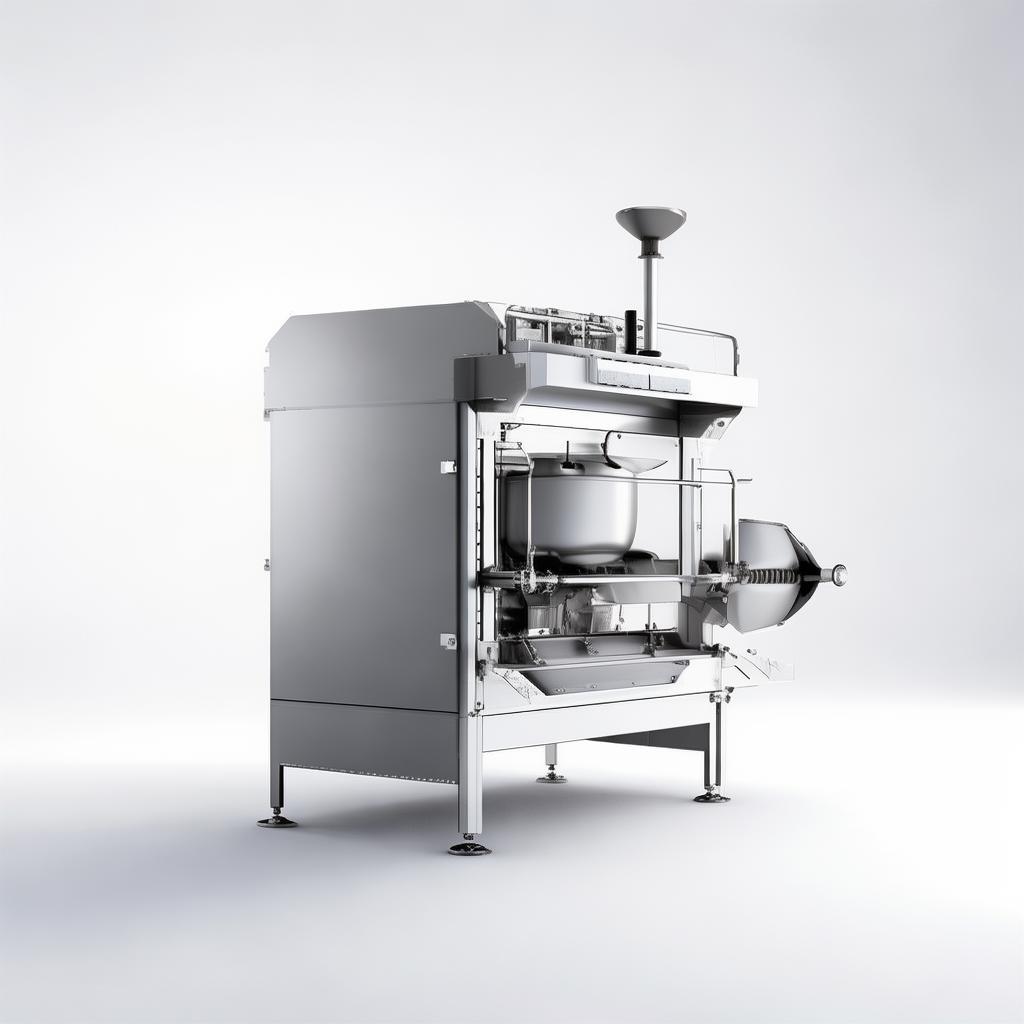
Meat Processing Trailer
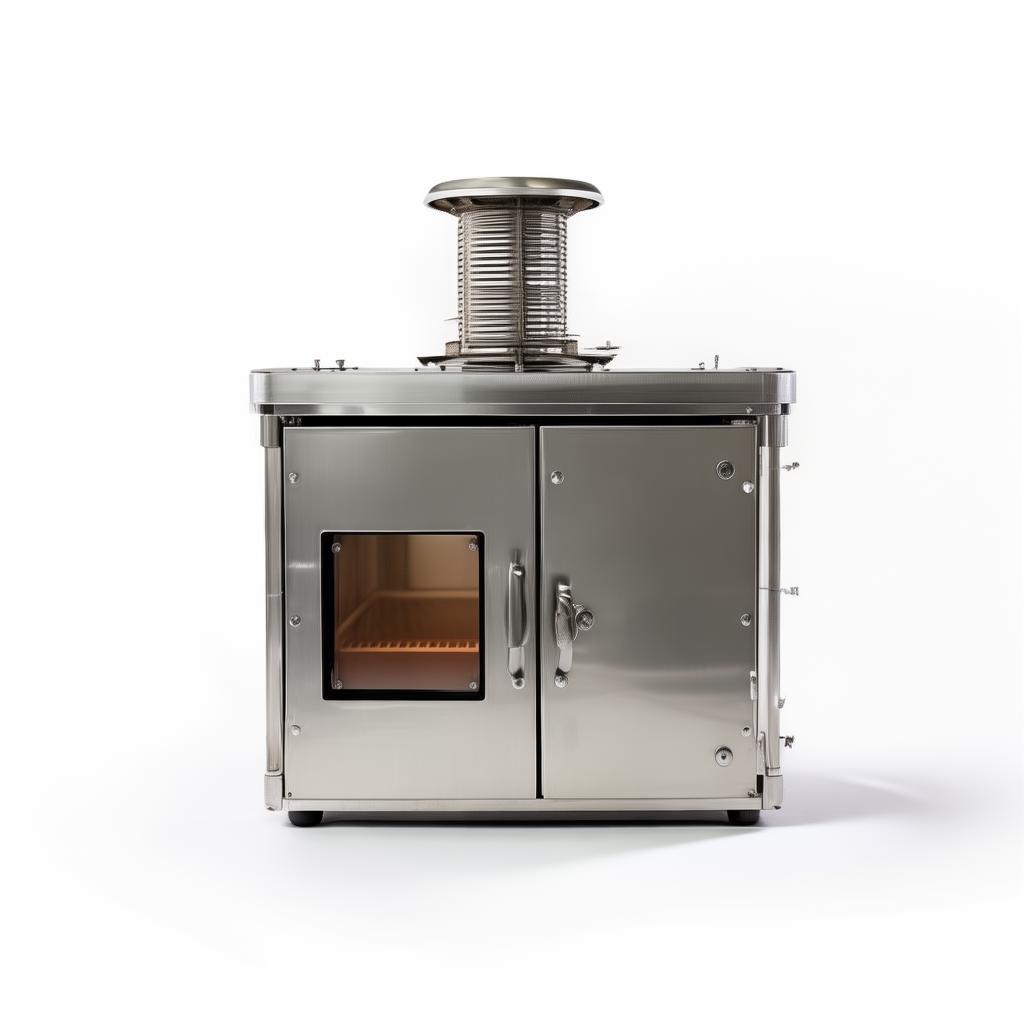
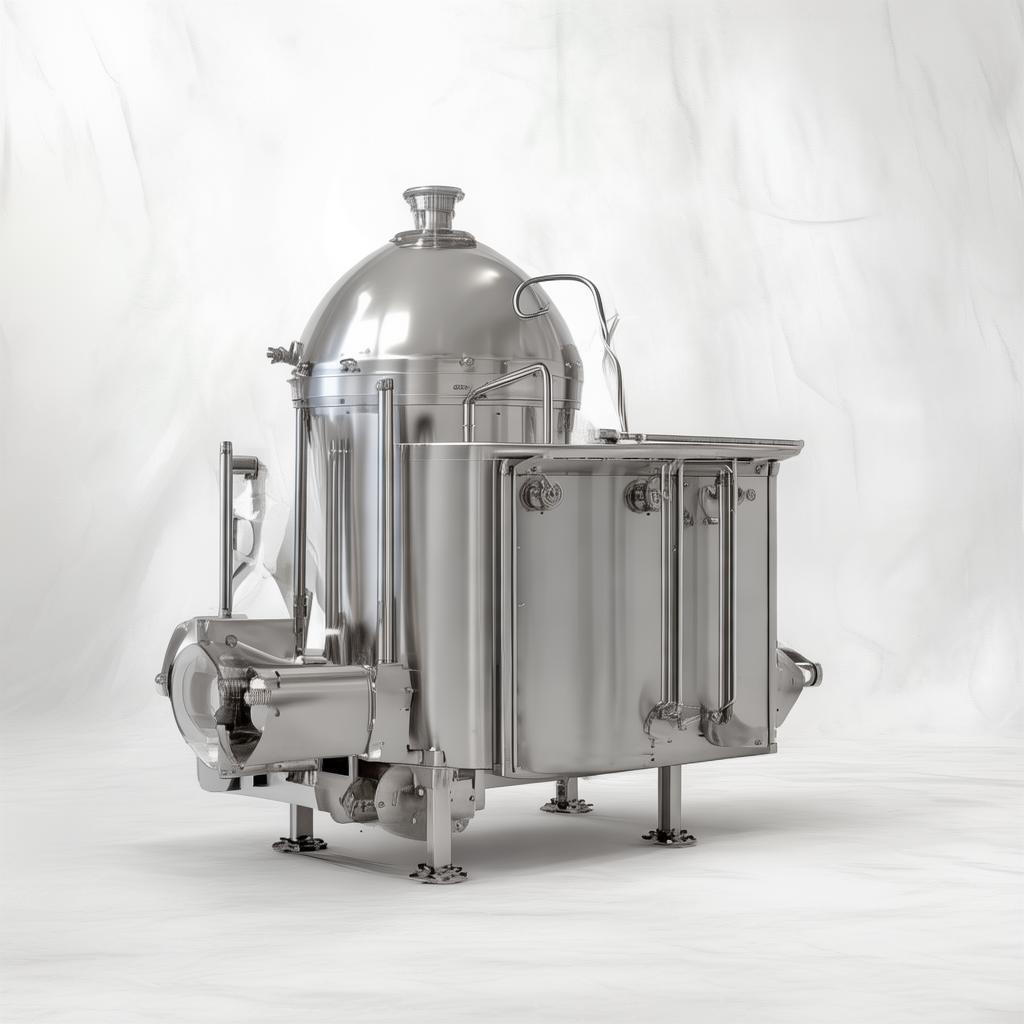
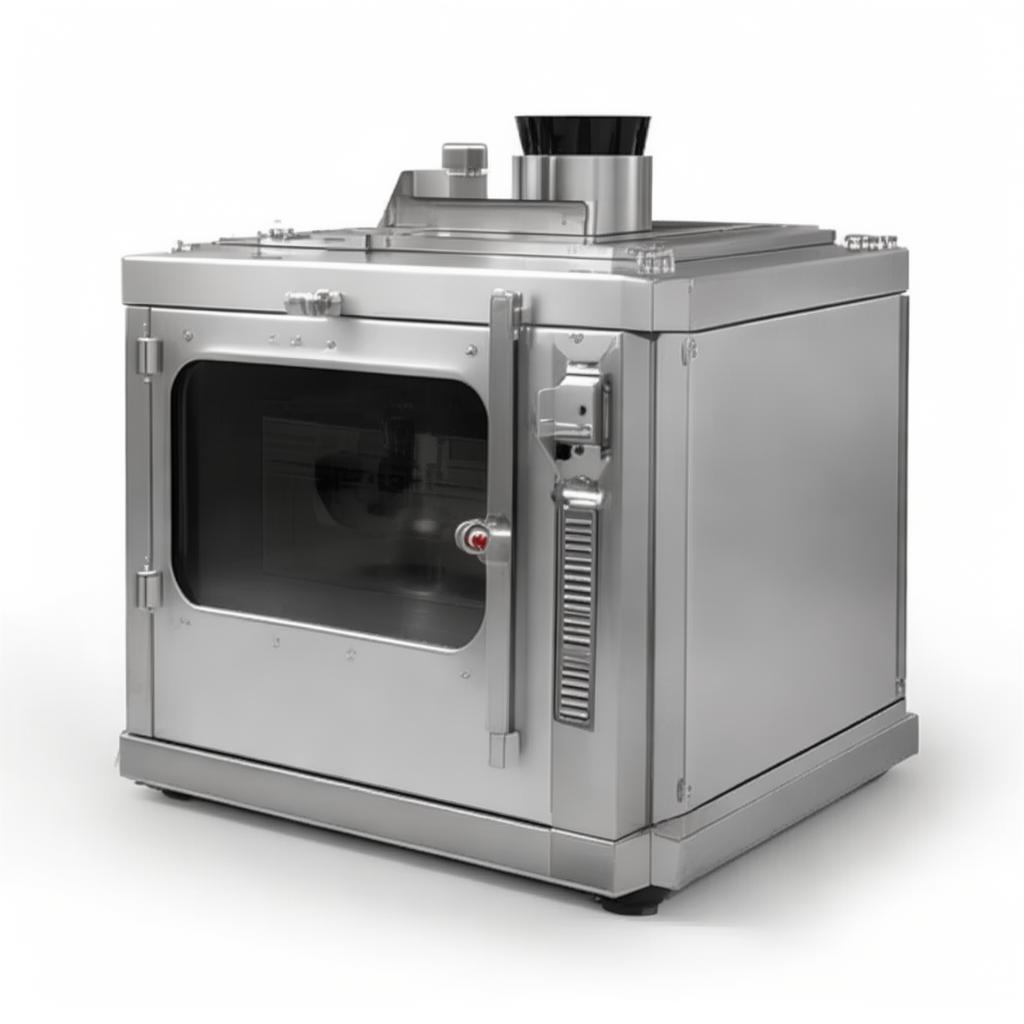
Meat Processing Trailer Solutions: Precision, Mobility, and Efficiency for Modern Abattoirs
Empowering Your Operations with Advanced, On-Site Processing Capabilities

By: Alex Chen
Senior Export Manager, Hebei Yuanchang Food Mechanism & Technology Co., Ltd.
Table of Contents
- Introduction: The Evolving Landscape of Meat Processing
- Addressing On-Site Processing Challenges
- Introducing the Meat Processing Trailer
- Key Technical Advantages
- Material Robustness & Longevity
- Versatile Applications
- Installation, Mobility, and Logistics
- Our Manufacturing Prowess
- Commitment to Quality and Compliance
- Procurement Insight: What to Look For
- What Our Partners Say
- Frequently Asked Questions
- Ready to Enhance Your Processing Capabilities?
Introduction: The Evolving Landscape of Meat Processing
The global meat processing equipment market is a dynamic and expanding sector. Reports indicate a robust growth trajectory, with valuations projected to reach upwards of USD 17 billion by 2034, exhibiting a compound annual growth rate around 5.0% to 7.0% across various analyses. This expansion is fueled by several critical factors: the ever-increasing global demand for processed meat products, the essential drive towards automation to enhance hygiene, efficiency, and address labor shortages, and the stringent enforcement of food safety standards worldwide.
As consumer preferences lean towards convenience and ready-to-eat options, the need for sophisticated processing solutions intensifies. This has led to significant investment in diverse equipment categories, including filling, stuffing, massaging (for ripening and tenderizing), cutting, grinding, and smoking machines. The Asia-Pacific region, in particular, is noted for its significant growth, driven by the industrialization of its processing facilities and a burgeoning demand for convenient meat options. These market dynamics underscore the continuous innovation and adaptation required within the industry.
Traditionally, meat processing operations have been centralized in fixed facilities. However, the operational realities and logistical complexities of modern supply chains often present unique challenges. Moving entire processing lines or managing the transportation of sensitive raw materials to a central hub can be costly, time-consuming, and introduce risks to product integrity. Furthermore, specialized processing needs for remote locations, temporary events, or localized community support can be difficult to meet with static infrastructure. This is where the innovation of mobile processing solutions, specifically the meat processing trailer, becomes indispensable.
A meat processing trailer isn't just a mobile unit; it's a strategic asset. It represents a commitment to operational flexibility, allowing for processing closer to the source, reducing transit times, and maintaining the highest standards of freshness and quality. For businesses aiming to expand their reach, serve niche markets, or simply optimize their workflow, understanding the capabilities and advantages of these specialized trailers is paramount. It offers a tangible solution to operational bottlenecks and opens new avenues for business development in a competitive international trade environment. Our focus at Hebei Yuanchang has always been on delivering robust, reliable, and precisely engineered equipment, and our meat processing trailers are a testament to this enduring commitment.
The concept of mobility in meat processing addresses direct operational pain points. Consider the logistics of transporting large volumes of freshly harvested meat from remote farms or abattoirs to a central processing plant. Each step introduces potential for spoilage, contamination, and increased labor costs. A mobile processing trailer can be deployed directly to the point of origin, enabling immediate processing, chilling, and preparation for distribution. This not only preserves quality but also significantly reduces the carbon footprint associated with long-haul transportation. It's a practical approach to streamlining the supply chain, particularly for businesses that operate across varied geographies or cater to localized demand.
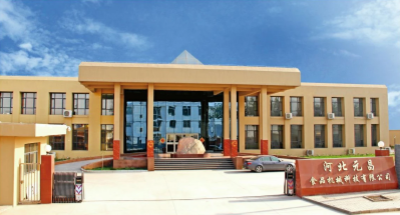
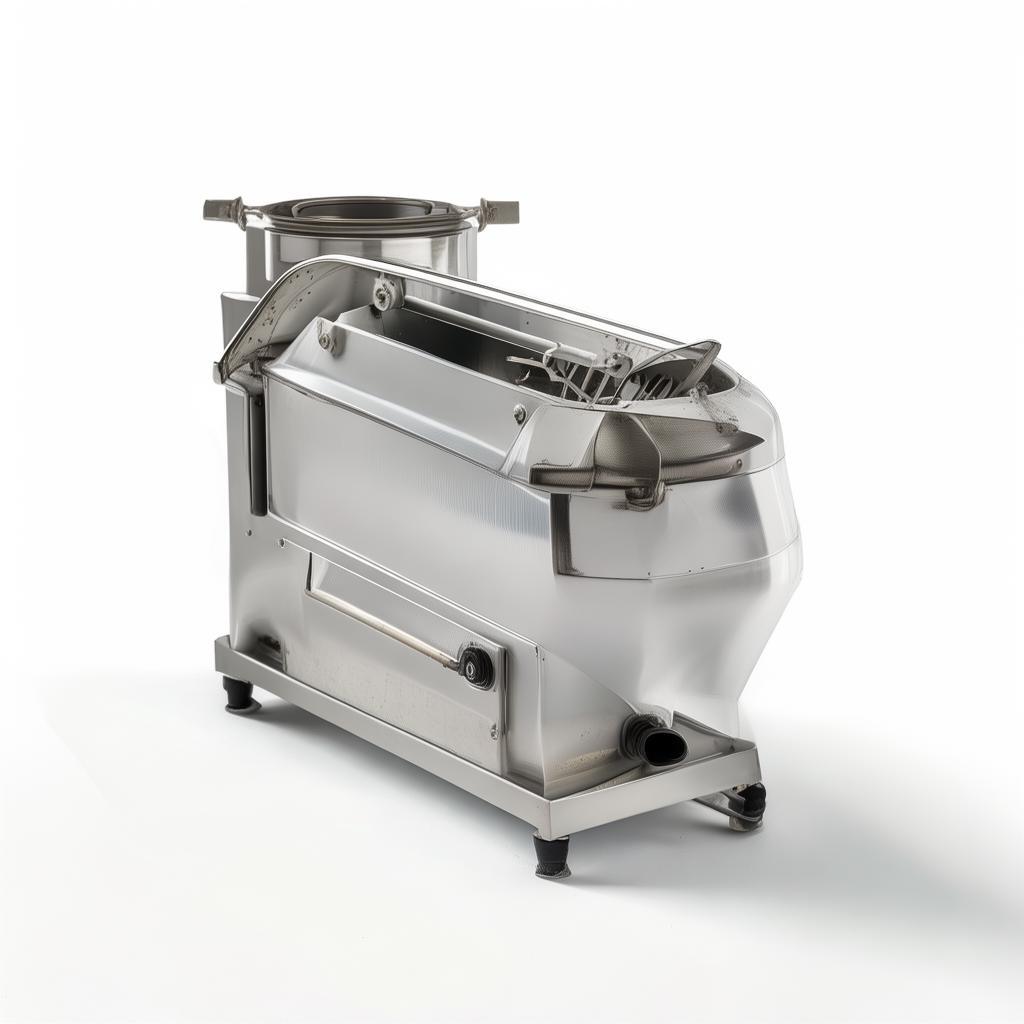
State-of-the-art meat processing trailer, designed for maximum operational efficiency.
Moreover, the flexibility offered by these trailers supports diverse business models. Whether it's a butcher shop looking to offer fresh, on-site prepared products directly to consumers, a large-scale operation needing temporary overflow capacity, or a government initiative aiming to improve rural agricultural infrastructure, the meat processing trailer provides a scalable and adaptable solution. It allows businesses to test new markets, respond to seasonal demands, or provide essential services in areas where fixed infrastructure is lacking. This adaptability is crucial in today's fast-paced B2B environment.
Addressing On-Site Processing Challenges
Operating a modern meat processing facility, whether large-scale or boutique, comes with inherent logistical and operational hurdles. Many of these stem from the inherent need to handle perishable goods efficiently and hygienically. Identifying these pain points is the first step toward implementing effective solutions.
- Transportation Costs & Logistics: Moving live animals or raw meat to a centralized processing plant incurs significant fuel, labor, and time costs. For remote agricultural regions, this can be a substantial barrier to market access.
- Product Freshness & Quality Degradation: The longer the transit time for raw meat, the higher the risk of quality degradation, microbial growth, and spoilage. Maintaining cold chain integrity during transport is also a constant challenge.
- Infrastructure Limitations: Establishing new fixed processing facilities requires substantial capital investment, lengthy construction times, and adherence to complex zoning and environmental regulations. This is often prohibitive for smaller operators or for emerging markets.
- Flexibility and Scalability Issues: Fixed plants struggle to adapt to fluctuating market demands, seasonal peaks in supply, or the need for specialized, small-batch processing. Expanding capacity often means significant retooling or new construction.
- Hygiene and Contamination Risks: Multiple handling points and long transport routes can increase the risk of cross-contamination, making it harder to meet stringent food safety standards like HACCP or ISO 22000.
- Waste Management: On-site processing can sometimes lead to localized waste challenges that are difficult to manage without specialized infrastructure.
These are not minor inconveniences; they are direct operational costs and potential risks to brand reputation. The ability to mitigate these issues directly impacts profitability and market competitiveness. This is precisely where a mobile processing solution offers a strategic advantage.
Introducing the Meat Processing Trailer
Hebei Yuanchang’s Meat Processing Trailer is engineered to deliver robust, high-performance processing capabilities directly to your operational site. It represents a significant leap in mobile food processing technology, integrating essential equipment into a self-contained, road-legal unit.
Our trailers are designed with a core focus on **adaptability, durability, and compliance**. They are not simply modified shipping containers; they are purpose-built processing environments. This means every aspect, from the internal layout and material selection to the integration of power, water, and ventilation systems, is optimized for the demanding conditions of meat processing.
Key Components Typically Integrated:
- Pretreatment Stations: Including robust cleaning, skinning, and initial cutting areas.
- Molding & Forming Equipment: Precision machines for creating various meat products like sausages, patties, and nuggets.
- Ripening/Tenderizing Systems: Advanced vacuum massagers and tumblers to improve texture and flavor.
- Auxiliary Processing Units: Options for grinders, mixers, and other specialized machinery.
- Chilling & Refrigeration: Integrated cold storage to maintain product integrity post-processing.
- Sanitation Systems: Onboard water heating, pressure washing, and waste disposal systems.
The inherent advantage of a trailer-based system is its mobility. This allows businesses to deploy processing power where it's most needed – at the farm, at a distribution hub, or for catering to specific events or remote communities. It bypasses the need for extensive fixed infrastructure, offering a significantly lower upfront investment and faster deployment time compared to building a new plant.
We understand that each operation has unique requirements. Therefore, our meat processing trailers are highly customizable. From the specific types of machinery included to the internal configuration and power requirements (diesel generator, grid connection), we work closely with clients to tailor a solution that precisely matches their operational needs and local regulations.
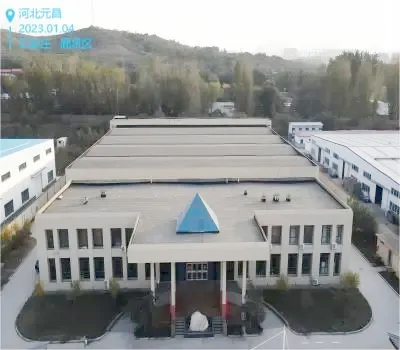
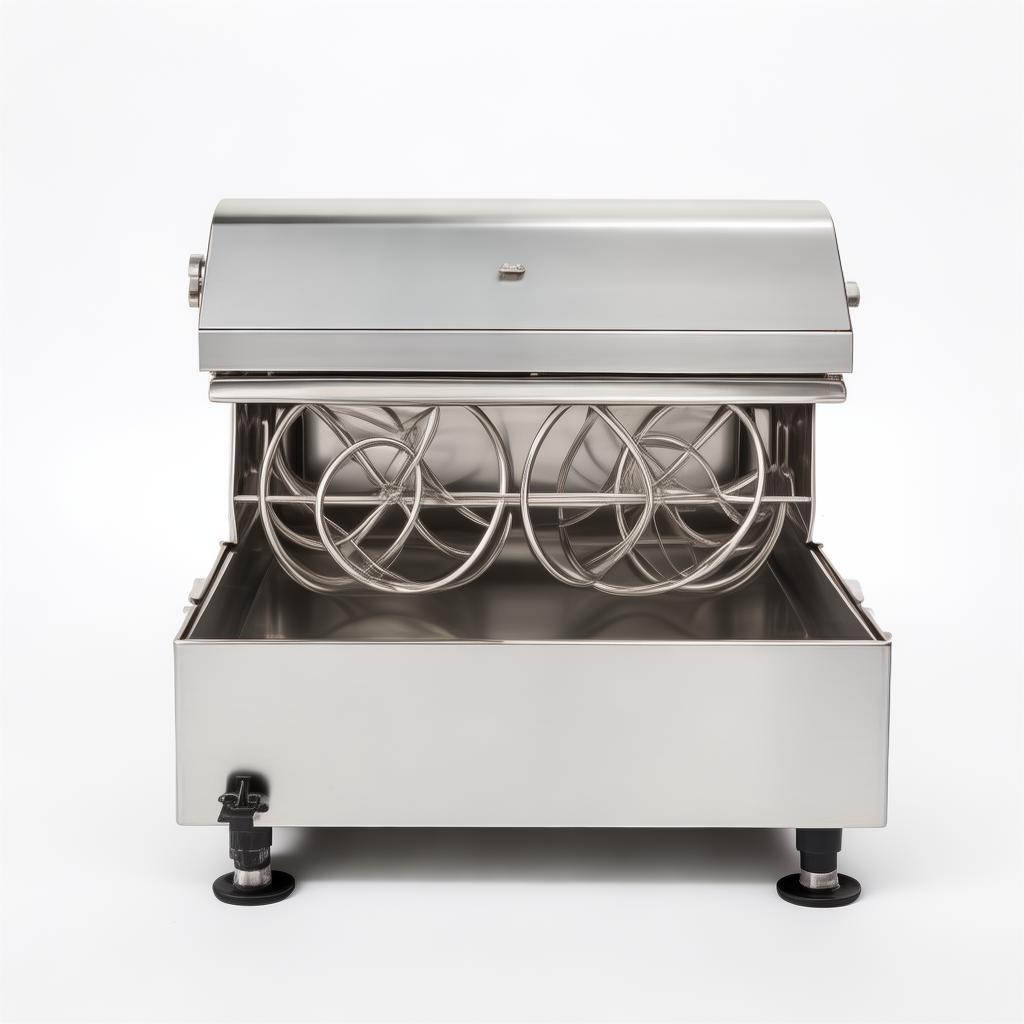
A glimpse inside our customizable meat processing trailer, showcasing efficient equipment integration.
Key Technical Advantages & Operational Benefits
The engineering behind our meat processing trailers goes beyond mere portability. It's about integrating advanced technology to ensure efficiency, safety, and product quality. Let’s break down the tangible benefits you can expect.
- Enhanced Product Quality & Consistency: Integrated vacuum massagers and tumblers, critical for ripening and tenderizing, ensure uniform flavor distribution, improved texture, and extended shelf life. Our precision molding and filling equipment guarantees consistent product dimensions and weight, crucial for retail and foodservice clients.
- Optimized Workflow Efficiency: The trailer layout is designed for a streamlined production flow, minimizing operator movement and reducing the risk of bottlenecks. Pre-treatment processes like cleaning and cutting are positioned logically, leading to faster throughput.
- Superior Hygiene Standards: All internal surfaces are constructed from food-grade stainless steel (e.g., SUS304), offering excellent corrosion resistance and ease of sanitation. Integrated wash-down systems, adequate ventilation, and sealed units prevent external contaminants from entering the processing environment. This directly supports compliance with rigorous standards like HACCP and GMP.
- Energy & Resource Management: Our units can be equipped with efficient, integrated power solutions (e.g., quiet diesel generators) and water heating systems. This self-sufficiency reduces reliance on external site infrastructure, which can be unreliable or nonexistent in remote locations.
- Reduced Operational Footprint: By bringing processing closer to the source, you drastically cut down on transportation miles, associated fuel costs, and emissions. This aligns with growing corporate sustainability goals and reduces logistical complexity.
- Scalability & Flexibility: Need to process more during peak season or for a special contract? A trailer can be deployed to supplement existing capacity, offering a flexible solution without the commitment of permanent expansion. It's ideal for pilot projects, new market entry, or specialized product runs.
- Rapid Deployment: Compared to constructing a new processing plant, a fully outfitted trailer can be operational within days or weeks of arrival, allowing for a much faster return on investment and quicker response to market opportunities.
Consider the time saved. Instead of waiting months or years for a new facility, a trailer can be on-site and producing within a fraction of that time. This speed-to-market is a significant competitive advantage in the fast-moving food industry.
Furthermore, for businesses involved in international trade, such mobile units can be particularly valuable for setting up temporary processing operations in new export markets or for fulfilling large, time-sensitive contracts that might strain existing fixed capacity. It offers an agile solution to complex supply chain demands.
Material Robustness & Longevity
The materials used in the construction of a meat processing trailer are paramount for hygiene, durability, and operational longevity. At Hebei Yuanchang, we select materials that meet stringent industry standards and are proven to withstand the rigors of a food processing environment.
Stainless Steel: The Foundation of Hygiene and Durability
The primary material for internal surfaces, equipment bodies, and structural components within our trailers is high-grade stainless steel, typically SUS304 (often referred to as 18/8 stainless steel). This material is chosen for several critical reasons:
- Corrosion Resistance: Unlike carbon steel or other metals, SUS304 is highly resistant to rust and corrosion, even when exposed to moisture, cleaning agents, and acidic byproducts common in meat processing. This ensures a longer lifespan and maintains a sanitary surface.
- Non-Porous Surface: Stainless steel offers a smooth, non-porous finish that prevents the adhesion and proliferation of bacteria, mold, and other microorganisms. This is fundamental for food safety and simplifies the cleaning and sanitization process.
- Ease of Cleaning: Its smooth surface allows for effective removal of fats, proteins, and debris with standard cleaning agents and high-pressure water, crucial for maintaining hygienic conditions between processing runs.
- Durability: SUS304 stainless steel is robust and can withstand mechanical stress, impacts, and abrasion, making it ideal for the demanding operational environment of a processing trailer.
- Thermal Stability: It handles temperature fluctuations well, important for areas involving refrigeration or hot water cleaning.
Trailer Chassis and Exterior
The trailer chassis itself is constructed from heavy-duty steel, designed to carry significant loads and endure road travel. The exterior is typically finished with durable, weather-resistant coatings to protect against the elements and maintain structural integrity during transport and operation.
Comparison with Alternative Materials
While other materials might seem cheaper initially, they often fall short in a professional processing environment:
| Material | Hygiene | Durability | Maintenance | Cost (Initial) |
|---|---|---|---|---|
| SUS304 Stainless Steel | Excellent | Excellent | Low | Moderate |
| Aluminum Alloys | Good | Good | Moderate | Moderate |
| Galvanized Steel | Fair (coating can wear) | Fair (susceptible to rust when coated) | High | Low |
| Plastic/Composite Panels | Good (if food-grade) | Fair (can scratch/degrade) | Moderate | Low to Moderate |
wholesale meat processing equipment meat processing conveyors commercial meat processing equipment
Our commitment is to provide solutions that offer the best long-term value, which intrinsically means prioritizing materials that ensure food safety and operational reliability. Stainless steel is, without question, the industry standard for these reasons.
Versatile Applications for Meat Processing Trailers
The adaptability of a meat processing trailer makes it a valuable asset across a wide spectrum of industries and operational scenarios. Its core strength lies in bringing advanced processing capabilities directly to the point of need, regardless of fixed infrastructure limitations.
Farm-to-Table Operations & Smallholder Farms
For farms that raise livestock, a trailer can enable on-site slaughtering and initial processing. This dramatically reduces stress on animals, preserves meat freshness by minimizing transport, and allows farmers to directly enter value-added product markets (e.g., custom cuts, sausages) without needing a large processing plant.
Remote & Rural Communities
In regions with limited access to established processing facilities, a mobile trailer can serve as a crucial piece of infrastructure, supporting local economies by enabling community-based meat processing, ensuring food security, and creating local employment opportunities.
Catering & Event Services
Specialty caterers or event organizers can leverage mobile processing for on-site preparation of fresh products, such as gourmet burgers or sausages, directly at festivals, fairs, or private events, offering a unique selling proposition and ensuring unparalleled freshness.
Emergency & Disaster Relief
In the event of natural disasters that disrupt traditional food supply chains, mobile processing units can be rapidly deployed to provide essential food processing capabilities, supporting affected communities and relief efforts.
Specialty & Niche Product Development
For R&D purposes or for launching niche product lines (e.g., exotic meats, organic certifications, specific ethnic sausages), a trailer provides a controlled, dedicated environment for testing, small-batch production, and market validation without impacting main plant operations.
Temporary Capacity Expansion
Existing processing plants facing seasonal demand surges, large export orders, or unexpected downtime in their primary facility can utilize a mobile trailer to augment their capacity, ensuring continuity of operations and fulfillment of commitments.
The underlying principle is simple: bring the processing to the product, not the other way around. This flexibility unlocks new efficiencies and market opportunities previously out of reach for many operators. Whether it's for a beef abattoir, a pork processing unit, or poultry preparation, the adaptability is key.
Installation, Mobility, and Logistics
Deploying a meat processing trailer involves considerations beyond the unit itself. Understanding the logistics and installation process is crucial for a smooth transition into mobile processing.
Mobility and Road Compliance
Our meat processing trailers are built on robust chassis and are road-legal in most regions. They are designed to be towed by standard heavy-duty trucks. Compliance with local transportation regulations, including dimensions, weight limits, and lighting requirements, is a standard part of our design and manufacturing process. We ensure all necessary documentation for transport and operation is provided.
Practical Considerations:
- Site Access: Ensure the chosen operating site has adequate access for the trailer and its towing vehicle.
- Ground Stability: The site should be firm and level to provide a stable operating base. Outriggers are typically provided for enhanced stability once positioned.
- Weather Protection: While the trailer is weatherproof, consider providing temporary canopies or shelters for personnel and for managing incoming raw materials or outgoing finished products, especially in harsh climates or during extended operations.
Utilities and Infrastructure
While designed for self-sufficiency, optimal operation often requires basic utility connections:
- Power: Most trailers come equipped with a powerful, integrated diesel generator for independent operation. However, connection to a stable grid power source can be an alternative and may be more economical for long-term stationary use.
- Water: A reliable source of potable water is required for processing and sanitation. This can be supplied via onboard tanks or directly from a municipal source.
- Waste Disposal: Systems are in place for managing wastewater and solid waste. Proper connection to local sewer systems or arrangements for collection and disposal are essential.
- Ventilation: Proper ventilation is integrated, but site considerations like prevailing winds might influence optimal positioning.
Shipping and Export Logistics
As an international supplier, we have extensive experience in shipping our meat processing trailers globally. We handle all aspects of export documentation, customs clearance coordination, and safe packaging for sea freight. Containerized shipping is often an option for smaller units, while larger trailers may require specialized flat-rack or RORO (Roll-on/Roll-off) services. Our team can provide detailed shipping quotes and timelines based on your destination.
A Note on Installation Time: Typically, setting up a trailer for operation involves positioning, connecting utilities (if not running solely on internal generators), and a brief system check. This process is remarkably fast, often taking less than a day, which is a significant operational advantage over traditional construction.
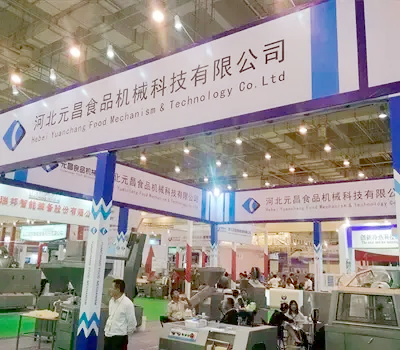
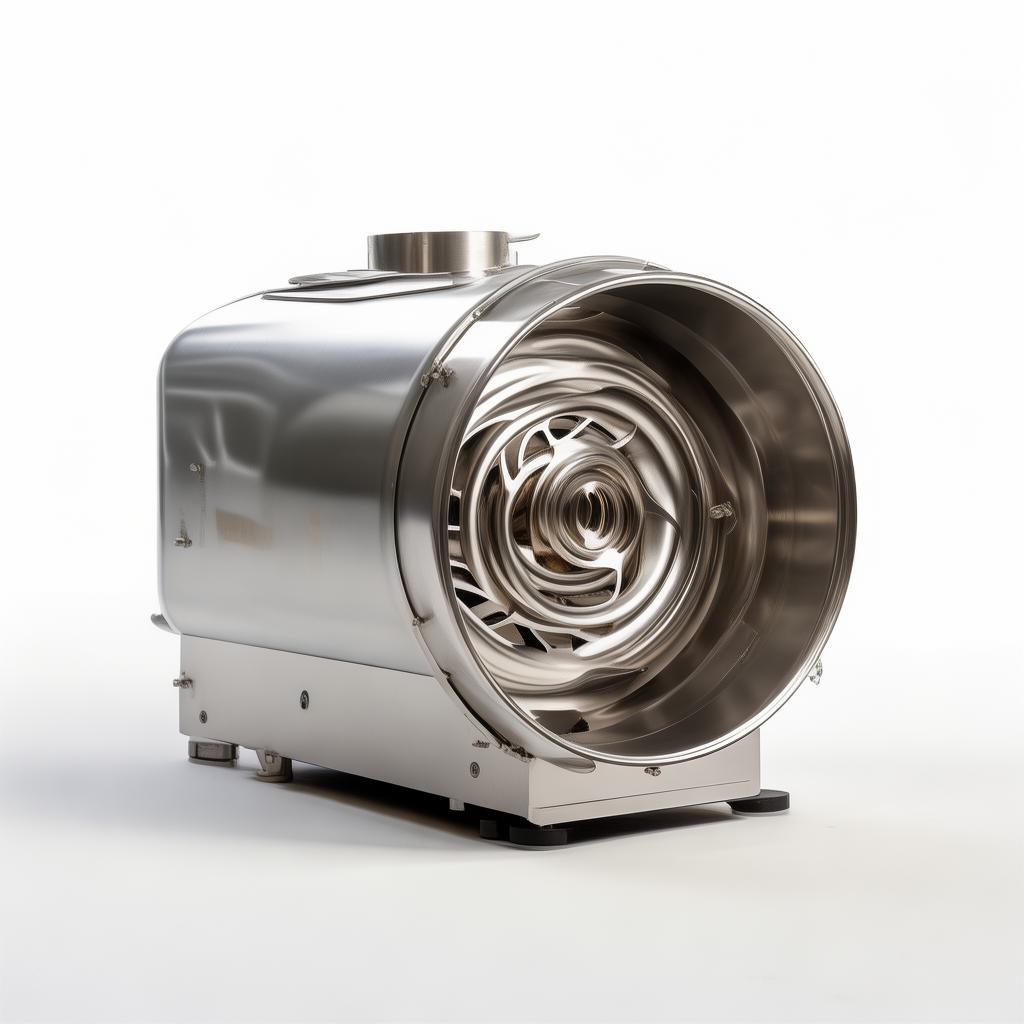
Trailer connected to essential utilities for seamless operation.
Our Manufacturing Prowess: The Yuanchang Advantage
At Hebei Yuanchang Food Mechanism & Technology Co., Ltd., our 40 years of experience since 1986 are not just a number; they represent a deep well of practical knowledge and engineering expertise in meat processing equipment. We are more than just assemblers; we are manufacturers with end-to-end control over quality and precision.
Our facility spans approximately 14,000 square meters, housing a dedicated team of 80-100 skilled professionals committed to R&D, production, and sales. This integration allows us to maintain the highest standards from concept to delivery.
In-House Machining: Precision at Our Core
We pride ourselves on our comprehensive in-house machining workshop. Equipped with over 20 sets of advanced processing machinery, including:
- Lathes and Milling Machines for shaping and refining components.
- High-precision Grinding Machines for achieving tight tolerances.
- Boring Machines for accurate internal diameter work.
- Plate Shears and Bending Machines for metal fabrication.
- Wire Cutting Equipment for intricate designs and precise cuts.
This in-house capability is critical. It means we aren't reliant on external suppliers for core components. We can guarantee the quality, accuracy, and material integrity of every part that goes into our meat processing trailers and other equipment.
Japanese CNC Machining Centers: High Standards, High Volume
Since 2012, we've invested significantly in advanced manufacturing technology, including 8 sets of Japanese Mazak CNC machining centers. This investment allows us to:
- Undertake the production of high-standard components requiring large volumes.
- Achieve exceptionally high precision and intricate geometries.
- Manufacture non-standard, custom-specification parts with confidence.
This technological edge ensures that our meat processing trailers and their integrated machinery meet the exacting demands of international markets, including those with very high standards for precision and reliability.
Traceable After-Sales Management
Our commitment extends beyond the sale. We operate a traceable after-sales management system, allowing us to independently produce high-precision replacement parts. This ensures that you receive genuine, perfectly matched components for any future maintenance or repair needs, providing truly worry-free after-sales service. This traceability is vital for ensuring ongoing compliance and operational continuity.
This vertically integrated approach, combining decades of experience with cutting-edge manufacturing, is what allows us to deliver meat processing trailers that are not only mobile but are also benchmarks for performance, durability, and hygienic design in the global market.

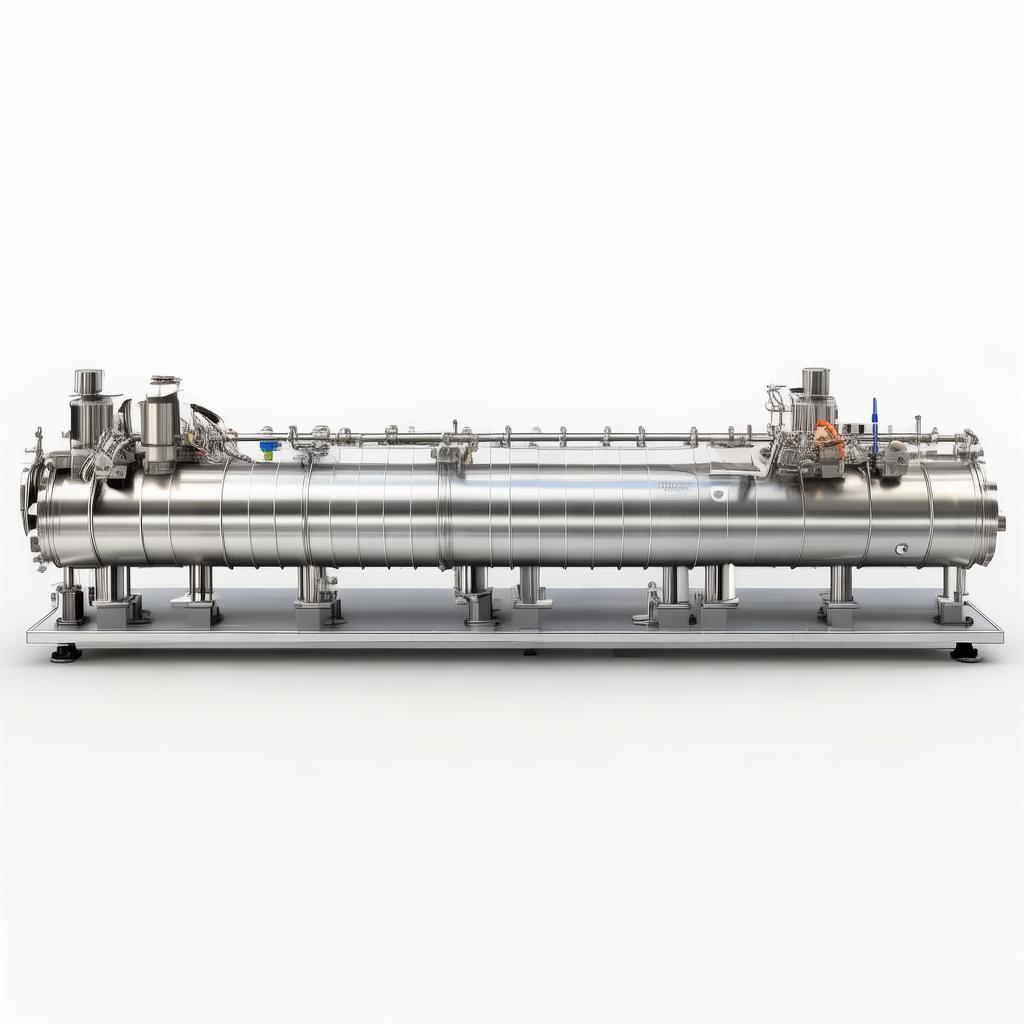
Our state-of-the-art CNC machines ensure component precision.
Commitment to Quality and Compliance
For any B2B buyer in the food processing sector, compliance with international standards and certifications is non-negotiable. At Hebei Yuanchang, we understand this implicitly. Our manufacturing processes and the equipment we deliver are designed to meet or exceed globally recognized benchmarks for quality, safety, and performance.
ISO 9001 Quality Management System
Our operations adhere to the principles of ISO 9001. This certification underscores our systematic approach to quality management, ensuring that our production processes are consistent, efficient, and geared towards customer satisfaction. It provides assurance that our products, including meat processing trailers, are manufactured under a controlled and documented quality framework.
Food Safety Compliance (HACCP & GMP Principles)
While we may not hold direct certifications for every single piece of equipment to specific food safety standards like HACCP or GMP (as these often relate to the *process* of using the equipment), our designs are fundamentally built around these principles. This includes:
- Use of Food-Grade Materials: As detailed earlier, SUS304 stainless steel is standard.
- Hygienic Design: Smooth surfaces, rounded corners, minimal crevices, and ease of cleaning are paramount in our design philosophy.
- Separation of Raw and Cooked Product Zones: Where applicable within the trailer layout, we facilitate the separation of different processing stages to prevent cross-contamination.
- Robust Sanitation Features: Integrated cleaning systems are designed for efficacy.
We provide documentation and support to help our clients implement their own HACCP plans and achieve GMP compliance when using our equipment.
CE Marking (for relevant markets)
For equipment destined for the European market, we can ensure compliance with relevant EU directives and apply CE marking where applicable. This signifies that the product meets the essential health, safety, and environmental protection requirements of the EU. This is critical for international trade and market access.
Export Experience
Our extensive history in international trade means we are well-versed in the documentation, compliance, and quality expectations of various global markets, including the USA, Europe, Southeast Asia, and beyond. We proactively ensure our products align with the specific regulatory environments of our clients.
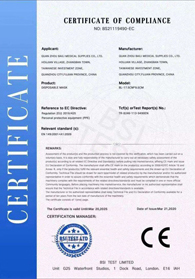
Proudly adhering to international quality and safety standards.
By prioritizing these standards in our manufacturing and design, we provide our clients with the confidence that their investment in a Hebei Yuanchang meat processing trailer is a sound decision, contributing to both operational success and regulatory adherence.
Procurement Insight: What to Look For in a Meat Processing Trailer
Purchasing specialized equipment like a meat processing trailer is a significant investment. Beyond the initial price tag, a procurement professional needs to evaluate several critical factors to ensure long-term value, operational efficiency, and minimal risk. Here’s a breakdown of what discerning buyers should consider:
1. Manufacturer’s Experience & Reputation
Ask: How long has the manufacturer been in the business of making meat processing equipment? Do they have a proven track record in export markets?
Why it matters: 40 years of experience, like ours at Hebei Yuanchang, translates to deep understanding of material science, engineering nuances, and real-world operational challenges. A manufacturer with a global export presence demonstrates their ability to meet diverse regulatory requirements and provide reliable support across borders.
2. Material Quality and Construction Standards
Ask: What grade of stainless steel is used for internal surfaces? Is the chassis robust enough for intended transport? Are welding and finishing meticulous?
Why it matters: Food safety and longevity depend on material choice. SUS304 stainless steel is the industry standard for hygiene. High-quality welds and smooth finishes prevent bacterial harborage and ensure easy cleaning. A weak chassis can lead to costly repairs or accidents.
3. Customization vs. Off-the-Shelf
Ask: Can the layout and equipment be tailored to my specific processing needs, or is it a fixed configuration?
Why it matters: While off-the-shelf might be quicker, true efficiency comes from a system designed for your workflow. Look for suppliers who offer OEM/ODM services and can adapt the trailer’s configuration, size, and integrated machinery to your unique product lines and throughput requirements.
4. Integrated Machinery Performance
Ask: What are the specifications of the included processing equipment (e.g., massagers, fillers, grinders)? Are they from reputable brands or in-house manufactured to high standards?
Why it matters: The trailer is only as good as the machinery it houses. Ensure the performance metrics (capacity, precision, energy efficiency) of each unit meet your operational demands. Our integrated machinery benefits from our own rigorous manufacturing standards.
5. Power and Utilities Self-Sufficiency
Ask: Does the unit have a reliable onboard generator? What are its power requirements? How are water and waste managed?
Why it matters: Especially for remote locations, self-sufficiency is key. An integrated, robust generator system and well-designed water/waste management reduce reliance on potentially unavailable site infrastructure, ensuring continuous operation.
6. After-Sales Support & Spare Parts Availability
Ask: What warranty is offered? How easy is it to obtain spare parts, especially for specialized components? Is technical support available remotely or on-site?
Why it matters: Downtime is expensive. Knowing you can quickly get critical spare parts and expert technical advice is essential for minimizing operational disruptions. A traceable system for replacement parts, like ours, is a significant advantage.
7. Compliance and Certification
Ask: Does the equipment meet relevant international standards (ISO, CE, FDA guidelines if applicable)? What documentation is provided for customs and regulatory bodies?
Why it matters: This is crucial for market access and avoiding costly delays or rejections. Reputable manufacturers will be transparent about their compliance certifications and provide necessary paperwork.
Making an informed decision requires looking beyond the surface. By evaluating these points, you can select a meat processing trailer that not only meets your immediate needs but also provides a reliable, efficient, and profitable solution for years to come. When you're ready to discuss these factors in detail, our team is here to help.
Real-World Feedback from Our Partners
We believe in transparency and building trust through the experiences of our valued clients. Here’s what some of our partners have shared about their investment in Hebei Yuanchang’s meat processing solutions:

Mark Jenkins, Operations Manager
Prairie Meats Ltd., Canada
"We needed a flexible solution to process specialty game meats from remote ranches. Yuanchang’s meat processing trailer was a game-changer. The build quality is exceptional, especially the stainless steel interior, which is crucial for our hygiene standards. It arrived on time, and the team provided excellent guidance for setup. We're seeing reduced transit times and better quality control."

Sofia Rodriguez, Procurement Director
Andes Foods, Peru
"Setting up processing facilities in our mountainous regions is challenging. The mobile trailer from Hebei Yuanchang allows us to process directly at cooperative farms. The integrated vacuum massager for ripening has noticeably improved our cured product quality. Their expertise in export shipping was invaluable, and the after-sales support for spare parts has been prompt."

David Lee, Owner
Artisan Butcher Shop, USA
"We wanted to offer hyper-local, fresh sausages made on-site during farmers' markets. The custom-configured processing trailer we received from Yuanchang is perfect. It's compact enough for event sites but equipped with professional-grade machinery. The ability to get custom specifications was a huge plus for our unique product line."

Chen Wei, Factory Manager
Xinjiang Agricultural Cooperative, China
"Our cooperative spans vast areas. Transporting meat for processing was inefficient. The Yuanchang trailer allows decentralized processing, significantly improving logistics and reducing spoilage. The durability and ease of maintenance are key advantages for our remote operations."
We are proud to partner with businesses worldwide, helping them achieve greater efficiency and quality in their meat processing operations. Request a consultation to see how we can support your unique needs.
Frequently Asked Questions (FAQ)
1. What types of meat can be processed in these trailers?
Our meat processing trailers are designed to handle a wide range of meats, including beef, pork, lamb, poultry, and specialty game meats. The specific machinery integrated within the trailer can be configured to optimize processing for different meat types and desired end products (e.g., sausages, patties, cured meats).
2. How long does it take to set up a trailer for operation?
Typically, setting up a trailer is a straightforward process that can be completed in less than a day. This includes positioning the trailer on a stable surface, connecting any required utilities (power, water), and performing initial system checks. The self-contained nature of our units significantly reduces on-site installation time compared to fixed facilities.
3. What are the power requirements for operating a trailer?
Most of our trailers are equipped with a high-capacity, integrated diesel generator for full autonomy. This ensures operation even in locations without access to grid power. We can also configure units to connect to external grid power if preferred or available. Specific power consumption depends on the machinery configuration within the trailer.
4. Are these trailers compliant with food safety regulations in international markets like the USA and EU?
Yes, our trailers are designed with international food safety standards in mind, utilizing food-grade SUS304 stainless steel and hygienic design principles. We can provide necessary documentation and ensure compliance with regional requirements such as CE marking for Europe. We recommend consulting with local regulatory bodies for specific operational permits.
5. What is the typical lifespan of a Hebei Yuanchang meat processing trailer?
With proper maintenance and care, our trailers, built with high-quality materials and robust engineering, are designed for a long operational lifespan, often exceeding 15-20 years. Our commitment to using durable stainless steel and providing readily available spare parts ensures sustained performance.
6. Can I customize the equipment included in the trailer?
Absolutely. Customization is a core aspect of our offering. We work closely with clients to integrate specific processing machinery, adjust layouts, and tailor electrical or plumbing systems to meet unique operational needs. This includes options for OEM/ODM integration of specialized equipment.
7. What about maintenance and spare parts?
We operate a traceable after-sales management system. This allows us to efficiently supply high-precision replacement parts for all components. Regular maintenance is critical, and we provide comprehensive manuals and remote technical support to assist our clients in keeping their trailers in optimal condition.
Ready to Revolutionize Your Meat Processing Operations?
Don't let fixed infrastructure limit your potential. Discover the efficiency, mobility, and quality that a Hebei Yuanchang meat processing trailer can bring to your business. Contact us today for a personalized consultation and a no-obligation quote.
Hebei Yuanchang Food Mechanism & Technology Co., Ltd. | Phone: +86 15830991513 | E-mail: ycmeatmech@gmail.com