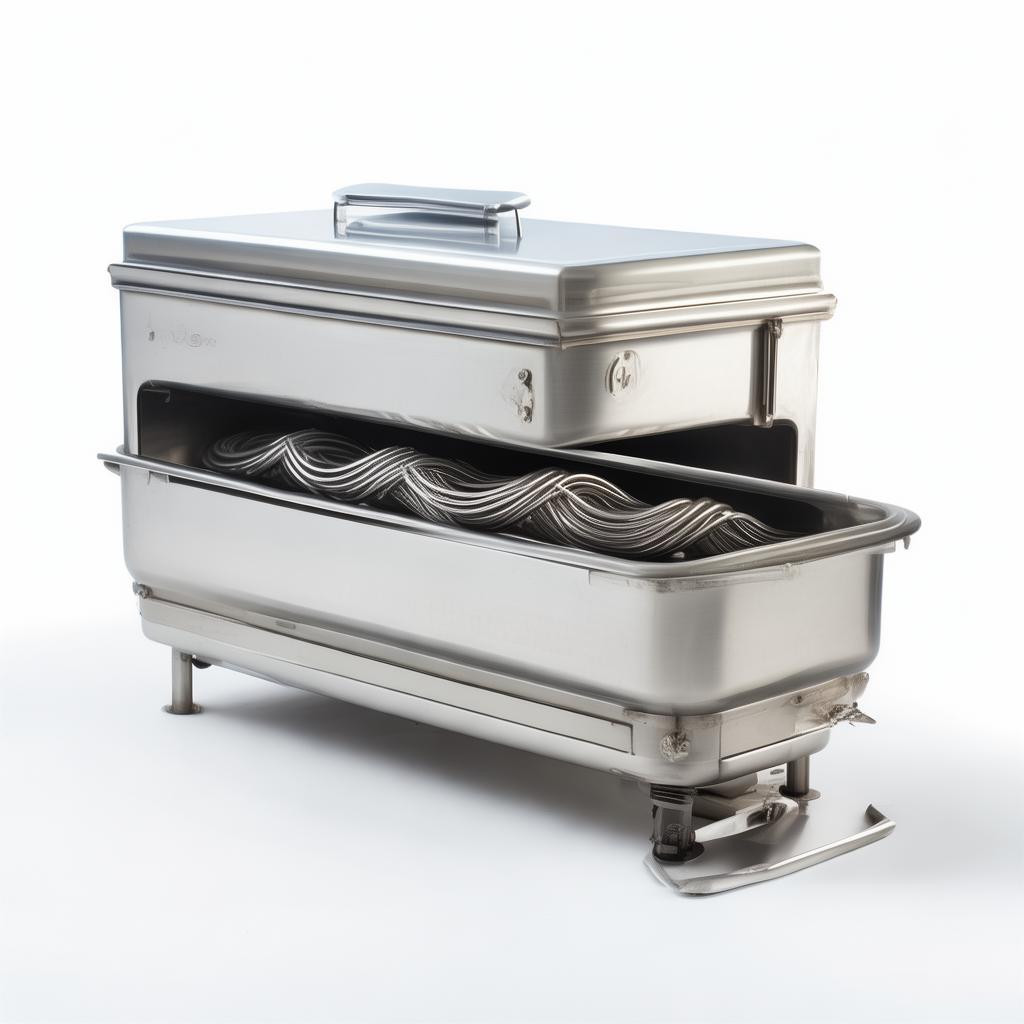
Meat Processing Conveyors
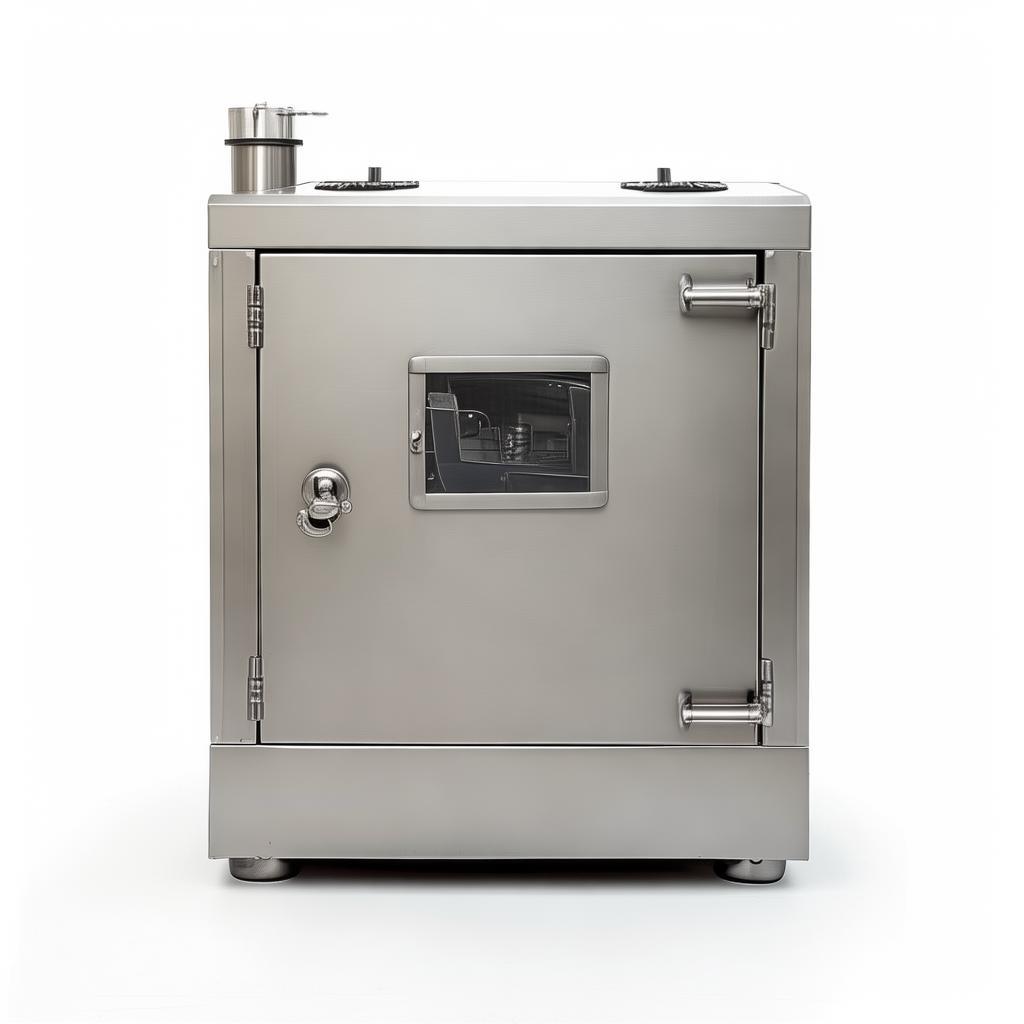
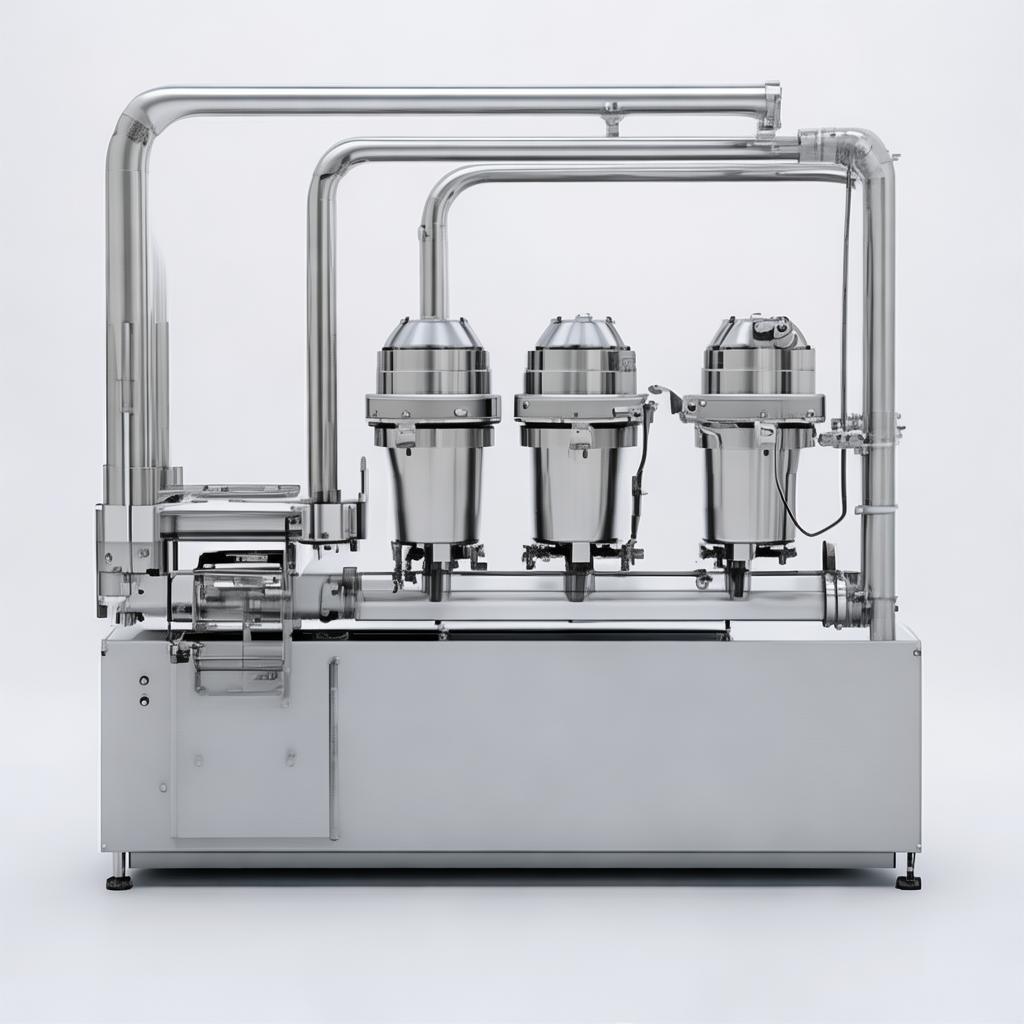
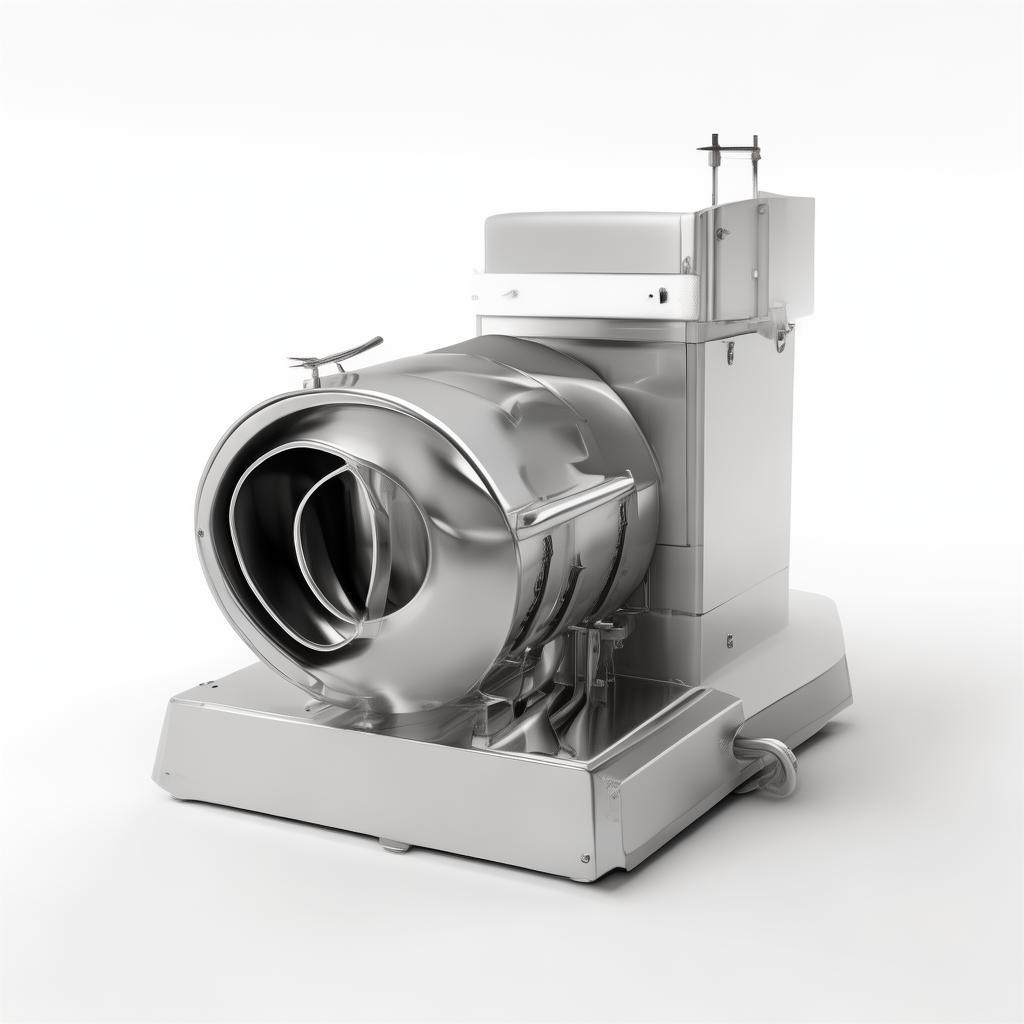
Meat Processing Conveyors: Optimizing Your Flow for Efficiency and Safety
By Li Wei, Export Director

Hebei Yuanchang Food Mechanism & Technology Co., Ltd. | Established 1986
Understanding the Backbone of Meat Processing
In any efficient meat processing operation, from the smallest butcher shop to the largest export facility, seamless material flow is paramount. This is where robust, hygienic, and reliable meat processing conveyors become the unsung heroes. They are not merely pieces of equipment; they are the circulatory system that keeps production moving, ensuring that raw materials, semi-finished goods, and final products transition smoothly from one stage to the next without compromising safety, quality, or speed. Without them, bottlenecks form, labor efficiency plummets, and the risk of contamination rises dramatically.
The global market for meat processing equipment itself is a testament to this critical need. Reports indicate a substantial and growing demand, with market sizes projected to reach well over USD 15 billion by 2030, driven by increasing processed meat consumption, the relentless pursuit of automation for hygiene and labor efficiency, and stringent food safety regulations worldwide. Specifically, equipment like filling and molding machines for formed products, and massaging systems for ripening and tenderizing, highlight the intricate processes that rely on dependable transport – precisely what our conveyors provide. Our own experience, spanning four decades since 1986, confirms this trend daily. We've seen firsthand how the right conveyor system can transform a struggling production line into a high-throughput, compliant, and profitable operation.
Choosing the correct conveyor system involves more than just selecting a piece of machinery off a shelf. It requires a deep understanding of the specific applications, the types of meat products being handled (be it beef, pork, poultry, or even pet food ingredients), the environmental conditions of the processing plant, and critically, the regulatory standards that govern food safety. For instance, a conveyor used for raw meat grinding will have vastly different material and design requirements than one transporting finished, packaged sausages. Hygiene is non-negotiable. Surfaces must be non-porous, easily cleanable, and resistant to cleaning agents and the acidic or fatty nature of meat products. This is why material selection, joint design, and ease of disassembly for cleaning are central considerations. We see many clients initially underestimate the complexity, leading to costly retrofits or premature equipment failure. That’s where our expertise, honed over decades of manufacturing and exporting, truly adds value. We help you navigate these complexities, ensuring your investment supports, rather than hinders, your operational goals.
Consider the sheer variety of tasks a conveyor might perform: transporting whole carcasses for initial breakdown, moving boned meat for dicing, conveying seasoned grounds for filling, carrying formed products to ovens or smokehouses, or even transporting finished, packaged goods to dispatch. Each of these stages demands specific features – belt material, width, speed, incline capability, load capacity, and sanitation design. For example, high-speed lines often benefit from belt conveyors that minimize product drag and ensure consistent spacing. For delicate products, a more gentle handling system might be required, perhaps a modular plastic belt or a specialized roller conveyor. Our comprehensive range at Hebei Yuanchang Food Mechanism & Technology Co., Ltd. is designed to address this spectrum of needs. We don’t just sell conveyors; we provide integrated solutions that enhance your entire production workflow. The recent market analysis from Fortune Business Insights, citing a global market valuation of USD 11.29 billion in 2025, underscores the scale and importance of this sector. This growth is fueled by a clear need for sophisticated, automated handling systems that can meet the demands of modern food processing.
Furthermore, the drive for automation in the meat industry is accelerating. Factors like labor shortages, the need for increased throughput, and increasingly strict HACCP and GMP guidelines necessitate equipment that can operate autonomously and reliably. Conveyors are at the heart of this automation, acting as the physical links in increasingly sophisticated production chains. They integrate with slicing machines, grinders, fillers, and packaging equipment, creating a cohesive and efficient system. Our commitment goes beyond manufacturing standard models; we specialize in OEM/ODM solutions, working directly with clients to engineer custom conveyor configurations that perfectly match unique line layouts and processing requirements. This collaborative approach ensures that your new conveyor system isn't just a replacement part, but a strategic upgrade that enhances overall plant productivity and compliance. As reported by Grand View Research, the market is also seeing significant expansion in emerging markets, where the industrialization of processing facilities creates a strong demand for precisely these types of foundational transport systems.
Navigating the options can be daunting, but by focusing on the core needs – hygiene, durability, efficiency, and integration – you can make an informed decision. Our goal is to be your trusted partner in this process, leveraging our 40 years of experience to deliver conveyor solutions that stand the test of time and rigorous operational demands.
Common Challenges in Meat Production Lines
Operating a meat processing facility presents a unique set of challenges. Inefficient material handling is often a root cause of many of these issues, directly impacting throughput, quality, and cost.
- Bottlenecks: Manual transfer or outdated systems create choke points, slowing down the entire line and reducing overall output.
- Hygiene Risks: Improperly designed or difficult-to-clean conveyors can harbor bacteria, leading to cross-contamination and costly recalls. Non-food-grade materials or poor sealing are common culprits.
- Product Damage: Rough handling during transfer can bruise or damage delicate meat products, affecting appearance and marketability.
- Labor Inefficiency: Excessive manual lifting, carrying, and repositioning of products increases labor costs and poses ergonomic risks to staff.
- Maintenance Headaches: Conveyors that are prone to breakdowns, difficult to repair, or require frequent component replacement lead to unscheduled downtime.
- Space Constraints: Inefficient layouts and bulky equipment can limit plant capacity and workflow optimization.
Addressing these pain points through strategic equipment selection is crucial for sustained operational success. Our focus at Hebei Yuanchang is to provide solutions that directly mitigate these risks.
The Yuanchang Advantage: Our Conveyor Solutions
We design and manufacture meat processing conveyors with a singular focus: to optimize your operations. Our systems are built on decades of practical experience and a deep understanding of the industry's unique demands. Here’s what sets Yuanchang conveyors apart:
- Uncompromised Hygiene: Constructed with food-grade materials (like SUS304 stainless steel, food-grade plastics) and designed for easy, thorough cleaning. Minimal crevices, sealed bearings, and sloped surfaces for drainage prevent contamination. This aligns directly with stringent food safety standards and helps processors avoid costly compliance issues.
- Exceptional Durability: Built to withstand the harsh environments of meat processing plants – including moisture, temperature fluctuations, and rigorous cleaning cycles. Robust construction ensures a long operational life, reducing the total cost of ownership.
- Enhanced Efficiency: Smooth, consistent product transfer minimizes handling time and labor requirements. Variable speed controls allow for precise integration with upstream and downstream equipment, optimizing line speed and output. We aim for tangible improvements, not just theoretical ones.
- Customization & Integration: We offer a wide range of standard configurations and specialize in OEM/ODM services. Our engineering team can design bespoke solutions for unique line layouts, product types, and processing requirements, ensuring a perfect fit for your facility. This is where our 40 years of R&D and manufacturing flexibility truly shines.
- Reliable Performance: Engineered for consistent operation with minimal downtime. Our in-house machining capabilities, including advanced Japanese Mazak CNC centers, ensure high-precision components that contribute to overall system reliability.
- Safety Features: Designed with operator safety in mind, including appropriate guarding, emergency stops, and non-slip surfaces where necessary, helping to create a safer working environment and reduce workplace incidents.
By choosing Hebei Yuanchang, you’re investing in a system designed for performance, compliance, and long-term value.
Key Technical Specifications to Consider
Selecting the right conveyor involves looking beyond the general benefits to the specific technical details that will impact your daily operations. We provide clear, detailed specifications to help you make the best choice.
| Feature | Standard Specification (Example) | Customization Options |
|---|---|---|
| Material of Construction | SUS304 Stainless Steel frame, Food-grade PP/PU/PVC belts | SUS316L, High-impact resistant plastics, Antistatic belts |
| Belt Width | 300mm, 450mm, 600mm | Custom widths up to 1200mm |
| Conveyor Length | 2m, 3m, 5m | Modular design for any required length |
| Speed Adjustment | Variable Frequency Drive (VFD) | Pre-set speeds, remote control integration |
| Load Capacity | Up to 50 kg/m (varies by belt type) | Engineered for heavy-duty applications |
| Power Supply | 380V/50Hz/3Ph (or as per region) | Custom voltage/frequency options |
| Ingress Protection (IP) Rating | IP65 for motors and controls | Higher ratings available for washdown-intensive areas |
| Belt Type Options | Flat belts, Cleated belts, Modular belts | FDA-approved materials, antimicrobial additives, specialized surfaces |
meat conveyor systems wholesale meat processing equipment meat processing equipment suppliers
We encourage you to discuss your specific needs with our technical sales team. Accurate specifications ensure optimal performance and longevity.
Material Matters: Durability & Hygiene
The choice of materials for your meat processing conveyors directly impacts their lifespan, maintenance requirements, and ability to meet strict hygiene standards. We primarily utilize:
SUS304 Stainless Steel
Pros: Excellent corrosion resistance, high strength, smooth surface that's easy to clean, temperature resistant, non-porous, meets food-grade requirements. It's the industry standard for good reason.
Application: Ideal for frames, support structures, and any component in constant contact with product or cleaning agents. Offers superior longevity in wet and demanding environments.
Food-Grade Plastics (PP, PU, PVC)
Pros: Lightweight, flexible (especially for belts), good chemical resistance, can be manufactured in various textures and colors. Many are FDA or EU compliant.
Application: Primarily used for conveyor belts. Polypropylene (PP) is common for general use; Polyurethane (PU) offers better abrasion and temperature resistance; PVC is often used for lighter-duty applications. We select based on your specific product and process.
When considering materials, think about resistance to specific cleaning chemicals, fat and oil content of your products, and operating temperatures. We can provide detailed material datasheets for all our components. For extreme environments, we can explore options like SUS316L stainless steel. This attention to detail ensures your conveyor is not just functional, but a compliant and long-lasting asset.
Versatile Applications Across the Industry
Our meat processing conveyors are designed to be adaptable, serving a crucial role in virtually every segment of the meat industry. Their modularity and robust construction make them suitable for a wide range of tasks and product types, from primary breakdown to final packaging.
Raw Material Handling
Transporting primal cuts, quarters, or deboned meat from cutting stations to grinders, mixers, or further processing areas.
Sausage & Formed Product Lines
Moving seasoned meat through stuffing, linking, and molding machines to ovens, smokehouses, or cooling tunnels.
Portioning & Slicing Support
Feeding product into automated portioning machines or slicing equipment, ensuring consistent presentation.
Cooked & Processed Meats
Transferring products through cooking, cooling, or chilling stages, and then to packaging lines.
Pet Food Processing
Handling ingredients and finished products within pet food manufacturing lines, which share many of the same hygiene and efficiency requirements.
Waste & By-Product Handling
Efficiently moving trim, fat, or other by-products to rendering or disposal areas, keeping the main processing floor clean.
Our ability to offer varied belt types (e.g., cleated for inclines, flat for smooth transfer, perforated for drainage) and configurations (straight, angled, curved) means we can engineer a solution for almost any process flow. The market trends show a significant increase in demand for form-forming and ripening equipment which directly benefits from optimized material flow provided by our conveyors.
Installation & Maintenance Insights
Proper installation and diligent maintenance are key to unlocking the full potential and lifespan of your meat processing conveyors. We provide guidance to ensure seamless integration and long-term reliability.
Installation Considerations
Site Preparation: Ensure a level, stable floor surface. Adequate drainage around the conveyor path is critical for hygiene.
Electrical Hookup: All electrical connections must be made by certified electricians, adhering to local codes and safety standards. We ensure our motors and controls are compatible with standard industrial voltages.
Alignment: Proper alignment of the conveyor frame and belt is crucial for smooth operation and preventing premature wear. Our modular designs often simplify this process.
Integration: Confirm that belt speeds and heights interface correctly with adjacent machinery to prevent jams or product damage.
We offer installation support and can provide detailed manuals. For complex setups, on-site assistance can be arranged.
Routine Maintenance
Daily Cleaning: Thoroughly wash and sanitize all food-contact surfaces after each production run. Disassembly for cleaning should be straightforward with our designs.
Weekly Checks: Inspect belt for damage or excessive wear, check belt tension, lubricate specified points, and ensure all guards are secure.
Monthly/Quarterly: Inspect motors, gearboxes, bearings, and electrical connections for signs of wear or potential failure. Check for any structural damage or loose components.
Spare Parts: Keeping critical spare parts on hand (like belts, rollers, bearings) can significantly reduce downtime during unexpected issues. We maintain excellent stock levels for common components.
Regular maintenance prevents costly breakdowns and ensures consistent product quality and safety. Our traceable after-sales management system supports your maintenance efforts.
A proactive approach to maintenance not only extends equipment life but also ensures compliance with hygiene regulations, a critical factor in the meat processing industry.
Procurement: What to Look For
As purchasing managers and procurement directors, your goal is to secure reliable, cost-effective equipment that meets stringent operational and regulatory demands. When sourcing meat processing conveyors, consider these critical factors:
- Supplier Reputation & Experience: Look for manufacturers with a proven track record specifically in food processing equipment, ideally with experience in meat applications. Longevity in the industry, like our 40 years at Hebei Yuanchang, often signifies stability and expertise.
- Material Compliance: Verify that all food-contact materials are certified to meet relevant standards (e.g., FDA, EU regulations). Non-compliance can lead to regulatory penalties and product recalls.
- Hygiene Design (HACCP/GMP principles): Does the conveyor design facilitate easy and thorough cleaning? This includes smooth surfaces, minimal crevices, and effective drainage. A conveyor that is difficult to clean is a liability.
- Customization Capability: Standard solutions don't always fit. Assess the supplier's ability to tailor designs to your specific line layout, product characteristics, and throughput requirements (OEM/ODM).
- Technical Support & After-Sales Service: Reliable access to technical advice, spare parts, and service is essential. A traceable after-sales management system, as we have, ensures you're supported long after installation.
- Lead Times & Logistics: Understand manufacturing lead times and shipping options, especially for international orders. Efficient container loading and clear shipping documentation are vital for cross-border commerce.
- Total Cost of Ownership (TCO): Don't just look at the initial price. Factor in energy consumption, maintenance costs, potential downtime, and expected lifespan. A slightly higher initial investment in a durable, efficient machine often yields significant savings over time.
By rigorously evaluating potential suppliers against these criteria, you can mitigate procurement risks and secure a conveyor system that delivers tangible operational benefits. We pride ourselves on transparency in all these areas.
Our Manufacturing Prowess
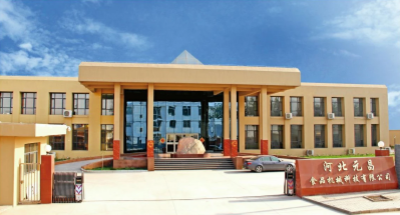
At Hebei Yuanchang, our 40-year history (since 1986) is built on a foundation of strong in-house manufacturing capabilities. We control the entire production process, ensuring quality and precision from raw material to finished product.
Extensive Machining Workshop
Our 14,000 sq meter facility houses over 20 sets of advanced processing machinery. This includes lathes, milling machines, high-precision grinding machines, boring machines, plate shears, bending machines, and wire cutting equipment. This allows us to produce most components in-house to exact specifications.
Japanese CNC Machining Centers
Since 2012, we've invested in 8 sets of Japanese Mazak CNC machining centers. This technology enables us to manufacture high-standard components requiring exceptional precision, large volumes, and non-standard specifications. It's a key differentiator for us in producing reliable, high-performance equipment.
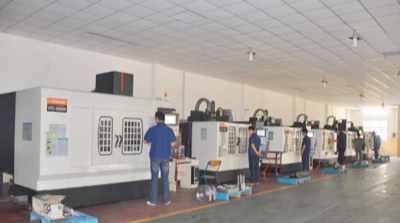
Our team of 80-100 skilled employees integrates R&D, production, and sales, ensuring a cohesive approach to product development and customer satisfaction. This in-house control means shorter lead times, consistent quality, and the flexibility to deliver tailored OEM/ODM solutions for your specific meat processing conveyor needs.
Commitment to Quality: Certifications
Quality and safety are not just buzzwords for us; they are fundamental to our manufacturing philosophy. Our commitment is validated through adherence to international standards and certifications.

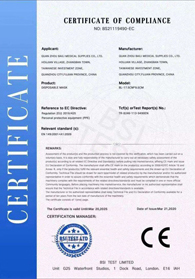


While specific certifications may vary by product line and target market, our core manufacturing processes align with principles found in ISO 9001 for quality management. Components intended for food contact comply with FDA and EU regulations for materials. Where applicable for export markets, our equipment meets CE marking requirements. This dedication to certified quality ensures our meat processing conveyors are safe, reliable, and compliant for international trade.
What Our Partners Say
Real feedback from clients in the demanding meat processing industry. We value honesty and continuous improvement.
"We were struggling with slow transfer times between our sausage stuffer and smoker. Yuanchang's custom conveyor was a perfect fit, increasing our throughput by nearly 15% during peak hours. Installation was straightforward, and cleaning is much easier than our old system."

Operations Manager, Sterling Meats, USA
"After years of dealing with corrosion on our old conveyors, the SUS304 stainless steel units from Hebei Yuanchang have been a revelation. They handle the constant washdowns without issue. Their export process was smooth, and the equipment arrived well-packaged."

Procurement Director, Lone Star Meats, TX
"We needed a specific incline conveyor for our poultry processing line. Yuanchang understood our requirements and delivered exactly what we needed. The cleated belt ensures no product slippage, which was a major concern. Good communication throughout the project."

Plant Manager, Golden Poultry Inc., CA
"The modular design of their belt conveyors made it easy to integrate them into our existing processing area without major structural changes. Maintenance is simple, and their support team is responsive when we have questions."

Production Supervisor, Premium Pork Packers, Midwest
Frequently Asked Questions
- Q: What is the typical lead time for a custom meat processing conveyor?
- A: Lead times vary based on complexity and current production schedules. Generally, standard models can ship within 2-4 weeks, while highly customized OEM/ODM solutions may take 6-10 weeks. We provide accurate estimates upon quoting.
- Q: Can your conveyors handle frozen meat products?
- A: Yes, we can configure conveyors for frozen product handling. This often involves selecting specific belt materials with lower temperature resistance and ensuring robust motor and bearing specifications. Please specify your temperature range during inquiry.
- Q: How do I order spare parts?
- A: You can contact our sales or service department directly via email or phone. Please provide the model number and serial number of your equipment, along with the part number if known, for prompt assistance.
- Q: Do you offer installation services internationally?
- A: For international projects, we typically provide comprehensive installation manuals and remote technical support. On-site installation services can be arranged on a case-by-case basis, subject to additional costs and travel arrangements.
- Q: What is the warranty period for your conveyors?
- A: Our standard warranty is typically 12 months from the date of commissioning or 18 months from the date of shipment, whichever comes first. Specific terms are detailed in our sales contracts.
Ready to Streamline Your Meat Processing Operations?
Don't let inefficient material handling hold back your production. Partner with Hebei Yuanchang Food Mechanism & Technology Co., Ltd. for reliable, hygienic, and high-performance conveyor solutions.
Contact us today to learn how our 40 years of expertise can benefit your meat processing facility.