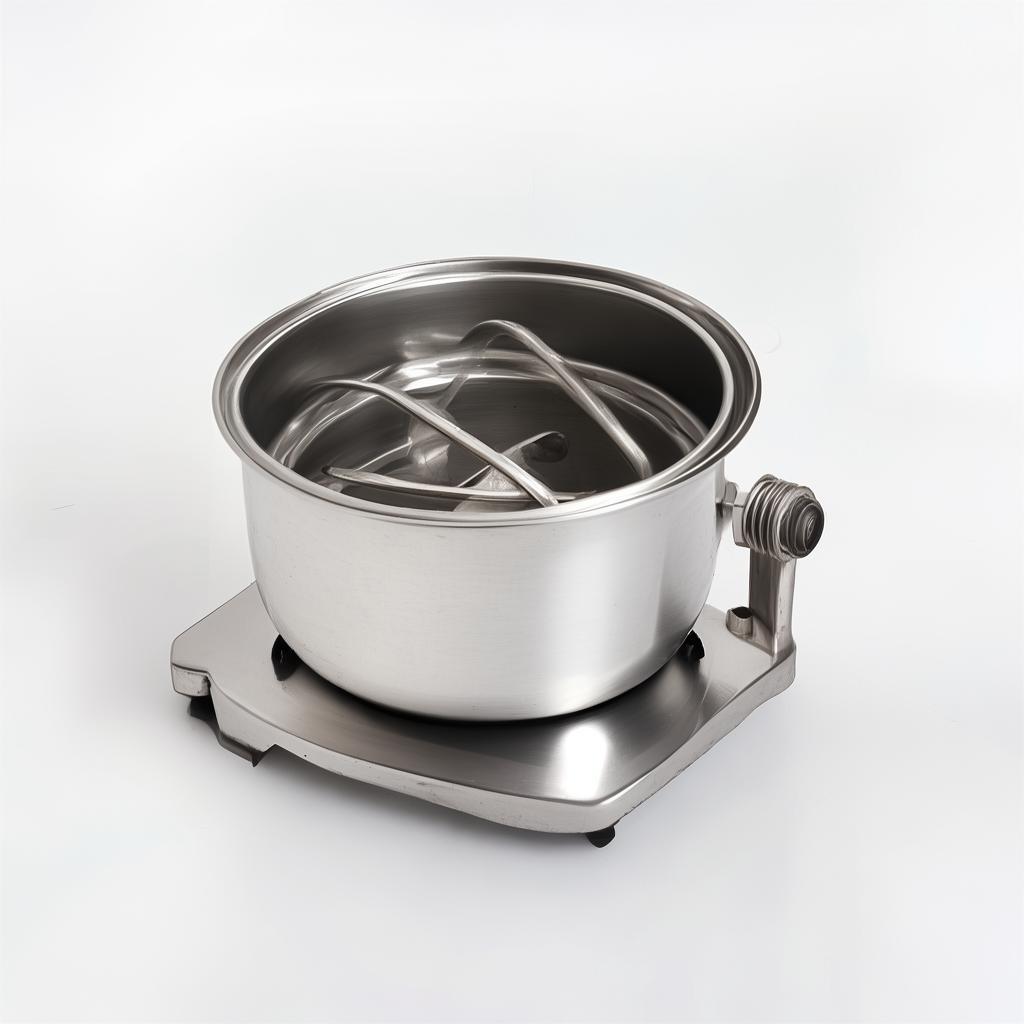
Meat Mixer Price
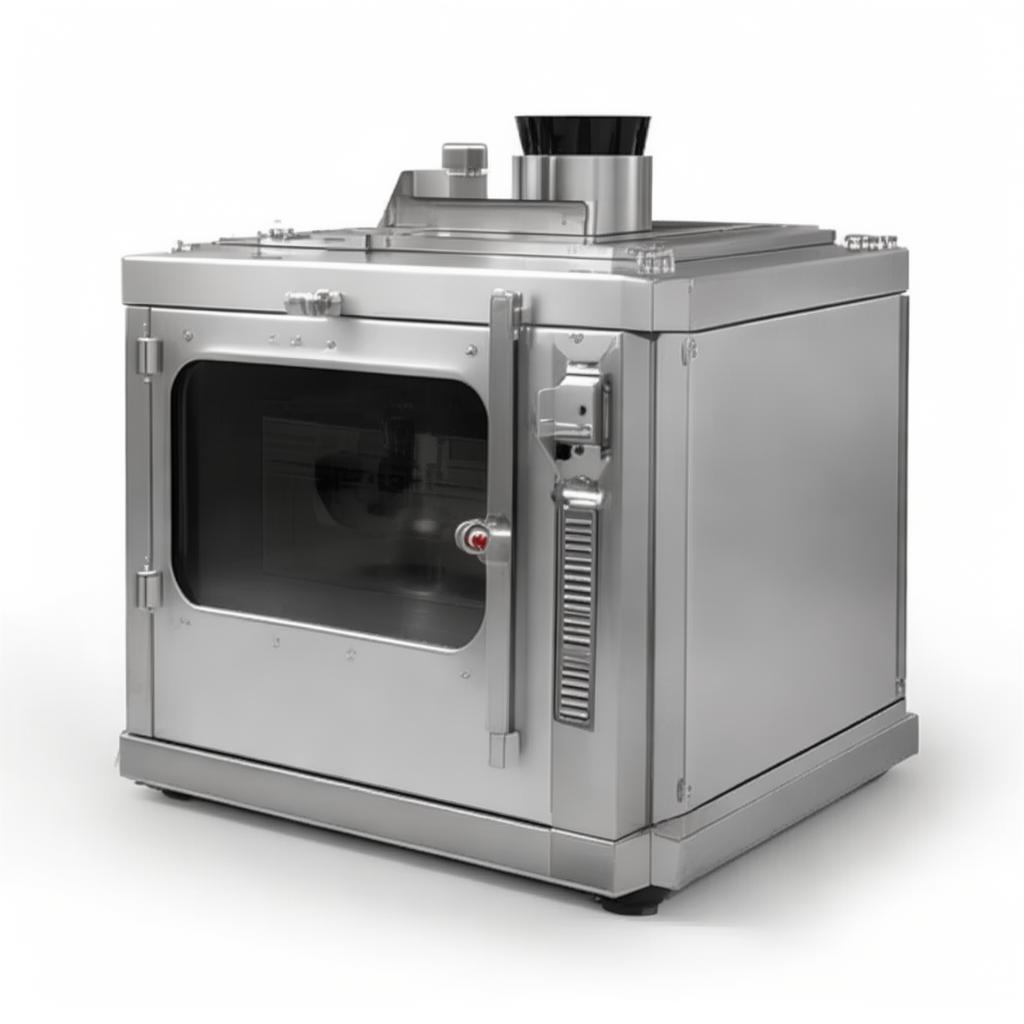
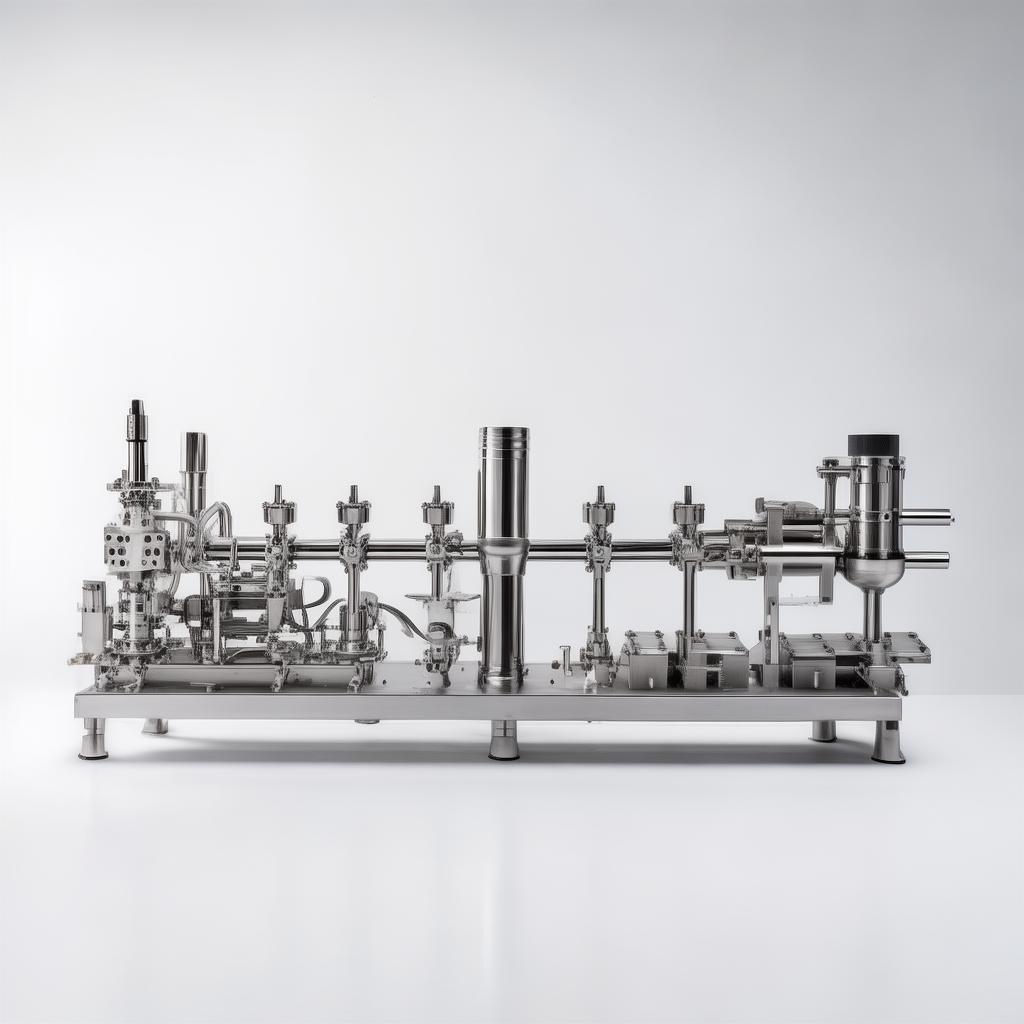
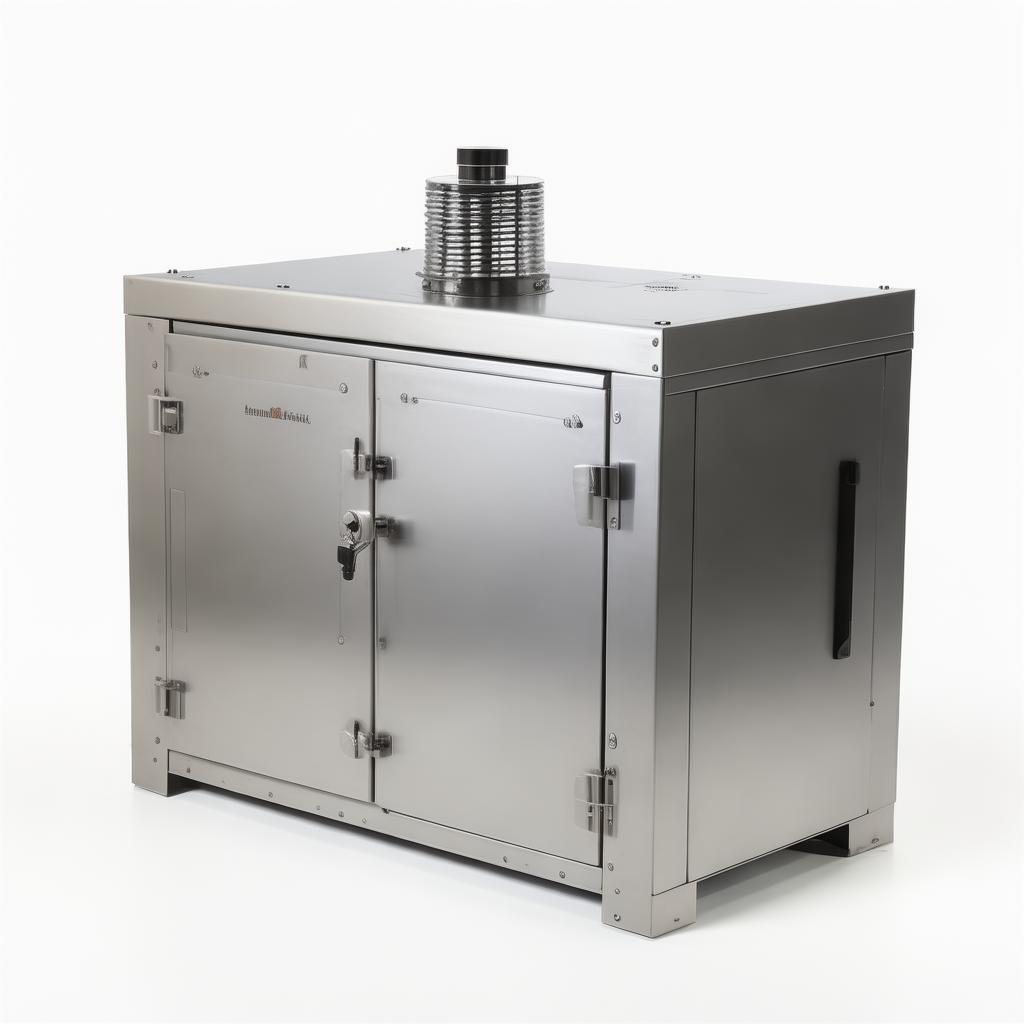
Meat Mixer Price: Essential Considerations for Your Production Line
Discover the key factors influencing the cost of industrial meat mixers and how to secure the best value for your processing needs.

By Li Wei
Senior Export Manager, Hebei Yuanchang Food Mechanism & Technology Co., Ltd.
Understanding the Nuances of Meat Mixer Pricing
When you’re in the market for a meat mixer, the immediate question on most purchasing managers’ minds is inevitably about the price. It’s a critical factor, naturally. After all, capital equipment represents a significant investment, and understanding the cost structure helps in budgeting, ROI calculations, and vendor selection. However, pinpointing a single "price" for a meat mixer is akin to asking for the price of a car without specifying make, model, or features. The reality is that the cost can fluctuate dramatically based on a multitude of variables, each playing a vital role in the final figure you see on a quotation.
The global meat processing equipment market, which includes mixers, is substantial. Reports indicate it was valued at approximately USD 11.29 billion in 2025 and is projected to grow to USD 17.39 billion by 2034, with a CAGR around 5.0%. This growth is fueled by increasing demand for processed meats, adoption of automation for efficiency and hygiene, and stricter food safety standards worldwide. Within this landscape, the meat mixer is a foundational piece of equipment, essential for preparing raw meat with various ingredients like spices, binders, or fats before further processing steps like filling, molding, or ripening. Its role is crucial for ensuring product homogeneity, texture consistency, and overall quality.
Consider a small-scale butcher shop versus a large-scale industrial meat processing plant. The mixer requirements are worlds apart. A butcher might need a relatively simple, smaller-capacity unit for daily sausage or burger patty preparation. The price for such a machine could range from a few thousand to tens of thousands of dollars. On the other hand, a large facility producing thousands of tons of processed meat annually will require heavy-duty, high-capacity, often automated mixers designed for continuous operation, potentially costing hundreds of thousands of dollars. This vast difference highlights why a direct price comparison without context is impractical.
As an exporter with 40 years of experience, Hebei Yuanchang Food Mechanism & Technology Co., Ltd. has seen the evolution of these machines firsthand. We understand that the "meat mixer price" is not just a number, but a reflection of engineering, materials, manufacturing processes, and the intended application. Our clients often come to us with a budget in mind, but our role is to guide them towards the most suitable machine that balances cost, performance, and longevity. It’s about finding the sweet spot where the upfront investment translates into long-term operational efficiency and profitability.
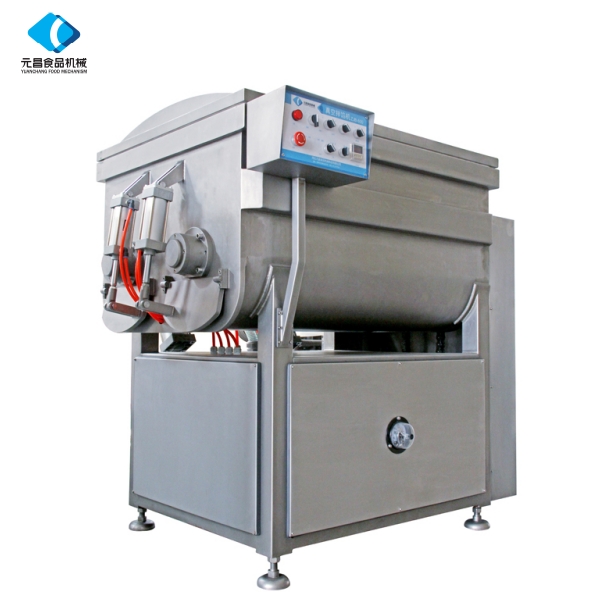
The complexity of a meat mixer can also be a significant driver of cost. Simple paddle mixers, designed for basic blending, will naturally be less expensive than vacuum mixers, which offer enhanced product quality by removing air and preventing oxidation, or twin-shaft mixers capable of handling high-viscosity products. Each additional feature—like variable speed control, specialized paddle designs, temperature control jackets, or integrated weighing systems—adds to the engineering and manufacturing effort, and consequently, the price tag. For instance, vacuum meat mixers are a category where price increases significantly due to the added complexity of vacuum pumps, sealing mechanisms, and integrated control systems, all aimed at improving shelf-life and texture.
Furthermore, the supplier’s manufacturing capabilities and location play a crucial role. Factories with advanced CNC machining centers, like our Japanese Mazak equipment at Yuanchang, can produce high-precision components more efficiently, potentially offering better value. Conversely, manufacturers relying on less sophisticated tooling might offer lower initial prices but could compromise on precision, durability, or lead times. International trade dynamics, shipping costs, import duties, and local market competition also factor into the final price you pay, especially when importing from regions like China where manufacturing costs can be more competitive for certain types of equipment.
We must also consider the total cost of ownership, not just the purchase price. A cheaper machine upfront might require more frequent maintenance, use more energy, or break down more often, leading to higher operational expenditures over its lifespan. This is where EEAT (Experience, Expertise, Authoritativeness, Trustworthiness) comes into play. A reputable supplier will not just sell you a machine; they will provide guidance on its long-term value, offer reliable after-sales support, and ensure the equipment meets all relevant safety and hygiene standards. Ultimately, understanding meat mixer pricing requires a comprehensive look at the equipment’s specifications, the supplier’s credentials, and your specific operational needs.
Why Price Varies: Key Influencing Factors on Meat Mixer Costs
When evaluating meat mixer prices, it’s essential to understand that several core components contribute to the overall cost. Ignoring these can lead to unexpected expenses or the selection of equipment that doesn’t meet your production demands.
1. Machine Capacity & Size
This is perhaps the most obvious factor. Larger mixers designed for high-volume industrial production naturally command higher prices due to the increased material, engineering, and manufacturing required. A 500L mixer will cost significantly more than a 100L unit.
2. Material Construction
The quality and type of stainless steel used are paramount. Food-grade stainless steel (e.g., SS304 or SS316L) ensures hygiene, corrosion resistance, and durability. Premium grades or thicker gauge materials will increase the mixer's price but guarantee a longer service life and easier sanitation.
3. Mixer Type & Design
Different mixer designs serve different purposes and have varying costs. For instance:
- Single Shaft Mixers (e.g., paddle type): Generally more affordable, suitable for basic blending.
- Twin Shaft Mixers: Offer more intensive mixing, better for high-viscosity products or products with sensitive components. Higher price point.
- Vacuum Mixers: Incorporate vacuum systems to remove air, improving texture and shelf-life. This complexity adds significantly to the cost.
- Planetary Mixers: For doughs and pastes, offering thorough mixing.
4. Automation & Control Systems
cheap meat mixer meat mixer grinder price meat processing machine price
Advanced features like Variable Frequency Drives (VFDs) for precise speed control, programmable logic controllers (PLCs) for automated recipes, touch screen interfaces, and integrated weighing systems increase functionality and price. A fully automated system is a considerable step up in cost from a manual one.
5. Power & Motor Specifications
Higher horsepower motors, often required for larger capacities or tougher mixing tasks, are more expensive. Compliance with specific regional electrical standards (e.g., 3-phase, 60Hz for North America) also influences component selection and cost.
6. Special Features & Customization
Options like heating/cooling jackets, specialized paddle configurations (e.g., for delicate items), integrated discharge systems, or compliance with specific certifications (like CE or FDA standards for certain markets) add to the price.
Understanding these factors helps in dissecting meat mixer pricing and ensures you're comparing apples to apples when requesting quotes from different suppliers.
Core Functionality: How Mixer Design Impacts Your Investment
The fundamental purpose of a meat mixer is to achieve uniform distribution of ingredients. However, the way different designs achieve this directly influences their complexity and, therefore, their price. At Hebei Yuanchang, we engineer mixers that prioritize both efficacy and value.
Our single shaft meat mixers, often featuring robust paddle designs, are workhorses for many applications. They are engineered for simplicity and reliability, making them a cost-effective choice for operations that require straightforward blending of meat with spices, marinades, or binding agents. The paddle configuration is critical; we offer various designs—from simple straight paddles for basic mixing to more complex geometries that promote better ingredient incorporation without damaging the meat structure. The price for these units is generally more accessible, fitting well within the budgets of small to medium-sized processors or those looking for auxiliary mixing capabilities.
For applications demanding higher throughput and more intensive mixing, our twin shaft meat mixers offer superior performance. The counter-rotating shafts create a more dynamic mixing action, efficiently handling denser or more viscous products like certain types of sausages or reformed meat products. This enhanced mixing capability often means shorter batch times and more consistent product quality, which can translate into significant operational savings over time, justifying the higher initial investment. These are often built with stronger gearboxes and more powerful motors, contributing to their higher price point.
A significant step up in both functionality and price is represented by our vacuum meat mixers. The inclusion of a vacuum system is a game-changer for producers focused on shelf-stability, improved texture, and reduced oxidation. By drawing out air during the mixing process, these machines prevent browning, inhibit microbial growth, and create a denser, more desirable texture. The engineering required for reliable vacuum sealing and pump integration adds considerable cost. However, for products like high-quality sausages, deli meats, or marinated items where appearance and shelf-life are paramount, the investment in a vacuum mixer is often essential for market competitiveness. The global meat processing equipment market is projected to reach USD 19.66 billion by 2033 at a CAGR of 5.6%, with innovations in machines offering enhanced product quality and shelf-life, like vacuum mixers, being key drivers.
Beyond the core mixing mechanism, auxiliary features contribute to the value proposition and price. Integrated tilting mechanisms for easy discharge, removable mixing arms for thorough cleaning, and robust frame construction designed for demanding industrial environments are standard in our offerings. The choice between a standard mixer and one with advanced features depends entirely on your production workflow and quality objectives. We always advise clients to consider not just the immediate meat mixer price, but also the impact of the mixer's design on their final product quality, production efficiency, and overall operational costs.
Material Quality & Durability: The Foundation of Long-Term Value
When discussing meat mixer price, the materials of construction are fundamental. In the food processing industry, particularly with meat, hygiene, durability, and resistance to corrosion are non-negotiable. This is why high-quality stainless steel is the standard, and the specific grade and finish directly impact both cost and longevity.
At Hebei Yuanchang, we predominantly use SS304 stainless steel for our mixers. This grade offers an excellent balance of corrosion resistance, strength, and workability, making it suitable for a wide range of applications. It’s robust enough to withstand the abrasive nature of meat processing and the frequent cleaning cycles required in a food-safe environment. For applications involving highly acidic marinades or extremely corrosive ingredients, we can offer SS316L, which provides superior corrosion resistance, though at a higher material cost. This is a critical specification for processors handling products with high salt content or specific acidic profiles.
The thickness and finish of the stainless steel also play a significant role in the mixer's price and performance. Thicker gauge stainless steel leads to a more rigid, durable machine that can withstand the stresses of continuous operation and heavy loads. A polished interior surface finish (e.g., Ra < 1.0 µm) minimizes food particle adhesion, making cleaning easier and more effective, thus enhancing hygiene. While a rougher finish might be acceptable for some utility applications, polished surfaces are standard for high-quality meat mixers and contribute to their price.
Beyond the main body, components like mixing paddles, shafts, and even fasteners are typically made from food-grade stainless steel. The design and manufacturing precision of these parts are vital. Wear-resistant coatings or hardened steel might be used for paddles in extremely demanding applications, adding to the cost but significantly extending the component's lifespan. Our in-house machining capabilities, including 20 sets of processing machinery and Japanese Mazak CNC centers, allow us to produce these critical components with high precision, ensuring optimal performance and durability, which translates to better value for our customers.
Consider the implications of choosing a mixer made from lower-grade materials or with a less robust construction. While the initial meat mixer price might be lower, the risk of premature wear, corrosion, difficulty in cleaning, and potential contamination is significantly higher. This can lead to costly downtime, product recalls, and a shorter equipment lifespan, ultimately making it a more expensive option in the long run. Investing in quality materials upfront is an investment in operational reliability and product integrity.
Our commitment to quality materials and precision manufacturing is a cornerstone of our EEAT philosophy. It ensures that when you purchase a mixer from Hebei Yuanchang, you are acquiring a piece of equipment built to last, perform consistently, and meet the stringent demands of the international food processing industry. This focus on durability and hygiene is a key differentiator and a significant factor in the value proposition we offer, distinguishing our pricing from less robust alternatives.
Capacity and Throughput: Matching the Mixer to Your Production Scale
The intended scale of operation is a primary determinant of meat mixer price. Whether you're a small local producer or a large-scale industrial facility, the capacity of the mixer you need will directly influence its cost.
At Hebei Yuanchang, we manufacture a range of mixers designed to cater to diverse production volumes. Our smaller models, often in the 50-200 liter range, are ideal for:
- Butcher shops requiring daily mixing for sausages, burgers, or specialty products.
- Research and development kitchens testing new formulations.
- Small-scale food manufacturers with limited output.
These units are more compact, require less powerful motors, and use less material, resulting in a lower price point. They are designed for ease of use and cleaning, making them practical for smaller operations.
Moving up the scale, our medium-capacity mixers, typically ranging from 300 to 1000 liters, are suited for:
- Mid-sized processing plants producing a variety of meat products.
- Facilities that handle multiple product runs per day.
- Operations requiring higher batch consistency.
These mixers involve more substantial construction, larger motors, and often more sophisticated control systems, reflecting a higher price. They are built for more continuous operation and higher throughput, crucial for meeting growing market demand. The global meat processing equipment market size is projected to reach USD 17.39 billion by 2034, driven by increased demand for processed meats, indicating a strong need for scalable equipment solutions.
For large industrial producers, our high-capacity mixers, exceeding 1000 liters and often reaching several cubic meters, are engineered for maximum efficiency and continuous production lines. These are heavy-duty machines capable of handling immense volumes, often integrated directly into automated processing systems. Their design prioritizes:
- Extreme durability for 24/7 operation.
- High-torque motors for dense or frozen meat mixes.
- Advanced control systems for precise recipe management.
- Optimized discharge mechanisms for rapid batch turnover.
The engineering and manufacturing of these large-scale mixers represent a significant investment, and their price reflects this. However, for facilities processing thousands of tons of meat annually, the efficiency gains and production capacity they provide are essential.
When considering meat mixer pricing, accurately assessing your current and future throughput requirements is paramount. Over-speccing can lead to unnecessary capital expenditure, while under-speccing results in production bottlenecks and inefficiencies. We work closely with clients to understand their production volumes, batch sizes, and processing times to recommend the most appropriate capacity, ensuring the best possible return on investment.
It’s also worth noting that throughput isn't solely determined by the mixer's volume but also by its mixing cycle time. Mixers with more efficient paddle designs, variable speed controls, and vacuum capabilities can often process batches faster, further increasing overall line productivity. This efficiency directly contributes to the long-term value of the equipment, often justifying a higher upfront cost. Make sure to factor in how quickly you need to produce each batch when evaluating meat mixer prices.
Automation and Control Systems: Enhancing Efficiency and Precision
The level of automation and sophistication in the control system is a significant factor influencing meat mixer price. In today's competitive food processing landscape, precision, repeatability, and efficiency are paramount. Automation provides these benefits, but it comes at a cost.
At the most basic end of the spectrum are manual mixers, where operators control start/stop times and speed manually. These are generally the most affordable, but they offer less consistency and can be more labor-intensive. They are typically found in smaller operations or for very simple mixing tasks.
A common upgrade is the integration of Variable Frequency Drives (VFDs). VFDs allow for precise control over motor speed, enabling operators to adjust mixing intensity based on the product. This is invaluable for achieving optimal texture and ingredient distribution, especially when working with different types of meat or varying batch compositions. For example, starting at a lower speed to incorporate ingredients gently and then increasing speed for thorough blending. Mixers equipped with VFDs typically carry a higher price than those with fixed-speed motors.
Further along the automation spectrum are mixers with integrated Programmable Logic Controllers (PLCs) and Human-Machine Interfaces (HMIs), often presented as touchscreens. These advanced systems enable:
- Automated Recipe Management: Store and recall specific mixing programs for different products, ensuring consistent results batch after batch.
- Precise Batch Timers: Accurate control over mixing durations.
- Temperature Monitoring: Integration with sensors to monitor product temperature during mixing, especially critical for sensitive products or those requiring chilling.
- Vacuum Control: Automated control of the vacuum pump for consistent air removal in vacuum mixers.
- Diagnostic Capabilities: Real-time feedback and fault reporting for easier troubleshooting.
The complexity of programming and integrating these systems, along with the cost of the hardware itself (PLCs, touchscreens, sensors), significantly increases the meat mixer price. However, for large-scale producers, the benefits in terms of reduced labor, improved product quality, enhanced safety, and traceability often justify the investment. The meat processing equipment market is seeing strong growth driven by automation adoption for hygiene and labor efficiency.
Another increasingly common feature is integrated weighing systems. These allow for precise addition of ingredients directly into the mixer, further enhancing accuracy and reducing manual errors. While adding convenience and precision, these sophisticated systems also contribute to the overall cost of the equipment.
When evaluating meat mixer prices, it’s crucial to consider the level of automation required for your operations. Ask yourself: What level of precision do you need? How important is repeatability for your product quality? What are your labor costs and availability? Answering these questions will help you determine the optimal balance between upfront investment in automation and long-term operational benefits. A machine that simplifies your process, ensures consistent quality, and potentially reduces labor can offer a superior ROI, even with a higher initial price tag.
Our technical team at Hebei Yuanchang is adept at designing and implementing various levels of automation. We can offer solutions ranging from simple VFD controls to fully integrated PLC systems. We understand that the price of a mixer is just one part of the equation; its ability to seamlessly integrate into your workflow and deliver tangible operational improvements is what truly defines its value.
Procurement Insight:
Don't shy away from automated systems due to price alone. Calculate the potential savings in labor, reduced waste, and improved product consistency over a 5-10 year period. Often, the ROI is compelling.
OEM/ODM Services: Tailoring Solutions and Managing Costs
For many businesses, a standard, off-the-shelf meat mixer might not perfectly fit their unique production needs or specific space constraints. This is where Original Equipment Manufacturer (OEM) and Original Design Manufacturer (ODM) services become invaluable. Understanding how these services impact meat mixer price is key to leveraging them effectively.
At Hebei Yuanchang, we have a robust history of providing both OEM and ODM solutions. Our extensive experience since 1986, coupled with our advanced manufacturing facilities—including our in-house machining workshop with over 20 sets of processing machinery and 8 Japanese Mazak CNC machining centers—allows us to undertake highly customized projects. This capability is crucial for producing high-standard components that require large volumes, high precision, and non-standard specifications.
OEM (Original Equipment Manufacturer) typically involves manufacturing a product based on another company's design and specifications. If you have a specific blueprint for a meat mixer, we can build it for you. This is often the route for established brands looking to outsource production or for companies that have developed proprietary designs. The pricing here is primarily driven by the complexity of your design, the materials specified, and the production volume. If your design is highly innovative or requires specialized tooling, the OEM price might be higher.
ODM (Original Design Manufacturer) goes a step further. In this scenario, we leverage our existing product designs and engineering expertise to modify or develop a solution for you. For example, you might need a mixer with a slightly different chute design, a specific interface for your existing control system, or dimensions that fit an unconventional space. We can adapt our proven mixer designs to meet these requirements. The pricing for ODM services often represents a sweet spot: you benefit from our established engineering knowledge and manufacturing efficiencies, while still getting a customized machine. This can sometimes be more cost-effective than a full OEM build if your requirements can be met by modifying an existing model.
Why does this matter for meat mixer price?
- Cost Efficiency: ODM often leverages existing designs and tooling, reducing R&D and setup costs compared to a completely novel OEM design.
- Faster Lead Times: Utilizing pre-engineered components can shorten production cycles.
- Quality Assurance: Our established manufacturing processes and quality control ensure that customized machines meet the same high standards as our standard products.
- Scalability: Whether you need one custom unit or a series for a production line, our facilities can handle the volume.
Consider a situation where a client needs a vacuum meat mixer but requires it to fit into a space with a lower ceiling. Instead of a full redesign, we might modify the height of the vacuum chamber and reposition the pump, an ODM approach that is more efficient than designing a completely new model from scratch. This customization impacts the final price, but it’s an investment in a perfectly integrated solution.
When inquiring about meat mixer price, don't hesitate to ask about customization options. Our engineering team is ready to discuss your specific needs, whether it’s adapting dimensions, modifying control interfaces, or integrating specific auxiliary functions. This collaborative approach ensures you get precisely the equipment you need, optimizing both performance and budget. The ability to provide tailored solutions is a key aspect of our Expertise and Authoritativeness in the food processing machinery sector.
Market Dynamics and Supplier Location: Global Influences on Price
Meat mixer price is not determined in a vacuum; it's significantly influenced by broader market trends and the geographic location of the supplier. Understanding these external factors can provide crucial context when making a purchasing decision.
Global Market Demand: The overall demand for meat processing equipment directly affects pricing. As the global demand for processed meats rises—driven by convenience, population growth, and changing dietary habits—so does the demand for essential machinery like mixers. Reports consistently show a growing market for meat processing equipment, with projections suggesting it will reach figures around USD 17-30 billion by 2030-2035, with CAGRs between 4.8% and 8.7% across various reports. Increased demand can lead to higher production volumes for manufacturers, potentially stabilizing or even reducing per-unit costs due to economies of scale. Conversely, rapid spikes in demand can sometimes strain supply chains, leading to temporary price increases or longer lead times.
Raw Material Costs: The price of stainless steel, a primary material for meat mixers, fluctuates based on global commodity markets. Changes in the cost of raw materials directly impact the manufacturing cost of the mixers. Manufacturers in regions with stable or declining raw material costs may offer more competitive pricing.
Technological Advancements: As new technologies emerge—such as advanced automation, more efficient mixing technologies, or improved hygiene features—they are integrated into mixer designs. While these innovations enhance performance, they typically add to the initial meat mixer price. Manufacturers investing heavily in R&D and incorporating cutting-edge features will command higher prices for their premium offerings.
Supplier Location and Manufacturing Hubs: The geographic location of the manufacturer plays a substantial role in pricing due to differences in labor costs, regulatory environments, energy prices, and logistical infrastructure. China, for instance, has become a major global manufacturing hub for industrial equipment, including meat mixers. Factors like competitive labor rates, established supply chains for components, and large-scale production facilities can allow Chinese manufacturers like Hebei Yuanchang to offer highly competitive pricing compared to manufacturers in North America or Europe, without compromising on quality. Our investment in advanced Japanese CNC machining centers further ensures precision, bridging any perceived quality gap.
Shipping and Logistics: The cost of transporting heavy industrial machinery across continents is a significant component of the final price. This includes freight charges, insurance, customs duties, and import taxes. Buyers need to factor these into their total cost of ownership. Manufacturers with established export operations and optimized shipping solutions can sometimes mitigate these costs.
Trade Policies and Tariffs: International trade policies, tariffs, and trade agreements can directly influence the landed cost of imported machinery. Fluctuations in these policies can impact pricing unpredictably. Understanding these trade dynamics is crucial for international procurement.
Supplier Reputation and EEAT: Reputable suppliers with a strong track record (demonstrating Experience, Expertise, Authoritativeness, and Trustworthiness) often command higher prices because their equipment is perceived as more reliable, durable, and backed by better after-sales support. This is a crucial consideration when evaluating meat mixer prices; the cheapest option is rarely the best long-term value.
At Hebei Yuanchang, we aim to provide a strong balance between competitive pricing, stemming from our manufacturing advantages in China, and the assurance of quality and reliability that comes from 40 years of experience and continuous investment in advanced technology. We are transparent about our pricing structure and the factors that influence it, helping our international clients make informed decisions.
Frequently Asked Questions about Meat Mixer Pricing
- Q1: What is the typical price range for an industrial meat mixer?
- A1: The price range is extremely broad, from a few thousand USD for small, basic units to well over $100,000 USD for large, highly automated vacuum mixers. Factors like capacity, material quality, automation level, and brand significantly influence this. For instance, a 500L SS304 twin-shaft mixer might range from $15,000-$30,000, while a 2000L vacuum mixer with advanced controls could be $50,000-$100,000+.
- Q2: Are cheaper meat mixers worth the investment?
- A2: Generally, extremely low-priced mixers may compromise on material quality, construction robustness, motor power, or hygiene standards. While the upfront meat mixer price is lower, they can lead to higher maintenance costs, shorter lifespan, and potential production issues. We recommend focusing on total cost of ownership and ROI. A slightly higher initial investment in quality can save significant expenses down the line.
- Q3: How does the material (e.g., SS304 vs. SS316L) affect the price?
- A3: SS316L stainless steel offers superior corrosion resistance compared to SS304. Because it's a more expensive material and can be more challenging to work with, mixers made from SS316L will typically be priced higher than equivalent models made from SS304. The choice depends on the specific ingredients and processes being used.
- Q4: What is included in the "price" when buying from an international supplier like Hebei Yuanchang?
- A4: Our standard pricing usually covers the ex-works (EXW) cost of the equipment. This typically includes the machine itself, standard accessories, and basic documentation. Costs for shipping, insurance, customs duties, taxes, installation, and commissioning at your site are usually separate and are the buyer's responsibility. We can provide assistance with shipping quotations if needed.
- Q5: Can I get a discount on meat mixer prices for bulk orders?
- A5: Yes, we often offer tiered pricing and discounts for bulk orders or for distributors. The larger the quantity, the more economies of scale we can leverage in production, which we pass on to our customers. Please contact our sales team with your specific requirements for a customized quote.
- Q6: How long is the typical warranty period for industrial meat mixers?
- A6: Our standard warranty typically covers manufacturing defects for a period of 12 months from the date of shipment. Specific components or extended warranties may vary. We provide comprehensive after-sales support, and our traceable management system ensures accountability for any issues.
What Our Clients Say

"We were looking for a reliable twin-shaft mixer for our sausage production. Yuanchang offered a competitive price and a robust machine that's been running smoothly for over a year. Their export process was surprisingly straightforward."
- David Chen, Operations Manager, USA

"The vacuum mixer we purchased from Yuanchang has significantly improved our product quality and shelf life. While it was a higher investment, the performance justifies the meat mixer price. Their technical support during setup was very helpful."
- Maria Garcia, Procurement Director, Mexico

"We needed a custom-sized single-shaft mixer. Yuanchang's ODM service was excellent. They understood our constraints and delivered a high-quality, cost-effective solution. The communication was clear throughout the process."
- Ben Carter, Plant Manager, Canada
Ready to Find the Right Meat Mixer for Your Business?
Don't let confusing pricing structures hold you back. Get a clear, tailored quote that reflects your specific needs and budget.