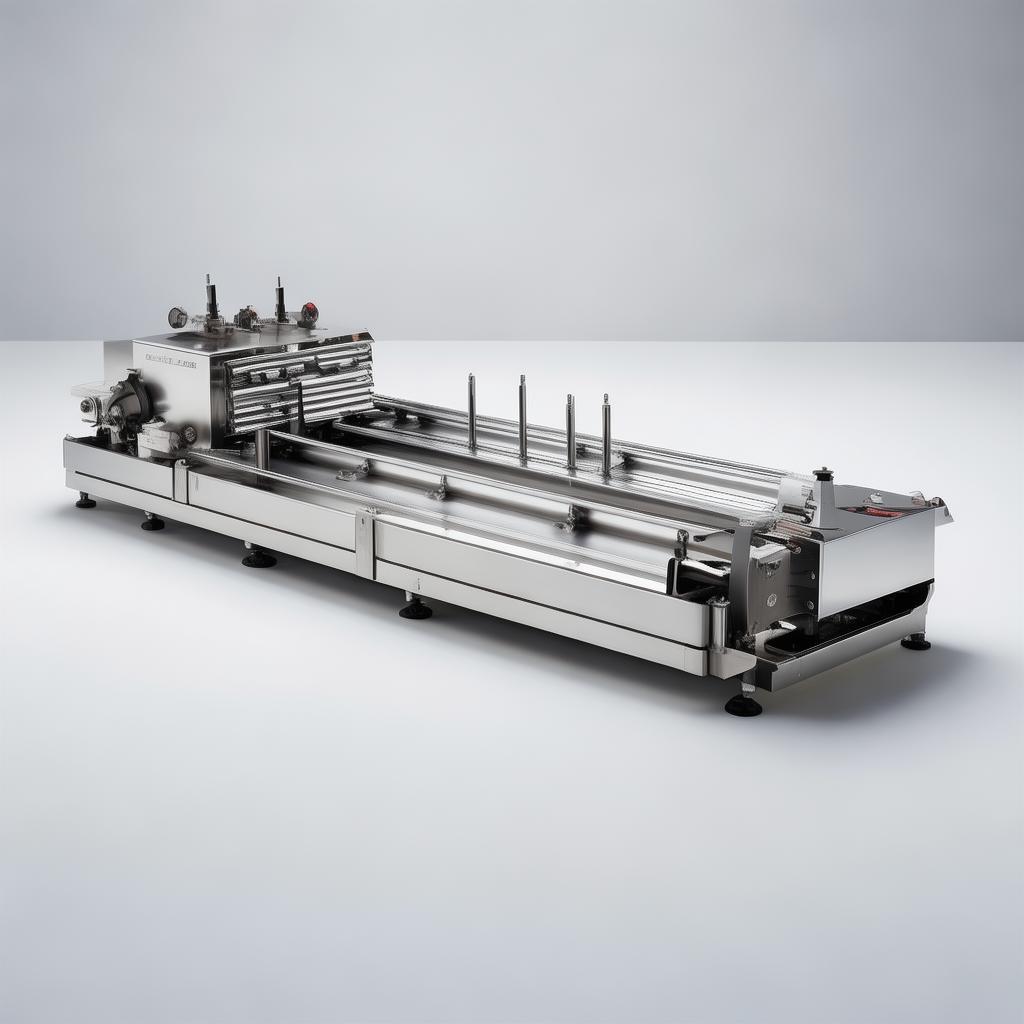
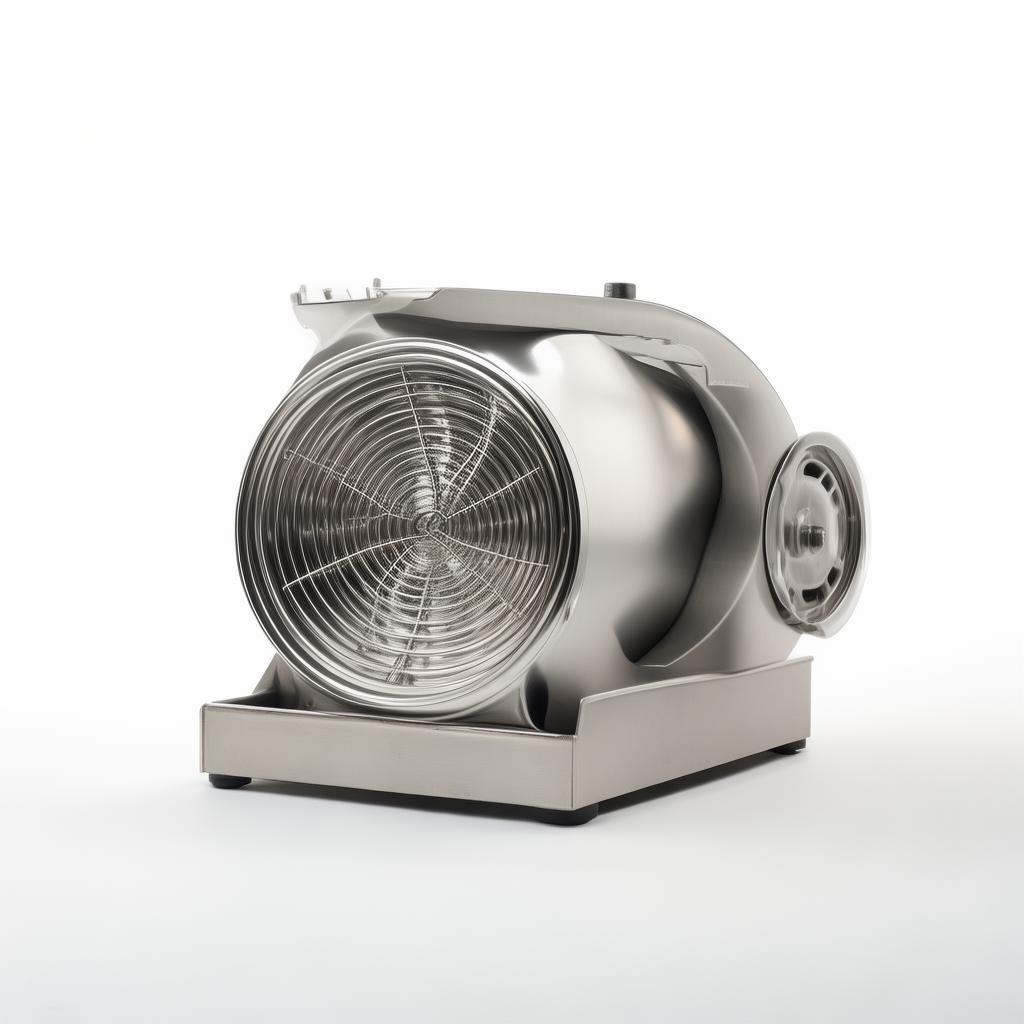
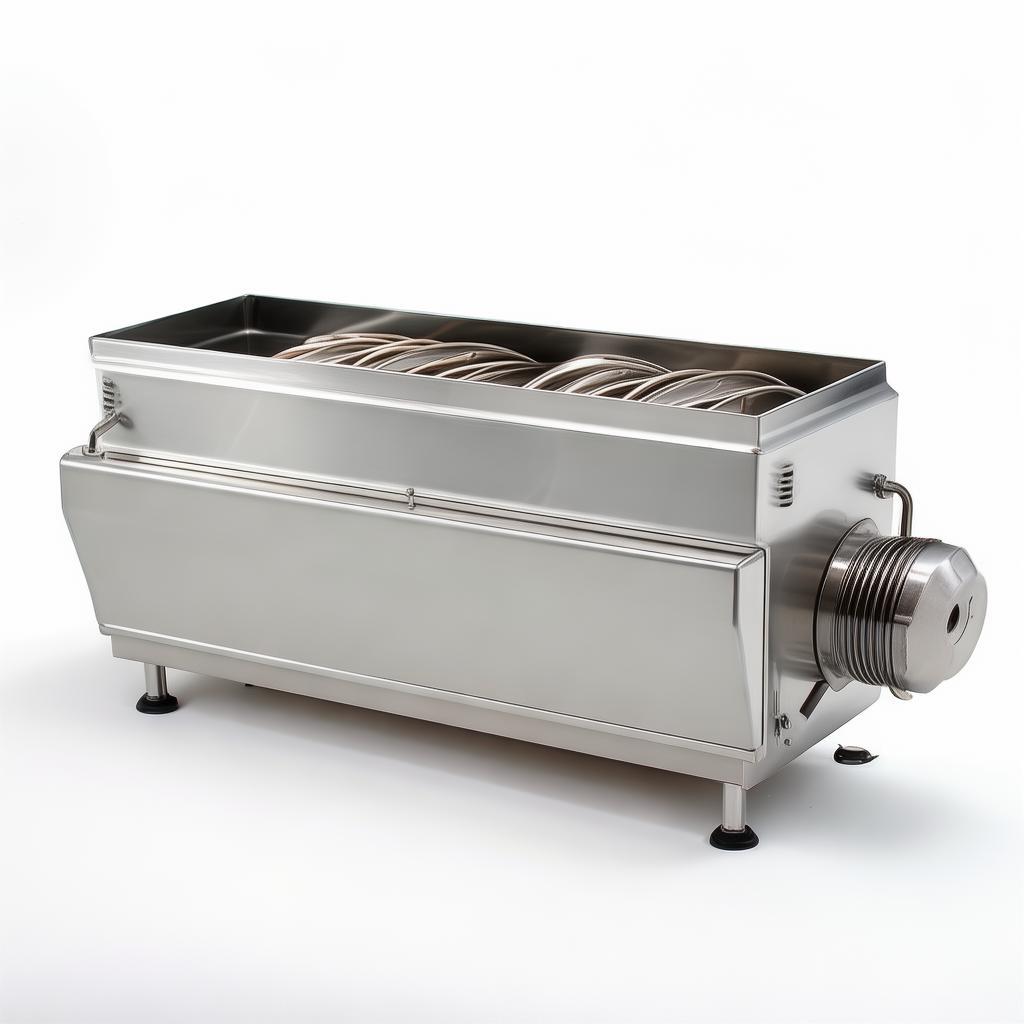
Meat Mixer For Grinder
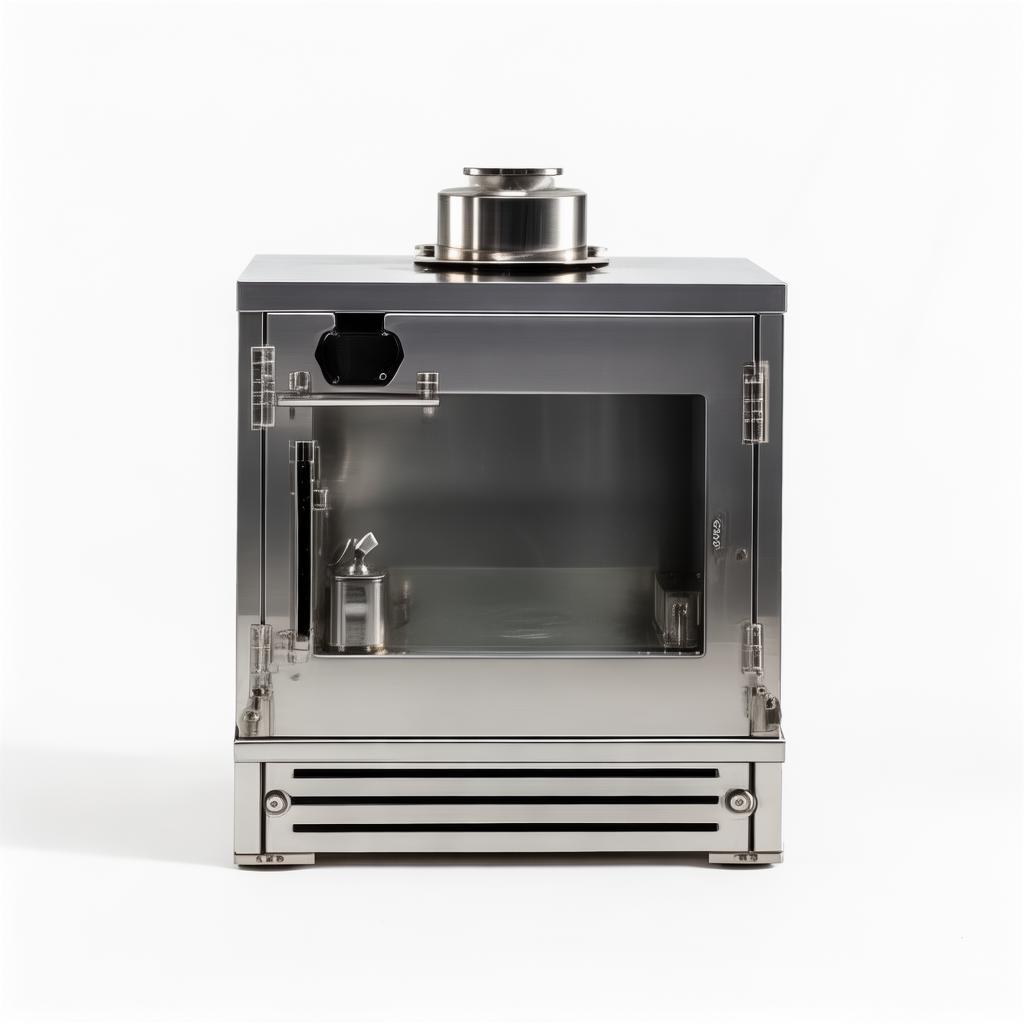
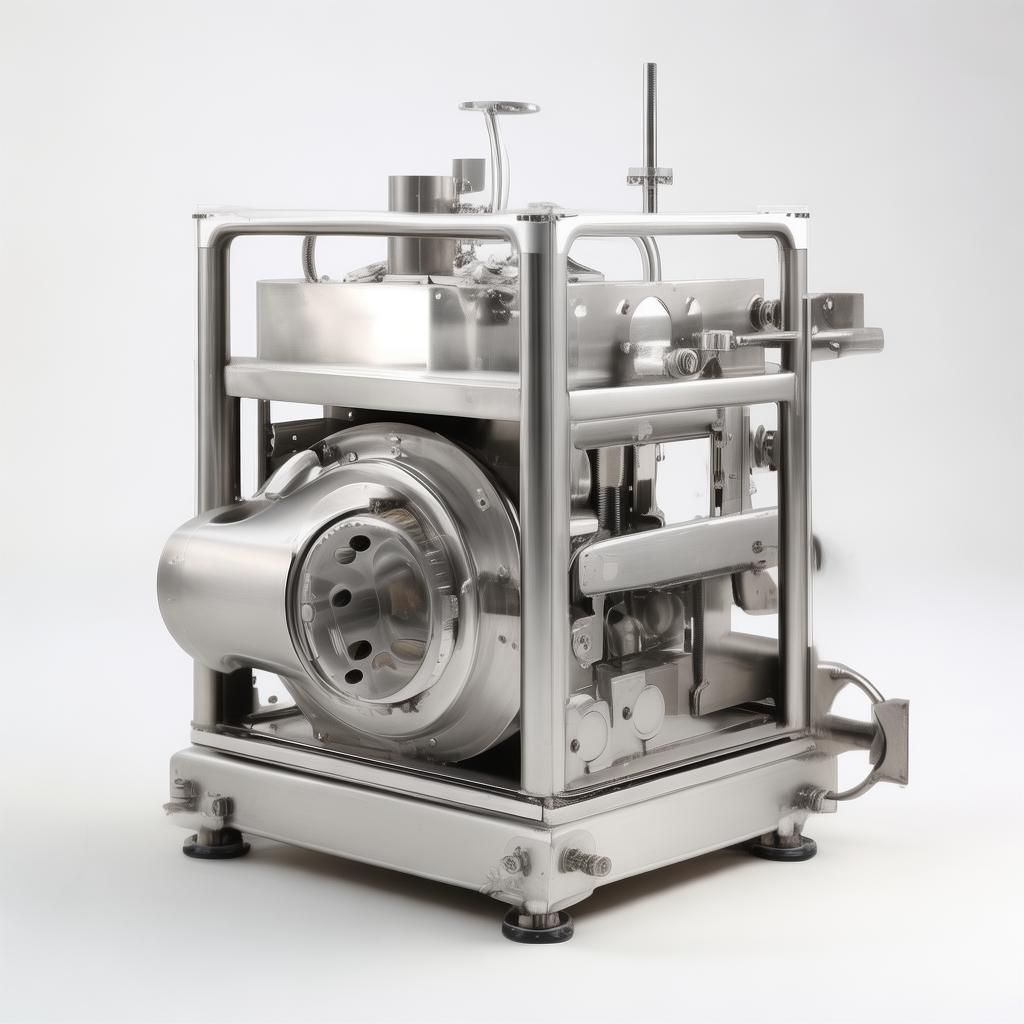
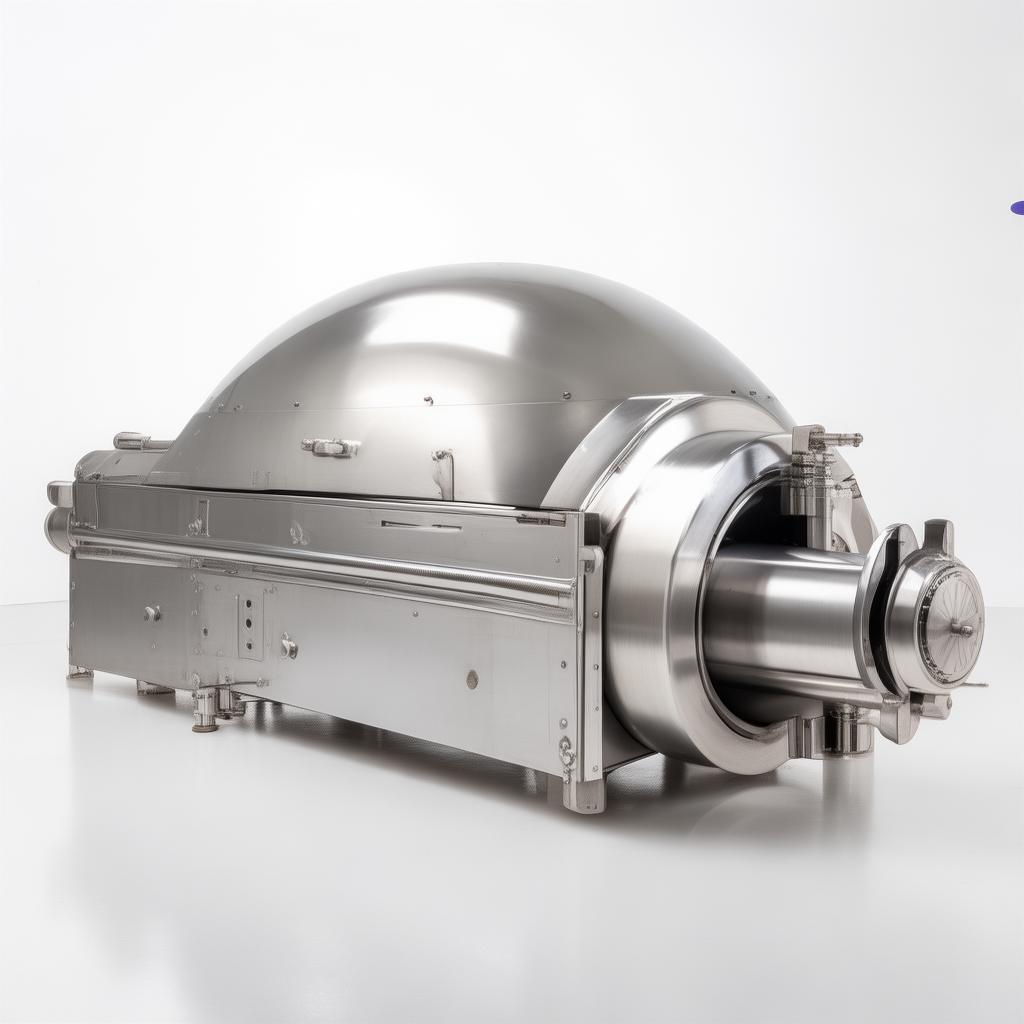
Industrial Meat Mixers for Grinders: Enhance Your Production Efficiency
Streamline your meat processing operations with robust, high-capacity mixers designed for seamless integration with grinding equipment.
For any facility serious about producing consistent, high-quality meat products—whether it's for sausages, burgers, deli meats, or pet food—the efficiency and reliability of your processing line are paramount. At the heart of many such operations lies the critical synergy between a robust grinder and an effective mixer. The meat mixer for grinder isn't just an auxiliary piece of equipment; it's a linchpin that dictates texture, flavor distribution, and the overall batch homogeneity that your customers expect. Without the right mixer, you risk inconsistent product, wasted ingredients, and bottlenecks that can cripple your output. We understand the pressures faced by procurement managers and operations directors: meeting demand, maintaining stringent food safety standards, optimizing labor, and of course, managing costs. That's why we focus on engineering meat mixers that deliver on all fronts.
Consider the journey from raw material to finished product. Grinding breaks down the meat, creating the foundational texture. But it's the subsequent mixing stage where the magic truly happens. Uniform blending of spices, binders, fats, and different meat cuts ensures that every bite of your final product is as intended. This homogeneity is vital not only for consumer satisfaction but also for regulatory compliance, especially when dealing with specific formulations or allergens. A poorly mixed batch can lead to uneven cooking, inconsistent density, and, frankly, unhappy customers who might not return. In international trade, where product reputation is currency, reliability in every step of the process is non-negotiable. This is where a specialized meat mixer for grinder truly proves its worth, acting as a crucial bridge between the raw grind and the perfectly prepared mixture ready for further processing, molding, or stuffing.
The global market for meat processing equipment reflects this necessity. Reports indicate a steady growth in this sector, driven by increasing demand for processed meats, a global trend towards convenience foods, and the continuous drive for automation to improve efficiency and hygiene. For instance, the global meat processing equipment market was valued at USD 11.29 billion in 2025 and is projected to reach USD 17.39 billion by 2034 at a CAGR of 5.0%, according to Fortune Business Insights. This expansion highlights the ongoing investment in machinery that can handle complex tasks like mixing, grinding, filling, and ripening with precision. Our mixers are engineered with these market dynamics in mind, offering solutions that integrate seamlessly with a wide array of grinding systems, ensuring that your entire line operates at peak performance. We’ve seen firsthand how a well-chosen mixer can transform production cycles, reducing batch times and improving product consistency, which directly impacts your bottom line and your ability to compete in demanding export markets.
When evaluating a meat mixer for your grinder, several factors come into play. The type of meat, the desired final texture, the scale of production, and the available space all influence the best choice. For instance, some mixers are designed for delicate blending of finely ground products, while others are built for heavy-duty tasks involving tougher cuts or higher volumes. Understanding these nuances is what sets apart a functional setup from a truly optimized one. Our range covers various configurations, from paddle mixers to continuous screw types, each tailored to specific operational requirements. We also pay close attention to the materials of construction. Stainless steel, often grades like 304 or 316, is standard for a reason – it’s durable, easy to clean, and meets stringent food safety regulations. The design of the mixing paddles or augers is equally critical; their geometry and rotation speed are precisely calculated to ensure thorough mixing without overworking the product, which could lead to undesirable changes in texture or color.
Navigating the complexities of international procurement means looking beyond just the initial price tag. You need to consider factors like lead times, shipping logistics, installation requirements, and, crucially, after-sales support. A mixer that arrives on time, integrates smoothly with your existing grinding equipment, and is backed by reliable technical assistance is a sound investment. At Hebei Yuanchang, with our 40 years of experience since 1986, we’ve honed our processes to address these exact concerns. Our integrated R&D, production, and sales model, coupled with an in-house machining workshop boasting over 20 sets of precision machinery including Japanese Mazak CNC centers, allows us to control quality from component to final assembly. This not only ensures the high precision and non-standard specifications you might need but also guarantees a traceable and worry-free after-sales service for parts and maintenance. We aim to be more than just a supplier; we strive to be a strategic partner in your meat processing success. Let’s explore how the right meat mixer for your grinder can elevate your operations.
The Core Function: Why a Dedicated Meat Mixer Matters
Ingredient Homogeneity
The primary role is achieving uniform distribution of all ingredients – meat, spices, marinades, binders, and fat. This ensures consistent flavor, texture, and appearance in every portion. Grinders alone can't achieve this level of blending.
Texture Control
Proper mixing prevents the breakdown of meat fibers beyond what's desired. It helps in achieving the right consistency for sausages, patties, or other formed products, avoiding a mushy or uneven texture.
Efficiency & Throughput
Integrating a mixer with your grinder significantly speeds up batch processing. It eliminates manual mixing steps, reducing labor costs and increasing the volume of product you can prepare in a given time.
Enhanced Product Quality
Consistent mixing contributes to better binding in formed products, improved juiciness, and a more appealing final presentation. This translates directly to higher customer satisfaction and repeat business.
Choosing the Right Meat Mixer for Your Grinder: Key Considerations
Selecting the optimal meat mixer for your grinding operation involves a deep dive into your specific needs. It's not a one-size-fits-all scenario. The type of products you aim to produce will heavily influence the design and capacity you require. For instance, if you're focusing on delicate, finely ground products like certain types of pâté or specialized sausages, a mixer with a gentle, thorough blending action is crucial to maintain the desired particle integrity. Conversely, for bulk production of burger patties or larger sausages, a more robust mixer capable of handling larger batches and potentially less finely ground meat would be more suitable. We've found that many clients overlook the subtle but important differences in paddle or auger designs; these elements are specifically engineered to achieve different mixing actions – from tumbling to kneading. A well-designed mixer can drastically reduce batch times. We've seen production cycles cut by up to 15-20% simply by upgrading from a generic mixing setup to a purpose-built industrial meat mixer that integrates seamlessly with their existing grinder.
Capacity is another major determinant. Are you looking to mix 50 kg batches or 500 kg batches? Your mixer's volume must align with your grinder's output and your overall production schedule to prevent bottlenecks. Overly large mixers can lead to inefficient mixing of smaller batches, while undersized units will simply fail to keep up with your grinding capacity, forcing you to run your grinder intermittently. Material of construction is, of course, critical for hygiene and longevity. Food-grade stainless steel (like 304 or 316L) is the industry standard for good reason – it resists corrosion, is easy to sanitize, and complies with international food safety regulations such as those from the FDA or European standards. The finish of the stainless steel also matters; a polished internal finish reduces product adhesion and simplifies cleaning protocols, a point often emphasized during audits.
Think about integration. How will the mixer connect to your grinder? Some setups involve a direct chute from grinder to mixer, while others might use intermediate conveyors. The ideal solution ensures a smooth, continuous flow of ground material into the mixing chamber, minimizing exposure to the environment and reducing manual handling. We frequently encounter situations where clients have a powerful grinder but a mixer that can't handle the throughput, leading to a backup of ground meat, which can compromise quality and safety. Our engineering team prioritizes understanding your entire line setup to recommend a mixer that becomes a natural extension of your grinder, not an impediment.
Finally, consider auxiliary functions. Does the mixer need to be able to cool ingredients? Does it need a vacuum system for deaeration, which can improve texture and shelf-life? Does it need specific features for adding liquids or very fine powders without clumping? These specialized requirements often differentiate standard mixers from high-performance industrial units. For example, vacuum mixing is a feature that is increasingly sought after in premium product manufacturing, as it significantly enhances emulsification and reduces oxidation, leading to brighter colors and longer shelf life. Based on industry reports, the demand for advanced auxiliary systems like vacuum mixers and sophisticated ripening (massaging) equipment is on the rise, driven by the need for higher quality processed meats and longer shelf stability.
Considering these factors is key to avoiding costly mistakes. A poorly chosen mixer can lead to:
- Inconsistent product batches
- Reduced production efficiency
- Increased risk of product spoilage
- Higher operational and labor costs
- Compliance issues with food safety standards
Our Industrial Meat Mixers: Engineered for Performance
At Hebei Yuanchang, we specialize in manufacturing meat mixers that are designed to integrate perfectly with your grinding operations. Our extensive experience, dating back to 1986, has allowed us to refine our designs to meet the exacting standards of the global food processing industry. We understand that consistency and reliability are not just desirable; they are essential for your business's success, especially in competitive export markets.
Key Features and Advantages
- Robust Construction: Built with high-grade stainless steel (SUS304/316L) for durability, hygiene, and resistance to corrosion. This ensures compliance with international food safety standards (e.g., CE, FDA compliance for materials).
- Versatile Mixing Designs: Available in various configurations, including double-paddle, single-paddle, and screw-type mixers, tailored to achieve specific texture profiles and batch homogeneity. We select the optimal paddle geometry for your product.
- High Capacity Options: Our range covers mixers from small-scale production units (e.g., 50-100 kg) to large industrial mixers (e.g., 500-1500 kg or more), ensuring scalability for your growing business.
- Seamless Integration: Designed for efficient material transfer from your existing grinder, minimizing product handling and contamination risks. Our team can advise on optimal line configurations.
- Advanced Control Systems: Featuring user-friendly control panels for precise management of mixing time, speed, and direction, allowing for repeatable batch quality. Optional vacuum systems for deaeration are available.
- Ease of Cleaning and Maintenance: Designed with accessibility in mind, featuring removable parts and smooth surfaces to facilitate thorough cleaning and meet HACCP requirements.
Our commitment extends beyond manufacturing. We provide comprehensive support, from initial consultation to after-sales service, ensuring your investment yields long-term benefits.
Technical Specifications Overview
Understanding the technical details is crucial for procurement managers and engineers who need to ensure compatibility and performance. Our meat mixers are built to stringent specifications. Below is a general overview; please contact us for detailed spec sheets tailored to your specific model needs.
| Parameter | Typical Range / Specification | Notes & Benefits |
|---|---|---|
| Batch Capacity | 50 kg - 1500 kg+ | Scalable solutions for small businesses to large industrial plants. |
| Material of Construction | SUS304 / SUS316L Stainless Steel | Food-grade, corrosion-resistant, easy to sanitize. Meets international hygiene standards. |
| Mixing Mechanism | Double Paddle / Single Paddle / Screw Auger | Optimized for various meat textures and product types (e.g., delicate blend vs. hearty mix). |
| Motor Power | Varies by capacity (e.g., 2.2 kW - 22 kW+) | Sufficient power for dense mixtures and continuous operation. |
| Mixing Speed & Direction | Adjustable, Forward/Reverse rotation | Precise control over mixing process; reverse function aids in material discharge. |
| Optional Features | Vacuum System, Heating/Cooling Jacket, Variable Speed Drive (VSD) | Enhance product quality, extend shelf life, and optimize processing flexibility. |
| Control Panel | Digital/Analog, PLC Control | Intuitive operation for consistent batch results. Easy programming for repetitive tasks. |
| Certifications | CE, ISO 9001 (Manufacturing) | Assurance of quality manufacturing standards and product safety compliance. |
mixer grinder for meat meat grinder and mixer combo commercial meat grinder mixer
Application Scenarios: Beyond the Basics
Our industrial meat mixers for grinders are designed for versatility, serving a wide array of applications across the food processing industry. While their primary role is often associated with sausages and burgers, their utility extends much further. The consistent batching and uniform ingredient distribution they provide are invaluable for producing high-quality deli meats, pre-marinated chicken or beef products, and even specialized pet food formulations. For instance, in the production of cured meats, precise blending of curing salts, spices, and fat is critical for both flavor and safety. A well-designed mixer ensures these elements are thoroughly incorporated without damaging the meat structure. We’ve also seen them used in the processing of alternative proteins, where uniform mixing of plant-based ingredients and binders is key to achieving the right texture and mouthfeel.
Furthermore, in high-volume operations, the ability to integrate mixers with automatic stuffing or molding machines is a significant advantage. This creates a semi-continuous production line, drastically increasing output and reducing manual labor. The global meat processing equipment market is expected to reach USD 17.39 billion by 2034, driven by automation and the demand for processed foods. Our mixers are at the forefront of this trend, offering robust solutions that enhance operational efficiency. Consider the production of reformed meat products, like chicken nuggets or fish cakes. The consistent mixing of finely ground meat, batters, and seasonings ensures a uniform product that fries or bakes evenly. The same principle applies to creating perfectly blended meatloaf mixtures or custom spice blends for seasoned ground beef. The core benefit remains the same: achieving perfect homogeneity, batch after batch, which is fundamental for both consumer appeal and production reliability.
Common Applications Include:
- Sausage production (fresh, smoked, cured)
- Burger and patty manufacturing
- Deli meat processing
- Pet food ingredient blending
- Reformed and formed meat products
- Meatball and meatloaf mixtures
- Pre-marinated meat products
- Custom spice and seasoning blending
Installation, Operation, and Maintenance Insights
Getting your new meat mixer up and running smoothly is as important as its performance. While our machines are designed for industrial robustness, proper installation and routine maintenance are key to maximizing their lifespan and ensuring consistent operation. Most of our mixers are designed for relatively straightforward installation. They typically require a stable, level floor space and a reliable power source matching the motor specifications. If integrating directly with a grinder, careful alignment of the chute or transfer mechanism is crucial to prevent jams and ensure a continuous flow. We provide detailed installation manuals and can offer technical support to guide your team through the process. For larger units, especially those with vacuum systems or complex controls, professional installation is often recommended to ensure all components are calibrated correctly.
Operationally, the key is adherence to recommended batch sizes and mixing times. Overloading the mixer can strain the motor and lead to inconsistent mixing. Likewise, insufficient mixing time will result in poor ingredient dispersion. Our control panels offer precise settings for time and speed, enabling operators to achieve repeatable results. If your mixer is equipped with a vacuum system, proper sealing of the mixing chamber and correct evacuation cycles are important for achieving optimal deaeration. We often advise clients to conduct test runs with standard batches to fine-tune these settings for their specific product recipes.
Maintenance is where many facilities can improve efficiency and reduce unexpected downtime. Daily cleaning is essential. This typically involves emptying the mixing chamber, rinsing with water, and sanitizing with approved food-grade cleaners. Ensure all parts that come into contact with food are thoroughly cleaned and dried. For mixers with removable paddles or augers, ensure these are also cleaned and inspected for wear. Periodic checks of drive belts, bearings, and seals are also recommended. We recommend scheduling a more thorough inspection and lubrication service every 6-12 months, depending on usage intensity. Our traceable after-sales management system ensures you can easily obtain replacement parts or schedule service calls. Investing in a small preventative maintenance program can save significant costs and lost production down the line. Many clients find that a clear maintenance log and scheduled checks prevent minor issues from escalating into major breakdowns.
Logistics, Shipping, and Global Reach
As an international supplier, we understand the complexities of global logistics. Our facility in Shijiazhuang, China, is strategically located to facilitate efficient export operations. We work with reliable freight forwarders to ensure your meat mixer for grinder reaches its destination safely and on schedule, whether it's heading to North America, Europe, Asia, or elsewhere. Our team is experienced in handling export documentation, customs clearance, and ensuring proper packaging to protect the equipment during transit. We can accommodate various shipping methods, including sea freight (FCL or LCL) and air freight, depending on your urgency and budget.
Container loading is optimized to maximize space and minimize shipping costs. We carefully secure the machinery within the container to prevent movement and damage. For international orders, we provide all necessary documentation, including invoices, packing lists, bills of lading, and certificates of origin. We also ensure that equipment meets relevant international standards, such as CE certification for European markets. Our goal is to make the international procurement process as smooth and transparent as possible for our clients.
Key Logistics Considerations:
- Packaging: Robust protective packaging suitable for international transit.
- Documentation: Complete export paperwork for smooth customs clearance.
- Shipping Options: Flexible sea, air, and land freight arrangements.
- Lead Times: Transparent production and shipping schedules. We aim for realistic delivery timelines, often detailing them during the quotation phase.
Talk to our export specialists to get a detailed shipping plan and quote for your region.
Procurement Guidance: Partnering for Success
Making the decision to invest in industrial processing equipment is significant. As a procurement manager or director, your focus is on ROI, reliability, and risk mitigation. We approach our client relationships with this understanding. Our 40 years of experience since 1986 have taught us that the best partnerships are built on transparency, technical expertise, and a genuine desire to solve operational challenges. When you inquire about a meat mixer for grinder, we don't just send a datasheet; we aim to understand your current process, your future goals, and any specific pain points you're experiencing. Are you struggling with batch consistency? Is your current setup causing a bottleneck? Are you looking to expand into new product lines that require different mixing characteristics?
We encourage you to ask detailed questions. For instance, inquire about the materials certifications for the stainless steel, the specific motor efficiency ratings, and the warranty terms. Understand the support structure: what is the process for ordering spare parts? How quickly can technical assistance be provided if needed? Our in-house machining capabilities and traceable after-sales management system are designed to offer you peace of mind. We can independently produce high-precision parts, minimizing lead times for critical replacements and ensuring consistent quality. This level of vertical integration is uncommon and offers a distinct advantage in securing reliable ongoing support.
Consider the total cost of ownership, not just the initial purchase price. Factors like energy consumption, maintenance costs, potential downtime, and the impact on product yield and quality all contribute to the long-term value of your investment. A slightly higher initial investment in a robust, well-engineered mixer can often lead to significant savings over its operational life. The market for meat processing equipment is competitive, with growth driven by automation and efficiency needs. According to Mordor Intelligence, the market is expected to grow from USD 9.62 billion in 2025 to USD 12.60 billion by 2031 at a CAGR of 4.94%. Choosing a supplier with proven longevity and a commitment to quality, like Hebei Yuanchang, is a strategic decision that mitigates risk.
Evaluating a Supplier Checklist:
- Years in Business & Industry Experience: Look for established companies with a proven track record. (We have 40 years since 1986.)
- Manufacturing Capabilities: In-house production, precision machining, quality control processes.
- After-Sales Support: Availability of spare parts, technical assistance, warranty.
- Certifications: CE, ISO, and material certifications for compliance.
- Customization Options: Ability to adapt equipment to specific needs (OEM/ODM).
- Global Logistics Expertise: Experience with international shipping and documentation.
Customer Reviews & Testimonials
See what our clients are saying about their experience with our industrial meat mixers.

Operations Manager, Prime Cuts USA
"We integrated their double-paddle mixer with our existing grinding line for our premium burger production. The consistency we've achieved is remarkable. Batch times are down, and the texture is uniform across every single patty. Their support team was excellent during the setup phase."

Purchasing Director, Global Deli Foods
"We needed a high-capacity mixer for our sausage production, capable of handling sensitive ingredients. Hebei Yuanchang's team understood our requirements and recommended a unit that has exceeded expectations. The build quality is robust, and the operational efficiency has been a significant boost to our output."

Factory Manager, Asia Pet Nutrition
"Our pet food production relies on precise ingredient blending. The mixer we purchased from Hebei Yuanchang has been a game-changer. It ensures all nutritional supplements and meat components are perfectly distributed, leading to a higher quality and more consistent final product. The logistics were handled very professionally."
Frequently Asked Questions (FAQs)
Answers to common queries about our meat mixers.
Lead times can vary based on the specific model and current production schedules. Generally, for standard configurations, it can range from 4 to 8 weeks from order confirmation. For custom-built units, this may be longer. We will provide a precise estimate upon receiving your inquiry.
Absolutely. With our in-house R&D and precision machining capabilities, we regularly undertake OEM/ODM projects. We can adapt dimensions, features, control systems, and even materials to meet your unique specifications or integrate with proprietary systems. This is a core strength of our manufacturing approach.
We offer comprehensive after-sales support, including a warranty on our equipment, availability of spare parts through our traceable management system, and remote technical assistance. We can also arrange for on-site support or training by special agreement. Our goal is to ensure your equipment performs optimally throughout its lifespan.
The ideal mixer capacity typically correlates with, but is often larger than, your grinder's output per hour or per batch. This allows for efficient batch processing without the mixer becoming a bottleneck. We recommend considering your peak production needs and batch cycle times. Our technical sales team can assist you in matching the right mixer size to your specific grinder and operational workflow.
Ready to Enhance Your Meat Processing Efficiency?
Don't let outdated or inadequate mixing equipment hinder your production. Investing in a high-performance meat mixer for your grinder is a strategic move that will pay dividends in product quality, operational efficiency, and market competitiveness.
Contact Us
Hebei Yuanchang Food Mechanism & Technology Co., Ltd. has over 40 years of experience in the design, manufacturing, and sales of meat processing equipment. Our dedicated team is ready to assist you with your inquiries.
Phone: +86 15830991513
E-mail: ycmeatmech@gmail.com
Address: Shijiazhuang, Hebei Province, China
Website: ycmeatmech.com
© 2026 Hebei Yuanchang Food Mechanism & Technology Co., Ltd. All rights reserved.