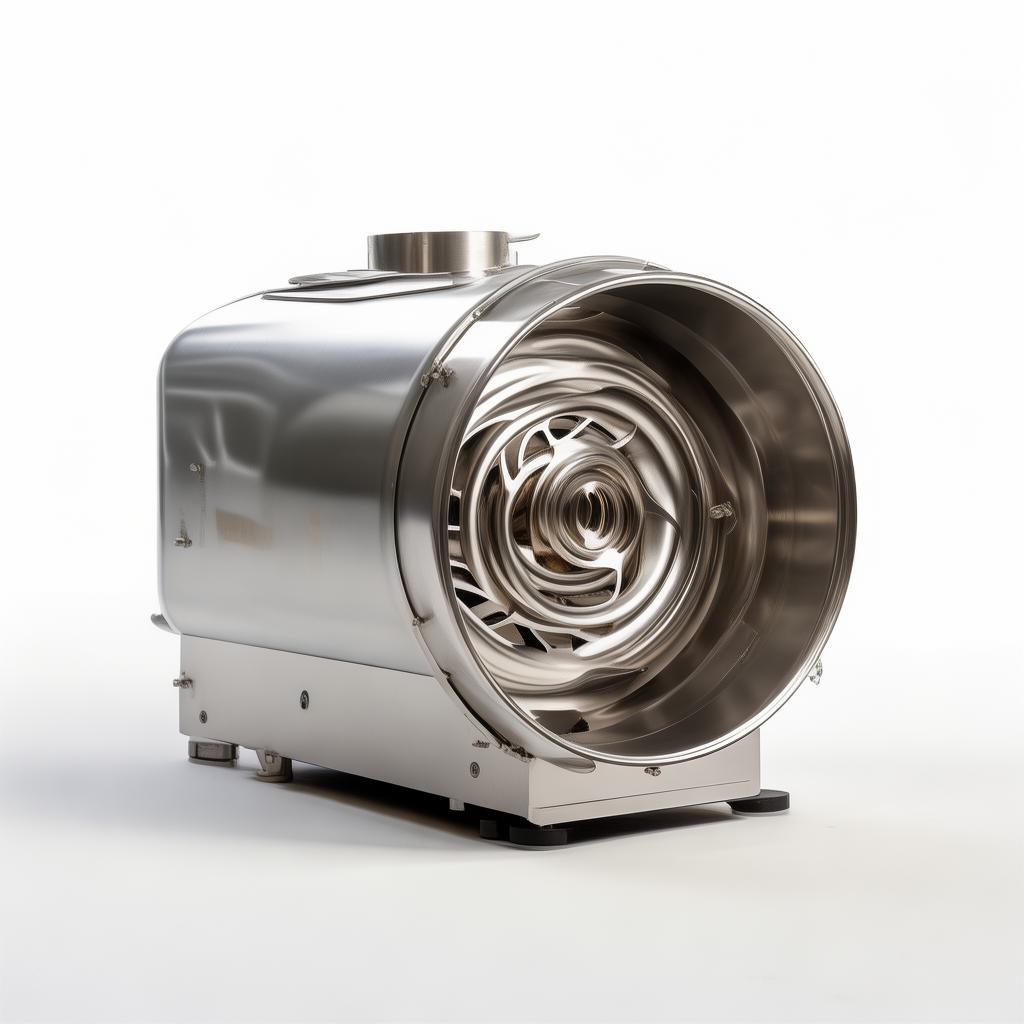
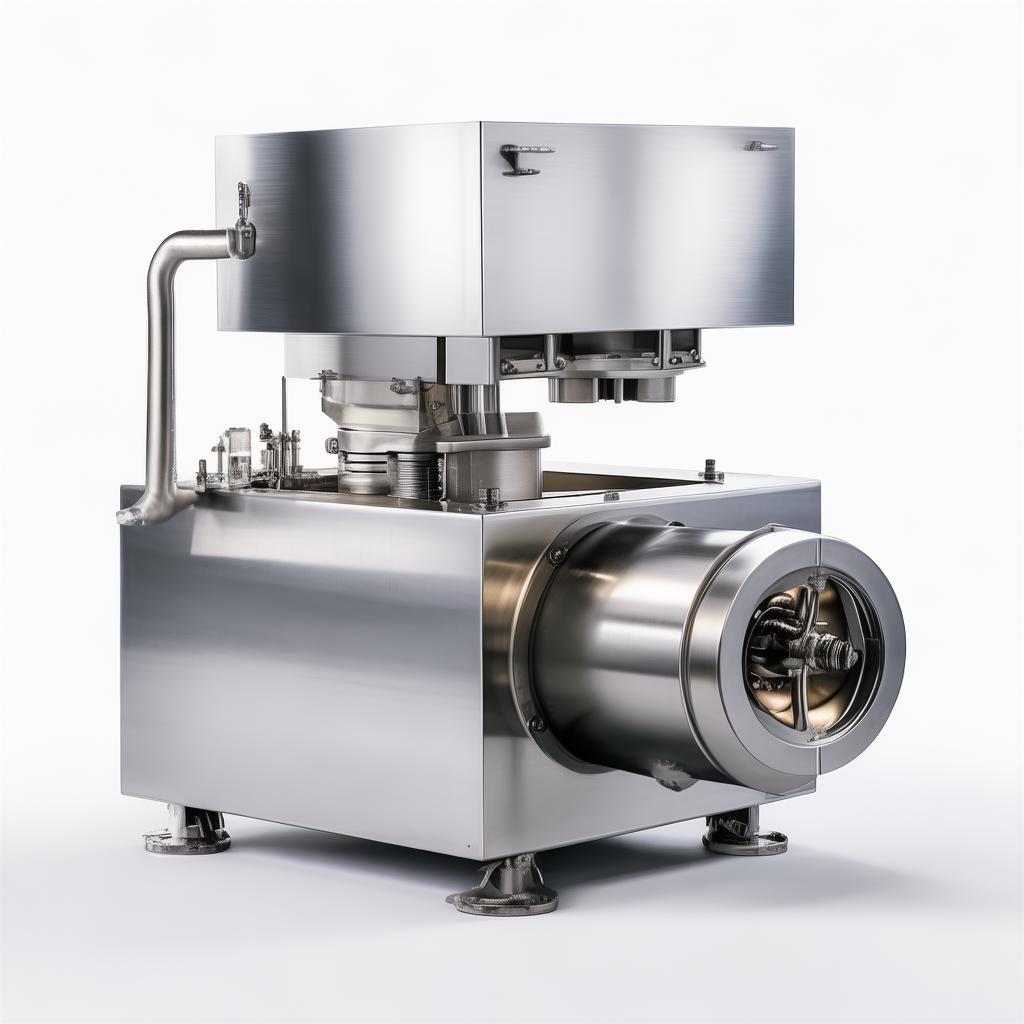
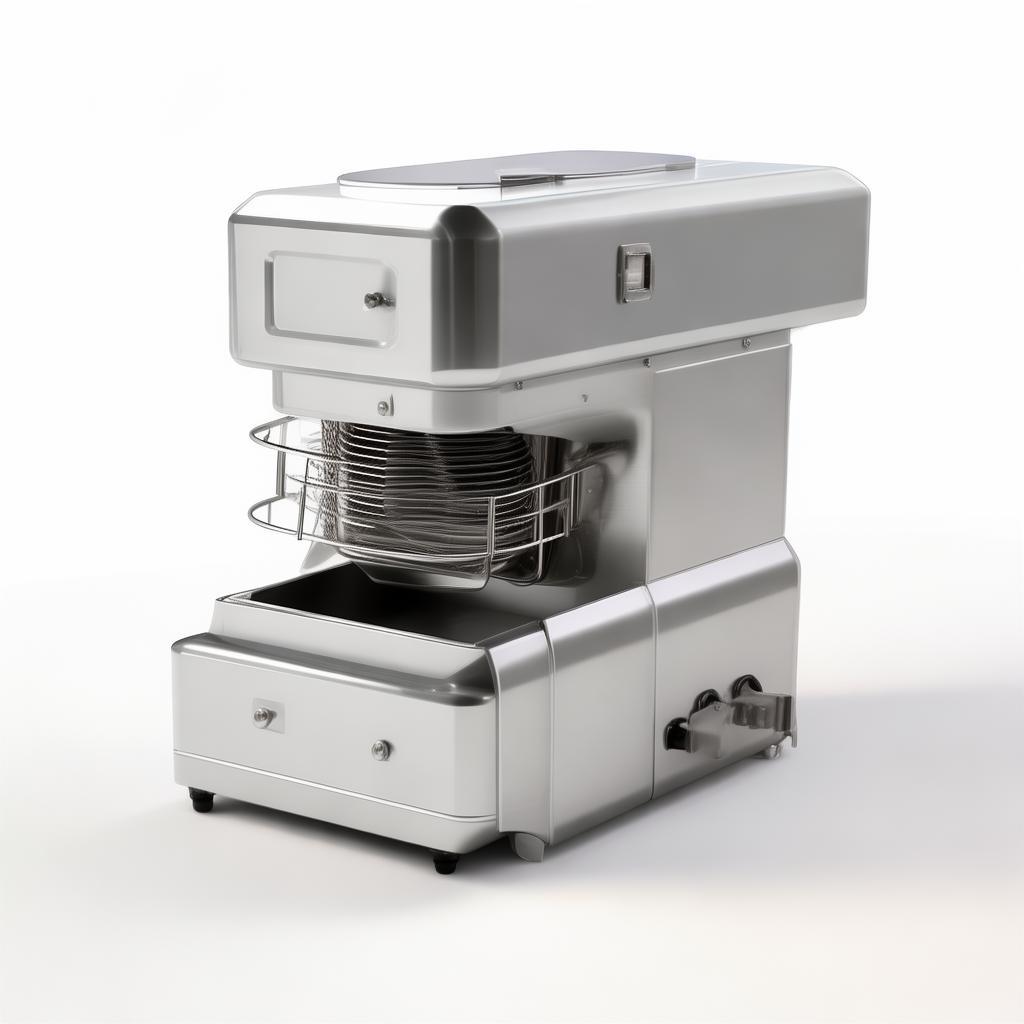
Meat Grinder Recommendations
Precision Meat Grinders for Wholesale & Industrial Use: Elevating Your Production
Your Partner in Efficient, High-Quality Meat Processing

Navigating the Nuances of Meat Grinder Selection for Commercial Success
When you're looking for the right meat grinder for your operation – whether it’s a wholesale butcher shop, a large-scale food manufacturer, or an OEM looking to integrate grinding capabilities into a larger system – the decision is far from straightforward. It's about more than just horsepower or throughput. It's about understanding the intricate balance between efficiency, consistency, material integrity, and operational longevity. The global meat processing equipment market, valued at over USD 11 billion and projected to grow significantly [Source: Fortune Business Insights], highlights the critical role these machines play. Demand for processed meats is a constant driver, pushing manufacturers to seek equipment that not only keeps pace but also enhances product quality and food safety. Choosing a grinder isn't just a capital expenditure; it's an investment in your brand's reputation and your bottom line. A poorly chosen unit can lead to inconsistent texture, premature wear, increased downtime, and ultimately, lost revenue. We’ve seen it countless times: a facility investing in a budget grinder that fails to meet the demands of high-volume processing, leading to bottlenecks and costly repairs. This guide aims to cut through the noise, offering practical insights grounded in decades of manufacturing experience, to help you pinpoint the ideal meat grinder recommendation for your specific needs.
Consider the sheer variety of applications. Are you processing beef for gourmet burgers, pork for artisanal sausages, poultry for pre-portioned packs, or even game meat for specialized markets? Each application presents unique challenges regarding fat content, connective tissue, bone fragments, and desired particle size. The "perfect" grinder for one task might be entirely unsuitable for another. Furthermore, the global shift towards convenience foods and ready-to-eat meals, as noted by industry reports, means that the demand for high-quality, precisely processed meat is only increasing. This necessitates equipment that can deliver consistent results, batch after batch, adhering to increasingly stringent food safety regulations. From small-scale operations prioritizing flexibility to large industrial plants demanding high throughput and automation integration, the spectrum of needs is vast. Our goal here is to provide you with the framework to assess these needs objectively, moving beyond superficial specs to understand the underlying operational benefits and long-term value.
We understand that procurement decisions in the B2B space are multifaceted. They involve technical specifications, ROI calculations, maintenance considerations, supplier reliability, and sometimes, even international logistics. This isn't a consumer purchase. You're looking for a robust solution that integrates seamlessly into your existing workflow, minimizes operational risks, and offers dependable support. The complexities of selecting the right grinder often involve balancing trade-offs: a higher capacity machine might require more floor space and energy, while a more compact unit might have lower throughput. Material composition is another critical factor; stainless steel is standard for a reason, offering durability and ease of sanitation, but the specific grade and finish can impact its performance and lifespan in demanding environments. Understanding these variables is key to making an informed choice that aligns with your operational goals and budget. Let's delve into the specifics that truly matter.
Key Considerations When Choosing Your Industrial Meat Grinder
- Application Focus: What are you grinding? Raw meat for further processing, cooked meat for paté, or specific cuts for texture control? Each demands different grinder configurations and plate sizes.
- Throughput Requirements: How much meat do you need to process per hour? This dictates motor power, auger design, and overall machine capacity. Don't overestimate; operational realities often differ from theoretical specs.
- Product Consistency: Are you aiming for a fine grind, a coarse texture, or something in between? The choice of grinding plates, knives, and the machine's gearing system are crucial here.
- Hygiene and Sanitation: Ease of cleaning is paramount. Look for features like removable components, smooth surfaces, and food-grade materials (typically 304 or 316 stainless steel). Compliance with HACCP principles is non-negotiable.
- Durability and Material: Industrial environments are tough. Robust construction, high-quality stainless steel, and reliable motor components ensure longevity. Think about the total cost of ownership, not just the upfront price.
- Safety Features: Guarding, emergency stops, and interlocks are essential to protect operators. Compliance with relevant safety standards (e.g., CE marking for European markets) is vital.
- Power and Electrical Requirements: Ensure the grinder's power specifications (voltage, phase, amperage) are compatible with your facility's electrical infrastructure.
Understanding Grinder Types: From Batch Processing to Continuous Flow
The landscape of meat grinders isn't monolithic. Broadly, they fall into a few categories, each suited for different operational scales and demands. For smaller operations, or those processing a variety of meats in smaller batches, a Benchtop or Small Commercial Grinder often suffices. These are typically electric, with capacities ranging from a few kilograms to perhaps 50 kg per hour. They are excellent for butcher shops needing fresh ground meat daily, or for test kitchens developing new product formulations. However, their throughput is limited, and continuous use can strain their motors.
Stepping up, we find the Medium-Duty Commercial Grinders. These are workhorses, often floor-standing units with more powerful motors and larger hoppers. They can handle capacities from 100 kg up to several hundred kilograms per hour. These are common in larger butcheries, food service commissaries, and smaller processing plants. Their construction is generally more robust, designed for extended operation. Many feature larger, more durable grinding plates and knives, allowing for coarser grinds or higher efficiency on finer grinds.
At the industrial pinnacle are the Heavy-Duty and Enterprise-Level Grinders. These are built for continuous, high-volume operation, processing thousands of kilograms per hour. They feature powerful, often multi-speed or variable-speed motors, industrial-grade gearboxes, and exceptionally robust construction, typically from high-grade stainless steel. These machines are designed for integration into automated production lines. They might include features like automatic feed systems, temperature monitoring, and advanced control systems for precise output consistency. For OEM applications, these are the units where custom component integration or specific process flow adaptations are most feasible. The complexity of their operation and maintenance requires trained personnel, but their productivity and reliability are unmatched in large-scale manufacturing.
A crucial distinction within these categories is between Enterprise Grinders with Progressive Feeding (like those used in sausage manufacturing) and standard grinders. Progressive feeders utilize a worm screw that gently pushes meat towards the grinding plate, minimizing heat generation and maintaining meat integrity – vital for processed meat products where texture and moisture content are paramount. This is a key consideration for any serious sausage, paté, or formed meat product producer.
Technical Specifications That Define Performance
Beyond the broad categories, specific technical details will govern a grinder's suitability. Understanding these is where true expertise comes into play. Let’s break down the core components:
| Component | Key Considerations & Impact | Industry Relevance |
|---|---|---|
| Motor Power (HP/kW) | Higher power means better handling of tough cuts, frozen meat, and higher throughput. A 3 HP motor is typical for medium-duty, while industrial units can exceed 10 HP. Insufficient power leads to overheating and motor strain. | Directly impacts processing speed and ability to handle different meat types. Crucial for continuous operations to avoid jams. |
| Grinding Capacity (kg/hr) | The manufacturer's stated capacity. This is often based on ideal conditions (e.g., fresh, chilled meat). Real-world capacity can be lower depending on meat temperature, fat content, and desired grind size. | Essential for production planning and ensuring you meet output targets without bottlenecks. Check if capacity is rated for fresh or frozen meat. |
| Grinding Plates & Knives | Material (hardened steel, stainless steel), hole size (from very fine ~2mm to coarse ~10mm+), and thickness. Quality of sharpness and material hardness dictate grind consistency and wear rate. Often sold as sets. | Determines the final product texture. Multiple plate options allow for product diversification. Regular sharpening or replacement is key for performance. |
| Auger/Worm Screw Design | Progressive augers minimize meat smearing and heat build-up. Standard augers are simpler. Material and precision machining affect efficiency and durability. | Critical for meat integrity, especially in emulsified products (sausages, hot dogs) to prevent fat separation and off-flavors. |
| Hopper & Chute Material | Typically stainless steel (304 or 316). Capacity of the hopper affects how often you need to reload. Smooth, sloped designs facilitate meat flow. | Sanitation is key. Chute design can impact meat flow and operator safety. |
| Transmission System | Direct drive vs. gear-driven. Gear drives offer more torque and durability for heavy loads. Belt drives can offer some shock absorption. | Impacts longevity and ability to handle tough, frozen, or fibrous materials without stalling. |
| Dimensions & Weight | Crucial for floor space planning, potential need for forklift access, and integration into existing production layouts. | Ensures physical compatibility within your facility and production line. |
good meat grinders best meat grinder reviews Meat grinder
When evaluating specifications, always consider the *context*. A grinder rated for 500 kg/hr might be ideal for one plant, but if the raw material is consistently frozen or very fibrous, its actual output could be half that. We often recommend testing with your specific product if possible, or at the very least, discussing these variables in detail with the manufacturer.
Material Choices: The Foundation of Durability and Hygiene
The materials used in your meat grinder directly impact its lifespan, sanitation capabilities, and resistance to wear and tear. For industrial applications, the standard is overwhelmingly 304 Stainless Steel. This grade offers excellent corrosion resistance, making it ideal for washdowns and preventing contamination. It's durable enough for most common meat processing tasks.
In more demanding environments, or for applications where extreme corrosion resistance is required (e.g., processing highly acidic marinades or brines alongside meat), 316 Stainless Steel might be considered. It contains molybdenum, providing superior protection against chlorides and other aggressive chemicals. However, it comes at a higher cost and is often overkill for standard meat grinding.
What about the Cutting Plates and Knives? This is where material science becomes critical. High-carbon stainless steel or specialized hardened alloys are frequently used for their ability to maintain a sharp edge and resist abrasion. Inferior materials will dull quickly, leading to meat smearing, increased heat generation, and a coarser, less consistent grind. We've had clients report significant improvements in grind quality simply by upgrading to higher-grade, precision-machined cutting sets.
When specifying, always ask about the material grade for all contact surfaces – hopper, auger, grinding head, plates, and knives. Ensure these materials are food-grade and compliant with relevant standards (e.g., FDA, EU food contact regulations). For wholesale export, understanding these material specifications is also key for customs and regulatory compliance in destination countries.
Application Scenarios: Matching Grinder to Task
Sausage Manufacturing
High-volume, consistent grind is paramount. Fine grind plates are common. Minimizing heat generation is critical to prevent fat separation and ensure product stability. Progressive feeding systems are highly recommended.
- Key Features: Precise auger, multiple fine plates, robust motor, efficient cooling.
- Consideration: Emulsification capability.
Burger Patty Production
Requires a consistent grind that holds together well. Medium to coarse plates are typical. Higher throughput is often a priority. Fat distribution is key for flavor and juiciness.
- Key Features: High capacity, durable plates, reliable motor for continuous operation.
- Consideration: Batch size and frequency.
Pet Food Processing
Often involves grinding bones and tougher raw materials. Requires very robust machinery with powerful motors and heavy-duty cutting components. Heat generation is less critical than raw power and durability.
- Key Features: Extreme durability, heavy-duty motors, large capacity plates, strong auger.
- Consideration: Bone grinding capability and material wear.
Deli Meat & Prepared Foods
Versatility is key. Need to handle fine grinds for spreads and coarser grinds for other products. Easy interchangeability of plates and knives is a plus. Sanitation for varied products is essential.
- Key Features: Easy-clean design, multiple plate options, reliable performance.
- Consideration: Flexibility for different product types.
Operational Efficiency & Maintenance: Real-World Considerations
A grinder is only as good as its uptime. When evaluating potential equipment, consider these operational aspects:
Ease of Cleaning
This cannot be stressed enough. Downtime for cleaning is lost production time. Look for units with easy-to-disassemble grinding heads, removable plates, and smooth, crevice-free surfaces. Stainless steel construction throughout is a must. Consider if the machine can be easily moved for deeper cleaning or if integrated wash-down capabilities are available.
Procurement Insight: Factor in labor costs for cleaning when comparing models. A slightly more expensive unit that cleans faster can offer significant ROI.
Blade and Plate Replacement/Sharpening
Knives and plates are consumables. How readily available are replacements? What is the lead time? Can they be easily replaced in-house, or do they require specialized service? The quality of the cutting set dictates its lifespan and sharpness retention – a key factor in maintaining grind quality and minimizing heat generation.
Industry Observation: Many plants experience issues due to dull blades, leading to meat smearing and increased processing times. Regular maintenance schedules are critical.
Lubrication and Preventative Maintenance
What are the recommended maintenance intervals? Are there accessible grease points? A well-maintained grinder runs smoother, lasts longer, and performs better. For high-volume operations, a proactive maintenance plan, including regular lubrication and inspection of wear parts, is essential to prevent catastrophic failures.
Practical Warning: Neglecting basic maintenance can turn a minor issue into a major repair, potentially requiring custom parts and extended downtime.
OEM and ODM Capabilities: Custom Solutions for Your Production Line
For manufacturers integrating grinding into a larger system or requiring highly specific performance characteristics, our OEM (Original Equipment Manufacturer) and ODM (Original Design Manufacturer) services are invaluable. If you're building a complete food processing line, or need a grinder to fit a unique footprint, we can collaborate with your engineering team.
OEM: We can build grinders to your exact specifications. This could involve custom motor configurations, specific hopper dimensions, integration ports for upstream or downstream equipment, or unique control interfaces. You provide the design; we provide the manufacturing expertise and precision engineering.
ODM: If you have a functional requirement but not a fully detailed design, our experienced engineers can work with you to develop a custom solution. We leverage our 40 years of experience in meat processing equipment to engineer a grinder that meets your precise operational needs, performance targets, and integration requirements. This often involves adapting existing designs or developing novel solutions based on your unique challenges.
Our advanced CNC machining capabilities, including Japanese Mazak centers, allow us to produce high-precision, non-standard components in-house. This ensures not only quality but also the ability to maintain strict confidentiality and control over the design and manufacturing process. We understand that for OEMs, the reliability and performance of every component are critical to the success of your final product.
Supplier Evaluation: What to Look For Beyond the Spec Sheet
Choosing a supplier for industrial equipment is as critical as choosing the equipment itself. Here's what to look for:
Manufacturing Experience
Look for manufacturers with a proven track record, ideally over several decades, in producing meat processing machinery. Experience translates to understanding nuances, quality control, and reliability. Our 40 years since 1986 speak to our deep industry knowledge.
In-House Production Capabilities
Do they manufacture key components in-house, or do they rely heavily on external suppliers? A facility with its own machining workshop, equipped with advanced CNC machinery, offers greater control over quality, lead times, and customization. This is crucial for high-precision parts.
After-Sales Support & Parts Availability
What kind of warranty is offered? How accessible are spare parts? A traceable after-sales management system is vital for ensuring you can get support and parts throughout the equipment's lifecycle. Global export means we understand the need for robust support chains.
Certifications & Compliance
Does the equipment meet international standards like CE, UL, or FDA compliance for food contact materials? These certifications are indicators of quality, safety, and market readiness, especially for export.
Logistics and Global Export Considerations
For international clients, understanding the logistics of importing industrial machinery is key. We regularly export our equipment worldwide, navigating complex shipping requirements and customs regulations. Our standard procedure involves robust crating and packaging designed to withstand the rigors of international transit. We work with reliable freight forwarders to ensure timely and cost-effective delivery, whether by sea or air.
Key considerations include:
- Container Optimization: We can advise on how to best fit multiple machines or accessories into standard shipping containers to maximize space and reduce per-unit shipping costs.
- Documentation: We provide all necessary export documentation, including commercial invoices, packing lists, certificates of origin, and any specific certifications required by the importing country.
- Voltage and Frequency: Industrial equipment needs to match local power grids. We can customize units for 220V/380V/440V, 50Hz or 60Hz as required.
- Installation Support: While most of our grinders are designed for straightforward installation, we offer guidance and can arrange for technical support if needed for complex integrated systems.
Procurement from overseas requires trust and clear communication. We ensure transparency throughout the ordering and shipping process, keeping clients informed at every stage.
Frequently Asked Questions (FAQs)
Q: What is the typical lifespan of an industrial meat grinder?
With proper maintenance and operation, a well-built industrial meat grinder can last for 10-15 years or even longer. Key factors include material quality, motor robustness, and adherence to a preventative maintenance schedule. Components like knives and plates are consumables and will require periodic replacement.
Q: Can your grinders handle frozen meat?
Our heavy-duty industrial grinders are designed to handle semi-frozen or chilled meat. For fully frozen blocks, specialized equipment or pre-breaking may be necessary to avoid excessive strain on the motor and cutting components. We can advise on the best configuration for your specific needs regarding meat temperature.
Q: How do I determine the right size grinding plate for my product?
The plate size dictates the particle size of the ground meat. Smaller holes (e.g., 2-3mm) create a fine grind for sausages and emulsified products. Medium holes (e.g., 4-6mm) are good for burger patties and general processing. Larger holes (e.g., 8mm+) create a coarse texture. The ideal size depends on your specific recipe and desired product texture.
Q: What are the typical lead times for industrial grinders?
For standard models, lead times can range from 4-8 weeks from order confirmation. For customized OEM/ODM projects, lead times will vary based on design complexity and component sourcing, typically ranging from 8-16 weeks.
Q: Do you offer installation services internationally?
While we primarily provide detailed installation manuals and remote support, we can arrange for a technician to be on-site for complex installations or training, depending on the project scope and location. This is typically discussed on a case-by-case basis for major industrial systems.
Hear From Our Global Partners

"The HBYC-300 grinder has been a game-changer for our sausage production. Consistency is key, and this machine delivers flawlessly, batch after batch. The stainless steel construction makes cleaning straightforward, which is a huge plus for our HACCP compliance."
— David Chen, Operations Manager, USA
"We needed a robust grinder for our pet food line, capable of handling bone fragments. The industrial unit provided by Hebei Yuanchang exceeded our expectations. It's incredibly powerful and built like a tank. Their support team was excellent in advising on the right model."
— Maria Garcia, Procurement Lead, Mexico
"As an OEM integrator, we needed a high-precision grinding module. Hebei Yuanchang's ODM service was exactly what we required. They helped us design and manufacture a custom grinder that seamlessly integrated into our automated packaging system. Excellent engineering and communication."
— Kenji Tanaka, Lead Engineer, JapanReady to Enhance Your Meat Processing Output?
Don't let outdated or unsuitable equipment hinder your production. Partner with Hebei Yuanchang Food Mechanism & Technology Co., Ltd. for reliable, high-performance meat grinders backed by 40 years of industry expertise.
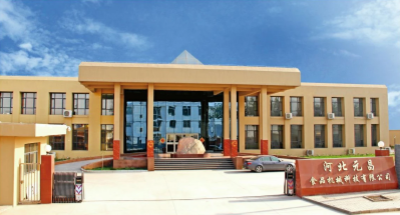
Hebei Yuanchang Food Mechanism & Technology Co., Ltd.
Shijiazhuang, Hebei Province, China