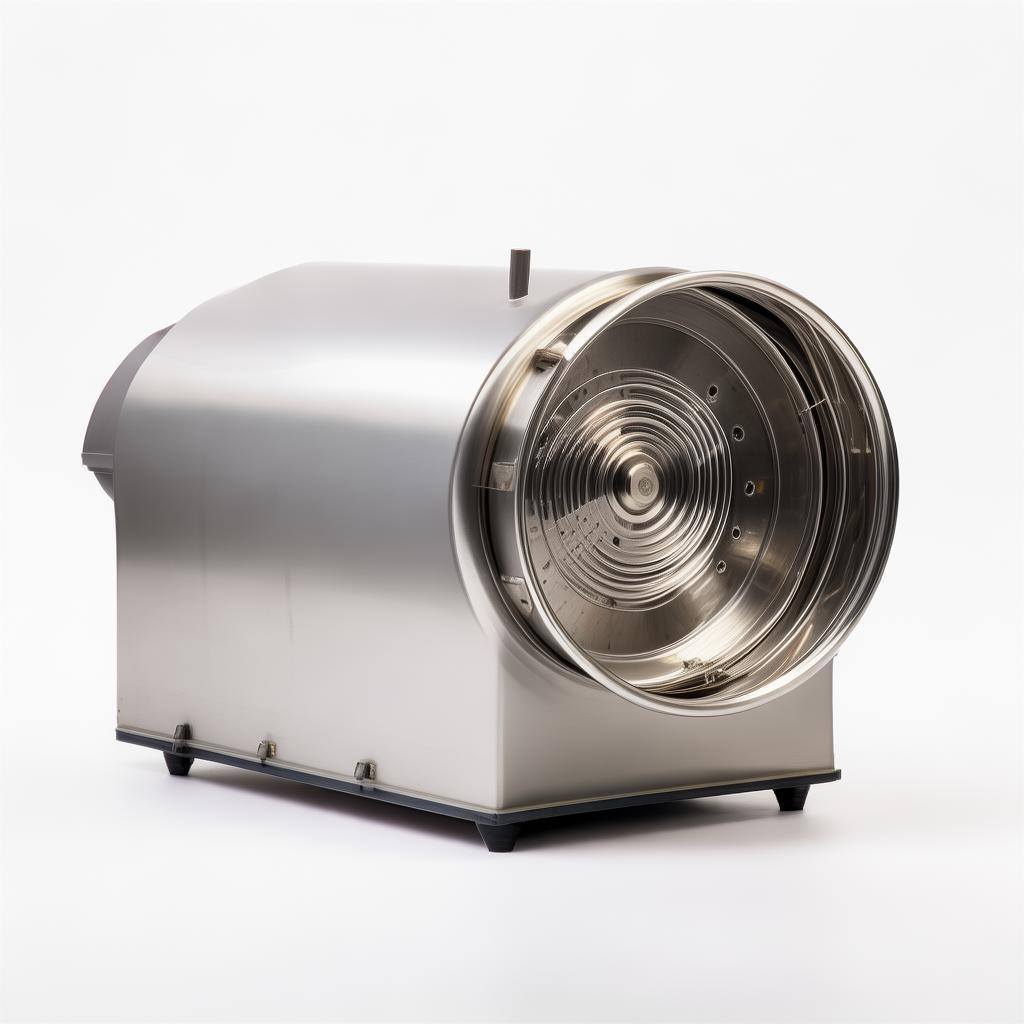
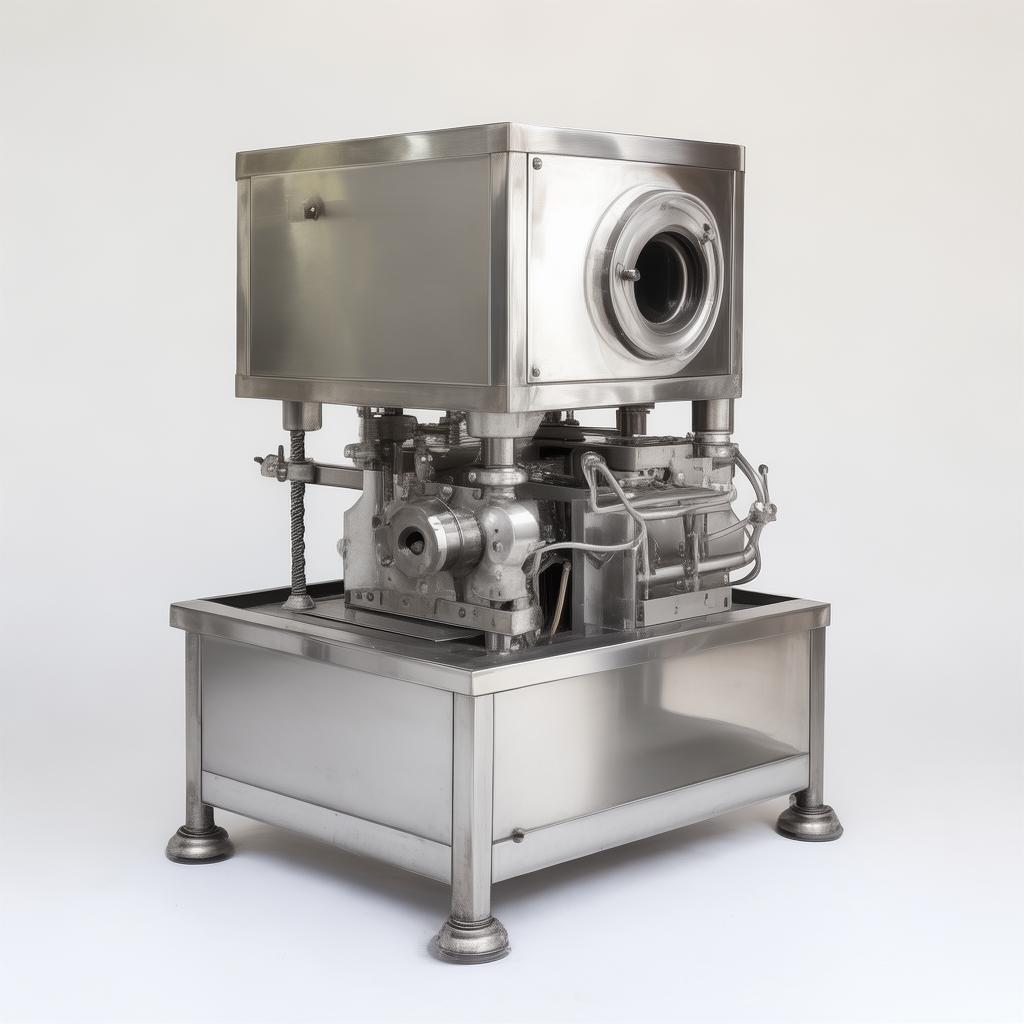
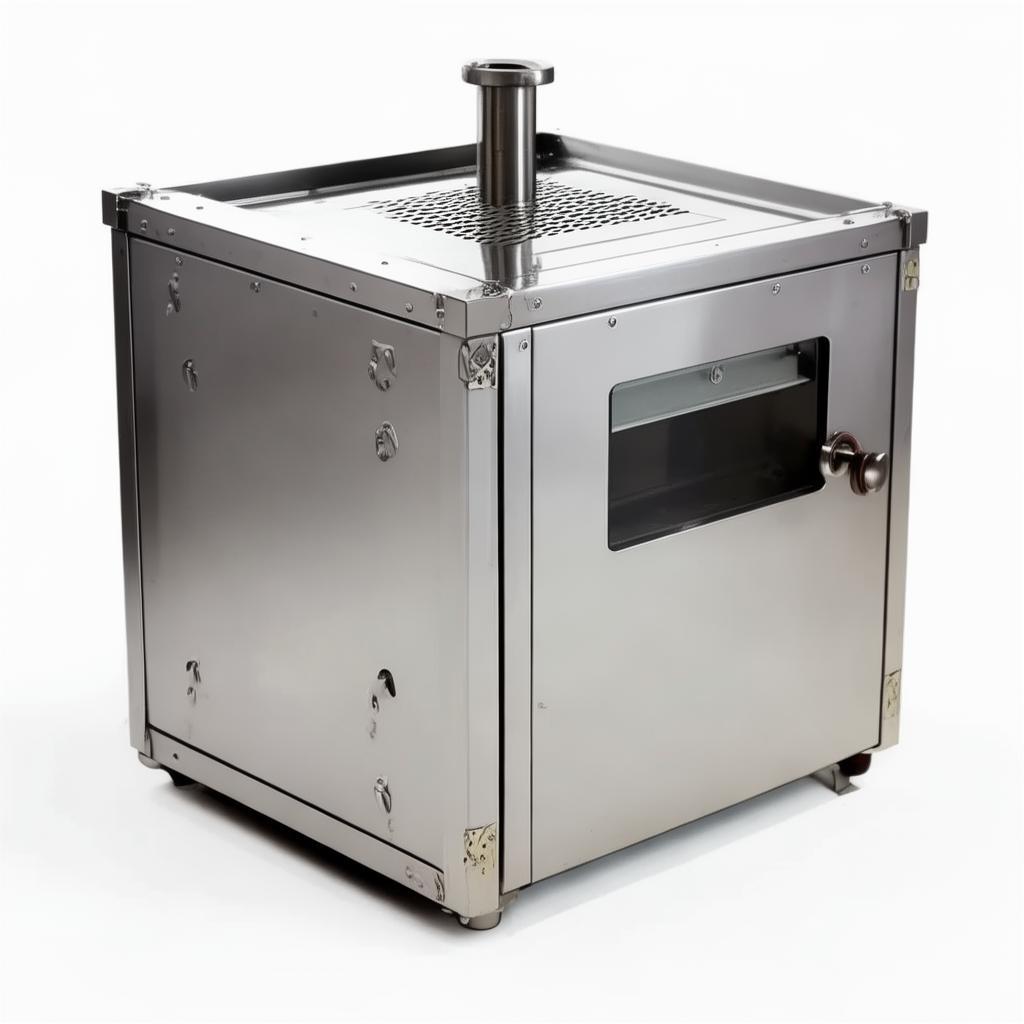
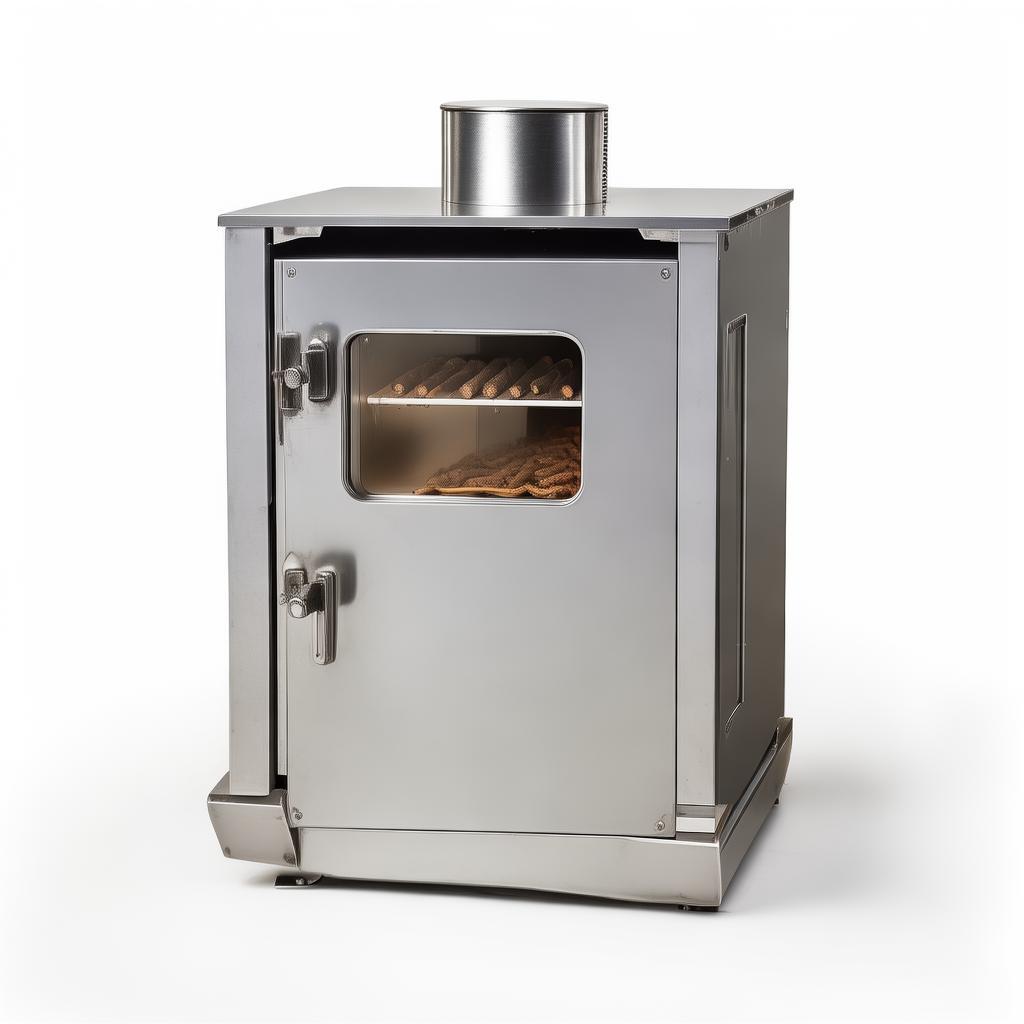
Meat Grinder Big
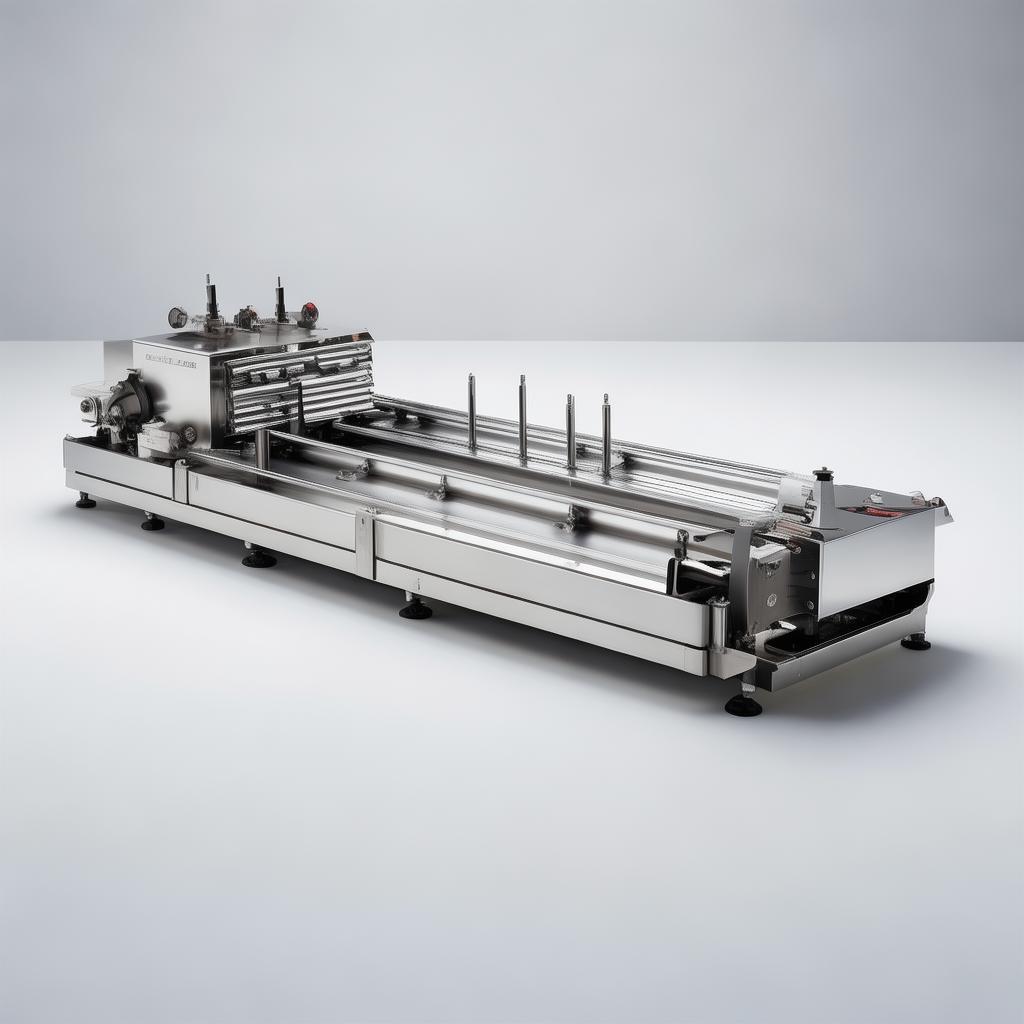
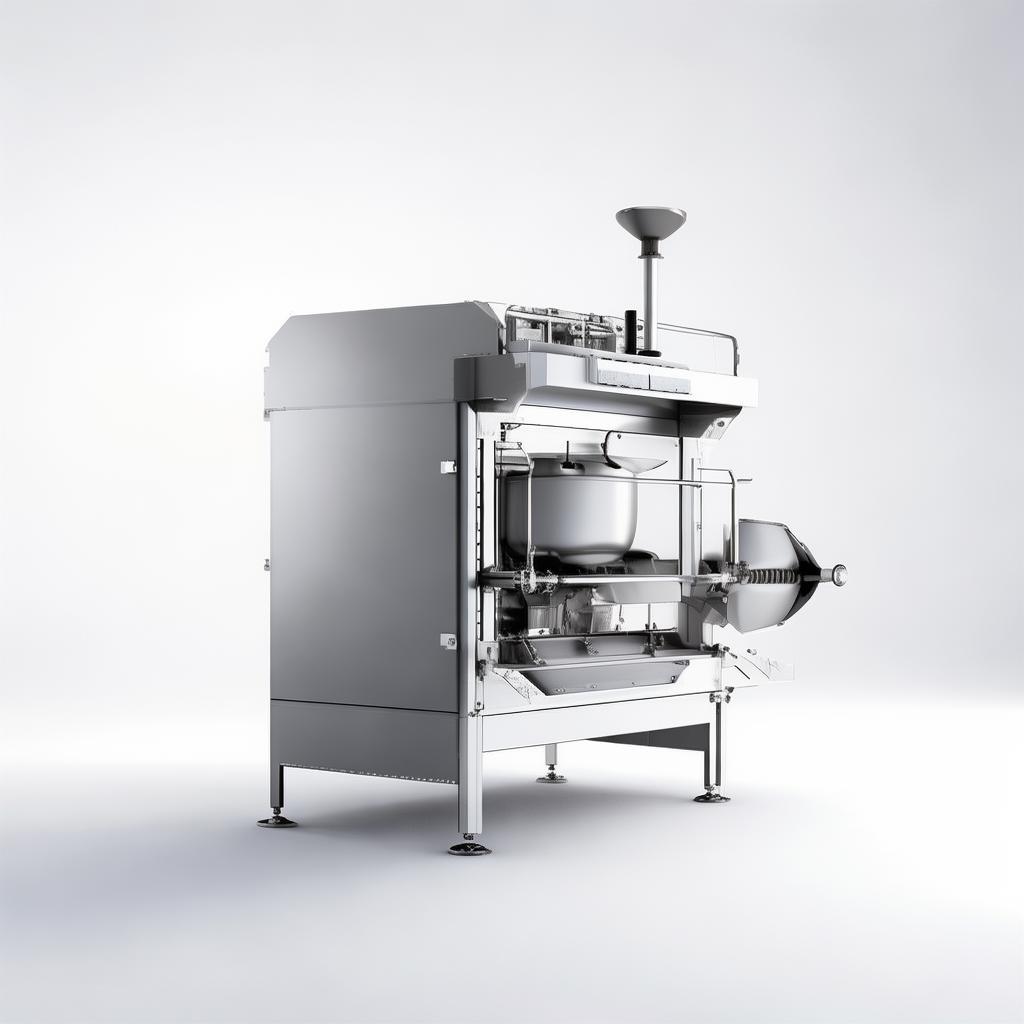
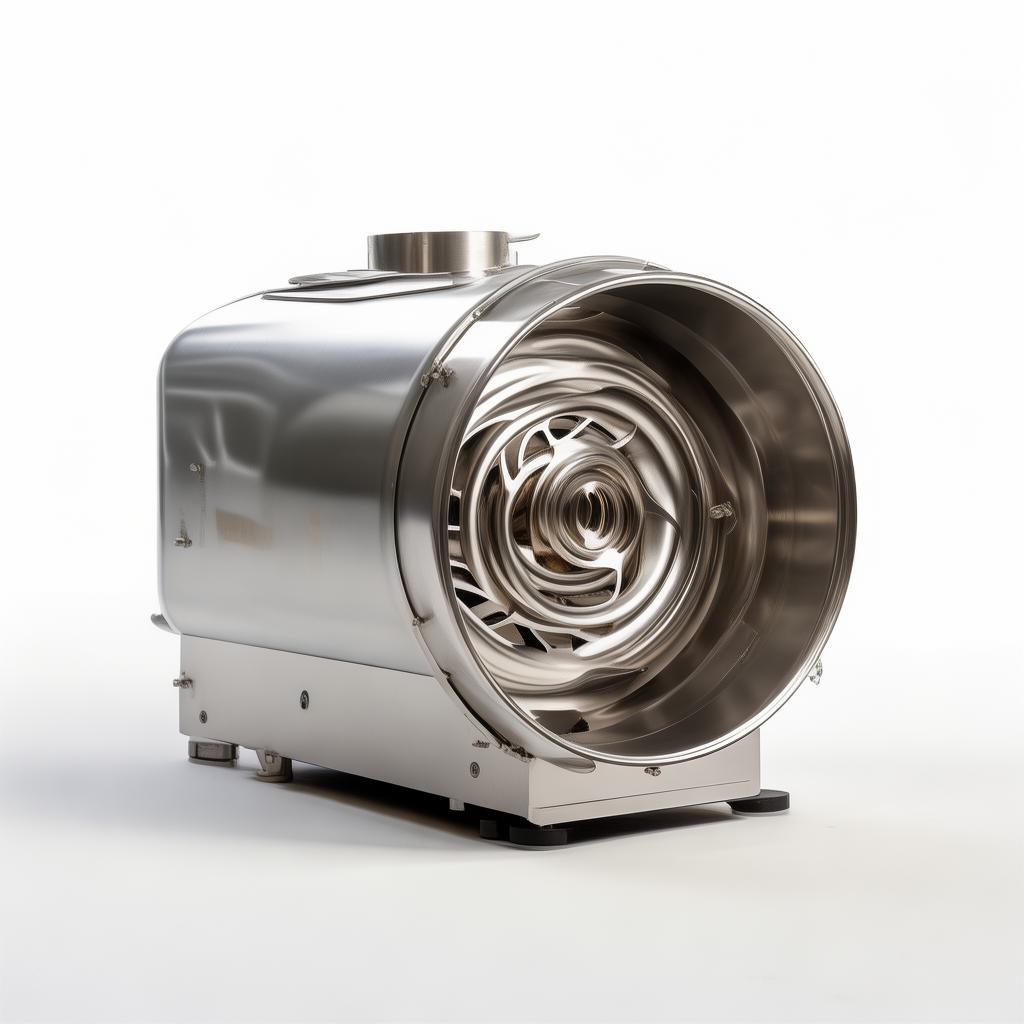
Mastering Large-Scale Meat Grinding: Your Guide to High-Capacity Grinders for Wholesale and Industrial Operations
By Li Wei, Senior Production Engineer

Hebei Yuanchang Food Mechanism & Technology Co., Ltd.
Introduction: Scaling Up Your Meat Processing with the Right Grinding Equipment
When we talk about "meat grinder big," we're not just referring to a larger appliance. We're entering the realm of industrial-scale meat processing, where efficiency, consistency, and sheer throughput are paramount. For businesses in wholesale meat production, food manufacturing, large-scale catering, or even specialized pet food operations, the choice of a heavy-duty meat grinder is a critical decision that impacts everything from product quality to operational costs and your ability to meet market demand. It's about investing in a machine that can handle continuous operation, process substantial volumes of meat without compromising texture or temperature, and integrate seamlessly into a larger production line.
The global meat processing equipment market underscores this need. Reports indicate a consistent growth trajectory, with projections showing the market reaching significant figures like USD 17.39 billion by 2034, driven by the increasing demand for processed meats and the ongoing need for automation and efficiency. Key segments prominently feature grinding machines as essential components for the initial pretreatment of meat products. 【Meat Processing Equipment Market Size, Share & Industry Analysis - https://www.fortunebusinessinsights.com/meat-processing-equipment-market-115455 - The global meat processing equipment market was valued at USD 11.29 billion in 2025 and is projected to reach USD 17.39 billion by 2034 at a CAGR of 5.0%. Key segments include... cutting, grinding, and smoking machines. Growth is driven by rising demand for processed meat, automation adoption for hygiene and labor efficiency, strict food safety standards, and strong expansion in Asia-Pacific.】 This isn't a niche market; it's a fundamental part of the global food supply chain. Therefore, understanding the nuances of large meat grinders is not just about machinery; it's about strategic business investment.
At Hebei Yuanchang, with our 40 years of experience since 1986, we've seen firsthand how the right grinding equipment can transform a processing operation. We've moved beyond the countertop models to design and manufacture robust machines capable of handling tonnes of meat daily. A "big" meat grinder isn't merely about its physical dimensions; it's about its capacity, its motor power, the quality of its components, and its ability to maintain consistent grind sizes and optimal meat temperatures, which is crucial for food safety and product shelf-life. Overheating during grinding can lead to bacterial growth and a degraded final product – something no serious operator can afford. This is why our focus, and indeed the focus of any reputable manufacturer in this space, is on engineered solutions that balance raw power with precision control.
The search for "meat grinder big" often comes from businesses looking to upgrade from smaller, less capable units or those establishing new processing lines. They are likely facing challenges such as insufficient throughput, inconsistent grind particle size, excessive heat generation during operation, difficulties in cleaning and sanitation, or the need for more specialized grinding functions (e.g., fine versus coarse grinds). These are not trivial concerns. A grinder that operates too slowly can create a bottleneck, increasing labor costs and potentially leading to spoilage. Inconsistent grinds can affect the texture and appeal of the final product, whether it's sausages, burgers, or pet food kibble ingredients. Furthermore, the complexity of modern food safety regulations (like HACCP, GMP) demands equipment that is not only powerful but also hygienic and easy to maintain. This is where the engineering prowess and material science behind a truly industrial-grade meat grinder come into play. We must consider everything from stainless steel construction and sealed motor housings to the design of the auger and cutting plates to facilitate thorough cleaning and prevent contamination.
This guide is designed to cut through the noise and provide a clear, operationally focused perspective on selecting and utilizing large meat grinders. We'll delve into the critical factors that differentiate industrial models, explore the benefits of robust construction, discuss technical specifications that truly matter for high-volume processing, and outline why choosing a supplier with deep manufacturing expertise – like ours at Hebei Yuanchang – is essential for long-term success. We understand the procurement decision workflow. It’s not just about specs; it’s about reliability, after-sales support, and total cost of ownership. We aim to equip you with the knowledge to make an informed choice, ensuring your investment in a "big" meat grinder pays dividends in productivity, product quality, and operational peace of mind.
Consider the implications: If you're processing hundreds or thousands of kilograms of meat per shift, a grinder that jams, overheats, or requires lengthy manual disassembly for cleaning simply isn't viable. The total cost of downtime, wasted product, and increased labor can quickly dwarf the initial purchase price. That's why focusing on what truly defines a "big" meat grinder – its engineering, its materials, and its intended operational environment – is crucial. This is the foundation upon which efficient, compliant, and profitable meat processing businesses are built. The demand for processed meats is growing globally, with markets expected to reach well over USD 1 trillion by 2034 【Processed Meat Market Size, Share & Growth Report - https://www.fortunebusinessinsights.com/industry-reports/processed-meat-market-100556 - The global processed meat market is projected to grow from USD 750.58 billion in 2026 to USD 1,253.77 billion by 2034 at a CAGR of 6.62%.】; meeting this demand requires scalable, reliable equipment. The right large meat grinder is the engine of that scalability.
Why "Big" Matters: Beyond Size - Capacity, Power, and Material Integrity
When you're looking for a "meat grinder big," you're usually seeking a few core capabilities that smaller units simply cannot provide. This isn't about bragging rights for sheer size; it's about fundamental operational advantages:
- Increased Throughput: The most obvious benefit. Large grinders are designed for higher volume. We're talking about processing hundreds, even thousands, of pounds or kilograms per hour. This directly translates to faster production cycles and the ability to fulfill larger orders without extending shift times unnecessarily.
- Sustained Performance: Industrial grinders typically feature more powerful motors (often 3-phase for consistent torque) and robust gearboxes. This allows for continuous operation without overheating or significant torque loss, even when processing tougher cuts or frozen meat (within specified limits, of course).
- Consistent Grind Quality: The larger augers and cutting plates are engineered for precision. They maintain optimal meat temperature through efficient processing and are designed to produce uniform particle sizes, which is critical for the texture and appearance of products like sausages, burgers, and pâtés. For instance, a consistent grind ensures even cooking and texture in formed products.
- Durability and Longevity: Built with heavy-duty stainless steel (often 304 or 316 grade), thicker housings, and more robust internal components, these machines are designed to withstand the rigors of daily industrial use. They are investments built to last for years, not months.
The material selection is non-negotiable for industrial food processing. Stainless steel is the standard for a reason: it's non-corrosive, easy to sanitize, and doesn't react with food products, preventing metallic off-flavors. At Hebei Yuanchang, our in-house machining capabilities, including high-precision grinding machines and CNC centers, allow us to produce components with tight tolerances from high-grade stainless steel. This ensures not only the durability of the grinder but also the precision required for consistent grinding and easy, thorough cleaning – a key requirement for meeting food safety standards.
Think about the alternative. A smaller grinder pushed beyond its limits will inevitably lead to problems: motor burnout, frequent jams, inconsistent product, and accelerated wear on blades and plates. This translates to costly repairs, production delays, and potentially rejected batches. Investing in a properly sized "big" grinder upfront is a proactive measure against these operational headaches. The market data supports this strategic necessity: the meat processing equipment market, including grinding systems, is expected to reach over USD 19 billion by 2033 【Meat Processing Equipment Market Size & Forecast 2033 - https://www.skyquestt.com/report/meat-processing-equipment-market - The meat processing equipment market was valued at USD 12.04 billion in 2024 and is poised to reach USD 19.66 billion by 2033 at a CAGR of 5.6%.】. This growth is fueled by the very demands for higher throughput and better quality that large grinders address.
Key Features to Evaluate in a High-Capacity Meat Grinder
Selecting the right industrial meat grinder involves a deep dive into its specifications and features. It’s not a one-size-fits-all scenario, and what's "big" for one operation might be standard for another. Here’s what you should be scrutinizing:
1. Motor Power and Drive System
This is the heart of the machine. Look for horsepower (HP) or kilowatt (kW) ratings. For large grinders, you'll commonly see motors ranging from 3 HP up to 15 HP or more. The type of motor (e.g., continuous-duty, 3-phase) and the gearbox design are critical for sustained, heavy-duty use. A robust drive system ensures the auger turns consistently, even when encountering dense meat or bone fragments (if applicable to your process).
2. Grinding Capacity (Output Rate)
Manufacturers typically provide an estimated output rate, usually in pounds or kilograms per hour. This is a crucial metric for matching the grinder to your production needs. For example, a grinder rated at 500 kg/hour can handle significantly more volume than one rated at 100 kg/hour. Ensure this figure aligns with your projected peak processing demands.
3. Hopper and Chute Size
A larger hopper means less frequent manual loading, which saves labor and maintains a more consistent flow of meat into the grinding chamber. The chute design should facilitate easy loading and minimize meat exposure.
4. Auger and Cutting System Design
Industrial grinders often employ heavy-duty, precision-machined augers made from hardened steel or stainless steel. The cutting plates (dies) and knives are equally important. Look for options with different hole sizes to achieve various grind consistencies, from coarse to fine. The interface between the auger, plate, and knife is critical for a clean cut and to prevent excessive heat generation. 【Advanced Meat Processing Technologies - Industry Reports on tenderizing and filling systems show strong integration with automation for ripening and molding efficiency.】
5. Construction Materials and Hygiene Standards
As mentioned, food-grade stainless steel (304 or higher) is essential for all food-contact surfaces. The machine housing should be robust and designed for easy cleaning, with minimal crevices where bacteria can accumulate. Features like sealed motor compartments and smooth finishes are vital for meeting stringent hygiene standards prevalent in export markets.
6. Safety Features
Industrial machinery requires comprehensive safety measures. This includes emergency stop buttons, guards around moving parts, and interlock systems that prevent operation if guards are not in place. Compliance with relevant safety standards (e.g., CE marking for European markets) is often a prerequisite for international trade.
7. Ease of Maintenance and Cleaning
This cannot be overstated. How easily can the grinding head, auger, knife, and plate be disassembled and reassembled? Are replacement parts readily available? A complex disassembly process leads to longer cleaning times, increased labor costs, and a higher risk of incomplete sanitation. Our traceable after-sales management system and independent production of high-precision parts at Hebei Yuanchang are designed to address these concerns directly.
Technical Specifications: Decoding What Matters for "Meat Grinder Big"
Let's get down to the numbers. For wholesale and industrial applications, these are the specs that truly dictate performance and suitability. When reviewing datasheets, focus on these key indicators:
| Specification | Typical Industrial Range | Importance for Large Operations |
|---|---|---|
| Motor Power | 5.5 kW (7.5 HP) - 11 kW (15 HP) and up | Crucial for sustained high torque, preventing stalls, and processing tougher meats or semi-frozen products. |
| Grinding Capacity | 300 kg/hr - 1000+ kg/hr (e.g., 660 lbs - 2200+ lbs/hr) | Directly impacts production output and ability to meet wholesale demand. Needs to exceed peak requirement to avoid bottlenecks. |
| Grinding Chamber Volume | Large, e.g., 30L, 50L, 70L+ | Accommodates larger batches, reducing the frequency of loading and ensuring a steady meat supply to the auger. |
| Auger Speed (RPM) | Optimized for low-speed, high-torque grinding (e.g., 100-200 RPM) | Low speed minimizes heat buildup, crucial for maintaining meat quality and safety. High torque handles resistance. |
| Material of Construction | Food-grade Stainless Steel (304/316) for all food-contact parts; robust steel for frame/housing. | Essential for hygiene, corrosion resistance, durability, and compliance with food safety regulations, especially for export. |
| Power Supply | 3-Phase, 380V/50Hz/60Hz (typical for industrial settings) | Provides consistent, stable power required for heavy-duty operation. Ensure compatibility with your facility's electrical infrastructure. |
| Dimensions & Weight | Significant; e.g., 1000mm x 800mm x 1200mm, weighing 300kg+ | Indicates substantial build quality and stability. Requires adequate floor space and consideration for placement and movement. |
large meat grinder stainless meat grinder industrial size meat grinder
Beyond these core specs, consider the cutting system options. A standard setup might include a 3-plate system (Enterprise style), but for finer grinds or specific textures, you might need a 5-plate (Hofmann style) or even specialized heads. The precision with which these components are manufactured impacts the final grind quality and the operational efficiency. Our advanced Japanese Mazak CNC machining centers enable us to achieve the high precision required for these critical parts, ensuring consistency and longevity.
When evaluating suppliers, ask for documentation on motor efficiency ratings, gear ratio, and the specific hardness and grade of steel used for cutting plates and knives. These details reveal the manufacturer's commitment to quality and performance beyond superficial claims.
Applications: Where Large Meat Grinders Shine
A "big" meat grinder isn't limited to just grinding raw meat for burgers. Its versatility makes it a cornerstone in various demanding food processing applications:
- Wholesale Meat Packing: Processing large quantities of beef, pork, or poultry for distribution to retailers and foodservice. Grinding is a primary step for creating ground meats, sausages, and processed meat products.
- Sausage and Deli Meat Production: Essential for achieving the correct texture and fat distribution required for various sausage types (e.g., bratwurst, Italian sausage) and processed deli meats. The consistency of the grind directly impacts the emulsification and final product quality. 【Meat Processing Equipment Market Size, Share Report, 2030 - https://www.grandviewresearch.com/industry-analysis/meat-processing-equipment-market - Segments cover tenderizing, filling, grinding, slicing, and massaging equipment essential for pretreatment, molding, and ripening processes. Rising consumption of ready-to-eat meats, automation for labor shortages and hygiene, and infrastructure investments in emerging markets drive demand.】
- Pet Food Manufacturing: Creating nutrient-rich meat bases for dry or wet pet food. Large grinders efficiently process meat and bone mixtures to the required particle size for further processing. The reconstituted meat market, for example, shows rapid growth, driving demand for specialized processing equipment. 【Reconstituted Meat Market - https://www.futuremarketinsights.com/reports/reconstituted-meat-market - The reconstituted meat market grows from USD 6.9 billion in 2025 to USD 36.1 billion by 2035 at a CAGR of 18.0%, relying heavily on molding and pretreatment equipment.】
- Foodservice Operations: Large restaurants, hotel chains, and catering companies that process their own meat in-house benefit from the consistency and cost savings of using a powerful grinder.
- Further Processed Foods: Incorporating ground meat into products like meatloaves, fillings for pies, and other convenience foods.
The choice of grinder can also influence the texture and mouthfeel of the end product. A coarse grind offers a more rustic texture, while a fine grind is essential for smooth, emulsified products like frankfurters or certain pâtés. Industrial grinders with interchangeable plates and knives provide the flexibility to achieve these varied textures consistently.
Installation, Operation, and Maintenance: Practical Considerations for Industrial Grinders
Acquiring a high-capacity meat grinder is just the first step. Proper installation, safe operation, and a diligent maintenance schedule are critical for maximizing its lifespan, ensuring product quality, and maintaining operational safety.
Installation Insights
Industrial grinders are heavy and powerful. Ensure your facility has an appropriate, level, and stable surface to place the machine. Electrical connections must be handled by a qualified electrician to match the grinder's 3-phase power requirements and ensure all safety protocols are met. Adequate ventilation is also a consideration, especially in enclosed processing areas.
Operational Best Practices
Always follow the manufacturer's operating manual. Key points include:
- Pre-chilling Meat: For optimal grinding results and to prevent smearing, meat should be chilled to near freezing (e.g., -2°C to 2°C or 28°F to 35°F).
- Loading Consistency: Feed meat into the hopper at a steady rate. Avoid overloading, which can strain the motor and gearbox.
- Correct Cutting Plates: Use the appropriate plate and knife for the desired grind size. Ensure they are properly aligned and secured.
- Regular Inspections: Before each use, check for any loose parts, damage to the auger or knife, or debris in the grinding chamber.
Maintenance and Cleaning Protocols
This is where proper sanitation and longevity are determined:
- Daily Cleaning: Thoroughly disassemble the grinding head components (auger, knife, plate, feed screw) after each use. Clean all parts with approved food-grade detergents and sanitizers. Ensure all components are completely dry before reassembly or storage to prevent rust.
- Lubrication: Follow the manufacturer's recommendations for lubricating the gearbox and other moving parts. Use only food-grade lubricants.
- Wear Parts: Knives and cutting plates are wear items and will need periodic sharpening or replacement. Monitor their condition to maintain grinding efficiency and prevent damage to the auger. With our CNC capabilities, we can quickly produce high-precision replacement parts.
- Periodic Inspections: Schedule more in-depth inspections of the motor, gearbox, and electrical components by qualified technicians.
Proper cleaning is not just about hygiene; it's about preventing cross-contamination and ensuring the integrity of your product. For export markets, compliance with standards like HACCP and GMP is non-negotiable, and robust cleaning protocols are a fundamental part of these systems. A well-maintained grinder operates more efficiently, consumes less energy, and has a significantly longer operational life.
Choosing Your Supplier: Why Experience and Manufacturing Prowess Matter
When investing in a "meat grinder big," you're not just buying a piece of equipment; you're entering into a partnership with a manufacturer. The reputation, experience, and manufacturing capabilities of your supplier can significantly impact your operational success.
The Hebei Yuanchang Advantage
With over 40 years of experience since 1986, Hebei Yuanchang Food Mechanism & Technology Co., Ltd. brings a depth of practical knowledge and engineering expertise to the table. We operate from a 14,000 square meter facility with a dedicated team of 80-100 employees, integrating R&D, production, and sales. Our strength lies in:
- In-house Machining Capabilities: Our workshop is equipped with over 20 sets of advanced processing machinery, including lathes, milling machines, high-precision grinders, and wire cutting equipment. This allows us to control the entire production process, ensuring the quality and precision of every component.
- High-Precision Component Manufacturing: Since 2012, we've invested in 8 Japanese Mazak CNC machining centers. This capability enables us to produce non-standard, high-volume, and high-precision parts independently. This is crucial for consistent performance and for providing worry-free after-sales service with readily available, high-quality replacement parts.
- Complete Production Lines: We understand how grinding equipment fits into a larger process. Our expertise spans pretreatment, filling, molding, and ripening equipment, allowing us to offer comprehensive solutions.
- Traceable After-Sales Management: Our robust system ensures that support and spare parts are managed efficiently and transparently, minimizing downtime for our clients.
What to Look For in a Supplier
Beyond our specific capabilities, consider these general criteria when selecting a partner:
- Years of Experience: Longevity in the industry often signifies a stable business and a deep understanding of customer needs and product evolution.
- Manufacturing Transparency: Can they provide details about their production facilities, quality control processes, and material sourcing? Do they have in-house engineering and machining?
- After-Sales Support: How responsive are they? Do they offer spare parts readily? What is their warranty policy?
- Certifications and Compliance: Do their products meet international standards (e.g., CE, ISO)? This is vital for import/export.
- Customer Testimonials and Case Studies: Real-world feedback provides valuable insight into product performance and customer satisfaction.
Choosing a reliable supplier reduces your procurement risks and ensures you receive equipment that meets your operational demands reliably. It's an investment in the long-term health and efficiency of your business.
Frequently Asked Questions: Your "Meat Grinder Big" Queries Answered
We understand you might have specific questions. Here are some common ones we address:
Q1: Can your large meat grinders handle semi-frozen meat?
Yes, most of our industrial models are designed with powerful motors and robust gearboxes capable of processing semi-frozen meat (typically down to -2°C to -4°C or 25°F to 28°F). However, it's crucial to ensure the cutting plates and knives are sharp and properly aligned for best results and to avoid excessive strain.
Q2: What is the typical lifespan of an industrial meat grinder?
With proper maintenance, regular cleaning, and use of genuine replacement parts, a high-quality industrial meat grinder can last anywhere from 10 to 20 years or even longer. Our focus on precision manufacturing and durable materials aims to maximize this lifespan for our clients.
Q3: How much space is required for installation and operation?
Industrial grinders are substantial. While exact dimensions vary by model, plan for a footprint of at least 1m x 1m, plus sufficient clearance around the machine for operation, loading, unloading, and cleaning access. Electrical hookups and potential ventilation requirements should also be factored in.
Q4: Can I get custom grinding plates or augers?
Yes, custom specifications are often possible, especially for specialized applications or unique product textures. Our in-house CNC machining allows us to engineer and produce custom components to meet precise client requirements. Let's discuss your specific needs.
Q5: What are the main differences between your grinders and smaller commercial units?
The primary differences lie in motor power, construction materials (heavy-duty stainless steel vs. lighter alloys), component precision, overall durability for continuous operation, throughput capacity, and compliance with industrial hygiene and safety standards. Industrial units are built for sustained, heavy-duty performance.
Q6: How do I handle international shipping and customs?
We have extensive experience exporting our equipment globally. We can assist with packaging for international transit (e.g., crating for container shipping), documentation for customs clearance, and coordinating with freight forwarders. We ensure compliance with all necessary regulations for smooth cross-border commerce.
Client Testimonials: Real-World Performance

David Chen, Operations Manager, Pacific Meats Co.
California, USA
"We upgraded to Yuanchang's heavy-duty grinder last year, and the difference is night and day. Our throughput has increased by nearly 30%, and the consistency of the grind for our sausage production is impeccable. Cleanup is manageable, which is crucial for our HACCP plan. A solid investment."

Maria Rodriguez, Procurement Director, Fiesta Foods
Mexico City, Mexico
"Reliability was our main concern. We needed a grinder that wouldn't fail during peak season. The Yuanchang team was professional, understood our needs for export-grade quality, and delivered a machine that has performed flawlessly. The spare parts availability is also a big plus for us."

Kenji Tanaka, Plant Manager, Kyo Foods Japan
Osaka, Japan
"Japanese standards are high. We were impressed by the precision of the components and the robust build of the Hebei Yuanchang grinder. It integrates well with our automated lines, and the operational noise is acceptable for an industrial unit. We are satisfied with the performance and the support provided."
Ready to Scale Up Your Meat Grinding Operations?
Don't let inadequate equipment bottleneck your production. Invest in a high-capacity meat grinder engineered for performance, durability, and hygiene. Let our 40 years of manufacturing expertise empower your wholesale and industrial processing needs.
Chat with Our Experts