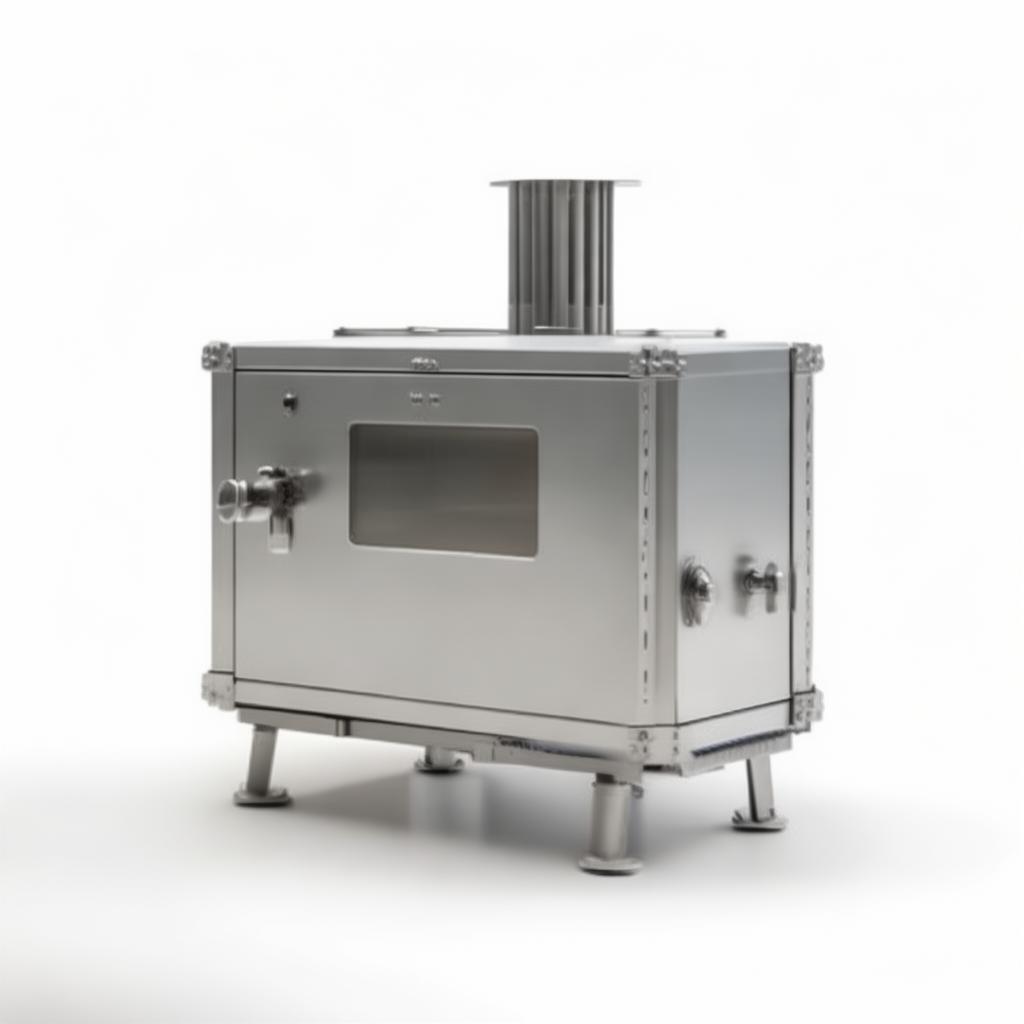
Meat Chopper Electric
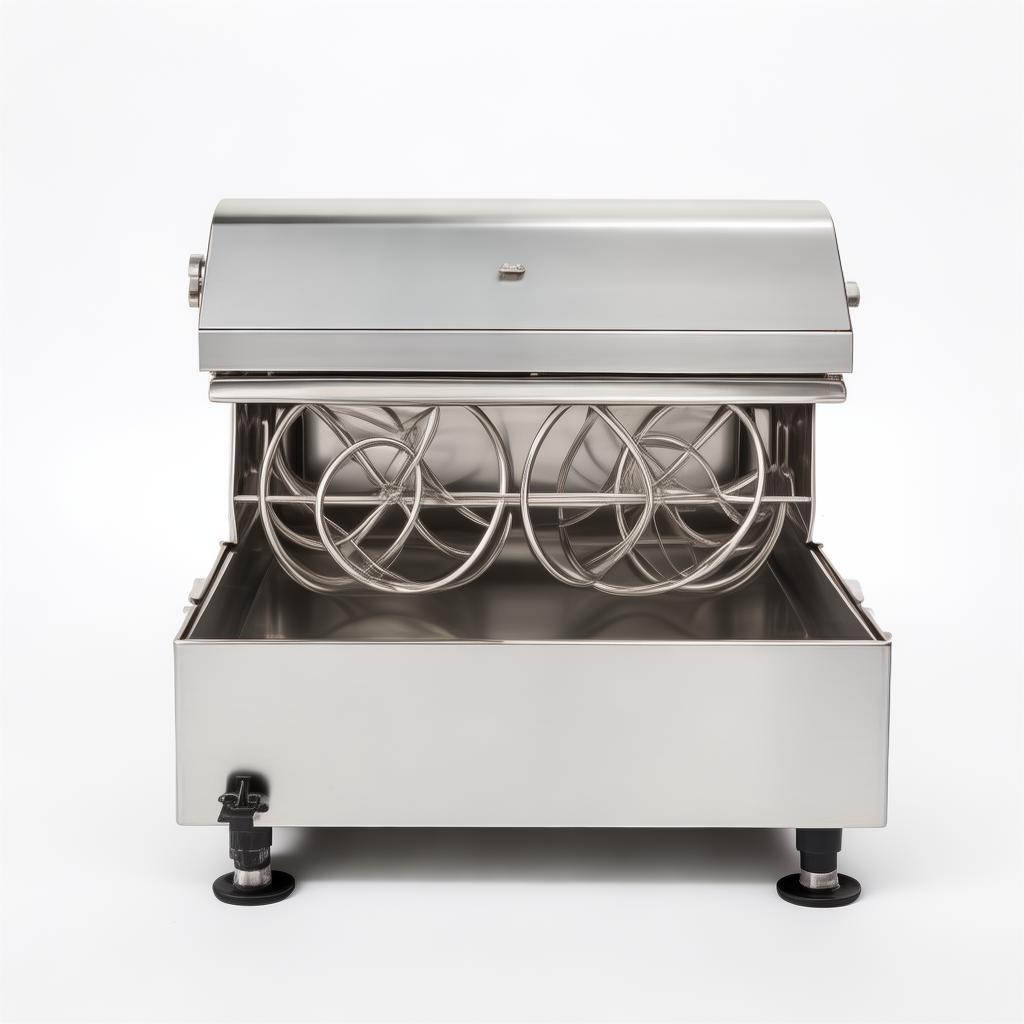
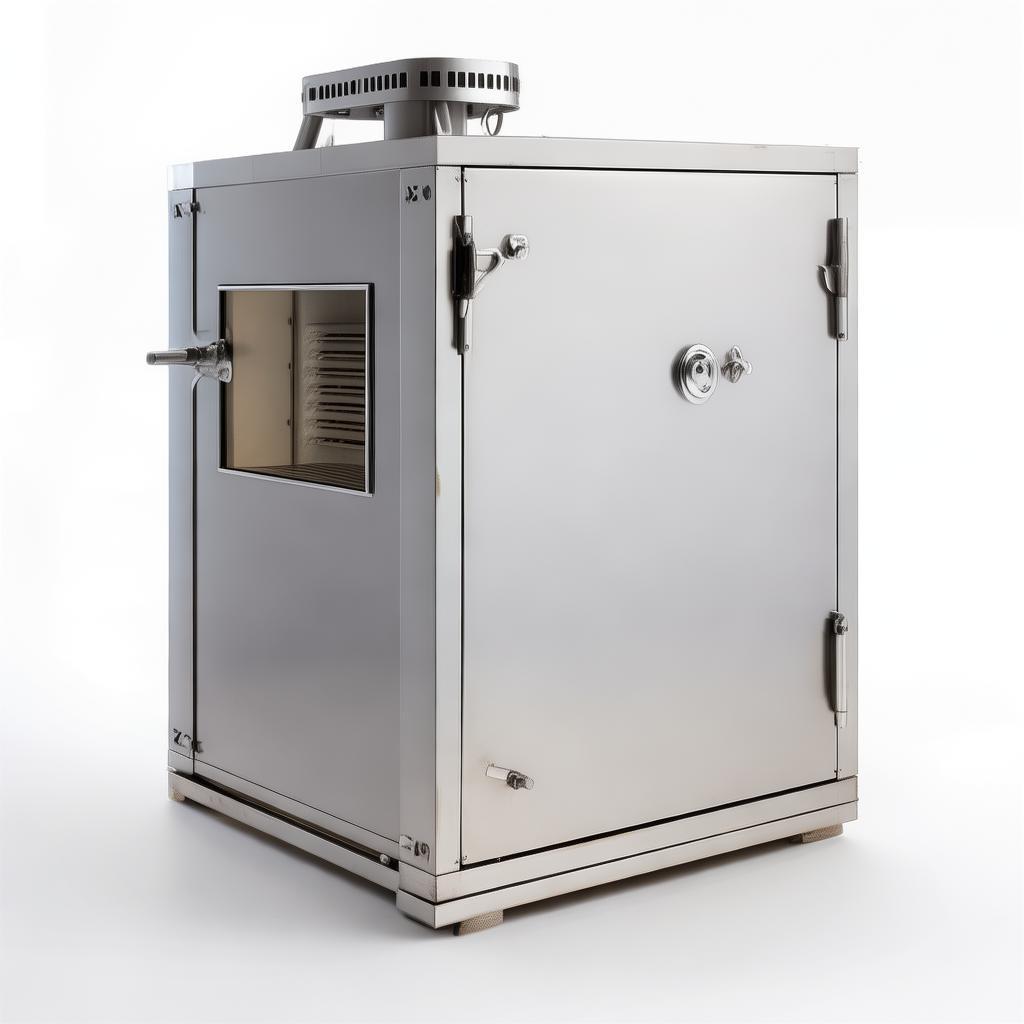
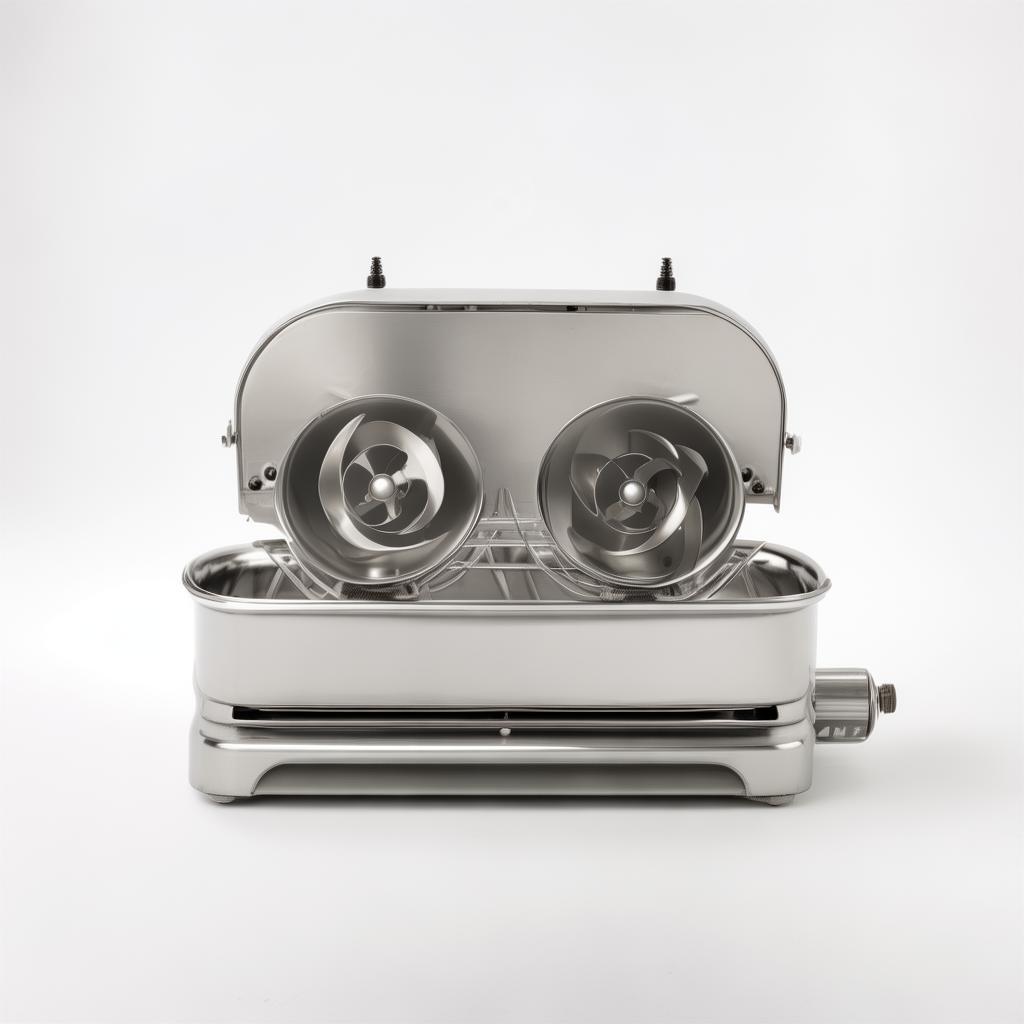
Industrial Meat Chopper Electric: Precision, Power, and Efficiency for Your Processing Line

By: Mr. Jian Li, Export Manager
Hebei Yuanchang Food Mechanism & Technology Co., Ltd.
Updated: October 26, 2023
Selecting the right meat chopper electric is more than just a procurement decision; it's a critical factor in the efficiency, quality, and profitability of your entire meat processing operation. From small-scale butchers to large industrial food manufacturers, the capacity to consistently and safely process meat into desired textures is paramount. This guide delves into what makes an electric meat chopper truly effective in an international B2B context, focusing on the practical considerations that drive investment and operational success.
Understanding the Core Need: Why an Electric Meat Chopper?
In the fast-paced world of meat processing, manual methods simply don't cut it anymore, especially when dealing with substantial volumes or precise texture requirements. An electric meat chopper is engineered to transform raw meat, whether it's beef, pork, poultry, or even specific cuts for pet food, into a finely minced or ground product. This isn't just about reducing size; it's about achieving consistent particle size distribution, which directly impacts the final product's texture, binding properties, and overall appeal. For applications like sausage making, burgers, pâtés, or ready-to-eat meals, the fineness and uniformity of the ground meat are non-negotiable.
The global meat processing equipment market itself is a testament to this growing demand. Reports indicate a market valued in the billions, with significant growth projected over the coming years. For instance, Fortune Business Insights projects the market to reach USD 17.39 billion by 2034. This expansion is fueled by a few key drivers: the increasing global appetite for processed meat products, the necessity for greater automation to ensure hygiene and labor efficiency, and the ever-stricter food safety standards that manufacturers must meet. 【Meat Processing Equipment Market Size, Share & Industry Analysis - https://www.fortunebusinessinsights.com/meat-processing-equipment-market-115455 - Key segments include cutting, grinding, and filling machines. Growth is driven by rising demand for processed meat, automation adoption for hygiene and labor efficiency, strict food safety standards.】 Our experience at Hebei Yuanchang spans decades, and we've seen firsthand how the right machinery, like a robust electric meat chopper, becomes the backbone of a successful processing line.
Consider the implications for a wholesale exporter. Batch consistency is crucial for maintaining client trust and product reputation across borders. An electric chopper ensures that every batch processed meets the same quality standards, minimizing variations that could lead to customer complaints or rejections. It's about delivering predictable quality, a cornerstone of international trade. For OEM/ODM manufacturers, the ability to produce consistently ground meat is fundamental to the integrity of the final product they deliver to their clients.
From a procurement standpoint, investing in an electric meat chopper means looking beyond the initial purchase price. We're talking about total cost of ownership: power consumption, maintenance requirements, spare parts availability, and operational lifespan. A well-built machine, like those we specialize in, offers a lower cost per kilogram of processed meat over its lifetime, factoring in reduced downtime and consistent performance. It's a tangible ROI calculation that resonates with purchasing managers and operations directors.
Operational Insight: "When specifying an electric meat chopper for a new line, always factor in potential future expansion. A slightly oversized unit or one with modular components can save significant upgrade costs down the line."
Furthermore, the term "meat chopper electric" itself covers a range of machinery, from benchtop units suitable for smaller operations to heavy-duty industrial grinders designed for high-volume throughput. Understanding your specific production needs – the type of meat, required particle size, daily/hourly output, and available space – is the first step in narrowing down the options. This isn't a one-size-fits-all category.
Key Features to Consider: Beyond the Basics
When evaluating an electric meat chopper, several features dictate its suitability for industrial use and international export. These aren't just technical specifications; they're operational realities that impact performance, safety, and longevity.
- Motor Power and Type: This is the heart of the chopper. Higher wattage/horsepower translates to greater processing capacity and the ability to handle tougher cuts or frozen meat. Look for industrial-grade motors, often asynchronous, designed for continuous operation without overheating. Our Mazak CNC machining centers allow us to produce high-precision motor components that ensure reliability.
- Blade and Plate Material: Typically, hardened stainless steel is the standard for blades and grinding plates. This material offers excellent durability, corrosion resistance, and ease of cleaning – vital for food safety. The number and size of holes in the grinding plate determine the final particle size. Interchangeable plates offer flexibility.
- Hopper and Chute Design: The capacity of the hopper dictates how much meat can be fed at once. For industrial applications, a larger hopper is essential. The design of the chute and the feeding mechanism should facilitate smooth, consistent flow of meat into the grinding mechanism, minimizing operator intervention and potential jams. Safety guards are paramount here.
- Construction Material: Stainless steel is the industry standard for food processing equipment due to its hygienic properties and resistance to corrosion. A robust, food-grade stainless steel construction ensures durability and compliance with international food safety regulations. We use high-quality stainless steel that withstands rigorous cleaning protocols.
- Ease of Cleaning and Maintenance: This is non-negotiable. Food safety hinges on thorough cleaning. Machines designed for easy disassembly of key components (hopper, auger, blades, plates) significantly reduce cleaning time and the risk of bacterial growth. Traceable after-sales management ensures you get the right spare parts promptly.
- Safety Features: Interlocks that prevent operation when parts are not correctly assembled, emergency stop buttons, and well-designed guards are crucial. Compliance with CE or UL standards, depending on your target market, is often a requirement.
Consider the practicalities of international shipping and logistics. A machine's dimensions, weight, and packaging are critical. We ensure our equipment is robustly packaged for container loading, protecting it from damage during transit to any global destination.
Procurement Alert: "Always ask for a detailed spare parts list and confirm lead times for critical components like blades and plates before committing to a purchase. Unplanned downtime due to unavailable parts can cripple production."
Technical Specifications & Performance Metrics
For the technically minded buyer, specific metrics provide a clear picture of an electric meat chopper's capabilities. These are the figures that often appear on spec sheets and are crucial for plant capacity planning.
| Specification | Typical Range / Example | Importance for B2B Buyers |
|---|---|---|
| Motor Power | 1.5 kW to 11 kW (2 HP to 15 HP) | Determines throughput, ability to grind frozen meat or tougher cuts. Higher power generally means higher capacity. |
| Voltage/Phase | 220V/380V, 50/60Hz, 3-Phase (Common for industrial) | Must match factory electrical infrastructure. Ensure compatibility with target market standards. |
| Throughput (kg/hr) | 50 kg/hr to 1000+ kg/hr | Directly relates to production capacity and line efficiency. Critical for scaling operations. |
| Hopper Capacity | 5 kg to 50+ kg | Affects frequency of loading and continuous operation potential. |
| Grinding Plate Diameter/Holes | 82mm, 98mm, 122mm; 3mm to 12mm holes | Determines the fineness of the grind. Interchangeable plates offer versatility for different product types. |
| Material Construction | Food-grade Stainless Steel (304/316) | Ensures hygiene, durability, and compliance with international food standards. |
| Dimensions (L x W x H) | Varies widely based on model | Important for factory floor planning, shipping container optimization, and import regulations. |
The market for meat processing equipment is robust, with industry analysis consistently showing growth. For example, Grand View Research estimates the global market was valued at USD 11.28 billion in 2024 and is projected to reach USD 15.04 billion by 2030. This signifies ongoing investment and innovation in the sector, underscoring the need for reliable, efficient machinery like industrial meat choppers. 【Meat Processing Equipment Market Size, Share Report, 2030 - https://www.grandviewresearch.com/industry-analysis/meat-processing-equipment-market - Segments cover tenderizing, filling, grinding, slicing, and massaging equipment essential for pretreatment, molding, and ripening processes.】 Our 40 years of experience since 1986 have allowed us to refine our designs based on real-world operational feedback.
When discussing specifications, it's vital to understand what "throughput" actually means in practice. Factors like the initial temperature of the meat, its fat content, and whether it's fresh or slightly frozen will influence actual performance. A machine rated for 500 kg/hr might achieve this with lean, fresh beef but might process closer to 300-400 kg/hr with higher fat content or partially frozen material. This nuance is important for accurate production planning.
Applications: Where Does a Meat Chopper Electric Shine?
The versatility of an electric meat chopper makes it indispensable across various segments of the food industry. Its primary role is breaking down larger meat pieces into smaller, uniform particles, preparing them for further processing or direct sale.
- Sausage Manufacturing: This is perhaps the most common application. Chopped meat forms the base for countless sausage types – fresh, smoked, dry-cured. The fineness of the grind directly affects the texture and mouthfeel of the sausage.
- Burger and Patty Production: For both retail and foodservice, consistent grind size is key to creating uniform burgers that cook evenly and have an appealing texture.
- Processed Meat Products: This includes items like meatloaf, meatballs, and various pre-portioned meat products. The chopper ensures homogeneity, which is vital for binding and cooking.
- Pet Food Manufacturing: High-volume pet food production often relies on finely ground meat as a primary ingredient. Consistent particle size is important for extrusion and pellet formation.
- Retail Butcher Shops: Smaller-scale electric choppers are essential for butchers to offer fresh ground meat to their customers, providing transparency and customization.
- Commercial Kitchens: Restaurants and catering services that prepare a significant volume of meat in-house benefit from the efficiency and consistency of an electric chopper.
The "Fit For Now (2026)" directive emphasizes adaptability and forward-thinking solutions. A well-specified meat chopper electric should not only meet current demands but also be capable of handling evolving product lines and increasing production volumes. Our OEM/ODM capabilities allow us to tailor machines to very specific application needs, integrating them seamlessly into custom processing lines.
Consider the synergy with other processing equipment. A meat chopper is often the first step in a sequence that might include tumblers for marination, fillers for sausage stuffing, or forming machines for patties. The output quality of the chopper directly impacts the performance of subsequent machinery. For example, if the meat isn't ground uniformly, a sausage filler might struggle with inconsistent density, leading to issues in casing fill and link formation.
Technical Note: "For applications requiring very fine grinds, such as certain types of pâté or emulsified sausages, consider choppers with finer grinding plates or those that employ a combination of chopping and emulsifying actions."
Installation, Maintenance, and Operational Longevity
A high-performance electric meat chopper is a significant investment. Ensuring its proper installation, routine maintenance, and operational care is crucial for maximizing its lifespan and minimizing downtime. This is where our 40 years of experience truly come into play, allowing us to offer practical advice.
- Installation: Ensure the unit is placed on a stable, level surface. If it's a floor-standing model, proper electrical connection by a qualified technician is essential, especially for 3-phase power. Check that ventilation is adequate around the motor to prevent overheating. For export models, consider voltage stabilizers if the local grid is unreliable.
- Routine Cleaning: This cannot be stressed enough. After each use, the hopper, auger, cutting knife, and grinding plate must be thoroughly cleaned and sanitized. Use food-grade cleaning agents and ensure all parts are dried completely to prevent rust and bacterial growth. Disassembly for cleaning should be straightforward; if it's a struggle, the design might not be ideal for high-frequency operations.
- Blade and Plate Maintenance: Over time, blades and plates will dull. Regular sharpening or replacement is necessary to maintain cutting efficiency and prevent motor strain. The frequency depends on usage and the types of meat processed. We offer replacement parts that meet the original OEM specifications.
- Lubrication: Some moving parts, like motor bearings or gearboxes, may require periodic lubrication according to the manufacturer's schedule. Use only recommended food-grade lubricants.
- Troubleshooting: Common issues include jamming (often due to overloading or meat temperature), overheating (insufficient ventilation or motor strain), or inconsistent grind (dull blades/plates or worn auger). Understanding these potential problems allows for quicker resolution.
Logistics also play a part here. When you receive your machine, inspect the packaging thoroughly for any signs of damage incurred during transit. We work with reliable freight forwarders to minimize these risks, but a visual check upon arrival is always prudent. 【Meat Processing Equipment Market Size & Forecast 2033 - https://www.skyquestt.com/report/meat-processing-equipment-market - Growth stems from processed meat demand, labor shortages, technological advancements in automation, and hygiene standards. Asia-Pacific leads due to rising meat consumption and industrialization of processing facilities.】 Our commitment extends beyond the sale to ensuring the equipment performs reliably on your factory floor.
Practical Warning: "Never operate an electric meat chopper without meat to 'test' it. The material being processed acts as a lubricant and coolant for the blades and motor. Running empty can cause premature wear or damage."
Choosing a Supplier: Your Partner in Processing
Selecting the right manufacturer and supplier for your electric meat chopper is as important as selecting the machine itself. As Hebei Yuanchang Food Mechanism & Technology Co., Ltd., we pride ourselves on offering more than just equipment; we provide solutions built on decades of practical experience.
- Experience and Track Record: Look for suppliers with a long history in the industry. Our 40 years of operation since 1986 mean we've encountered and solved almost every challenge imaginable in meat processing.
- Manufacturing Capabilities: A supplier with in-house machining capabilities, like our workshop featuring over 20 sets of precision machinery including Japanese Mazak CNC centers, can guarantee higher component quality and faster turnaround for custom parts or repairs. This is essential for OEM/ODM projects.
- Quality Certifications: While not always mandatory, certifications like ISO or CE can indicate a commitment to quality and international standards. We adhere to stringent quality control throughout our manufacturing process.
- After-Sales Support: This is critical for international buyers. A responsive after-sales service, with clear communication channels and a system for managing spare parts, can prevent costly operational disruptions. Our traceable after-sales management system ensures peace of mind.
- Export Experience: Working with a supplier familiar with international shipping regulations, customs procedures, and payment terms (like L/C or T/T) simplifies the procurement process significantly. We have extensive experience exporting to diverse global markets.
The global meat processing equipment market is diverse, with numerous players. However, genuine expertise often comes from manufacturers who are deeply integrated into the production process, understanding the nuances that impact efficiency and product quality. Our company, covering 14,000 square meters with 80-100 employees, is dedicated to the R&D, production, and sales of meat processing equipment. We don't just build machines; we engineer solutions.
Buyer's Tip: "Don't hesitate to ask for references or case studies, especially if you're sourcing for a critical line. Seeing how a supplier's equipment performs in similar operational environments provides invaluable insight."
When evaluating suppliers, consider the total value proposition. This includes not just the machine's price but also its expected lifespan, maintenance costs, energy efficiency, and the quality of support you'll receive. A slightly higher upfront investment in a robust, well-supported machine often yields significant long-term savings.
Hear From Our Clients

Mark T., Procurement Manager
Premium Meats Inc., USA
"We upgraded our grinding line with Hebei Yuanchang's industrial electric chopper. The consistency in particle size is remarkable, which has significantly improved our sausage emulsion stability. Installation was smooth, and their team provided excellent pre-sales technical support, ensuring we got the right model for our 500 kg/hr throughput requirement."
★★★★★
Sophia Chen, Operations Lead
Asia Pacific Food Solutions, Singapore
"Reliability is key for our export business. Hebei Yuanchang's meat chopper electric has been running non-stop with minimal issues. Cleaning is straightforward, which is a huge plus for maintaining our HACCP standards. We also appreciated their responsiveness regarding shipping documentation and customs clearance."
★★★★★
Carlos Rodriguez, Plant Manager
Carnes Selectas, Mexico
"We needed a robust machine for processing various types of meat, including some tougher cuts. This chopper handles it all. The build quality is evident, and the performance has consistently met our production targets. Their team has been very helpful with technical queries post-installation."
★★★★★Frequently Asked Questions (FAQ)
Q: What is the difference between a meat grinder and a meat chopper electric?
While often used interchangeably, a "chopper" or "grinder" typically refers to machines that use a screw (auger) to push meat through a rotating knife and a perforated plate. True industrial choppers (like bowl choppers) might involve rotating blades in a bowl, but in the context of electric meat choppers for bulk processing, the terms generally refer to the same type of equipment designed for grinding meat. Our machines are engineered for efficient grinding.
Q: Can your meat choppers handle frozen meat?
Yes, many of our industrial electric meat choppers are designed to process semi-frozen meat. However, the motor power, blade design, and overall machine robusteness are critical factors. For consistent processing of frozen blocks, a higher horsepower motor and specialized grinding plates are recommended. Always consult the specific model's capabilities.
Q: What are the typical lead times for your industrial meat choppers?
Lead times can vary depending on model availability, customization requests, and current production schedules. Generally, standard models can ship within 2-4 weeks. For custom OEM/ODM orders or specialized configurations, lead times may extend. We provide accurate estimates upon receiving a detailed inquiry.
Q: Do you offer OEM/ODM services for meat choppers?
Absolutely. With our in-house machining capabilities and 40 years of experience, we frequently undertake OEM (Original Equipment Manufacturer) and ODM (Original Design Manufacturer) projects. We can build machines to your exact specifications, integrate your branding, or develop entirely new designs based on your market needs.
Q: What kind of warranty do you provide?
We offer a comprehensive warranty on our industrial meat choppers, covering manufacturing defects and component failures under normal operating conditions. Specific warranty periods and terms are detailed in our product documentation. Our traceable after-sales system ensures efficient warranty claims and support.
Invest in Your Processing Future
Selecting the right electric meat chopper is a strategic decision that impacts your bottom line, product quality, and operational efficiency. At Hebei Yuanchang Food Mechanism & Technology Co., Ltd., we combine 40 years of manufacturing experience with advanced engineering to deliver robust, reliable, and high-performance machinery.
We understand the complexities of international trade, the demands of industrial food processing, and the critical need for dependable equipment. From our extensive in-house machining capabilities to our dedicated after-sales support, we are equipped to be your trusted partner.

Initial Inquiry & Requirements Gathering

Technical Specification & Customization Discussion

Order Confirmation & Logistics Planning
Ready to enhance your meat processing capabilities? Let's discuss your specific needs and find the ideal electric meat chopper solution for your business.