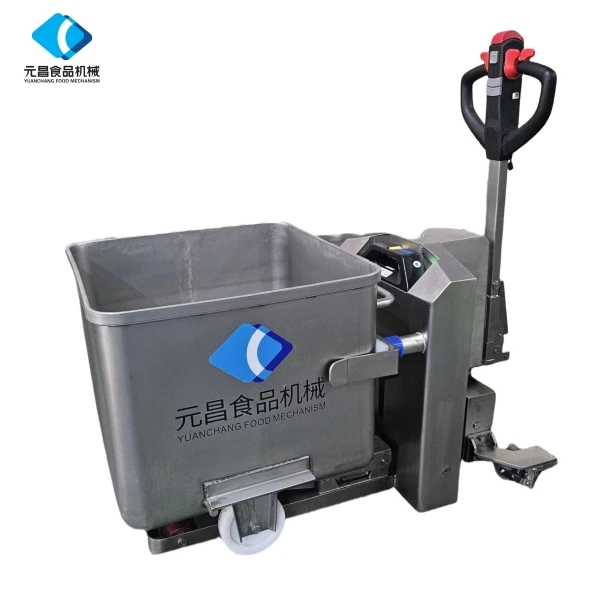
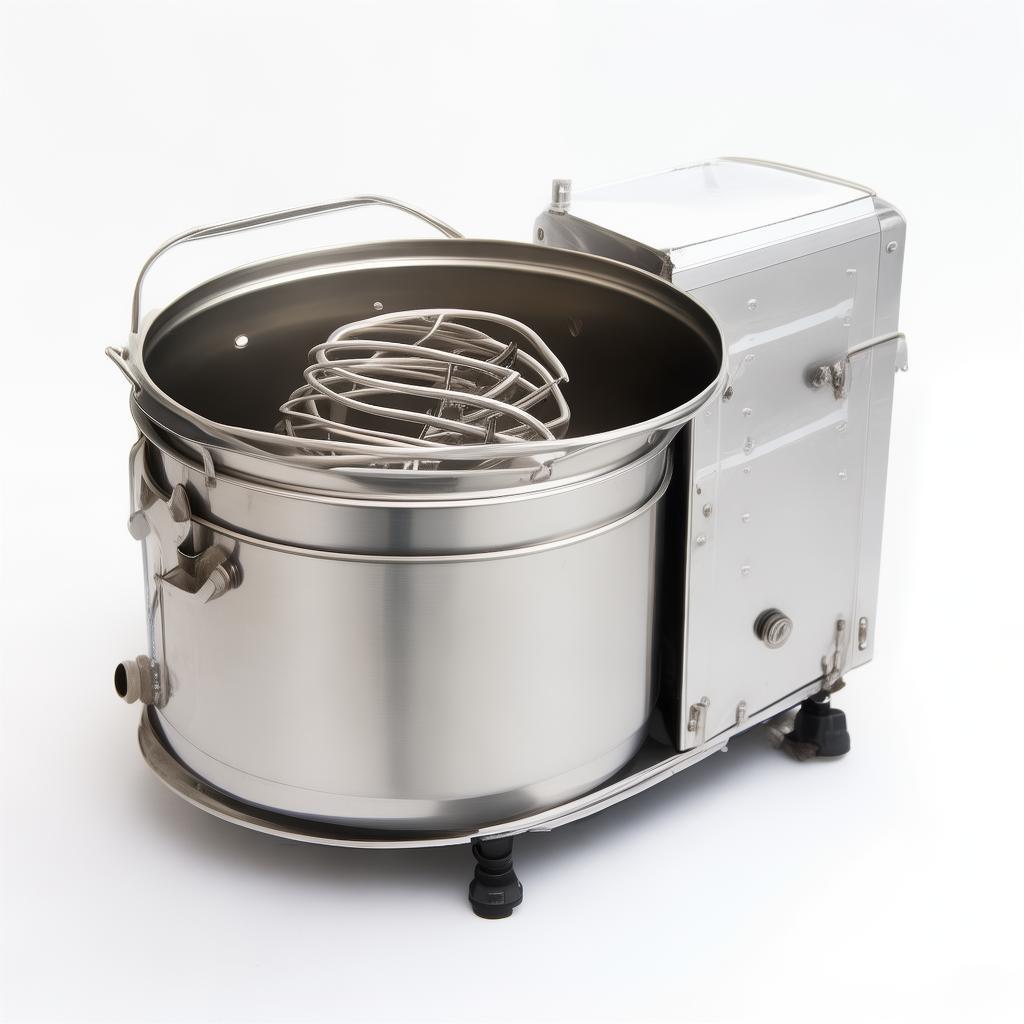
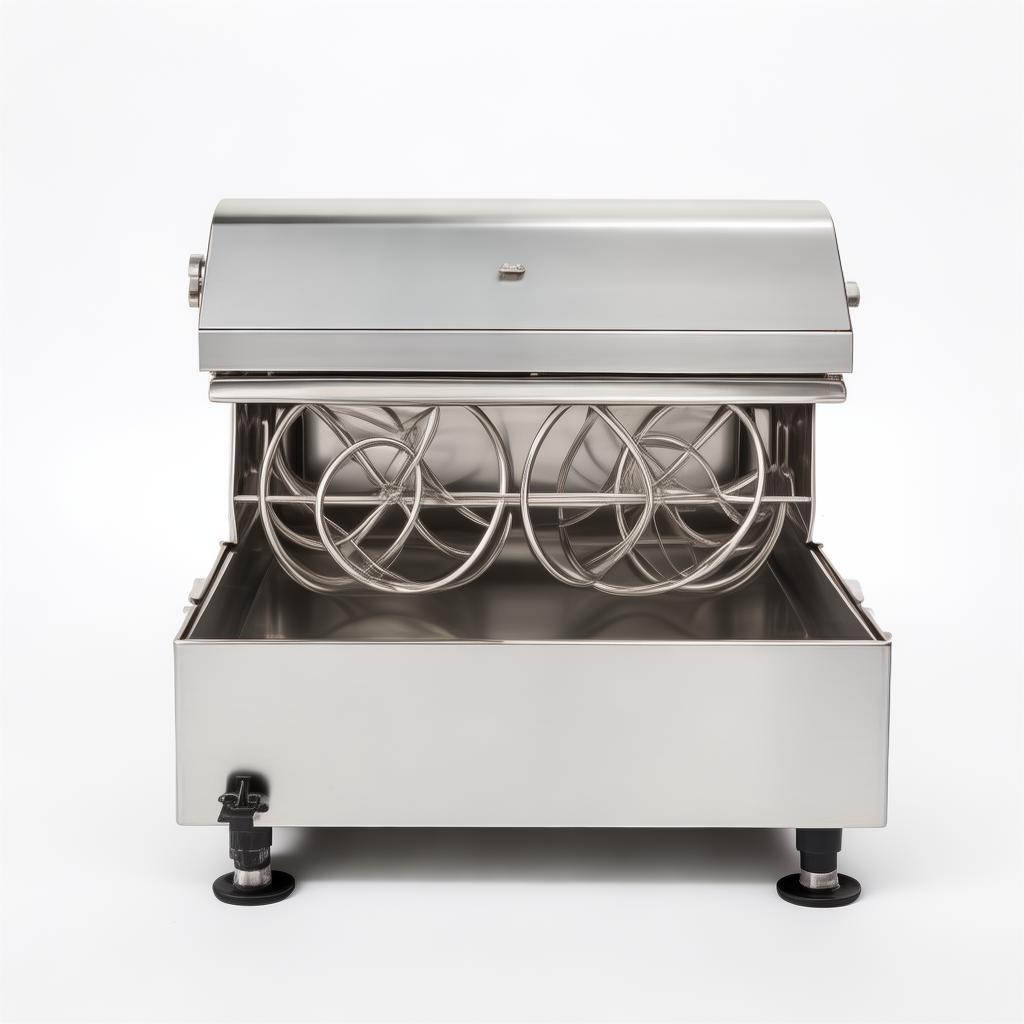
Meat Buggy Elevator For Sale
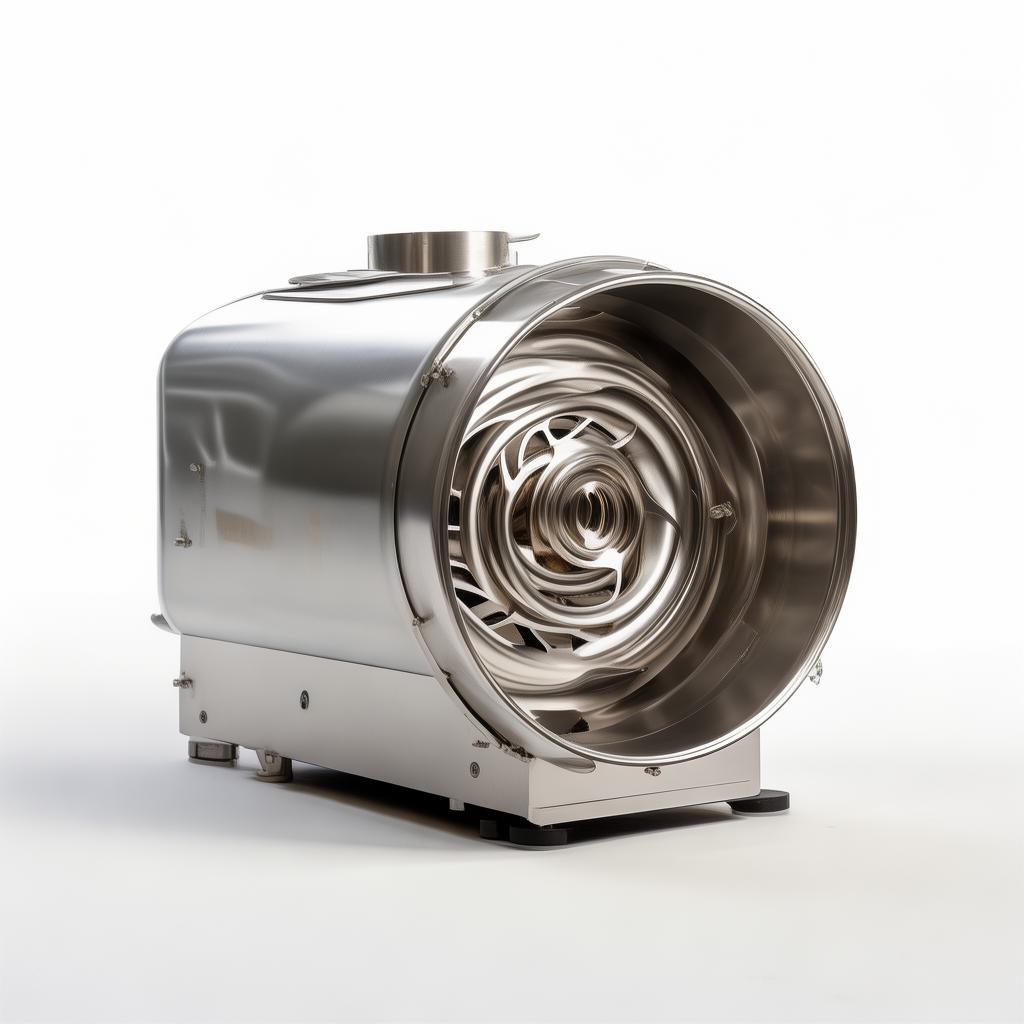
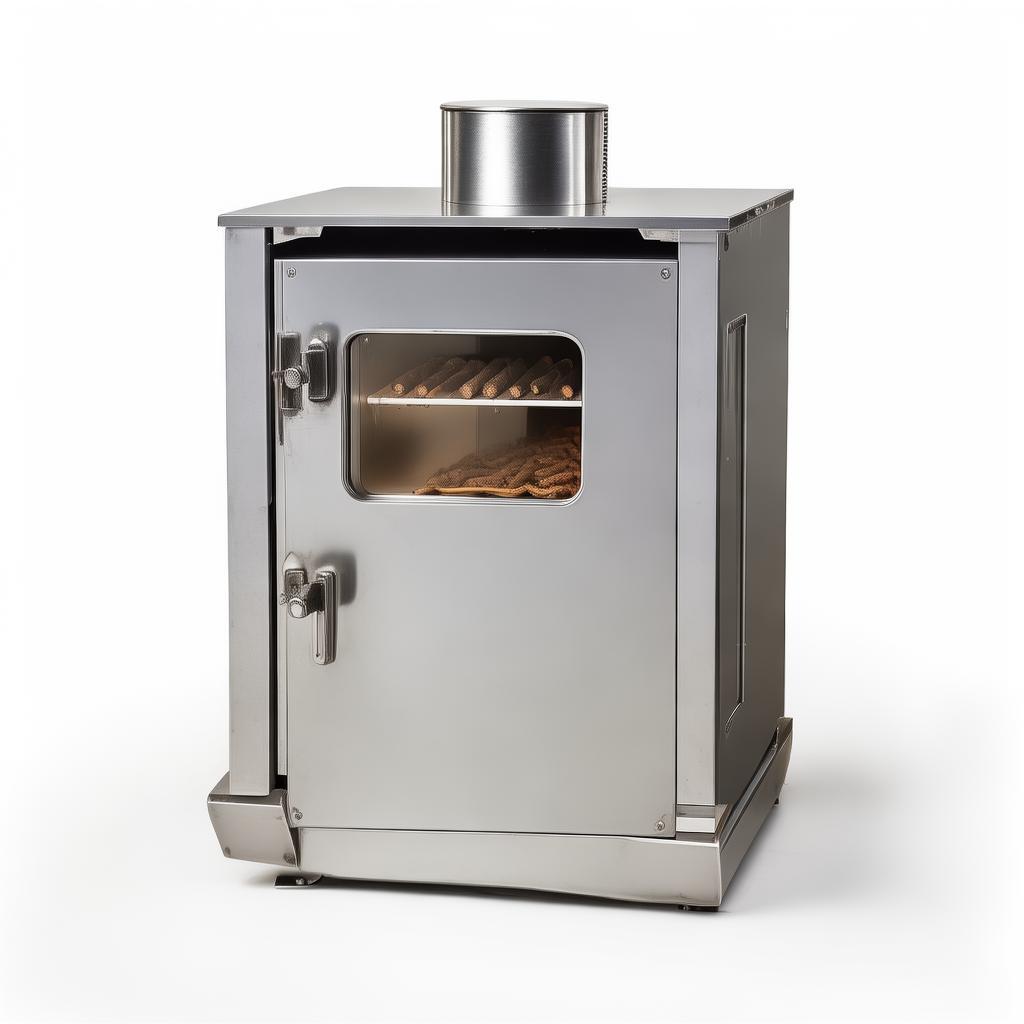
Meat Buggy Elevators for Sale: Optimize Your Processing Workflow with Reliable Lifting Solutions

By Hebei Yuanchang Food Mechanism & Technology Co., Ltd.
Expert in Industrial Food Processing Equipment | 40 Years of Manufacturing Experience
Introduction: Elevating Meat Handling Efficiency
In the demanding environment of meat processing, efficiency, hygiene, and operator safety are paramount. Every step in the production chain, from raw material intake to final packaging, requires robust, reliable equipment. Transporting heavy meat buggies – those ubiquitous stainless steel or polymer containers filled with product – between different processing stations can be a significant bottleneck. Manual lifting is labor-intensive, poses a substantial risk of ergonomic injury, and can slow down your entire operation. This is where a meat buggy elevator for sale becomes an indispensable asset, offering a practical, safe, and efficient solution.
Consider the sheer volume of product moved daily in a medium to large-scale butchery or meat packing facility. Buggies, often weighing hundreds of kilograms when full, need to be moved to mixers, tumblers, filling machines, or even loading docks. Traditional methods often involve forklifts, manual tugs, or simply brute force, all of which carry inherent risks and inefficiencies. Our meat buggy elevators are designed to mechanize this crucial transfer process, lifting and positioning buggies precisely where needed with minimal operator effort. This not only speeds up your throughput but also significantly reduces the physical strain on your workforce, contributing to a safer and more productive workplace.
The global meat processing equipment market is substantial, projected to reach figures like USD 17.39 billion by 2034, with key segments including filling, massaging, and auxiliary items essential for ripening and consistent product quality. (Source: Fortune Business Insights). Within this ecosystem, efficient material handling is not just a convenience; it's a critical component of operational success. Automation and mechanization in meat processing are driven by rising demand for processed meats, the need for enhanced hygiene, and the imperative to improve labor efficiency. A meat buggy elevator directly addresses these drivers, providing a tangible improvement in workflow. Our 40 years of experience since 1986 at Hebei Yuanchang Food Mechanism & Technology Co., Ltd. have shown us that investing in the right auxiliary equipment can have a ripple effect, optimizing upstream and downstream processes. We understand that sourcing reliable, durable equipment from a manufacturer with proven export experience is crucial for international buyers.
This solution isn't just about lifting; it's about integrating seamlessly into your existing production lines. Whether you're dealing with beef, pork, poultry, or even specialized products, the challenge of moving heavy buggies remains. Our meat buggy elevators are engineered with the harsh realities of food processing in mind: washdown capabilities, robust construction to withstand corrosive environments, and intuitive operation that requires minimal training. We aim to provide not just a product, but a genuine operational enhancement that directly impacts your bottom line. Let’s explore how this specific piece of equipment can transform your operations.
Key Takeaway: A meat buggy elevator is a strategic investment for any meat processing operation looking to enhance workflow, improve operator safety, and boost overall productivity by mechanizing the critical task of moving heavy product buggies.
Addressing Common Challenges in Meat Transport
Procurement managers and operations directors face a daily barrage of challenges, and inefficient material handling is a persistent offender. When it comes to moving full meat buggies, the problems often manifest in several key areas:
- Ergonomic Risks & Worker Safety: Manual lifting and maneuvering of heavy buggies are primary causes of back injuries, strains, and other musculoskeletal disorders (MSDs). This leads to increased worker's compensation claims, lost workdays, and a demotivated workforce. The risks are amplified in high-speed, high-volume environments.
- Reduced Throughput & Bottlenecks: The sheer weight and awkwardness of buggies can create significant delays. If buggies aren't moved quickly and efficiently to the next processing stage (e.g., mixers, fillers, smoking ovens), the entire line can grind to a halt. This directly impacts your production capacity and ability to meet demand.
- Hygiene Concerns: Manual handling increases the potential for contamination. Operators' hands and clothing can come into contact with the product or the buggy surface, introducing pathogens. Furthermore, equipment designed for manual maneuvering might have hard-to-clean crevices where bacteria can harbor.
- Equipment Damage: Rough handling, collisions with machinery or walls, and improper lifting techniques can damage both the buggies themselves and the surrounding facility infrastructure. Repeated damage to buggies is a recurring cost.
- Operational Inflexibility: Relying on manual labor or bulky, dedicated transport systems can limit the flexibility of your plant layout and workflow. Reconfiguring lines becomes more complex when manual lifting is a primary method of transport.
The global meat processing equipment market is experiencing robust growth, with segments like tenderizing, filling, and massaging equipment being critical for pretreatment, molding, and ripening processes. (Source: Grand View Research). However, even with advanced primary processing machinery, inefficient auxiliary transport can negate these advancements. The market is projected to reach USD 15.04 billion by 2030, underscoring the importance of optimizing every facet of the production line.
Industry Insight: Many facilities overlook the impact of material handling on overall efficiency. Investing in solutions like automated buggy elevators directly tackles these overlooked bottlenecks, leading to smoother operations and a safer environment.
Meat Buggy Elevators: The Solution You Need
A meat buggy elevator, often referred to as a meat tote lift or a buggy tipper/lifter, is a purpose-built machine designed to mechanically lift, tilt, and discharge the contents of standard meat buggies. These units are engineered to integrate seamlessly with your production flow, drastically reducing manual labor and associated risks.
At its core, the system consists of a robust frame, a lifting mechanism (hydraulic or electric), a secure cradle for the buggy, and controls for operation. The operator positions the empty or full buggy into the elevator's cradle. With simple push-button commands, the elevator raises the buggy to the required height, then precisely tilts it to pour its contents into a downstream vessel, such as a mixer, stuffer, or conveyor. This controlled discharge prevents spills, reduces splashing, and ensures accurate product transfer. Once emptied, the elevator can often return the buggy to ground level for easy removal.
The benefits are immediately apparent:
- Enhanced Safety: Eliminates manual lifting, virtually removing the risk of MSDs and workplace accidents related to buggy handling. Safety interlocks and guards are standard features.
- Increased Efficiency: Speeds up the process of emptying and preparing buggies. Operators can manage multiple elevators or other tasks while the lifting cycle is in progress. Reduced downtime means higher output.
- Improved Hygiene: Minimizes direct contact with product and reduces the potential for contamination. Many models are designed for easy washdown, complying with stringent food safety regulations.
- Reduced Product Damage: Controlled tilting ensures smooth, even discharge, preventing product damage that can occur with rough manual emptying.
- Versatile Integration: Can be positioned at strategic points in your processing line – near mixers, tumblers, filling machines, or discharge chutes.
The meat processing equipment market is expected to reach USD 19.66 billion by 2033 at a CAGR of 5.6% (Source: Skyquestt). This growth is fueled by demand for processed meats and advancements in automation. Our meat buggy elevators are a prime example of such advancements, providing a practical solution for a critical, often overlooked, material handling challenge.
Operational Advantage: By automating the buggy lifting and tipping process, you free up valuable operator time and significantly reduce the physical demands on your team, leading to a more efficient and sustainable operation.
Key Technical Specifications to Consider
When evaluating meat buggy elevators for sale, understanding the technical specifications is crucial to ensure the unit meets your specific operational needs and integrates smoothly into your facility. Here are the key parameters:
| Specification | Typical Range/Description | Considerations for Your Operation |
|---|---|---|
| Lifting Capacity | e.g., 300 kg to 700 kg (660 lbs to 1540 lbs) | Assess the maximum weight of your full buggies. Always select a capacity with a safety margin. |
| Lifting Height | e.g., 1.5m to 2.5m (5 ft to 8 ft) | Determine the required discharge height for your mixers, hoppers, or conveyors. Measure your equipment. |
| Tipping Angle | e.g., 0° to 150° (or full discharge) | Ensure the angle allows for complete and efficient discharge of all product, including sticky or viscous materials. |
| Power Source | Hydraulic, Electric (e.g., 220V/380V, 50/60Hz) | Verify compatibility with your plant's electrical supply. Hydraulic systems often offer more power but require more maintenance. |
| Material Construction | Food-grade Stainless Steel (e.g., SS304, SS316) | Essential for hygiene, corrosion resistance, and longevity in wet, demanding environments. SS316 offers superior corrosion resistance. |
| Control System | Push-button controls, optional Programmable Logic Controller (PLC) | Simple controls for basic operations, or advanced integration with automation systems for complex workflows. |
| Dimensions & Footprint | Varies based on model and capacity | Measure your available space to ensure a proper fit. Consider access for maintenance and buggy loading/unloading. |
| Safety Features | Emergency stop, safety guards, interlocks, overload protection | Critical for operator safety. Ensure all necessary safety certifications and features are present. |
commercial meat buggy elevator industrial meat buggy elevator meat buggy for sale
Globally, the meat processing equipment market is expected to reach USD 18.3 billion by 2034 (Source: IMARC Group). Within this, specialized equipment like buggy elevators plays a vital role in operational efficiency, especially as demand for processed, convenience, and ready-to-eat meats continues to rise.
Technical Tip: Don't underestimate the importance of material choice. Food-grade stainless steel, especially SS316, is non-negotiable for durability and compliance in washdown environments, significantly reducing long-term maintenance costs.
Versatile Applications Across the Industry
The utility of a meat buggy elevator extends far beyond a single application. Its ability to safely and efficiently lift and discharge heavy loads makes it invaluable in various stages of meat and poultry processing:
- Sausage & Charcuterie Production: Transferring meat blocks from buggies into mixers or grinders. This is a primary use case, especially for high-volume sausage manufacturers.
- Tumbling & Marinating: Discharging marinated or pre-processed meat from buggies into tumblers or massage machines for further ripening and tenderization.
- Forming & Portioning: Feeding meat mixtures from buggies into forming machines or extruders for products like burgers, nuggets, or deli slices.
- Ready-to-Eat Meal Preparation: Moving ingredients from storage buggies to preparation vessels for pre-cooked meals, stews, or convenience food items.
- Offal & By-Product Handling: Efficiently discharging various meat by-products for further processing or disposal.
- Receiving & Raw Material Intake: Lifting incoming raw material buggies to inspection tables or directly to pre-processing areas.
- Washing & Sanitation: Facilitating easy discharge of wash water or cleaning solutions from buggies after they've been processed.
The demand for processed meat products, driving significant growth in the overall meat processing equipment market (projected to reach USD 19.11 billion by 2035, according to Precedence Research), directly fuels the need for efficient auxiliary systems like these elevators. Whether dealing with beef, pork, lamb, or poultry, the principle of moving heavy loads safely remains consistent.
Application Spotlight: For operations focused on ripening and tenderizing, a meat buggy elevator that can precisely tip into a tumbler significantly reduces the manual effort required to load these often-continuous process machines.
Materials and Construction: Built for the Demands of Meat Processing
In the food processing industry, equipment material selection is not just about aesthetics; it's fundamentally about hygiene, durability, and compliance. For meat buggy elevators, this means robust construction using materials that can withstand harsh operational conditions and frequent cleaning cycles. We spec our machines with:
- Food-Grade Stainless Steel (SS304/SS316): This is the industry standard. SS304 offers excellent corrosion resistance and is easy to sanitize. For more aggressive environments, particularly those involving high salinity or acidic marinades, SS316 provides superior protection against pitting and crevice corrosion. All our elevator frames, cradles, and contact surfaces are fabricated from high-quality stainless steel.
- Heavy-Duty Hydraulic/Electric Systems: The lifting mechanism is designed for reliability and power. Hydraulic systems provide robust lifting force, while electric actuators offer precision and lower maintenance. We ensure all components are rated for the demands of continuous operation.
- Sealed Bearings and Components: To protect against moisture, dust, and product residue, critical moving parts are either sealed or designed with washdown capabilities in mind.
- Robust Welds and Finishes: All welds are smooth and meticulously finished to prevent food particle accumulation and facilitate cleaning. A polished or brushed finish further enhances hygiene and aesthetics.
- Durable Control Panels: Sealed, IP-rated control boxes and buttons are used to prevent ingress of water and contaminants during washdown procedures.
The durability of equipment is a significant factor in the total cost of ownership. Investing in a unit built with premium materials like stainless steel from the outset minimizes unexpected repair costs and downtime. As the meat processing equipment market grows (expected CAGR of 5% to 7% across various reports), the emphasis on equipment longevity and hygienic design becomes even more critical for processors seeking competitive advantages.
Material Choice Matters: Using food-grade stainless steel not only ensures compliance with health regulations but also drastically extends the lifespan of the equipment, reducing the frequency of replacement and the associated capital expenditure.
Installation and Maintenance: Practical Considerations
A common oversight in equipment procurement is underestimating the installation and ongoing maintenance requirements. For a meat buggy elevator, these aspects are generally straightforward but require attention for optimal performance and longevity.
Installation:
Most of our meat buggy elevators are designed for plug-and-play installation. This typically involves:
- Placement: Identifying a stable, level floor space with adequate clearance for buggy loading/unloading and machine operation. Consider proximity to the upstream and downstream equipment.
- Electrical Connection: Connecting the unit to your plant's power supply, ensuring it matches the specified voltage and phase. This is often a job for a qualified electrician.
- Optional Anchoring: While many units are free-standing, anchoring to the floor might be recommended or required in certain high-traffic areas or for specific safety standards.
- Testing: Running through a few empty cycles to ensure smooth operation and familiarizing operators with the controls.
We provide comprehensive installation manuals and can offer technical support to guide your team or third-party installers.
Maintenance:
Regular maintenance is key to preventing breakdowns and ensuring the equipment operates hygienically. Key maintenance tasks include:
- Daily Cleaning: Thoroughly wash and sanitize the elevator, especially the buggy cradle and discharge area, following your plant's sanitation protocols. Use food-grade cleaning agents and pressure washers where appropriate.
- Weekly Inspection: Check for any visible damage, loose fittings, or signs of wear. Inspect hydraulic fluid levels if applicable.
- Monthly Lubrication: Lubricate specified moving parts (e.g., pivot points, guide rails) with food-grade lubricants.
- Annual Servicing: A more in-depth inspection of hydraulic systems, electrical components, and safety interlocks by a qualified technician is recommended.
Proper maintenance not only extends the life of the equipment but also ensures it meets food safety standards, a critical consideration in a market driven by stringent regulations and consumer trust.
Procurement Note: Factor in the availability of spare parts and local service support when selecting a supplier. Our traceable after-sales management system and in-house part production capabilities ensure you receive prompt support.
Global Logistics and Shipping Expertise
For international buyers, the logistics of shipping industrial equipment can be complex and daunting. At Hebei Yuanchang, we have extensive experience exporting our meat processing machinery worldwide, ensuring your meat buggy elevator arrives safely and efficiently.
Our process includes:
- Secure Packaging: Equipment is robustly packaged for international transit, typically using sturdy wooden crates or frames, often with internal protective wrapping to guard against moisture and impact. This is crucial for preventing damage during long-haul shipping and multiple handling stages.
- Container Optimization: We carefully plan container loading to maximize space utilization, reducing shipping costs for our clients. Our 14,000 sq meter facility allows us to manage production and staging efficiently.
- Documentation: We handle all necessary export documentation, including commercial invoices, packing lists, certificates of origin, and bills of lading, ensuring smooth customs clearance at your destination.
- Shipping Options: We work with reliable freight forwarders to offer various shipping options, including sea freight (LCL and FCL) and air freight, depending on your urgency and budget.
- Incoterms: We are proficient in various Incoterms (e.g., FOB, CIF, DDP) to suit your procurement preferences and risk management strategies.
With the global meat processing equipment market experiencing steady growth, international trade is essential. For instance, market reports consistently highlight Asia-Pacific as a leading region due to rising meat consumption and industrialization of processing facilities. Our ability to navigate international shipping complexities ensures you receive your vital equipment without undue hassle.
Shipping Advice: Always factor in lead times for production, shipping, and customs clearance when planning your equipment purchase. Proactive planning avoids production disruptions.
Procurement Guidance: Making the Right Choice
Sourcing industrial equipment like a meat buggy elevator involves more than just comparing prices. A strategic procurement process ensures you acquire a solution that offers long-term value and operational benefit. Here’s what to look for:
- Supplier Reputation & Experience: Look for manufacturers with a long history in food processing equipment. Companies with decades of experience (like our 40 years since 1986) have honed their designs and understand the industry's nuances. Check for export experience and certifications.
- Material Quality: As discussed, specify food-grade stainless steel (SS304 minimum, SS316 preferred). This is non-negotiable for hygiene and longevity.
- Technical Specifications Match: Ensure the unit's capacity, lift height, and tipping angle precisely match your operational requirements. Over-specifying can increase cost unnecessarily; under-specifying leads to operational failure.
- Safety Features: Verify the presence and compliance of safety mechanisms. This is critical for operator protection and regulatory adherence.
- After-Sales Support: Inquire about warranty, spare parts availability, and technical assistance. A supplier who can provide readily available parts and support significantly reduces downtime risks. Our in-house machining capabilities and traceable after-sales system are designed for this.
- Customization Options (OEM/ODM): If your facility has unique requirements (e.g., specific dimensions, control integration), assess the supplier's OEM/ODM capabilities. We can tailor solutions to meet non-standard specifications.
- Compliance & Certifications: Look for equipment that meets relevant industry standards (e.g., CE marking for European markets, UL for electrical safety).
Navigating the global market requires due diligence. The meat processing equipment market is robust, with diverse suppliers. Focusing on these key procurement criteria will help you select a reliable partner and a durable piece of equipment.
Buyer's Checklist: Always request detailed technical drawings and component specifications before finalizing a purchase. This ensures clarity and avoids misunderstandings.
Our Manufacturing Strength: Decades of Experience
At Hebei Yuanchang Food Mechanism & Technology Co., Ltd., our 40-year legacy since 1986 is built on a foundation of deep manufacturing expertise. We are not just assemblers; we are creators of robust, reliable food processing machinery.
Our 14,000-square-meter facility houses a dedicated team of 80-100 skilled professionals. This allows us to integrate research and development, precise production, and efficient sales under one roof. Our in-house machining workshop is equipped with over 20 advanced processing machines, including:
- Lathes and Milling Machines
- High-Precision Grinding Machines
- Boring Machines
- Plate Shears and Bending Machines
- Wire Cutting Equipment
Crucially, in 2012, we invested in 8 Japanese Mazak CNC machining centers. This significant upgrade allows us to produce high-standard, complex components requiring large volumes, exceptional precision, and non-standard specifications. This capability means we have unparalleled control over the quality and availability of critical parts for our meat buggy elevators and other equipment. It underpins our ability to offer worry-free after-sales service because we can independently manufacture precision parts.
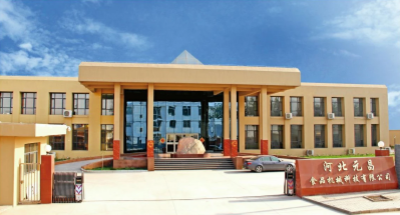
Our expertise spans the entire meat processing chain, from pretreatment and filling/molding to ripening processes and auxiliary items. This holistic understanding allows us to design equipment, like our meat buggy elevators, that complements your entire production line. Our commitment to integrating R&D with advanced manufacturing ensures we deliver solutions that are not only functional but also at the forefront of industry technology and efficiency.
Manufacturing Advantage: In-house CNC machining for high-precision parts means shorter lead times, superior quality control, and the ability to offer custom solutions that larger, less integrated factories might struggle with.
Compliance and Quality Assurance
Trust and reliability are built on demonstrable quality and adherence to standards. Hebei Yuanchang is committed to delivering equipment that meets rigorous international quality and safety benchmarks. While specific certifications can vary by machine model and target market, our manufacturing processes are aligned with:
- ISO 9001 Quality Management System Principles: Our operations are structured around systematic quality control and continuous improvement, ensuring consistent product quality and customer satisfaction.
- Food Safety Standards: Equipment materials and designs comply with international food contact safety regulations (e.g., FDA guidelines, European Food Safety Authority requirements). This includes using food-grade stainless steel, ensuring smooth surfaces, and designing for easy sanitation.
- CE Marking (where applicable): For products destined for the European Economic Area, we ensure compliance with essential health, safety, and environmental protection requirements, allowing for CE marking.
- Electrical Safety Standards: Components and wiring adhere to recognized electrical safety standards relevant to the target market (e.g., IEC, UL).
We understand that for international buyers, compliance is a critical factor in supplier selection. Our dedication to quality assurance, supported by our advanced manufacturing capabilities and decades of experience, provides the confidence you need when investing in our meat buggy elevators and other processing equipment.

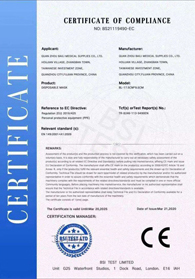
Compliance Insight: Choosing certified equipment minimizes your risk of regulatory non-compliance and potential fines, safeguarding your operation and brand reputation.
What Our Clients Say
Real-world feedback from our partners highlights the practical impact of our equipment. Here are a few insights from clients who have integrated our meat buggy elevators into their operations:

Operations Manager, Texas Beef Packers, USA
"Before installing the Yuanchang buggy elevator, moving full 200kg buggies to our mixer was a two-man job and frankly, a safety hazard. Now, one operator can handle the transfer in seconds. It’s freed up labor for more critical tasks and significantly reduced our ergonomic injury risk. The stainless steel construction holds up perfectly to our daily washdowns."

Production Lead, Italian Sausage Co., Canada
"We were looking for a way to speed up our batching process for sausage production. The hydraulic buggy elevator from Yuanchang was a perfect fit. It lifts and tips our heavy buggies precisely into the grinder hopper. The efficiency gain was noticeable from day one. Their team was very helpful with selecting the right capacity and lift height for our specific buggies and grinder."

Plant Engineer, Tokyo Meat Processors, Japan
"Hygiene is paramount in our facility. The stainless steel construction and robust sealing of the Yuanchang elevator make cleaning straightforward. We’ve had it for over a year with minimal maintenance needed, only routine checks and lubrication. It integrates well with our automated lines and has proven to be a reliable piece of equipment."
Testimonial Insight: Client reviews consistently emphasize safety improvements, efficiency gains, and the durability of stainless steel construction as key benefits.
Frequently Asked Questions (FAQs)
Q1: What type of meat buggies can your elevators handle?
Our meat buggy elevators are designed to accommodate standard industry sizes, typically 200L, 300L, or larger stainless steel buggies. We can often customize cradle dimensions to fit specific non-standard buggy sizes. Please provide the exact dimensions of your buggies when requesting a quote.
Q2: What is the typical lead time for a meat buggy elevator?
Lead times can vary depending on current production schedules and any customization requirements. Typically, standard models can be manufactured and prepared for shipment within 4-8 weeks. Complex custom orders may require longer.
Q3: Are these elevators suitable for washdown environments?
Yes, absolutely. Our meat buggy elevators are constructed from food-grade stainless steel and feature sealed electrical components and protected mechanisms to withstand rigorous daily washdown procedures common in meat processing plants. We ensure IP ratings are suitable for wet environments.
Q4: Can the elevator be integrated with existing automated systems?
Yes, for facilities with advanced automation, we can equip the elevators with PLC controls and necessary inputs/outputs for integration into your plant's supervisory control and data acquisition (SCADA) system. This allows for synchronized operation with other machinery.
Q5: What kind of warranty do you offer?
We offer a comprehensive warranty covering manufacturing defects and component failures under normal operating conditions. Specific warranty terms will be detailed in your quotation, typically covering a period of 12-24 months on major components.
Streamline Your Meat Processing Workflow Today!
Don't let inefficient material handling slow you down. Invest in a reliable, safe, and efficient meat buggy elevator from Hebei Yuanchang.
Call Us: +86 15830991513