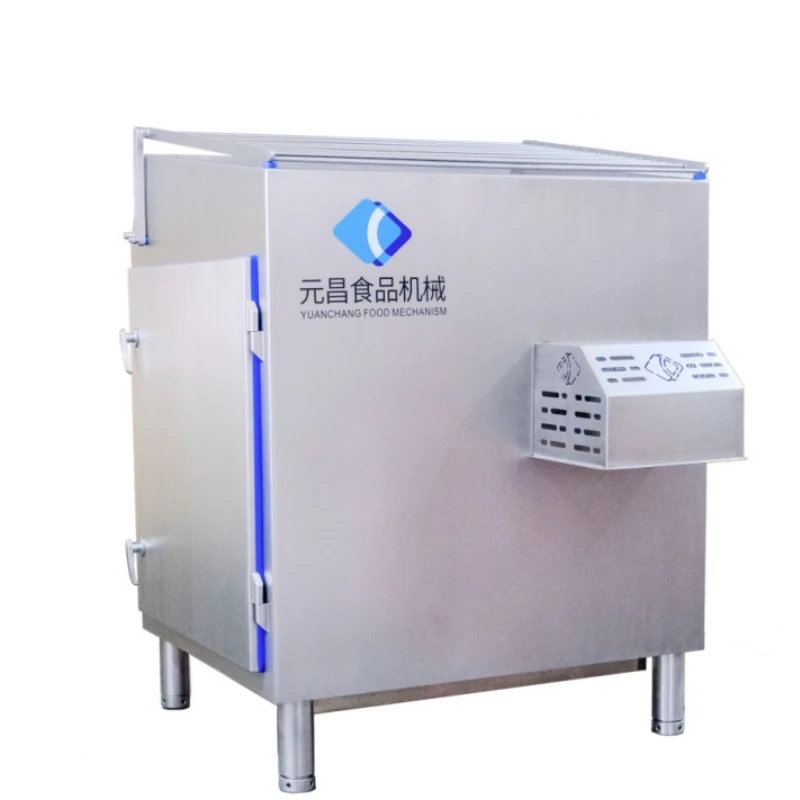
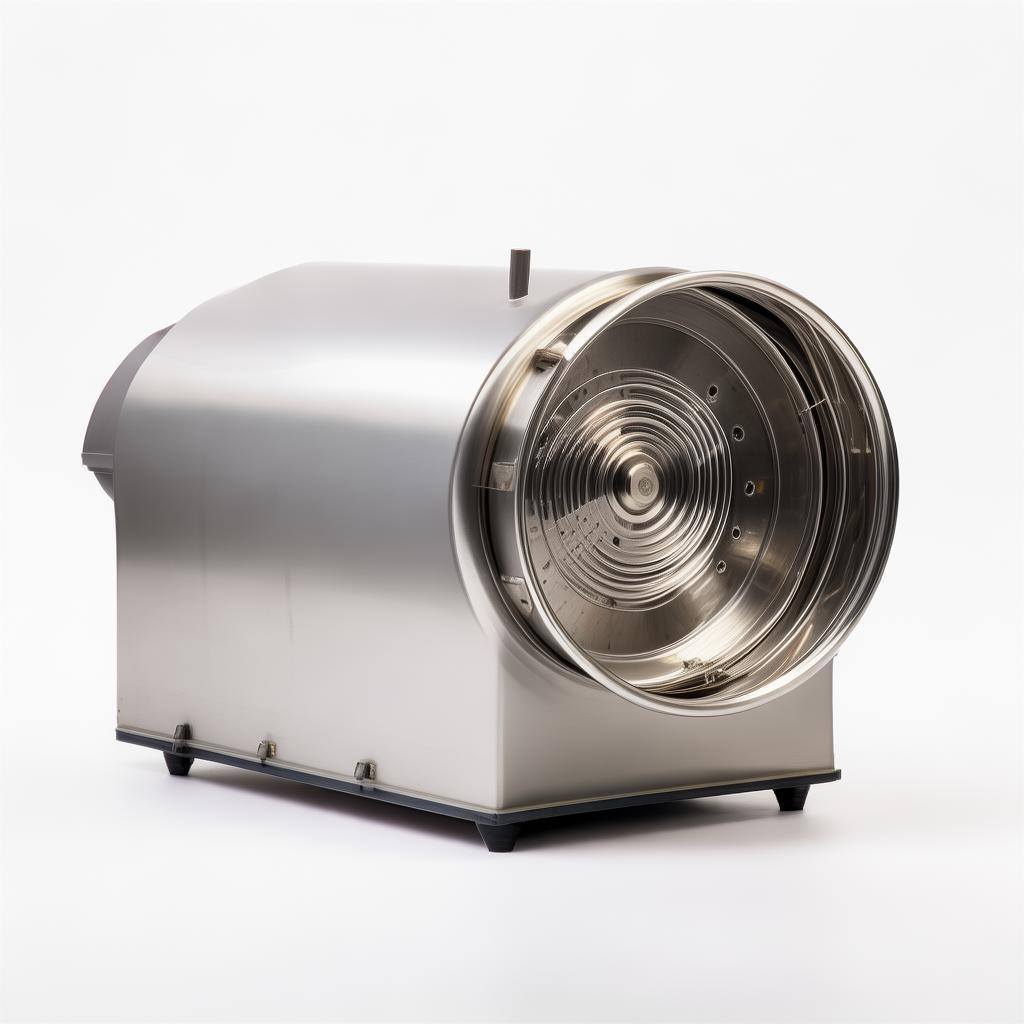
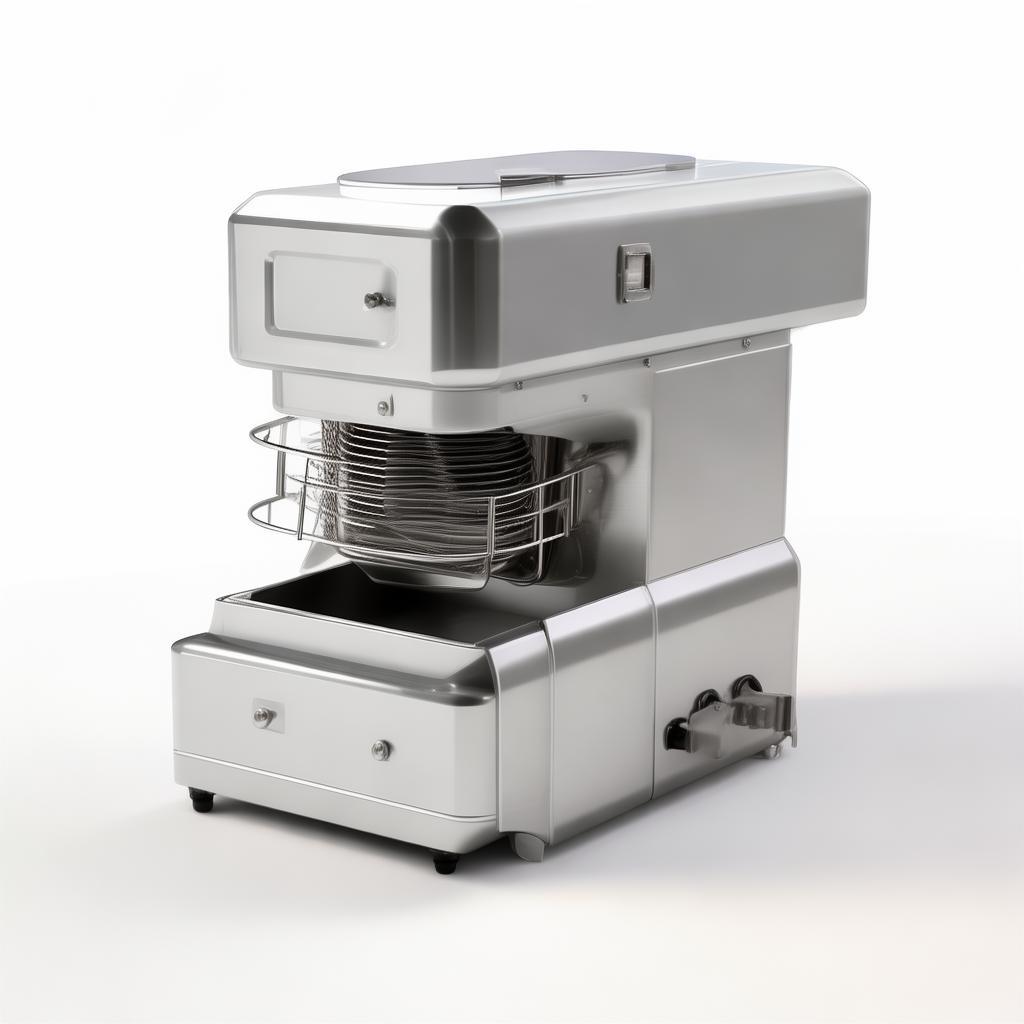
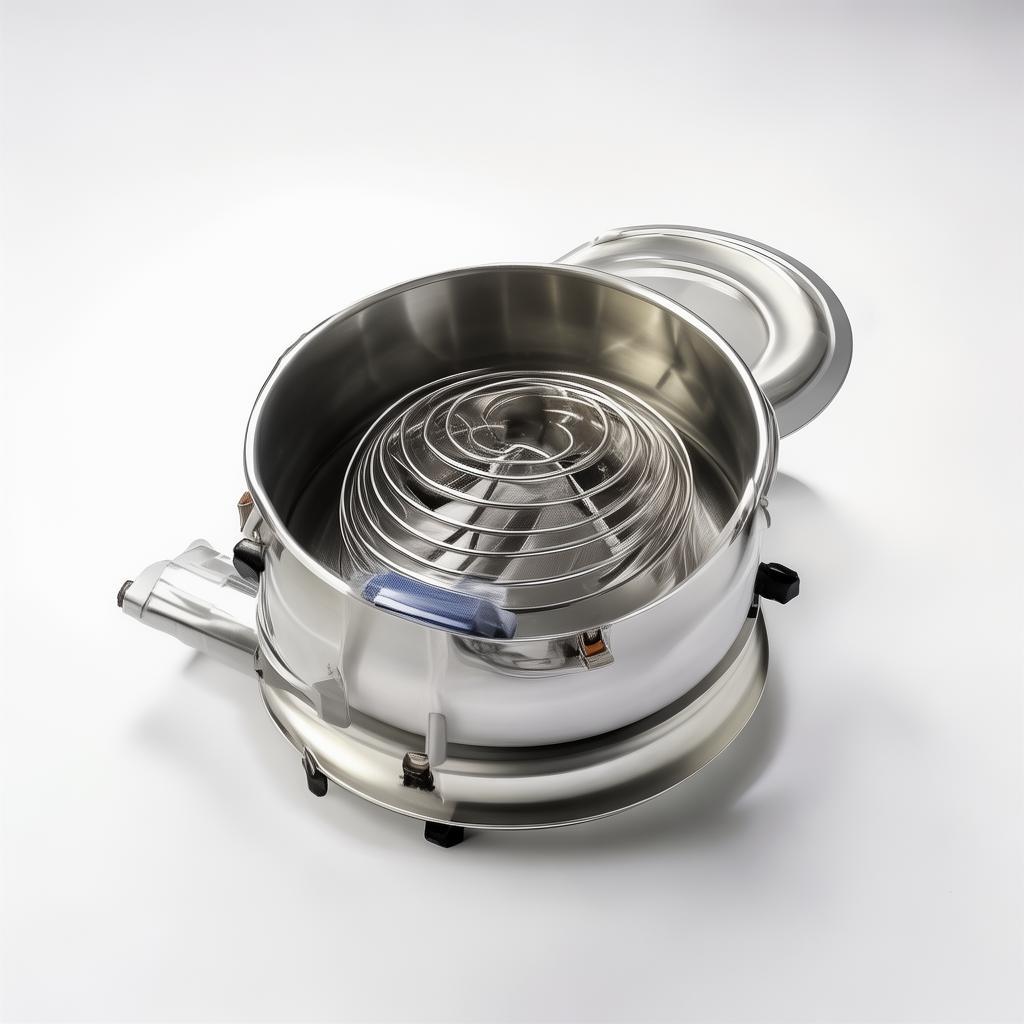
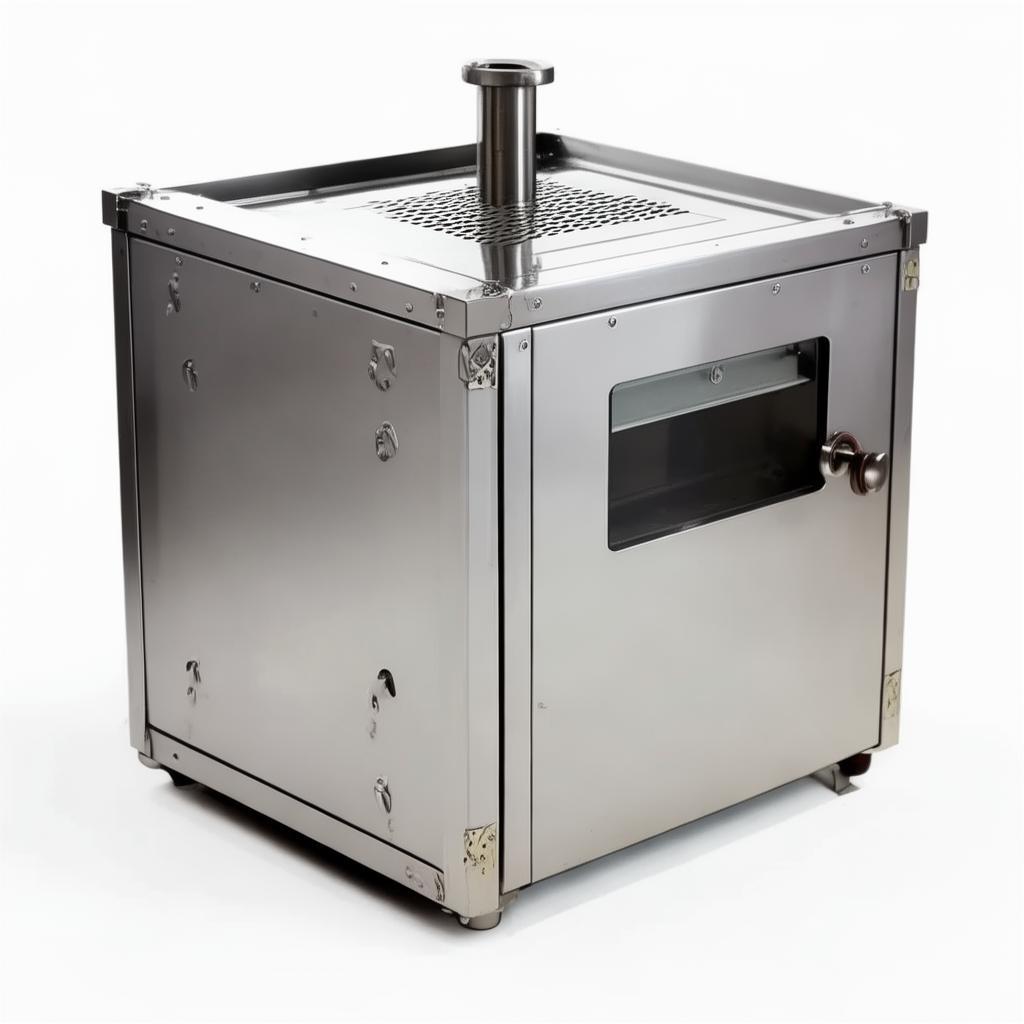
Meat Bone Grinder Machine
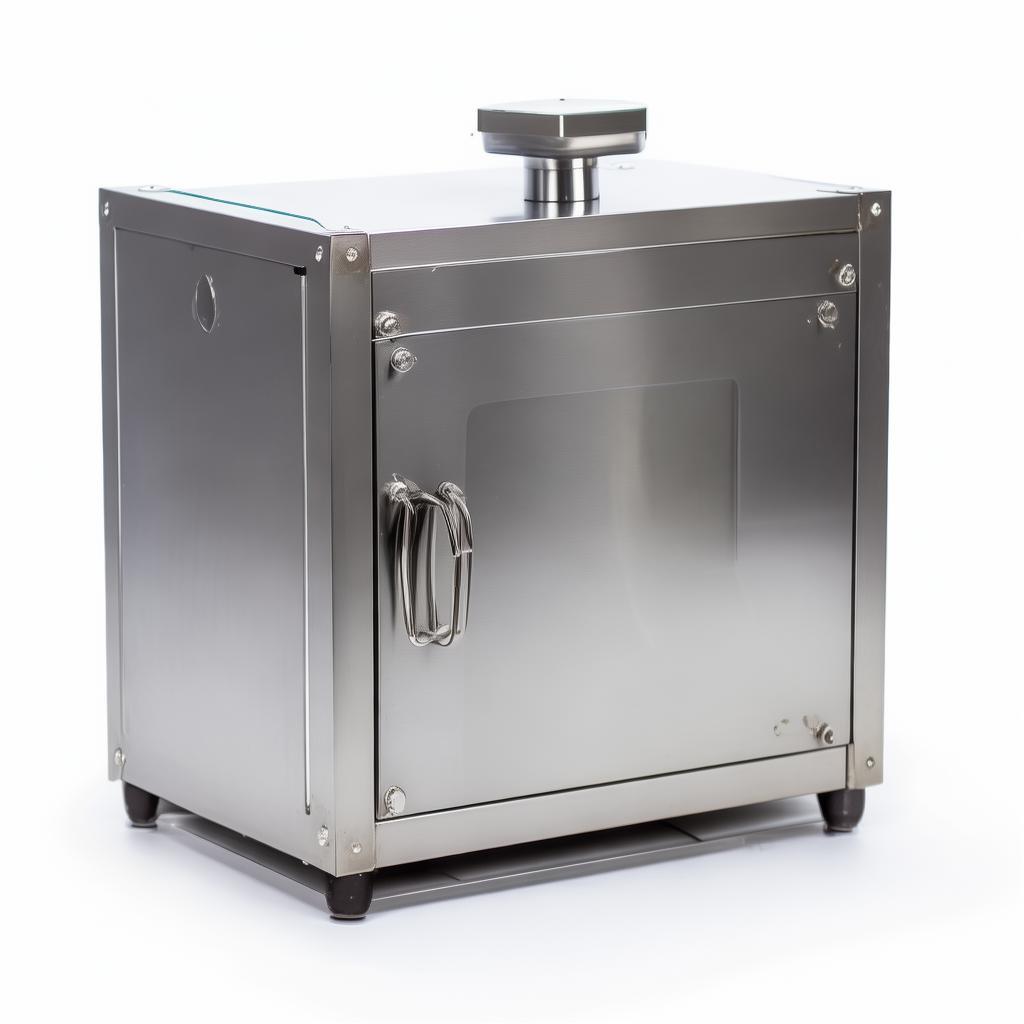
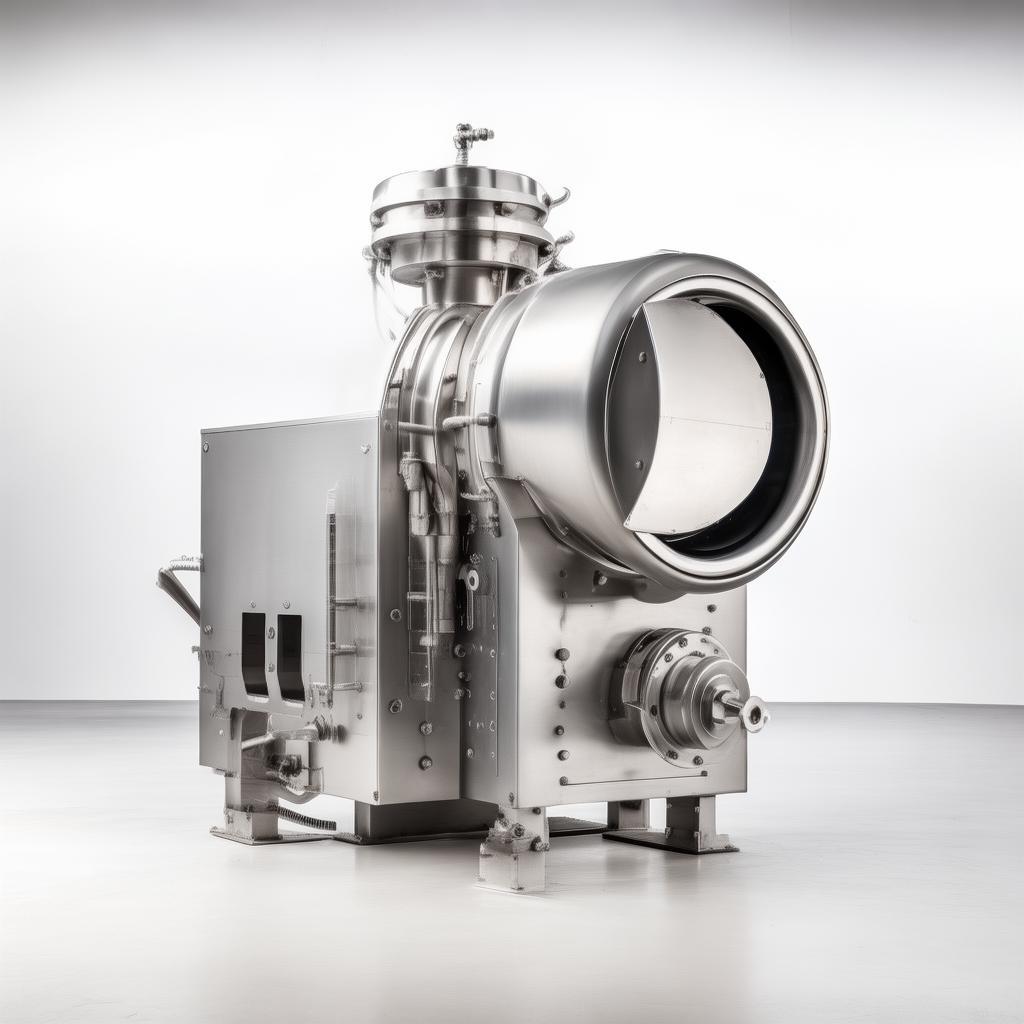
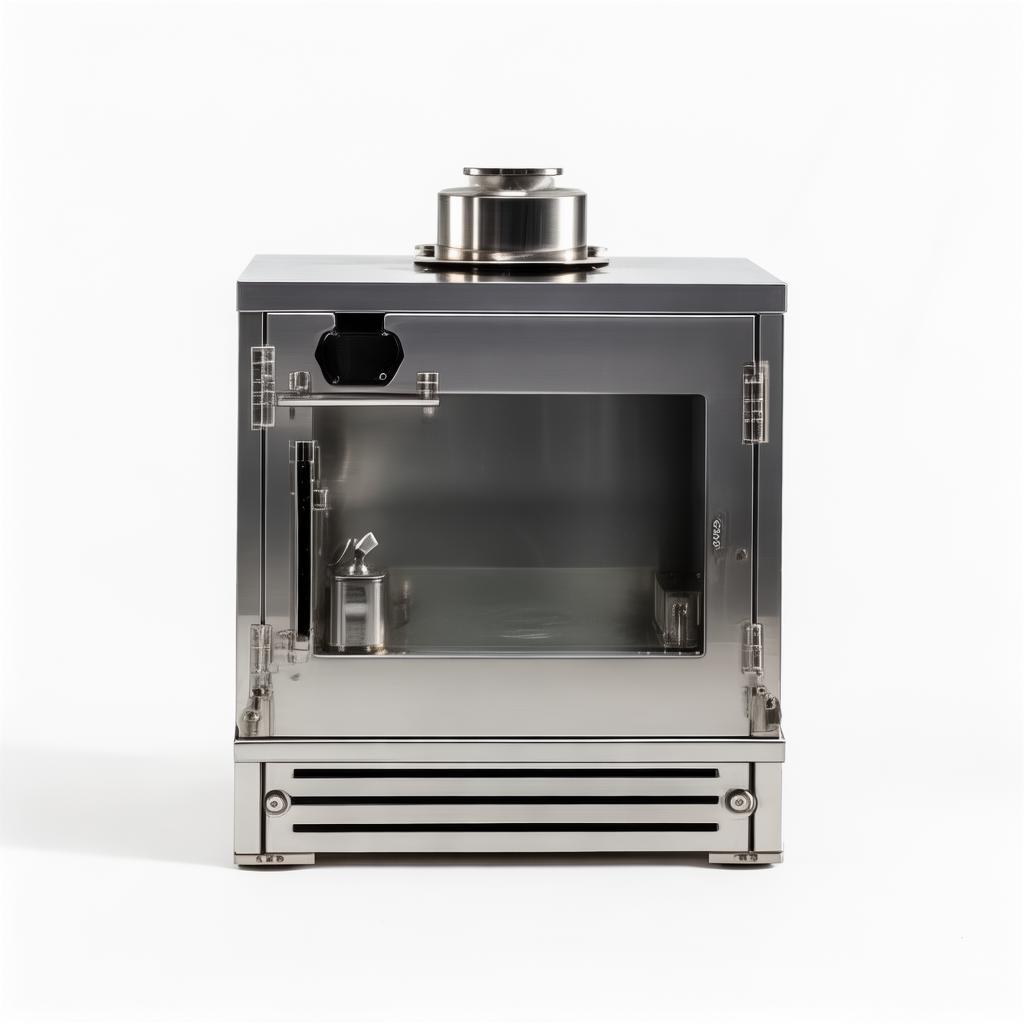
Industrial Meat Bone Grinder Machines: Precision, Power, and Production Efficiency
Optimizing Your Meat Processing Operations with Advanced Grinding Technology

By: John Chen
Senior Export Manager, Hebei Yuanchang Food Mechanism & Technology Co., Ltd.
Table of Contents
- Introduction: The Core of Meat Processing
- Addressing Critical Operational Challenges
- The Hebei Yuanchang Meat Bone Grinder: A Closer Look
- Unpacking the Technical Specifications
- Versatile Applications Across the Industry
- Our Manufacturing Advantage: Precision Engineering
- Procurement Insights: What Buyers Need to Know
- Commitment to Quality and Compliance
- What Our Clients Say
- Frequently Asked Questions
- Ready to Elevate Your Production?
In the intricate world of meat processing, the journey from raw material to finished product is a complex dance of efficiency, precision, and uncompromising quality. At the heart of many operations lies a fundamental, yet critical piece of equipment: the meat bone grinder. Whether you're crafting premium sausages, developing nutrient-rich pet foods, preparing bulk ingredients for further processing, or seeking to optimize the use of animal by-products, the right grinding machine isn't just a tool; it's a cornerstone of your production workflow.
The global meat processing equipment market, a sector valued in the billions of dollars annually, reflects the indispensable nature of these machines. Reports indicate a continuous upward trend, with projections showing the market expanding significantly over the next decade. For instance, industry analysis points to a market that was valued at approximately USD 11.29 billion in 2025 and is expected to reach USD 17.39 billion by 2034, demonstrating a steady CAGR of 5.0%. This growth is propelled by the escalating global demand for processed meats, increasing adoption of automated solutions to enhance hygiene and labor efficiency, and the imperative to meet stringent food safety regulations. Segments like cutting, grinding, and filling machines are consistently highlighted as core components driving this expansion.
For procurement managers, operations directors, and plant engineers, selecting a meat bone grinder involves more than just comparing horsepower and throughput. It demands a deep understanding of material handling capabilities, the desired particle size reduction, hygiene standards, ease of maintenance, and the overall operational economics. A poorly chosen grinder can lead to inconsistent product texture, excessive heat generation, increased downtime, and compromised food safety – all factors that directly impact profitability and brand reputation. Conversely, a high-quality, well-specified machine becomes an engine for efficiency, enabling consistent product quality, maximizing yield, and simplifying complex processing tasks.
Hebei Yuanchang Food Mechanism & Technology Co., Ltd., with over 40 years of dedicated experience since 1986, has been at the forefront of developing and manufacturing robust, high-performance meat processing equipment. We understand the nuanced demands of industrial-scale grinding. Our meat bone grinder machines are not merely assembled; they are engineered, leveraging our extensive in-house machining capabilities, including over 20 sets of advanced processing machinery and the precision of Japanese Mazak CNC machining centers. This allows us to produce high-standard components that meet the rigorous requirements of international markets.
We recognize that the term "meat bone grinder" encompasses a range of functionalities. Some applications require the robust capability to process entire bones for specific formulations, while others focus on grinding meat blocks to precise textures for sausages or burgers. Our product line is designed to address this spectrum, offering versatility and power. The market trends underscore this need for versatility; while beef processing often leads, the demand for efficient grinding across pork, poultry, and even specialized ingredients is constantly growing. The key lies in selecting a machine that aligns precisely with your operational goals, whether that's achieving a fine mince for emulsified products or a coarser grind for a more rustic texture.
Furthermore, the integration of grinding with other processing steps is crucial. Many modern production lines aim for seamless transitions from grinding to filling, molding, or ripening. The particle size distribution achieved by the grinder directly influences the effectiveness of subsequent processes like massaging or tumbling, which are vital for achieving desired texture and shelf-life in products like sausages or cured meats. Reports on the meat processing equipment market consistently highlight the growth in filling, tenderizing, and massaging equipment, indicating a trend towards integrated, automated lines where the performance of each component, starting with the grinder, is paramount.
As an OEM/ODM factory, we also understand the need for customization. Whether you require specific material finishes, unique hopper configurations, or integration with existing processing lines, our engineering team is equipped to develop tailored solutions. The commercial realism of international trade means that understanding lead times, logistics, and after-sales support is as important as the technical specifications. Our traceable after-sales management system, coupled with our independent high-precision parts production, ensures that you receive not only a superior machine but also enduring peace of mind.
In essence, selecting the right meat bone grinder machine is a strategic decision that impacts production efficiency, product quality, cost-effectiveness, and compliance. It’s about finding a partner in your equipment supplier who understands these multifaceted demands. We invite you to explore how Hebei Yuanchang's expertise, built over four decades, can serve as the catalyst for enhancing your meat processing operations, ensuring reliability and performance from the first grind to the millionth.
Addressing Critical Operational Challenges in Meat Grinding
Operating a meat processing facility, especially at an industrial scale, presents a unique set of challenges. The grinder, often one of the hardest-working machines on the floor, is frequently at the nexus of these difficulties.
- Inconsistent Particle Size: This is a major hurdle. Whether you're dealing with bone-in meat or varying cuts, an inability to achieve a uniform grind leads to uneven cooking, poor texture in the final product (think sausages that split), and a visually unappealing appearance. Buyers expect consistency; a grinder that can't deliver it erodes confidence.
- Heat Generation: Excessive friction during grinding can raise the meat temperature, compromising its quality, accelerating spoilage, and potentially affecting its color and flavor. This is particularly critical for products requiring a low processing temperature. Overheating can also lead to bacterial growth.
- Wear and Tear on Components: Bones are abrasive. Grinding bone-in meat puts immense stress on cutting plates, knives, and augers. Frequent replacement of these parts translates to significant operational costs and extended downtime. The material science behind these components is as vital as the motor driving them.
- Hygiene and Sanitation: Meat processing equipment must be designed for easy and thorough cleaning. Areas where meat can accumulate or hard-to-reach spots can become breeding grounds for bacteria. For international markets, compliance with stringent sanitary standards (like those from the FDA or EU) is non-negotiable.
- Throughput vs. Quality: There's often a trade-off. Pushing a machine too hard to achieve high throughput can compromise the grind quality and increase temperature. Finding the sweet spot that balances speed with precision is key to profitable operations.
- Labor Intensity for Operation and Maintenance: Complex loading procedures, difficult disassembly for cleaning, or frequent manual adjustments add to labor costs and increase the risk of human error or injury.
- Material Incompatibility: Not all stainless steel is created equal. Using lower-grade materials can lead to corrosion, contamination, and premature failure, especially in high-moisture or acidic environments common in meat processing.
At Hebei Yuanchang, we engineer our meat bone grinders specifically to mitigate these issues. Our focus on robust construction, precision engineering, and user-friendly design aims to provide a reliable solution that enhances, rather than hinders, your production goals.
The Hebei Yuanchang Meat Bone Grinder: Engineered for Performance
Our industrial meat bone grinder machines are designed to handle the most demanding tasks in meat processing. Built with durability and efficiency at their core, they are the workhorses that empower businesses to achieve superior product quality and operational throughput.
Key Advantages for Your Operation:
Robust Construction & Material Quality
Constructed from high-grade stainless steel (e.g., SUS304/SUS316), our grinders resist corrosion and wear, ensuring longevity even in aggressive processing environments. This commitment to material quality minimizes contamination risks and extends the machine's service life.
Precision Grinding Control
Equipped with high-precision cutting mechanisms and interchangeable plates, our machines deliver consistent particle size reduction. Whether you need a fine paste or a coarse grind, you achieve the desired texture every time, crucial for product homogeneity and appeal.
Efficient Power & Throughput
Powered by industrial-grade motors, these grinders offer substantial processing capacity. They are engineered to maximize throughput without compromising quality, helping you meet tight production schedules and fulfill large orders efficiently.
Minimized Heat Generation
Our auger and cutting head design is optimized to reduce friction, thereby minimizing heat buildup. This preserves the natural color, flavor, and nutritional value of the meat, a critical factor for high-quality finished products.
User-Friendly Operation & Maintenance
Designed with the operator in mind, our machines feature intuitive controls and easy access for cleaning and maintenance. Quick disassembly of key components reduces sanitation time and labor costs, ensuring your lines are back in production faster.
Versatility for Diverse Needs
From raw meat blocks to tougher cuts and bones, our grinders are built to perform. This adaptability makes them suitable for a wide range of applications, from fresh meat processing to pet food production and ingredient preparation.
We focus on delivering equipment that provides tangible benefits – reduced waste, improved product consistency, lower operational costs, and enhanced food safety compliance. It's about building trust through reliable performance, day in and day out.
Technical Specifications: Precision at Your Fingertips
Understanding the technical capabilities of a meat bone grinder is paramount for ensuring it meets your specific production requirements. Below are the typical specifications for our industrial-grade machines. We can, of course, tailor configurations based on your needs.
| Feature | Specification | Notes |
|---|---|---|
| Material of Construction | High-Grade Stainless Steel (SUS304/SUS316) | Food-grade compliance, corrosion-resistant |
| Motor Power | Variable (e.g., 7.5 kW - 30 kW / 10 HP - 40 HP) | Selected based on throughput and material hardness |
| Voltage/Frequency | 380V/50Hz/3Phase (Customizable) | Standard international industrial voltages available |
| Hopper Capacity | Large Volume (e.g., 50L - 200L+) | Reduces feeding frequency, enhances workflow |
| Grinding Capacity | Variable (e.g., 300 kg/hr - 2000 kg/hr+) | Dependent on motor power, plate size, and material |
| Cutting Plate Apertures | Range of sizes (e.g., 3mm to 20mm+) | Interchangeable for various product textures; specialized plates for bone grinding available |
| Auger & Knife System | Hardened Steel / Stainless Steel | Optimized geometry for efficient material feed and cutting action |
| Output Discharge | Conveyor / Chute | Facilitates direct feeding into downstream equipment |
| Safety Features | Emergency Stop, Safety Guards, Interlocks | CE / UL compliant options available |
| Dimensions (L x W x H) | Variable | Compact footprint for industrial settings |
| Weight | Variable | Heavy-duty construction ensures stability |
industrial meat and bone grinder meat grinder that can grind bones heavy duty meat grinder for bones
Our engineering team is readily available to discuss specific technical requirements, including specialized auger designs for different bone densities or custom plate configurations for unique particle sizes. Don't hesitate to reach out for a detailed technical consultation.
Versatile Applications Across the Meat Processing Industry
The capabilities of a robust meat bone grinder extend far beyond a single application. Its adaptability makes it a vital component in numerous sectors of the food industry, supporting the production of a wide array of products. Here are some of the primary areas where our machines excel:
Sausage Manufacturing
Producing consistent particle size for ground meat is fundamental for sausage quality. Our grinders prepare meat blocks for emulsified sausages (like frankfurters), coarse-ground sausages, and filled products, ensuring uniform texture and binding.
Pet Food Production
The pet food industry relies heavily on high-quality, finely ground meat and bone for nutrient-rich formulations. Our machines efficiently process raw materials to create the consistent base required for kibble, wet food, and treats.
Ready-to-Eat Meal Components
For manufacturers of frozen meals, pre-cooked meat products, or convenience foods, consistent grinding is key to achieving desired textures and ensuring even cooking. This includes ingredients for pot pies, lasagnas, and other prepared dishes.
Meat Patty and Burger Production
Achieving the perfect bite for burgers and patties requires precise grinding. Our machines can process meat and fat to specific textures, ensuring a superior product that meets consumer expectations for mouthfeel and structure.
Ingredient Preparation
Many food manufacturers use ground meat as a key ingredient in sauces, fillings, and marinades. Our grinders provide the foundational material needed for these diverse culinary applications.
Value-Added Processing of By-Products
Efficiently processing meat and bone by-products into usable ingredients for various applications, including animal feed or rendered products, is crucial for maximizing resource utilization. Our grinders handle these tough materials effectively.
The demand for processed meat products globally is substantial and growing. Industry reports consistently highlight a market expanding annually, driven by convenience and changing consumer preferences. For example, the processed meat market is projected to grow significantly, requiring equipment that can handle both high volumes and diverse product types. Our meat bone grinders are built to serve these evolving market needs.
Our Manufacturing Edge: Precision Engineering for Export
At Hebei Yuanchang, our commitment to quality is deeply rooted in our manufacturing process. Since 1986, we've honed our expertise, growing to encompass 14,000 square meters with a dedicated team of 80-100 professionals. We don't just assemble; we engineer and manufacture with precision.
In-House Machining and CNC Capabilities
Our 40 years of experience have led us to invest heavily in our production infrastructure. Our in-house machining workshop is equipped with over 20 sets of advanced processing machinery. This includes essential equipment like lathes, milling machines, high-precision grinding machines, boring machines, plate shears, bending machines, and wire cutting equipment. This comprehensive setup allows us to control every aspect of component manufacturing.
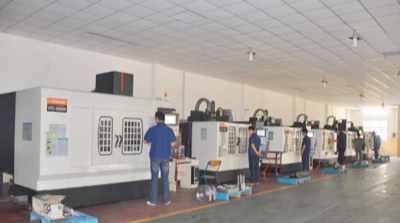
Crucially, in 2012, we integrated 8 sets of Japanese Mazak CNC machining centers. This significant investment allows us to produce highly complex, non-standard, and high-precision components that are essential for advanced industrial machinery. It means we can meet the stringent demands of large-volume production with exceptional accuracy, ensuring that every part of our meat bone grinders is manufactured to the highest possible standard. This capability is not common among all suppliers and provides a distinct advantage in product reliability and performance.
Traceable After-Sales Support
Our commitment extends beyond the point of sale. With our independently produced high-precision parts and a traceable after-sales management system, we ensure that any component requiring replacement can be sourced quickly and accurately. This reduces the total cost of ownership for our clients and minimizes unexpected downtime. When you purchase from Hebei Yuanchang, you gain a partner dedicated to the long-term success of your operation.
Experience in International Trade
We are seasoned exporters, familiar with the logistics, regulatory requirements, and quality expectations of global markets, including the USA. Our 40 years of experience have solidified our reputation for delivering reliable, high-quality equipment worldwide. We understand the importance of clear communication, timely delivery, and robust packaging for international shipments.

Our manufacturing philosophy emphasizes continuous improvement, leveraging advanced technology and deep industry knowledge to produce equipment that stands the test of time and performance.
Procurement Insights: Navigating the Purchase of Meat Bone Grinders
For purchasing managers and procurement directors, acquiring industrial equipment like meat bone grinders requires a strategic approach to ensure the best return on investment and minimize long-term risks. Here are key considerations:
1. Define Your Specific Needs Accurately
Don't settle for a generic "meat grinder."
- Material: What are you primarily grinding? Raw meat, cooked meat, bones (type and hardness), frozen blocks? This dictates the required power and cutting mechanism.
- Particle Size: What is the target output texture? Fine mince, coarse grind, or something specific? This determines the cutting plate configuration.
- Throughput: How much product do you need to process per hour or per shift? This influences motor size and overall machine capacity.
- Product Safety & Hygiene: Are there specific certifications or standards (e.g., FDA, HACCP) your facility must meet?
2. Evaluate Supplier Credibility and Experience
Look beyond the product.
- Years in Business: Companies with decades of experience (like us, since 1986) have proven resilience and deep product knowledge.
- Manufacturing Capabilities: Do they manufacture in-house? Do they have advanced machinery (like CNC)? This ensures control over quality and customization.
- Export Experience: Can they handle international logistics, documentation, and compliance effectively?
- After-Sales Support: What is their warranty policy? How accessible are spare parts? Is technical support readily available?
3. Consider Total Cost of Ownership (TCO)
The initial purchase price is only one part of the equation. TCO includes:
- Energy Consumption: More efficient machines reduce utility bills.
- Maintenance & Repairs: Durability and availability of spare parts significantly impact long-term costs.
- Downtime Costs: A reliable machine that rarely breaks down prevents costly production stoppages.
- Labor Costs: Ease of operation and cleaning can reduce labor requirements.
4. Review Certifications and Compliance
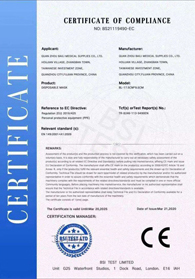
For international trade, particularly into markets like the USA, compliance is key. Look for certifications such as CE markings (for Europe, often a benchmark for quality) and adherence to food safety standards. While the FDA doesn't directly certify individual machines, manufacturers should design and build equipment that facilitates compliance with FDA regulations regarding food contact materials and sanitation.
5. OEM/ODM Capabilities
If you have specific branding or integration needs, consider suppliers offering OEM (Original Equipment Manufacturer) or ODM (Original Design Manufacturer) services. This allows for custom configurations or co-branding, ensuring the equipment fits seamlessly into your broader operational or branding strategy. Hebei Yuanchang excels in this area, leveraging our design and manufacturing flexibility.
Pro Tip: Always ask for references or case studies relevant to your specific industry niche. Don't be afraid to ask detailed technical questions; a knowledgeable supplier will welcome them.

Commitment to Quality and Compliance
At Hebei Yuanchang, our dedication to excellence is validated by our manufacturing processes and the quality standards we adhere to. While specific machine certifications can vary based on regional requirements and customer requests, our foundational manufacturing practices are designed to meet international benchmarks.
Adherence to International Standards
Our facility operates with a strong emphasis on quality management systems. We are committed to producing equipment that is not only robust and efficient but also compliant with relevant global safety and hygiene standards. This includes ensuring food-grade materials are used where applicable and that the design facilitates easy sanitation, a critical aspect for operations targeting markets with strict FDA and USDA regulations.


We routinely work with clients requiring equipment that meets specific directives, such as the European CE marking, which signifies conformity with health, safety, and environmental protection standards for products sold within the European Economic Area. For the North American market, our machinery is designed to align with principles that support OSHA and FDA guidelines for workplace safety and food handling.
Our OEM/ODM Expertise
As an OEM/ODM provider, we have extensive experience in customizing machinery to meet unique client specifications and regulatory requirements. This can include modifications to materials, dimensions, electrical configurations, or safety features to ensure compliance with your specific market's regulations. Our ability to manufacture high-precision parts in-house, thanks to our advanced CNC capabilities, allows for a level of customization and quality assurance that is hard to match.
Choosing Hebei Yuanchang means partnering with a manufacturer that prioritizes quality, safety, and regulatory compliance, providing you with the confidence needed for international trade and robust operations.
What Our Clients Say
Real feedback from businesses that have integrated our meat bone grinders into their operations. We believe in transparency and showcasing the practical benefits our equipment brings.
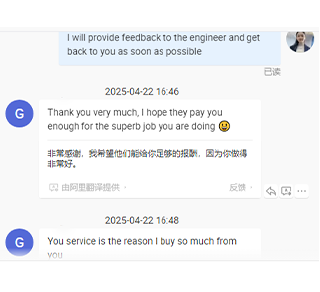
"We were struggling with inconsistent grind quality for our premium burger line. The YC-GM-1500 model from Hebei Yuanchang completely changed our game. The particle size is incredibly uniform, and the reduction in heat generation means our patties hold their moisture and flavor much better. It's a workhorse that has significantly boosted our product consistency and customer satisfaction."

Sarah Jenkins
Operations Manager, Midwest Meats Inc.
"As a pet food manufacturer, bone grinding is a critical step. We needed a machine that could handle various bone types reliably without constant maintenance headaches. Hebei Yuanchang's grinder has exceeded expectations. Its robust construction means less wear and tear, and the throughput is exactly what we needed to scale up production. The support for spare parts has also been excellent."

David Lee
Plant Supervisor, NutriPet Foods
"We needed a high-capacity grinder for our sausage production facility in the UK. Hebei Yuanchang provided a solution that met our throughput requirements and adhered to the necessary CE standards. The machine has been running smoothly for over a year with minimal issues. Their team was very responsive during the initial inquiry and installation phase."

Mark Roberts
Production Engineer, European Sausage Co.
"Our decision to partner with Hebei Yuanchang for our meat grinding needs was driven by their manufacturing depth and export experience. Their ability to offer OEM services allowed us to integrate their reliable grinders seamlessly into our proprietary processing lines. The precision engineering is evident, and the operational reliability has been a significant advantage."

Kevin Huang
Procurement Director, Global Food Solutions Ltd.
Frequently Asked Questions
Here are answers to some common questions regarding our meat bone grinder machines.
Q: Can your grinders truly handle industrial-sized bones effectively?
A: Yes, our industrial meat bone grinders are specifically engineered with hardened steel components and powerful motors to process various types of animal bones. The specific model and configuration would depend on the size and density of the bones you intend to grind. We offer specialized cutting plates and augers for tougher applications. It's always best to discuss your specific material requirements with our technical team.
Q: How do you ensure hygiene and ease of cleaning on such robust machines?
A: Hygiene is paramount. Our machines are primarily constructed from food-grade stainless steel. Key components like the cutting head, auger, and plates are designed for easy disassembly without specialized tools. The smooth surfaces and minimal crevices reduce areas where bacteria can accumulate, significantly simplifying sanitation procedures and reducing cleaning time.
Q: What is the typical lead time for an order?
A: Lead times can vary depending on the specific model, any customization required, and current production schedules. For standard configurations, lead times are typically between 4-8 weeks. For highly customized OEM/ODM orders, this might extend. We provide an estimated lead time upon receiving your detailed inquiry.
Q: What kind of after-sales support do you offer for international clients?
A: We offer comprehensive after-sales support, including a warranty on our machines, readily available spare parts (thanks to our in-house production), and remote technical assistance. We can also provide installation guidance and operational training upon request, often facilitated through video calls or by dispatching a technician for larger projects. Our goal is to ensure your equipment operates optimally throughout its lifespan.
Q: Can these grinders be integrated into existing production lines?
A: Absolutely. Our machines are designed with industrial integration in mind. We can provide options for output chutes or conveyor interfaces to connect seamlessly with downstream equipment such as filling machines or patty formers. Our engineering team can work with your specifications to ensure a smooth integration into your existing setup.
Q: What are the power requirements?
A: Our industrial grinders typically run on 380V/50Hz/3Phase power, which is standard in many industrial regions. However, we can customize voltage and frequency to meet specific international requirements (e.g., 480V/60Hz/3Phase for North America). Please specify your site's power supply when inquiring.
Elevate Your Meat Processing Efficiency Today
Don't let outdated or inefficient grinding equipment hold back your production. Invest in precision, reliability, and performance with Hebei Yuanchang's industrial meat bone grinders.
Contact us for a free consultation and to explore how our 40 years of expertise can benefit your operation.