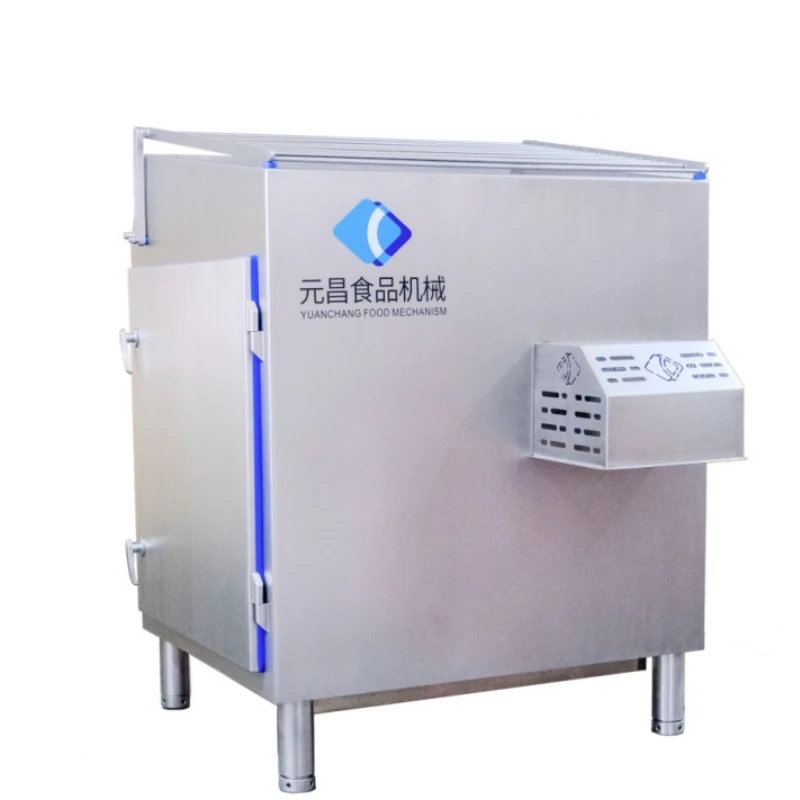
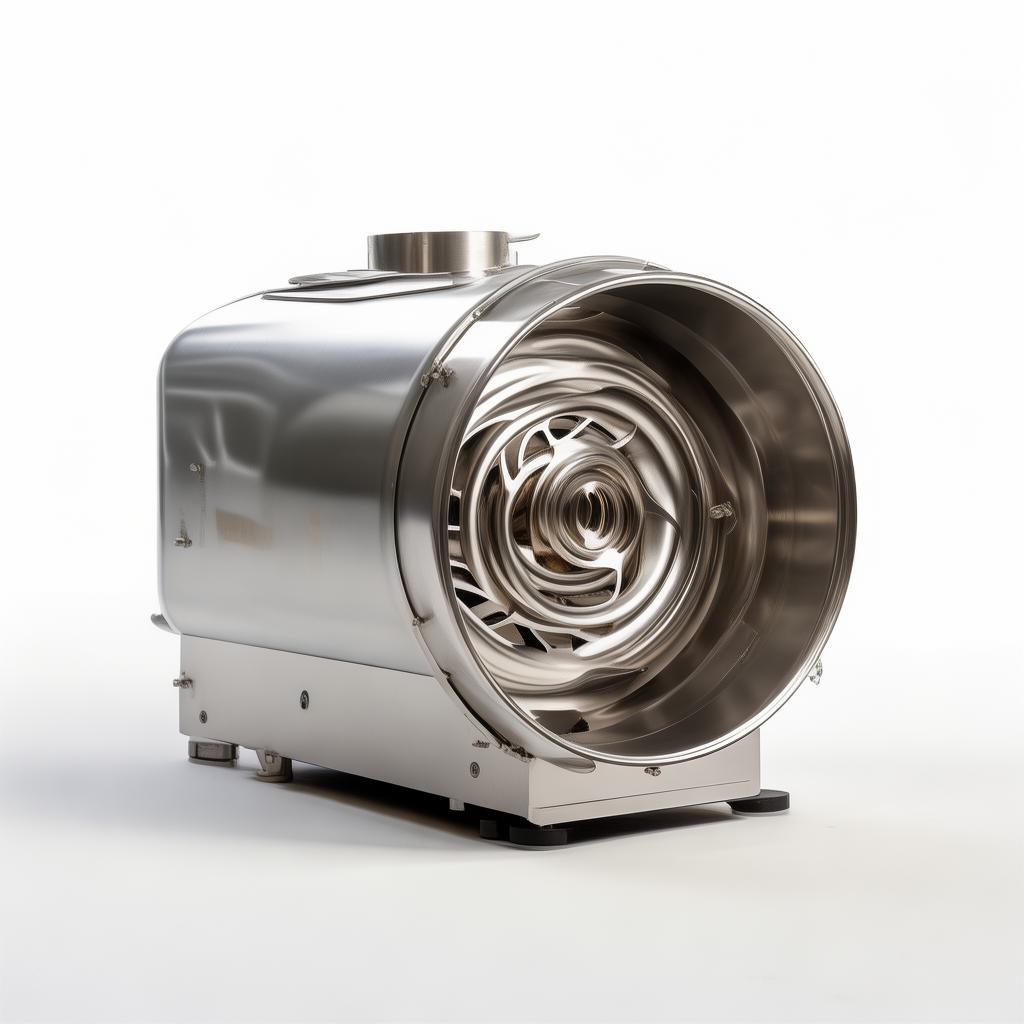
Meat 500 Watt Grinder
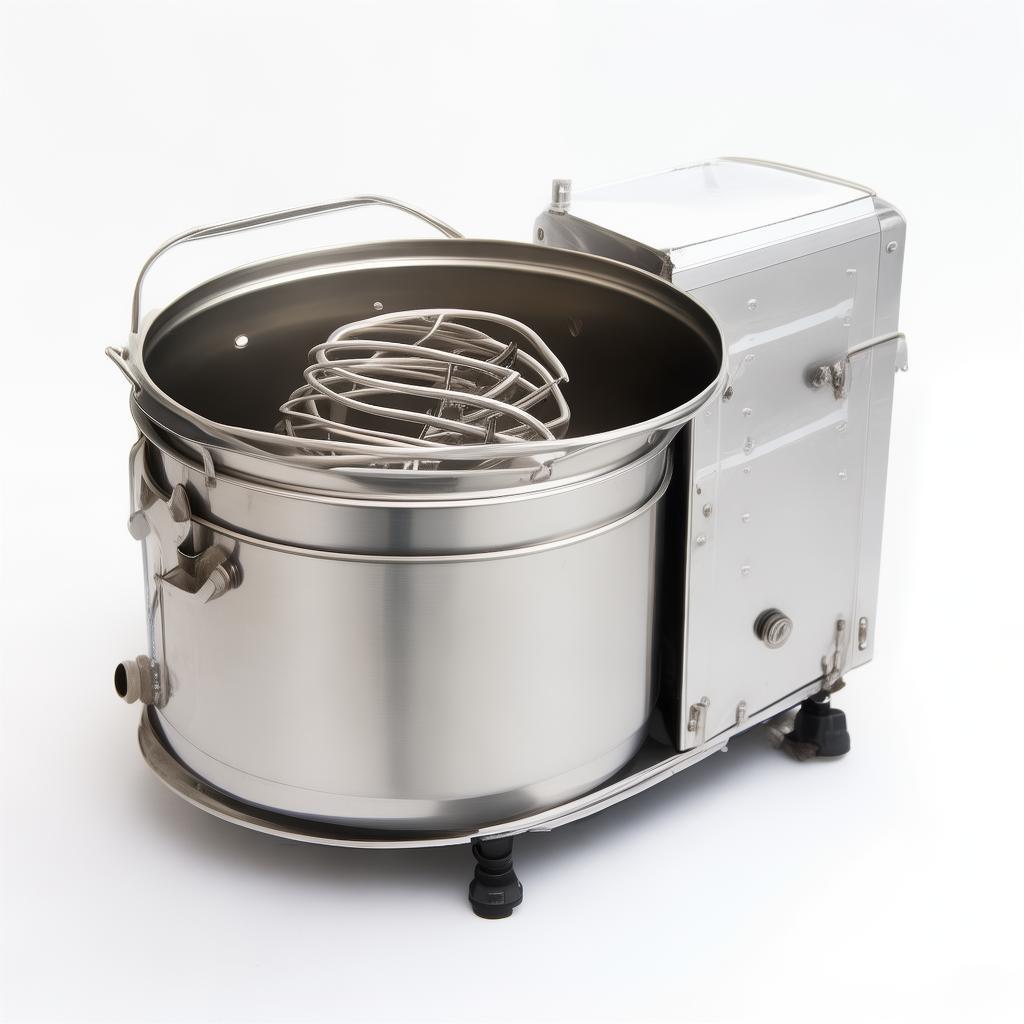
500 Watt Meat Grinder: Precision, Power, and Profitability for Your Food Processing Operation
Unlocking Efficiency and Quality in Meat Processing with a Robust 500W Grinder

By Li Wei, Export Director at Hebei Yuanchang Food Mechanism & Technology Co., Ltd.
The Heart of Your Meat Processing: Why a 500 Watt Grinder Matters
In the fast-paced world of food production, especially within the meat processing sector, the right equipment isn't just a convenience; it’s the bedrock of your entire operation. When we talk about grinding meat, we're talking about the very first step in creating countless popular products – from sausages and burgers to specialty meat blends. The efficiency, consistency, and quality of this initial grind directly impact everything that follows, from product texture and flavor to your overall production yield and profitability.
For businesses looking to establish or upgrade their grinding capabilities, particularly those focusing on moderate production volumes or specialized tasks, a 500-watt meat grinder represents a compelling balance of power, precision, and operational cost. It’s not a heavy-duty industrial monster designed for massive slaughterhouses, but rather a workhorse that offers substantial performance for a diverse range of applications. We often see clients in the mid-size processing arena, butcher shops, and even those venturing into niche product development, seeking a reliable grinder that can handle daily tasks without faltering.
The global meat processing equipment market itself is a testament to the industry's continuous growth and evolution. Reports indicate a steady upward trajectory, with market valuations reaching billions and projected to expand further. For instance, industry analysis suggests the market was valued at approximately USD 11.29 billion in 2025 and is expected to reach USD 17.39 billion by 2034, driven by rising demand for processed meats and the increasing adoption of automation for efficiency and hygiene. (Source: Fortune Business Insights) Within this broad market, grinding equipment plays a foundational role, alongside filling, tenderizing, and ripening (massaging) systems. A 500W grinder fits squarely into the segment catering to these essential pretreatment and forming processes.
When considering a 500-watt unit, the typical user isn't necessarily aiming for the sheer throughput of a 1000W or 2000W machine. Instead, they’re prioritizing a few key factors:
- Consistent Grind Quality: Achieving uniform particle size is critical for product integrity and mouthfeel.
- Durability and Reliability: Minimizing downtime is paramount in any production environment.
- Ease of Operation and Cleaning: Streamlining workflows and maintaining hygiene standards.
- Energy Efficiency: Managing operational costs without sacrificing performance.
- Investment Value: A machine that offers robust performance at a competitive price point.
This is where a well-engineered 500-watt meat grinder shines. It’s designed to take on typical cuts of meat, and depending on the plate and knife configuration, can produce coarse, medium, or fine grinds with remarkable consistency. For applications like creating burger patties, sausage blends, or even preparing meat for pet food, this power level is often more than sufficient. It allows for precise control, which is especially valuable when working with different meat types or when specific textural outcomes are desired.
Procurement decisions at this level are often driven by a combination of technical specifications and practical operational benefits. A 500W grinder, typically found in commercial settings, needs to be robust enough for daily use but also manageable in terms of size and power consumption. We’ve found that suppliers offering machines with high-quality stainless steel components, powerful yet efficient motors, and user-friendly designs stand out. It’s about finding that sweet spot between raw power and refined control.
Understanding the nuances of meat grinding is essential. Factors such as the fat content of the meat, its temperature, and the sharpness of the grinding plates and knives all play a role. A good 500W grinder, coupled with proper operational practices, can overcome many of these variables to deliver predictable results. Furthermore, the rise of convenience foods and ready-to-eat meat products globally continues to fuel demand for reliable processing equipment, making machines like these indispensable. (Source: Mordor Intelligence) The processed meat market's growth underpins the need for efficient pretreatment equipment, and grinding is a cornerstone of this.
At Hebei Yuanchang, our 40 years of experience since 1986 have taught us that while larger machines grab headlines, the real backbone of many operations lies in dependable, well-balanced equipment like the 500-watt grinder. It’s a vital piece of machinery that, when chosen wisely, can significantly enhance your product quality and operational workflow. Let's dive deeper into what makes a 500-watt grinder a smart investment for your business.
Operational Challenges and Why a 500W Grinder is the Solution
In a busy food processing environment, consistency is king. However, achieving it can be a constant battle. One of the most common challenges is inconsistent grind size. This can happen if the motor struggles, the meat isn't fed evenly, or if the grinding plates and knives are not optimal. The result? A final product that might have an off-putting texture, which can deter customers. A 500-watt grinder, when properly specified and maintained, provides the necessary torque to push meat through the grinding plates consistently, minimizing these variations.
Another significant concern for procurement managers and operations directors is downtime. A machine that breaks down unexpectedly can halt production, leading to missed deadlines, increased labor costs, and lost revenue. This is why material quality and build integrity are non-negotiable. Look for grinders constructed with food-grade stainless steel for the grinding head, auger, and blades. This not only ensures hygiene and prevents rust but also provides the durability needed to withstand the rigors of daily operation.
Hygiene is, of course, paramount in the food industry. Cleaning and sanitizing equipment efficiently is crucial for meeting regulatory standards and ensuring food safety. A well-designed 500W grinder will feature easily detachable components – the grinding head, plates, and knives – that can be thoroughly cleaned. This reduces the labor associated with sanitation and minimizes the risk of bacterial contamination. A simple disassembly process can shave significant time off your end-of-day cleaning routine.
For businesses operating with tighter budgets or those who don't require the colossal output of industrial-sized machines, the initial capital outlay is also a factor. A 500-watt grinder offers a more accessible entry point into commercial-grade grinding. It provides a significant step up in performance and reliability from domestic units without the hefty price tag of high-capacity industrial models. This makes it an ideal choice for small to medium-sized enterprises, artisanal producers, and even butcher shops looking to expand their product lines.
Furthermore, the operational costs associated with a 500-watt motor are generally more manageable. While not the lowest power consumption available, it strikes a good balance. It’s powerful enough to handle tougher cuts of meat efficiently, meaning the motor doesn't have to strain excessively, which can lead to premature wear and higher energy use. Compared to larger, less efficient machines, a 500W unit can be surprisingly economical in its energy draw over time, especially when considering its optimized performance for its designated tasks.
Considering the market trends, the demand for processed meat continues to grow, with segments like sausages, burgers, and cured meats seeing significant expansion. (Source: IMARC Group) This sustained demand highlights the ongoing need for reliable equipment that can consistently produce high-quality ground meat. A 500W grinder is a direct answer to this need for many processors who aim for quality and consistency in their diverse product offerings.
When selecting a supplier, it's crucial to look beyond just the wattage. Consider the motor's thermal protection, the gearbox's durability, and the overall construction quality. At Hebei Yuanchang, we understand these operational realities. Our in-house machining workshop, equipped with advanced CNC machining centers, allows us to produce high-precision components that ensure the longevity and consistent performance of our grinders, including our 500W models. This commitment to quality engineering is what sets us apart and provides our clients with a tangible operational advantage.
Key Advantages of a 500 Watt Meat Grinder
Opting for a 500-watt meat grinder brings a specific set of benefits tailored for many food processing operations. These advantages directly translate into improved product quality, enhanced operational efficiency, and better overall profitability.
Consistent Grind Quality
The 500W motor provides sufficient power to maintain a steady rpm, ensuring that meat is processed uniformly. This consistency is vital for achieving the desired texture in sausages, burgers, and other ground meat products. Less tearing and more efficient cutting mean finer, more homogenous results, crucial for emulsified products where particle size distribution is key.
Versatile Application
While not designed for bone-in meats or extremely tough, sinewy cuts without preparation, a 500W grinder is highly versatile for deboned meat. It can handle pork, beef, lamb, and poultry with ease, catering to a wide range of product formulations. With different grinding plates and knives, you can easily switch between coarse, medium, or fine grinds to meet specific recipe requirements.
Durability and Longevity
When sourced from a reputable manufacturer like Hebei Yuanchang, 500W grinders are built with robust materials and powerful, reliable motors. Our commitment to using high-grade stainless steel for all food-contact parts, combined with precision machining from our CNC centers, ensures that these machines are built to last, offering years of dependable service even under daily operational demands. This longevity is a critical factor in reducing the total cost of ownership.
Ease of Operation and Maintenance
These units are typically designed with user-friendliness in mind. Simple controls, straightforward feeding mechanisms, and easy-to-disassemble grinding heads make operation intuitive. Crucially, the ease of cleaning ensures that hygiene standards are maintained efficiently, a vital consideration for any food business.
Cost-Effectiveness
For many businesses, a 500W grinder hits the sweet spot between performance and price. It provides commercial-grade capabilities at a more accessible investment level than significantly larger machines. This makes it an excellent choice for startups, growing businesses, or operations with specific, non-massive grinding needs. (Source: Grand View Research) The market analysis points to growth driven by automation and efficiency needs, and a 500W grinder is a key component of that.
Space Efficiency
Compared to larger industrial grinders, 500W units generally have a smaller footprint. This is a significant advantage for businesses with limited production floor space, allowing for efficient integration into existing layouts without major reconfigurations.
In summary, a 500-watt meat grinder offers a powerful yet practical solution for achieving high-quality ground meat efficiently. It's a testament to how well-engineered, appropriately scaled equipment can be the engine of success in a competitive food processing landscape.
Technical Specifications: What to Look For
When evaluating a 500-watt meat grinder, understanding the technical specifications is crucial for making an informed purchasing decision. These details often dictate the machine's performance, durability, and suitability for your specific production needs.
| Specification | Details & Importance |
|---|---|
| Motor Power: | 500 Watts (approx. 2/3 HP). This is the core power rating. Ensure it's a commercial-grade, continuous-duty motor, not a light-duty appliance motor. Look for details on motor type (e.g., induction motor for durability). |
| Voltage/Frequency: | Standard industrial voltages (e.g., 110V/60Hz for North America, 220V/50Hz for other regions). Verify it matches your local power supply. |
| Grinding Capacity: | Often rated in lbs/hour or kg/hour (e.g., 100-200 lbs/hour). This is an estimate and depends heavily on meat type, temperature, and plate size. It's more of a guideline than a strict metric. |
| Grinding Head Material: | Must be food-grade stainless steel (e.g., SS304). This ensures hygiene, corrosion resistance, and durability. Avoid cast iron or plated materials for food contact. |
| Auger Material: | Typically stainless steel. A robust auger is essential for efficiently feeding meat to the grinding plates without jamming. |
| Plates and Knives: | High-quality tempered steel or stainless steel. Look for precision-ground edges for efficient cutting. Often includes a standard coarse plate and knife. Additional plates (medium, fine) and knives are usually available. Sharpening and replacement are part of regular maintenance. |
| Output Chute: | Stainless steel, designed for easy meat discharge. Some models may include a tray or attachment point for connecting to packaging systems. |
| Safety Features: | Includes features like a safety pusher/plunger, overload protection for the motor, and guards for moving parts. CE or UL certifications are indicators of safety compliance. |
| Ease of Cleaning: | Detachable grinding head, auger, plates, and knives are essential for thorough cleaning. Check for smooth surfaces with minimal crevices where food particles can accumulate. |
| Dimensions & Weight: | Consider your available space. While powerful, 500W grinders are generally more compact than their higher-wattage counterparts. |
| Certifications: | Look for certifications like CE, FDA, or RoHS, which indicate compliance with international safety, health, and environmental standards. This is especially critical for export markets. |
meat your maker 500 watt grinder power meat grinder 1 hp meat grinders
For example, a market report on meat processing equipment highlights that segments like filling, tenderizing, and grinding are critical for pretreatment and molding processes. (Source: SkyQuestt) This emphasizes the importance of the grinding component's quality. Investing in a grinder with high-grade stainless steel plates and a sharp, durable knife ensures that you're not just buying a machine, but a reliable component in your value-added food production chain.
Our manufacturing process at Hebei Yuanchang is designed to meet these technical demands. With over 20 sets of advanced processing machinery, including high-precision grinding machines and Japanese Mazak CNC machining centers, we can produce non-standard, high-precision components. This capability ensures that every part of our 500-watt grinder adheres to strict quality and performance standards.
Applications and Use Cases
A 500-watt meat grinder, while not the largest machine on the market, is incredibly versatile and finds its place in a wide array of food processing applications. Its balanced power and precision make it suitable for operations that prioritize quality and consistency over sheer volume.
Sausage Making
This is perhaps the most common application. Whether you’re making fresh sausages, cured sausages, or breakfast links, achieving the correct grind consistency is vital for texture and mouthfeel. A 500W grinder allows for precise control over particle size, crucial for emulsified sausage products where fat and lean meat need to be uniformly blended.
Burger Patties and Meatballs
For producers of pre-formed burgers or meatballs, the grinding stage is critical for both texture and binding. A consistent grind ensures that the meat holds together well during cooking and provides a pleasant eating experience. Many restaurants, catering services, and smaller food manufacturers rely on units like these to produce high-quality ground meat for their signature products.
Pet Food Production
The burgeoning pet food industry often requires grinding various meat cuts, organs, and bones (depending on the grinder's capability and preparation) for raw or kibble-style foods. A 500W grinder can be an excellent choice for smaller-batch producers or for companies focusing on premium, specialized pet food lines where ingredient quality is a key selling point.
Specialty Meat Products
This includes products like pâtés, terrines, and pre-seasoned ground meat mixes. The ability to achieve specific textures – from very fine to coarsely ground – allows for a broad range of culinary applications. A reliable 500W grinder provides the control needed for these gourmet or niche products.
Butcher Shops and Delis
For independent butcher shops and delis, a 500W grinder is a staple. It allows them to grind fresh meat daily to customer specifications, offer custom blends, and produce house-made sausages and burger patties, adding significant value to their offerings.
The demand for processed and convenience meats continues to rise globally, driving the need for efficient pretreatment equipment. (Source: Precedence Research) A 500W grinder is a fundamental tool in meeting this demand, particularly for businesses that focus on quality and a specific production scale. It’s a machine that bridges the gap between basic home appliances and heavy industrial machinery, offering a practical solution for countless food businesses.
Installation, Operation, and Maintenance Insights
To ensure your 500-watt meat grinder operates at peak performance and lasts for years, proper installation, careful operation, and consistent maintenance are non-negotiable. These aren't complex industrial systems requiring specialized engineers for basic setup, but understanding the best practices will save you headaches and improve your output.
Installation Essentials
1. Stable Surface: Place the grinder on a firm, level, and stable surface. Vibration can be an issue, so ensuring a solid base is key. 2. Power Connection: Connect to a grounded power outlet that matches the grinder's voltage and frequency requirements. Avoid using extension cords unless absolutely necessary and ensure they are heavy-duty and rated for the grinder's amperage. 3. Ventilation: Ensure adequate airflow around the motor. Most grinders have ventilation slots; don't block them. Overheating is a common cause of motor failure.
Operational Best Practices
1. Meat Temperature: Grind meat that is cold but not frozen solid. Partially frozen meat can strain the motor and lead to a gummy texture. Aim for around 28-30°F (-2 to -1°C). 2. Pre-cut Meat: Cut meat into manageable pieces that fit easily into the grinder's feed tray. This prevents jamming and ensures smooth operation. 3. Use the Pusher: Always use the provided pusher to guide meat into the grinder. Never use your fingers or any other object that could get caught. 4. Don't Overload: Feed meat at a steady pace. If the motor starts to slow down or overheat, stop feeding and allow it to recover. For continuous grinding, consider resting the machine periodically. 5. Clean Between Batches: For critical applications or when switching meat types, it’s good practice to clean the grinding head components between batches.
Maintenance & Care
1. Daily Cleaning: This is critical. After each use, disassemble the grinding head (grind head, auger, plate, knife). Wash these parts in hot, soapy water, rinse thoroughly, and dry immediately and completely. Stainless steel can still rust if left wet. 2. Lubrication: Lightly oil the grinding plates and knives after drying to prevent corrosion and ensure smooth operation for the next use. Food-grade mineral oil is recommended. 3. Inspect Components: Regularly check the grinding plates and knives for wear or damage. Dull blades will strain the motor and produce poor results. Sharpen or replace them as needed. 4. Motor Care: Keep the motor housing clean and ensure ventilation ports are free of dust and debris. Listen for unusual noises, which could indicate a problem.
Proper maintenance not only extends the life of your grinder but also ensures the highest quality of your ground meat and the safety of your products. It’s a simple investment of time that pays dividends in machine longevity and product excellence. For us at Hebei Yuanchang, providing equipment that is easy to maintain is a core design principle, enabling our clients to focus on their production goals rather than complex upkeep.
Procurement Guidance: Choosing the Right Supplier
Selecting the right 500-watt meat grinder is only half the battle; choosing the right supplier is equally critical for ensuring you receive a quality product, reliable support, and a smooth procurement process. Here's what to consider when evaluating potential manufacturers and exporters.
Manufacturing Experience & Expertise
Look for suppliers with a proven track record, ideally with decades of experience in manufacturing food processing equipment. Companies that have been in the business since 1986, like Hebei Yuanchang, possess invaluable practical knowledge and have honed their production processes. Forty years of experience means we've seen it all and built machines that stand the test of time.
In-House Production Capabilities
Suppliers who control their manufacturing process from start to finish offer greater consistency and quality. Companies with their own machining workshops, equipped with advanced CNC machinery for high-precision components, can guarantee that critical parts meet stringent specifications. This also means better control over lead times and the ability to produce custom parts if needed.
Quality Control & Certifications
Verify that the manufacturer adheres to strict quality control protocols throughout production. Certifications such as CE, FDA, and RoHS are vital, especially for international trade, as they demonstrate compliance with global safety and quality standards. Don't underestimate the importance of these marks; they often mean the difference between a smooth import process and costly delays.
After-Sales Support & Service
A traceable after-sales management system is a sign of a reliable supplier. This ensures that spare parts are readily available and that there's a clear process for addressing any issues that may arise post-purchase. Independent production of high-precision parts is a strong indicator of comprehensive after-sales capability.
Export Experience
For international buyers, choosing a supplier with extensive export experience is crucial. They should be familiar with international shipping regulations, customs procedures, and packaging requirements to ensure your order arrives safely and efficiently. Our team at Hebei Yuanchang is well-versed in global trade logistics.
Communication and Transparency
Clear, prompt, and honest communication is key. A good supplier will readily answer your questions, provide detailed product information, and be transparent about production timelines and shipping estimates.
The market for meat processing equipment is competitive, and numerous reports highlight steady growth, driven by demand for processed meats and automation. (Source: Market Research Future) Navigating this market means partnering with a supplier who not only offers a quality product but also provides the support and expertise necessary for your long-term success. Hebei Yuanchang Food Mechanism & Technology Co., Ltd. is committed to being that partner.
Enhancing Trust Through Real Interactions



Customer Reviews
"We upgraded our sausage line with a 500W grinder from Hebei Yuanchang last year. The consistency of the grind has been a game-changer for our product quality. Cleaning is straightforward, and the motor hasn't faltered even during our busiest weeks. Definitely a solid piece of equipment."

John D., Owner - Craft Butcher Shop, USA
"As an importer, reliability and adherence to specs are my top concerns. Hebei Yuanchang's 500W grinder met all our quality requirements, including certifications. The export process was handled smoothly, and the unit arrived well-packaged and in perfect condition. We've been using it daily for burger patties with excellent results."

Maria S., Procurement Manager - Food Service Distributor, Canada
"We needed a compact grinder for our small-batch pet food production. The 500W unit from Yuanchang is perfect. It’s powerful enough for deboned chicken and beef, easy to clean, and doesn't take up much space. The precision of the grind is great for our kibble base."

David L., Operations Lead - Premium Pet Food Co., Australia
Ready to Enhance Your Grinding Operations?
Discover how a high-quality 500-watt meat grinder from Hebei Yuanchang can optimize your production, improve product consistency, and boost your bottom line.