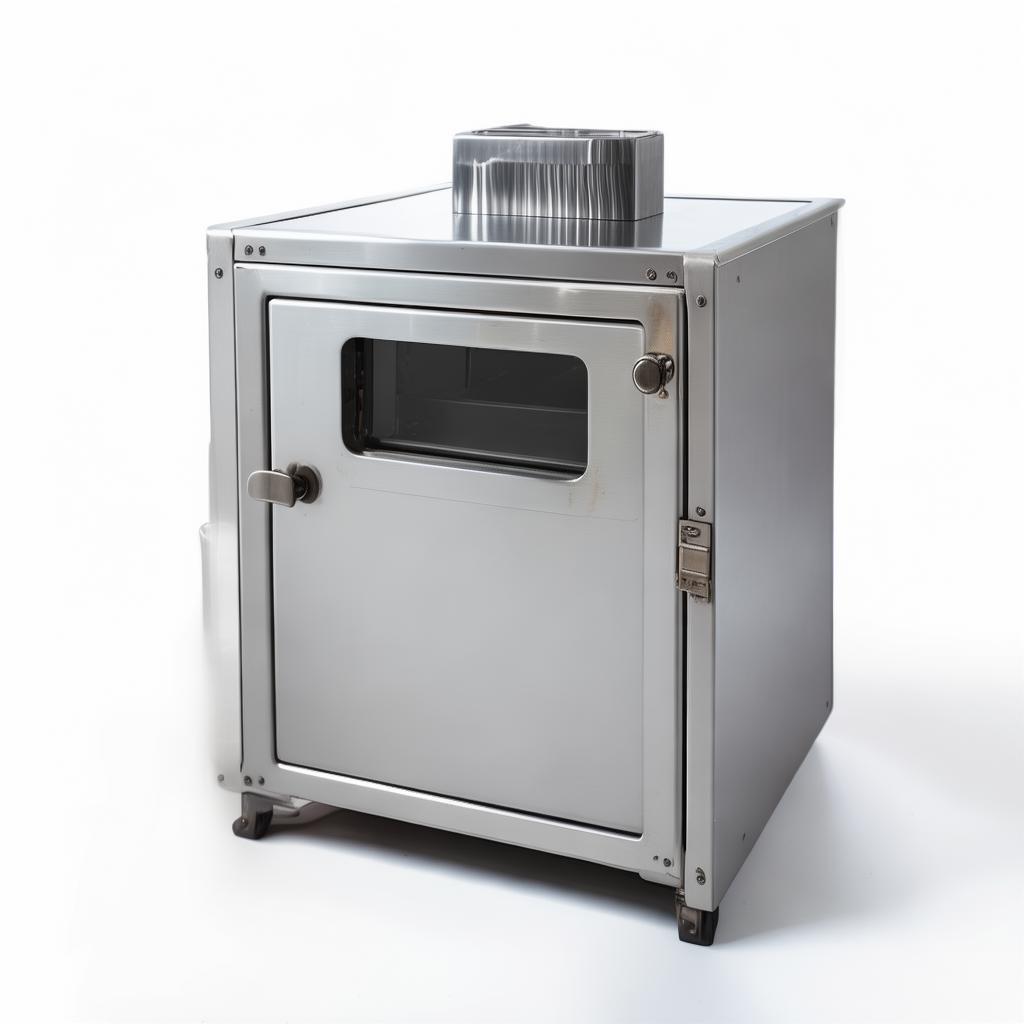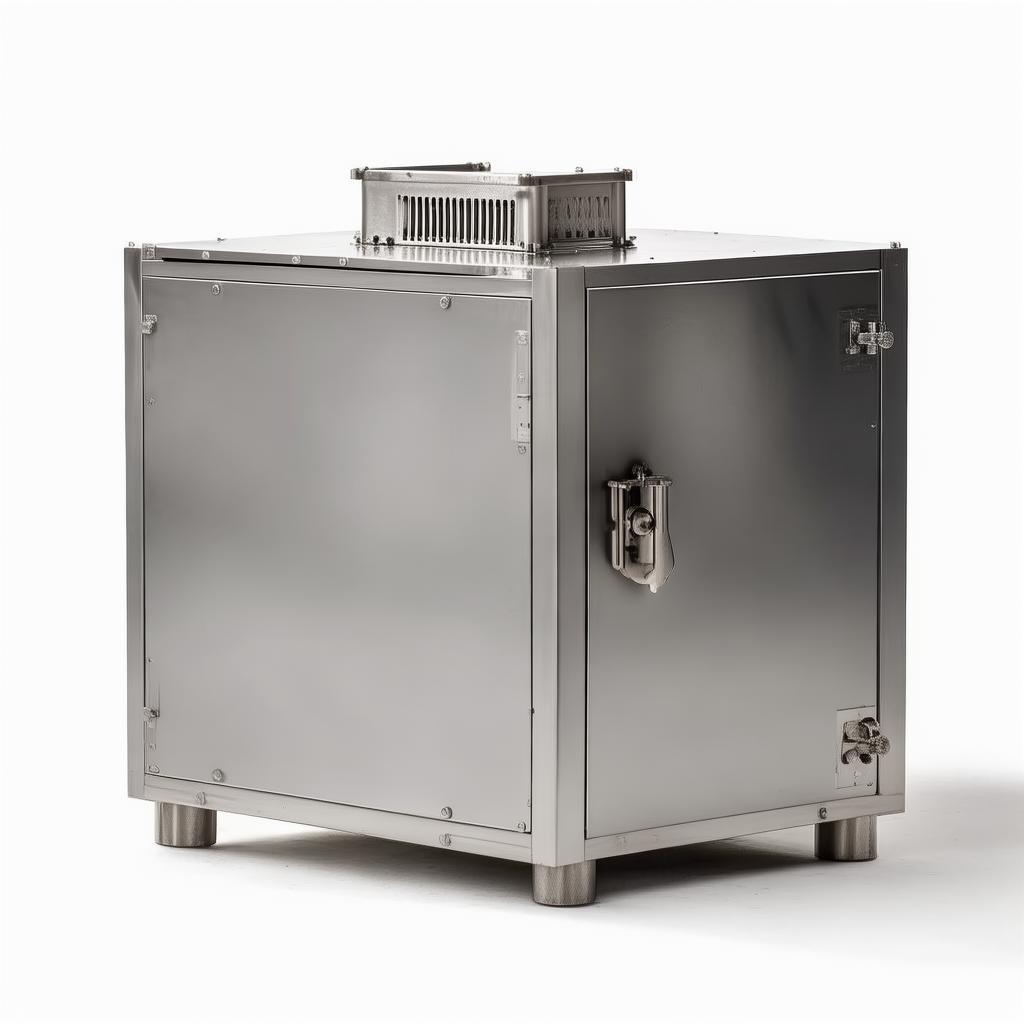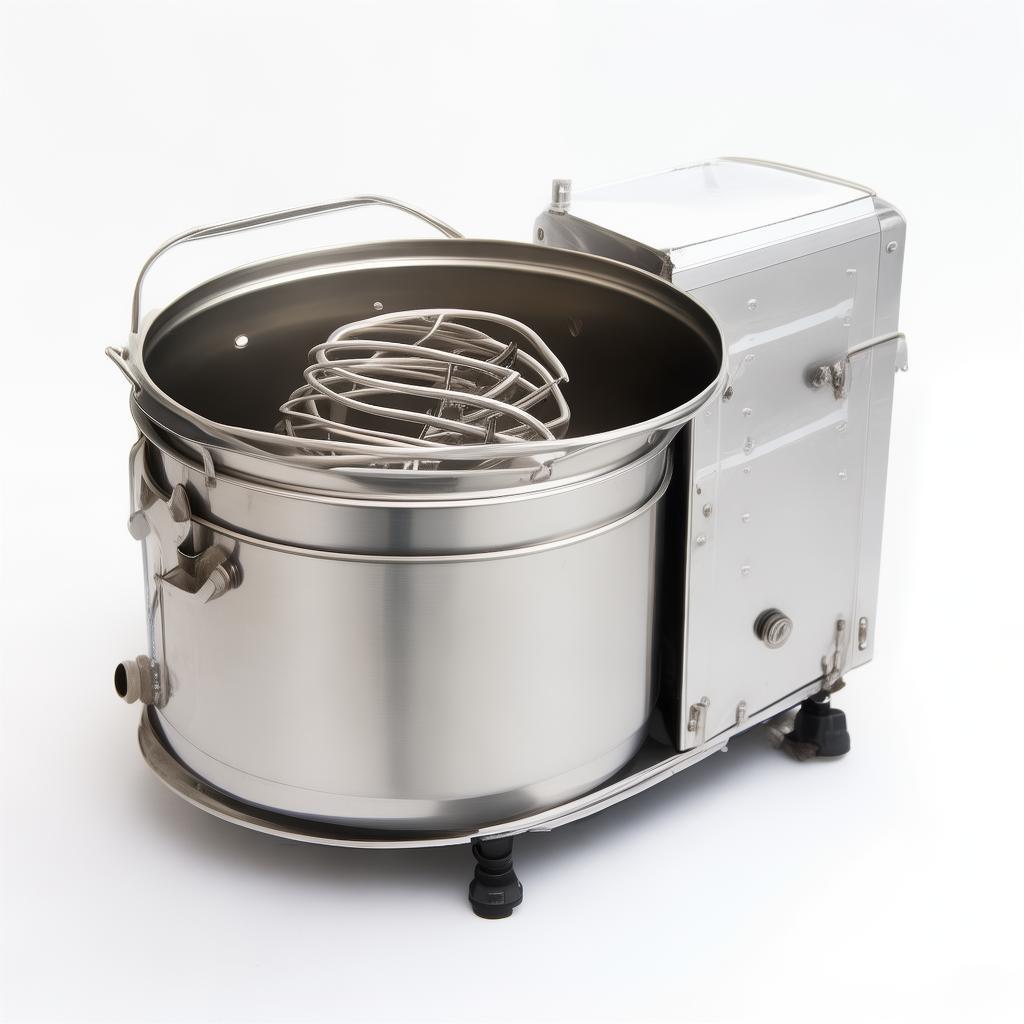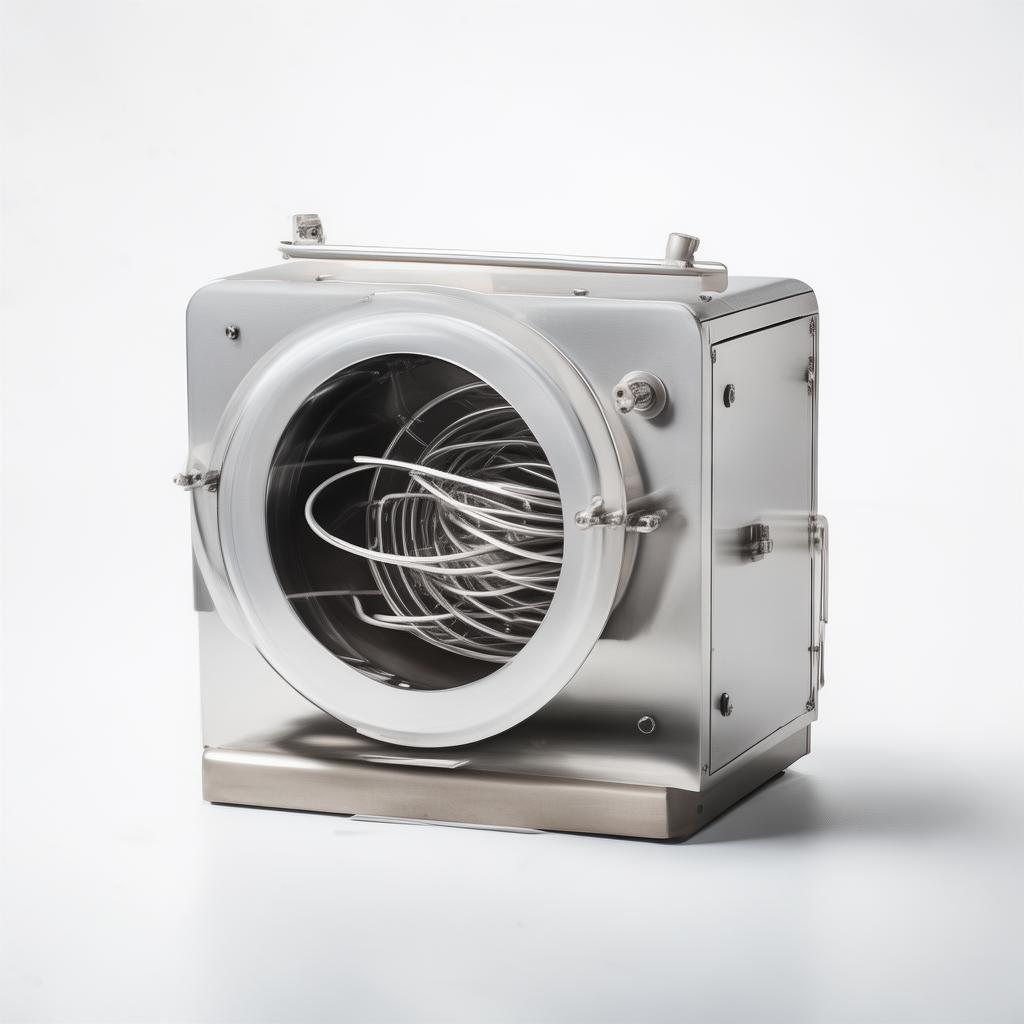
Manufacturers Of Bin Hoists For The Food Sector
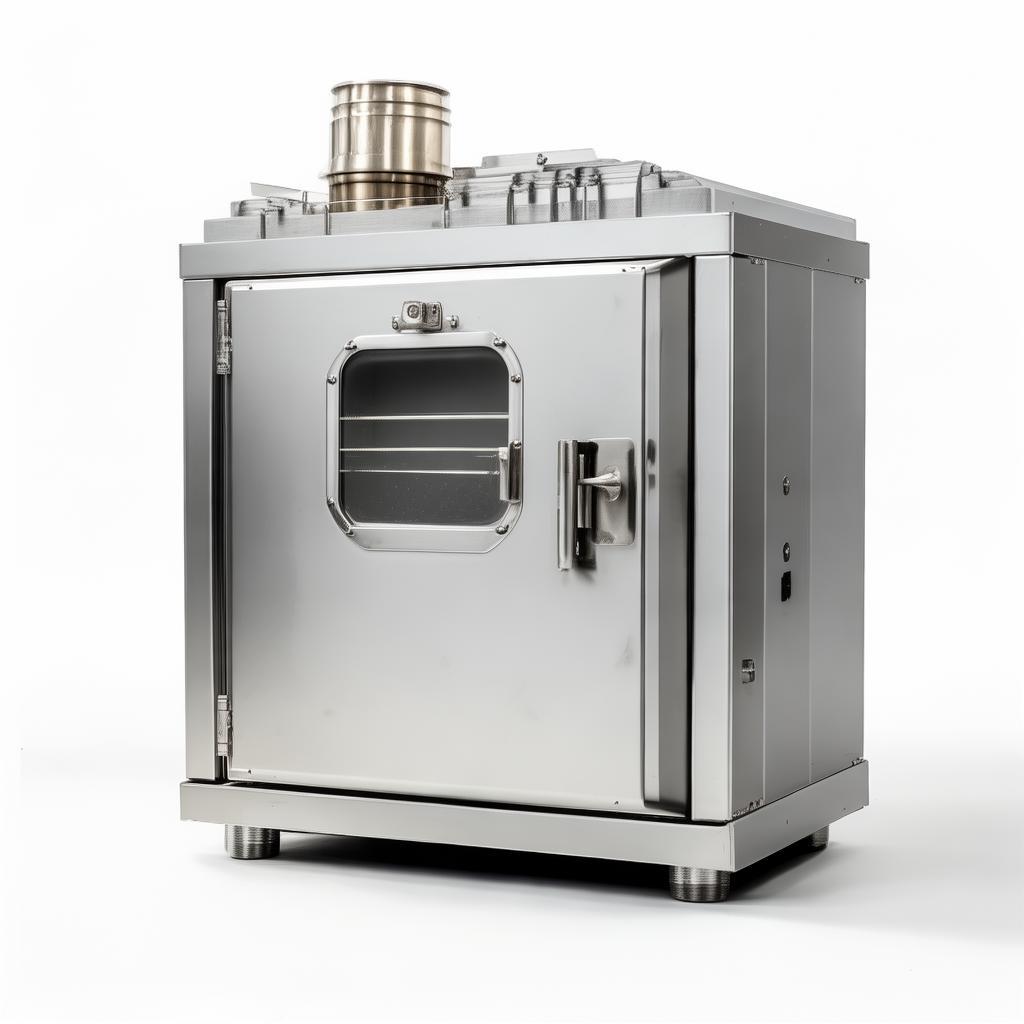
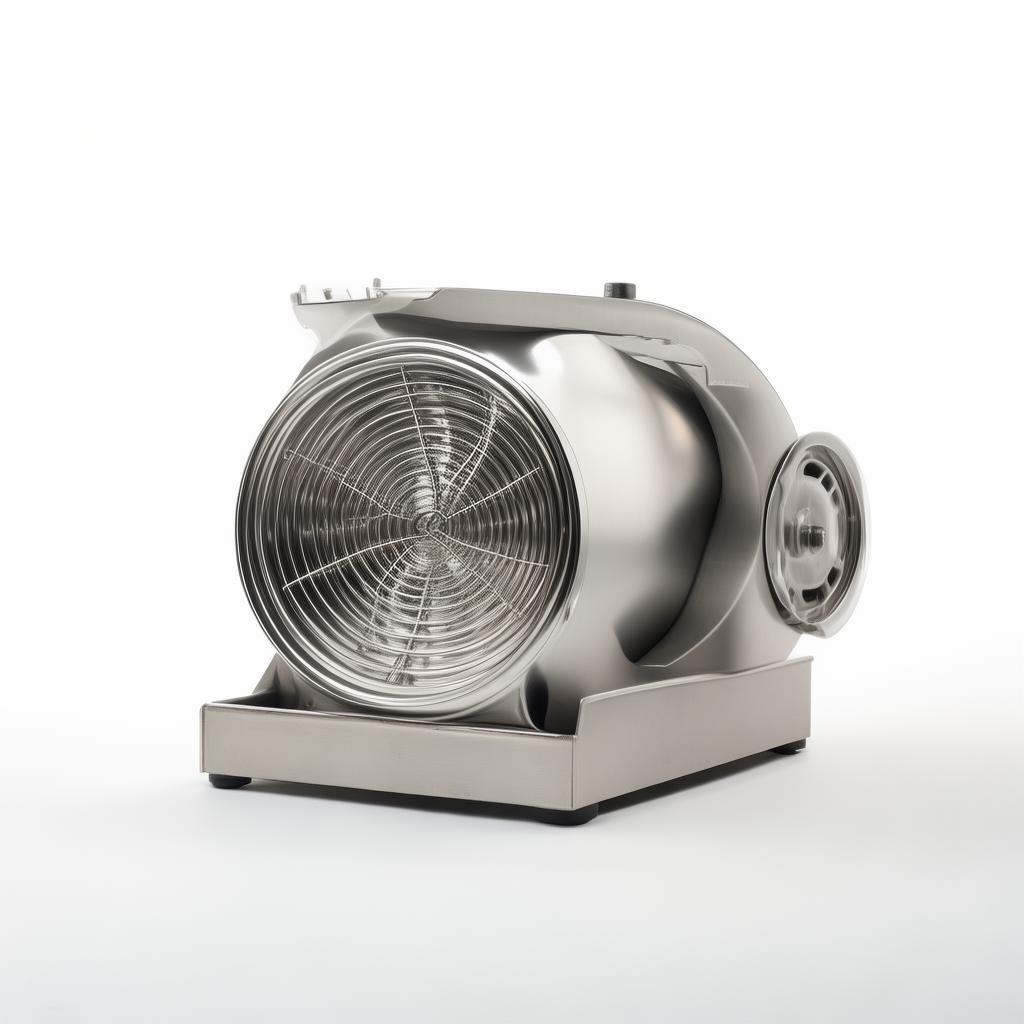
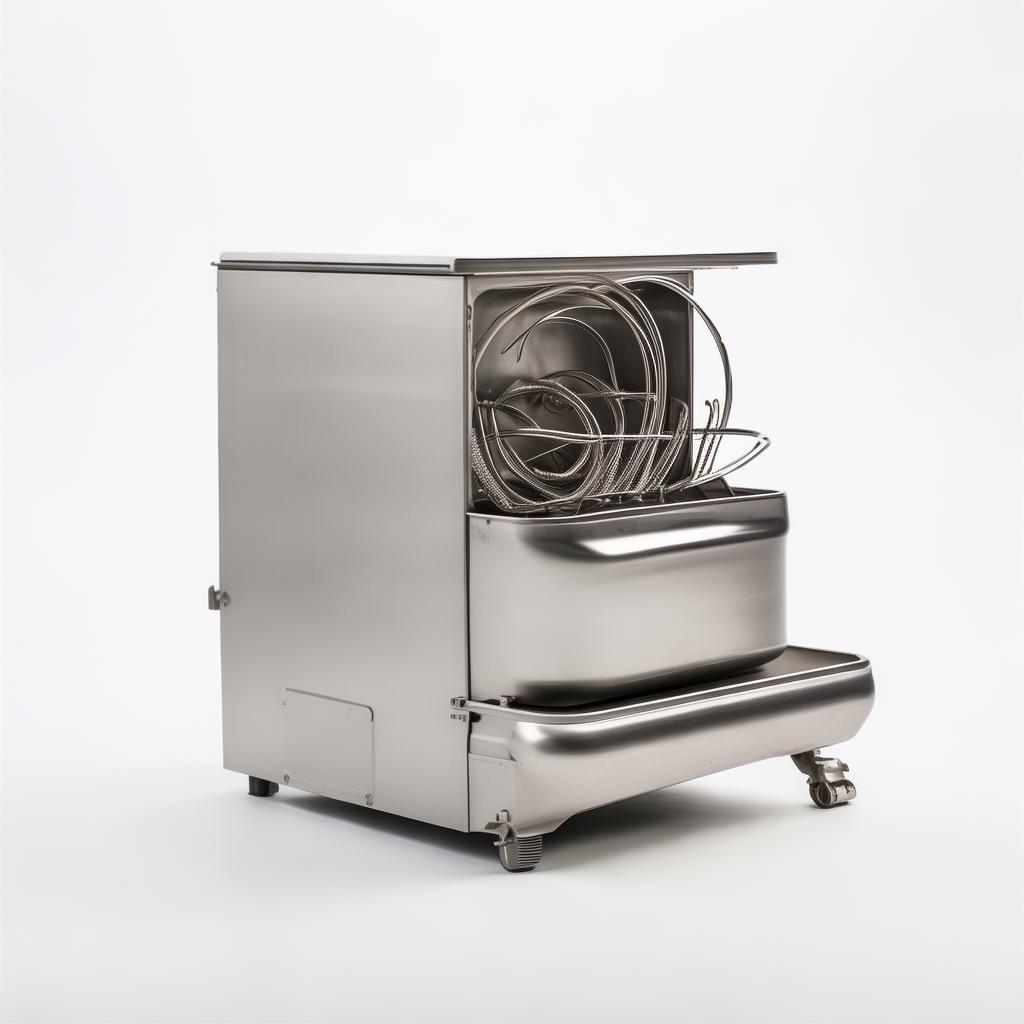
Elevating Food Processing Efficiency: Precision Bin Hoists for Hygienic Operations
Streamline your food production with robust, reliable, and sanitary bin lifting solutions. Engineered for the demanding environments of the food industry.
Unpacking the Challenges: Why Your Food Operation Needs More Than Just a Lifter
In the fast-paced world of food manufacturing, efficiency and hygiene aren't just buzzwords; they're the bedrock of successful operations and regulatory compliance. Every minute saved in a processing line translates directly to improved output and reduced labor costs. Yet, many facilities still grapple with inefficient, manual methods for moving bulk ingredients – tasks like transferring raw meats, poultry, vegetables, or prepared doughs from large bins into processing machinery. This isn't just about heavy lifting; it's about maintaining product integrity, preventing contamination, and ensuring your team works safely and productively. The typical bin hoist might seem straightforward, but for the food sector, the demands are significantly higher.
We're talking about equipment that interfaces directly with your food products. Think about the potential for cross-contamination from poorly designed mechanisms, the physical strain on your workforce, and the downtime incurred when a basic lifter fails or requires extensive cleaning. The global meat processing equipment market alone is a testament to this complexity, projected to reach substantial figures like USD 17.39 billion by 2034 (Fortune Business Insights), with specialized equipment like filling, massaging, and auxiliary systems driving growth. This indicates a clear industry trend towards sophistication and specialization in handling every stage of meat processing, and that includes the fundamental step of ingredient transfer.
Consider the sheer volume of materials moved daily. From poultry farms to sausage makers, from bakeries to ready-meal producers, the need to safely and efficiently discharge contents from wheeled bins or dollys is universal. Manual scooping or tipping is slow, ergonomically disastrous, and a prime vector for contamination. Automated or semi-automated bin hoists designed specifically for food applications offer a tangible solution, but not all hoists are created equal. The specific requirements of the food industry – from stainless steel construction and ease of cleaning to precise tipping control and integration with existing lines – separate standard industrial equipment from true food-grade machinery.
The challenge is finding a partner who understands these nuances. You need a bin hoist that doesn't just lift and dump, but one that performs reliably, meets stringent sanitary standards, and integrates seamlessly into your workflow. This requires a deep understanding of manufacturing processes, material handling in food environments, and the regulatory landscape. It's about more than just a piece of metal; it's about a critical component of your operational efficiency and food safety assurance program. The operational impact of a poorly chosen bin hoist can be significant, leading to increased cleaning times, potential product spoilage, and even worker injuries.
Our expertise lies in bridging this gap. We've spent decades observing and refining solutions for the food processing industry. The global processed meat market is expanding, with projections reaching USD 1,253.77 billion by 2034 (Fortune Business Insights), signaling an ever-increasing demand for high-volume, consistent production. This upward trajectory underscores the critical need for dependable, sanitary equipment that can keep pace with this demand. This is precisely where a well-engineered bin hoist becomes indispensable, ensuring that the transfer of raw materials is as efficient and safe as the final product.
The choice of your bin hoist supplier is a strategic decision. It impacts your OEE (Overall Equipment Effectiveness), your compliance record, and ultimately, your bottom line. Look for manufacturers with a proven track record in the food sector, demonstrated commitment to quality, and the technical capability to customize solutions. This is not a commodity purchase; it’s an investment in operational excellence. The complexity of food supply chains, from raw material sourcing to final product packaging, necessitates equipment that minimizes risk at every touchpoint. A robust bin hoist contributes to this by standardizing a potentially hazardous and inefficient manual process.
The market for meat processing equipment is dynamic, with various segments like filling, tenderizing, and smoking machines showing robust growth. Grand View Research estimates the global market at USD 11.28 billion in 2024, with a projected rise to USD 15.04 billion by 2030. This growth isn't just about the core processing machinery; it's about the entire ecosystem supporting efficient, safe production. This includes the foundational equipment that handles raw ingredients, like bin hoists, which are vital for maintaining the flow and hygiene of any food processing operation, from small-scale artisan producers to large-scale industrial facilities.
We understand that procurement in the food sector is rigorous. You need documentation, compliance assurances, and equipment that speaks to your quality standards. Our bin hoists are designed with these considerations at the forefront, ensuring they not only perform the task but also contribute to your overall quality management system. This focus on detail is crucial in an industry where margins are tight, and the cost of a single contamination event can be devastating. The right bin hoist minimizes that risk, offering peace of mind alongside operational gains.
The Hebei Yuanchang Advantage: Engineered for Food Safety & Performance
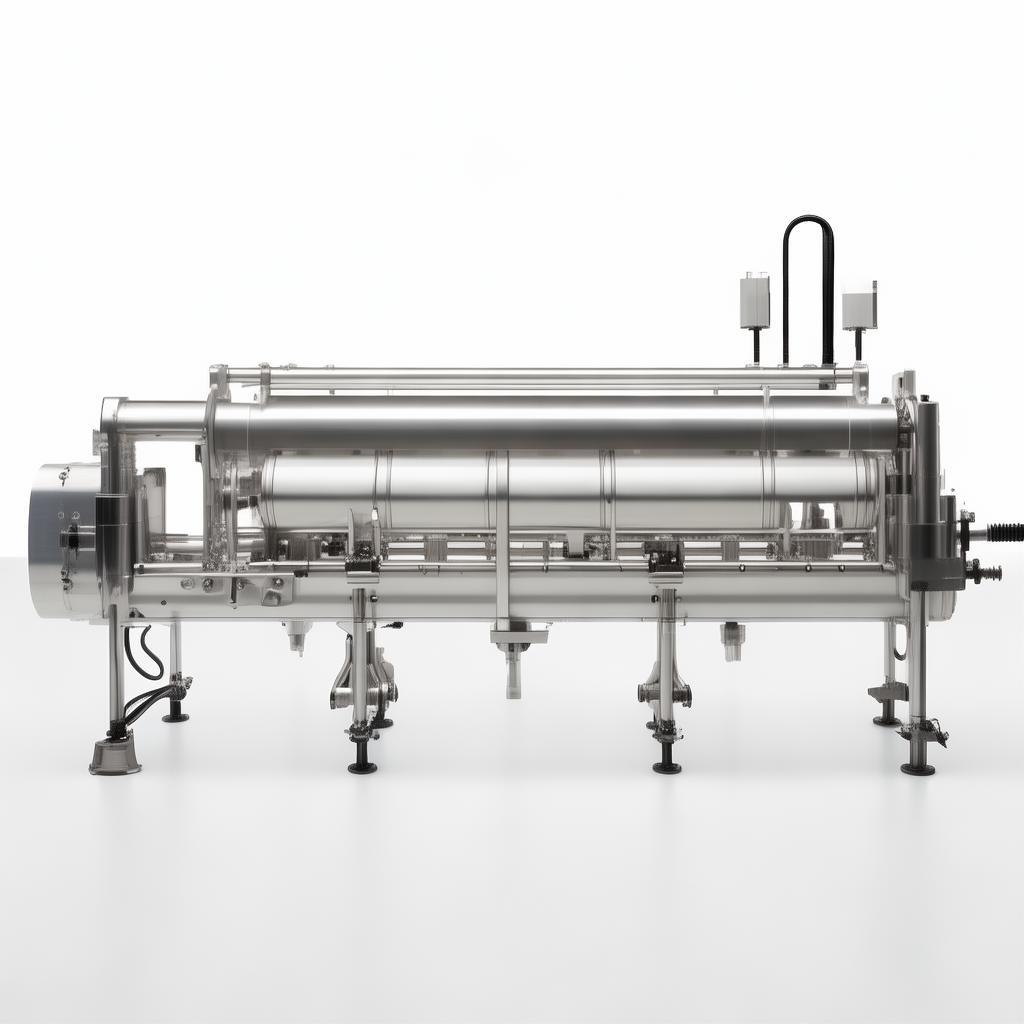
 Precision-engineered bin hoists ready for your production line.
At Hebei Yuanchang, we bring over 40 years of experience since 1986 in designing and manufacturing specialized food processing equipment. Our bin hoists are not generic industrial lifters; they are purpose-built for the unique demands of the food industry. We understand that hygiene, durability, and operational efficiency are paramount. This understanding is baked into every stage of our design and manufacturing process, from material selection to final assembly.
Our commitment starts with materials. We primarily use high-grade stainless steel (e.g., 304 or 316L, depending on application requirements) for all contact surfaces and structural components. This ensures corrosion resistance, ease of cleaning, and compliance with FDA and EU food contact standards. Unlike painted steel or lower-grade alloys, stainless steel minimizes the risk of flaking, rust, or chemical leaching into your products. This is a critical differentiator that directly impacts food safety and your regulatory standing.
The mechanical design focuses on simplicity and robustness. We employ heavy-duty hydraulic or electric drive systems, chosen for their reliability and precise control. Our hoists are designed for smooth, controlled tipping, allowing operators to discharge bin contents accurately into mixers, tumblers, or filling machines, minimizing spillage and product loss. This precision is vital for maintaining batch consistency and reducing waste.
Cleaning and maintenance are often the most time-consuming aspects of food plant operations. We design our bin hoists with easy-access surfaces and minimal crevices where food particles could lodge. Open frame designs, sealed bearings, and appropriate drainage features are standard, facilitating rapid and thorough washdowns. This reduces downtime and ensures your equipment is ready for the next production run, contributing to higher OEE.
Our factory isn't just a place where equipment is assembled; it's a hub of advanced manufacturing. With over 20 sets of processing machinery, including high-precision CNC machining centers from Japan, we have the capability to produce critical components in-house. This independent production of high-precision parts means we control quality, reduce lead times, and can handle custom specifications – a significant advantage when dealing with international clients requiring specific configurations or compliance documentation.
Consider the operational benefits. A typical 200-liter bin, when full, can weigh upwards of 150-200 kg. Manually lifting and tipping such a load is not only physically demanding but also introduces significant ergonomic risks. Our hoists automate this, reducing physical strain, preventing back injuries, and allowing your valuable workforce to focus on higher-value tasks. This translates to a safer workplace and improved productivity, a win-win for any food operation.
We also specialize in OEM/ODM services. If you have specific design requirements or need a bin hoist integrated into a larger processing line, our engineering team is equipped to collaborate and deliver custom solutions. Our extensive experience in complete production lines means we understand how different pieces of equipment interact, ensuring our hoists will fit seamlessly into your existing or planned infrastructure. This flexibility is key for businesses looking to optimize their entire processing flow.
Key Features & Technical Specifications
Our range of food-grade bin hoists is designed to accommodate various bin sizes and tipping heights, ensuring a perfect fit for your operational needs. Below are some standard features and specifications you can expect:
- Construction Material: Food-grade Stainless Steel (SS304/SS316L options)
- Bin Capacity: Standard models for 200L, 300L, and custom sizes
- Tipping Height: Adjustable, designed to match standard mixers, fillers, and conveyors
- Power Options: Electric (220V/380V, 50/60Hz) or Hydraulic drive
- Control System: Simple, intuitive controls with safety interlocks
- Hygiene Design: Easy-clean surfaces, minimal crevices, sealed components
- Safety Features: Emergency stop, overload protection, secure bin clamping
- Mobility: Integrated heavy-duty casters for easy relocation (optional)
- Certifications: CE compliance, with options for FDA-compliant materials
Technical Specification Table Example:
| Feature | Model YC-BH200-SS | Model YC-BH300-SS |
|---|---|---|
| Standard Bin Size | 200 Liters | 300 Liters |
| Max Load Capacity | 250 kg | 350 kg |
| Tipping Angle | Up to 90° | Up to 90° |
| Material | SS304 | SS304 / SS316L Option |
| Motor Power | 1.5 kW | 2.2 kW |
| Dimensions (L x W x H) | Approx. 1200 x 1000 x 2000 mm | Approx. 1300 x 1100 x 2200 mm |
food industry equipment manufacturers food production machinery suppliers food manufacturing equipment suppliers
Note: Specifications are subject to change based on specific configurations and customer requirements. Please contact us for detailed specifications of your desired model.
Application Scenarios: Where Our Bin Hoists Excel
The versatility of our bin hoists makes them ideal for a wide range of applications within the food processing sector. Efficient ingredient handling is crucial across many segments, including:
Meat Processing
Transferring deboned meat, poultry cuts, or ground meat from large bins into grinders, mixers, tumblers, or stuffing machines. Essential for sausage production, marinated meats, and ready-to-cook poultry products.
Bakery & Confectionery
Discharging flour, sugar, pre-mixed dough, or fillings from industrial bins into mixers, depositors, or conveyor systems. Crucial for consistent batching and high-volume production of breads, pastries, and sweets.
Dairy & Cheese Production
Moving milk curds, cheese cultures, or bulk ingredients from processing bins to vats or molding equipment. Ensures sanitary transfer and precise ingredient addition.
Ready-to-Eat Meals & Prepared Foods
Loading pre-portioned ingredients, vegetables, or sauces from storage bins into automated cooking or packaging lines. Enhances throughput and reduces manual handling.
The ability to integrate these hoists with existing machinery is a key consideration. Many operations involve a sequence: ingredients are moved from storage to a bin, then the bin is brought to the hoist, which then accurately discharges its contents into a primary processing unit. For example, in meat processing, a common workflow is bin -> hoist -> mixer/tumbler. Ensuring the tipping height and discharge angle align with the receiving equipment is paramount to prevent product degradation and ensure efficient flow. The global meat processing equipment market's growth, driven by demand for processed meats, emphasizes the need for such integrated solutions. Projections like USD 19.11 billion by 2035 (Precedence Research) highlight the scale and sophistication required.
Procurement & Supplier Evaluation: What to Look For
Selecting the right supplier for industrial equipment like bin hoists is a decision that impacts your operation for years to come. Given the critical nature of food processing, here are key factors to consider when evaluating manufacturers and their offerings:
Don't settle for less than food-grade stainless steel. Inquire about the specific grade (e.g., 304, 316L) and ask for documentation confirming compliance with FDA, EU, or other relevant food contact regulations. Poor material choices can lead to corrosion, contamination, and costly recalls.
The equipment should be designed for easy, thorough cleaning. Look for minimal horizontal surfaces, rounded edges, easy access to components, and integrated drainage. Understand the manufacturer's approach to preventing harborage points for bacteria.
A supplier with robust in-house manufacturing, especially for critical components, offers better quality control, shorter lead times, and greater flexibility for customization. Our 40 years of experience and advanced machining capabilities, including Japanese CNC centers, ensure we deliver precision and reliability.
Beyond standard electrical safety, investigate features like secure bin locking mechanisms, overload protection, and emergency stops. The equipment must be inherently safe to operate, minimizing risks to personnel.
Ask about warranty terms, availability of spare parts, and technical support. A traceable after-sales management system, like ours, ensures you can get parts and service quickly, minimizing downtime. This is critical for continuous operations.
Does the manufacturer offer customization to fit specific bin types, tipping heights, or integration needs? Our OEM/ODM capabilities mean we can engineer solutions tailored precisely to your unique operational setup.
The global demand for processed meat and related equipment is substantial, with market values expected to exceed USD 15 billion by 2030 (Grand View Research). This growth fuels innovation and competition, making it essential to partner with experienced, reliable manufacturers who can scale with your business and provide the necessary compliance and support. Choosing a manufacturer with a long history, like Hebei Yuanchang (established 1986), offers a higher degree of assurance in product quality and service.
Installation, Maintenance & Logistics
Getting your new bin hoist up and running efficiently, and keeping it that way, is crucial for maximizing your investment. Our approach considers the entire lifecycle:
Installation Considerations:
- Site Preparation: Ensure a level, stable floor area capable of supporting the hoist's weight, especially when loaded. Adequate space around the unit is needed for bin access and operator movement.
- Power Connection: Our units typically require standard industrial power (220V/380V, 50/60Hz). Electrical connections should be made by qualified personnel according to local codes.
- Integration: Plan the hoist's placement relative to your existing processing equipment (mixers, conveyors, etc.) to ensure a smooth, gravity-fed or easily conveyed transfer of ingredients.
Routine Maintenance for Longevity:
- Cleaning: Daily or post-shift cleaning is essential. Use approved food-grade cleaning agents and sanitizers. Pay attention to pivot points, the bin cradle, and any areas where product residue might accumulate.
- Lubrication: Periodically lubricate designated moving parts (e.g., pivot points, bearings) as per the operation manual. Use food-grade lubricants where applicable.
- Inspection: Regularly check for any signs of wear, damage, or loose components. Inspect hydraulic hoses for leaks, electrical connections for integrity, and structural welds for soundness.
Logistics and Shipping:
We have extensive experience in international shipping. Our bin hoists are typically shipped partially assembled or fully assembled, depending on size and model, secured within robust crates or on pallets designed for international transport. We work with reliable freight forwarders to ensure timely and cost-effective delivery to your facility. We handle all necessary export documentation, making the process as seamless as possible for our global clients. For example, we can optimize container loading to maximize space and minimize shipping costs, a crucial factor in international trade economics. Delivery timelines will vary based on destination and any customization requirements, but we provide clear estimates upfront.
Frequently Asked Questions (FAQ)
Q1: Can your bin hoists handle bins of different shapes or sizes?
Our standard models are designed for common industrial bins (e.g., 200L, 300L). However, we offer significant customization. We can adapt designs for non-standard bin types, sizes, or even dollys. Please provide detailed specifications of your containers for a tailored solution.
Q2: What is the typical lead time from order to delivery?
For standard configurations, lead times typically range from 4-8 weeks. Customized or high-volume orders may require additional time. We provide specific lead time estimates with each quotation, factoring in production schedules and any necessary component sourcing.
Q3: Are your bin hoists compliant with international food safety standards?
Yes, our food-grade bin hoists are constructed from materials like SS304 and SS316L, which are standard in food processing. We can provide CE certification for our equipment, and ensure materials comply with FDA regulations upon request. We understand the importance of documentation for international markets.
Q4: What kind of after-sales support do you offer?
We offer a comprehensive after-sales service, including technical support, troubleshooting assistance, and readily available spare parts. Our commitment extends beyond the sale to ensure your equipment operates reliably throughout its lifecycle. We maintain a traceable management system for parts and service history.
Q5: Can you integrate your bin hoists into existing production lines?
Absolutely. Our OEM/ODM capabilities are designed for this. We work closely with clients to understand their existing machinery and production flow to ensure seamless integration, optimizing performance and efficiency. This often involves adjusting tipping heights, discharge angles, or control interfaces.
Why Choose Hebei Yuanchang?
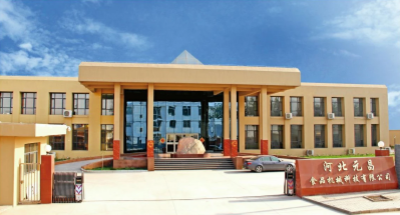
For over four decades, Hebei Yuanchang Food Mechanism & Technology Co., Ltd. has been a trusted name in specialized food processing equipment. Our 14,000 sq meter facility, staffed by 80-100 dedicated professionals, is equipped with advanced machinery, including Japanese Mazak CNC centers, allowing us to produce components with unparalleled precision. We don't just build machines; we engineer solutions backed by deep industry knowledge and a commitment to quality and customer satisfaction.

Written by:
Mr. Li Wei, Export Director
Hebei Yuanchang Food Mechanism & Technology Co., Ltd.
40+ Years
Experience
80-100
Skilled Employees
40+
Processing Machines
ISO Certified
Quality Management
Hear From Our Partners: Customer Testimonials

Operations Manager, American Provisions Co.
"The bin hoists from Yuanchang have been a game-changer for our meat processing line. Before, we relied on manual tipping, which was slow and hard on our team. Now, ingredient transfer is significantly faster and much safer. The stainless steel construction is top-notch, making cleaning straightforward, which is essential for our HACCP compliance. We've seen a noticeable improvement in throughput since installation."

Procurement Lead, Global Bakery Solutions
"We needed a reliable solution for moving large batches of dough from our fermentation bins to the depositors. Yuanchang's custom-engineered bin hoist exceeded expectations. The precision tipping ensures minimal waste, and the robust build quality gives us confidence in its longevity. Their responsiveness and understanding of our specific needs, including international shipping logistics, made the entire process smooth."

Plant Manager, Farm Fresh Dairy
"The hygienic design of the Yuanchang bin hoists is critical for our dairy operations. We handle sensitive products, and the ease of cleaning these units significantly reduces our sanitation time and risk of contamination. The durability is also a major plus – they've held up exceptionally well under continuous use. We appreciate their expertise in food-grade equipment."
Ready to Optimize Your Food Processing Workflow?
Elevate your operational efficiency, enhance food safety, and reduce manual labor with our expertly engineered bin hoists. Invest in equipment that understands the demands of your industry.
Enhance Your Trust in Our Expertise: