Long Semi Trailers
Long Semi-Trailers: Precision Engineering for Global Logistics

By David Chen, Senior Export Manager
Published: October 26, 2023
Navigating the complexities of international trade requires robust, reliable equipment. For businesses moving substantial volumes of goods across continents, the choice of long semi-trailers is a critical decision impacting efficiency, safety, and profitability. This guide delves into the engineering, operational advantages, and procurement considerations for these vital workhorses of global commerce.
The Backbone of Bulk Transport: Understanding Long Semi-Trailers
In the intricate network of global supply chains, efficiency is paramount. For businesses involved in high-volume freight forwarding, the long semi-trailer stands as a cornerstone of operational capacity. These aren't just large trailers; they represent a sophisticated engineering solution designed to maximize payload, optimize transit times, and reduce per-unit shipping costs. Their extended length, typically exceeding standard semi-trailer dimensions (often in the range of 48 to 53 feet or more, depending on regional regulations), allows for significantly larger cargo volumes, making them indispensable for industries ranging from manufacturing and agriculture to retail and construction.
The wholesale export of goods heavily relies on the ability to move substantial quantities efficiently. A long semi-trailer allows for fewer trips, reducing fuel consumption, driver hours, and wear-and-tear on the entire fleet. This translates directly into cost savings, a critical factor for procurement managers and logistics directors who are constantly under pressure to optimize budgets. Consider the implications for a shipment of consumer goods destined for a major distribution hub – fitting more units onto a single long trailer means fewer trucks on the road, less congestion at loading docks, and faster fulfillment of orders.
For OEM/ODM factories, particularly those supplying components or finished goods in bulk, the choice of trailer impacts not only their outbound logistics but also their ability to meet client demands for timely delivery. When sourcing equipment, understanding the nuances of trailer design – from chassis strength and axle configurations to braking systems and material durability – is crucial. A well-specified long semi-trailer is an investment in operational continuity and customer satisfaction. The capability to customize these units, whether for specific cargo types, branding, or specialized loading mechanisms, further enhances their value proposition.
The demand for flexible and high-capacity transport solutions is a constant in international B2B trade. Long semi-trailers are engineered to meet these demands, offering a blend of capacity and maneuverability (within regulatory limits). They are the workhorses that connect production facilities to ports, warehouses to retail networks, and continents to each other. Their design considerations often involve compliance with strict safety standards, aerodynamic enhancements to improve fuel efficiency, and robust construction to withstand the rigors of long-haul freight. The strategic advantage of utilizing such equipment lies in its direct impact on the bottom line and overall supply chain resilience.
The global market for heavy-duty transport equipment, including long semi-trailers, reflects a growing need for efficiency and scalability. Reports indicate a steady expansion in the freight and logistics sector, driven by e-commerce growth and globalized manufacturing. For instance, the meat processing equipment market analysis, while specific to a niche, highlights a broader trend: "The global meat processing equipment market was valued at USD 11.29 billion in 2025 and is projected to reach USD 17.39 billion by 2034 at a CAGR of 5.0%." This signifies increased industrial output and the corresponding need for efficient logistics. Similarly, the meat processing equipment market report notes, "Rising consumption of ready-to-eat meats, automation for labor shortages and hygiene, and infrastructure investments in emerging markets drive demand." This broader industrial growth necessitates superior transport capabilities, where long semi-trailers play a pivotal role in moving raw materials and finished goods.
When considering cross-border commerce, regulatory compliance is a non-negotiable aspect. Different regions have varying length and weight restrictions for road vehicles. Our long semi-trailers are designed with these regulations in mind, offering configurations that can adapt to diverse international standards while maximizing legal payload. Understanding these nuances upfront can save significant operational headaches and costs down the line, ensuring smooth transit from origin to destination. This proactive approach to compliance is a hallmark of experienced logistics professionals and equipment suppliers.
The core benefit of a long semi-trailer is its capacity. Instead of relying on multiple standard trailers, one long semi-trailer can often do the job of two, dramatically reducing operational overhead. This directly impacts the total cost of ownership. Companies looking to scale their operations without a proportional increase in fleet size or personnel find these trailers to be a strategic asset. The Fit For Now (2026) objective for many businesses involves optimizing existing assets and adopting technologies that offer immediate and long-term efficiency gains. Long semi-trailers fit this mandate perfectly by addressing the immediate need for increased cargo capacity.
Addressing Key Logistics Challenges with Enhanced Capacity
In today's competitive landscape, businesses face persistent challenges in managing their supply chains effectively. The sheer volume of goods needing to be moved, coupled with the pressure to reduce costs and delivery times, creates a complex operational environment. One of the most significant bottlenecks is often insufficient cargo capacity.
- Limited Payload: Standard trailers restrict how much can be shipped per trip. This leads to more frequent journeys, higher fuel costs, increased labor expenditure, and greater wear on vehicles and infrastructure. For bulk commodity exporters or large-scale manufacturers, this inefficiency can erode profit margins significantly.
- Increased Operational Costs: Each additional trip necessitated by limited capacity directly adds to operational expenses. This includes fuel, driver wages, maintenance, toll fees, and potential penalties for late deliveries. The cumulative effect can be substantial, impacting overall business profitability.
- Fleet Inefficiency: A fleet comprised solely of standard trailers may not be optimally utilized. valuable terminal time is spent on loading and unloading more frequently than necessary, and the overall throughput of the logistics operation is reduced.
- Environmental Impact: More trips mean more emissions. In an era of increasing environmental consciousness and regulation, minimizing the carbon footprint of logistics operations is becoming a critical business imperative.
- Supply Chain Disruptions: Over-reliance on multiple standard loads can create more points of potential failure in a supply chain. A single delay on one of many trips can have a cascading effect.
These are precisely the issues that well-designed long semi-trailers are engineered to overcome. By providing a larger, more consolidated platform for freight, they directly address the capacity limitations and their associated cost and efficiency drawbacks.
Operational Benefits & Performance: Why Choose Long Semi-Trailers?
The strategic advantage of integrating long semi-trailers into a logistics operation is multifaceted, directly impacting efficiency, cost, and overall supply chain performance. These benefits are not theoretical; they are the tangible results of enhanced engineering and thoughtful design.
Maximized Cargo Capacity
The most apparent benefit. A single long semi-trailer can carry significantly more volume and weight than a standard trailer, drastically reducing the number of trips required for large consignments. This is crucial for industries moving bulk goods, raw materials, or high-volume finished products.
Reduced Cost Per Ton-Mile
By consolidating loads, you decrease the cost associated with moving each unit of weight over a distance. This includes lower fuel consumption per ton, fewer driver hours per ton, and reduced maintenance expenditure across fewer journeys. It's a direct route to improving your bottom line.
Enhanced Fuel Efficiency
Fewer trips mean less overall fuel burned. Additionally, modern long semi-trailers are often designed with aerodynamic features and lighter, stronger materials to further optimize fuel economy, contributing to both cost savings and environmental sustainability.
Streamlined Logistics Operations
Fewer trucks on the road, fewer loading and unloading cycles, and simplified fleet management contribute to a more efficient, less complex operation. This reduces potential points of failure and can speed up overall transit times.
Improved Driver Utilization
Longer hauls with fewer stops can optimize driver hours, potentially allowing for more deliveries within regulatory limits and improving driver job satisfaction. For companies facing driver shortages, maximizing efficiency per driver is critical.
Versatile Cargo Handling
Available in various configurations (e.g., flatbed, enclosed van, reefer), long semi-trailers can be adapted to suit a wide range of cargo types, from palletized goods and machinery to temperature-sensitive products. This flexibility is key for diverse international trade requirements.
These advantages make long semi-trailers a strategic choice for any business aiming to enhance its competitive edge through superior logistics performance.
"Switching to longer trailers was a game-changer for our bulk raw material shipments. We saw an immediate reduction in transport costs and fewer delays at the receiving end. It freed up capital that we reinvested in our production lines." - Procurement Director, AgriCorp USA
Engineering Excellence: Key Specifications of Our Long Semi-Trailers
The performance and longevity of a long semi-trailer are dictated by its underlying engineering and component quality. At Hebei Yuanchang, we integrate decades of manufacturing experience with advanced technological capabilities to produce trailers that meet the highest international standards. Understanding these specifications is vital for procurement professionals and technical engineers.
Chassis and Frame Construction
Our chassis are typically constructed from high-strength, low-alloy steel (e.g., Q345B or equivalent) to ensure exceptional durability and load-bearing capacity. The frame design is optimized for rigidity and stress distribution, featuring robust cross-members and reinforced kingpin areas to handle the demands of heavy, long-haul transport. We utilize advanced welding techniques and precise fabrication processes to guarantee structural integrity.
Axles and Suspension Systems
We offer a variety of axle configurations (e.g., tandem or tri-axle) from reputable global manufacturers or our own precision-engineered units. Options include heavy-duty beam axles with robust suspension systems such as mechanical leaf spring suspension or air suspension. Air suspension systems provide a smoother ride, better cargo protection, and enhanced driver comfort, while also offering load-leveling capabilities.
Braking and Safety Systems
Safety is non-negotiable. Our trailers are equipped with advanced braking systems, typically including dual-circuit air brakes with ABS (Anti-lock Braking System) and optional EBS (Electronic Braking System) for enhanced control and stability. We ensure compliance with all relevant international safety standards, providing reliable stopping power even under full load.
Tire and Wheel Specifications
High-quality tires are critical for performance and safety. We specify durable, heavy-duty radial tires designed for long-haul applications, often from leading international brands. Wheel assemblies are robust and designed to withstand significant lateral forces and road impacts.
Trailer Types and Customization
We offer a range of trailer types, including:
- Van/Box Trailers: For enclosed, protected cargo. Available with various door configurations and internal load securing systems.
- Flatbed Trailers: For oversized, heavy, or irregularly shaped cargo that requires easy loading from any side.
- Refrigerated Trailers (Reefers): For temperature-sensitive goods, equipped with robust insulation and reliable refrigeration units.
- Curtain-Siders: Offering the security of an enclosed trailer with the loading flexibility of a flatbed.
Our commitment to OEM/ODM principles means we excel in customization. Whether you require specific dimensions, specialized load securing points, custom interior fittings, or unique exterior finishes, our engineering team can develop a bespoke solution.
Dimensions and Capacity (Typical Examples)
*Actual dimensions and capacities vary based on specific models and regional regulations.
| Feature | Standard Specification (Example) | Typical Payload Capacity |
|---|---|---|
| Overall Length | 53 ft (approx. 16.15 m) | Varies by axle configuration and regulations |
| Overall Width | 102 inches (approx. 2.59 m) | Up to legal limits (e.g., 8.5 ft / 2.59m in USA) |
| Trailer Height (Internal) | Approx. 105-110 inches (approx. 2.67-2.79 m) | Optimized for cubic capacity |
| Tare Weight | 6,000 - 8,500 kg (approx.) | Influences available payload |
| Gross Vehicle Weight Rating (GVWR) | Typically 80,000 lbs (approx. 36,287 kg) | Regulatory dependent |
heavy duty semi trailer mega trailers warehouse trailers
For detailed technical drawings and specific load calculations, please request our detailed product specifications.
Versatile Applications: Powering Global Industries
The sheer utility of long semi-trailers makes them indispensable across a broad spectrum of industries involved in international B2B trade and domestic logistics. Their capacity to move large volumes efficiently makes them a strategic asset for businesses focused on cost-effectiveness and scale.
Manufacturing & Industrial Goods
Transporting finished products like electronics, machinery, building materials, and consumer goods in bulk from factories to distribution centers or ports.
Retail & E-commerce Fulfillment
Delivering large volumes of merchandise to retail chains or central distribution hubs for online retailers, ensuring shelves are stocked and e-commerce orders are met promptly.
Agriculture & Food Products
Moving large quantities of packaged food items, grains, or other agricultural commodities. Refrigerated versions are critical for transporting perishable goods while maintaining their integrity.
Automotive & Parts Logistics
Transporting vehicle components, spare parts, or even finished vehicles (using specialized carriers, often flatbeds) in high volumes.
Construction & Heavy Equipment
Hauling construction materials like lumber, steel, pipes, or even smaller pieces of heavy machinery to job sites.
Warehousing & Distribution
Serving as mobile storage units or for high-volume transfers between warehouses and distribution centers, optimizing inventory flow.
The wholesale export of many of these product categories relies heavily on the cost-effectiveness and capacity offered by long semi-trailers.
Procurement Insights for International Buyers: Securing Your Long Semi-Trailer Investment
Selecting and procuring long semi-trailers, especially for international markets, demands a strategic approach. It's not just about the sticker price; it's about total cost of ownership, reliability, and supplier support.
Understanding Your Load Requirements
Before engaging with suppliers, thoroughly assess your typical cargo: type, volume, weight, and any special handling needs (e.g., temperature control, fragility). This clarity will guide you to the most suitable trailer configuration and prevent costly compromises. For instance, moving palletized goods differs greatly from transporting bulk liquids or machinery.
Regulatory Compliance is Key
Each country and region has specific regulations regarding trailer length, width, axle load, and Gross Vehicle Weight (GVW). Ensure any trailer you consider meets these requirements for your primary operational territories. Non-compliance can lead to fines, delays, and operational restrictions. We can provide guidance on common regulations in major markets like the USA, Canada, and European Union.
Component Quality Matters
The reliability of your trailer hinges on the quality of its components: axles, brakes, suspension, tires, and lights. Inquire about the brands used and their warranty terms. Reputable manufacturers often use globally recognized components, making maintenance and parts availability easier, especially in international settings. We prioritize using high-quality, traceable components from established suppliers.
Evaluating the Manufacturer's Strength
Look for manufacturers with a proven track record and robust production capabilities. Factors to consider include:
- Years of experience in trailer manufacturing.
- Certifications (e.g., ISO 9001).
- In-house manufacturing capabilities, especially for critical components.
- Commitment to R&D and technological integration.
- Customer support and after-sales service network.
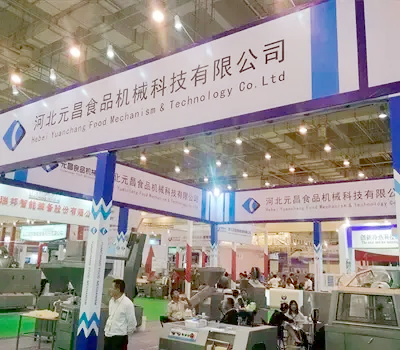
As detailed in our company profile, Hebei Yuanchang Food Mechanism & Technology Co., Ltd. boasts 40 years of experience, a dedicated R&D team, and advanced CNC machining capabilities, ensuring high-precision component manufacturing and reliable after-sales service.
Logistics and Shipping Considerations
For international buyers, understanding the shipping process is crucial. Discuss with your supplier how the trailers will be transported to your location. Options may include Ro-Ro (Roll-on/Roll-off) shipping, containerized transport, or disassembly for easier shipping. Factor in lead times, shipping costs, and customs duties. We have extensive experience in arranging global shipments.
Warranty and After-Sales Support
A comprehensive warranty on the trailer structure and critical components is essential. Clarify what is covered, the warranty period, and the process for claims. Reliable after-sales support, including access to spare parts and technical assistance, can significantly reduce downtime. Our traceable after-sales management system ensures you receive prompt support.
Investing in the right long semi-trailer is a strategic decision. By focusing on these procurement factors, you can ensure you acquire a durable, efficient, and cost-effective asset for your global logistics operations.

Our Manufacturing Prowess: Precision and Scale
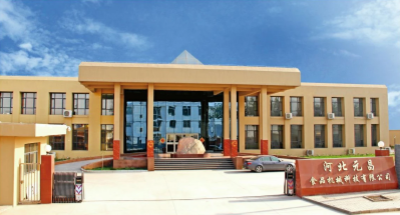
Hebei Yuanchang Food Mechanism & Technology Co., Ltd. isn't just a manufacturer; we are a hub of industrial expertise built over 40 years. Our foundation in precision engineering, initially for complex food processing machinery, has equipped us with the rigor and technical capability to produce exceptionally durable and high-performance industrial equipment, including heavy-duty transport solutions like long semi-trailers.
Extensive Facility
Our operations span approximately 14,000 square meters, housing advanced production lines and a comprehensive in-house machining workshop. This scale allows for significant production volumes while maintaining strict quality control.
Decades of Experience
Since 1986, we've honed our skills in manufacturing complex mechanical systems. This deep-seated knowledge translates into robust designs, efficient production methods, and an understanding of the real-world demands placed on industrial equipment.
Advanced Machining Capabilities
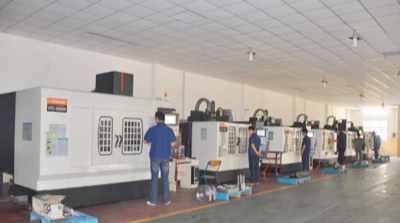
Equipped with over 20 sets of precision machinery, including CNC machining centers from Japanese Mazak, we can produce high-standard, high-precision components. This self-sufficiency ensures quality control and the ability to meet custom specifications.
Commitment to Quality & Service
Our operations integrate R&D, production, and sales, supported by a traceable after-sales management system. This holistic approach guarantees product quality and ensures a worry-free experience for our clients, particularly those engaging in cross-border commerce.
Commitment to Quality: Our Certifications
Demonstrating our dedication to international standards and quality management, Hebei Yuanchang adheres to rigorous certification protocols. These accreditations are not merely badges; they represent our systematic approach to ensuring product excellence and operational reliability for our global clientele.
ISO 9001: Quality Management System
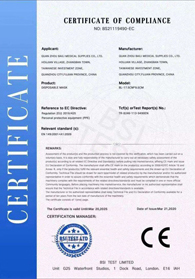
CE Marking: Conformance to European standards

RoHS Compliant: Restriction of Hazardous Substances
These certifications underscore our commitment to delivering products that meet stringent global requirements for quality, safety, and environmental responsibility, crucial for international B2B trade.
Frequently Asked Questions About Long Semi-Trailers
1. What is the primary advantage of using a long semi-trailer over standard trailers?
The primary advantage is significantly increased cargo capacity per trip. This translates to fewer trips, reduced operational costs (fuel, labor, maintenance), and improved overall logistics efficiency for bulk shipments.
2. How do I know which trailer length is compliant in my region?
Regulations vary by country and sometimes by state or province. We work with clients to understand their specific market regulations regarding maximum trailer length, width, and Gross Vehicle Weight (GVW). Providing your target destination is crucial for us to recommend compliant options.
3. What materials are used in the construction of your long semi-trailers?
We primarily use high-strength, low-alloy steel for the chassis and frame, known for its durability and load-bearing capacity. Specific components like axles, suspension parts, and braking systems utilize components from reputable international manufacturers, ensuring reliability. We can provide detailed material specifications upon request.
4. Can these trailers be customized for specific cargo types?
Absolutely. Our OEM/ODM approach means we specialize in customization. Whether you need specialized internal configurations, specific load securing points, temperature control, or unique dimensions, our engineering team can design a trailer tailored to your exact needs.
5. What is the typical lead time for an order?
Lead times can vary depending on the complexity of the order, production schedules, and shipping arrangements. Generally, standard configurations might take 4-8 weeks from order confirmation, while highly customized units may require longer. We provide an estimated lead time with each quotation.
6. How do you handle after-sales service and spare parts for international clients?
We operate a traceable after-sales management system. We work with clients to identify critical spare parts for stocking and provide technical support remotely. For major repairs or specialized needs, we can arrange for our technical team to provide assistance or guide local service partners.
What Our Clients Say
"We needed a robust solution for transporting large volumes of our processed food products to distribution hubs across the US. Hebei Yuanchang's long semi-trailers have exceeded our expectations. The build quality is exceptional, and the capacity has significantly reduced our logistics costs. Their team was incredibly helpful in navigating export procedures."

Operations Manager, FlavorFoods Inc.
"As a B2B distributor, timely and cost-effective delivery is paramount. The long flatbed trailers we sourced from Yuanchang allow us to move construction materials more efficiently. The custom tie-down points were perfectly integrated, and the chassis handles heavy loads with ease. Highly recommend for wholesale export operations."

Procurement Director, BuildMax Supplies
"We operate in a sector with strict temperature control requirements for our goods. The refrigerated long semi-trailers from Hebei Yuanchang are reliable and maintain consistent temperatures, even on long international transit. The engineering is solid, and the support has been responsive. This has been a critical asset for our perishable exports."

Logistics Manager, AgroFresh Exporters
Ready to Optimize Your Logistics?
Elevate your supply chain efficiency and reduce operational costs with our high-capacity, precision-engineered long semi-trailers. Whether you need a standard configuration or a fully customized solution for your wholesale export or OEM/ODM needs, we have the expertise and manufacturing capability to deliver.
We are committed to providing solutions that enhance your operational efficiency and profitability.