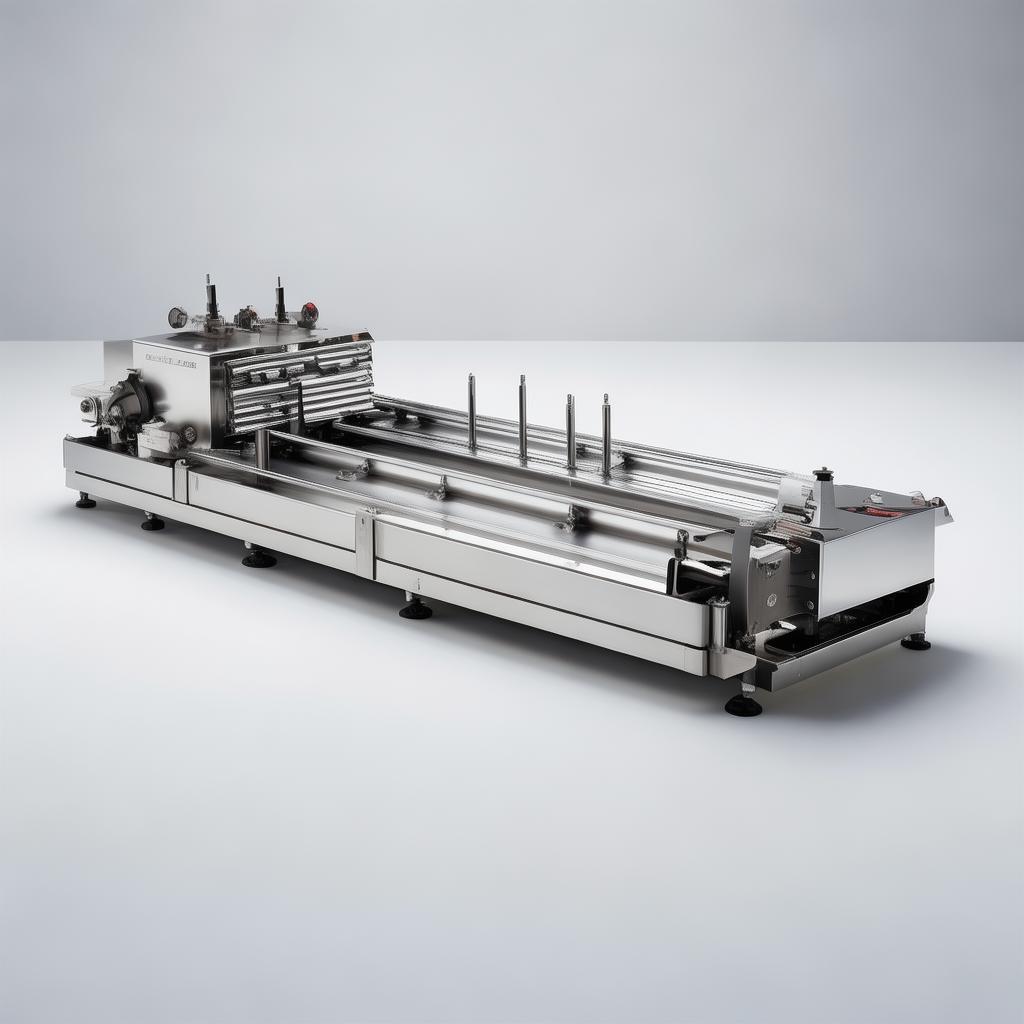
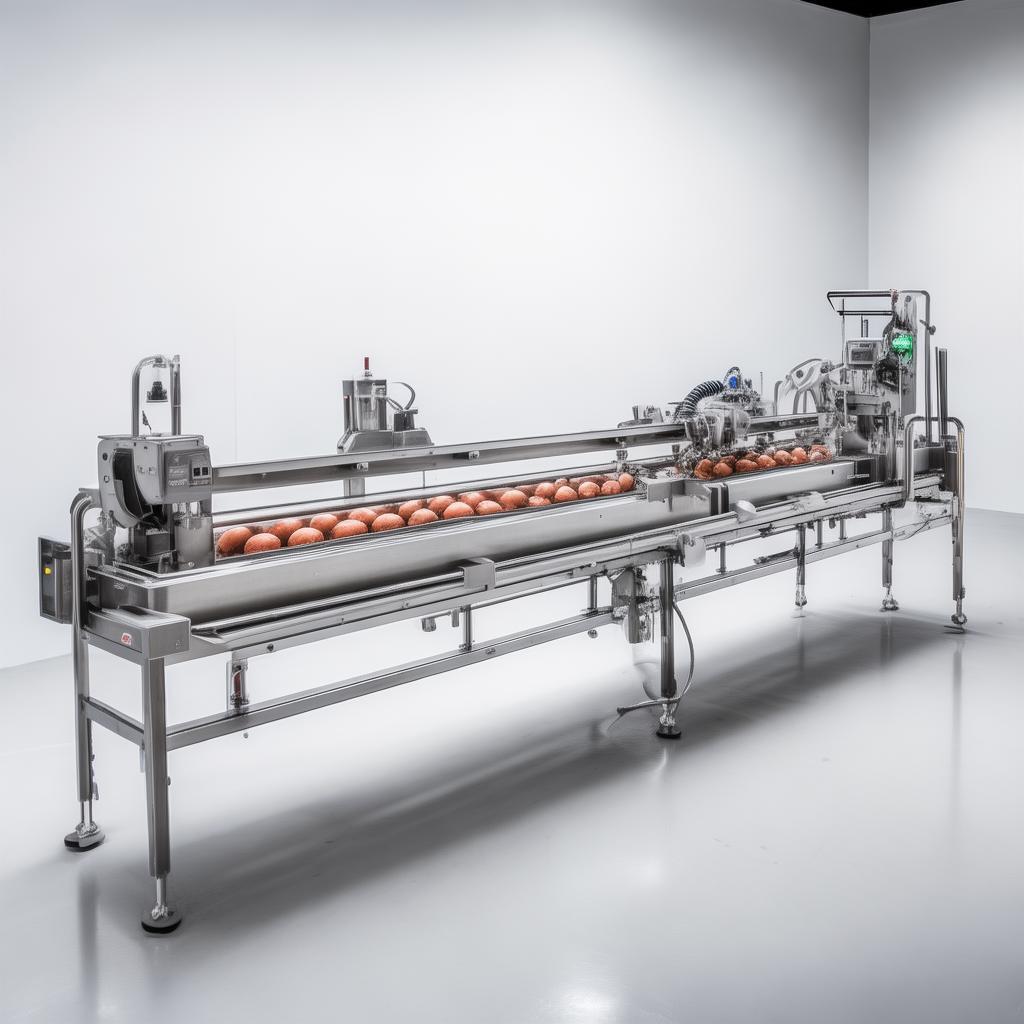
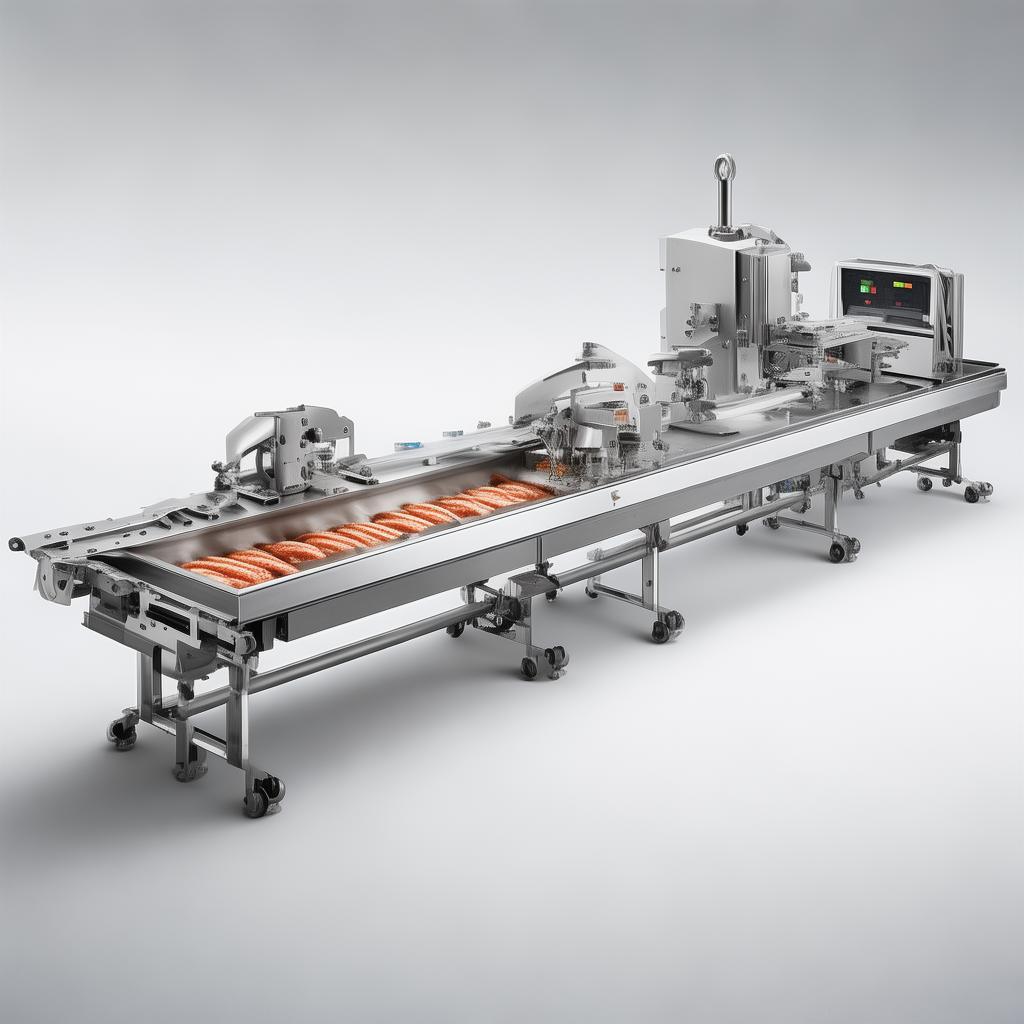
Kebab Skewer Machine
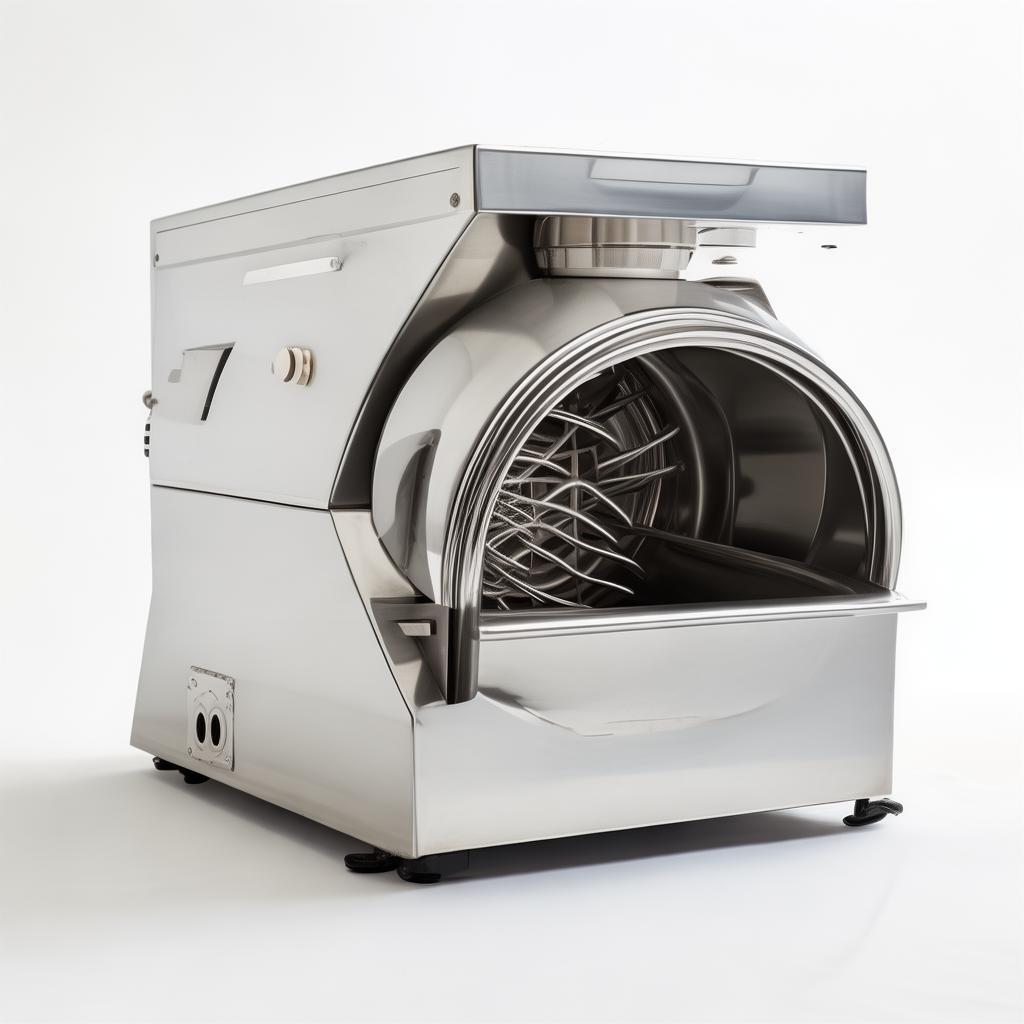
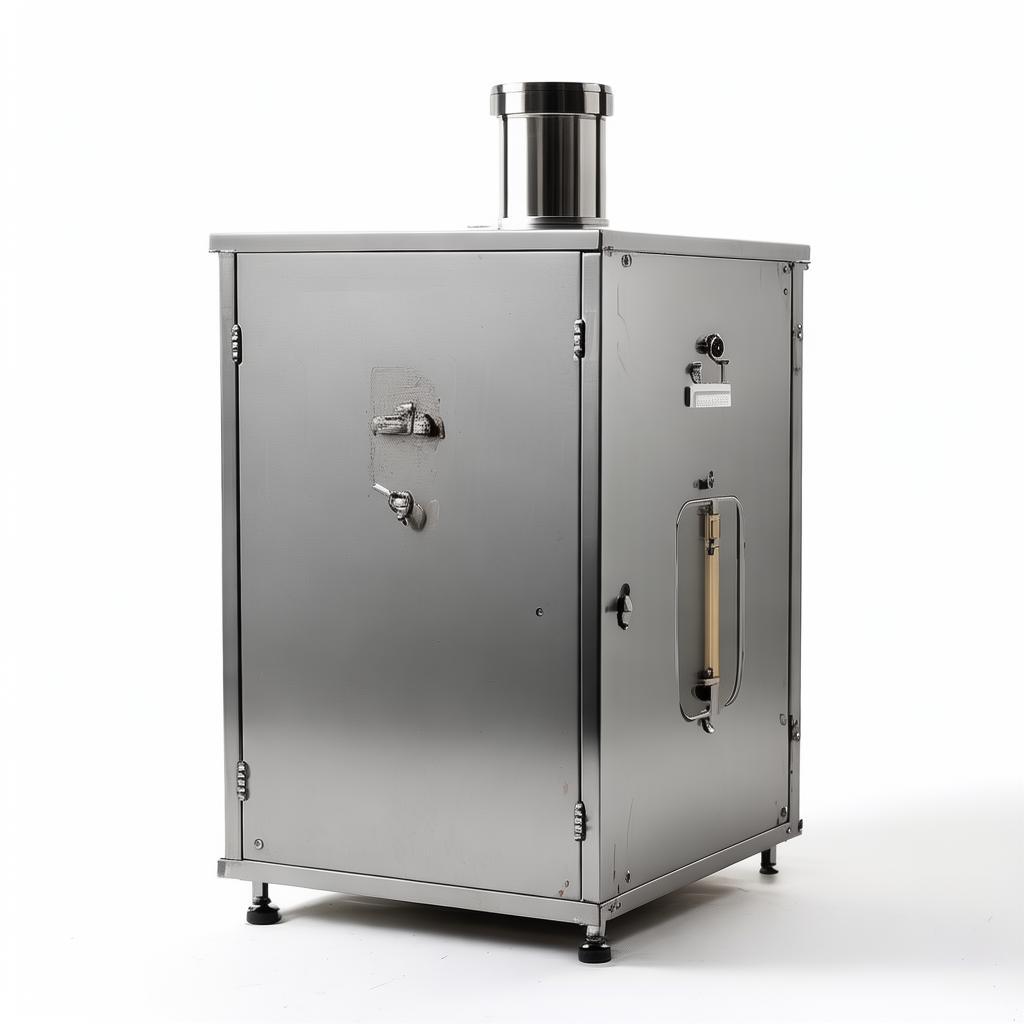
Automate Your Kebab Production: Precision Kebab Skewer Machines for Wholesale Export
Streamline operations, ensure consistency, and scale your business with advanced skewer insertion technology.

Introduction: Elevating Kebab Production with Modern Skewering Technology
In the fast-paced world of food manufacturing and wholesale export, efficiency and consistency are paramount. For businesses specializing in kebabs and similar meat products, the manual process of skewering can be a significant bottleneck. This is where advanced kebab skewer machines emerge not just as a convenience, but as a critical investment for scaling operations and maintaining a competitive edge. We're talking about automating a labor-intensive task that, when done by hand, introduces variability in product presentation, density, and even cooking times.
Consider the sheer volume involved in supplying restaurants, catering services, or even retail outlets. A single establishment might require thousands of perfectly skewered kebabs daily. Relying on manual labor for this repetitive task leads to several inherent challenges: worker fatigue, potential for inconsistent skewer placement, varying meat-to-skewer ratios, and, crucially, increased labor costs and a higher risk of repetitive strain injuries. For international trade, meeting the stringent quality demands of diverse markets requires standardized production. This is precisely the problem our industrial-grade kebab skewer machines are engineered to solve.
The global meat processing equipment market, valued at over USD 11.28 billion in 2024 and projected to reach USD 15.04 billion by 2030, underscores the industry's massive investment in automation and efficiency. (Source: Grand View Research). This growth is fueled by a rising demand for processed meats, a push for better hygiene and labor efficiency through automation, and increasingly strict food safety standards worldwide. Specialized equipment like kebab skewer machines are vital components within this expanding ecosystem, directly impacting the output of segments like filling and molding, which are critical for formed meat products.
Our focus here is on providing wholesale buyers and OEM/ODM partners with a clear understanding of what these machines offer beyond just speed. We'll delve into the operational advantages, the technical specifications that matter for industrial use, and the strategic benefits of integrating automated skewering into your production line. From ensuring uniform product presentation – essential for brand recognition and consumer trust – to optimizing your supply chain for consistent delivery, the right kebab skewer machine is a game-changer. It’s about moving beyond the limitations of manual processes and embracing a future of predictable, high-volume, and high-quality kebab production.
The journey from raw meat to perfectly presented kebab ready for cooking or freezing involves several stages. Pretreatment, filling, molding, and ripening are all critical. Our kebab skewer machines fit directly into the molding and presentation phase, ensuring that the meat mixture, after being formed and filled, is precisely and efficiently placed onto skewers. This precision is what separates large-scale commercial success from the limitations of artisanal production. The international market for processed meats itself is vast, projected to reach USD 1,253.77 billion by 2034 (Fortune Business Insights), and the demand for efficient machinery to produce these items is directly tied to this growth.
When procurement managers and operations directors evaluate new equipment, they're looking for tangible ROI, reduced operational risks, and enhanced product quality. A high-capacity kebab skewer machine delivers on all these fronts. It's not just about replacing manual labor; it's about improving the entire workflow. It means less downtime due to worker shortages or injuries, more predictable output schedules, and a superior product that meets the exacting standards of global consumers and regulatory bodies. We understand the complexities of international trade, from logistics to compliance, and our machines are designed with these considerations in mind, offering robust construction and straightforward integration.
Furthermore, the trend towards convenience foods and ready-to-eat options continues to drive demand for processed meats. This, in turn, fuels the need for sophisticated processing equipment. Reports indicate that the meat processing equipment market is expected to reach USD 19.66 billion by 2033 (SkyQuestt), with significant contributions from automated filling, molding, and auxiliary systems. Our skewer machines are a prime example of these auxiliary systems, enhancing the value and marketability of formed meat products. They are not merely tools; they are enablers of scalability and profitability in a highly competitive global market.
The challenge for any wholesale supplier or OEM is to maintain quality while scaling. Manual labor is inherently inconsistent. A high-performance kebab skewer machine eliminates this variable. It ensures that every kebab produced has the skewer inserted at the same depth, angle, and density. This uniformity is critical for achieving consistent cooking results, shelf appeal, and customer satisfaction across all your distribution channels, whether domestic or international. This precision directly translates into a more reliable and desirable product for your end customers, be they food service providers or retail chains.
We'll explore the specific capabilities of our machines, including their capacity, the types of skewers they can handle, and the various meat preparations they are compatible with. We aim to provide you with the detailed information needed to make an informed decision, moving beyond superficial marketing claims to the practical realities of industrial food production. Let's get into the specifics of how a modern kebab skewer machine can revolutionize your operations and bolster your export potential.
Key Considerations for Kebab Skewer Machine Procurement
- Capacity & Throughput: Match machine output to your production volume needs.
- Skewer Compatibility: Ensure it handles your preferred skewer size and material (wood, bamboo, metal).
- Meat Preparation Versatility: Ability to handle various meat mixes (beef, lamb, chicken, plant-based).
- Ease of Operation & Maintenance: Minimize downtime and training requirements.
- Hygiene & Food Safety Standards: Compliance with international regulations (e.g., CE, FDA).
- Material Construction: Stainless steel is preferred for durability and sanitation.
- OEM/ODM Capabilities: Potential for customization to meet unique product requirements.
Industry Challenges & The Automated Solution
The preparation of kebabs, particularly for large-scale commercial operations, presents a unique set of challenges that manual methods struggle to overcome consistently. The core issue often boils down to labor intensity and variability. Skilled hands can produce good results, but scaling this to meet wholesale demand while maintaining identical quality across thousands of units is a Herculean task.
One of the primary pain points is inconsistent product density and skewer placement. When meat is manually threaded onto skewers, the pressure applied can vary, leading to kebabs that cook unevenly. Some might be too dense, resulting in a tough texture, while others might be too loose, causing the meat to fall off during cooking or handling. This inconsistency directly impacts the final product quality, a critical factor for brand reputation and customer retention in the competitive food export market.
Labor costs and availability are also major concerns. In many regions, the cost of skilled labor is rising, and finding reliable workers for repetitive, often physically demanding tasks like manual skewering can be difficult. This can lead to production delays and impact your ability to fulfill large orders promptly. The global meat processing equipment market is seeing strong growth partly due to automation's role in addressing labor shortages and improving efficiency. Reports suggest this market could reach USD 19.11 billion by 2035 at a CAGR of 4.89% (Precedence Research), with automation being a key driver.
Hygiene and food safety are non-negotiable, especially in international trade. Manual handling of food products always carries a higher risk of contamination. Reducing direct human contact with the product through automation is a significant step towards meeting stringent global food safety standards, such as those overseen by organizations like the FDA or complying with CE directives for machinery.
This is where the strategic implementation of a high-quality kebab skewer machine provides a compelling solution. These machines are engineered to take the variable human element out of the equation. They precisely meter and insert meat onto skewers at a predetermined rate and density, ensuring every single unit produced is virtually identical.
Our machines offer:
- Uniform Skewer Insertion: Consistent depth and angle for even cooking.
- Controlled Meat Density: Optimized product texture and yield.
- High Throughput: Significantly reduces production bottlenecks.
- Reduced Labor Requirements: Frees up staff for higher-value tasks.
- Enhanced Food Safety: Minimizes direct human contact with the product.
- Durability & Reliability: Built for continuous industrial operation.
By automating this crucial step, you not only resolve these operational challenges but also gain a significant advantage in terms of production scalability and product consistency. This is particularly vital for wholesale suppliers aiming to establish or expand their presence in international markets where quality and standardization are fiercely competitive factors.
Advanced Kebab Skewer Machines: Features & Operational Advantages
Our range of kebab skewer machines are not simple, single-function devices. They are sophisticated pieces of industrial equipment designed for high-volume, precision food processing. We understand that as a B2B buyer, you need to know the practical benefits and technical details that translate into real-world performance.
The core function is, of course, the automated insertion of meat onto skewers. However, the implementation of this function by our machines offers several key advantages over competitors and manual methods:
- Precision Engineering: Utilizes high-quality components and advanced mechanics to ensure accurate and consistent skewer placement, time after time. This precision is critical for maintaining product uniformity, which directly impacts cooking performance and consumer satisfaction.
- High Throughput Rates: Designed for industrial scale, these machines can process hundreds or even thousands of kebabs per hour, dramatically increasing your production capacity and meeting large wholesale orders without compromising quality. We've seen clients report as much as a 5x increase in output for this specific task after implementation.
- Versatile Meat Handling: Capable of processing a wide variety of meat formulations, including finely ground mixes, coarser blends, and even pre-formed meat products. Whether it's beef, lamb, chicken, or even plant-based alternatives, the machines are designed for adaptability.
- Robust Construction: Built with industrial-grade stainless steel (typically 304 or 316 grade) to withstand demanding operational environments and meet stringent food safety and hygiene standards required for export markets. This ensures longevity and minimizes maintenance issues.
- Adjustable Parameters: Many models offer adjustable settings for skewer insertion depth, meat density, and spacing, allowing you to fine-tune the process for different product types or customer specifications. This level of control is vital for OEM/ODM partners looking to develop unique product lines.
- Ease of Cleaning and Maintenance: Designed with food safety in mind, accessible components facilitate quick and thorough cleaning, a crucial aspect for compliance with international food production regulations. Minimal disassembly is often required for routine cleaning.
From an operational standpoint, integrating these machines means a significant shift. Think about reduced manual handling, leading to fewer repetitive strain injuries. Consider the predictable workflow: instead of fluctuating manual output, you get consistent, high-volume delivery of skewered product ready for the next stage of processing (e.g., cooking, freezing, packaging). This predictability is a cornerstone of efficient supply chain management, especially when dealing with international logistics and tight delivery schedules.
The market for meat processing equipment is projected to grow steadily, with specialized segments like filling and molding equipment showing particular strength. With global market valuations reaching figures like USD 11.29 billion in 2025 (Fortune Business Insights), the investment in automation for these functions is clear. Our kebab skewer machines are perfectly aligned with this trend, offering a direct pathway to increased productivity and product quality for businesses operating in this dynamic sector.
Our commitment extends beyond just selling a machine. We provide comprehensive support, from initial consultation to after-sales service. Understanding your specific production needs – whether it’s for a large-scale export operation or a niche gourmet product line – allows us to recommend the most suitable model. This consultative approach ensures you’re investing in a solution, not just a piece of equipment.
Technical Specifications for Industrial Application
For procurement professionals and technical engineers, the specifics matter. Here’s a breakdown of the typical technical specifications you can expect from our industrial-grade kebab skewer machines. Note that exact specifications can vary by model, and we encourage you to contact us for detailed spec sheets for each machine.
| Feature | Specification Range | Notes |
|---|---|---|
| Capacity / Throughput | 2,000 - 6,000 pcs/hour | Dependent on meat preparation and skewer length. |
| Skewer Length Compatibility | 50mm - 300mm (or custom) | Accommodates various product sizes. |
| Skewer Type | Wood, Bamboo, Metal (optional tooling) | Standard skewers; metal can require specific feeder systems. |
| Meat Preparation | Ground meat, minced meat, small processed pieces | Requires consistent mixture for best results. |
| Power Supply | 380V/50Hz/3Phase (Customizable) | Standard industrial voltage; can be adapted for regional requirements. |
| Motor Power | 1.5 kW - 3.0 kW (Approx.) | Sufficient for demanding operations. |
| Machine Dimensions (L x W x H) | Varies: e.g., 1200 x 800 x 1400 mm | Compact footprint for integration into existing lines. |
| Material Construction | Food-grade Stainless Steel (SS304) | Ensures hygiene, durability, and corrosion resistance. |
| Control System | PLC Control with HMI Touchscreen | User-friendly interface for parameter adjustment and monitoring. |
| Safety Features | Emergency Stop, Safety Guards | Meets industrial safety standards. |
skewer kebab machine kebab machine modern kebab machine maker
The integration of a PLC (Programmable Logic Controller) and HMI (Human-Machine Interface) touch screen is a key feature for modern industrial machinery. This allows for precise control over the skewering process, precise adjustments for different meat mixes or skewer sizes, and real-time monitoring of machine performance. It simplifies operation for your production staff and provides valuable data for process optimization.
We also offer OEM and ODM services. This means if you have specific requirements – perhaps a unique skewer dimension, a specialized meat mixture that needs special handling, or integration with existing upstream or downstream equipment – we can engineer a custom solution. Our in-house machining workshop, equipped with advanced CNC centers, allows us to produce high-precision components, ensuring that any custom modifications meet the same rigorous standards as our standard models. This capability is invaluable for partners looking to differentiate their products or streamline unique production flows.
For international trade, understanding power requirements is essential. Our machines are typically configured for 380V/50Hz/3Phase, but we can adapt the electrical components to suit the specific voltage and frequency standards of your target market, such as 480V or 60Hz in North America. This attention to detail simplifies the import and setup process for our global clients.
The mention of SS304 food-grade stainless steel is not just about material choice; it’s about compliance. This material is widely recognized and accepted globally for its hygienic properties, resistance to corrosion from food acids and cleaning agents, and overall durability in wet processing environments. It significantly reduces the risk of product contamination and makes cleaning procedures more effective, a vital consideration for export.
Finally, consider the safety features. Industrial machinery must prioritize worker safety. Our machines are equipped with essential safety mechanisms like emergency stop buttons and protective guards to prevent accidents. This is part of our commitment to providing not just efficient, but also safe operational solutions, aligning with international workplace safety standards.
Applications & Market Reach
The versatility of our kebab skewer machines makes them ideal for a wide range of applications within the food processing industry, particularly for businesses focused on export and wholesale distribution.
Primary Applications:
- Kebab Production: The namesake application, ideal for various types of meat kebabs (Shish Kebab, Kofta Kebab, Chicken Kebab, etc.).
- Souvlaki and Satay: Suitable for producing these popular skewered meat dishes.
- Brochette & Skewered Appetizers: Perfect for producing smaller, appetizer-sized skewered items for catering and party trays.
- Specialty Meat Products: Can be adapted for other applications requiring precise skewer insertion into formed meat products.
The processed meat market is experiencing significant growth, with projections reaching USD 190.80 billion by 2030 (Mordor Intelligence). This surge is driven by urbanization, demand for convenience foods, and evolving consumer preferences. Our kebab skewer machines are a direct response to the need for efficient, scalable solutions within this market.
Target Market Segments:
- Wholesale Meat Processors: Companies producing large volumes of pre-packaged or bulk raw kebabs for retail, foodservice, or further processing.
- Food Manufacturers & Exporters: Businesses looking to expand their international footprint with standardized, high-quality skewered meat products.
- Catering & Ready-Meal Providers: Suppliers who require consistent, high-volume production for bulk orders.
- OEM/ODM Clients: Manufacturers seeking to incorporate our technology into their own branded lines or develop proprietary products.
We actively serve clients across various regions, understanding the unique regulatory requirements and market demands of diverse international markets. Our export experience means we're adept at handling documentation, shipping logistics, and ensuring compliance with import regulations in destinations like North America, Europe, the Middle East, and Asia. For example, the Asia-Pacific region is noted for leading growth in meat processing equipment due to rising consumption and industrialization of processing facilities.
The reconstituted meat market, which relies heavily on molding and pretreatment equipment, is also a significant area where automated skewering plays a role in creating value-added products. This market is projected to reach USD 36.1 billion by 2035 with an impressive CAGR of 18.0% (Future Market Insights). By ensuring consistent product form and skewer integration, our machines support the production of these sophisticated meat items.
Ultimately, if your business involves producing skewered meat products at any scale beyond manual capacity, our machines are designed to enhance your capabilities, improve product quality, and open doors to larger markets, both domestically and internationally.
Installation, Maintenance & Support: Ensuring Long-Term Value
Investing in industrial machinery is a significant decision, and we understand that seamless integration, straightforward maintenance, and reliable after-sales support are critical factors. Our goal is to provide you with a complete solution that delivers lasting value and operational peace of mind.
Installation Insights:
Our kebab skewer machines are designed for straightforward integration into existing production lines. Typically, installation involves:
- Positioning: Placing the machine in the optimal location relative to upstream (e.g., meat forming/filling) and downstream (e.g., cooking, freezing) equipment. Adequate space for material flow and operator access is key.
- Power Connection: Connecting the machine to your facility's power supply, ensuring it matches the specified voltage and phase (we can help with international electrical compatibility).
- Initial Setup & Calibration: Adjusting parameters via the HMI touch screen for your specific product (meat consistency, skewer length, insertion depth).
- Testing & Training: Running test batches and providing basic operational and troubleshooting training to your key personnel.
While many clients manage installation with their internal engineering teams, we offer on-site installation support and commissioning services upon request, especially for complex integrated systems or international deployments.
Routine Maintenance for Longevity:
To ensure peak performance and a long service life for your kebab skewer machine, regular maintenance is essential. Our machines are built for ease of maintenance:
- Daily Cleaning: Thorough washing of all food-contact surfaces using approved food-grade cleaning agents. The SS304 construction simplifies this process.
- Weekly/Monthly Lubrication: Greasing of specified moving parts according to the maintenance schedule outlined in the user manual.
- Regular Inspections: Checking for wear and tear on components like belts, chains, and cutting/piercing mechanisms.
- Scheduled Component Checks: Periodic inspection of electrical connections and pneumatic systems (if applicable).
We provide comprehensive user and maintenance manuals with every machine, detailing recommended service intervals and procedures. Our commitment to quality means we use durable parts, but timely replacement of wear items is key to preventing unexpected downtime.
Traceable After-Sales Service & Spare Parts:
As a company with 40 years of experience since 1986, we understand the importance of dependable after-sales support, especially for international clients. Hebei Yuanchang Food Mechanism & Technology Co., Ltd. maintains a traceable after-sales management system. This means:
- Genuine Spare Parts: We guarantee the availability of original replacement parts, manufactured with the same precision as the components in your machine. Our in-house machining capabilities ensure we can produce high-precision parts, even non-standard ones, on demand.
- Technical Support: Our experienced technical team is available to assist with troubleshooting, operational queries, and advice on optimizing machine performance.
- Remote Assistance: For many issues, remote diagnostics via video calls or shared system access can provide rapid solutions.
- Global Shipping: We efficiently ship spare parts worldwide to minimize your downtime.
Our extensive experience means we can anticipate potential issues and provide proactive support. This dedication to service ensures your investment continues to yield returns long after purchase.
Consider the lifecycle cost of equipment. While initial purchase price is important, the total cost of ownership, including maintenance, downtime, and spare parts availability, is a more critical metric for industrial operations. Our focus on robust design and reliable support helps keep your total cost of ownership competitive.
Why Choose Hebei Yuanchang? Our Factory Strength & Export Expertise
When sourcing critical manufacturing equipment like a kebab skewer machine for wholesale export, partnering with a manufacturer that possesses deep industry knowledge, robust production capabilities, and a proven track record is essential. Hebei Yuanchang Food Mechanism & Technology Co., Ltd. has been a trusted name in meat processing equipment since 1986, offering decades of practical experience and a commitment to quality.
Our facility covers approximately 14,000 square meters and employs a dedicated team of 80-100 professionals. This scale allows us to integrate research and development, production, and sales seamlessly, ensuring efficiency and responsiveness to market demands.
Manufacturing Excellence:
- 40 Years of Experience: Since 1986, we've accumulated invaluable hands-on knowledge in complete production lines for meat products.
- Advanced Machining Capabilities: Our in-house workshop is equipped with over 20 sets of processing machinery, including precision lathes, milling machines, grinding machines, and wire cutting equipment.
- Japanese CNC Technology: In 2012, we invested in 8 sets of Japanese Mazak CNC machining centers. This enables us to produce high-standard, high-precision, and non-standard components with exceptional accuracy, crucial for the reliability of our kebab skewer machines.
- Independent Part Production: Our advanced internal manufacturing allows us to independently produce critical, high-precision parts. This ensures consistent quality control and significantly enhances our after-sales service capability, as we can swiftly supply parts without relying on external suppliers.
Commitment to Quality & Compliance:
We understand that for international trade, adherence to standards is paramount. While specific certifications can vary by product line and client request, our manufacturing processes are geared towards producing equipment that can meet international requirements. For instance, CE certification is often a requirement for machinery exported to Europe, and we can provide documentation and compliant designs. Similarly, materials used are selected for food-grade compliance.
Export Expertise:
We have a proven history of successfully exporting our meat processing equipment worldwide. Our export team is experienced in handling international logistics, customs documentation, and ensuring that machinery arrives safely and efficiently at its destination. We work closely with clients to understand their specific import requirements and provide necessary support.
Customization (OEM/ODM):
Our advanced manufacturing capabilities, particularly the integration of Japanese CNC technology, allow us to offer exceptional OEM/ODM services. We can collaborate with you to develop customized solutions, whether it involves modifying existing designs or engineering entirely new equipment tailored to your unique product specifications and production line integration needs. This flexibility is a significant advantage for partners looking to innovate or secure a competitive edge.
Choosing Hebei Yuanchang means partnering with a manufacturer that prioritizes precision, reliability, and customer success. Our 40 years in the industry, combined with our investment in modern technology and a dedicated team, makes us an ideal supplier for high-quality kebab skewer machines and other meat processing equipment for the global market.
Procurement Guidance: Making the Right Investment
Sourcing industrial equipment, especially for export, involves careful consideration beyond just product features. As an experienced supplier, we aim to guide you through a robust procurement process that ensures you make the best investment for your business.
1. Define Your Requirements Precisely:
- Volume: How many kebabs do you need to produce per hour/shift/day?
- Product Type: What kind of meat mixture will you be using? What is the desired density and consistency?
- Skewer Specifications: What is the required skewer length, diameter, and material (wood, bamboo, metal)?
- Line Integration: Where will the machine fit in your existing production flow? Are there specific space constraints or upstream/downstream equipment to consider?
- International Standards: What specific certifications or compliance requirements does your target market have (e.g., CE, FDA, voltage compatibility)?
Having clear answers to these questions will allow us to recommend the most suitable kebab skewer machine model or discuss potential customization.
2. Evaluate Supplier Capabilities (EEAT Focus):
- Experience: Look for manufacturers with a long history in the food processing equipment industry. 40 years, like ours at Hebei Yuanchang, signifies deep knowledge and stability.
- Expertise: Does the supplier have in-house R&D and manufacturing, including advanced machining like CNC? This indicates a strong technical foundation.
- Authoritativeness: Can they demonstrate successful exports, offer relevant certifications, and provide technical documentation?
- Trustworthiness: Are they transparent about their capabilities, provide realistic lead times, and offer clear after-sales support? Look for traceable systems for parts and service.
3. Understand the Total Cost of Ownership:
Don't just compare sticker prices. Consider:
- Durability: High-quality materials (like SS304) and robust construction mean longer life and fewer repairs.
- Maintenance Costs: Ease of maintenance and availability of affordable spare parts.
- Operational Efficiency: Energy consumption and labor savings achieved by the machine.
- Downtime: The cost of unexpected breakdowns versus reliable uptime.
The global meat processing equipment market is expected to grow, driven by automation and efficiency needs. Investing in reliable equipment from reputable manufacturers like us helps you capture a share of this growing market.
4. Inquire About OEM/ODM Options:
If you're looking to develop proprietary products or integrate a branded solution, discuss customization possibilities. Our advanced CNC capabilities make us an excellent partner for OEM/ODM projects.
5. Discuss Logistics and Support:
Clarify shipping costs, estimated delivery times, import duties, and the process for after-sales support and spare parts. Our experience in international trade ensures we can guide you through this.
Choosing the right kebab skewer machine is a strategic decision that impacts your production capacity, product quality, and profitability. We are here to partner with you, offering not just machinery, but a solution backed by decades of expertise and a commitment to your success.
Frequently Asked Questions (FAQ)
Q: What is the typical production capacity of your kebab skewer machines?
Our industrial kebab skewer machines generally range from 2,000 to 6,000 pieces per hour, depending on the specific model, the consistency of the meat mixture, and the length of the skewers. This high throughput is essential for meeting wholesale and export demands.
Q: Can these machines handle different types of meat and meat preparations?
Yes, our machines are designed to be versatile. They can effectively process various meat preparations, including ground meats, minced meat blends, and even some pre-formed meat pieces. Consistency of the mixture is key for optimal performance. We can discuss specific formulations if you have unique requirements.
Q: What skewer sizes and types can the machines accommodate?
Our machines can typically accommodate skewer lengths ranging from 50mm to 300mm, and are compatible with standard wooden or bamboo skewers. If you require compatibility with metal skewers or specific non-standard dimensions, please inquire about custom tooling options.
Q: What are the power requirements for these machines?
Standard industrial machines typically operate on 380V/50Hz/3Phase power. However, we can adapt the electrical components to meet the voltage and frequency standards of your specific country or region, such as 480V/60Hz for North America.
Q: Are these machines compliant with international food safety standards?
We construct our machines using food-grade stainless steel (SS304), which is internationally recognized for hygiene and durability. We can also provide machines configured to meet specific regional requirements, such as CE certification for European markets, upon request and consultation.
Q: What kind of maintenance is required?
Routine maintenance involves daily cleaning, regular lubrication of moving parts, and periodic inspection of wear components. We provide detailed user and maintenance manuals to guide your team. Our durable construction and readily available spare parts minimize long-term maintenance challenges.
Q: Do you offer OEM/ODM services for your kebab skewer machines?
Absolutely. With our advanced in-house CNC machining capabilities and 40 years of manufacturing experience, we excel at providing OEM/ODM solutions. We can customize machines to meet specific product requirements, branding needs, or integration challenges.
Hear From Our Clients

Operations Manager, Global Meats Inc. (USA)
"Switching to the automated skewer machine from Yuanchang was a turning point for our kebab production. We saw a dramatic increase in throughput and, more importantly, the consistency of our product improved significantly. This has been crucial for meeting the demands of our large restaurant clients."

Production Lead, Spice Route Foods (UK)
"We needed a reliable solution for our export-grade lamb kebabs. The machine's precision ensures every skewer is perfect, which is vital for presentation and cooking uniformity. The build quality is robust, and the after-sales support has been prompt and helpful, especially when navigating initial setup."

Owner, Italia Gourmet Meats (Canada)
"As a producer of specialty skewered items, we needed a machine that could handle different meat textures and skewer sizes. Yuanchang's team worked with us to find the right model, and it has streamlined our process immensely. Reduced labor costs and increased output made this a solid investment."
Ready to Revolutionize Your Kebab Production?
Get in touch today to discuss your specific needs and learn how our high-performance kebab skewer machines can enhance your operation and boost your export capabilities.