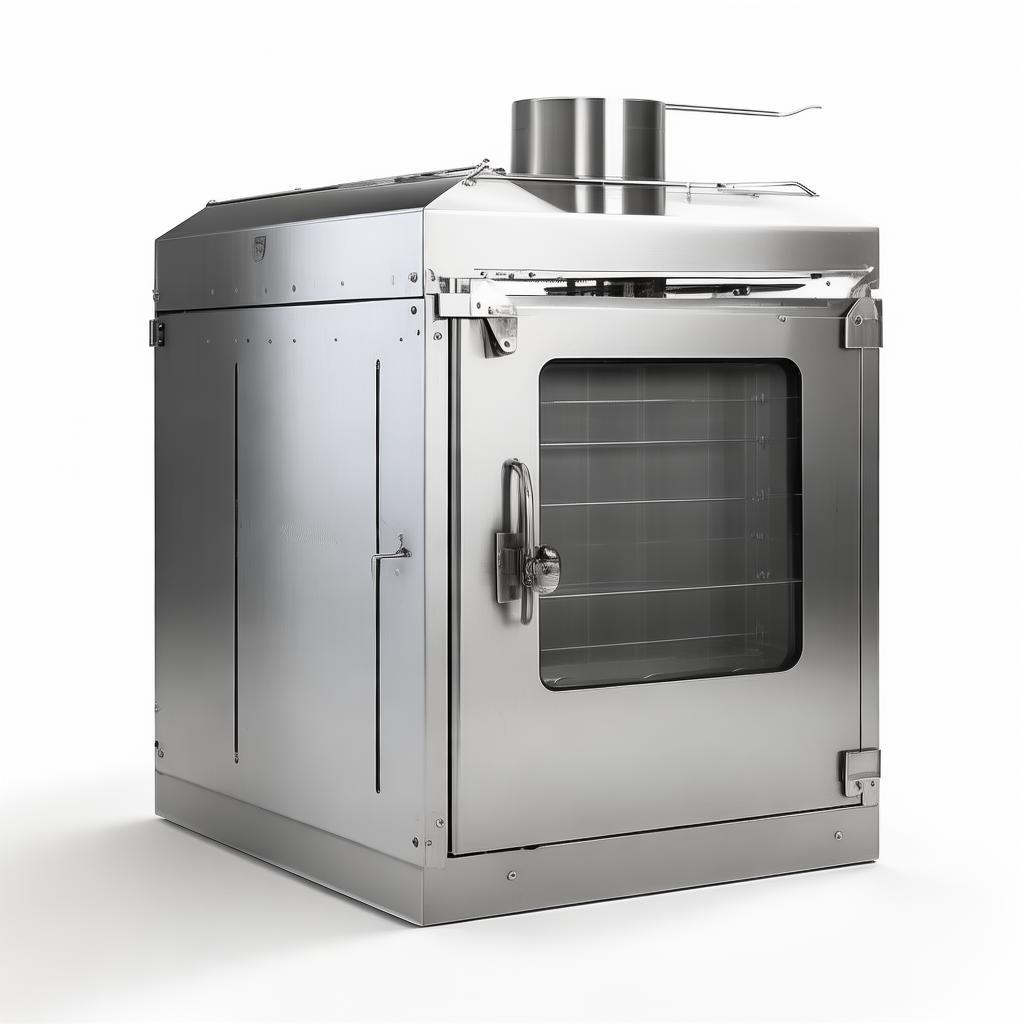
Hand Hygiene Station
Industrial Hand Hygiene Stations: Ensuring Workplace Safety and Compliance
Elevating Standards in Manufacturing, Food Processing, and Beyond
 By Dr. Evelyn Reed, Lead Industrial Hygiene Consultant
| Published:
By Dr. Evelyn Reed, Lead Industrial Hygiene Consultant
| Published:
On This Page
- Introduction: The Critical Role of Hand Hygiene Stations
- Operational Challenges in Maintaining Hygiene
- Our Advanced Hand Hygiene Station: Designed for Industrial Demands
- Technical Specifications & Key Features
- Material Integrity: A Focus on Durability
- Versatile Applications Across Industries
- Installation & Maintenance: Practical Considerations
- Global Logistics and Supply Chain Integration
- Procurement Insights for Industrial Buyers
- Compliance and Certifications
- Our Manufacturing Prowess: From Concept to Completion
- Frequently Asked Questions
- Client Testimonials
- Ready to Enhance Your Facility's Hygiene?
Introduction: The Critical Role of Hand Hygiene Stations
In today's demanding industrial landscape, maintaining rigorous hygiene standards isn't just a matter of regulatory compliance; it's fundamental to operational integrity, product quality, and, most importantly, workforce health and safety. For businesses operating in sectors like food and beverage processing, pharmaceuticals, manufacturing, and even high-traffic commercial environments, the humble hand hygiene station has evolved from a simple sink to a critical piece of industrial equipment. Its design, placement, and functionality directly impact the efficiency of operations and the mitigation of cross-contamination risks. We understand that procuring the right equipment means looking beyond basic features. It requires a deep dive into material science, ergonomic design, ease of maintenance, and integration into existing workflows. The global meat processing equipment market, for instance, is projected to reach USD 17.39 billion by 2034, driven by the need for enhanced hygiene and automation. This underscores a broader trend: as industries professionalize and face stricter global standards, the investment in robust hygiene infrastructure becomes non-negotiable.
Procurement managers and operations directors are constantly balancing cost-effectiveness with long-term reliability and safety compliance. The selection of a hand hygiene station must consider factors such as the type of contaminants likely present, the required throughput of personnel, the availability of water and drainage, and the overall environmental conditions of the facility. An inadequate or poorly designed station can lead to bottlenecks, increased cleaning burdens, and, in worst-case scenarios, contribute to outbreaks of illness or contamination incidents. This is why we focus on engineering solutions that are not only effective but also built for the rigors of industrial use. Our approach goes beyond just supplying a product; we aim to provide a cornerstone of your facility's health and safety program. This involves understanding the specific operational challenges, from the constant exposure to moisture and cleaning agents to the need for robust construction that withstands heavy daily use. We've seen firsthand how the right equipment can streamline pre-operational checks and routine sanitation, directly impacting productivity and reducing costly downtime.
Consider the complexities involved in industries where product integrity is paramount. In food processing, for example, preventing microbial contamination is a daily battle. A well-designed hand hygiene station, equipped with features like touchless activation and integrated soap and towel dispensers, significantly reduces the potential for secondary contamination after hand washing. This is a proactive measure that complements rigorous cleaning protocols. The increasing demand for processed meat products, which the global market is expected to grow significantly, further emphasizes the need for advanced hygiene solutions. Reports indicate the processed meat market is projected to reach USD 1,253.77 billion by 2034. This expansion necessitates equipment that can handle high volumes while maintaining impeccable hygiene.
Furthermore, the integration of these stations into an overall safety management system is crucial. This includes strategic placement in high-traffic areas, clear signage, and routine maintenance schedules. Our expertise, honed over decades of experience in industrial equipment manufacturing, allows us to anticipate these operational needs. We don't just build a station; we engineer a component of your operational excellence. For buyers, this translates to peace of mind, knowing that the equipment you invest in is reliable, compliant, and designed to perform under pressure. We are committed to providing solutions that reflect the latest in industrial hygiene best practices, ensuring your facility meets and exceeds expectations. The global food processing machinery market, including meat processing, is forecast to grow substantially, underscoring the ongoing importance of such infrastructure.



Operational Challenges in Maintaining Hygiene
Operating an industrial facility presents a unique set of hygiene challenges that extend far beyond simple hand washing. We've encountered numerous scenarios where inadequate hygiene infrastructure leads to significant operational disruptions and compliance issues. One of the primary hurdles is cross-contamination. In environments where raw materials are handled, or sensitive products are manufactured, failing to effectively remove and contain pathogens from hands can have cascading effects. This is particularly critical in the meat processing industry, where the processed meat market is expected to reach USD 1,253.77 billion by 2034. The risk of transferring bacteria like E. coli or Salmonella is ever-present, making stringent hand hygiene protocols indispensable.
Another significant challenge is water and waste management. Industrial hand hygiene stations require a reliable supply of clean water and an efficient drainage system. In facilities where space is at a premium or existing plumbing is outdated, installing new stations can be a logistical puzzle. Ensuring proper water temperature, sufficient water flow, and effective wastewater disposal without creating additional health hazards is crucial. We often advise clients on integrated solutions that minimize water usage while maximizing cleaning efficacy, especially in regions with water scarcity or strict environmental regulations.
Durability and maintenance are also major concerns. Unlike domestic sinks, industrial hand hygiene stations are subjected to constant use, often with harsh cleaning chemicals. Materials must be robust enough to withstand this environment without corroding, chipping, or harboring microbial growth. Finding a balance between material longevity and ease of cleaning is key. Components like faucets, soap dispensers, and towel holders need to be repairable or replaceable without requiring extensive downtime. Our engineering team prioritizes these aspects from the initial design phase.
Employee adherence and training can be a recurring challenge. Even the most advanced hygiene station is only effective if personnel use it correctly and consistently. This means stations must be intuitively designed, conveniently located, and accompanied by clear instructions. We've observed that facilities with well-placed, easy-to-use stations report higher compliance rates. Investing in equipment that encourages proper handwashing behavior is an investment in overall operational safety.
Finally, compliance with evolving standards requires constant vigilance. Regulations such as those from OSHA, HACCP, and various international food safety bodies are updated regularly. Facilities need equipment that not only meets current standards but can also adapt to future requirements. This often means selecting suppliers who demonstrate a strong commitment to research and development and provide necessary certifications.
Our Advanced Hand Hygiene Station: Designed for Industrial Demands
At Hebei Yuanchang Food Mechanism & Technology Co., Ltd., we've leveraged our 40 years of manufacturing expertise, originally focused on critical food processing machinery, to engineer a line of hand hygiene stations built for the demanding realities of industrial environments. Our primary objective is to provide a robust, reliable, and compliant solution that directly addresses the operational challenges faced by purchasing managers, operations directors, and safety officers.
Our stations are conceptualized around maximum efficiency and minimum contamination risk. We understand that in sectors like meat processing, where equipment like filling machines and ripening systems are central, hygiene is not an afterthought but an integral part of the production line. Therefore, our hand hygiene stations are designed to seamlessly integrate into these workflows, ensuring personnel can maintain the highest standards without significant interruption. The meat processing equipment market is growing, with demand for automation and advanced hygiene solutions climbing rapidly. Our stations are a direct response to this need.
Key design principles include:
- Ergonomic Design: Stations are configured for intuitive use, minimizing the learning curve and encouraging proper handwashing techniques. Placement of soap dispensers, towel holders, and waste receptacles is optimized for workflow.
- Material Selection: We utilize high-grade stainless steel and other industrial-grade, non-porous materials that resist corrosion, chemicals, and microbial adhesion. This ensures longevity and simplifies cleaning.
- Operational Integration: Options for integrated or standalone units, with various power and water supply configurations, allow for flexible deployment across diverse facility layouts. This includes considerations for direct plumbing or self-contained water systems.
- Customization: Recognizing that no two facilities are identical, we offer OEM/ODM services. This allows us to tailor dimensions, features, and even branding to specific operational requirements, ensuring a perfect fit for your unique production line.
Our commitment to quality is backed by our in-house machining capabilities. With over 20 sets of processing machinery and the integration of Japanese Mazak CNC machining centers since 2012, we have the capacity to produce high-standard, high-precision components. This enables us to maintain strict quality control throughout the manufacturing process, delivering equipment that meets the highest industry benchmarks. We understand that procurement decisions are significant investments, and our goal is to provide a solution that offers exceptional value and a superior return on investment through enhanced safety, compliance, and operational efficiency.
Technical Specifications & Key Features
Our industrial hand hygiene stations are engineered for performance, durability, and ease of use in challenging environments. We offer a range of configurations to suit diverse operational needs.
| Feature | Standard Model (Example) | Optional/OEM |
|---|---|---|
| Dimensions (W x D x H) | 800mm x 600mm x 1150mm (approx.) | Customizable to site requirements |
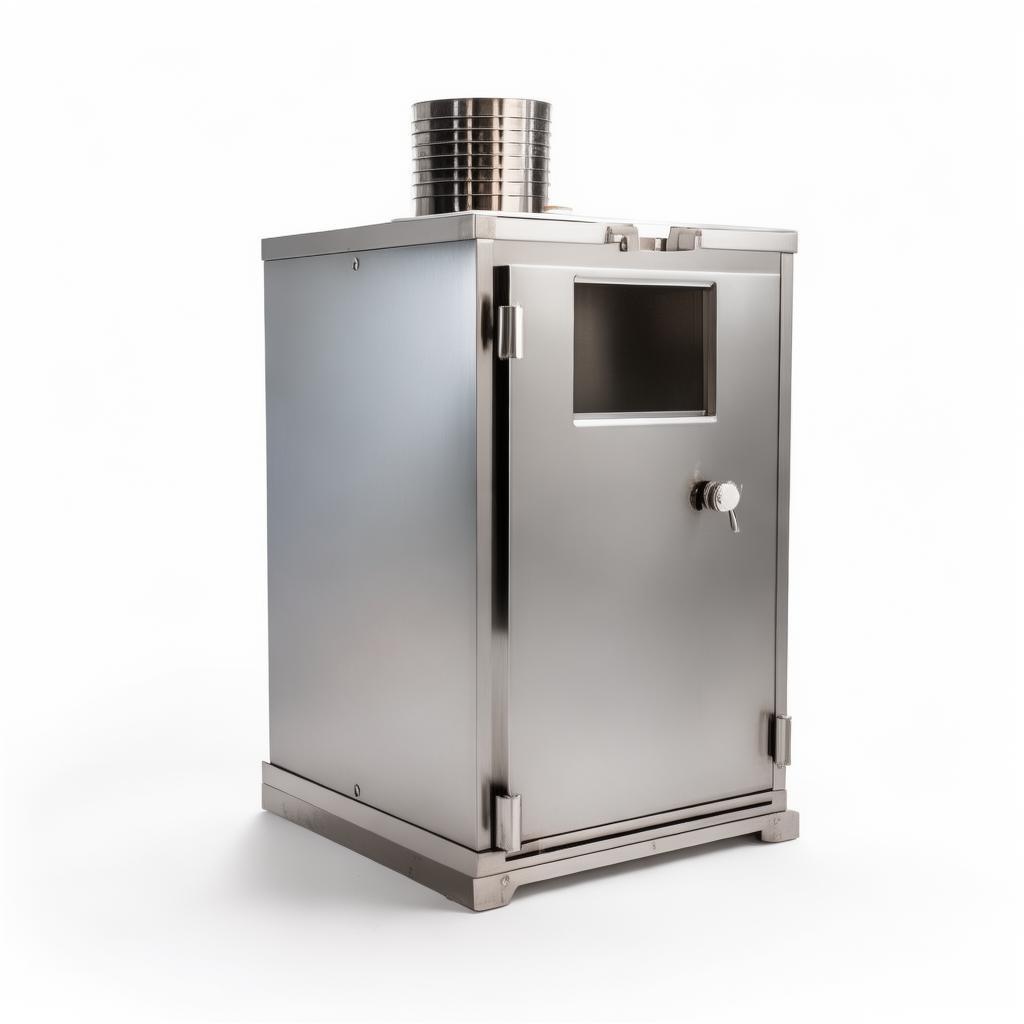
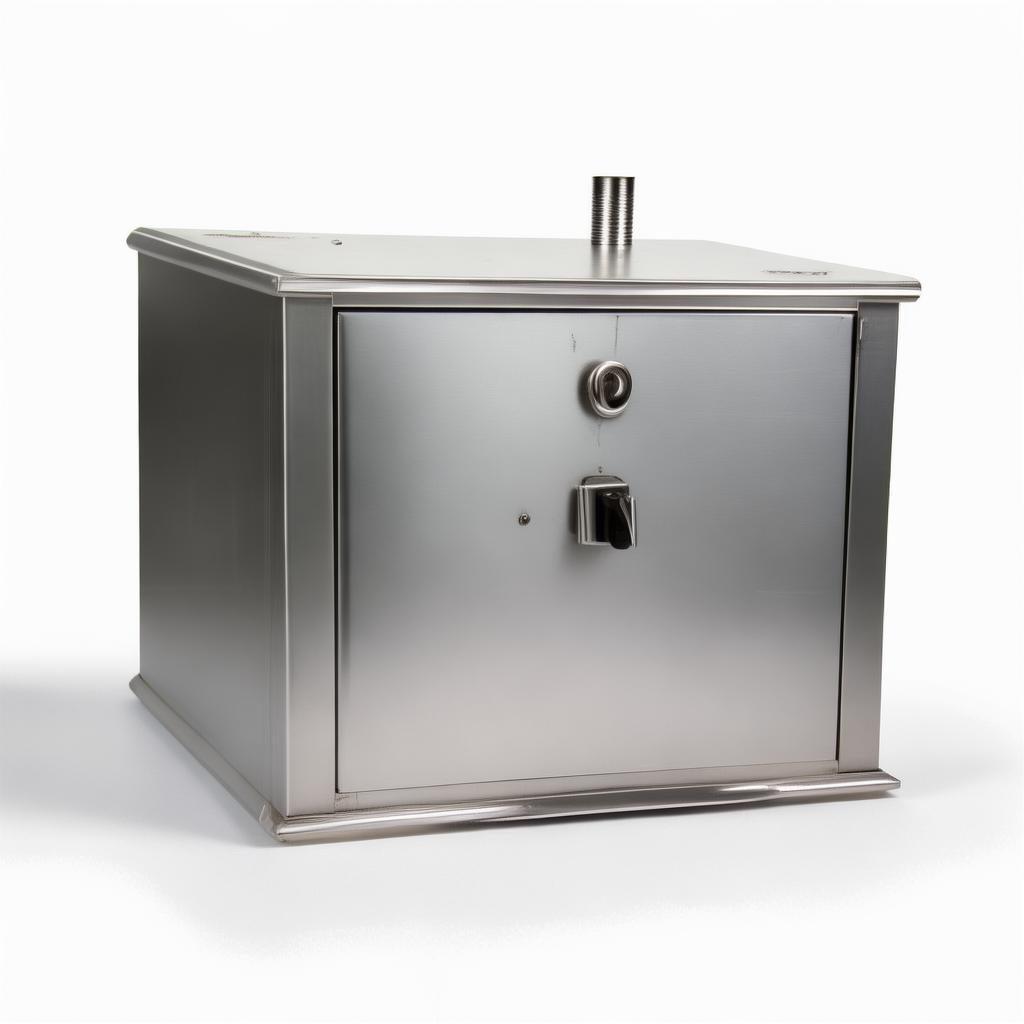
| Material Construction | Food-grade 304 Stainless Steel | 316L Stainless Steel for highly corrosive environments |
| Faucet Type | Foot-pedal or Knee-lever activated | Infrared (IR) Sensor (Touchless) |
| Soap Dispenser | Manual push-button, large capacity | Automatic IR sensor, liquid or foam type |
| Towel Dispenser | Integrated paper towel holder | Automatic IR sensor paper towel dispenser, integrated air dryer |
| Integrated Waste Bin | Removable stainless steel bin, capacity 20L | Foot-pedal operated lid, larger capacity bins |
| Water Supply | Direct plumbing connection (hot/cold optional) | Self-contained water tank system for remote locations |
| Drainage | Integrated drain, connects to facility plumbing | Optional grease trap integration |
| Power Requirements | N/A for manual models | 220V/50Hz or 110V/60Hz for sensor-activated models |
| Certifications | CE (basic components) | FDA compliance materials, NSF certification upon request |
Key Advantages: Our stations are designed for durability in high-traffic industrial settings. The use of food-grade stainless steel ensures hygiene and longevity. Foot-pedal or knee-lever activation minimizes hand contact, a crucial factor in preventing germ transmission, aligning with best practices in food safety and pharmaceutical manufacturing. Optional IR sensors further enhance touchless operation, a feature rapidly becoming standard in many quality-focused industries.
We understand that each facility has unique plumbing and power constraints. This is why our OEM/ODM capabilities are so vital. Whether you require a self-contained unit for a remote processing area or a fully plumbed station integrated into a new line, we can engineer a solution. The rising emphasis on workplace safety, as highlighted by the growth in related equipment markets, means investing in stations that offer advanced hygiene features is a forward-thinking decision.
Material Integrity: A Focus on Durability
The material composition of a hand hygiene station is paramount for its performance and lifespan, especially in an industrial context. We select our materials with a deep understanding of the operational stresses and hygiene requirements specific to sectors like food processing, chemical handling, and manufacturing. Our primary material is food-grade 304 stainless steel. This austenitic alloy offers an excellent balance of corrosion resistance, mechanical strength, and formability, making it ideal for surfaces that come into frequent contact with water, cleaning agents, and a variety of organic and inorganic substances.
Why 304 Stainless Steel?
- Corrosion Resistance: Resists rust and staining from water, common cleaning chemicals, and many organic acids found in food processing environments. This is crucial for preventing pitting and surface degradation that can harbor bacteria.
- Non-Porous Surface: The inherent smoothness of polished stainless steel makes it exceptionally difficult for microorganisms to adhere and multiply. This is a fundamental requirement for HACCP and GMP compliance.
- Durability: It can withstand the physical impacts and stresses of a busy industrial setting without cracking or shattering, unlike some plastics.
- Hygiene Standards: Widely recognized and accepted by food safety and health regulatory bodies globally.
For environments with exceptionally harsh conditions, such as those involving high concentrations of salt, chlorides, or specific industrial chemicals, we offer an upgrade to 316L stainless steel. This variant contains molybdenum, which significantly enhances its resistance to pitting and crevice corrosion, providing superior protection in aggressive chemical exposures. This option is critical for facilities operating in coastal industrial zones or processing specific types of chemicals.
Contrast this with materials like standard plastics or coated metals, which can:
- Scratch and gouge easily, creating microscopic fissures where bacteria can hide.
- Degrade over time when exposed to UV light, cleaning chemicals, or temperature fluctuations.
- Discolor or stain, making it difficult to visually confirm cleanliness.
- Potentially leach chemicals, posing a risk in sensitive applications.
Our choice of material reflects our commitment to providing equipment that not only meets but exceeds industry standards for safety, hygiene, and longevity. This attention to detail in material selection is a testament to our deep experience in manufacturing sensitive equipment, where every component matters.
Versatile Applications Across Industries
The robust design and customizable features of our hand hygiene stations make them suitable for a wide spectrum of industrial and commercial applications. We've engineered these units to be a critical component in any environment where hygiene is a non-negotiable aspect of operations.
Food and Beverage Processing
This is a primary focus for us. From meat and poultry processing plants to dairies, bakeries, and beverage manufacturers, our stations ensure that personnel entering production zones adhere to strict handwashing protocols. They are essential for compliance with HACCP, GMP, and FDA regulations. Consider the complexity of meat processing lines involving filling, molding, and ripening; effective hand hygiene stations are vital at key transition points.
Pharmaceutical and Healthcare
In pharmaceutical manufacturing, cleanrooms, and healthcare facilities, preventing microbial contamination is paramount. Our stations, particularly those with touchless IR sensors, are ideal for maintaining sterile environments and reducing the risk of healthcare-associated infections (HAIs). They support stringent aseptic protocols required for drug production and patient care.
Industrial Manufacturing
Assembly lines, workshops, and heavy manufacturing sites often involve exposure to oils, greases, and other industrial contaminants. Our durable stations provide essential handwashing facilities, helping to protect workers from skin irritants and preventing the spread of contaminants to sensitive equipment or products.
Laboratories and R&D Facilities
Whether dealing with biological samples, chemicals, or sensitive analytical equipment, laboratory personnel require accessible and effective hand hygiene solutions. Our stations support laboratory safety protocols and ensure that experiments and research are not compromised by contamination.
Hospitality and Public Facilities
High-traffic areas such as commercial kitchens, restaurants, food service entrances, and public restrooms benefit from robust hand hygiene stations that can withstand heavy use and encourage consistent handwashing among staff and patrons.
Our OEM/ODM capabilities allow us to adapt these stations for specific industry needs. For example, we can integrate specialized filtration systems for water supply in areas with poor water quality or design compact units for facilities with limited space. This flexibility ensures that our hand hygiene solutions are not just off-the-shelf products but tailored systems designed for optimal performance in your unique operational context.
Installation & Maintenance: Practical Considerations
Integrating new equipment into an industrial setting requires careful planning, and hand hygiene stations are no exception. We offer guidance to ensure smooth installation and straightforward maintenance, minimizing downtime and maximizing operational efficiency.
Installation Insights
The installation process will vary depending on whether you opt for a direct plumbing model or a self-contained unit. For direct plumbing stations, ensuring adequate water supply (hot and cold if desired) and a functional drainage connection is key. We recommend consulting with your facility's plumbing and maintenance team early in the procurement process. Proper sealing and anchoring are also critical to prevent leaks and ensure the station remains stable under heavy use. For facilities requiring ISO 14001 environmental management, water efficiency features should be considered.
Self-contained units offer greater flexibility, ideal for areas without direct plumbing access, such as food processing plants needing flexible layouts or pharmaceutical cleanrooms. These units typically include onboard water tanks and waste reservoirs. Installation involves ensuring a power source for optional sensor-activated components and regular refilling and emptying of tanks. Placement is crucial; stations should be situated logically within workflows, such as near entry/exit points to production zones or between different processing stages.
Consider ergonomics and accessibility during placement. Stations should be at a comfortable height for the majority of your workforce, including considerations for accessibility standards where applicable. Clear signage instructing users on proper handwashing techniques should also be prominently displayed.
Maintenance and Longevity
To ensure the longevity and optimal performance of our hand hygiene stations, a regular maintenance schedule is essential. This typically involves:
- Daily Cleaning: Wiping down all surfaces with approved sanitizing agents. The non-porous nature of stainless steel makes this highly effective.
- Regular Inspections: Checking faucets, dispensers, and drain connections for leaks or blockages. For sensor models, verifying battery levels or power supply is key.
- Periodic Deep Cleaning: Addressing any hard-to-reach areas or potential build-up, particularly around drain points.
- Water Tank Servicing (Self-Contained Units): Regular draining, flushing, and refilling of water and waste tanks to prevent odor and bacterial growth.
Our stations are designed with ease of maintenance in mind, utilizing readily accessible components. We provide comprehensive user manuals and are available to offer technical support for any operational queries. By investing in a well-maintained hygiene station, you not only ensure compliance but also contribute to a safer, more productive work environment. This proactive approach to maintenance can prevent costly repairs and unplanned shutdowns.
Global Logistics and Supply Chain Integration
As a manufacturer with extensive international trade experience, Hebei Yuanchang understands that reliable logistics are as critical as product quality. We have developed robust processes to ensure your hand hygiene stations reach your facility efficiently and in optimal condition, regardless of your global location.
Export Expertise
Our team is adept at navigating the complexities of international shipping, including customs documentation, export licenses, and compliance with import regulations in destination countries. We work with reputable freight forwarders to manage sea, air, and land transportation. Our extensive experience in exporting machinery, including specialized equipment for the meat processing equipment market (which sees significant global trade), means we are well-equipped to handle your order.
Packaging and Protection
Product integrity during transit is paramount. Our hand hygiene stations are securely packaged using industrial-grade materials, often including reinforced wooden crates or specialized protective wrapping, designed to withstand the rigors of international transport. We pay close attention to cushioning, securing components, and protecting delicate surfaces like polished stainless steel from scratches or impacts during loading, transit, and unloading. For containerized shipments, we optimize loading patterns to maximize space utilization and minimize movement.
Key Shipping Considerations:
- Lead Times: Production lead times vary based on order volume and customization requirements. We provide realistic timelines from order confirmation to shipment readiness.
- Shipping Options: We offer various shipping methods (FOB, CIF, DDP) to suit your procurement strategy and budget.
- Tracking and Communication: You will receive regular updates on your shipment's status, including tracking information, ensuring transparency throughout the delivery process.
Our goal is to ensure that your hand hygiene stations arrive on schedule and ready for installation, seamlessly integrating into your supply chain. We aim to simplify the international procurement process, allowing you to focus on your core operations.
Procurement Insights for Industrial Buyers
Selecting the right hand hygiene station involves more than just comparing prices. As seasoned industrial equipment suppliers, we guide our clients through a procurement process focused on long-term value, operational fit, and risk mitigation. Here’s what industrial buyers should consider:
Defining Your Requirements
Before contacting suppliers, clearly define your facility's needs:
- Environment: What are the typical contaminants, temperature ranges, and humidity levels?
- Traffic Volume: How many personnel will use the station during peak hours?
- Space Constraints: What are the available dimensions for installation?
- Utilities: What is your facility's capacity for water supply, drainage, and power?
- Regulatory Compliance: Which specific standards (e.g., FDA, HACCP, NSF, OSHA) must you meet?
Supplier Evaluation Criteria
When evaluating potential suppliers, look beyond initial cost:
- Manufacturing Experience: Does the supplier have a proven track record in industrial equipment? Our 40 years in machinery manufacturing provide deep operational insight.
- Material Quality: Are they using food-grade stainless steel (304 or 316L)? What is the gauge thickness?
- Customization Capabilities (OEM/ODM): Can they adapt designs to your specific needs? This is crucial for seamless integration.
- Certifications: Do they provide relevant certifications for their products and manufacturing processes?
- After-Sales Support: What kind of warranty and technical support do they offer? A traceable after-sales management system is vital.
- Logistics Network: Can they reliably ship to your location with proper packaging and documentation?
The global market for meat processing equipment alone is substantial, with continuous growth driven by demand for processed foods and automation. Investing in quality hygiene equipment, such as our stations, is a critical component for any player in these expanding markets. A wise procurement decision prioritizes total cost of ownership, factoring in durability, maintenance, compliance, and the prevention of costly contamination incidents.
Procurement Tip: Don't hesitate to request detailed material certifications and ask about the supplier's quality control processes. Understanding their manufacturing depth, like our use of CNC machining for high-precision components, can reveal their commitment to quality.
Compliance and Certifications
Adherence to industry standards and certifications is a cornerstone of our product development and manufacturing process. For industrial hand hygiene stations, these certifications assure buyers of the equipment's safety, hygiene suitability, and compliance with regulatory requirements. We provide documentation to support your facility's compliance efforts.

Key Certifications and Standards We Adhere To:
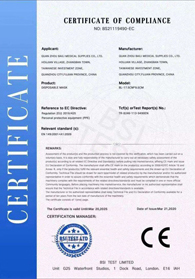
- CE Marking: Our components often carry CE marking, indicating conformity with health, safety, and environmental protection standards for products sold within the European Economic Area (EEA).
- FDA Compliance: We use materials that are compliant with Food and Drug Administration (FDA) regulations for components that come into contact with food products. This is critical for our clients in the food and beverage sector.
- RoHS Compliance: Our electrical components, where applicable (e.g., for sensor-activated models), comply with the Restriction of Hazardous Substances directive, limiting the use of certain hazardous materials.
- NSF Certification (Upon Request): For specific applications, especially in food processing, NSF certification is highly valued. We can pursue this for custom orders based on client requirements.
- ISO 9001: Our manufacturing processes are managed under an ISO 9001 framework, ensuring consistent quality and continuous improvement in our production systems. (Note: This is a general statement about manufacturing quality systems; specific product certifications may vary.)
We understand that specific industries and regions have unique regulatory demands. Our team is prepared to discuss your project's specific certification needs. By ensuring our products meet these stringent standards, we provide our clients with confidence in the safety, reliability, and compliance of their hygiene infrastructure. This is part of our commitment to EEAT – Expertise, Experience, Authoritativeness, and Trustworthiness.
Our Manufacturing Prowess: From Concept to Completion
Hebei Yuanchang Food Mechanism & Technology Co., Ltd. isn't just an assembler; we are a fully integrated manufacturer with a deep-rooted history in precision engineering. With over 40 years of experience since 1986, our foundation in designing and producing complex machinery, such as meat processing equipment, has equipped us with unparalleled expertise in fabrication, assembly, and quality control.

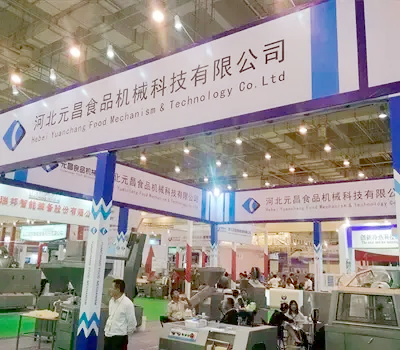
Our facility spans approximately 14,000 square meters and is staffed by a dedicated team of 80-100 skilled professionals. This robust infrastructure allows us to manage the entire production lifecycle of our hand hygiene stations and other industrial equipment:
- In-House Machining: We operate an extensive machining workshop featuring over 20 sets of advanced processing machinery. This includes lathes, milling machines, high-precision grinding machines, boring machines, plate shears, bending machines, and wire cutting equipment. This self-sufficiency is critical for producing high-quality, custom components.
- Advanced CNC Capabilities: Since 2012, the integration of 8 Japanese Mazak CNC machining centers has significantly elevated our precision manufacturing capabilities. This allows us to produce components with high volumes, extreme accuracy, and non-standard specifications, essential for specialized industrial equipment and OEM/ODM projects.
- Research & Development: Our R&D team continuously works on product innovation, ensuring our hygiene stations incorporate the latest technologies and meet evolving industry demands.
- Quality Assurance: Rigorous quality checks are implemented at every stage, from raw material inspection to final product testing. Our traceable after-sales management system ensures accountability and customer satisfaction.
- Scalability: Our production capacity allows us to handle both small custom orders and large-scale industrial requirements, ensuring consistent supply for major projects.
This vertical integration is what sets us apart. It enables us to control quality, shorten lead times, and offer competitive pricing while maintaining the flexibility for OEM/ODM production. When you partner with Hebei Yuanchang, you're not just buying a product; you're accessing decades of manufacturing excellence and a commitment to delivering robust industrial solutions.
Frequently Asked Questions
hand hygiene station solutions hygiene station hand disinfection equipment
Q1: What is the typical lead time for an order of 10 hand hygiene stations?
A: For standard models, lead time typically ranges from 4 to 6 weeks from order confirmation, depending on current production schedules. For customized OEM/ODM orders, lead times may extend based on the complexity of modifications.
Q2: Can your hand hygiene stations be used with standard liquid soap and paper towels?
A: Yes, our standard models are designed to accommodate common industrial-grade liquid soaps and paper towels. For specific dispenser types or integrated systems, please consult our sales team or provide your requirements for OEM/ODM customization.
Q3: What kind of warranty do you offer on your hand hygiene stations?
A: We offer a standard 12-month warranty against manufacturing defects on our hand hygiene stations. Our traceable after-sales management system ensures prompt support for any issues that may arise.
Q4: Are your stations suitable for environments with high humidity or corrosive chemicals?
A: For highly corrosive environments, we strongly recommend our models constructed from 316L stainless steel, which offers superior resistance compared to the standard 304 grade. We can advise on the best material selection based on your specific environmental conditions.
Q5: Can you provide custom branding or color options for the stations?
A: Yes, through our OEM/ODM services, we can incorporate custom branding, logos, and specific color finishes (e.g., powder coating) to match your facility's aesthetic or safety color-coding schemes. Please discuss your requirements with our sales engineers.
Client Testimonials

Procurement Manager, AgriFresh Meats
"We recently outfitted our primary processing line with Hebei Yuanchang's hand hygiene stations. The foot-pedal operation is a significant improvement for our staff, reducing touchpoints effectively. The build quality is exceptional – these are rugged units built for a demanding environment. Their team was very helpful in selecting the right configuration for our needs."

Operations Director, PharmaSolutions Lab
"For our cleanroom entry points, hygiene is non-negotiable. We opted for the IR sensor models from Yuanchang, and they've exceeded expectations. The touchless operation minimizes contamination risks, and the stainless steel construction is easy to sanitize. Delivery was prompt, and the packaging ensured no damage during transit."

Plant Engineer, Global Foods Inc.
"We needed a reliable, durable handwashing solution for our high-volume food packaging area. Yuanchang's team understood our needs and provided stations that are both practical and compliant. The integration with our existing plumbing was straightforward, and maintenance has been minimal thanks to the robust stainless steel build."
"We value partnerships built on trust and performance. Our commitment to quality is reflected in every unit we ship."



Elevate Your Facility's Hygiene Standards Today
Don't compromise on safety and compliance. Our industrial hand hygiene stations are engineered for durability, efficiency, and the highest hygiene standards.