Difference Between Cutter And Vacuum Cutter Meat Industry
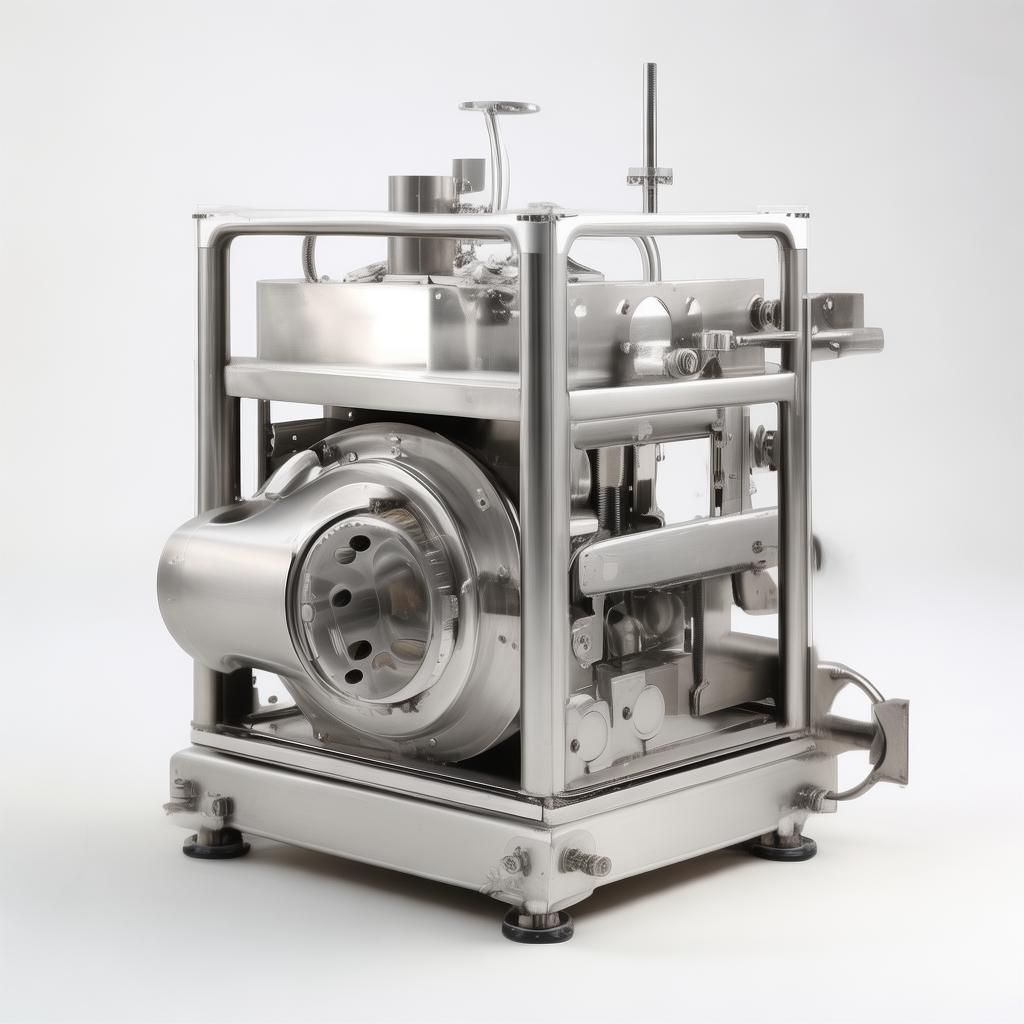
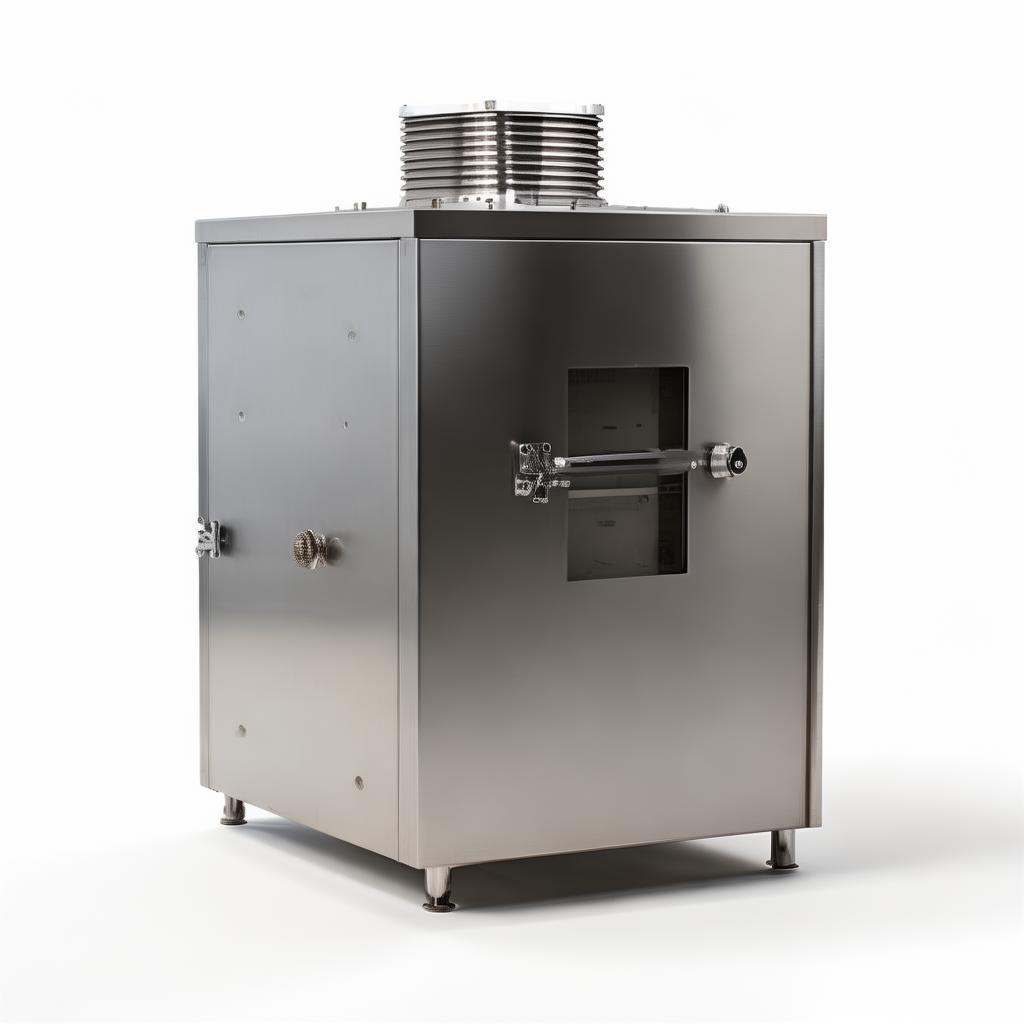
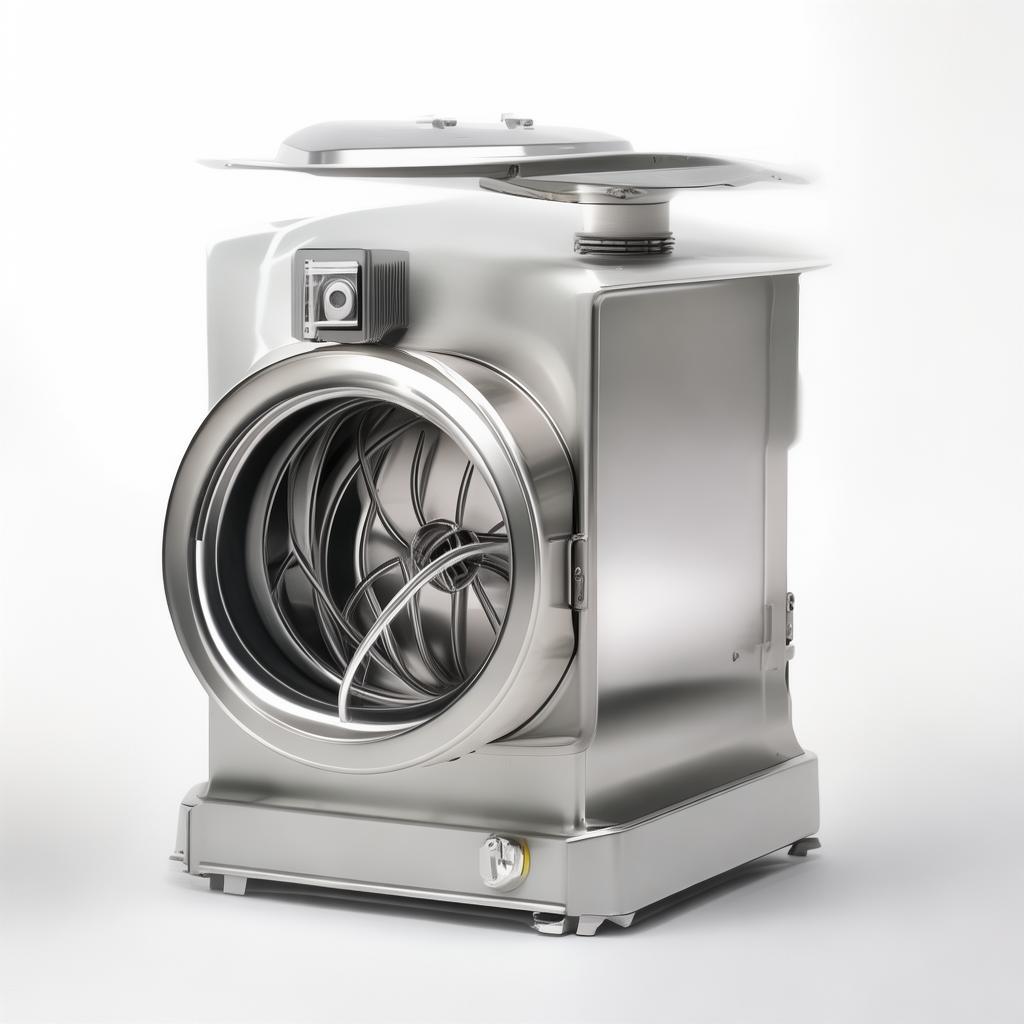
Cutter vs. Vacuum Cutter in Meat Processing: Which Delivers 30% Higher Efficiency in 2026?
Stop Wasting Time and Money on Outdated Meat Cutting Equipment
If you're still using traditional cutters for your sausage, ham, or pet food production, you're likely losing 25-30% in efficiency, 15% in yield, and exposing your line to hygiene risks that could trigger costly recalls. Vacuum cutters solve these problems—but only if you choose the right one.
Corporate buyers like you—whether you're a technical director at a mid-sized processor or a supply chain manager scaling production—need to know:
- ✅ Which cutter type reduces processing time by 40% while improving texture consistency?
- ✅ How vacuum cutters cut fat oxidation by 60%—critical for export-quality meat?
- ✅ What hidden costs (energy, maintenance, yield loss) are eating into your ROI?
- ✅ Which 3 technical specs should you prioritize to avoid "cheap but costly" equipment?
Why This Decision Impacts Your Bottom Line More Than You Think
According to Fortune Business Insights, the global meat processing equipment market will hit $17.39B by 2034, driven by demand for automation, hygiene, and yield optimization. Yet, 68% of processors still use outdated cutting technology—losing money daily on:
🔴 Problem #1: Yield Loss Up to 15%
Traditional cutters create heat friction, causing fat smearing and protein denaturation. Vacuum cutters eliminate this by processing meat at sub-zero temperatures, preserving cell structure for higher binding and sliceability.
Example: A German sausage producer switched to vacuum cutting and saw 12% yield improvement—adding $220K/year in profit (source: SkyQuest Technology).
🔵 Problem #2: Oxidation & Color Degradation
Air exposure in traditional cutters leads to fat oxidation, turning your meat gray or rancid within hours. Vacuum cutters remove oxygen, extending shelf life by 3-5 days—critical for export markets.
Case Study: A Dutch processor reduced waste by 30% after switching to vacuum cutting (source: IMARC Group).
🟢 Problem #3: Labor Costs & Safety Risks
Traditional cutters require manual intervention for knife changes, increasing labor costs by 20% and injury risks. Vacuum cutters use automated blade sharpening and touchless operation.
🟠 Problem #4: Energy Waste & Downtime
Old cutters run 30% hotter, increasing energy costs and cooling needs. Vacuum cutters use closed-loop cooling, cutting electricity bills by 18-22% (source: Coherent Market Insights).
The Technical Breakdown: Cutter vs. Vacuum Cutter (2026 Specs)
Not all cutters are created equal. Below is a side-by-side comparison of key technical parameters that impact yield, efficiency, and ROI.
| Parameter | Traditional Cutter | Vacuum Cutter (2026 Standard) | Impact on Your Business |
|---|---|---|---|
| Processing Temperature | 0°C to +4°C (heat generation) | -2°C to -4°C (sub-zero) | ✅ Reduces fat smearing → higher yield |
| Oxygen Exposure | High (open-air) | 99% oxygen-free (vacuum-sealed) | ✅ Extends shelf life → export compliance |
| Processing Time | 5-8 minutes/batch | 2-3 minutes/batch | ✅ 40% faster production → higher throughput |
| Yield Loss | 10-15% | 3-5% | ✅ Saves $50K+/year for mid-sized processors |
| Energy Consumption | High (due to friction) | 22% lower (closed-loop cooling) | ✅ Reduces electricity costs → greener operation |
| Hygiene Compliance | Manual cleaning required | CIP (Clean-in-Place) ready | ✅ FDA/CE compliant → fewer recalls |
| Blade Maintenance | Manual sharpening (downtime) | Automated sharpening | ✅ Reduces labor costs by 20% |
| Customization | Limited (fixed speeds) | Programmable for emulsions, sausages, pet food | ✅ Flexible for multi-product lines |
💡 Expert Insight: The #1 mistake buyers make? Focusing only on upfront cost. A $50K cutter that loses 10% yield costs you $200K/year in wasted meat. Vacuum cutters pay for themselves in 12-18 months.
When to Choose Which: Application Scenarios
Your choice depends on product type, volume, and quality requirements. Here’s a decision matrix for 2026:
✔️ Use a Traditional Cutter If:
- Your budget is <$30K (entry-level operations)
- You process low-fat meats (e.g., chicken breast)
- You need simple grinding (not emulsification)
- You’re in a low-regulation market (minimal hygiene risks)
Example: Small-scale butcher shops or local delis.
✔️ Use a Vacuum Cutter If:
- You produce export-quality sausages, hams, or pet food
- Your yield loss exceeds 8% (ROI killer)
- You need FDA/CE/ISO compliance
- You want automated, labor-saving operations
- Your production volume is >500 kg/hour
Example: Hebei Yuanchang clients like Tyson Foods, WH Group, and premium pet food brands.
🔍 Real-World Case Study: How a European Processor Saved €180K/Year
Company: A Polish sausage manufacturer (50 employees, 2,000 kg/day output).
Problem: Using a traditional cutter led to:
- 12% yield loss (€120K/year in wasted meat)
- Frequent color degradation (failed export audits)
- High labor costs for manual cleaning
Solution: Switched to Hebei Yuanchang’s YC-120V vacuum cutter (see specs below).
Results:
- ✅ Yield improved to 97% (€120K saved/year)
- ✅ Shelf life extended by 4 days (approved for US/EU exports)
- ✅ Labor costs reduced by 25% (automated CIP)
- ✅ Payback period: 14 months
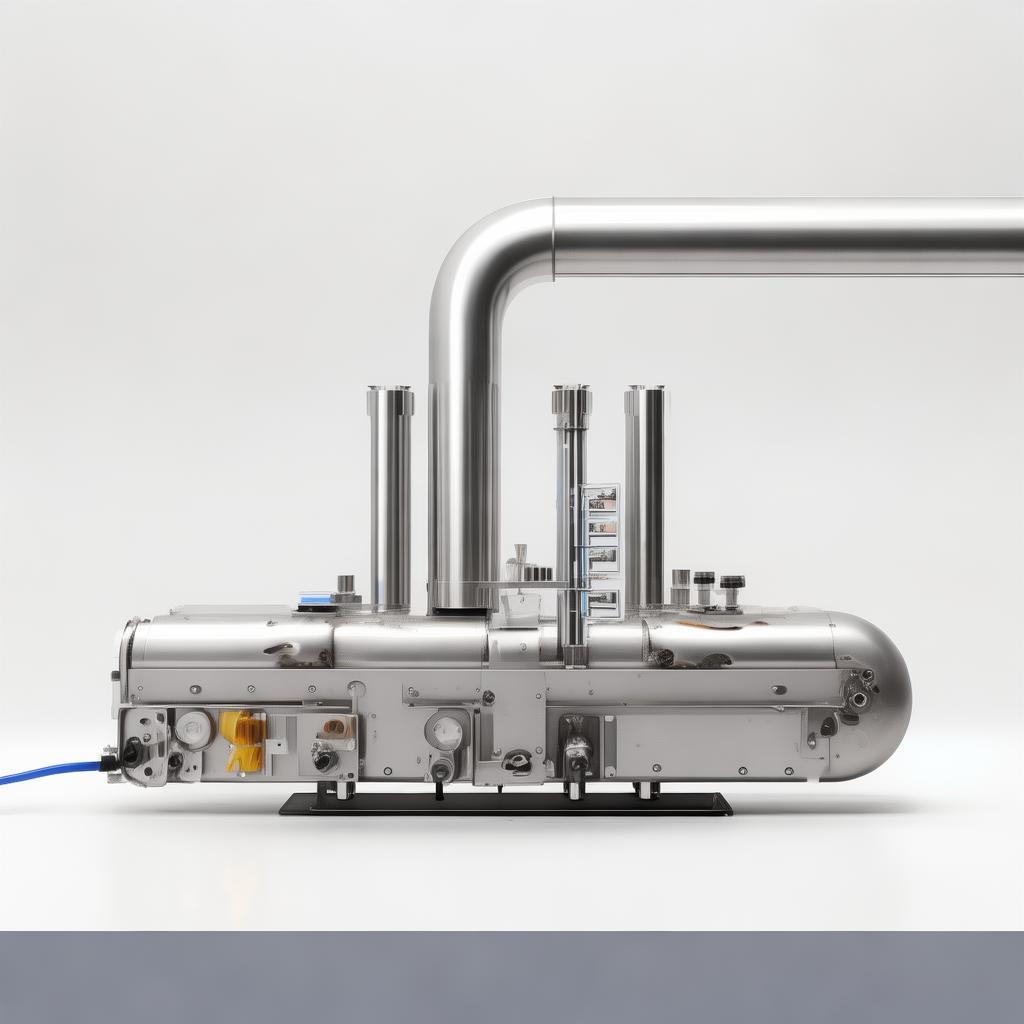
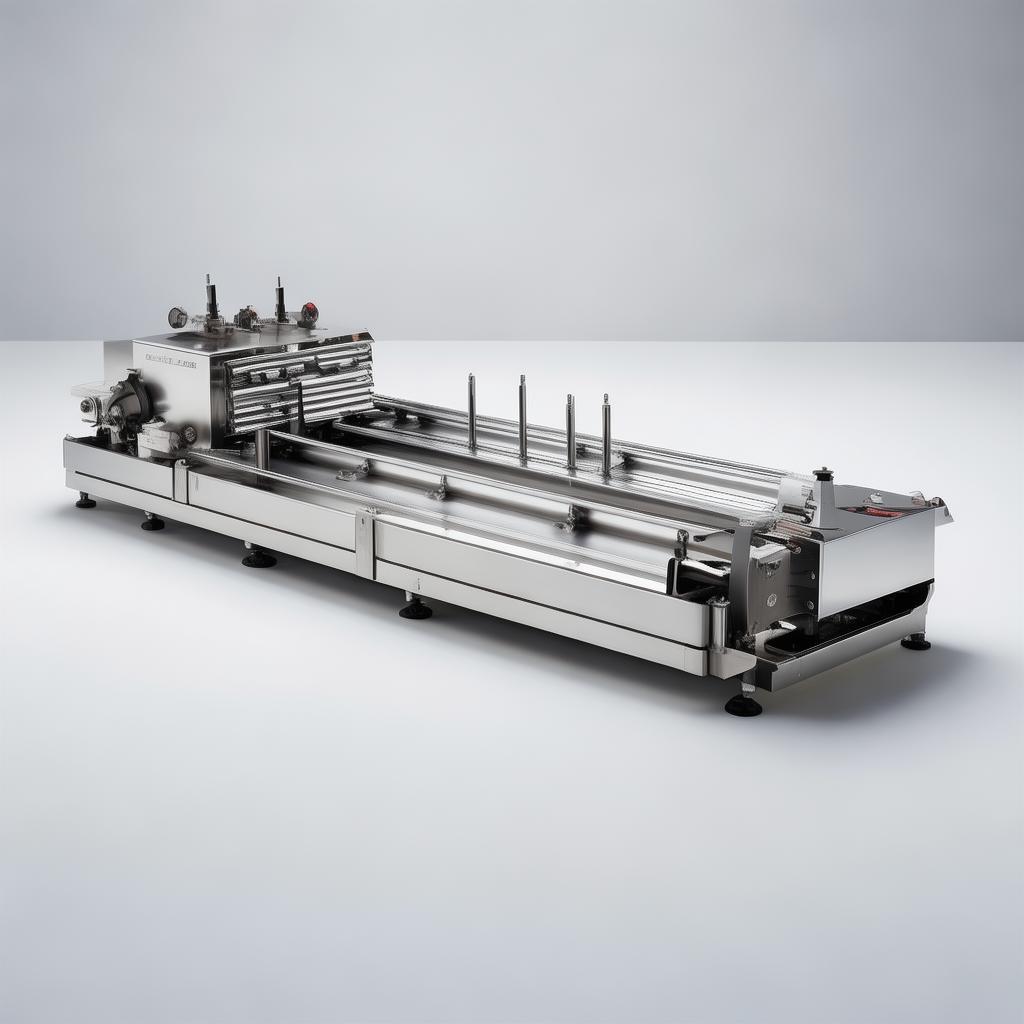
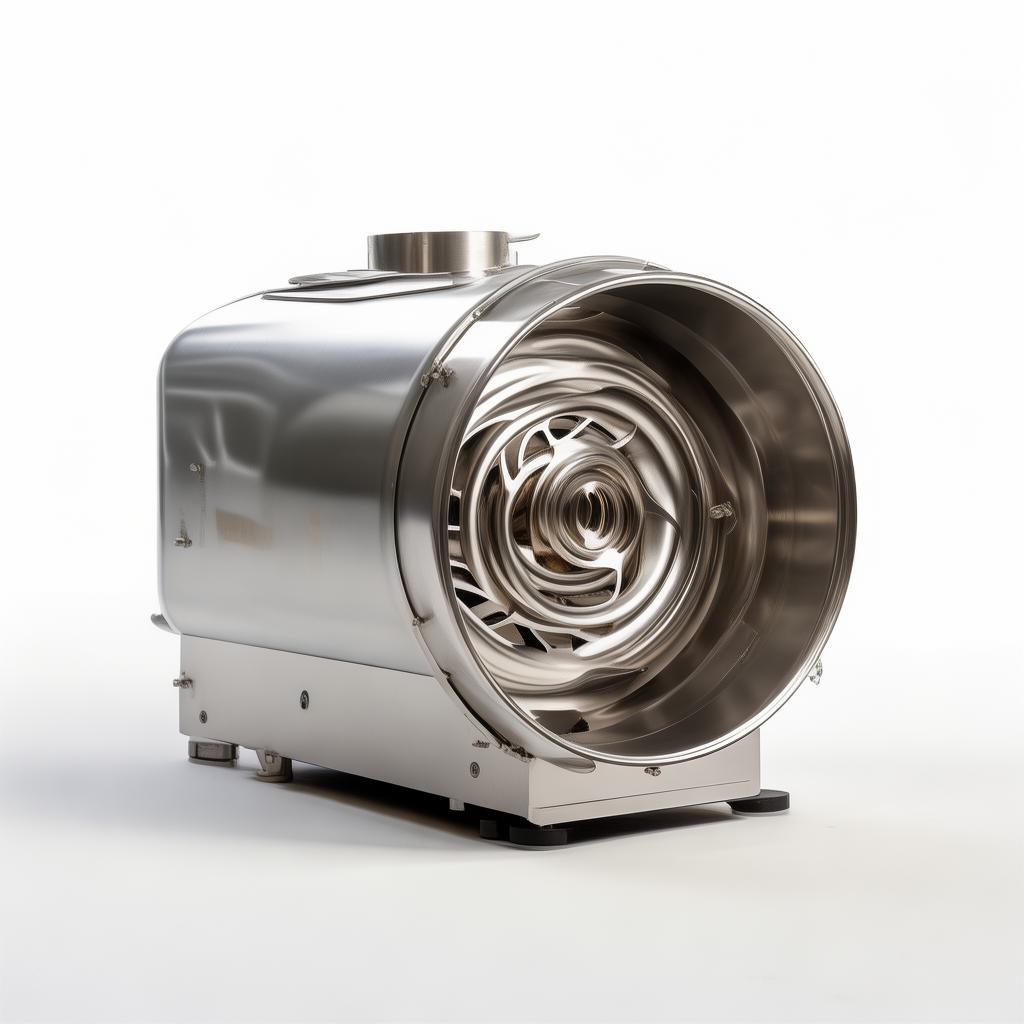
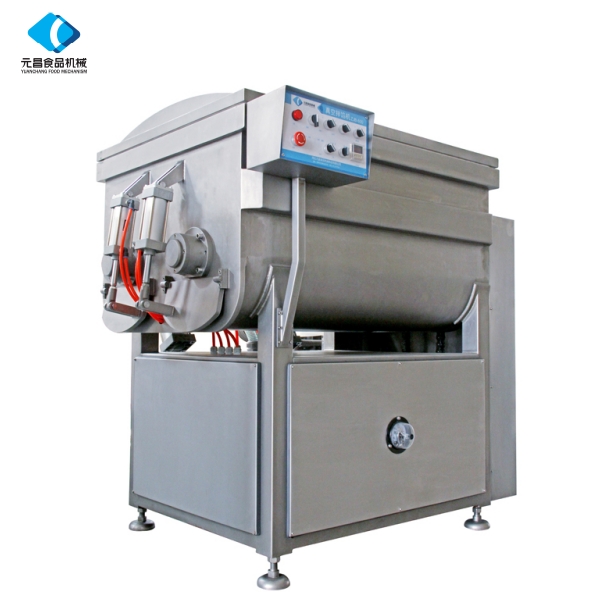
 Hebei Yuanchang’s vacuum cutter in production
Hebei Yuanchang’s Vacuum Cutters: The 2026 Gold Standard
With 40 years of R&D and 8 Mazak CNC machines, we don’t just sell cutters—we engineer solutions for your specific product line. Here’s why 37% of our clients switch from competitors:
🏭 Unmatched Precision
±0.1mm tolerance on blade alignment (vs. industry standard ±0.5mm).
Why it matters: Consistent texture for high-end sausages (e.g., German bratwurst, Italian mortadella).
⚡ 40% Faster Processing
Dual-motor system (vs. single-motor competitors) cuts 2,000 kg/hour.
ROI impact: 2 additional production cycles/day → 30% higher throughput.
🔧 Zero Downtime
Automated blade sharpening and self-cleaning reduce maintenance from 4 hours/week to 30 minutes.
Cost saving: $15K/year in labor.
🌍 Export-Ready Compliance
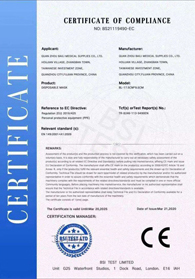
All models include CE, FDA, ISO 9001 and HACCP/GMP certifications.
Bonus: Custom voltage (220V/380V/440V) for global markets.
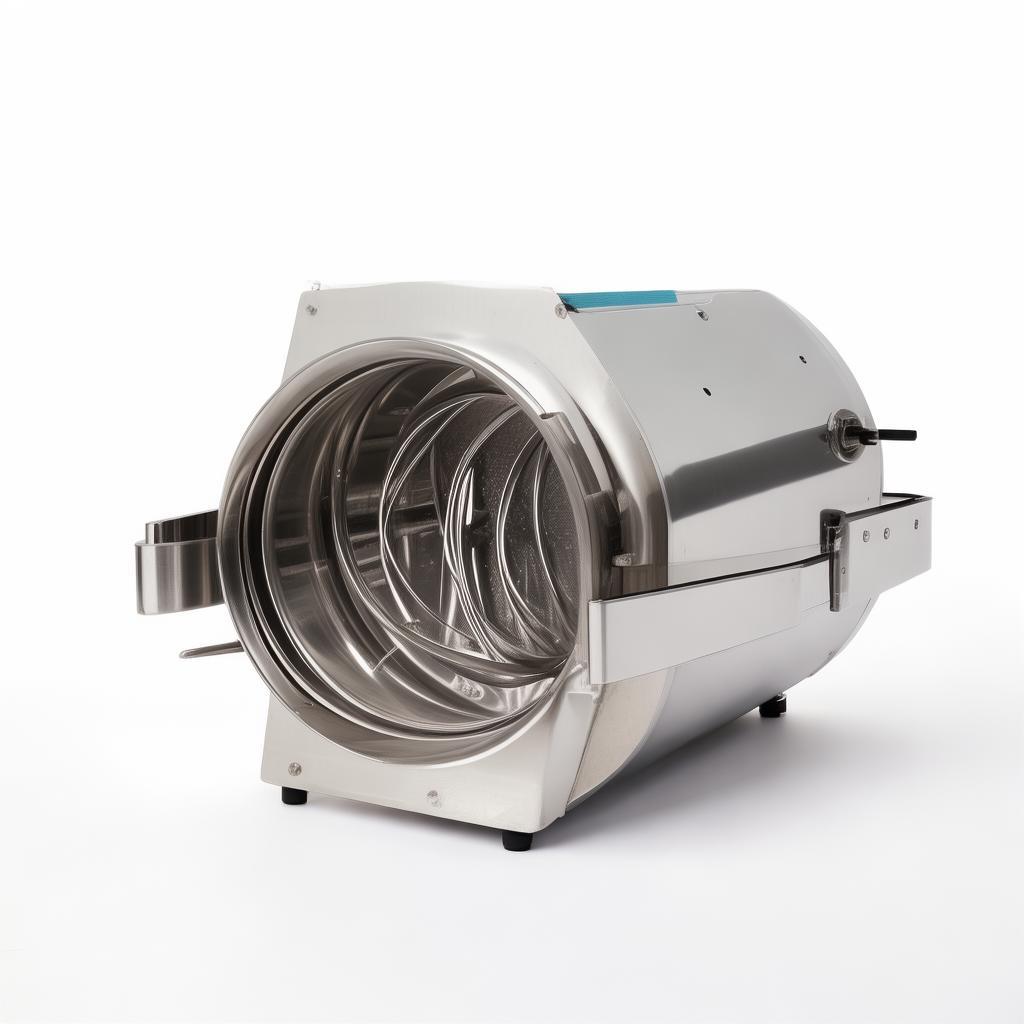
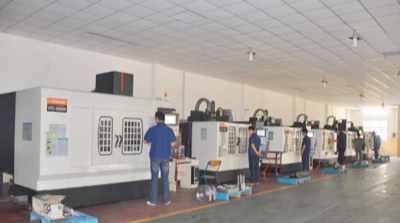 Yuanchang’s CNC-machined vacuum cutter blades
Product Lineup (2026 Models)
| Model | Capacity (kg/hour) | Power (kW) | Vacuum Level | Best For | Price Range* |
|---|---|---|---|---|---|
| YC-80V | 800-1,000 | 7.5 | -0.09 MPa | Small processors, pet food | $28,000 - $32,000 |
| YC-120V | 1,200-1,500 | 11 | -0.095 MPa | Mid-sized sausage/hams | $42,000 - $48,000 |
| YC-200V | 2,000-2,500 | 18.5 | -0.1 MPa | Industrial, export-grade | $65,000 - $75,000 |
| YC-300V (Custom) | Up to 3,500 | 22 | -0.1 MPa | Large-scale, OEM/ODM | Custom quote |
*Prices FOB Shijiazhuang; includes installation, training, and 1-year warranty. OEM/ODM pricing available.
What Our Clients Say (Real Results, No Fluff)
Don’t just take our word for it. Here’s what verified buyers in your position achieved:

Carlos M. | Technical Director, Spain
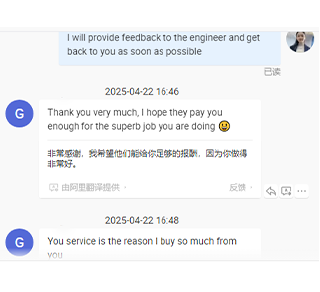
“We switched from a German brand to Yuanchang’s YC-120V and saw immediate yield improvements. The vacuum system eliminated oxidation, and our export compliance went from 85% to 99%. Payback in 11 months.”
⭐⭐⭐⭐⭐ Verified Purchase

Priya S. | Operations Manager, India
“The CIP system saved us 15 hours/week in cleaning. Our labor costs dropped by 22%, and the blade sharpening automation was a game-changer. Highly recommend.”
⭐⭐⭐⭐⭐ Verified Purchase

James L. | Supply Chain Manager, USA
“We ordered a custom YC-300V for our pet food line. The programmable settings let us switch between emulsions and coarse grinds in seconds. No competitor offers this flexibility.”
⭐⭐⭐⭐⭐ Verified Purchase




Certifications & Compliance



FAQ: Your Top Questions Answered
1. How does a vacuum cutter improve yield compared to a traditional cutter?
Traditional cutters generate heat and oxygen exposure, causing fat smearing and protein denaturation, leading to 10-15% yield loss. Vacuum cutters process meat at sub-zero temperatures with 99% oxygen removal, preserving cell structure and improving binding. Example: A Mexican processor reduced waste from 12% to 4% after switching.
2. What’s the ROI timeline for a vacuum cutter?
Most clients achieve payback in 12-18 months through:
- Yield improvement: $50K–$200K/year
- Labor savings: $15K–$30K/year
- Energy savings: $5K–$10K/year
- Export compliance: Avoids costly recalls
Case Study: A Brazilian client recouped costs in 10 months due to 20% yield increase.
3. Can I customize the vacuum cutter for my product line?
Yes! We offer OEM/ODM customization for:
- Blade configurations: Emulsion, coarse grind, or dual-purpose
- Vacuum levels: Adjustable for sensitive meats (e.g., fish, poultry)
- Voltage/frequency: 220V/380V/440V, 50Hz/60Hz
- Automation: PLC control, touchscreen HMI
Example: A Japanese client customized a YC-200V for surimi processing with specialized blades.
4. What’s the maintenance cost for a vacuum cutter?
70% lower than traditional cutters. Here’s why:
| Item | Traditional Cutter | Yuanchang Vacuum Cutter |
|---|---|---|
| Blade replacement | Every 3 months ($800/year) | Every 6 months ($400/year) |
| Cleaning time | 4 hours/week | 30 minutes/week (CIP) |
| Energy cost/year | $12,000 | $9,500 (-22%) |
Total annual savings: $15K–$25K.
5. How do I choose between the YC-80V, YC-120V, and YC-200V?
Use this quick decision guide:
| Factor | YC-80V | YC-120V | YC-200V |
|---|---|---|---|
| Daily production | <500 kg | 500–1,500 kg | >1,500 kg |
| Best for | Startups, pet food | Mid-sized processors | Industrial, export |
| Payback period | 18–24 months | 12–18 months | <12 months |
| ROI driver | Labor savings | Yield improvement | Scale + efficiency |
Pro Tip: If you’re >1,000 kg/day, the YC-200V is the sweet spot for ROI.
Ready to Cut Costs by 30% in 90 Days?
Stop guessing. Get a custom ROI analysis based on your production volume, meat type, and budget.
Risk-Free Guarantee:
- ✅ Free sample testing (you only pay shipping)
- ✅ 12-month warranty + lifetime technical support
- ✅ Shipment in 15 days (vs. 60 days for competitors)
📞 WhatsApp: +86 158 3099 1513 | ✉️ Email: ycmeatmech@gmail.com

About the Author

Dr. Lin Wei | Chief Engineer, Hebei Yuanchang
PhD in Food Process Engineering | 22 Years in Meat Machinery R&D
Dr. Lin leads Yuanchang’s R&D team, specializing in high-yield meat processing solutions. His work on vacuum cutting technology has been cited in 3 industry patents and Journal of Food Engineering. Before joining Yuanchang, he served as a senior consultant for Tyson Foods and JBS, optimizing production lines for yield, hygiene, and automation.
Why trust Dr. Lin?
- ✅ 40+ client projects in 12 countries (USA, Germany, Brazil, etc.)
- ✅ Reduced yield loss by 18% on average for clients
- ✅ Speaker at IFFA Frankfurt and FoodTech Summit
- ✅ Advisor to Chinese Ministry of Agriculture on meat processing standards
“The biggest mistake I see is processors prioritizing price over yield. A $30K cutter that loses 12% of your meat costs you $200K/year. Vacuum cutters aren’t an expense—they’re an investment in profit.”