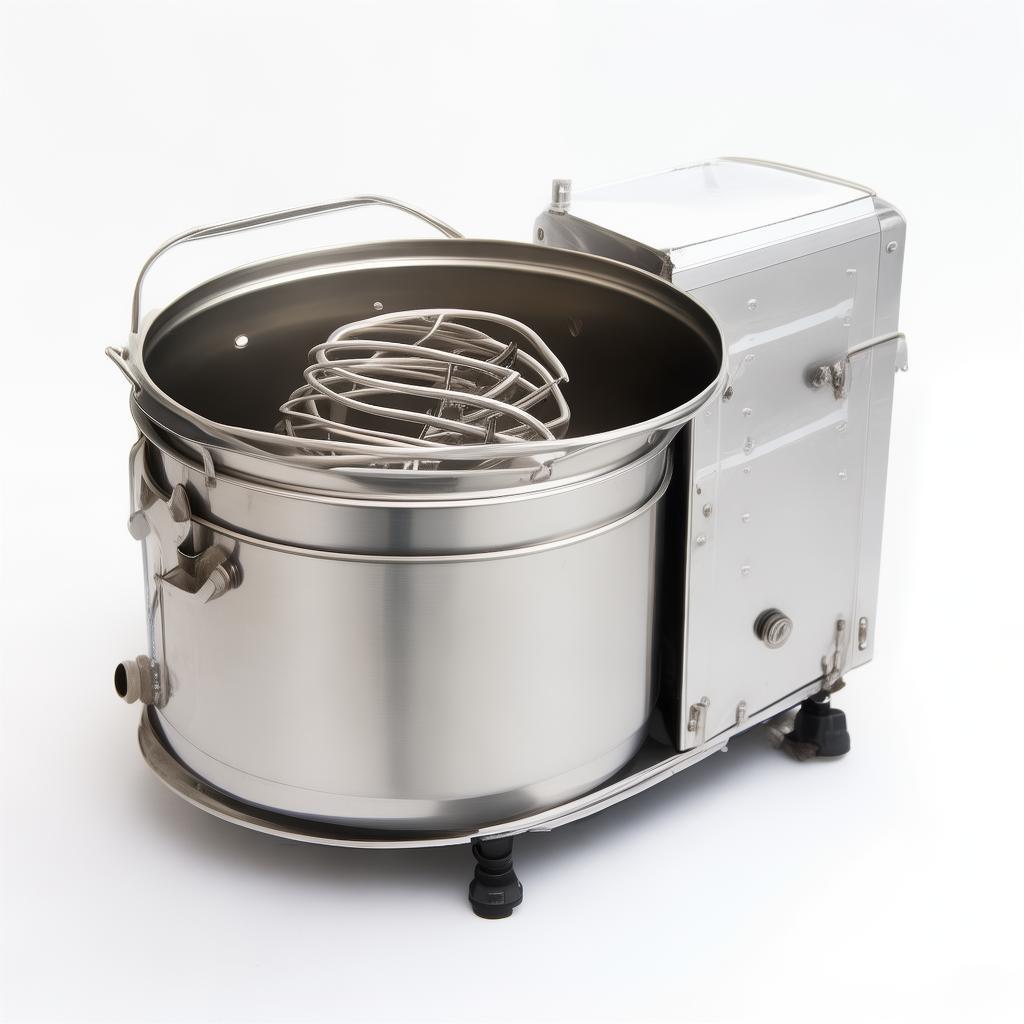
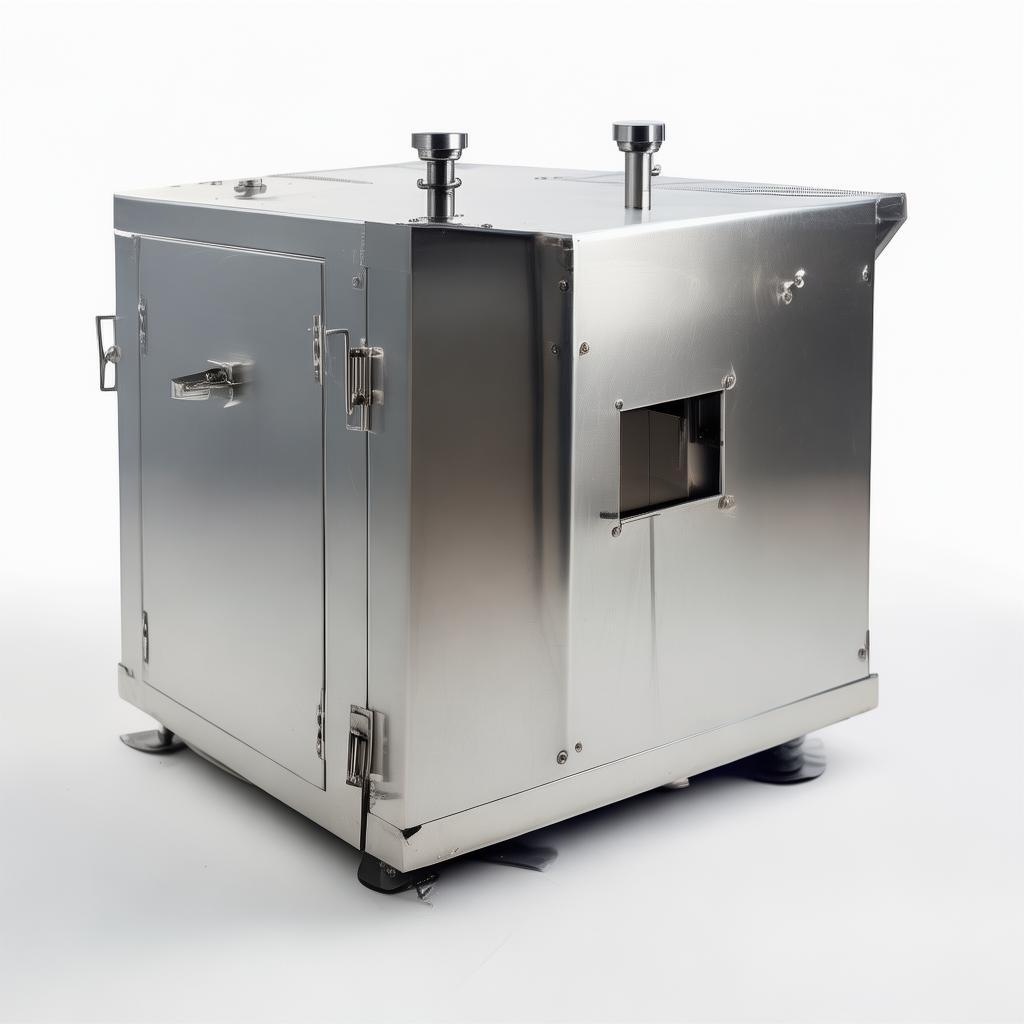
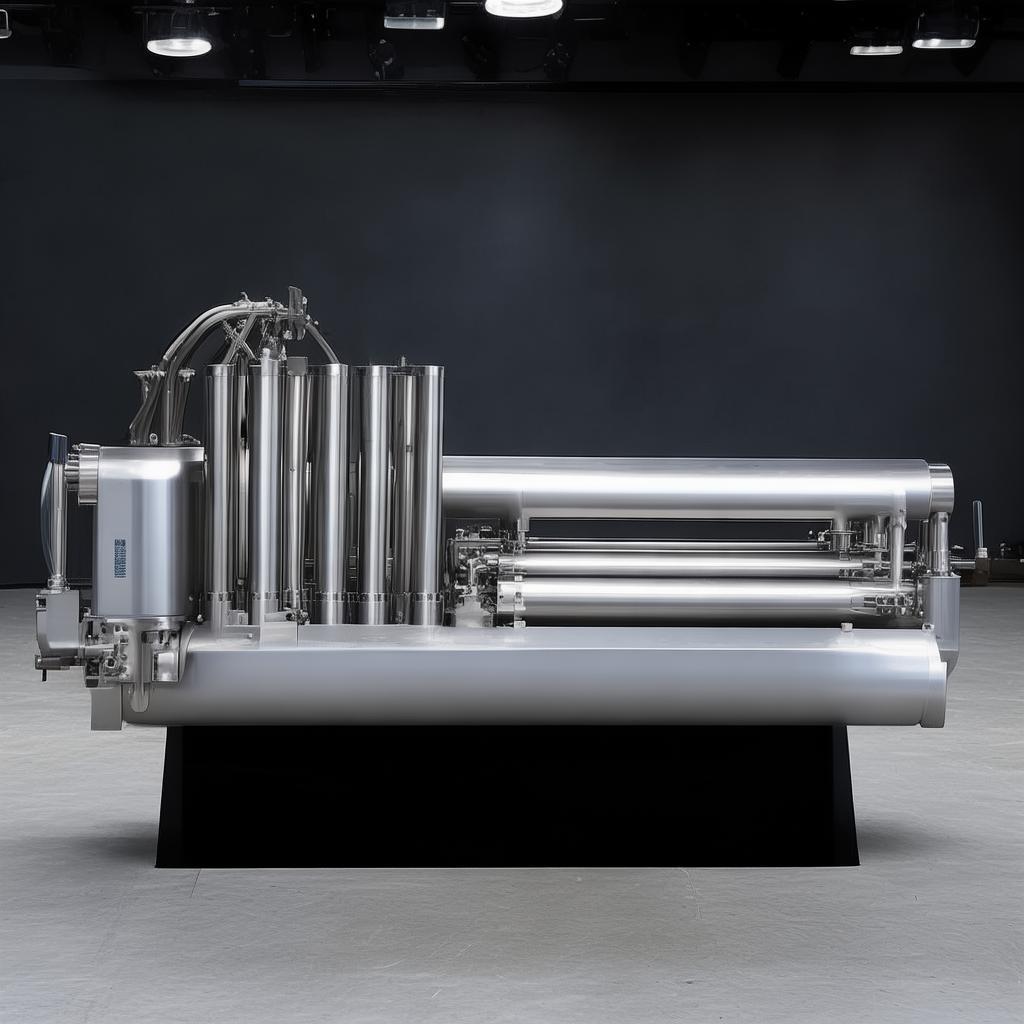
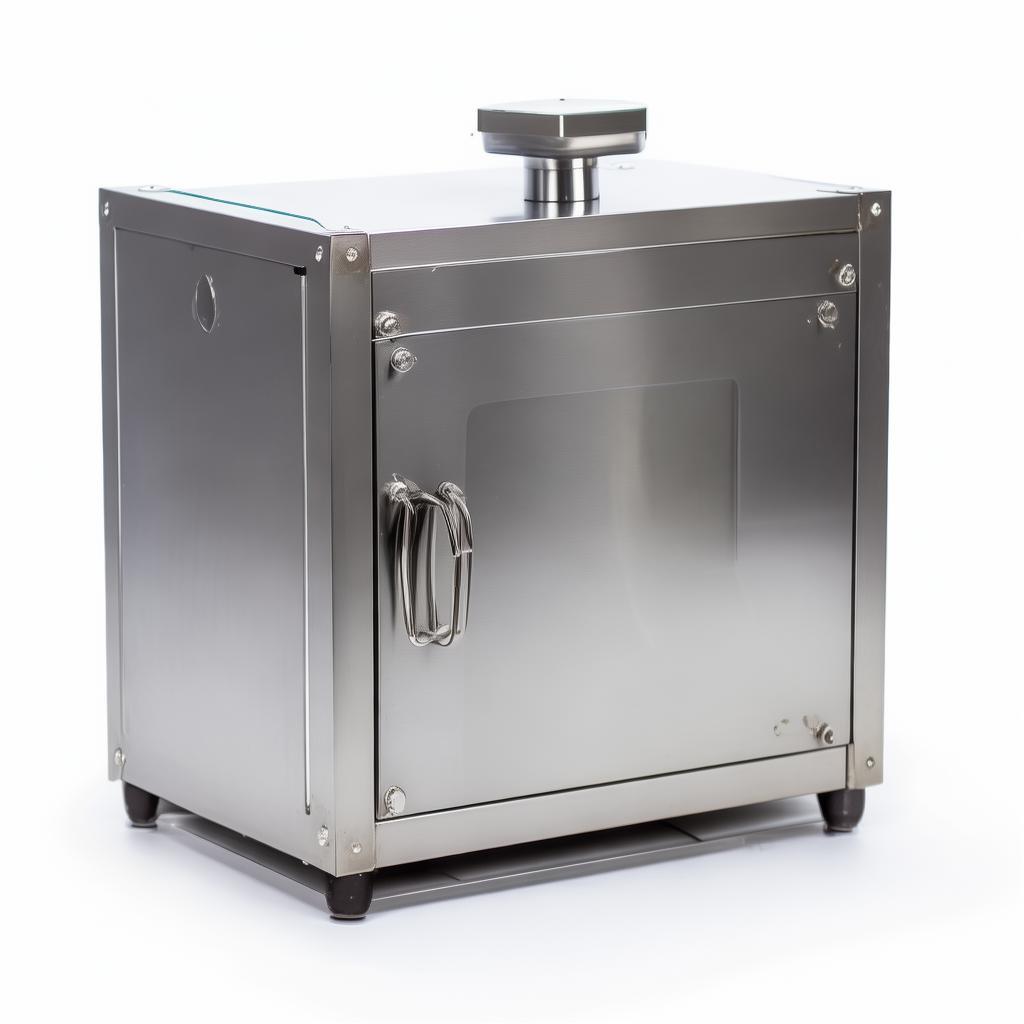
Chicken Processing Plant Equipment
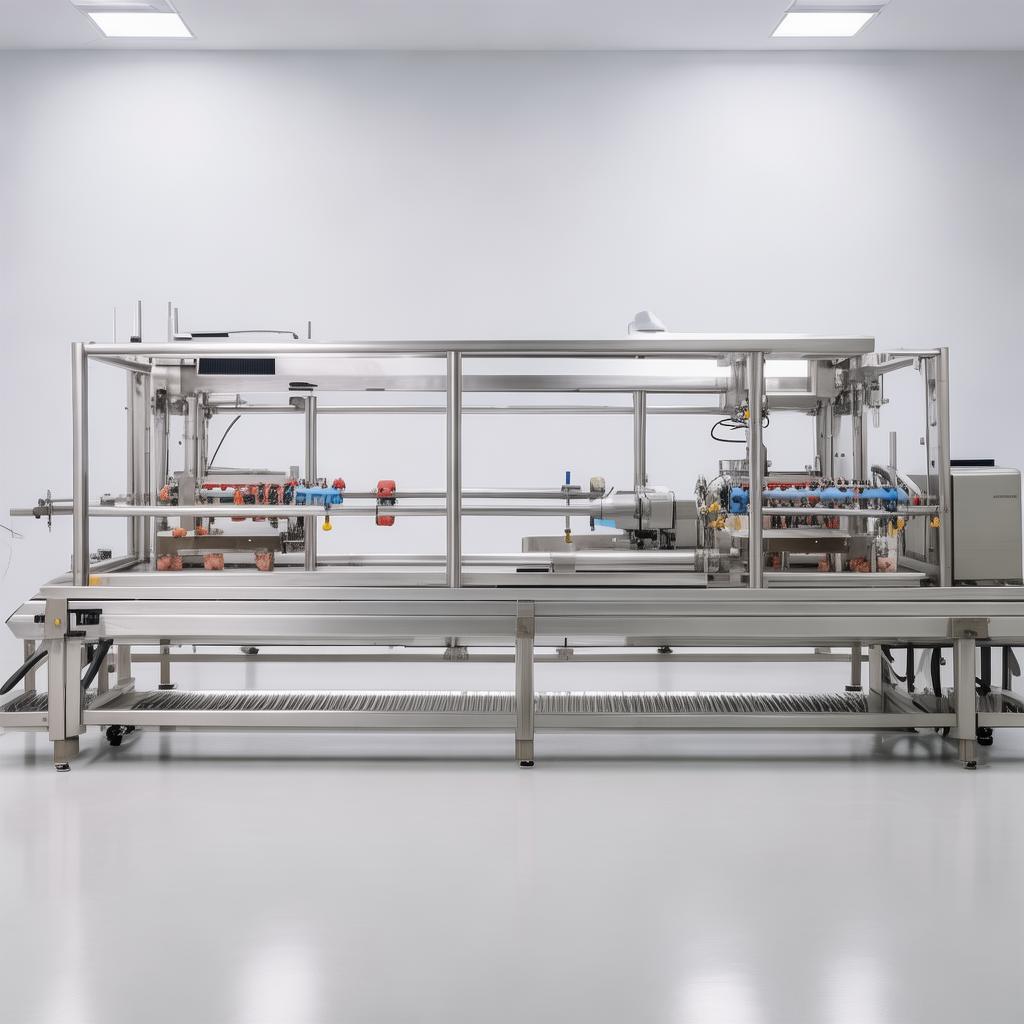
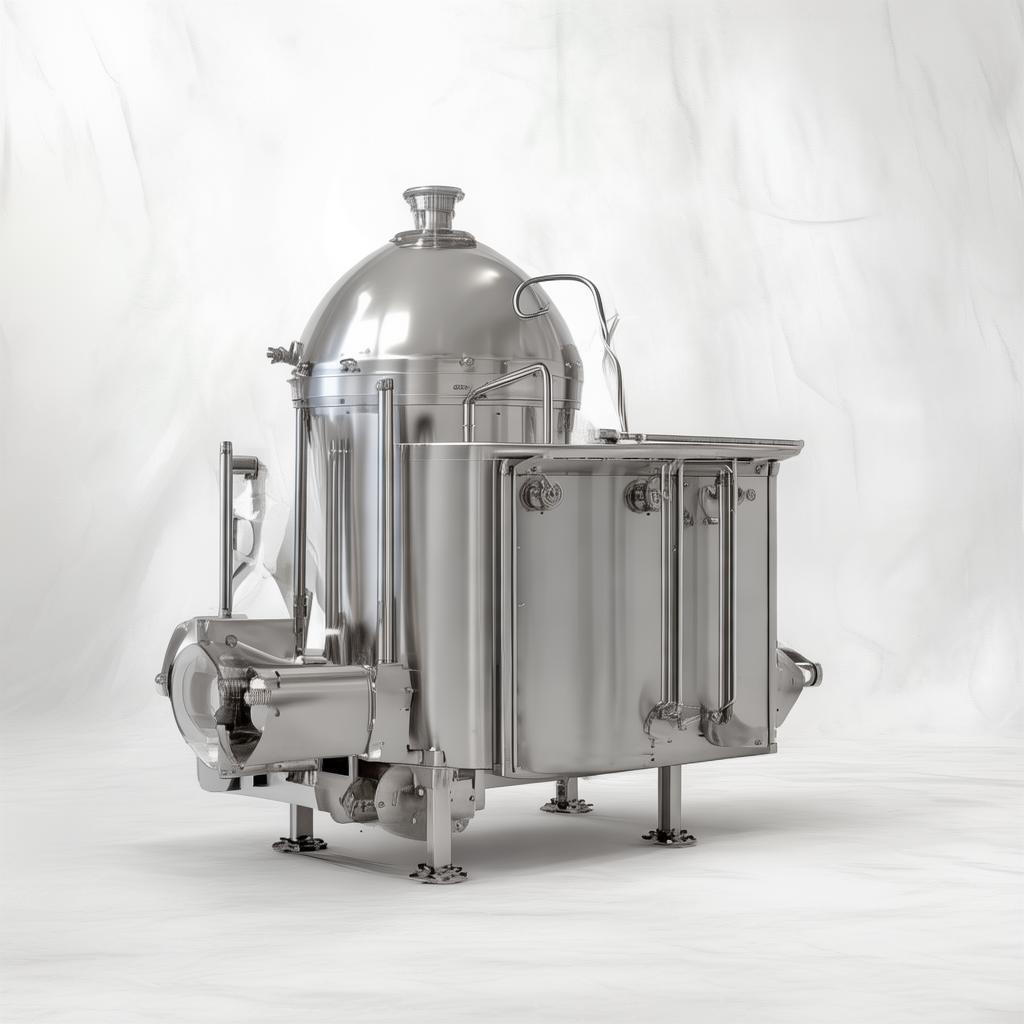
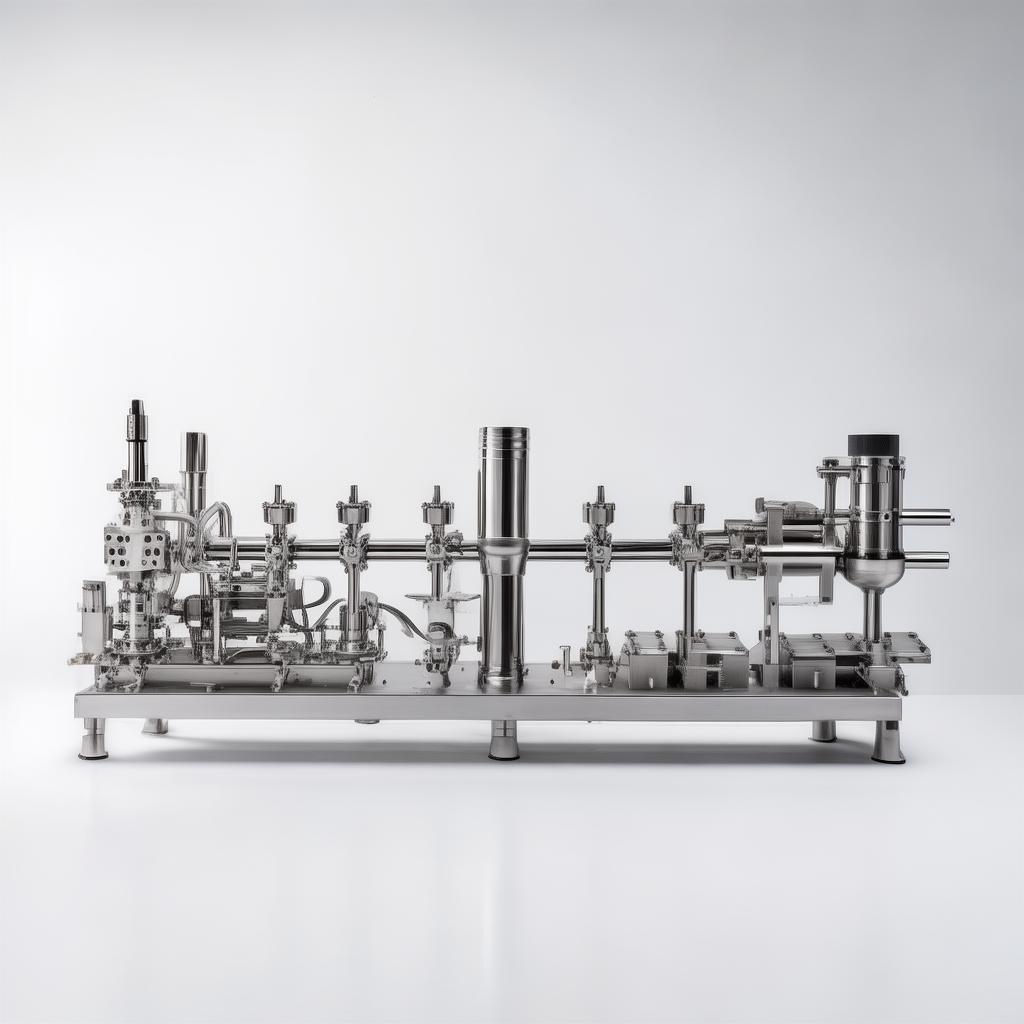
Chicken Processing Plant Equipment: Maximizing Efficiency and Yield
Your Partner for Advanced Poultry Processing Solutions
 Authored by David Chen, Senior Export Manager
In today's competitive global food market, the efficiency and quality of your chicken processing operations are paramount. From primary slaughter and deboning to the intricate molding of formed products and precise ripening processes, every stage demands robust, reliable, and sanitary equipment. For producers aiming to scale, maintain food safety, and optimize yield, selecting the right machinery isn't just a capital expenditure; it's a strategic investment in your brand's future. We understand that sourcing processing equipment, especially for international markets, involves navigating complex technical specifications, stringent regulatory environments, and logistical hurdles. This is where specialized expertise in chicken processing plant equipment becomes critical.
The global meat processing equipment market is substantial and growing, projected to reach figures well over $15 billion by 2030, with significant contributions from poultry processing. Reports indicate a consistent CAGR between 4.5% and 7% across various analyses from sources like Grand View Research, Fortune Business Insights, and IMARC Group. This growth is fueled by a confluence of factors: an ever-increasing global demand for convenient and processed meat products, particularly chicken, due to rising incomes and changing dietary habits, coupled with the critical need for automation to address labor shortages and enhance hygiene standards. As consumers become more discerning about food safety and traceability, the equipment used in processing plants is under constant scrutiny. Compliance with international food safety standards (like HACCP, ISO 22000) and often local health department regulations is non-negotiable.
Our focus at Hebei Yuanchang Food Mechanism & Technology Co., Ltd. is to provide exactly that – equipment designed for performance, durability, and hygiene. With over four decades of experience (since 1986), we've seen firsthand how advancements in machinery impact throughput, product consistency, and operational costs. We specialize in providing complete production lines, not just individual machines. This holistic approach allows us to engineer solutions that seamlessly integrate, minimizing bottlenecks and maximizing the value extracted from every bird. Whether you're a large-scale operation in the USA looking to upgrade your entire facility or an importer in Southeast Asia seeking specific molding equipment for value-added chicken products, our understanding of international trade, manufacturing capabilities, and application knowledge positions us as a reliable partner.
Understanding the nuances of chicken processing is key. Unlike red meat, poultry processing often requires gentler handling in certain stages to maintain product integrity, especially for higher-value cuts or formed products. Equipment for pretreatment, such as washing and chilling, must be designed for rapid temperature reduction to prevent bacterial growth. Molding equipment, vital for producing items like chicken nuggets, patties, and sausages, demands precision to ensure uniform size, weight, and texture, which directly impacts cooking times and consumer satisfaction. Ripening processes, often achieved through controlled tumbling or massaging (often referred to as "massaging equipment" in industry reports), are crucial for tenderizing meat, improving moisture retention, and allowing marinades or seasonings to penetrate effectively, especially for value-added chicken products. Our product range is meticulously developed to address these specific requirements, ensuring that each piece of equipment contributes positively to your bottom line and product quality.
We recognize that procurement for a processing plant involves significant capital outlay and long-term considerations. Factors like machine longevity, ease of maintenance, availability of spare parts, and energy efficiency are as important as initial performance. Our in-house manufacturing capabilities, including advanced CNC machining centers from Japan, allow us to produce high-precision, non-standard components. This self-sufficiency in part production is a significant advantage for our clients, particularly concerning after-sales support and the availability of critical components, minimizing downtime which can be extremely costly in continuous processing operations. We aim to be more than just a supplier; we strive to be a trusted advisor in your operational journey, from initial inquiry through to long-term service and support.
Navigating the Challenges in Poultry Processing
The chicken processing industry, while robust, presents a unique set of operational and market challenges that directly influence equipment needs. Producers must constantly balance the demand for high-volume output with the imperative for uncompromising food safety and quality. Yield optimization is another critical factor; minimizing waste at every step from evisceration to final packaging translates directly into improved profitability.
- Food Safety & Hygiene: Maintaining sterile environments and preventing cross-contamination is paramount. Equipment must be designed for easy cleaning and sanitation, often requiring specific materials and finishes. Failure here can lead to recalls and severe brand damage.
- Labor Shortages & Efficiency: Many regions face skilled labor shortages. Automation through well-designed processing machinery is essential to maintain production levels and reduce reliance on manual labor for repetitive, physically demanding tasks.
- Yield Maximization: Extracting the most value from each bird is crucial. This means precise deboning, efficient cutting, and minimizing product loss during forming and ripening stages.
- Product Consistency: Whether it's uniform patty size or consistent tenderness in marinated chicken breast, product uniformity drives consumer satisfaction and repeat business. Equipment plays a direct role in achieving this.
- Regulatory Compliance: Adhering to national and international food safety standards (e.g., FDA, USDA, HACCP, GFSI schemes) requires equipment that meets specific design and operational criteria.
- Cost Management: Balancing capital investment with operational costs (energy, maintenance, labor) is a constant challenge. Durable, energy-efficient equipment with predictable maintenance needs is key to long-term ROI.
Hebei Yuanchang understands these pressures. Our equipment is engineered not just to perform, but to solve these very problems, offering solutions that enhance hygiene, improve yield, and deliver consistent results. We focus on providing processing lines where pretreatment, filling, molding, and ripening auxiliary items work in concert.
Key Equipment Categories for Chicken Processing
A modern chicken processing plant relies on a diverse array of specialized machinery. Each category plays a vital role in transforming raw poultry into the finished products consumers and food service industries demand. Our comprehensive solutions cover the critical stages of processing.
Pretreatment Equipment
This initial stage is crucial for preparing the chicken for further processing. It includes systems for washing, chilling, and sometimes preliminary cutting or deboning. Efficiency here directly impacts shelf life and product quality.
- Automatic Washing Machines: For thorough cleaning post-evisceration.
- Chilling Tunnels/Immersion Chillers: Rapidly lowering core temperatures to inhibit bacterial growth.
- Deboning Machines: Automated systems for efficient meat removal from bones, enhancing yield.
Meat Product Filling & Molding Equipment
This is where raw chicken meat is transformed into recognizable consumer products like sausages, patties, nuggets, and meatballs. Precision and versatility are key.
- Stuffing & Filling Machines: High-capacity machines for producing sausages and other filled products with consistent density. Essential for both raw and cooked poultry products.
- Forming Machines: Designed to shape minced or processed chicken into specific forms (patties, nuggets, etc.), ensuring uniformity in size, shape, and weight. This category sees significant growth as processed meat demand rises.
- Grinding & Mixing Machines: For preparing the meat mixture with desired texture and homogeneity before filling or molding.
Ripening Process Equipment (Tumbling & Massaging)
Crucial for enhancing texture, flavor, and moisture retention, particularly for marinated or cured chicken products. This equipment is often referred to as 'massaging equipment' in market reports.
- Tumbling Machines: Gentle tumbling to help absorb marinades and tenderize meat.
- Massaging Machines: Advanced systems providing controlled agitation to break down muscle fibers, improving tenderness and juiciness for value-added products. These systems are critical for achieving premium texture in items like marinated chicken breasts.
Auxiliary Items
Supporting equipment that enhances the overall processing line efficiency and product quality.
- Smoking & Cooking Equipment: For producing smoked or fully cooked chicken products.
- Conveyor Systems: Moving product efficiently between different processing stages.
Technical Deep Dive: Pretreatment, Molding, and Ripening
A deeper understanding of the technical aspects of key equipment categories is crucial for making an informed purchase decision. At Hebei Yuanchang, we pride ourselves on the engineering behind our machines, ensuring they meet stringent performance and hygiene standards.
Pretreatment Precision
Effective pretreatment hinges on rapid and uniform temperature control and precise cutting. For example, our automatic washing machines are designed with high-pressure, food-grade spray nozzles to ensure thorough internal and external cleaning without damaging the product. Chilling equipment, whether immersion or tunnel-based, is engineered for optimal heat transfer coefficients. This is vital; slowing down post-slaughter microbial growth is directly linked to extending product shelf-life and ensuring safety. Reports from the food processing sector consistently highlight the importance of integrated chilling solutions to meet consumer demand for fresh-like quality.
Our deboning machinery utilizes specialized blade designs and adjustable feed rates to maximize meat yield while minimizing bone fragments in the final product. This precision is what separates efficient operations from those with significant material loss. Some advanced systems even incorporate optical sorting or gentle mechanical separation technologies for higher value cuts, a trend pushing the boundaries of what pretreatment equipment can achieve.
Molding for Market Demands
In molding equipment, consistency is king. Our forming machines employ sophisticated hydraulic or pneumatic systems to apply precise pressure, ensuring patties, nuggets, or other formed items have uniform density and shape. This is critical for predictable cooking performance in commercial kitchens and for consumer appeal. Interchangeable molds allow for a high degree of product variety from a single machine, a key advantage for producers looking to diversify their offerings. Market analysis points to significant growth in formed meat products, driven by convenience and demand for value-added items, underscoring the importance of versatile molding technology.
The stuffing and filling equipment is engineered for controlled extrusion. Precise volumetric filling ensures each sausage or filled product meets weight specifications, crucial for portion control and cost management. The ability to handle various meat textures and fat content variations without compromising filling consistency is a testament to advanced engineering in these systems. For OEMs and large-scale processors, reliable filling equipment is the backbone of their product lines.
Ripening: The Art and Science of Texture
Tumbling and massaging equipment focuses on the mechanical alteration of meat structure. Our massaging machines, for instance, utilize variable speed controls and specially designed paddles to gently yet effectively agitate meat. This process not only aids marinade absorption but also initiates the tenderization process by disrupting muscle fiber structures and encouraging protein denaturation. Reports on the meat processing equipment market frequently highlight massaging and tumbling as key growth segments for producing higher-quality, more tender poultry products. Controlled duration and intensity settings are critical to prevent over-processing, which can lead to a mushy texture.
The careful selection and control of these processes allow producers to achieve desired textures and flavor profiles, significantly enhancing the perceived value of their chicken products. Understanding the interplay between mechanical action, time, temperature, and ingredient formulation is where our expertise truly benefits clients.
chicken processing equipment poultry processing machinery chicken harvesting equipment
Material Science in Processing Equipment
The choice of materials for food processing equipment is not just about durability; it’s fundamentally about hygiene, safety, and longevity. In chicken processing, where sanitary conditions are non-negotiable and equipment faces constant washdowns and potential contact with corrosive substances, material selection is a critical design parameter.
Stainless Steel: The Industry Standard
The vast majority of our chicken processing equipment, from large tumblers to intricate filling machine components, is constructed from high-grade stainless steel, typically 304 or 316. This material offers an unparalleled combination of:
- Corrosion Resistance: Essential for resisting cleaning agents, salts, and acidic residues.
- Hygienic Surface: Non-porous and smooth, preventing bacterial adhesion and facilitating thorough cleaning.
- Durability: Withstands mechanical stress, temperature fluctuations, and constant operation.
- Food Safety Compliance: Inert and doesn't leach harmful substances into food.
We pay close attention to the finish of stainless steel surfaces. Polished finishes are common in areas with direct food contact to further enhance cleanability and reduce microbial lodgement.
Food-Grade Polymers and Other Materials
While stainless steel forms the backbone, other materials are strategically employed:
- UHMW-PE (Ultra-High Molecular Weight Polyethylene): Often used for wear strips, guides, or certain conveyor components. Its low friction coefficient and excellent abrasion resistance are beneficial. It’s crucial these are FDA-approved grades.
- Specialty Seals and Gaskets: Made from food-grade silicone or EPDM rubber, designed to withstand repeated cleaning cycles and temperature extremes while maintaining a tight seal.
- High-Strength Alloys: For specific high-wear components or critical structural elements where enhanced strength or specific performance characteristics are needed.
Our material selection process is guided by decades of operational experience and adherence to international standards, ensuring our equipment not only performs but also lasts and maintains the highest levels of food safety. This is a critical aspect we emphasize when clients evaluate our OEM/ODM capabilities.
Installation and Logistics Considerations for Overseas Buyers
Procuring and installing heavy industrial machinery, especially across international borders, requires careful planning. At Hebei Yuanchang, we’ve streamlined this process to minimize disruption and ensure a smooth transition for our global clients.
Logistics and Shipping
Our location in Shijiazhuang provides excellent access to major Chinese ports like Tianjin. We have extensive experience in coordinating shipments via sea freight (FCL and LCL), ensuring equipment is packaged securely for the journey. Considerations include:
- Protective Packaging: Machinery is typically crated or wrapped with protective materials to prevent damage from moisture, impact, and handling.
- Container Optimization: We work to maximize container space, reducing shipping costs for our clients. This might involve partial disassembly of larger units where practical.
- Documentation: Providing all necessary export documents, including commercial invoices, packing lists, certificates of origin, and Bills of Lading, for customs clearance.
- Lead Times: We provide realistic lead times based on current production schedules and shipment availability. For custom OEM/ODM projects, these will be estimated upfront.
Installation Support
While most of our equipment is designed for straightforward installation by qualified local technicians, we offer comprehensive support:
- Detailed Manuals: Clear, illustrated installation and operation manuals are provided.
- Technical Drawings: Dimension drawings and utility requirement specifications (power, water, air) are available.
- Remote Assistance: Our engineers are available via video call or phone to guide your team through complex installation steps or initial setup.
- On-Site Services (Optional): For very large-scale projects or specific client requirements, we can arrange for our engineers to travel for on-site supervision and commissioning, though this involves additional costs and planning.
We recommend clients factor in site preparation, electrical connections, plumbing, and ventilation requirements well in advance of equipment arrival to ensure a rapid and efficient setup.
Evaluating Your Chicken Processing Equipment Supplier
Selecting the right supplier for chicken processing plant equipment is a decision that impacts your operation for years. It's not just about the lowest price; it's about long-term reliability, service, and a partner who understands your business.
Key Evaluation Criteria:
- Manufacturing Experience & Heritage: Look for suppliers with a proven track record, ideally spanning decades. Companies with a long history, like ours since 1986, have accumulated invaluable practical knowledge and refined their designs through continuous improvement.
- In-House Manufacturing Capabilities: Do they manufacture their own critical components? This often leads to better quality control and faster availability of spare parts. Our investment in CNC machining centers is a prime example of this commitment.
- Technical Expertise & Customization (OEM/ODM): Can they tailor solutions to your specific needs? OEM (Original Equipment Manufacturer) and ODM (Original Design Manufacturer) capabilities indicate a supplier’s engineering depth and willingness to adapt.
- Quality Control & Certifications: What quality assurance processes are in place? Do they hold relevant certifications (e.g., CE, ISO)?
- After-Sales Support & Spare Parts: This is often overlooked but critical. Reliable suppliers offer accessible documentation, technical support, and a robust system for providing spare parts to minimize downtime.
- Global Export Experience: A supplier experienced in international trade will understand export documentation, shipping, and cross-border logistics, making the process smoother for you.
- Customer Testimonials & Case Studies: Real-world feedback from other processors provides valuable insights into performance and reliability.
When you engage with Hebei Yuanchang, you're engaging with a company that checks these boxes, built on 40 years of dedicated manufacturing experience.
Industry Standards and Certifications
Adherence to international standards and certifications is not merely a formality; it's a testament to our commitment to quality, safety, and global market acceptance. For chicken processing plant equipment, this ensures operational efficiency, food safety compliance, and ease of market entry.

ISO 9001
Quality Management Systems
CE Marking
European Conformity

FDA Compliance
Food Contact Materials

RoHS Compliant
Restriction of Hazardous Substances
Our commitment extends to ensuring that materials used are food-grade and comply with regulations concerning hazardous substances. For specific market requirements, we can explore additional certifications or provide documentation to support your own compliance efforts. This dedication to standards ensures our equipment is globally competitive and safe for your operations.
Our Manufacturing Strength: Precision and Scale
Hebei Yuanchang Food Mechanism & Technology Co., Ltd. is more than just a supplier; we are a manufacturer with deep roots in precision engineering and large-scale production. Our facility and capabilities are the bedrock of our promise for quality and reliability.
State-of-the-Art Facilities
Spanning approximately 14,000 square meters, our manufacturing plant is equipped with over 20 sets of advanced processing machinery. This includes precision lathes, milling machines, high-precision grinding machines, boring machines, plate shears, bending machines, and wire cutting equipment. Crucially, since 2012, we have integrated 8 sets of Japanese Mazak CNC machining centers. This investment significantly enhances our capability to produce high-standard, complex components requiring large volumes and extreme precision – often for non-standard or custom specifications.

Integrated R&D, Production, and Sales
Our operational structure seamlessly integrates Research & Development, Production, and Sales. This synergy allows us to:
- Innovate Rapidly: Respond to market trends and customer feedback with new or improved designs.
- Ensure Quality Control: Maintain strict oversight from raw material sourcing through to final assembly.
- Optimize Production: Efficiently manage workflows for timely delivery.
- Provide Expert Support: Our sales team is backed by technical knowledge, enabling informed discussions with clients.
Commitment to Traceability and After-Sales
Our traceable after-sales management system, coupled with our in-house precision part production, means that when you require a replacement component, we can identify, manufacture, and supply it efficiently. This independent capability for high-precision parts is a cornerstone of our worry-free after-sales service promise, minimizing costly downtime for your processing plant.
With 80-100 dedicated employees, we possess the workforce and the technological foundation to handle projects of varying scales, from single-machine orders to complete plant solutions.
Trusted by Processors Worldwide: Client Feedback
Real-world performance is the ultimate measure. Here’s what some of our clients in the chicken processing sector have to say:

Procurement Manager, USA
"We were looking to upgrade our patty forming line. Hebei Yuanchang provided a solution that was not only cost-effective but also incredibly precise. The consistency of our chicken patties has improved significantly, reducing waste and boosting customer satisfaction. Their export process was smooth, and support was responsive."

Operations Director, Japan
"The massaging equipment we purchased for tenderizing chicken breasts exceeded expectations. It’s robust, easy to operate, and the tenderizing effect is noticeable, allowing us to command a premium for our marinated products. The technical documentation was comprehensive, making installation manageable."

Factory Supervisor, UAE
"We needed a reliable filling machine for our chicken sausages. Hebei Yuanchang's model is efficient and hygienic. Cleaning is straightforward, which is vital in our climate. Their team provided prompt answers to our queries before and after purchase."
We are proud to support a diverse range of clients, from local processors to large international food corporations, helping them achieve their production goals.
Frequently Asked Questions about Chicken Processing Equipment
1. What is the typical lead time for your processing equipment?
Lead times vary depending on the complexity and customization of the equipment. Standard items might ship within 4-6 weeks, while custom-built or integrated systems could take 8-16 weeks or longer. We provide detailed estimates upon order confirmation.
2. How do I order spare parts?
Spare parts can be ordered directly through our sales or after-sales service department. Please provide the machine model and serial number, along with the part number if known. Our efficient internal production allows us to supply critical components quickly.
3. Can your equipment handle different types of chicken products (e.g., whole bird vs. processed cuts)?
Our equipment is specialized. Pretreatment lines handle initial processing, while molding and ripening equipment are designed for specific product forms like patties, sausages, or marinated pieces. We can guide you in selecting the right machinery for your target products.
4. What kind of maintenance is required?
Regular cleaning and lubrication are standard for all food processing equipment. Specific maintenance schedules and procedures are detailed in the operation manuals. Our robust construction and quality materials generally translate to lower maintenance requirements and longer service life.
5. Do you offer OEM/ODM services for processing equipment?
Yes, we offer extensive OEM and ODM services. Our in-house design and advanced CNC manufacturing capabilities allow us to develop custom solutions, modify existing designs, or produce equipment to your exact specifications. Contact us to discuss your specific project needs.
6. What are the power requirements for your machines?
Power requirements vary by machine. We typically use standard industrial voltages (e.g., 380V/50Hz/3PH or 440V/60Hz/3PH), but can often adapt to specific regional requirements. Detailed specifications are provided in the technical data sheets for each model.
Elevate Your Chicken Processing Operations
Investing in the right chicken processing plant equipment is crucial for efficiency, quality, and profitability. At Hebei Yuanchang, our 40 years of experience, advanced manufacturing capabilities, and global export expertise make us the ideal partner for your business needs.
Contact us directly:
Phone: +86 15830991513 | E-mail: ycmeatmech@gmail.com | Address: Shijiazhuang, Hebei Province, China
Chat with our experts