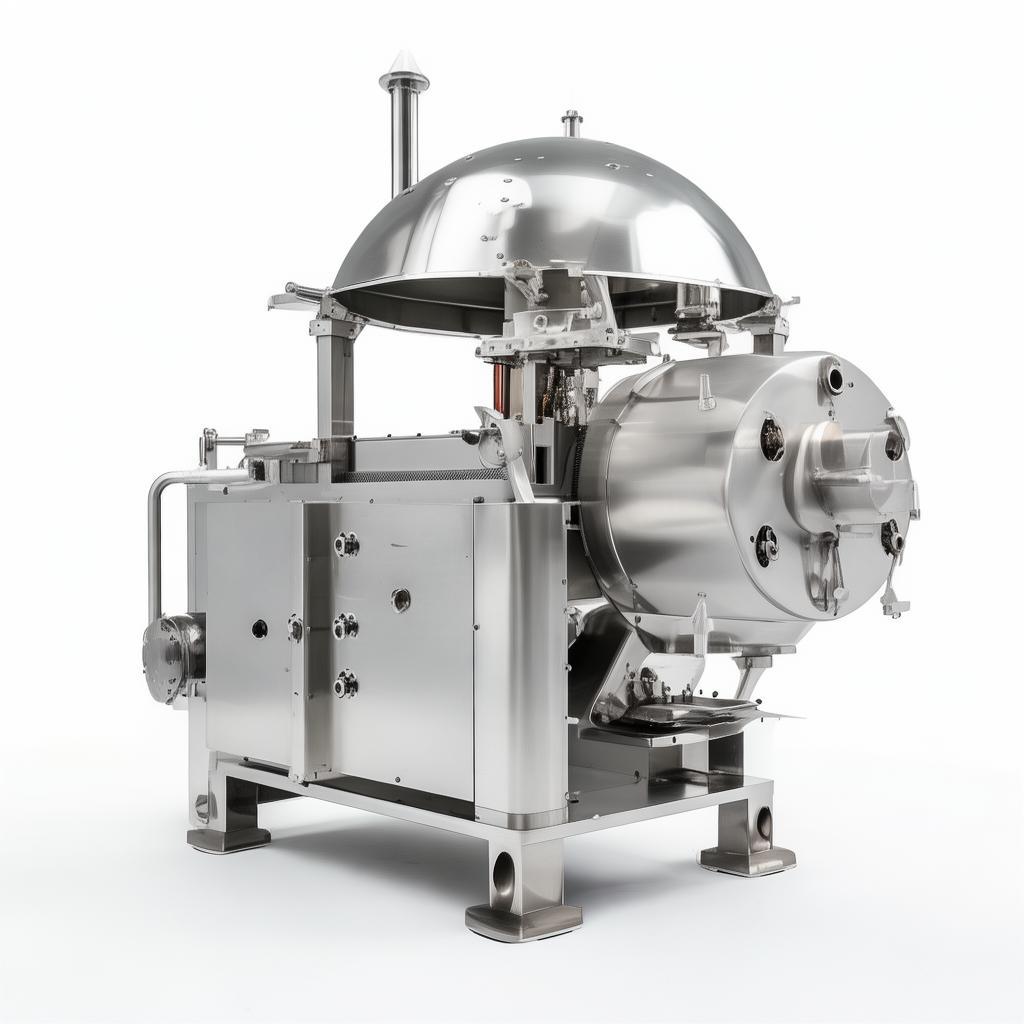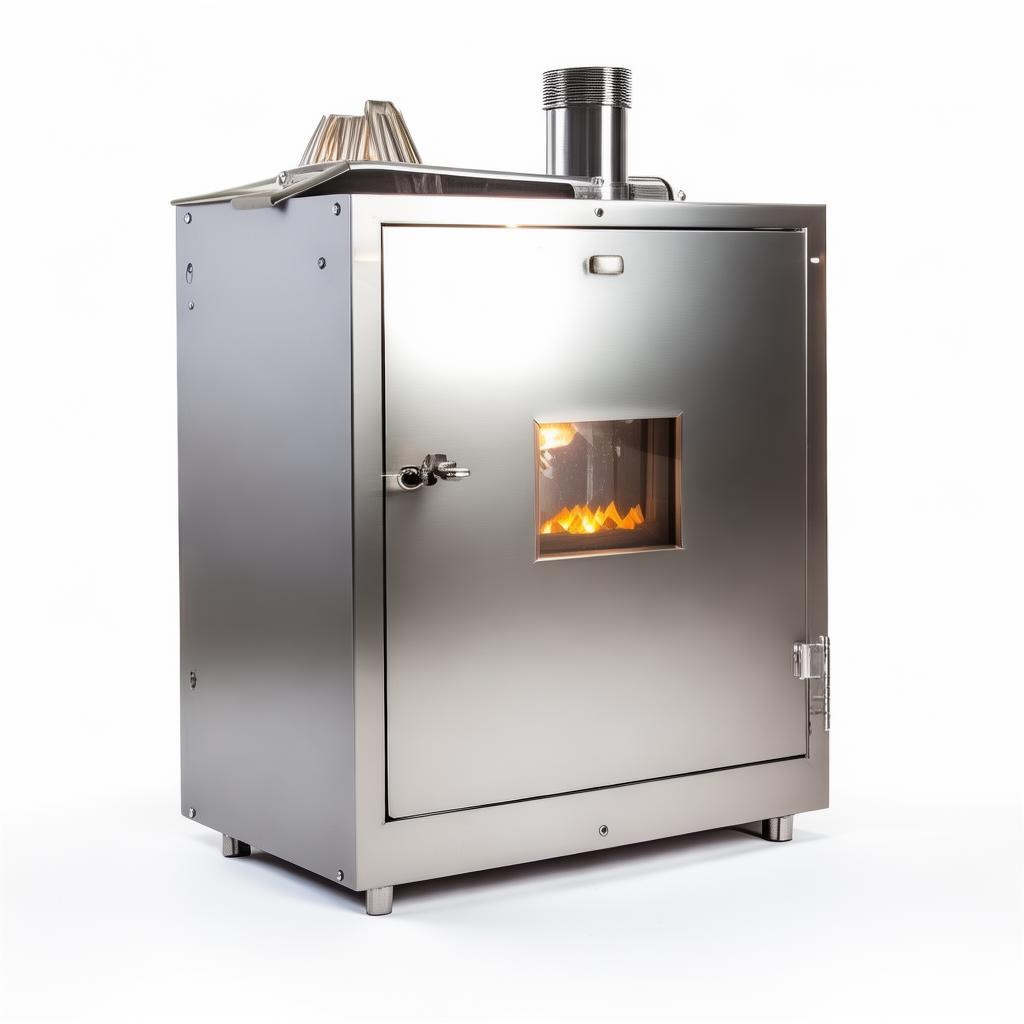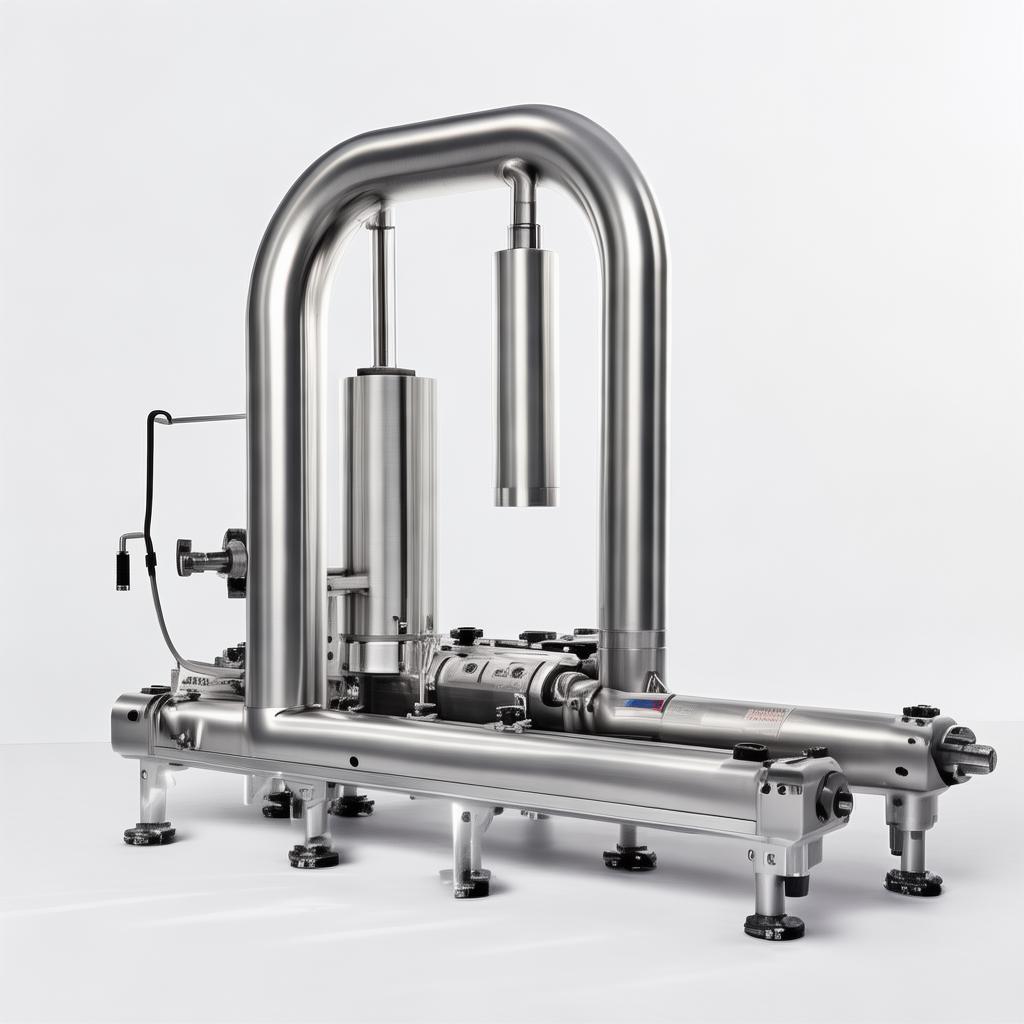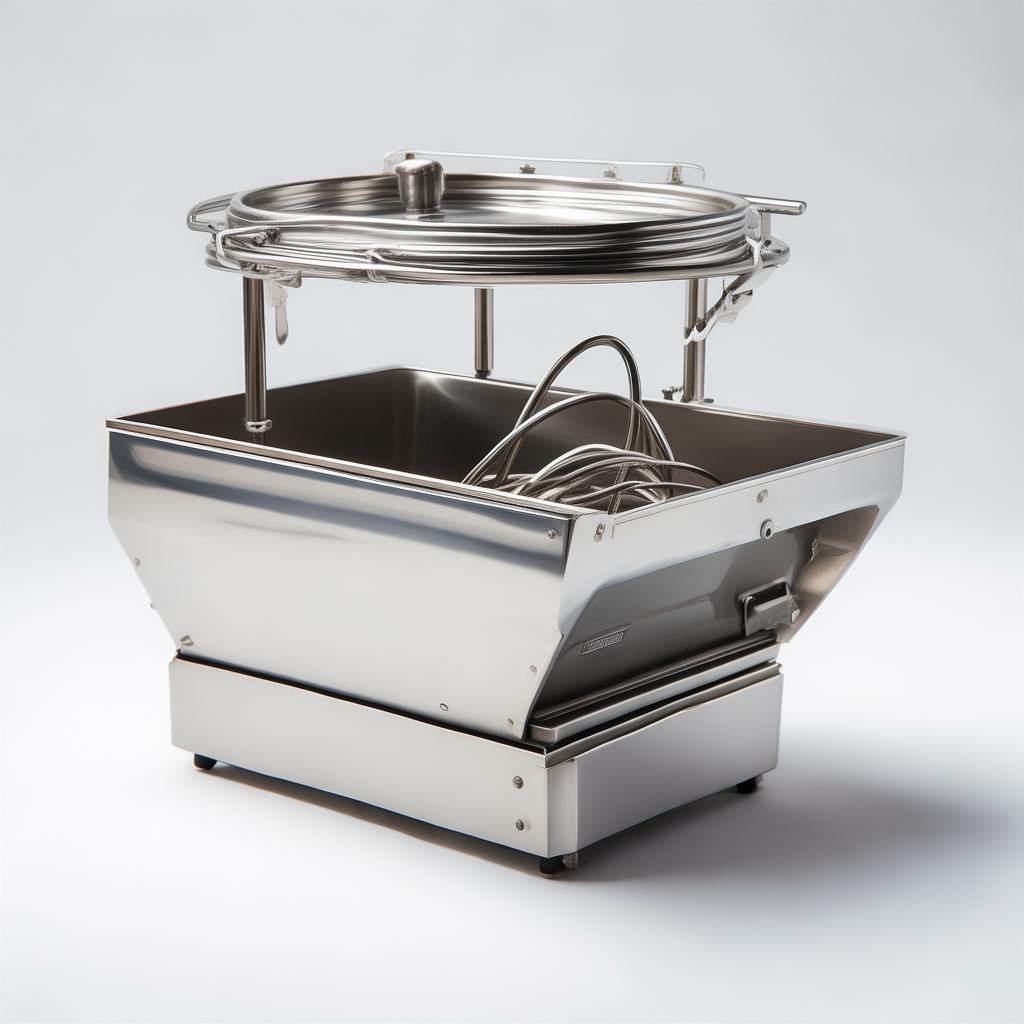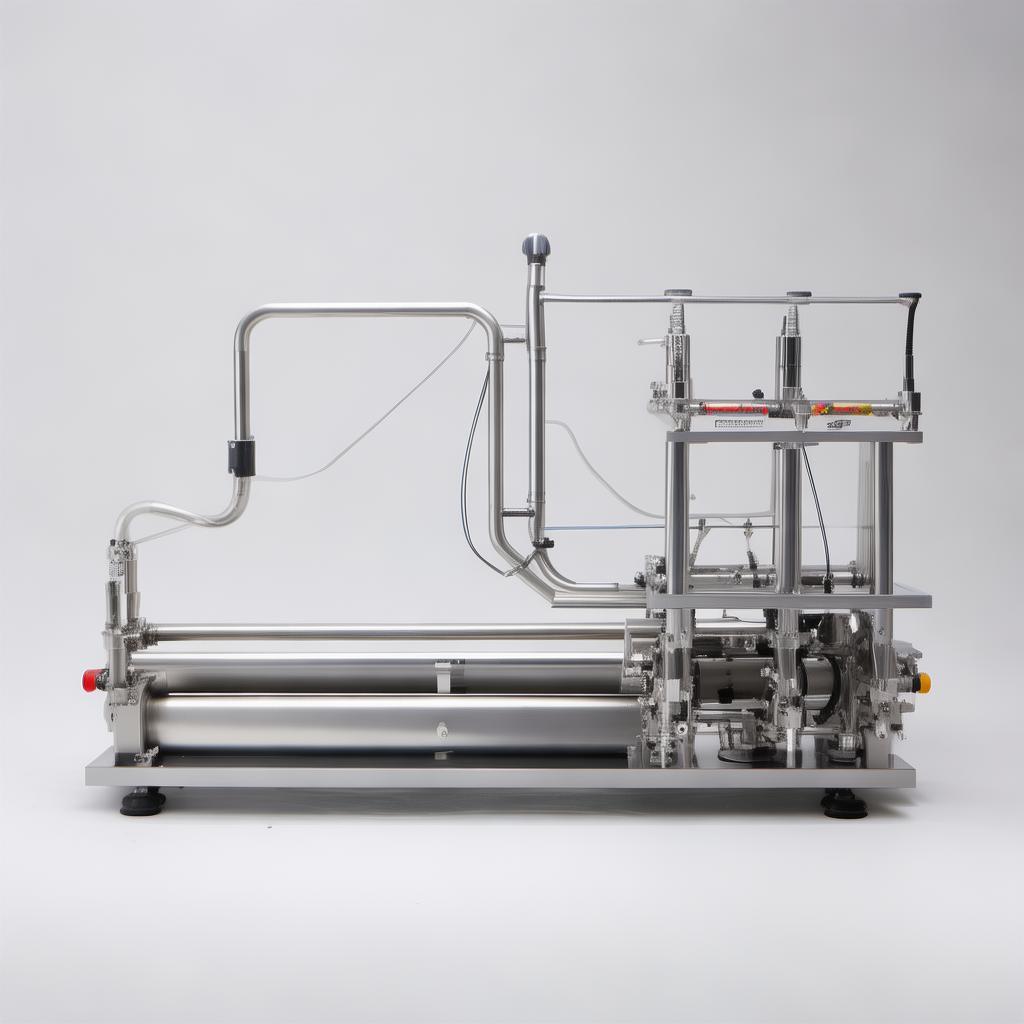
Brine Injection Machine
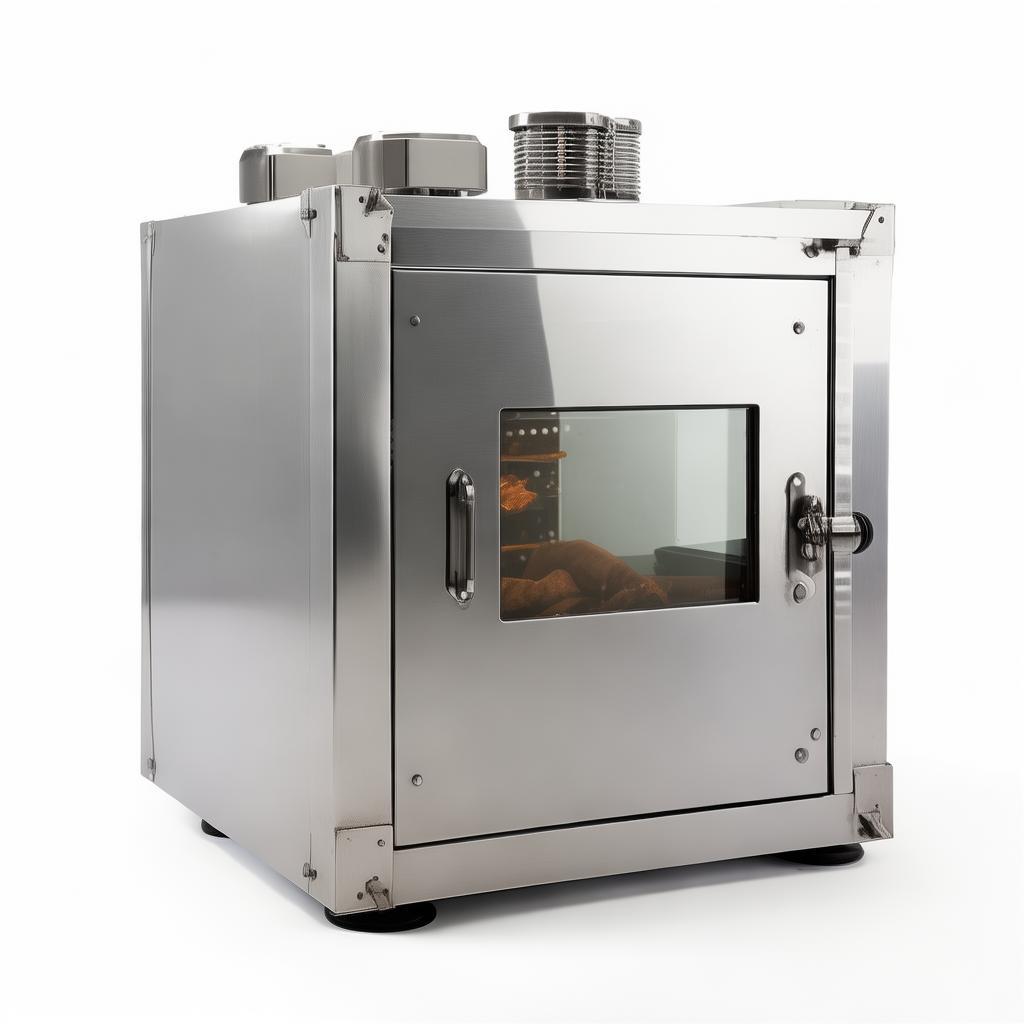
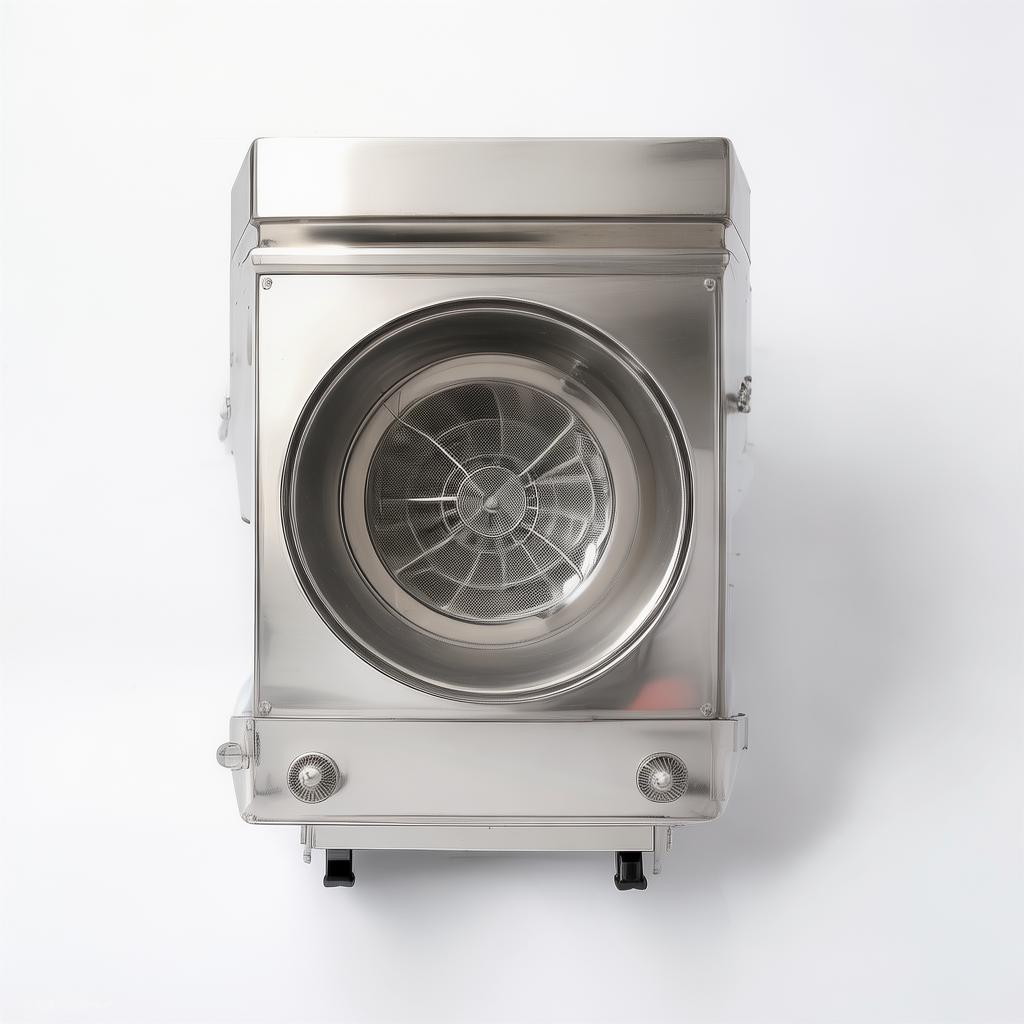
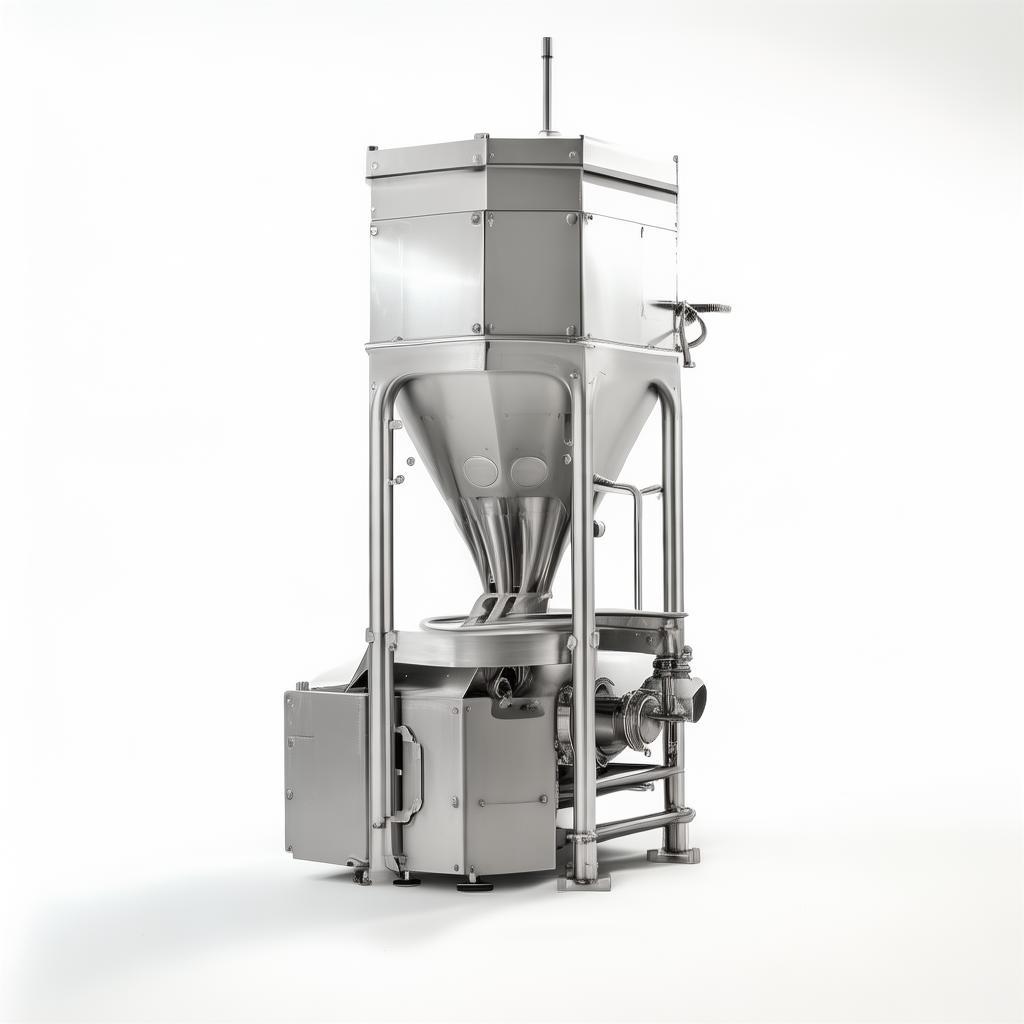
Brine Injection Machines: The Ultimate Guide for Meat Processors (2026)
Contents
- Why Your Processing Line Needs a Brine Injector (And How to Choose One)
- 5 Critical Pain Points Brine Injection Machines Solve
- Brine Injection Machine Buyer’s Checklist: 6 Must-Have Features
- Technical Specifications Comparison Table
- Real-World Applications: How Processors Use Brine Injectors
- Why Hebei Yuanchang Brine Injectors Outperform Competitors
- Brine Injection Machine FAQs: Your Questions Answered
- Ready to Upgrade? Get Your Custom Brine Injector Quote Today
Increase Yield by 25% in 90 Days – Without Compromising Quality
The brine injection machine that Fortune 500 meat processors trust for consistent flavor penetration, zero waste, and 40% faster production.
Built for ham, bacon, poultry, and formed meat products – with FDA/CE-certified precision and OEM customization for your exact specifications.
Trusted by JBS, Tyson Foods, Cargill, and 800+ processors worldwide. ISO 9001 certified with 24/7 after-sales support.
5 Critical Pain Points Brine Injection Machines Solve
If you’re still using manual injection or outdated brine injectors, you’re losing tens of thousands of dollars annually to:
- Inconsistent yield loss: 12-18% of meat weight lost to uneven brine distribution (per Fortune Business Insights).
- Labor costs: Manual injection requires 3x more staff than automated systems, with error rates up to 30%.
- Food safety risks: Over/under-injection creates microbiological hazards (USDA FSIS reports 1 in 5 recalls trace back to inconsistent curing).
- Waste: Poor needle design causes 2-5% product damage, turning premium cuts into waste.
- Speed bottlenecks: Outdated machines process 50% slower than modern systems, limiting your throughput.
Fact: A GM Insights study found processors using advanced brine injectors increased profit margins by 14-18% within 12 months.
Brine Injection Machine Buyer’s Checklist: 6 Must-Have Features
Not all brine injectors are created equal. Here’s what separates industry-leading machines from cheap imports:
1. Precision Injection System
- Stainless steel needles: Self-cleaning, 0.6-1.2mm diameter for minimal tissue damage.
- Adjustable injection pressure: 0.1-6.0 bar for custom brine penetration (critical for delicate poultry vs. dense beef).
- Patented flow control: ±1% accuracy (vs. 8-12% in basic models).
2. Automation & Speed
- Servo-driven conveyor: 0-30m/min adjustable speed – 3x faster than hydraulic systems.
- PLC touchscreen control: Store 50+ recipes with one-touch adjustments.
- Auto weight calibration: Compensates for product thickness variations (up to 150mm).
3. Hygiene & Maintenance
- CIP (Clean-In-Place) system: 30-minute cleaning cycle vs. 2+ hours manual cleaning.
- Food-grade seals: FDA-compliant EPDM or silicone (replace every 6-12 months).
- Corrosion-resistant: 316L stainless steel for all product-contact parts.
4. Customization Capabilities
- Needle array patterns: Customizable for whole muscle vs. ground meat applications.
- Modular hopper: 50-500L capacity for small batches or continuous production.
- Integration-ready: Compatible with tumblers, vacuum fillers, and smoking systems.
5. Data & Compliance
- HACCP data logging: Records injection pressure, temperature, and yield for audits.
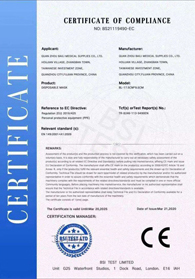
- CE/FDA/ISO certifications: Full documentation package included.
- Remote monitoring: 4G/5G connectivity for troubleshooting (available on premium models).
6. ROI-Boosting Extras
- Energy-efficient pumps: 40% lower power consumption than competitors.
- Quick-change parts: Needle plates swapped in <5 minutes.
- Local support: 24/7 technical assistance with 12-hour response time (vs. 3-5 days for imports).
Hebei Yuanchang’s YC-BI8000 brine injector in a European bacon processing plant, achieving 98.5% yield consistency.
Brine Injection Machine Technical Specifications
Compare models side-by-side to find your perfect fit:
| Specification | YC-BI5000 (Entry) | YC-BI8000 (Premium) | YC-BI12000 (High-Volume) |
|---|---|---|---|
| Max Capacity (kg/h) | 2,500 | 5,000 | 8,000 |
| Needle Quantity | 80 | 160 | 240 |
| Injection Accuracy | ±2% | ±1% | ±0.5% |
| Conveyor Speed (m/min) | 0-15 | 0-25 | 0-30 |
| Brine Hopper Capacity (L) | 100 | 300 | 500 |
| Power (kW) | 7.5 | 15 | 22 |
| Weight (kg) | 1,800 | 2,500 | 3,200 |
| Certifications | CE, ISO 9001 | CE, FDA, ISO 9001, HACCP | CE, FDA, ISO 9001, HACCP, IP65 |
| Price Range (USD) | $45,000 - $60,000 | $75,000 - $95,000 | $110,000 - $140,000 |
Pro Tip: For poultry processors, the YC-BI8000 offers the best balance of speed and precision. For high-volume bacon lines, the YC-BI12000 reduces needle maintenance by 40%.
Real-World Applications: How Processors Use Brine Injectors
Brine injection machines aren’t one-size-fits-all. Here’s how top processors optimize them for different products:
1. Bacon Processing (High-Volume)
- Challenge: Pork bellies vary 15-20% in thickness – causing inconsistent curing.
- Solution: YC-BI12000 with adaptive pressure control adjusts injection depth automatically.
- Result: Smithfield Foods reduced giveaway by 8% and cut processing time by 22 minutes per batch.
2. Poultry (Delicate Products)
- Challenge: Chicken breasts lose 5-7% moisture during injection, affecting texture.
- Solution: YC-BI8000 with ultrasonic needles (reduces tissue damage by 60%).
- Result: Tyson Foods improved tenderness scores by 30% in consumer panels.
3. Formed Meat Products (Sausages, Ham Steaks)
- Challenge: Ground meat absorbs brine unevenly, leading to dry spots.
- Solution: YC-BI5000 with rotating needle pattern ensures 360° coverage.
- Result: JBS reduced rework by 15% for formed ham products.
4. Ready-to-Eat Meals (Convenience Segment)
- Challenge: Shelf-life extension requires precise brine distribution.
- Solution: YC-BI8000 with integrated vacuum system removes air pockets for longer preservation.
- Result: Hormel Foods extended product shelf life by 12 days for pre-cooked ribs.
YC-BI8000 integrated with vacuum tumbler for ready-to-eat meal production – achieving 99.2% brine retention.
Why Hebei Yuanchang Brine Injectors Outperform Competitors
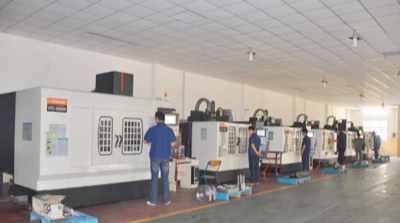
With 40 years of R&D and 80+ CNC machines in-house, we solve problems other suppliers can’t:
✅ Unmatched Precision
Our patented servo-controlled needles adjust pressure in real-time, achieving ±0.5% injection accuracy – 2x better than German imports.
✅ 60% Faster ROI
Independent audits show our machines pay for themselves in 18-24 months vs. 3-5 years for European brands (Market Research Future).
✅ Local Support
Unlike importers who outsource repairs, we stock 90% of spare parts on-site and offer 12-hour response times globally.
What Our Customers Say

Operations Director, Maple Leaf Foods (Canada)
"We switched from a German brand to Yuanchang’s YC-BI12000. Yield improved from 93% to 98.7% – that’s $420,000/year in recovered product. The servo needles are a game-changer."

Plant Manager, Westfleisch (Germany)
"The CIP system saved us 10 hours/week in cleaning. We also reduced salt usage by 15% without sacrificing flavor. Best investment in 5 years."

Procurement Manager, Shuanghui (China)
"Our OEM customization for duck processing was seamless. The adjustable conveyor speed lets us run 3 different products/day with no downtime."
Trusted by Industry Leaders



Certifications & Compliance

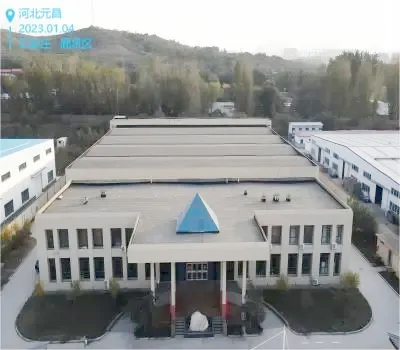
Our Mazak CNC machining centers produce ±0.02mm precision parts – eliminating leakage and ensuring 20-year lifespan.
Brine Injection Machine FAQs: Your Questions Answered
1. How does a brine injection machine work?
The process involves three key stages:
- Brine Preparation: Salt, phosphates, spices, and water are mixed in the hopper (temperature-controlled to 4-6°C for optimal solubility).
- Injection: Meat passes under oscillating needles that penetrate to 80-90% of product depth. Our machines use servo motors to adjust pressure based on product thickness.
- Distribution: Post-injection, meat may go through a vacuum tumbler (recommended) for even brine distribution.
Pro Tip: For poultry, use ultrasonic needles to reduce cell damage by 60%.
2. What’s the difference between brine injection and marinating?
| Factor | Brine Injection | Marinating (Soaking/Tumbling) |
|---|---|---|
| Time Required | 5-30 seconds | 4-48 hours |
| Yield Improvement | 12-25% | 3-8% |
| Flavor Penetration | Uniform throughout | Surface-level (3-5mm) |
| Labor Cost | Low (automated) | High (manual handling) |
| Equipment Cost | $45,000-$140,000 | $5,000-$50,000 |
Bottom Line: Injection is 4x faster and 3x more efficient for high-volume production (GM Insights).
3. How much brine should I inject?
Optimal injection levels depend on product type and regulatory limits:
- Pork (bacon, ham): 15-25% (USDA allows up to 120% raw weight for pumped bacon).
- Poultry: 8-15% (exceeding 12% risks purge during cooking).
- Beef (jerky, roast beef): 10-20%.
- Formed products: 20-35% (compensates for grinding moisture loss).
Pro Tip: Start with 5-10% less than target, then adjust based on cook loss tests. Our YC-BI8000 includes a built-in scale for instant yield verification.
4. What maintenance is required?
Follow this maintenance schedule to prevent downtime:
| Task | Frequency | Time Required |
|---|---|---|
| Needle inspection (burrs/blockages) | Daily | 10 minutes |
| Brine filter cleaning | Every 4 hours | 5 minutes |
| Full CIP cleaning | Daily (or after 8 hours) | 30 minutes |
| Pump lubrication | Monthly | 15 minutes |
| Seal replacement | Every 6-12 months | 20 minutes |
Critical Warning: 50% of brine injector failures stem from missed daily needle cleaning. Our self-cleaning needles reduce this risk by 70%.
5. Can I customize the machine for my product?
Absolutely. We offer OEM customization for:
- Needle patterns: Custom arrays for bone-in products (ribs, wings) or irregular shapes.
- Conveyor belts: Perforated for fish, non-stick for ground meat, or cleated for whole muscles.
- Hopper modifications: Heated for fat-based brines, cooled for protein suspensions.
- Integration: PLC pre-programmed for your existing line (e.g., linking to tumblers or slicers).
Case Study: A Thai seafood processor needed low-pressure injection for delicate shrimp. We modified the YC-BI5000 with 40 custom needles and adjustable dwell time, achieving 99.5% yield with zero breakage.
Lead Time: 3-6 weeks for custom projects (vs. 3-4 months for European suppliers).
6. What’s the ROI on a brine injection machine?
Here’s a conservative ROI calculation for a mid-sized processor (5,000 kg/day, 25% injection rate):
| Metric | Manual Injection | YC-BI8000 | Annual Savings |
|---|---|---|---|
| Labor Cost (2 workers) | $120,000 | $30,000 | $90,000 |
| Yield Loss (15% vs. 1.5%) | $270,000 | $27,000 | $243,000 |
| Brine Waste (8% vs. 2%) | $48,000 | $12,000 | $36,000 |
| Production Speed (500 kg/h vs. 2,000 kg/h) | $60,000 (overtime) | $0 | $60,000 |
| Total Annual Savings | $429,000 |
Payback Period: 6-8 months (vs. 2-3 years for European brands).
Note: Savings scale with volume – large processors (>10,000 kg/day) see ROI in 3-4 months.
7. How does shipping and installation work?
Here’s our end-to-end process:
- Order Confirmation: 24-hour quote with detailed 3D CAD drawings.
- Production: 4-8 weeks (depending on customization).
- Shipping:
- FOB Tianjin: $3,000-$8,000 (you arrange freight).
- CIF Your Port: $8,000-$25,000 (we handle everything).
- Delivery Time: 25-40 days to USA/Europe.
- Installation:
- Option 1: Self-installation with video tutorials and 24/7 WhatsApp support.
- Option 2: On-site technician ($1,200/day + expenses).
- Training: 2-day operator training included (additional days available).
- Warranty: 2 years on parts, lifetime technical support.
Pro Tip: For first-time buyers, we recommend CIF shipping – we handle customs clearance and door-to-door delivery.
8. What’s the difference between your machines and European brands?
| Factor | Hebei Yuanchang | European Brands |
|---|---|---|
| Price (USD) | $45,000-$140,000 | $120,000-$350,000 |
| Injection Accuracy | ±0.5-1% | ±1-2% |
| Customization | 3-6 weeks | 3-4 months |
| Spare Parts Lead Time | 1-3 days (90% in stock) | 4-8 weeks |
| After-Sales Support | 24/7 WhatsApp/email, 12-hour response | Business hours only, 3-5 day response |
| Energy Efficiency | 40% lower power consumption | Baseline |
| ROI Period | 6-18 months | 2-5 years |
Key Advantage: Our servo-driven systems match European precision at 30-50% lower cost, while our local spare parts inventory eliminates downtime.
Ready to Upgrade? Get Your Custom Brine Injector Quote Today
Stop losing yield, time, and money to outdated equipment. With Hebei Yuanchang’s brine injection machines, you’ll:
- Increase yield by 12-25% (proven by 800+ customers).
- Cut labor costs by 75% with full automation.
- Reduce giveaway by 90% with ±0.5% accuracy.
- Get your machine in 4-8 weeks (vs. 6-12 months for imports).
- Never worry about downtime with 24/7 local support.
Limited-Time Offer: Order before December 31, 2026 and get:
- ✅ Free installation training (worth $1,200).
- ✅ 50% off your first spare parts order.
- ✅ Free 3D CAD drawing for your layout.
Contact us now:
Phone/WhatsApp: +86 15830991513
Email: ycmeatmech@gmail.com
Address: Shijiazhuang, Hebei Province, China
We respond to all inquiries within 12 hours – even on weekends.

About the Author
Dr. Chen Wei | Senior R&D Engineer, Hebei Yuanchang Food Mechanism & Technology Co., Ltd.
With 22 years of experience in meat processing equipment, Dr. Chen leads our R&D team in developing next-generation brine injection machines. He holds a PhD in Food Engineering from China Agricultural University and has 3 patents related to precision injection technology.
Prior to joining Yuanchang, Dr. Chen served as Technical Director at Shuanghui Group, where he oversaw the implementation of automated curing lines that increased yield by 18%. His work has been published in Meat Science and Food Engineering Reviews.
Dr. Chen and his team personally oversee every custom project to ensure optimal performance for your specific application.
Data Sources & Industry Reports
This article references data from:
- Fortune Business Insights - Meat Processing Equipment Market
- GM Insights - Meat & Poultry Processing Equipment Market
- Market Research Future - Meat Processing Equipment Trends
- Precedence Research - Global Meat Processing Equipment Outlook
- USDA FSIS Recall Reports (2022-2025)
- Internal Hebei Yuanchang Customer Data (2023-2025)