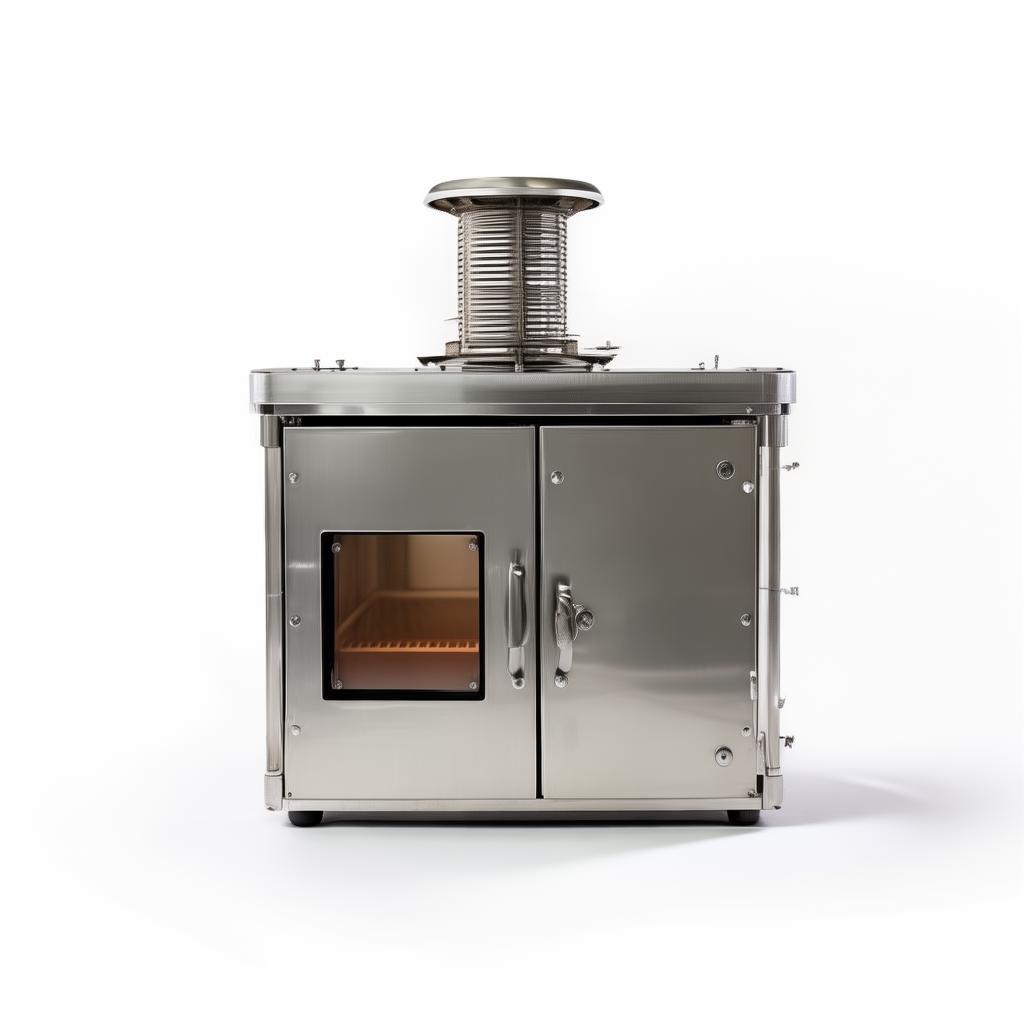
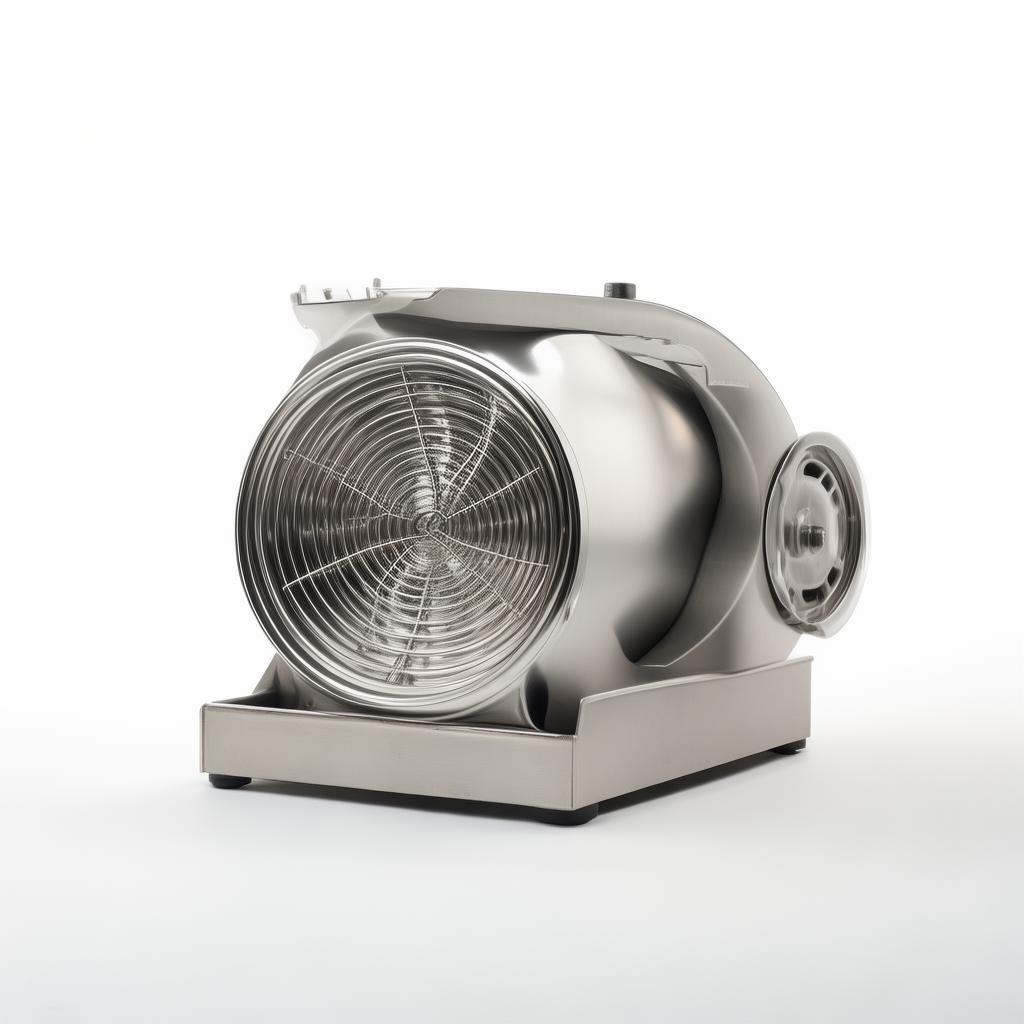
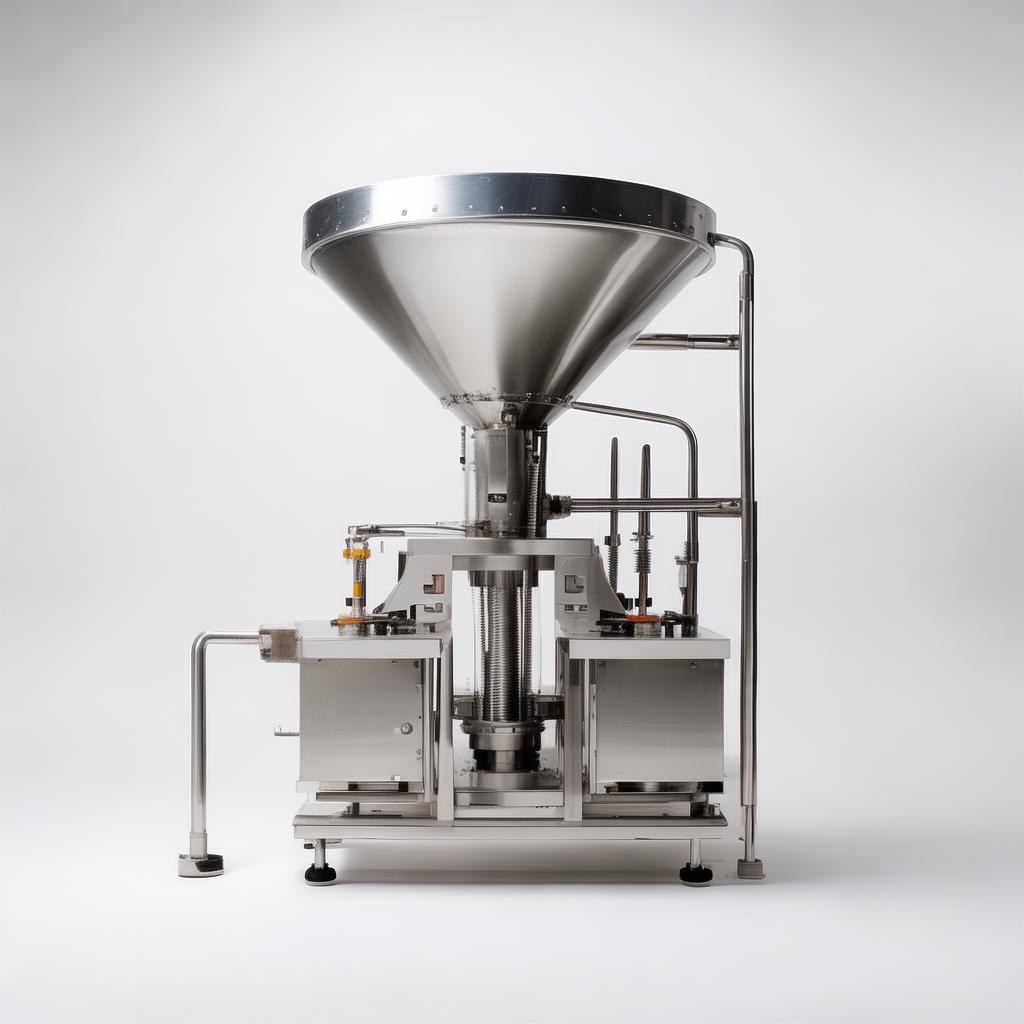
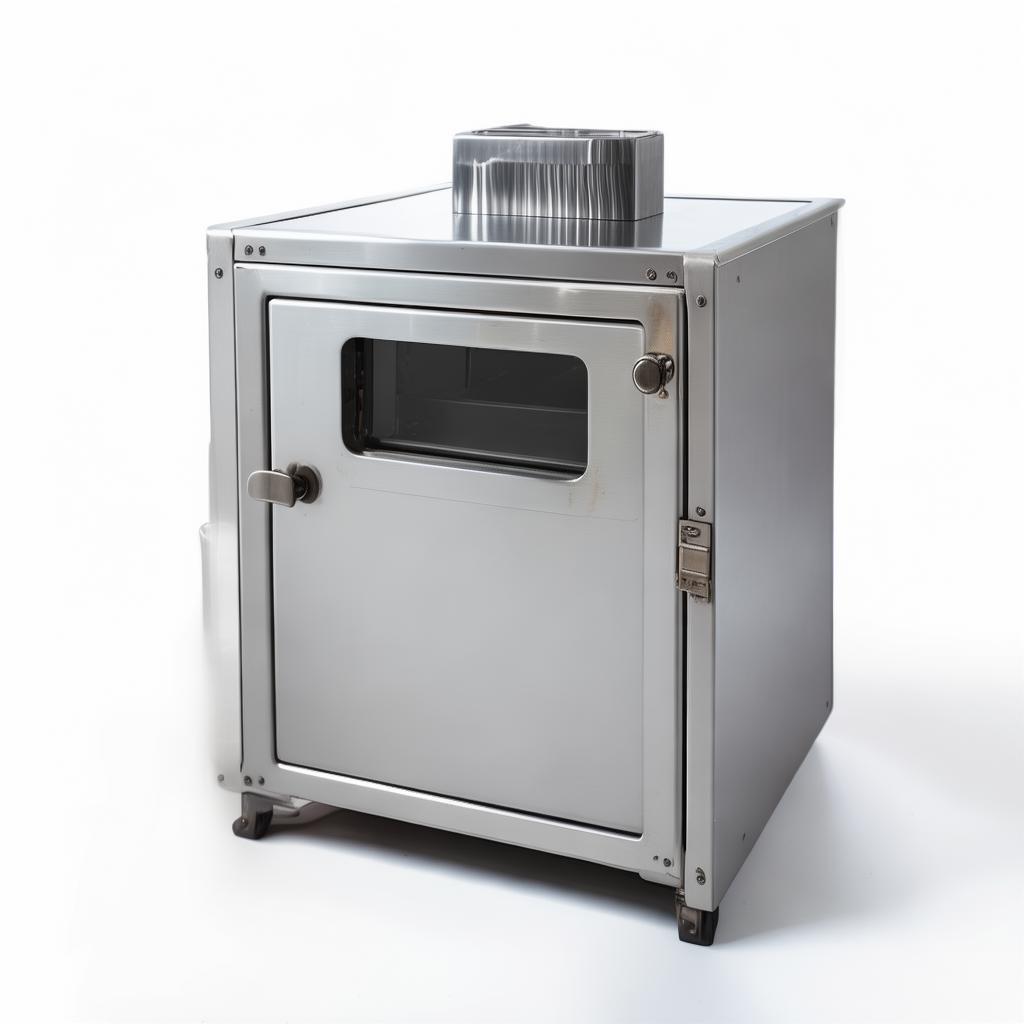
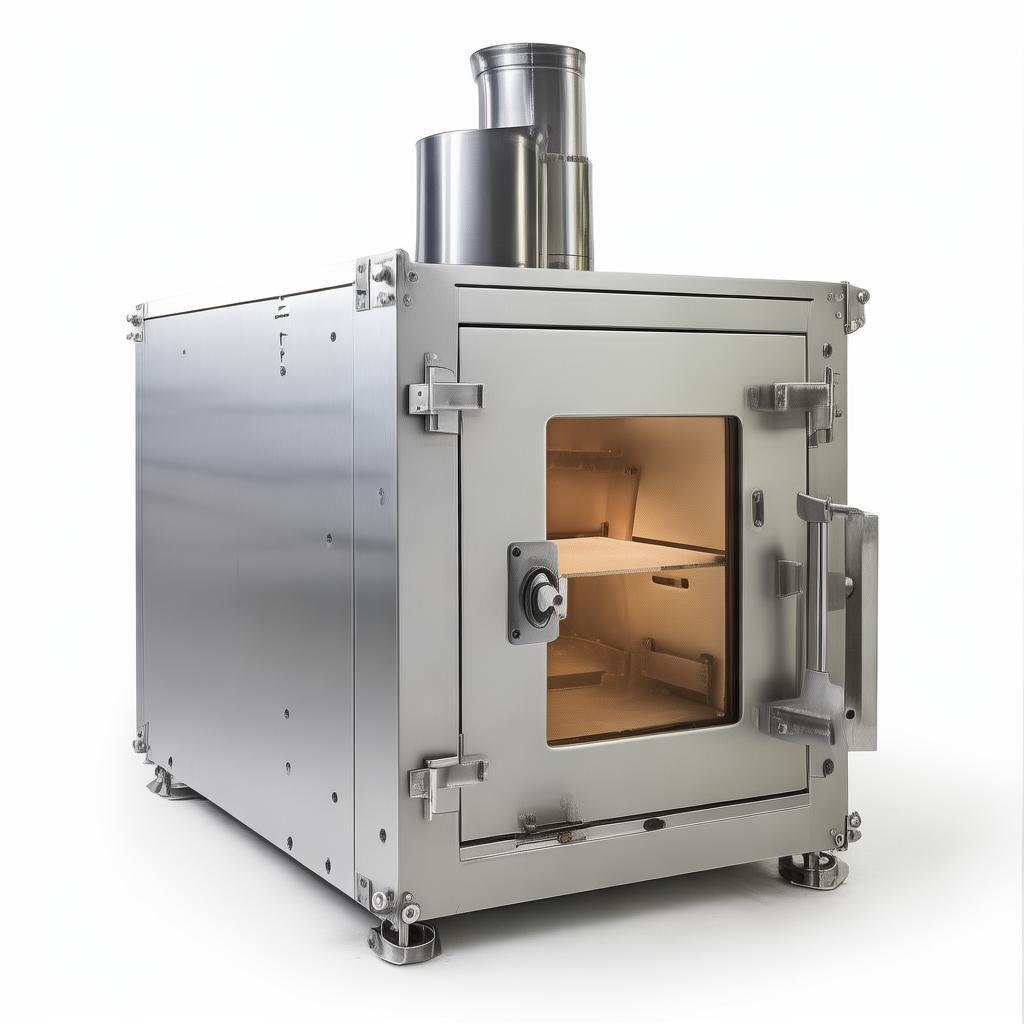
Automatic Noodle Making Machine 1
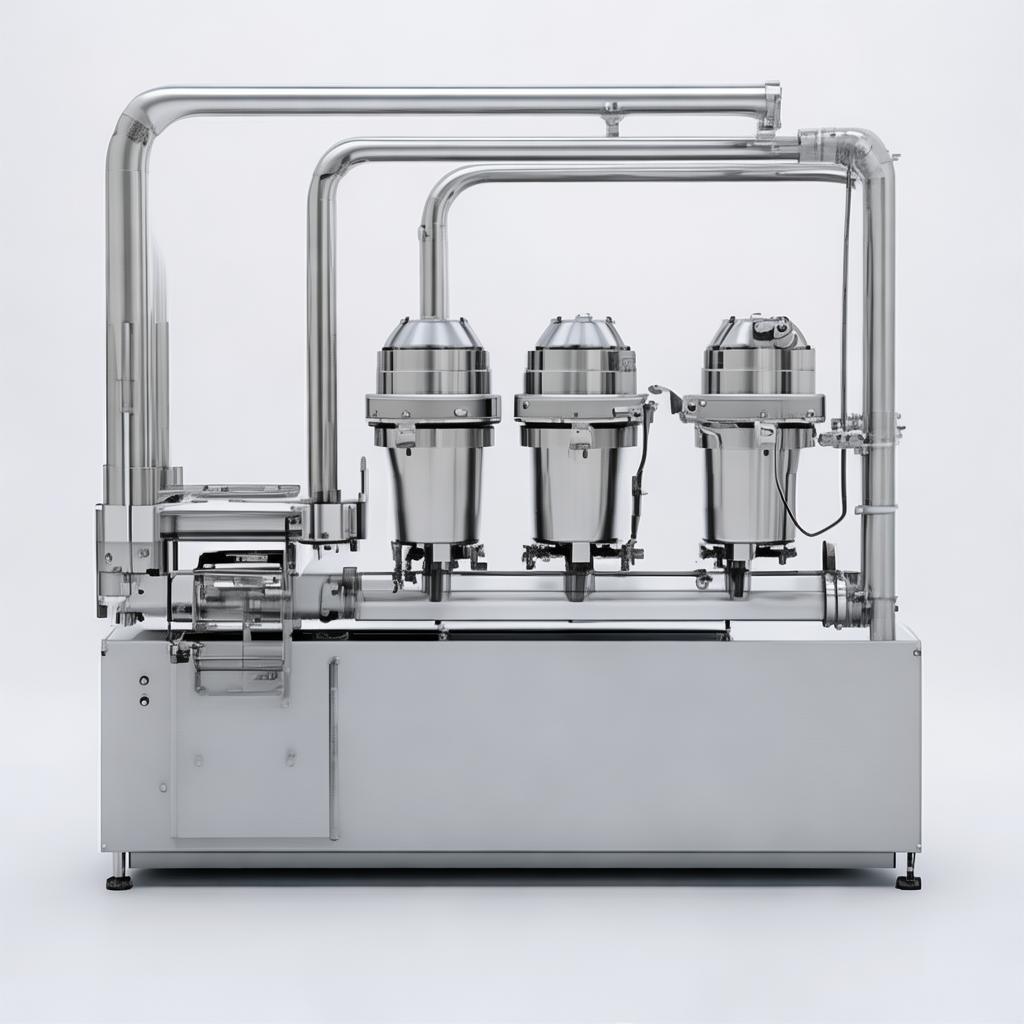
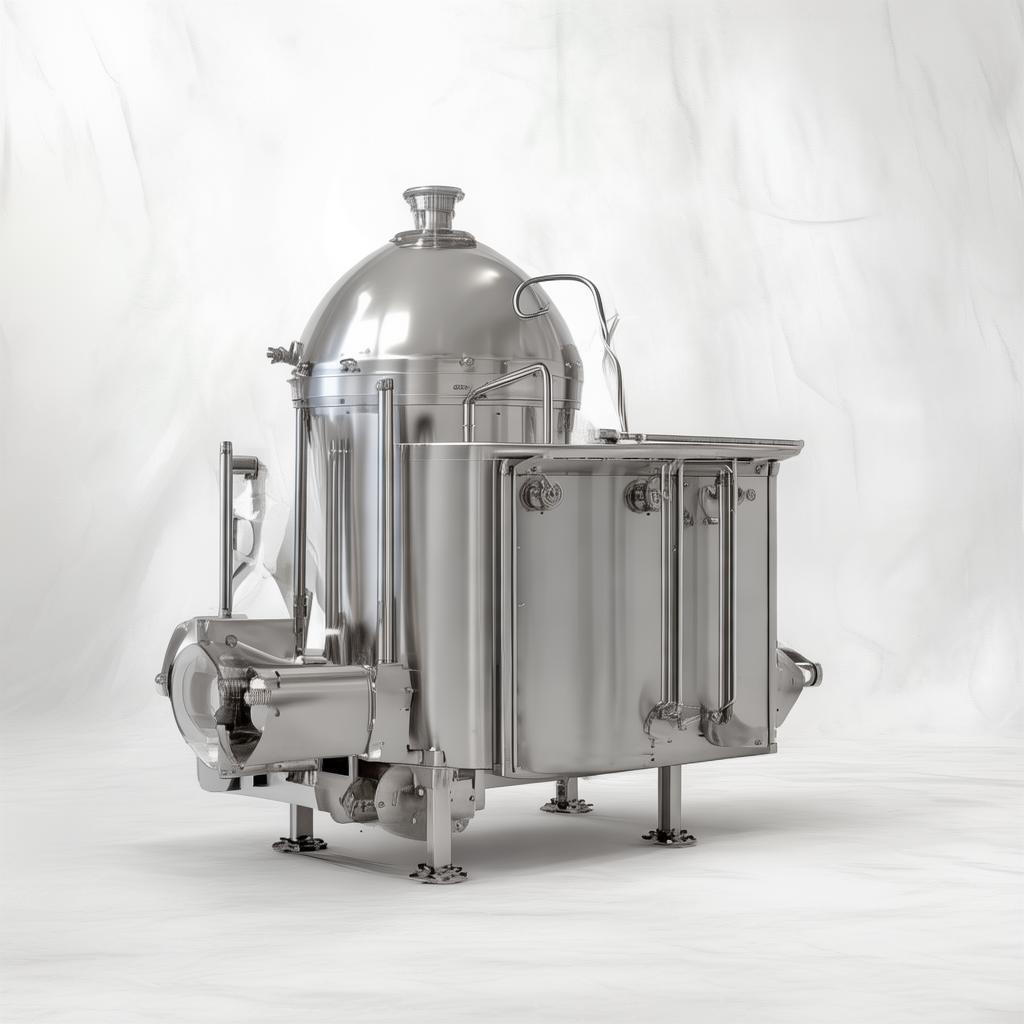
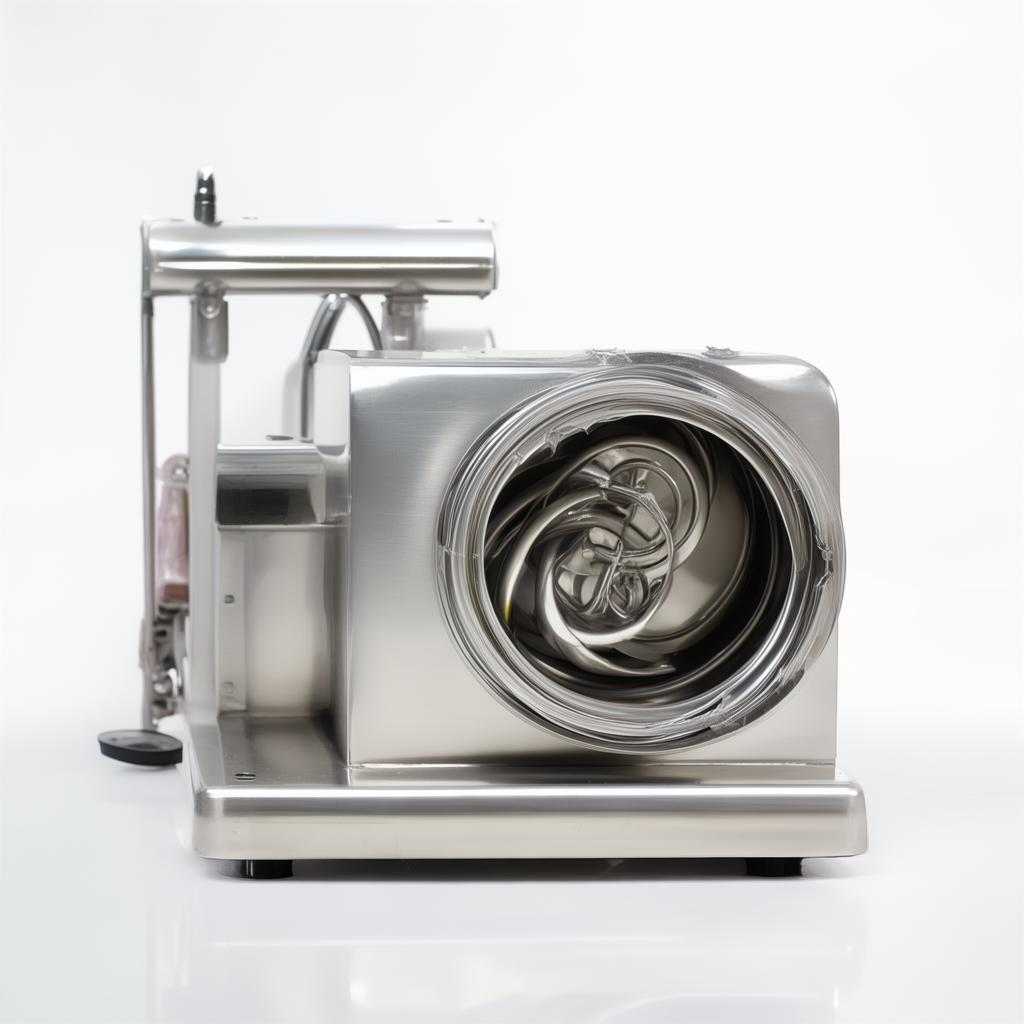

Revolutionize Your Noodle Production with Advanced Automatic Noodle Making Machines
Streamline operations, enhance quality, and boost output with cutting-edge technology designed for the modern food industry.
In today's competitive global food market, efficiency, consistency, and quality are paramount. For businesses involved in noodle production, whether for local consumption or international export, the methods employed directly impact profitability and market share. Traditional noodle making, while steeped in heritage, often presents significant hurdles: manual labor intensity leading to high operational costs and potential for human error, inconsistent product quality due to variations in mixing, cutting, and drying, and limited scalability to meet growing demand. The rise of processed foods, particularly convenience-oriented items like noodles, has amplified the need for sophisticated production solutions. Reports consistently highlight the robust growth of the processed meat market – expected to reach over USD 1.3 trillion by 2035 (Precedence Research) – and the meat processing equipment market, which includes essential noodle-making components, valued at USD 19.11 billion by 2035 (Precedence Research). This surge is driven by urbanization, changing consumer lifestyles, and an increasing demand for diverse, ready-to-eat food options. For noodle manufacturers, this translates into an urgent requirement to adopt technologies that can deliver consistent quality at scale while adhering to stringent food safety standards. The right automation isn't just an upgrade; it's a strategic imperative for survival and growth. This is where the advanced automatic noodle making machine steps in, offering a comprehensive solution to these pressing industry challenges. It’s about more than just making noodles; it's about making them better, faster, and more reliably than ever before, ensuring your business remains at the forefront of the market.
The Pressing Issues with Manual & Semi-Automated Noodle Production
Labor Intensive & Costly
Relying on manual labor for mixing, shaping, cutting, and drying noodles inevitably drives up production costs. Shortages in skilled labor, coupled with increasing wage demands, put significant pressure on profit margins. Each step requires careful, often repetitive, manual intervention, which is difficult to scale efficiently.
Inconsistent Quality & Variability
Human hands simply cannot achieve the uniform precision required for high-volume, consistent noodle production. Factors like dough hydration, kneading time, cutting thickness, and drying temperature can vary significantly, leading to differences in texture, taste, and appearance. This impacts brand reputation and customer satisfaction.
Hygiene & Food Safety Risks
Multiple manual handling points increase the risk of contamination. Ensuring compliance with strict food safety regulations (like FDA, HACCP) becomes a monumental task when relying on traditional methods. Cross-contamination, improper temperature control, and insufficient sanitation can lead to costly recalls.
Limited Production Capacity
Manual or semi-automatic processes are inherently bottlenecked. Scaling up production to meet sudden demand spikes or to enter new export markets is often impossible without substantial investment in more manpower and equipment, which may still not guarantee consistent results.
Waste & Material Inefficiency
Inconsistent dough handling and cutting can lead to higher rates of defective products and scrap. This translates directly to wasted raw materials and reduced yield, impacting overall operational efficiency and profitability. Optimizing flour usage is critical.
Drying Process Complications
Achieving the perfect balance of moisture content and structural integrity during the drying phase is complex. Inconsistent drying can result in brittle noodles that break easily during packaging or shipping, or noodles that are prone to spoilage. Uniform drying is key to shelf life and product appeal.
The Automatic Noodle Making Machine: Your Solution for Superior Noodle Production
An automatic noodle making machine from a reputable manufacturer represents a significant leap forward. These integrated systems handle the entire noodle production process – from raw ingredient preparation and dough mixing to shaping, cutting, and drying – with remarkable precision and efficiency. By leveraging advanced engineering and intelligent control systems, these machines ensure that every batch of noodles meets exact specifications. This automation is crucial for businesses looking to achieve consistent output, enhance product quality, reduce operational overheads, and scale their operations effectively. It's an investment that pays dividends by improving yield, ensuring food safety compliance, and ultimately, boosting your competitive edge in the global marketplace. The demand for processed foods, including noodles, continues to rise globally. According to Mordor Intelligence, the global meat processing equipment market (which includes components for noodle production) is projected to grow from USD 9.62 billion in 2025 to USD 12.60 billion by 2031. This indicates a strong market readiness for advanced, efficient production technologies.
Unmatched Consistency
Automated systems guarantee precise control over dough hydration, mixing duration, extrusion pressure, cutting speed, and drying temperatures. This results in perfectly uniform noodles, batch after batch, ensuring consistent texture, thickness, and quality that delights consumers and maintains brand integrity.
Enhanced Operational Efficiency
By minimizing manual intervention, these machines drastically reduce labor requirements, freeing up staff for more value-added tasks. The integrated process also shortens production cycles, leading to higher throughput and faster order fulfillment, critical for meeting demand, especially during peak seasons or for export orders.
Superior Hygiene & Safety
Modern automatic noodle makers are designed with food-grade materials (like high-grade stainless steel) and enclosed systems that minimize direct contact with the product. This significantly reduces the risk of contamination, making it easier to achieve and maintain compliance with international food safety standards such as HACCP and GMP.
Scalability & Flexibility
Whether you're producing for a niche market or aiming for large-scale international distribution, an automatic system offers the scalability you need. Many models are designed with interchangeable dies and adjustable settings, allowing you to efficiently produce a variety of noodle types and sizes from a single machine.
Core Features of Our Automatic Noodle Making Machines
- Integrated Dough Preparation: Precisely controlled mixing of flour, water, and additives ensures optimal dough consistency, a critical first step. Precise water-to-flour ratios are maintained automatically.
- Advanced Extrusion & Shaping: High-quality dies and controlled extrusion pressure produce perfectly formed noodles with consistent thickness and shape. We offer a wide array of die configurations for diverse noodle types.
- Automated Cutting Mechanisms: Precision cutting ensures noodles are separated into uniform lengths, reducing waste and preparing them perfectly for subsequent processing or packaging.
- Controlled Drying Chambers: Multi-stage drying systems with precise temperature and humidity control are vital. This process is carefully managed to achieve the desired moisture content, preventing breakage and ensuring shelf-life. Achieving a uniform internal moisture gradient is key.
- User-Friendly Control Interface: Intuitive PLC control panels allow operators to easily set parameters, monitor the process, and troubleshoot, minimizing downtime and operator error.
- Durable Construction: Built with high-grade stainless steel (e.g., SUS304) and robust components designed for continuous operation in demanding industrial environments. This ensures longevity and compliance with food-grade standards.
- Energy Efficiency: Modern designs incorporate energy-saving technologies, reducing operational costs and environmental impact.
- Optional Features: Customizable options may include automated ingredient feeding systems, integrated packaging lines, noodle cooling systems, and specialized flour sieving units.
Technical Specifications Overview (Model Varies)
While specific models offer varying capacities and features, here’s a general overview of what you can expect. Detailed technical sheets are available upon request.
| Parameter | Typical Range / Specification | Notes |
|---|---|---|
| Production Capacity | 100 kg/hr - 1000+ kg/hr | Depending on model and noodle type |
| Power Consumption | 20 kW - 100+ kW | Varies with machine size and features |
| Dough Hydration Range | 25% - 40% (approx.) | Adjustable based on flour type |
| Noodle Thickness | 0.5 mm - 5.0 mm | Adjustable via interchangeable dies |
| Drying Temperature Control | Ambient to 120°C (± 2°C) | Precision control for optimal drying |
| Materials | Food-grade Stainless Steel (SUS304) | For all food contact parts |
| Control System | PLC with Touchscreen Interface | Intuitive operation and data logging |
automatic noodle making machine automatic noodle machine noodles production machine
Versatile Applications Across Various Noodle Types
Our automatic noodle making machines are engineered for versatility, capable of producing a wide array of noodle products to meet diverse market demands. The rising popularity of processed and convenience foods, including various noodle forms, fuels demand for flexible production lines. The global processed meat market's projected growth, for instance, highlights the broader trend toward value-added food products.
Instant Noodles
High-speed production lines optimized for the rapid frying or air-drying of instant noodles, ensuring consistent texture and cookability.
Fresh Noodles
Delicate handling and precise moisture control for premium fresh noodle production, maintaining optimal texture and shelf life.
Dried Noodles (e.g., Spaghetti, Egg Noodles)
Robust drying systems capable of producing hard, durable dried noodles suitable for long-distance export and extended shelf life.
Specialty Noodles (e.g., Ramen, Udon, Soba)
Configurable machines that can adapt to the specific requirements of different noodle types, including those with unique flour blends or dough properties.
Gluten-Free Noodles
Advanced extrusion and drying technologies tailored for alternative flours, ensuring optimal structure and taste for gluten-free options.
Pasta Products
Versatile machines that can also be configured for various pasta shapes, leveraging precise extrusion and drying for premium quality.
Smooth Installation & Operational Integration
Integrating advanced machinery into your existing facility requires careful planning. Our team provides comprehensive support to ensure a seamless transition.
Site Assessment & Planning
We assist in evaluating your facility's readiness, including power supply, ventilation, water, and space requirements. Proper planning prevents costly on-site modifications.
Professional Installation Services
Our experienced technicians oversee the setup and commissioning of your automatic noodle making machine, ensuring it's calibrated for optimal performance right from the start.
Operator Training
Comprehensive training programs are provided to your staff, covering machine operation, routine maintenance, safety procedures, and basic troubleshooting. Knowledgeable operators are key to maximizing machine longevity and output quality.
Process Optimization
We work with you to fine-tune machine settings for your specific recipes and desired noodle characteristics. This iterative process ensures you achieve peak efficiency and product excellence.
Considerations for export: Ensure your facility's electrical standards (voltage, phase) match the machine's requirements and that local regulations for food processing equipment are met.
Maximizing Lifespan: Maintenance & Longevity
Consistent maintenance is crucial for extending the operational life of your automatic noodle making machine and ensuring reliable performance. Adhering to a scheduled maintenance plan minimizes unexpected breakdowns and costly repairs.
Daily Cleaning
Thorough cleaning of all food contact surfaces after each production run is essential. This prevents buildup of dough residue and potential bacterial growth. Use approved food-grade sanitizers.
Regular Lubrication
Moving parts require regular lubrication with food-grade oils and greases as specified in the user manual. This reduces friction and wear on components like gears and bearings.
Component Checks
Periodically inspect critical components such as belts, chains, seals, dies, and cutting blades for signs of wear or damage. Replacing worn parts proactively prevents larger failures.
Drying System Maintenance
Ensure air filters in the drying chamber are clean and functional to maintain optimal air circulation and temperature control. Desiccant regeneration (if applicable) should follow manufacturer guidelines.
Electrical System Checks
Routine checks of wiring, connections, and control panel components by qualified personnel help prevent electrical faults. Ensure regular calibration of sensors.
Access to Spare Parts
We maintain a stock of critical spare parts and offer expedited shipping options to minimize your production downtime should a component need replacement. Our traceable after-sales management system ensures you get the right part, fast.
Navigating the Procurement Process for Noodle Making Equipment
Purchasing industrial machinery is a significant investment. Understanding the procurement journey helps ensure you select the right equipment and supplier for your business needs.
Define Your Requirements Clearly
Identify the types of noodles you intend to produce, target daily/hourly output, available space, power constraints, and budget. Clearly defined needs prevent scope creep and misaligned expectations.
Evaluate Manufacturer Capabilities
Look beyond the product itself. Assess the manufacturer's experience, production capacity (like our 14,000 sq meter facility), R&D investment (e.g., CNC machining centers), and track record. 40 years of experience since 1986 speaks volumes about our commitment and expertise.
Request Detailed Quotes & Specifications
Ensure quotes include all associated costs: machine, installation, training, shipping, and any required tooling or spare parts. Compare specifications rigorously.
Understand Lead Times & Logistics
Manufacturing and shipping industrial equipment can take weeks or months. Factor this into your production planning. We provide transparent lead times and assist with logistics, including container loading optimization.
After-Sales Support is Crucial
A robust after-sales service network, including technical support and readily available spare parts, is non-negotiable. Our traceable after-sales management system ensures you're supported long after installation.
Procurement tip: Don't solely focus on the lowest initial cost. Consider the total cost of ownership, including energy consumption, maintenance, and potential downtime.
Why Choose Hebei Yuanchang for Your Noodle Making Solutions?
As an established manufacturer with decades of experience, Hebei Yuanchang Food Mechanism & Technology Co., Ltd. brings unparalleled expertise to the table. We don't just build machines; we build partnerships based on trust, quality, and a deep understanding of food processing needs.
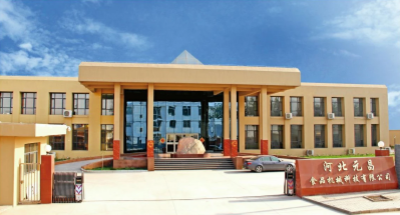
40 Years of Industry Expertise
Since 1986, we have honed our skills in R&D, production, and sales of food processing equipment. This deep-seated experience translates into reliable, efficient, and innovative machinery.
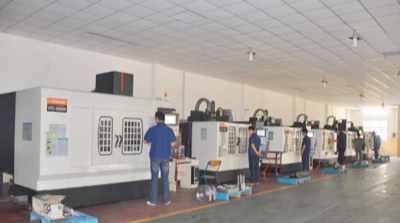
State-of-the-Art Manufacturing
Our 14,000 sq meter facility is equipped with over 20 sets of advanced processing machinery, including Japanese Mazak CNC centers, ensuring high-precision component manufacturing and exceptional build quality.
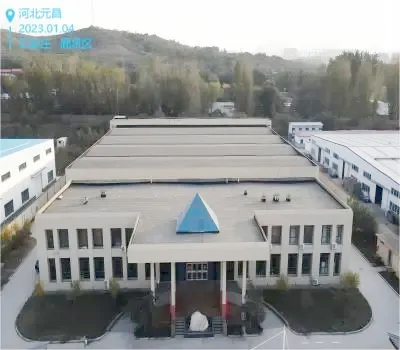
Commitment to Quality & Precision
We pride ourselves on producing high-standard components, even those requiring non-standard specifications, thanks to our advanced machining capabilities. This dedication ensures product longevity and superior performance.
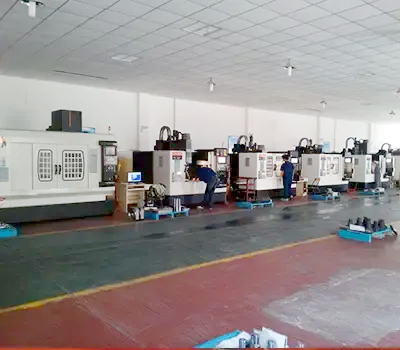
Comprehensive Support System
From R&D integration to sales and a traceable after-sales management system, we offer end-to-end support. Our team of 80-100 dedicated professionals is committed to your success.
Global Standards, Local Compliance
Our commitment to quality and safety is underscored by our adherence to international standards. We ensure our equipment meets the rigorous demands of global markets.
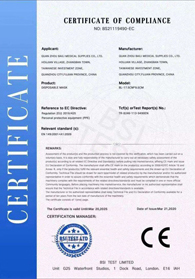

Compliance ensures your products meet regulatory requirements for import and export, facilitating smoother international trade.
What Our Global Partners Say

Maria Rodriguez
Procurement Manager, Global Foods Inc. (Mexico)
"Switching to Yuanchang's automatic noodle machine was a game-changer. We've seen a 30% increase in throughput and a significant reduction in waste. The consistency in noodle quality has boosted our export sales. Installation support was excellent."

David Lee
Operations Director, Asia Noodles Co. (Singapore)
"The precision engineering on these machines is impressive. We produce high-quality ramen noodles that meet strict Japanese standards. The PLC controls make it easy to manage different product runs. Highly recommend their after-sales service."

Aisha Khan
Factory Manager, Spice Route Foods (India)
"We needed a reliable machine for fresh, dried, and instant noodles. Yuanchang delivered. The versatility of their automatic noodle making machine allows us to cater to diverse market demands. Maintenance is straightforward, and parts availability is good."
Your Questions Answered
Q1: What is the typical lifespan of an automatic noodle making machine?
With proper maintenance and operation, an industrial-grade automatic noodle making machine from a quality manufacturer can last 10-15 years or even longer. Our robust construction and high-quality components are designed for durability.
Q2: Can these machines handle different flour types?
Yes, the machines are designed to be versatile. While optimal performance is usually achieved with standard wheat flour, adjustments can be made for different flour blends, including alternatives like rice flour or gluten-free options. We recommend consulting with our technical team for specific recipe formulations.
Q3: What are the energy requirements?
Energy requirements vary significantly based on the machine's capacity and features. Typical industrial noodle making machines range from 20 kW to over 100 kW. We provide precise power consumption figures for each model, allowing you to plan your electrical infrastructure accordingly.
Q4: What is the typical lead time for delivery?
Lead times can range from 6 to 12 weeks, depending on the specific model, customization requirements, and our current production schedule. We provide an estimated delivery timeline upon order confirmation.
Q5: Do you offer OEM/ODM services?
Yes, we have extensive experience in OEM/ODM manufacturing. We can customize machines to meet your unique specifications or develop entirely new solutions based on your requirements. Our advanced CNC capabilities allow us to produce high-precision, non-standard components.
Ready to Elevate Your Noodle Production?
Discover how our automatic noodle making machines can transform your operations, boost efficiency, and enhance product quality.