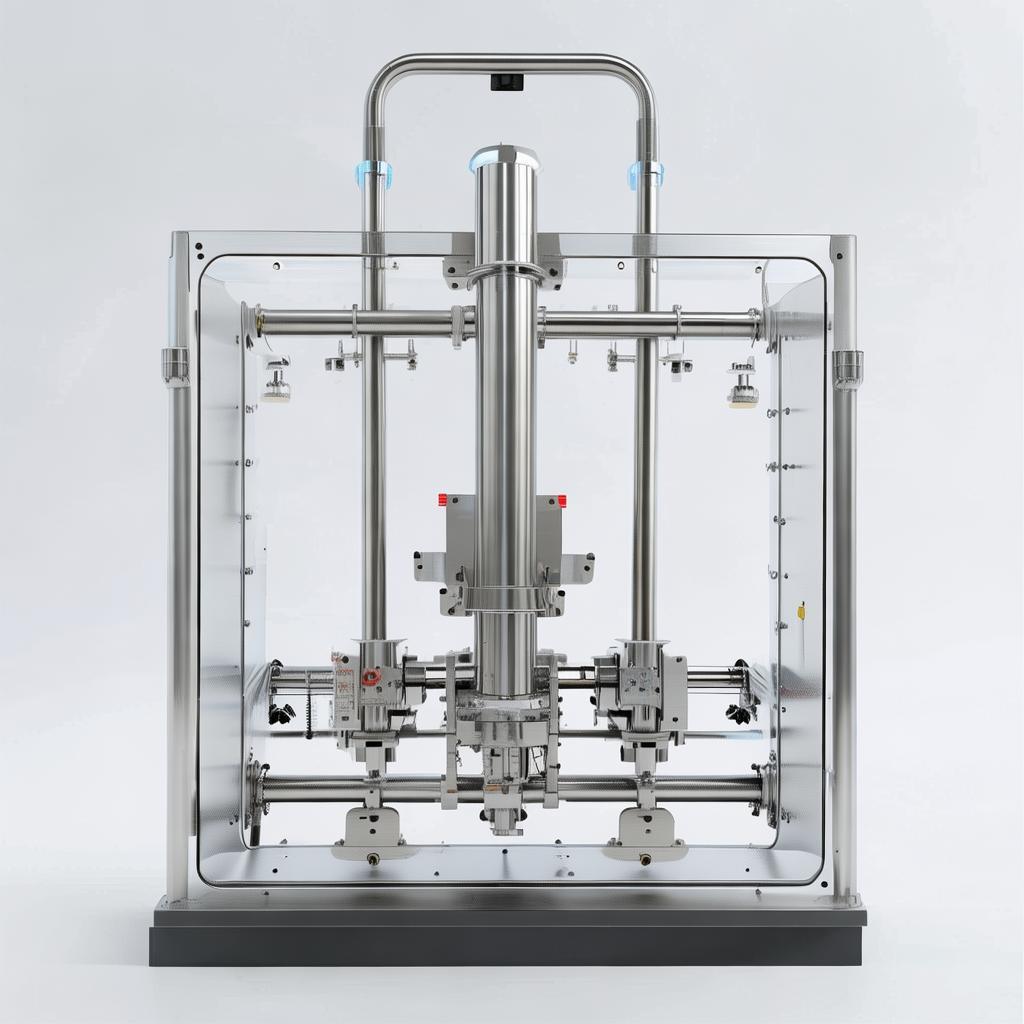
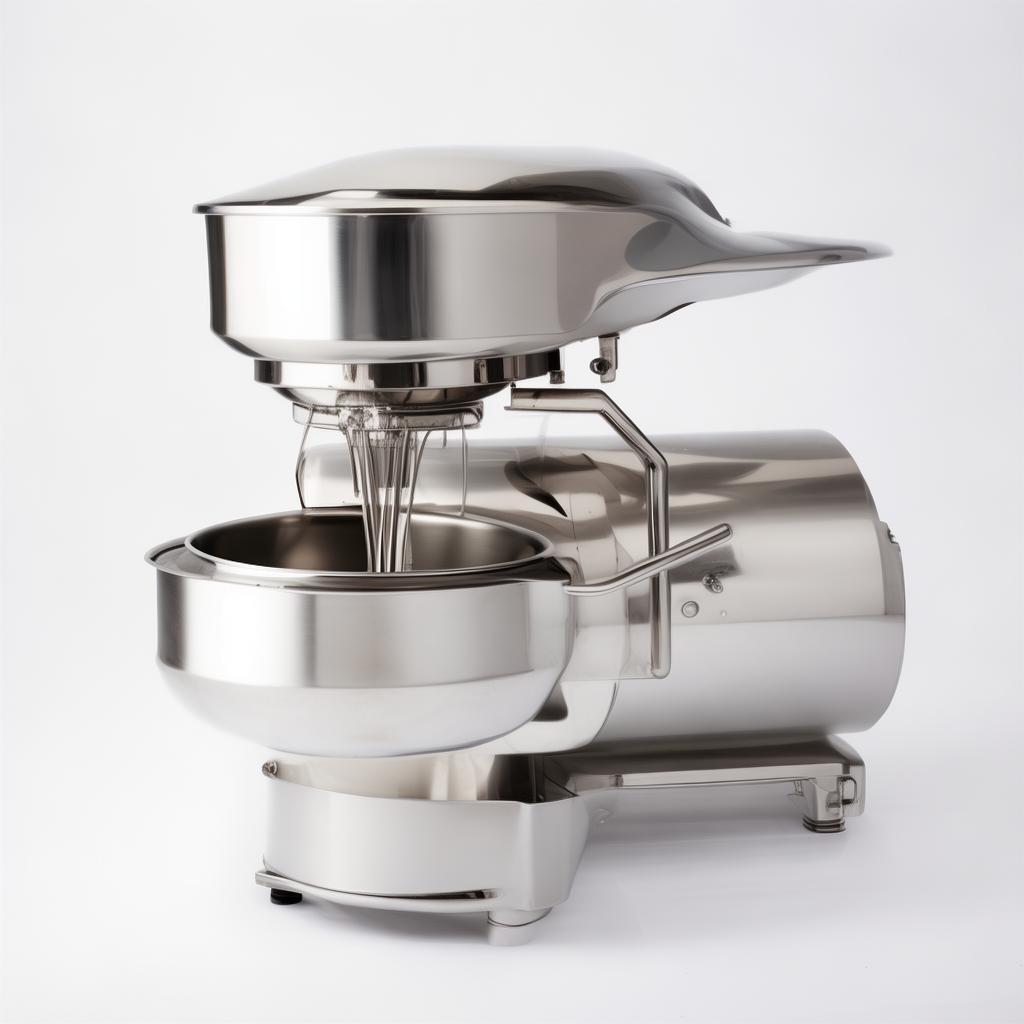
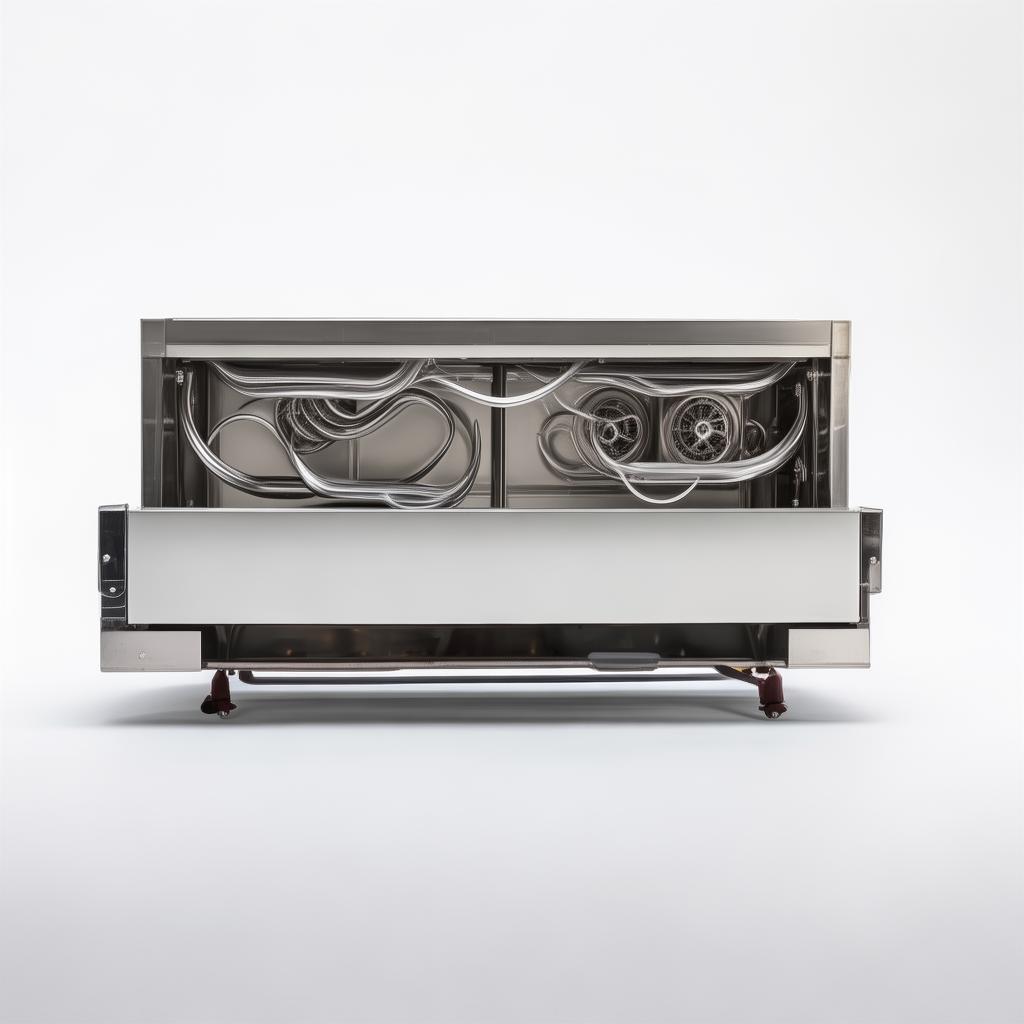
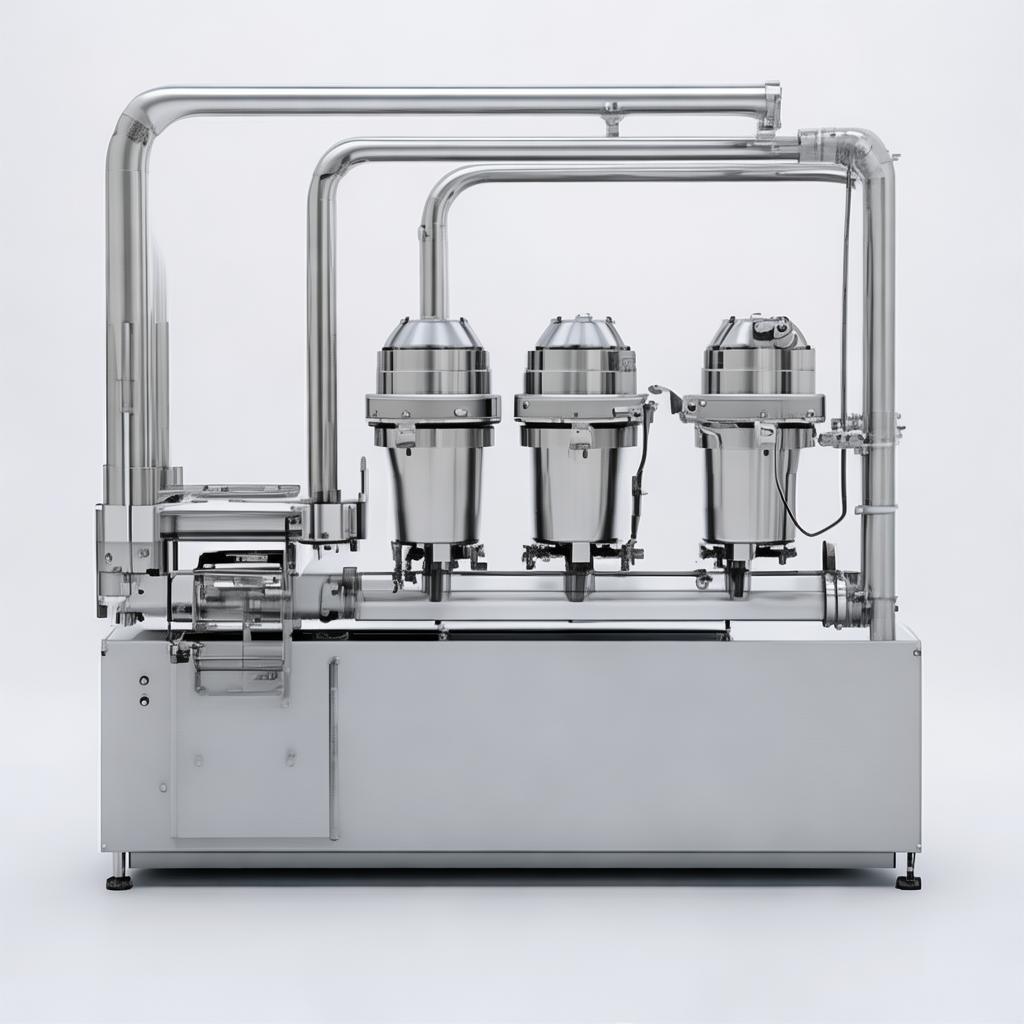
Automatic Filling And Sealing Machine
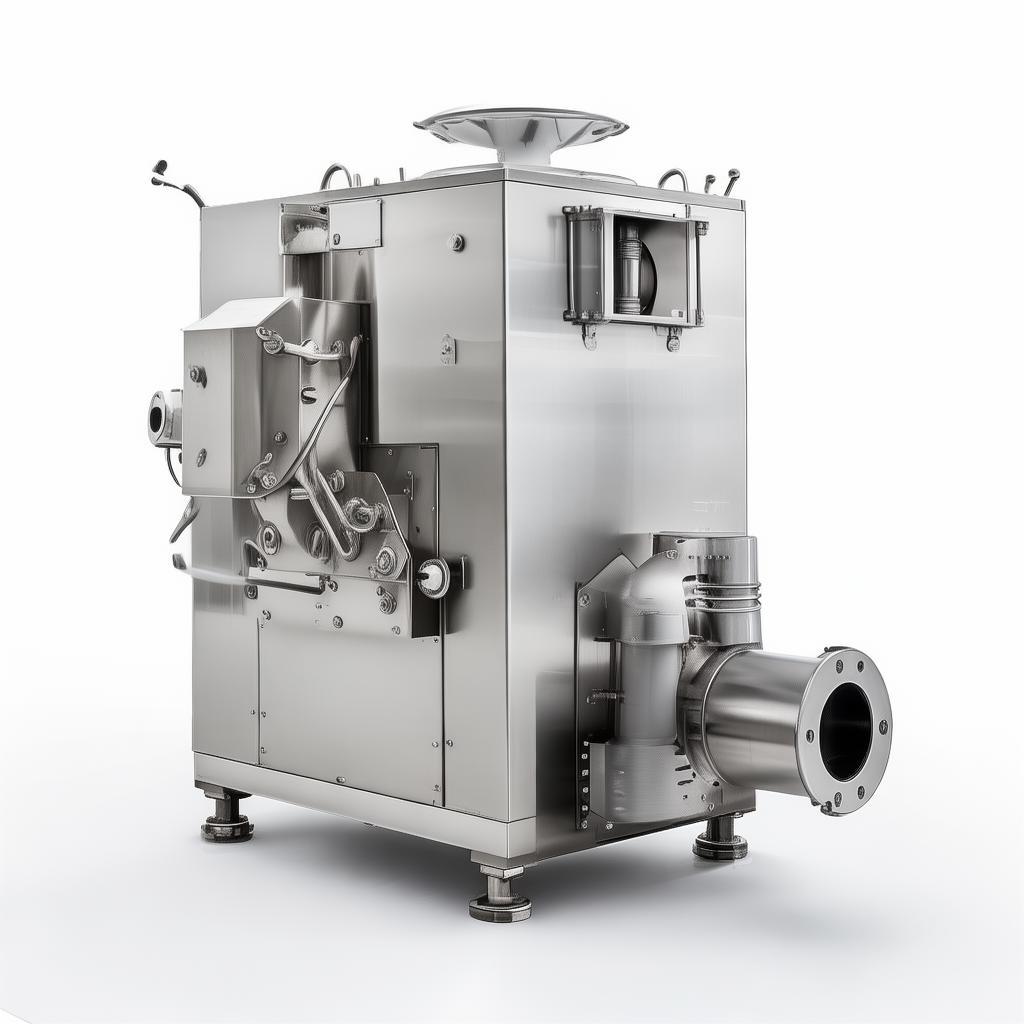
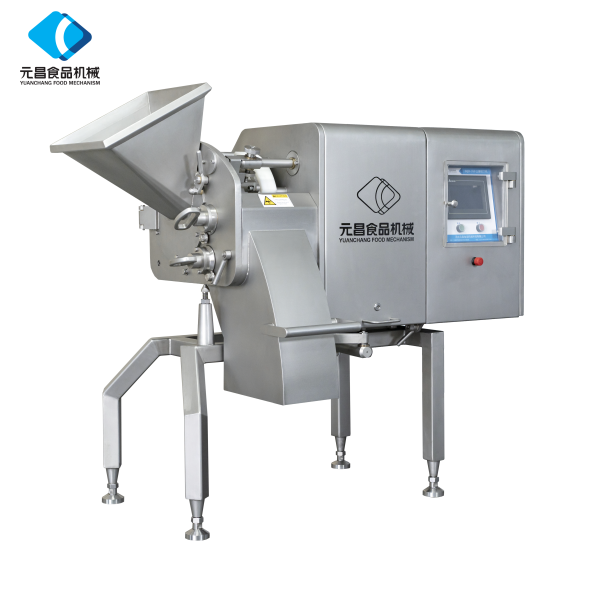
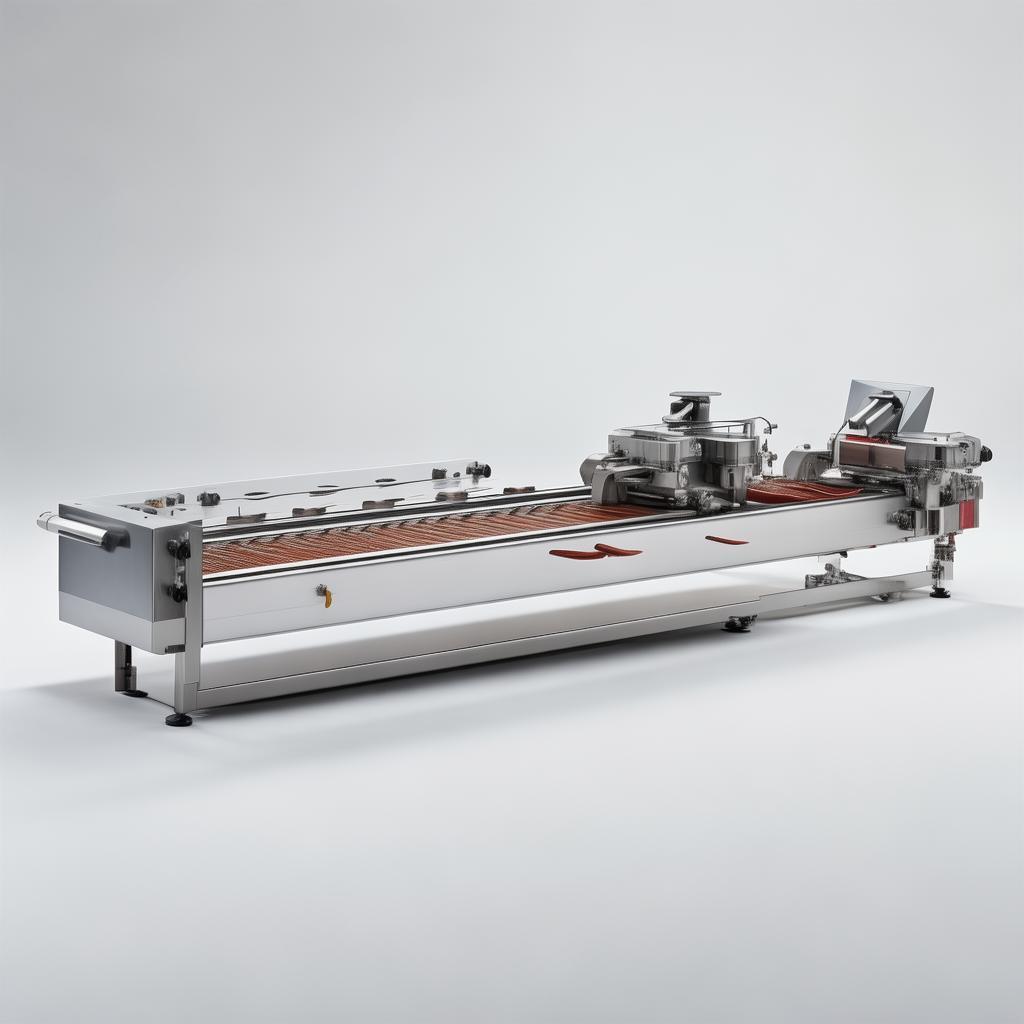
Automatic Filling and Sealing Machines: Precision, Efficiency, and Global Supply Chain Integration
Your Partner in High-Volume Production and Consistent Product Quality
 By Li Wei, Senior Export Manager at Hebei Yuanchang Food Mechanism & Technology Co., Ltd. | Published: October 26, 2023
Navigating the Complexities of Modern Food Production: The Crucial Role of Filling & Sealing
In today's fast-paced global food and beverage market, achieving consistent product quality, maximizing production throughput, and maintaining stringent hygiene standards are not just goals—they are fundamental requirements for survival and growth. For manufacturers of processed meats, prepared meals, dairy products, and a vast array of other consumables, the point of packaging represents a critical juncture where efficiency, precision, and product integrity converge. This is where the automatic filling and sealing machine emerges as an indispensable piece of industrial equipment. It’s a sophisticated solution designed to handle the intricate tasks of dispensing product into containers and securely sealing them, often in a single, automated process.
The demand for these machines is directly tied to the burgeoning global processed meat market, which industry reports project will reach anywhere from $750 billion to over $1.3 trillion by 2034. This immense market growth, fueled by evolving consumer preferences for convenience, ready-to-eat meals, and diverse protein sources, necessitates production lines that can operate at scale. For instance, the reconstituted meat market, a significant driver for advanced molding and pretreatment equipment, is expected to see an astronomical rise, with some forecasts anticipating a growth from $6.9 billion in 2025 to $36.1 billion by 2035, at a staggering CAGR of 18.0%.
Beyond sheer volume, the modern consumer expects uniformity. Each package, whether it’s a vacuum-sealed sausage, a portioned meat patty, or a ready-to-heat meal tray, must present identically. Deviations in fill volume, seal integrity, or even the aesthetic presentation can lead to significant brand damage and lost revenue. This is precisely why investment in high-quality automatic filling and sealing machinery is paramount. These systems are engineered to deliver precise volumetric dispensing, ensuring that every unit contains the exact amount of product specified, which is crucial for cost control and regulatory compliance. Simultaneously, they achieve hermetic seals, safeguarding the product from spoilage, contamination, and tampering throughout its journey from the factory floor to the consumer's table.
From an operational perspective, the benefits extend far beyond product consistency. Labor costs are a significant consideration for any manufacturing business, especially in high-wage economies. Automating the filling and sealing process drastically reduces the need for manual intervention, freeing up skilled workers for more complex tasks and mitigating risks associated with repetitive strain injuries or human error. This shift towards automation is not merely a trend; it's a strategic imperative. The meat processing equipment market, a core area where these machines are vital, is expected to see significant growth, with reports indicating a global valuation between $11 billion and $19 billion by 2034, propelled by the adoption of automation for hygiene and labor efficiency.
Furthermore, the integration of filling and sealing functions into a single machine streamlines the production workflow. Instead of managing separate filling machines, transfer mechanisms, and sealing equipment, a single unit performs these critical steps sequentially. This consolidation not only saves valuable factory floor space but also simplifies maintenance, reduces potential points of failure, and minimizes material handling between stages. It’s a holistic approach to packaging that enhances overall line efficiency and reduces the complexity of managing multiple disparate systems.
The choice of automatic filling and sealing machine is not one-size-fits-all. The type of product (liquid, semi-solid, solid, particulate), the desired packaging format (pouches, trays, cups, bottles, tubs), and the required production speed all dictate the specific design and capabilities needed. For instance, a machine designed for high-viscosity products like pâté will have different nozzle and pump mechanisms than one intended for free-flowing liquids or delicate solids. Similarly, sealing technology must be adapted to the packaging material—be it flexible films, rigid plastics, or composite materials—to ensure a robust and leak-proof closure that meets industry standards for shelf-life and transportation resilience.
At Hebei Yuanchang Food Mechanism & Technology Co., Ltd., we understand these nuances intimately. With over 40 years of experience since 1986, we've dedicated ourselves to developing and manufacturing robust, reliable, and efficient food processing and packaging machinery. Our expertise extends across complete production lines, and we pride ourselves on providing solutions that genuinely address the operational challenges faced by manufacturers worldwide. We recognize that investing in machinery is a significant decision, and our commitment is to deliver not just equipment, but comprehensive solutions backed by technical expertise and a dedication to customer success. This introductory overview aims to shed light on the critical role of automatic filling and sealing machines and why partnering with an experienced manufacturer is key to optimizing your production.
Addressing Key Production Bottlenecks: The "Why" Behind Automation
Inconsistent Product Fill & Weight
Manual or semi-automatic filling can lead to significant variations in product volume or weight per package. This not only impacts profitability due to overfilling but also causes compliance issues with regulations like the Fair Packaging and Labeling Act, which mandate accurate net contents. Automatic volumetric or gravimetric fillers eliminate this guesswork, ensuring every package meets specifications.
Substandard Seal Integrity
Poorly formed seals are a primary cause of spoilage, leakage, and premature product degradation. Factors like inconsistent heat application, improper dwell time, or contamination on sealing surfaces can compromise even the most advanced manual sealing. Automated systems provide precise control over temperature, pressure, and time, resulting in consistently reliable seals critical for extended shelf life.
Slow Production Speeds & Throughput Limitations
As demand for processed foods grows—the global processed meat market alone is expected to exceed $1.3 trillion by 2034—factories need to increase output. Manual operations or older, less efficient machines create bottlenecks that limit overall plant capacity. Integrated automatic filling and sealing solutions are designed for high-speed operation, dramatically increasing the number of units processed per shift.
High Labor Costs & Workforce Challenges
Finding and retaining skilled labor for repetitive packaging tasks is increasingly challenging and costly. Automation directly addresses this by reducing the reliance on manual labor for filling and sealing. This not only cuts operational expenses but also allows existing staff to focus on quality control, machine operation, and maintenance.
Hygiene and Food Safety Concerns
Direct manual contact with food products increases the risk of cross-contamination. Automated systems minimize human touchpoints, adhering to strict HACCP and GMP guidelines. Modern machines are designed with sanitary materials and easy-to-clean features, crucial for industries like meat processing where pathogens can be a concern.
Material Waste & Inefficiency
Inconsistent filling can lead to product being lost over the sides of containers or packaging materials being wasted due to incorrect sizing or sealing failures. Precise automated systems reduce product giveaway and packaging material waste, contributing to a healthier bottom line.
Our Automatic Filling and Sealing Machines: Engineering Excellence for Your Production Line
At Hebei Yuanchang, our automatic filling and sealing machines are engineered from the ground up to meet the demanding standards of modern industrial production. We understand that your equipment is an investment in your business's future, and our machines are built for longevity, reliability, and peak performance.
Key Features and Operational Advantages:
- Precision Filling Systems: Whether it's gravimetric fillers for exact weight control or volumetric fillers for consistent volume, our machines ensure accuracy down to the gram or milliliter. We select the optimal filling technology based on your product's characteristics—be it paste, liquid, particulate, or a combination. This addresses a critical aspect of procurement decision-making, where accuracy directly impacts cost and compliance.
- Advanced Sealing Technologies: We offer various sealing methods, including heat sealing, impulse sealing, and ultrasonic sealing, tailored to your packaging materials (e.g., PET, PP, aluminum foil, laminated films). Our systems guarantee leak-proof, tamper-evident seals that extend product shelf life and ensure product integrity during transit.
- High-Speed Throughput: Designed for efficiency, our machines can operate at speeds ranging from 30 to over 100 cycles per minute, depending on the model and application. This is crucial for businesses looking to scale operations, especially in markets like North America where demand for packaged goods is consistently high. For example, reports suggest the meat processing equipment market alone could reach $30.5 billion by 2035, driven by automation needs.
- Robust Construction & Sanitary Design: Built with high-grade stainless steel (e.g., SUS304 or SUS316 where required for food contact), our machines are durable and easy to clean, meeting stringent international hygiene standards like those mandated by the FDA and EU regulations. This is a non-negotiable for any reputable food manufacturer.
- Intuitive PLC Control & HMI Interface: Equipped with user-friendly touch screen interfaces and programmable logic controllers (PLCs), our machines allow for easy adjustment of parameters, recipe management, and fault diagnostics. Operators can quickly change settings for different products or package sizes, minimizing downtime.
- Customization Options: We understand that no two production lines are identical. Our engineering team can modify existing designs or develop bespoke solutions to integrate seamlessly with your existing equipment, accommodate unique product requirements, or meet specific space constraints. This OEM/ODM capability is a cornerstone of our service.
- Integrated Safety Features: Safety is paramount. Our machines incorporate emergency stop buttons, safety interlocks on access doors, and overload protection to ensure operator safety and machine longevity.
- Versatile Packaging Compatibility: Capable of handling a wide range of container types and sizes, from small pouches and cups to larger trays and tubs, our machines offer flexibility for diverse product portfolios.
Technical Specifications Overview (Illustrative Model)
The following table provides a general overview of a typical automatic filling and sealing machine from our range. Specific models will vary based on application requirements.
| Feature | Specification | Notes |
|---|---|---|
| Machine Type | Rotary/Linear Servo-Driven Filling & Heat Sealing Machine | Configurable for various container types |
| Production Capacity | Up to 60-80 packs/minute | Varies with product viscosity and pack size |
| Filling Accuracy | ±0.5% - 1% (Gravimetric) / ±1% - 2% (Volumetric) | Dependent on filler type and product characteristics |
| Sealing Method | High-Precision Heat Sealing | Adjustable temperature, pressure, time |
| Applicable Materials | PET, PP, PS, Aluminum Foil, Laminated Films | Configurable for different film types |
| Power Supply | 380V, 3 Phase, 50/60 Hz (Customizable) | Standard industrial requirements |
| Machine Dimensions (L x W x H) | Approx. 3500mm x 1200mm x 1800mm | Subject to configuration |
| Construction Material | SUS304 Stainless Steel (Food Grade) | Ensures hygiene and durability |
automatic filling machine automatic filling machines automatic filling equipment
This table is an example. Please contact us for detailed specifications tailored to your exact needs.
Applications Across Diverse Industries
The versatility of our automatic filling and sealing machines makes them suitable for a wide spectrum of industries and product types. We serve manufacturers in:
Processed Meats:
Sausages, meatballs, burgers, pâtés, hams, deli meats, jerky, pet food.
Dairy Products:
Yogurt, cheese, butter, cream, ice cream cups.
Prepared Foods & Meals:
Ready-to-eat meals, sauces, soups, gravies, side dishes, dips.
Confectionery:
Chocolates, candies, baked goods filling.
Beverages:
Juices, milk, specialty drinks (in appropriate containers).
Pharmaceuticals & Chemicals:
Pastes, creams, small volume liquids (non-food grade materials and specific certifications may apply).
Installation, Maintenance, and Long-Term Support
Procuring the right equipment is only part of the equation. Successful integration and sustained operation are critical. At Hebei Yuanchang, we provide comprehensive support to ensure your investment delivers maximum ROI.
Installation & Commissioning:
Our team of technicians can provide on-site installation and commissioning services. We ensure the machine is correctly integrated into your production line, calibrated for optimal performance, and that your operators are thoroughly trained. This often involves coordination with your facility managers and engineering teams to account for utility hookups (power, compressed air) and necessary safety guards.
Routine Maintenance:
Regular maintenance is key to preventing downtime. We provide detailed maintenance manuals and recommend a schedule for cleaning, lubrication, and inspection of wear parts. Our machines are designed for accessible maintenance, with easily removable components and clear access points.
- Daily: Cleaning of product contact parts and external surfaces.
- Weekly: Lubrication of critical moving parts, inspection of seals.
- Monthly/Quarterly: Deeper inspection of mechanical components, electrical connections, and calibration checks.
Spare Parts & Technical Support:
We maintain a comprehensive inventory of critical spare parts, ensuring rapid dispatch to minimize any potential downtime. Our dedicated technical support team is available to answer your queries, troubleshoot issues remotely, and provide guidance on operation and maintenance. Our traceable after-sales management system ensures that we can provide support for the lifespan of your equipment.
We have over 20 sets of processing machinery in our in-house workshop, including Japanese Mazak CNC machining centers, enabling us to independently produce high-precision parts. This capability ensures that replacement parts are manufactured to the original specifications, providing you with "worry-free after-sales service."
Why Partner with Hebei Yuanchang? Experience You Can Trust.
Choosing a supplier for critical manufacturing equipment is a decision that impacts your entire operation. Here’s why leading companies across the globe partner with Hebei Yuanchang Food Mechanism & Technology Co., Ltd.:
40 Years of Proven Expertise (Since 1986):
Our extensive history in manufacturing food processing and packaging machinery has equipped us with unparalleled practical knowledge. We’ve seen and solved a multitude of production challenges, allowing us to offer equipment that is not just functional, but truly optimized for real-world operations.
In-House Precision Manufacturing:
With a 14,000 sq meter facility and over 20 sets of advanced machining equipment, including Japanese Mazak CNC centers, we control the quality of critical components from raw material to finished part. This vertical integration ensures higher precision, better quality control, and faster availability of custom parts compared to competitors who rely solely on external suppliers.
Global Reach & Export Experience:
We have successfully exported our machinery to numerous countries, navigating international trade regulations, logistics, and customer service requirements. Our team is experienced in managing cross-border commerce and ensuring smooth delivery and setup for our international clients.
Commitment to R&D and Innovation:
We continuously invest in research and development to incorporate the latest technological advancements into our machines, ensuring they remain at the forefront of efficiency, safety, and performance. This forward-thinking approach aligns with industry trends towards greater automation and smart manufacturing.
Customer-Centric Approach:
Your success is our priority. We work closely with each client to understand their unique needs and provide tailored solutions, from machine selection and customization to after-sales support. We aim to build long-term partnerships based on trust and mutual growth.
Procurement Guidance: Key Considerations When Buying
When sourcing an automatic filling and sealing machine, purchasing managers and procurement directors face several critical factors to evaluate. Making an informed decision ensures you acquire equipment that meets your production demands and offers long-term value.
1. Product Compatibility & Versatility
Can the machine handle your specific product(s)? Consider viscosity, texture, temperature, and particulate size. If you anticipate running multiple products or changing packaging formats, evaluate the machine's adaptability and changeover times. Ask for trials with your actual product if possible.
2. Production Throughput Requirements
Determine your target output per shift or per day. Ensure the machine's rated speed aligns with your production schedule without compromising seal quality or fill accuracy. Overestimating capacity can lead to unnecessary costs; underestimating can lead to production bottlenecks.
3. Material and Packaging Type
Verify that the machine is compatible with your chosen packaging materials (films, trays, cups, etc.) and their specific properties (e.g., heat-sealability, film thickness). Incorrect material pairings can result in weak seals or operational jams.
4. Construction Quality and Material Compliance
For food applications, prioritize machines constructed from food-grade stainless steel (SUS304 or SUS316). Check for certifications or compliance with relevant food safety standards (e.g., CE, FDA requirements). A robust build quality translates to longer machine life and reduced maintenance needs. Our extensive machining capabilities ensure we can meet high standards for component precision.
5. Automation Level and Control System
Evaluate the sophistication of the PLC and HMI. Does it offer intuitive operation, recipe storage, error diagnostics, and integration capabilities with other line equipment? Consider the ease of training for your operators.
6. After-Sales Support and Spare Parts Availability
This is a critical differentiator. Investigate the supplier's reputation for providing timely technical assistance, training, and availability of spare parts. A reliable supply chain for parts can prevent extended production stoppages. Our in-house part manufacturing gives us a significant advantage here.
7. Installation, Commissioning, and Training
Understand the process and cost involved in getting the machine up and running in your facility. Factor in potential support for installation, calibration, and operator training. We offer these services to ensure a smooth transition.
8. Total Cost of Ownership (TCO)
Look beyond the initial purchase price. Consider energy consumption, maintenance costs, spare parts expenses, and potential downtime. A slightly higher upfront investment in a reliable, efficient machine often results in a lower TCO over its operational lifespan.
Customer Spotlight: Real-World Success Stories
"We were struggling with inconsistent fill volumes on our premium sausage line, leading to product giveaway and customer complaints. The automatic filling and sealing machine from Hebei Yuanchang has completely transformed our process. The accuracy is phenomenal, and the seal quality is consistent every time. We've seen a significant reduction in waste and a boost in consumer confidence."

Operations Manager, Midwest Meats Co., USA
"Our previous packaging setup was a bottleneck, limiting our expansion plans. Integrating the high-speed filling and sealing machine from Hebei Yuanchang allowed us to nearly double our output without adding staff. The machine's reliability is impressive; we've experienced minimal downtime. Their support team was also instrumental in ensuring a smooth installation and training."

Production Supervisor, Gourmet Foods Inc., Canada
"We needed a flexible machine that could handle various food products for our diverse ready-meal range. Hebei Yuanchang provided a customized solution that perfectly met our needs. The ease of switching between product types and container sizes has been a game-changer for our production agility. The build quality is robust, and the precision is exactly what we required."

Plant Manager, QuickBites Manufacturing, Australia
Ready to Optimize Your Production Line?
Discover how our automatic filling and sealing machines can enhance your efficiency, product quality, and profitability.