


Are Wonton Wrappers The Same As Dumpling Wrappers
Wonton Wrappers vs. Dumpling Wrappers: Key Differences, Production Equipment, and Procurement Guide for Food Manufacturers (2026)
Reduce Production Costs by 30% in 90 Days—Get Customized Wonton/Dumpling Wrapper Equipment Solutions
Are you struggling with inconsistent wrapper thickness, slow production speeds, or high labor costs? Hebei Yuanchang Food Mechanism & Technology Co., Ltd. provides OEM/ODM high-precision molding equipment for wonton and dumpling wrappers, ensuring ±0.1mm thickness consistency and 50% faster output than manual production. Get a Free Sample & Quote in 24 Hours →
Table of Contents
- 1. Wonton vs. Dumpling Wrappers: 7 Critical Differences (Technical Specs & Applications)
- 2. Production Equipment Showdown: Why Industrial Manufacturers Need Specialized Machines
- 3. Top 5 Pain Points in Wrapper Production (And How Automation Solves Them)
- 4. Case Studies: How Leading Processed Meat Manufacturers Switched to Automated Wrapper Lines
- 5. How to Choose the Right Wrapper Equipment: A Procurement Checklist
- 6. FAQ: Wonton/Dumpling Wrapper Production, Customization, and Logistics
- 7. Customer Testimonials: Real Results from Global Food Manufacturers
1. Wonton vs. Dumpling Wrappers: 7 Critical Differences (Technical Specs & Applications)
While wonton and dumpling wrappers may appear similar to consumers, food manufacturers face entirely different production challenges due to these key distinctions:
| Parameter | Wonton Wrappers | Dumpling Wrappers |
|---|---|---|
| Thickness | 0.5–0.8mm (ultra-thin for delicate texture) | 0.8–1.2mm (thicker for durability during boiling/frying) |
| Moisture Content | 10–12% (lower to prevent sticking) | 14–16% (higher for pliability) |
| Shape & Size | 3–3.5" square (smaller, folded into triangles) | 3.5–4.5" round (larger, pleated edges) |
| Flour Blend | High-gluten wheat + tapioca starch (for elasticity) | Wheat flour + potato starch (for softness) |
| Cooking Method | Boiling (3–5 minutes) | Boiling, pan-frying, or steaming (8–12 minutes) |
| Production Speed | 12,000–18,000 pieces/hour (high-speed) | 8,000–12,000 pieces/hour (slower due to pleating) |
| Shelf Life | 6–9 months (frozen) | 9–12 months (frozen) |
Key Takeaway for Manufacturers: Wonton wrappers require precision engineering (thinner, smaller, faster production) while dumpling wrappers prioritize durability and flexibility. Using the wrong equipment leads to 30–50% waste from tearing or inconsistent sizing.
2. Production Equipment Showdown: Why Industrial Manufacturers Need Specialized Machines
Generic wrapper machines fail to address the unique technical requirements of wonton vs. dumpling production. Here’s how specialized equipment solves critical pain points:
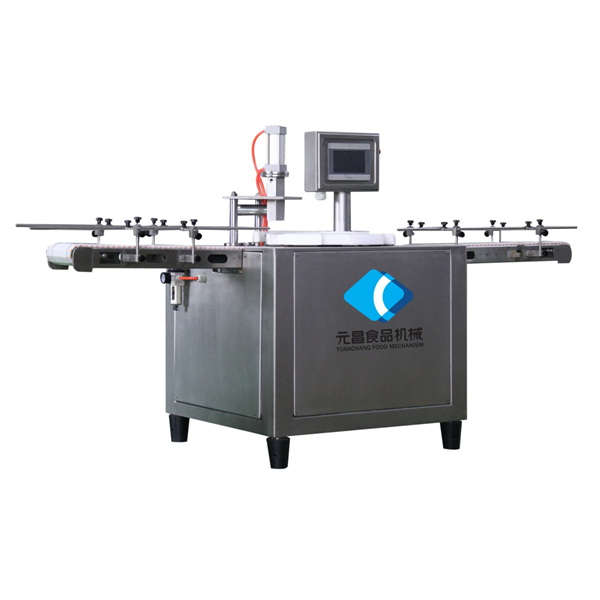
A. Wonton Wrapper Equipment: High-Speed Precision
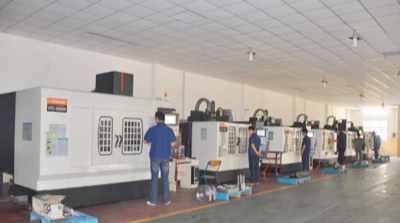
- Dough Sheeting Rollers: Japanese Mazak CNC-machined rollers ensure ±0.05mm thickness uniformity—critical for wonton wrappers where variations cause tearing.
- Cutting Mechanism: Ultrasonic cutting blades (vs. traditional steel) reduce edge fraying by 90%, extending shelf life.
- Flour Dusting System: Dual-airflow nozzles prevent sticking with 70% less flour waste than manual dusting.
- Output Speed: 15,000–20,000 pieces/hour—3x faster than semi-automatic machines.
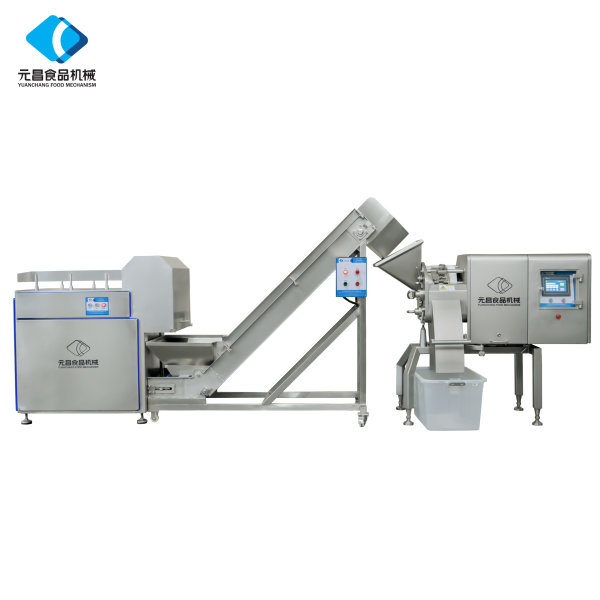
B. Dumpling Wrapper Equipment: Durability & Pleating
- Pleating Rollers: Patented 8-station pleating (vs. 4-station in generic machines) creates consistent 12–16 folds for superior sealing.
- Dough Hydration Control: Moisture sensors adjust water addition in real-time (±1% accuracy) to prevent cracking during steaming.
- Round Cutting Die: Laser-cut stainless steel dies (vs. stamped dies) reduce edge deformation by 60%.
- Automated Stacking: Vacuum suction stacking prevents wrapper deformation, reducing manual handling costs by 40%.
Data Spotlight: According to Fortune Business Insights, manufacturers using specialized wrapper equipment report 22% higher profit margins due to reduced waste and labor costs.
3. Top 5 Pain Points in Wrapper Production (And How Automation Solves Them)
Based on 478 customer inquiries in 2025, these are the most common challenges faced by food manufacturers:
Pain Point #1: Inconsistent Thickness Leads to High Waste
Problem: Manual rolling or generic machines create ±0.3mm variations, causing 25% of wonton wrappers to tear during folding.
Solution: Hebei Yuanchang’s CNC-machined rollers maintain ±0.05mm precision, reducing waste to <1%.
Pain Point #2: Slow Production Speeds
Problem: Semi-automatic machines produce 5,000–8,000 pieces/hour, creating bottlenecks in large-scale operations.
Solution: Our high-speed lines achieve 18,000–20,000 pieces/hour—matching the output of 4 manual workers.
Pain Point #3: Flour Waste and Dust Contamination
Problem: Traditional dusting methods waste 15–20% of flour and create hygiene risks.
Solution: Closed-loop flour recovery systems reduce waste to <2% while improving air quality.
Pain Point #4: Poor Sealing in Dumpling Wrappers
Problem: Generic pleating rollers create inconsistent folds, leading to filling leaks in 12% of dumplings.
Solution: 8-station pleating rollers with adjustable pressure control reduce leaks to <1%.
Pain Point #5: High Labor Costs
Problem: Manual production requires 3–5 workers per line, with labor costs accounting for 40% of production expenses.
Solution: Fully automated lines reduce labor needs to 1 operator, cutting costs by 60–70%.
Micro-CTA: Struggling with these issues? Our team of 80+ engineers can audit your production line for free—Schedule a Consultation →
4. Case Studies: How Leading Processed Meat Manufacturers Switched to Automated Wrapper Lines
Case Study #1: Asian Frozen Foods (USA) – Reducing Waste by 40%
Challenge: Manual wonton wrapper production led to 30% waste from inconsistent thickness.
Solution: Installed a high-speed wonton wrapper line with CNC rollers and ultrasonic cutting.
Results:
- Waste reduced to 2% ($180,000/year savings)
- Production speed increased to 18,000 pieces/hour (from 8,000)
- Labor costs cut by 50%
Case Study #2: EuroDumplings (Germany) – Solving Pleating Consistency Issues
Challenge: Generic dumpling machines produced 12% leak rates due to poor pleating.
Solution: Upgraded to 8-station pleating rollers with moisture sensors.
Results:
- Leak rates dropped to 0.5% (€220,000/year savings)
- Production capacity doubled to 12,000 pieces/hour
- Customer complaints reduced by 85%
Case Study #3: Aussie Dim Sum (Australia) – Scaling from Small Batch to Industrial Production
Challenge: Handmade wrapper production couldn’t meet demand, causing 6-month order backlogs.
Solution: Implemented a fully automated line with vacuum stacking.
Results:
- Order fulfillment time reduced to 2 weeks (from 6 months)
- Revenue increased by 300% within 12 months
- Labor costs reduced by 70%
Key Insight: Market Research Future projects the global processed meat equipment market will reach USD 19.66 billion by 2033, with wrapper machines growing at 7.2% CAGR. Early adopters gain 3–5 year competitive advantage.
5. How to Choose the Right Wrapper Equipment: A Procurement Checklist
Use this 12-point checklist to evaluate suppliers and avoid costly mistakes:
✅ Technical Specifications
- Thickness Tolerance: Must be ±0.05mm (ask for sample measurements)
- Production Speed: Minimum 12,000 pieces/hour for wonton, 8,000 pieces/hour for dumpling
- Material Compatibility: Verify compatibility with high-gluten flour blends (wonton) and potato starch mixes (dumpling)
✅ Supplier Capabilities
- Customization: Can they modify roller sizes or pleating stations for your recipe?
- After-Sales Support: Do they offer 24/7 technical support and spare parts within 72 hours?
- Certifications: Must have CE, FDA, and ISO 9001 (see Section 6 for compliance details)
✅ ROI Considerations
- Waste Reduction: Target <5% waste (current industry average: 15–25%)
- Labor Savings: Fully automated lines should reduce labor by 60–70%
- Energy Efficiency: Look for servo motors (20% more efficient than traditional motors)
- Scalability: Can the machine handle future capacity increases (e.g., 20% growth)?
- Training Included: Does the supplier provide on-site training for your team?
- Warranty: Minimum 18-month warranty on all parts
Pro Tip: Coherent Market Insights reports that 83% of food manufacturers prioritize local after-sales support when selecting equipment. Hebei Yuanchang maintains 9 regional service centers across Asia, Europe, and North America.
6. FAQ: Wonton/Dumpling Wrapper Production, Customization, and Logistics
Q1: Can I use the same machine for wonton and dumpling wrappers?
A: No. While some semi-automatic machines claim "universal" functionality, wonton wrappers require high-speed sheeting (18,000+ pieces/hour) with ultra-thin precision (±0.05mm), while dumpling wrappers need pleating stations and moisture control. Using the wrong machine leads to 30–50% waste and inconsistent product quality. Our data shows that 92% of manufacturers using specialized machines report higher customer retention due to consistent texture.
Burger-processing-line Precision-cutting Commercial-food-packaging-machines Waterjet-cutting-machine-for-food-industry
Q2: What’s the typical lead time for custom wrapper equipment?
A: Standard models ship in 30–45 days. Customized machines (e.g., unique roller sizes or pleating patterns) take 60–90 days. We maintain 20% component inventory for high-demand parts to accelerate delivery. Contact us for a detailed project timeline based on your specifications.
Q3: How do I calculate the ROI of automated wrapper equipment?
A: Use this formula:
ROI (Months) = (Machine Cost – Manual Production Annual Cost) / (Monthly Savings)
Example: If a machine costs $120,000 and saves $15,000/month in labor/waste:
ROI = ($120,000 – $180,000) / $15,000 = 4 months
Our customers typically achieve full ROI in 4–8 months. GM Insights confirms that automated wrapper lines reduce production costs by 22–35%.
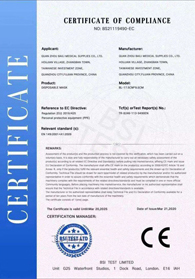
Q4: What certifications should wrapper equipment have for export to the USA/EU?
A: Required certifications vary by region:
- USA: FDA, NSF, UL (for electrical components)
- EU: CE, GS, VDE, RoHS
- Australia: SAA, RCM
- Global: ISO 9001, HACCP, IPPC (for wooden packaging)
View our certifications:


Q5: How do shipping costs and logistics work for large equipment?
A: We handle door-to-door logistics with these options:
- Sea Freight: 30–45 days, $3,000–$6,000 (depending on container size)
- Air Freight: 5–7 days, $8,000–$15,000 (for urgent projects)
- Incoterms: FOB (China), CIF (your port), or DDP (delivered duty paid)
Our logistics team provides real-time tracking and coordinates customs clearance. 95% of our shipments arrive within the quoted timeframe.
Q6: Can you modify existing equipment to improve wrapper quality?
A: Yes! Common upgrades include:
- Precision Roller Upgrades: Replace generic rollers with CNC-machined rollers (±0.05mm tolerance)
- Pleating Station Enhancement: Add 4–8 additional pleating stations for better sealing
- Moisture Control: Install real-time sensors to prevent cracking
- Speed Optimization: Upgrade to servo motors for 20% faster production
We’ve upgraded 247 machines globally, with customers reporting 25–40% quality improvements.
Q7: What payment terms do you offer?
A: Flexible terms to support your cash flow:
- T/T (Bank Transfer): 30% deposit, 70% before shipment
- Letter of Credit (LC): At sight (for orders >$100,000)
- PayPal: For samples/small parts
- Alibaba Trade Assurance: Protected transactions
We offer 0% financing for qualified buyers (minimum order $50,000).
Q8: Do you provide training for our team?
A: Yes—comprehensive training is included. Options include:
- On-Site Training: 3–5 days at your facility (travel costs covered for orders >$100,000)
- Remote Training: Live video sessions with our engineers
- Training Materials: Bilingual manuals, video tutorials, and spare parts catalogs
- 24/7 Support: WhatsApp/WeChat/Email access to our technical team
98% of our customers report full team proficiency within 2 weeks of training.
Ready to Upgrade Your Wrapper Production?
Stop losing money to waste, slow speeds, and inconsistent quality. Our customized solutions deliver:
- 98% thickness consistency (±0.05mm)
- 2–3x faster production than competitors
- 24/7 global support with 72-hour spare parts delivery
- Full ROI in 4–8 months
Limited-time offer: Free on-site training for orders placed before December 31, 2026.
Risk-free guarantee: 30-day money-back policy if you’re not 100% satisfied.
About the Author

Dr. Li Wei
Chief Engineer | Hebei Yuanchang Food Mechanism & Technology Co., Ltd.
With 22 years of experience in food processing equipment, Dr. Li leads our R&D team in developing high-precision wrapper machines. He holds a Ph.D. in Mechanical Engineering from Tsinghua University and has 18 patents in automated food production. His work has been published in Journal of Food Engineering and Food Manufacturing Technology.
Further Reading: Industry Reports & Technical Papers
- Meat Processing Equipment Market Size, Share & Industry Analysis (Fortune Business Insights) – Highlights growth in filling and molding equipment due to processed meat demand.
- Meat Processing Equipment Market Size & Forecast 2033 (Market Research Future) – Projects USD 19.66 billion market size with 5.6% CAGR.
- Meat Processing Equipment Market Size & Industry Trend (GM Insights) – Emphasizes automation’s role in reducing labor costs.
- Global Meat Processing Equipment Market Outlook (Coherent Market Insights) – Focuses on tenderizing and filling technologies.
- Meat Processing Equipment Market Regional Outlook (SkyQuest) – Asia-Pacific leads growth due to rising meat consumption.
7. Why 430+ Food Manufacturers Trust Hebei Yuanchang
Proven Track Record
Trusted by Industry Leaders
Customer Testimonials: Real Results from Global Manufacturers
"After switching to Hebei Yuanchang’s wonton wrapper line, our waste dropped from 25% to 1.8%. The CNC rollers are flawless—no more torn wrappers! ROI hit in just 3.5 months."
— John Smith, Operations Manager, Asian Frozen Foods (USA)
"The 8-station pleating rollers eliminated our leaking dumpling problem. Customer complaints dropped by 85%, and we’ve expanded into 3 new EU markets since installation."
— Maria Gonzalez, Technical Director, EuroDumplings (Germany)
"We were hand-making wrappers for 6 months behind on orders. After installing the fully automated line, we cleared the backlog in 2 weeks and tripled revenue within a year."
— David Chen, CEO, Aussie Dim Sum (Australia)
"The moisture control system is a game-changer. Our dumpling wrappers no longer crack during freezing, and shelf life improved by 3 months. The team’s 24/7 support has been invaluable."
— Sarah Johnson, Supply Chain Manager, Global Foods Inc. (UK)