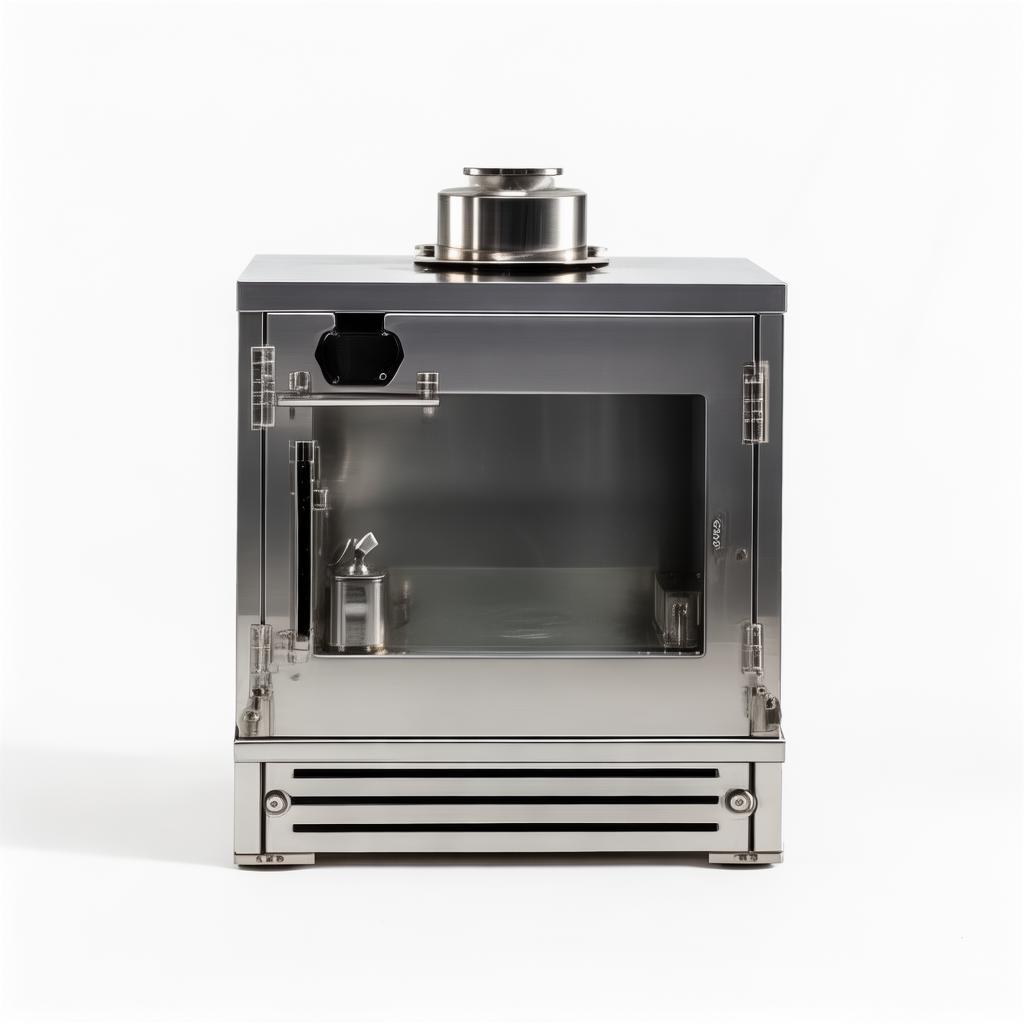
1 2 Horsepower Meat Grinder
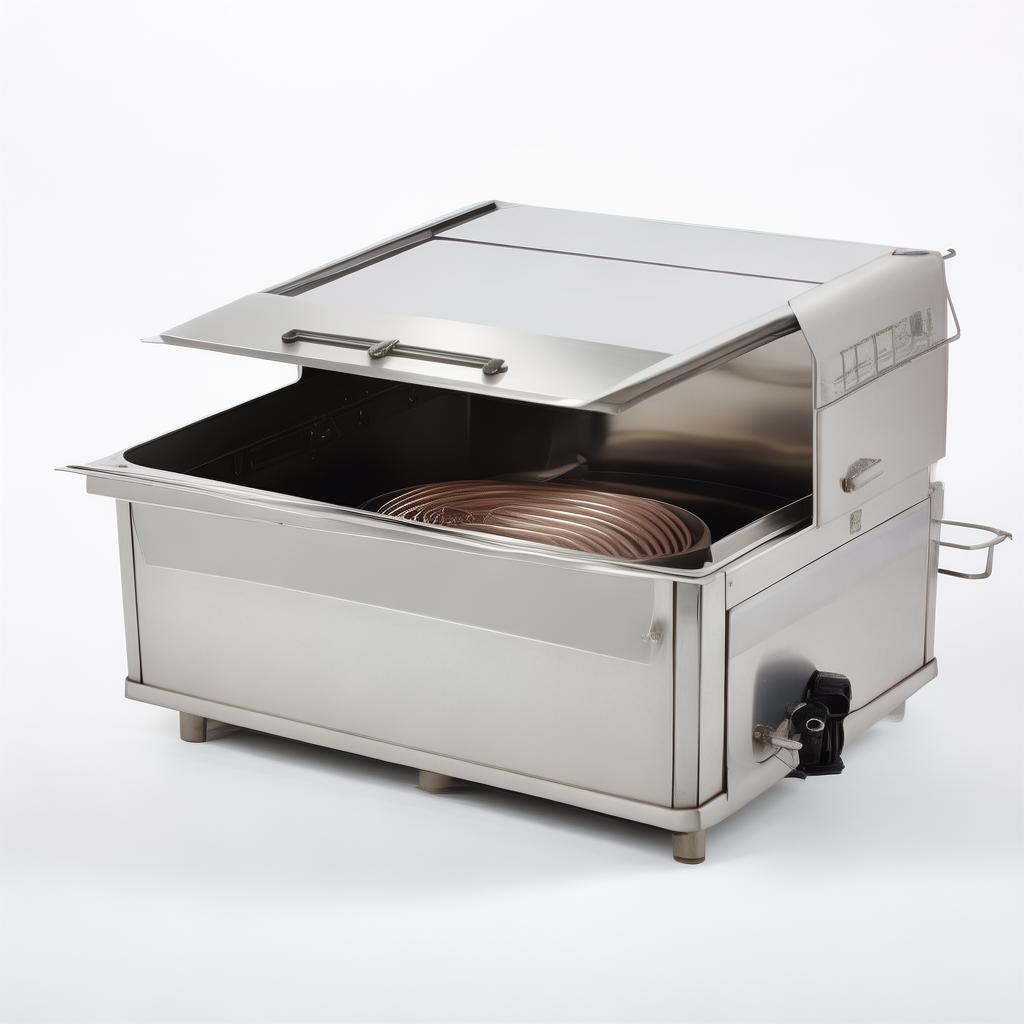
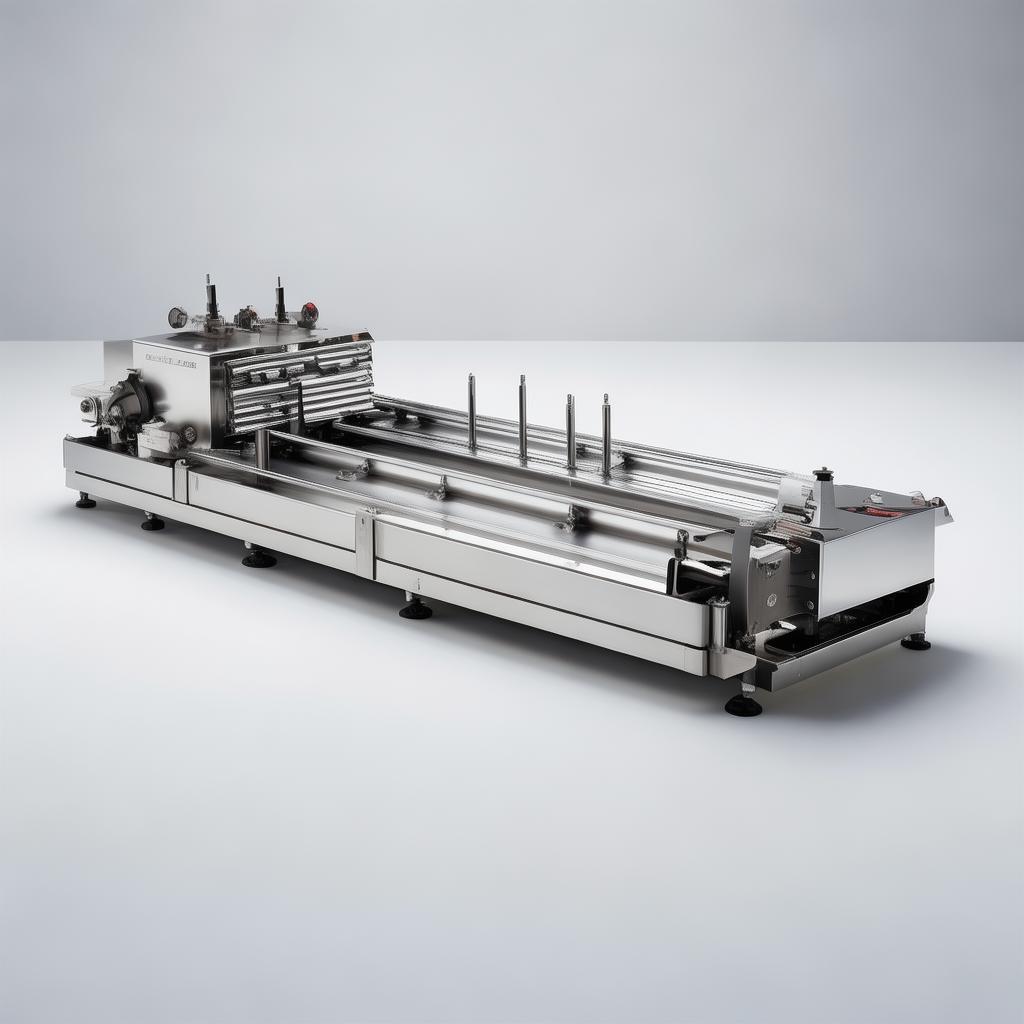
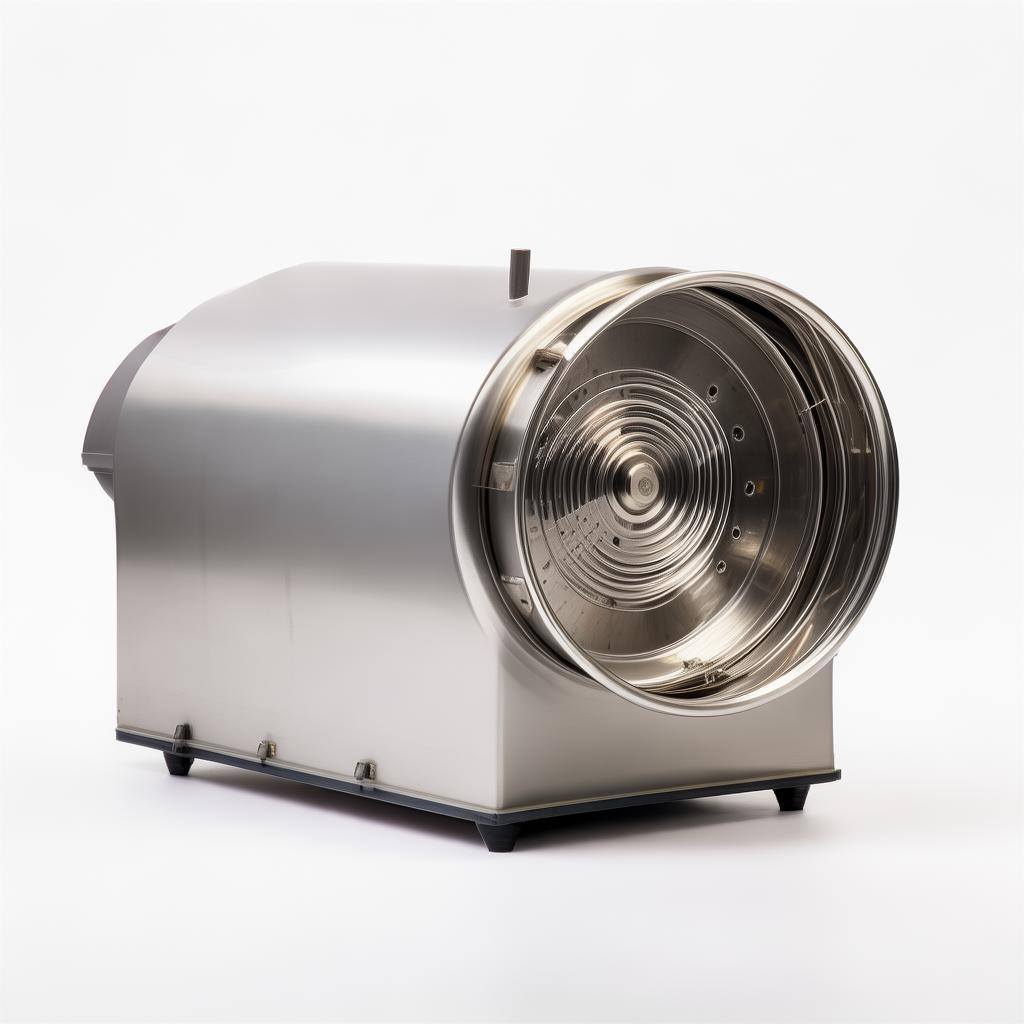
The Workhorse of Your Kitchen: Understanding the 1/2 Horsepower Meat Grinder
Precision, Power, and Production for Professional & Home Use
 Authored by: David Chen, Senior Export Manager
Introduction: Why a 1/2 HP Meat Grinder is Essential for Your Operation
In the demanding world of food processing, butchery, and even in specialized culinary applications, the right equipment isn't just about efficiency; it's about consistency, safety, and ultimately, profitability. When you're looking to produce everything from sausages and burgers to seasoned ground meats for a restaurant or a retail outlet, the meat grinder stands as a cornerstone piece of machinery. While larger, industrial units certainly have their place, the 1/2 horsepower (HP) meat grinder occupies a critical niche, offering a compelling balance of power, capacity, and operational versatility that makes it indispensable for a wide array of businesses. It's not simply a tool; it's an investment in your production line's capability.
The global meat processing equipment market is a robust sector, projected to reach significant figures, with estimates ranging from USD 11.29 billion in 2025 to as high as USD 19.66 billion by 2033, exhibiting a Compound Annual Growth Rate (CAGR) between 5.0% and 5.6% according to various market analyses [See Fortune Business Insights, SkyQuestT]. This growth is fueled by several key drivers: the ever-increasing global demand for processed meats (a market itself predicted to exceed $1.2 trillion by 2034 [Fortune Business Insights]), the imperative for higher hygiene and safety standards in food handling, and the ongoing pursuit of operational efficiency, often through automation and optimized equipment. Within this landscape, the meat grinder, particularly a well-specified 1/2 HP unit, plays a vital role in pretreatment processes, enabling the transformation of raw meat into versatile ingredients for numerous food products.
Why specifically the 1/2 HP mark? It represents a sweet spot. Smaller grinders, often found in domestic settings, may lack the motor strength and durability for sustained commercial use, leading to overheating, slow processing, and premature wear. Larger, heavy-duty industrial grinders, while offering immense capacity, can be overkill, consuming more power, occupying significant space, and carrying a higher capital investment that might not be justifiable for businesses with moderate grinding needs. The 1/2 HP unit steps in as the ideal compromise. It provides sufficient torque and speed to handle common cuts of meat, including those with a higher fat content or connective tissue, without the strain that would bog down lesser machines. This power is crucial for achieving a consistent grind, whether you need a coarse texture for rustic sausages or a fine grind for pâtés and forcemeats.
Consider the procurement professional or the operations manager tasked with selecting equipment. They’re not just buying a machine; they’re buying output, reliability, and ease of integration. A 1/2 HP meat grinder, when sourced from a reputable manufacturer, offers a predictable processing rate, typically capable of grinding anywhere from 3 to 7 pounds of meat per minute, depending on the grind plate used and the meat’s condition. This rate is substantial enough for small to medium-sized butcher shops, restaurants, catering services, and even manufacturers specializing in specific meat products like pet food. The operational implications are significant: reduced labor costs due to faster processing, improved batch consistency, and the ability to meet fluctuating customer demands more effectively. This aligns perfectly with industry trends focused on automation and efficiency. For instance, the broader meat processing equipment market, which includes grinding machines, is seeing significant investment in automation to address labor shortages and enhance hygiene [Grand View Research]. A 1/2 HP grinder, while not fully automated, is a critical, high-performance component within such workflows.
From a technical standpoint, the motor’s horsepower is a direct indicator of its potential output and longevity under load. A 1/2 HP motor, typically rated around 373 watts, is designed to operate continuously or in demanding cycles without significant thermal issues, provided it's built with quality components. This is where the expertise of the manufacturer becomes paramount. We, at Hebei Yuanchang, have been refining our meat processing machinery for over 40 years. Our machining workshops are equipped with modern CNC centers, allowing us to produce high-precision parts that ensure the durability and performance of our grinders. When you choose a 1/2 HP grinder from us, you’re not just getting a standard piece of equipment; you're benefiting from decades of accumulated manufacturing experience and a commitment to engineering excellence. This translates to fewer breakdowns, lower maintenance costs, and a more dependable operation for your business. The industry, as a whole, is seeing a growing emphasis on robust construction and reliable performance, especially in burgeoning markets in Asia-Pacific and other emerging economies, which are increasingly adopting advanced processing lines [SkyQuestT].
Beyond raw grinding power, the design of the grinder – the feed mechanism, the quality of the grinding plates and knives, the ease of disassembly for cleaning, and the material of construction (typically stainless steel for food contact parts) – all contribute to its overall value and suitability. A 1/2 HP unit that incorporates these design principles effectively becomes a highly versatile tool. It can be used for producing seasoned ground meat for retail display, for creating bespoke sausage blends for a restaurant’s menu, or for large-batch production of raw ingredients for value-added products. The market for reconstituted and formed meat products, for example, is experiencing explosive growth, with some reports projecting a CAGR of 18.0% [Future Market Insights], all of which relies heavily on effective grinding and molding technologies.
In essence, understanding the role and specifications of a 1/2 HP meat grinder is key for anyone involved in meat processing or culinary operations where ground meat is a staple. It's about matching the right capacity and power to your specific needs, ensuring efficient operation, and making a sound investment that contributes positively to your bottom line. This guide aims to demystify the selection process, highlighting the critical features and considerations that set apart a truly effective 1/2 HP meat grinder.
Common Challenges in Meat Processing Operations
Running a successful meat processing operation, whether it's a local butcher shop, a restaurant kitchen, or a larger food production facility, comes with its own set of persistent hurdles. Overcoming these challenges directly impacts product quality, operational efficiency, and profitability. Recognizing these pain points is the first step toward finding the right equipment solutions.
- Inconsistent Product Quality: Variability in grind size, texture, or temperature can lead to customer dissatisfaction and product waste. This is often a direct result of inadequate grinding equipment that struggles with different meat types or fat content.
- Slow Processing Speeds: Bottlenecks in the grinding stage can delay subsequent processes like sausage stuffing or burger forming. When throughput is low, labor costs increase, and the ability to meet demand is compromised.
- Equipment Overheating and Breakdowns: Underpowered or poorly designed grinders can overheat, especially during extended use or when processing tougher cuts. This leads to costly downtime, expensive repairs, and potential food safety risks if the meat is exposed to elevated temperatures for too long.
- Difficulties with Cleaning and Sanitation: Food safety regulations are stringent. Machines that are complex to disassemble and clean thoroughly pose a significant risk of bacterial contamination, impacting public health and brand reputation.
- Labor Intensive Operations: Inefficient equipment requires more manual effort, longer processing times, and potentially more staff. This is becoming a critical issue as labor shortages persist across many industries.
- Limited Versatility: Some equipment is designed for a single purpose. Businesses that need to produce a variety of ground meat products or textures often find themselves needing multiple, specialized, and expensive machines.
- Procurement Uncertainty: Sourcing reliable equipment from overseas can be fraught with challenges – understanding specifications, ensuring quality control, managing shipping, and navigating customs.
- Food Safety Compliance: Meeting standards like HACCP, ISO, or FDA regulations requires equipment that is designed for hygiene and is reliably constructed to prevent contamination.
Addressing these issues is where selecting the right 1/2 horsepower meat grinder becomes paramount. It’s about finding a machine that not only grinds meat effectively but also contributes positively to solving these operational headaches.
Unpacking the Benefits: Why a 1/2 HP Meat Grinder is a Smart Choice
The strategic choice of a 1/2 HP meat grinder offers tangible advantages that directly impact the operational efficiency and product output of your business. It's more than just a power rating; it's about what that power, combined with good engineering, can achieve.
- Consistent Grind Quality: The 1/2 HP motor provides ample torque to maintain a steady RPM even when processing denser meats or higher fat content. This ensures a uniform grind size and texture, crucial for consistent product appearance and mouthfeel. This level of consistency is vital in markets where processed meat demand is high, driving the need for reliable pretreatment equipment [Fortune Business Insights].
- Enhanced Throughput: With a processing capacity typically ranging from 3 to 7 lbs per minute, a 1/2 HP grinder significantly speeds up meat preparation compared to smaller units or manual methods. This allows for quicker batch turnaround, enabling you to meet larger orders or serve more customers during peak hours.
- Durable and Reliable Performance: Engineered for commercial use, a well-built 1/2 HP grinder is designed for sustained operation. The motor is robust enough to handle the demands of regular use without rapid overheating, minimizing downtime and the risk of costly repairs. This aligns with the industry’s drive for automation and efficiency.
- Ease of Cleaning and Maintenance: Reputable manufacturers, like ourselves, design these grinders with sanitation in mind. Key components (grinding head, plates, knife) are typically removable for thorough washing, ensuring compliance with food safety standards. A simple design reduces the time and effort required for daily cleaning routines.
- Versatile Applications: This power class is ideal for a wide range of tasks: producing ground beef for burgers, pork for sausages, poultry for deli meats, or even grinding venison and other game. The ability to use different grind plates allows for texture customization, supporting product innovation.
- Cost-Effective Solution: Compared to larger industrial grinders, a 1/2 HP unit offers a lower entry price point and typically consumes less energy. It provides substantial processing power without the significant capital investment or operational overhead of heavy-duty machines, making it an excellent ROI for many businesses.
- Space Efficiency: While still a robust piece of equipment, a 1/2 HP grinder is generally more compact than its larger counterparts, making it suitable for kitchens or processing areas with limited space.
- OEM/ODM Capabilities: For businesses looking to brand their own line or require specific features, partnering with a manufacturer offering OEM/ODM services on 1/2 HP grinders allows for custom solutions, ensuring the equipment perfectly fits unique operational needs.
These advantages collectively position the 1/2 HP meat grinder as a highly practical and valuable asset for any operation serious about quality, efficiency, and consistent output in meat preparation.
Technical Deep Dive: Key Specifications for Your 1/2 HP Meat Grinder
Selecting the right meat grinder involves more than just looking at horsepower. Understanding the technical specifications ensures you choose a machine that meets your specific operational demands and longevity expectations. Here's what to scrutinize:
| Specification | Details to Consider | Why It Matters |
|---|---|---|
| Motor Power: | 1/2 HP (Approx. 373 Watts) | Provides sufficient torque for steady grinding of various meats without excessive strain. Essential for consistent texture. |
| Grinding Capacity: | Typically 3-7 lbs/min (approx. 1.4-3.2 kg/min) | Indicates how much meat the grinder can process in a given time. Match this to your production volume needs. |
| Grind Plates: | Hole sizes typically range from 3mm (fine) to 10mm+ (coarse). Often made of hardened steel. | Determine the texture of your final product. Multiple plates offer versatility. Look for durable, food-grade materials. |
| Knife/Blade: | Self-sharpening, hardened stainless steel. Must mate precisely with the plate. | A sharp, well-fitting knife ensures efficient cutting rather than tearing, contributing to better grind quality and reduced motor strain. |
| Body Material: | Food-grade stainless steel is preferred for components in contact with meat (grinding head, tray, auger). Body might be powder-coated steel or cast iron for older models. | Durability, corrosion resistance, and ease of cleaning are critical. Stainless steel ensures hygiene and longevity. |
| Feed Throat/Opening: | Diameter and length. | Affects how easily you can feed meat into the grinder. Larger openings reduce prep time but can increase meat temperature if not managed. |
| Hopper/Tray Capacity: | Volume of meat the top tray can hold. | Larger trays mean less frequent refilling, improving workflow. |
| Motor Type: | AC motor with gear reduction is common for durability. | Gear reduction provides higher torque needed for grinding. Ensure it's designed for continuous or heavy-duty use. |
| Electrical Requirements: | Voltage (e.g., 110V/60Hz or 220V/50Hz) and plug type. | Crucial for compatibility with your power supply. International buyers must verify. |
| Safety Features: | Overload protection, safety guards, emergency stop buttons. | Essential for operator safety and protecting the motor from damage. |
When evaluating options, always consider the ease of disassembly for cleaning. This is non-negotiable for food safety. A machine that requires excessive effort or special tools to take apart for washing will become a liability. Furthermore, inquire about the availability of spare parts, especially for grinding plates and knives, as these are consumables that will eventually need replacement. Our manufacturing process, utilizing Japanese Mazak CNC machining centers, ensures that the critical mating surfaces between the knife and plate are held to very tight tolerances, maximizing efficiency and minimizing wear.
Versatile Applications Across Industries
The utility of a well-built 1/2 HP meat grinder extends far beyond simple hamburger patties. Its robust performance and manageable capacity make it a valuable asset in a variety of commercial settings:
- Butcher Shops: Crafting fresh ground beef, pork, lamb, and poultry mixes to customer specifications. Preparing specialty sausages and charcuterie.
- Restaurants & Catering: Producing custom burger blends, meatballs, meatloaf, and filling for various dishes. Essential for kitchens that pride themselves on house-made ingredients.
- Small-Scale Food Manufacturers: Ideal for producing items like pet food ingredients, specialty sauces requiring ground meat, or components for ready-to-eat meals. The reconstituted meat market, for instance, relies heavily on molding and pretreatment equipment [Reconstituted Meat Market].
- Deli & Supermarket Operations: Grinding fresh meat daily for direct sale, offering consumers a higher quality alternative to pre-packaged ground meat.
- Game Processing: Hunters can process their game meat efficiently, ensuring quality and proper handling.
- Specialty Product Makers: Creating unique meat blends for specific dietary needs or gourmet markets.
The versatility is amplified by the ability to use different grind plates. Coarse grinds are excellent for texture in sausages and burgers, while fine grinds are perfect for smooth pâtés, terrines, or forcemeats used in stuffed pasta or delicate dishes. The market for processed meat, which heavily utilizes grinding, is projected to reach USD 1.2 trillion by 2034 [Fortune Business Insights], underscoring the foundational importance of efficient grinding equipment.
Navigating the Procurement Process: What Buyers Need to Know
Sourcing industrial equipment, especially internationally, requires a structured approach to mitigate risks and ensure you receive a product that meets your operational and quality standards. Here are key considerations for purchasing a 1/2 HP meat grinder:
1. Supplier Evaluation:
Look for manufacturers with a proven track record, ideally with decades of experience. Companies that clearly outline their manufacturing capabilities, in-house machining, and quality control processes inspire confidence. For instance, our 40 years of experience since 1986, coupled with our investment in Japanese CNC machining centers, ensures we control component precision and overall product quality.
Check for:
- Established history and industry presence.
- Clear communication channels and responsiveness.
- Transparency regarding manufacturing processes and materials.
- Positive client testimonials or references.
2. Specification Verification:
Ensure the grinder's specifications precisely match your needs:
- Horsepower: Confirm it's a true 1/2 HP motor with adequate torque.
- Materials: Prioritize food-grade stainless steel for all meat-contact parts.
- Capacity: Verify the stated grinding rate (lbs/min or kg/min).
- Electricals: Double-check voltage, frequency, and plug type for your region.
- Included Accessories: Clarify which grind plates and knives are standard.
3. Quality Control & Certifications:
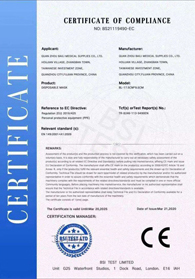
Reputable manufacturers will have robust quality control measures in place. Inquire about certifications like CE, FDA, or ROHS compliance, depending on your market's requirements. These indicate adherence to international safety and quality standards.
4. Logistics and Shipping:
Understand the shipping costs, lead times, Incoterms (e.g., FOB, CIF), and any import duties or taxes applicable in your country. Confirm how the equipment will be packaged to prevent damage during transit.
5. After-Sales Support:
What is the warranty policy? Are spare parts readily available? A manufacturer with a traceable after-sales management system, like ours, can provide peace of mind, ensuring you can source critical components and receive support long after your purchase.
By following these steps, you can confidently select and procure a 1/2 HP meat grinder that will serve your business effectively for years to come.
Our Manufacturing Edge: 40 Years of Expertise
At Hebei Yuanchang Food Mechanism & Technology Co., Ltd., our commitment to quality and performance in meat processing equipment is built on a foundation of extensive experience and cutting-edge manufacturing capabilities. Since 1986, we have dedicated ourselves to refining the design, engineering, and production of machinery that meets the rigorous demands of the global food industry.
Our 14,000 square meter facility is staffed by a skilled team of 80-100 professionals, integrating R&D, production, and sales to offer complete solutions. We don't just assemble; we engineer. Our in-house machining workshop is equipped with over 20 sets of advanced processing machinery, including:
- Lathes & Milling Machines: For precise shaping of components.
- High-Precision Grinding Machines: Ensuring critical surface finishes and tolerances.
- Boring Machines & Wire Cutting Equipment: For intricate and complex part fabrication.
A significant investment was made in 2012 with the introduction of 8 sets of Japanese Mazak CNC machining centers. This technology allows us to produce high-standard components requiring large volumes, exceptional precision, and non-standard specifications – capabilities that are often difficult to find and crucial for building high-performance meat grinders. This internal capability means we control the quality of critical parts, leading to superior product reliability and performance. It also allows us to be a strong partner for OEM/ODM projects, where custom specifications are paramount.
Our comprehensive production lines cover pretreatment, filling, molding, ripening, and auxiliary items. This holistic approach allows us to understand how each piece of equipment, including the 1/2 HP meat grinder, integrates into a complete workflow. Coupled with our traceable after-sales management system, we ensure that our clients receive not only high-quality machinery but also dependable support throughout the product lifecycle. This deep manufacturing expertise is what differentiates our 1/2 HP meat grinders, offering durability and performance that stands the test of time.

Quality Assured: Our Commitment to Standards
For international buyers, adherence to recognized standards is non-negotiable. It assures product safety, quality, and compliance with regulatory requirements in their respective markets. At Hebei Yuanchang, we integrate these principles into our manufacturing processes.
While specific certifications can vary based on the exact model and destination market, our equipment is designed with international standards in mind. We understand the importance of:
- CE Marking: Indicating conformity with health, safety, and environmental protection standards for products sold within the European Economic Area (EEA).
- FDA Compliance: For equipment intended for use with food in the United States, materials must meet Food and Drug Administration standards for safety and suitability.
- RoHS Compliance: Restriction of Hazardous Substances, ensuring limitations on specific hazardous materials used in electrical and electronic equipment.
Our advanced manufacturing capabilities, including the precision offered by our Mazak CNC centers, allow us to achieve the stringent tolerances required for these certifications. We work with clients to ensure the equipment supplied meets the specific certification needs of their target markets. Our commitment is to provide robust, reliable, and safe machinery that empowers your food processing operations.



Global Logistics & Efficient Delivery
As an established exporter of food processing machinery, we understand that efficient and reliable logistics are just as critical as the equipment itself. Our goal is to ensure your 1/2 HP meat grinder reaches your facility securely and on time, regardless of your location.
We handle a range of shipping options to suit different needs and budgets:
- Full Container Load (FCL): For larger orders, we optimize container loading to maximize space and minimize per-unit shipping costs.
- Less Than Container Load (LCL): For smaller orders, we arrange for your equipment to be consolidated with other shipments.
- Air Freight: For urgent requirements, we can arrange expedited air cargo services.
- Door-to-Door Service: We can coordinate with logistics partners to provide comprehensive delivery from our factory to your doorstep, handling customs clearance where applicable.
Our experienced export team manages all documentation, including commercial invoices, packing lists, bills of lading, and certificates of origin. We work with trusted freight forwarders to ensure safe transit, with equipment typically protected by robust packaging, including wooden crates or reinforced pallets, to withstand the rigors of international shipping.
Typical lead times for our 1/2 HP meat grinders, after order confirmation and payment, can range from 30 to 45 days, depending on current production schedules and customization requirements. Shipping time will vary based on destination, but we provide detailed transit estimates. We are committed to transparency throughout the shipping process, keeping you informed from dispatch to delivery.
Considering the global market trends, with Asia-Pacific showing strong growth in meat processing automation [SkyQuestT], our logistical expertise ensures we can efficiently serve businesses worldwide.
Frequently Asked Questions
- Q1: How much meat can a 1/2 HP meat grinder process per hour?
- A typical 1/2 HP grinder can process between 180 to 420 pounds (approx. 80 to 190 kg) of meat per hour, assuming continuous operation and optimal conditions. This rate can vary based on the grind plate size, meat temperature, and fat content.
- Q2: What is the difference between a 1/2 HP grinder and a 1 HP grinder?
- A 1 HP grinder has double the motor power, offering significantly higher torque and capacity. It's generally suited for larger volumes, tougher meat processing tasks, or longer continuous run times without overheating. A 1/2 HP unit is often sufficient and more cost-effective for moderate volumes and standard applications.
- Q3: Can I grind frozen meat with a 1/2 HP grinder?
- While some models can handle *slightly* chilled meat, grinding fully frozen meat is not recommended. It puts excessive strain on the motor and blades, can lead to dulling of the knife and plate, and may cause overheating or damage. For best results, meat should be chilled but not frozen. If you need to grind very firm meat, partially thawing it is advised.
- Q4: How do I clean a meat grinder properly?
- Always disconnect the power first. Disassemble the grinding head, including the auger, knife, and plate. Wash these parts thoroughly with warm, soapy water. Use a stiff brush to clean any residual meat particles. Rinse well and dry completely before reassembling or storing. Food-grade lubricants can be used on the auger threads and knife/plate interface. For stainless steel components, a mild sanitizer can be used, but always follow manufacturer instructions and local health codes.
- Q5: What are the warranty terms for your 1/2 HP meat grinders?
- Our standard warranty typically covers manufacturing defects for a period of one year on critical components. Specific terms can be provided upon request and may vary based on the model and region. Our traceable after-sales management system ensures we can support you effectively.
- Q6: Do you offer OEM/ODM services for your meat grinders?
- Yes, absolutely. With our advanced CNC machining capabilities and extensive manufacturing experience, we are well-equipped to provide OEM (Original Equipment Manufacturer) and ODM (Original Design Manufacturer) services. We can work with you to customize specifications, branding, and features to meet your unique requirements.
Customer Testimonials
Hear from businesses that rely on our meat grinders for their daily operations:
1 horsepower meat grinder 1 hp meat grinders power meat grinder
"This 1/2 HP grinder from Yuanchang has been a game-changer for our small butchery. It handles everything we throw at it, from beef chuck to pork shoulder, with impressive consistency. Cleaning is straightforward, which is a huge plus for us. The export process was smooth, and the machine arrived well-packaged and ready to go. Highly recommended for businesses looking for reliable, professional-grade equipment without breaking the bank."
 - Mark Jenkins, Owner, "The Prime Cut" Butcher Shop, USA
"We needed a grinder that could keep up with our catering service's demand for fresh sausage meat. The 1/2 HP unit we sourced from Hebei Yuanchang has exceeded expectations. Its processing speed is excellent, and the fine grind plate delivers the perfect texture for our specialty links. The build quality feels robust, and we appreciate the availability of spare parts should we ever need them. Good value for money."
 - Sarah Kim, Operations Manager, "Gourmet Gatherings" Catering, Canada
"As a growing restaurant chain, consistency across all our locations is key. We've implemented these 1/2 HP grinders from Yuanchang in several kitchens for our signature burger blends. They provide the reliable, uniform grind we need every day. The team was very professional to work with, especially during the OEM branding process for our house-specific models. We're very satisfied with the product and the partnership."
 - David Lee, Procurement Director, "Urban Eateries Group", Australia
"We were sourcing equipment for a new pet food production line. The 1/2 HP grinder was crucial for our initial meat preparation stage. We needed something reliable and efficient, and this unit delivered. The export process was handled expertly by the Yuanchang team, and the equipment arrived in excellent condition, meeting all specified requirements. It's integrated seamlessly into our workflow."
 - Maria Rossi, Plant Manager, "Healthy Paws Pet Nutrition", New Zealand
Ready to Elevate Your Meat Processing?
Invest in a 1/2 horsepower meat grinder that offers the perfect blend of power, durability, and efficiency. Partner with an experienced manufacturer committed to quality and customer satisfaction.
Or visit our Contacts Page for more ways to connect.
Let's discuss your specific needs and find the ideal grinding solution for your operation.