


Soya Meat Making Machine: Sustainable Protein Production & Industry Solutions
Understanding the Soya Meat Making Machine: A Game Changer in Sustainable Food Production
At a glance, a soya meat making machine might seem like just another industrial food processor, but, frankly, it’s so much more. Across the globe, as the population grows and environmental concerns mount, these machines are quietly revolutionizing how we produce plant-based proteins. They offer a promising solution to food security, sustainability, and changing consumer preferences towards meat alternatives.
Introduction: Why Soya Meat Making Machines Matter Globally
The global shift towards sustainable food sources isn’t just a trend—it’s an urgent response to environmental pressures and growing protein demand. According to the Food and Agriculture Organization (FAO), meat production accounts for nearly 14.5% of global greenhouse gas emissions. Traditional livestock farming faces challenges such as land degradation, water scarcity, and animal welfare concerns. Enter the soya meat making machine, a technology helping industries produce high-protein, meat-like products from soybeans efficiently and sustainably.
These machines are gaining traction worldwide, from large-scale food manufacturers in Europe and North America to small cooperatives in Asia and Africa tackling local food shortages. They address a pressing problem: how to feed more people nutritiously and affordably without worsening climate change.
What Is a Soya Meat Making Machine?
Simply put, a soya meat making machine is industrial equipment designed to transform soy protein isolates or soy flour into textured soy protein (TSP), also known as soy meat. It mimics the texture and mouthfeel of animal meat and can be flavored to suit various culinary uses. The technology typically involves extrusion processes, where raw soy material is heated, pressurized, and pushed through a die to create fibrous, chewy structures that closely resemble meat.
These machines sit at the intersection of food science innovation and humanitarian nutrition. In humanitarian contexts, for example, they offer an affordable protein source for famine-stricken or disaster-affected populations.
Core Components and Key Factors of Soya Meat Making Machines
1. Durability and Build Quality
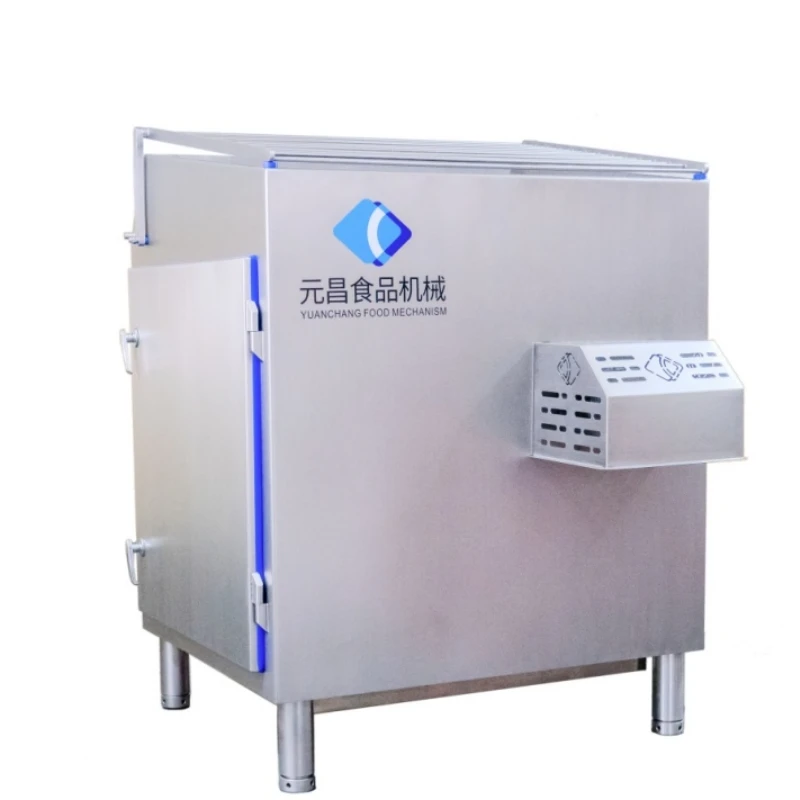
Most soya meat making machines are built from high-grade stainless steel to withstand constant heat, pressure, and moisture, ensuring longevity and hygiene compliance. This is critical because downtime due to maintenance can significantly impact production output.
2. Scalability and Capacity
Machines come in various sizes — from smaller units producing 100-200 kg/hour to industrial-scale machines capable of several tons per day. This scalability enables everything from artisanal producers experimenting with plant-based meat to large factories supplying supermarkets.
3. Energy Efficiency
Energy consumption is a major operational cost. Modern machines increasingly feature optimized screw designs and insulated barrels to reduce heat loss, lowering electricity use and overall carbon footprint.
4. Automation and Control Systems
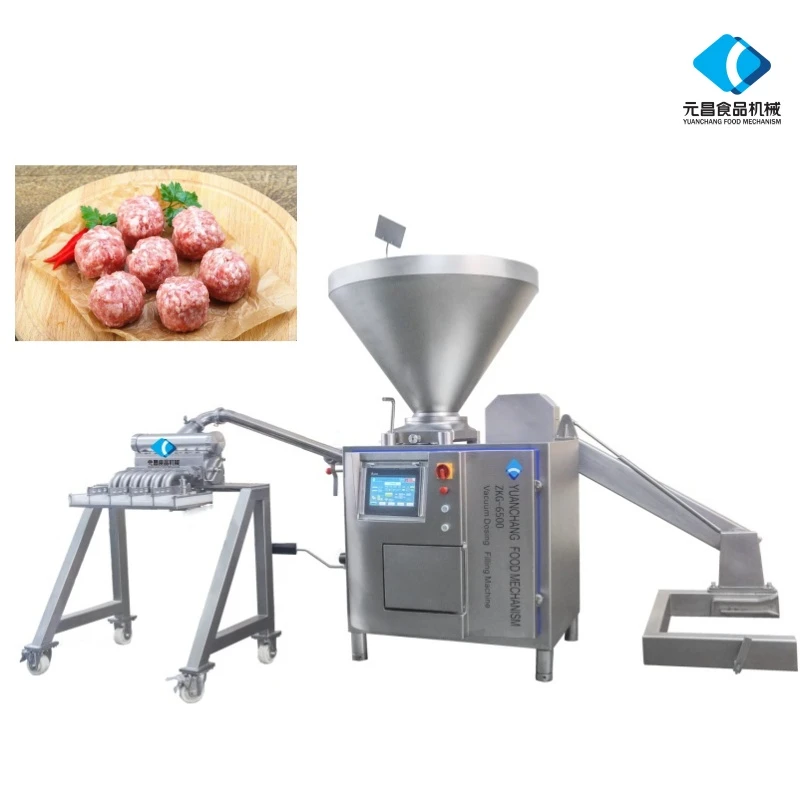
Advanced models include programmable logic controllers (PLCs) and touchscreens for precise control over temperature, pressure, and feed rates. This enhances product consistency and allows remote monitoring — lovely for operators juggling multiple tasks.
5. Ease of Cleaning and Maintenance
Food safety regulations demand rigorous cleaning. Machines designed with easy disassembly and smooth surfaces reduce downtime and contamination risk, which is simply non-negotiable.
Product Specifications at a Glance
| Specification | Typical Range |
|---|---|
| Production Capacity | 100 - 2000 kg/hour |
| Power Consumption | 50 - 150 kW |
| Machine Weight | 1500 - 5000 kg |
| Material | Stainless Steel 304/316 |
| Automation Level | Semi to Fully Automated |
Global Applications: Real-World Examples
Soya meat making machines find use in myriad contexts:
- Industrial Food Production: Global brands incorporate soy meat as a sustainable protein in ready meals, restaurants, and health foods.
- Humanitarian Aid: Agencies use soy meat to provide high-protein, shelf-stable food in disaster zones or refugee camps.
- Smallholder Entrepreneurs: In countries like India and Nigeria, local startups use smaller machines to create affordable meat alternatives for urban markets.
- Educational and Research Centers: Universities and food scientists use these machines to innovate new plant-based products.
Oddly enough, one of the most inspiring use cases I came across was a cooperative in Southeast Asia that started a soy meat production unit to empower local women, improving both nutrition and incomes.
Advantages and Long-Term Value
The benefits are multi-layered:
- Cost Efficiency: Soybean-based meat alternatives generally cost less per unit of protein than beef or pork, especially with optimized machinery.
- Sustainability: Reduced environmental footprint compared to animal farming, conserving water and land resources.
- Health Benefits: Low in saturated fat and cholesterol, while still rich in protein and essential amino acids.
- Social Impact: Enhances food security and can bolster local economies through small and medium enterprise creation.
There’s also an emotional dimension — offering consumers safe, nutritious food to feed their families, often in regions where meat is scarce or expensive, feels like progress on a very human level.
Vendor Comparison: Market Leaders in Soya Meat Making Machines
| Brand | Capacity | Automation | Average Price (USD) |
|---|---|---|---|
| YC Meat Mech | 500-1500 kg/h | Fully Automated | $150,000 - $250,000 |
| SoyPro Systems | 300-1200 kg/h | Semi-automated | $120,000 - $200,000 |
| GreenProtein Corp. | 800-1800 kg/h | Fully Automated | $180,000 - $300,000 |
Looking Ahead: Future Trends in Soya Meat Making Machines
Like many industries, soya meat production is riding the wave of digital transformation. Machine learning and IoT sensors are increasingly integrated to optimize extrusion conditions in real time, reduce waste, and improve product uniformity.
There’s also a push towards greener operations—utilizing renewable energy sources and biodegradable lubricants in machinery maintenance. Material innovations aim to enhance protein texturization and flavor binding, giving plant-based foods a more convincing bite.
Challenges and Thoughtful Solutions
Despite their promise, these machines face hurdles. Initial investment costs can be steep, especially for small producers. The complexity of some machines may require skilled operators and maintenance staff, who are sometimes scarce in rural areas.
Innovators are addressing this by developing modular, plug-and-play machines with intuitive interfaces and remote support. Financing schemes, cooperative ownership models, and training programs are also helping bridge access gaps.
FAQ: Practical Answers About Soya Meat Making Machines
- Q: What raw materials are needed to operate a soya meat making machine?
- A: Typically, soy flour or soy protein isolate is used as input. Some machines can handle blends with other legumes or grains, depending on desired product characteristics.
- Q: How much energy does a typical machine consume during operation?
- A: Energy consumption varies by size and tech level, usually between 50 to 150 kW per hour. Newer models focus heavily on energy efficiency to lower running costs.
- Q: Can these machines produce products that meet vegan and allergen-free standards?
- A: Absolutely. They’re designed to process 100% plant-based materials and can avoid cross-contamination with animal products when properly maintained.
- Q: How easy is it to customize product textures or shapes?
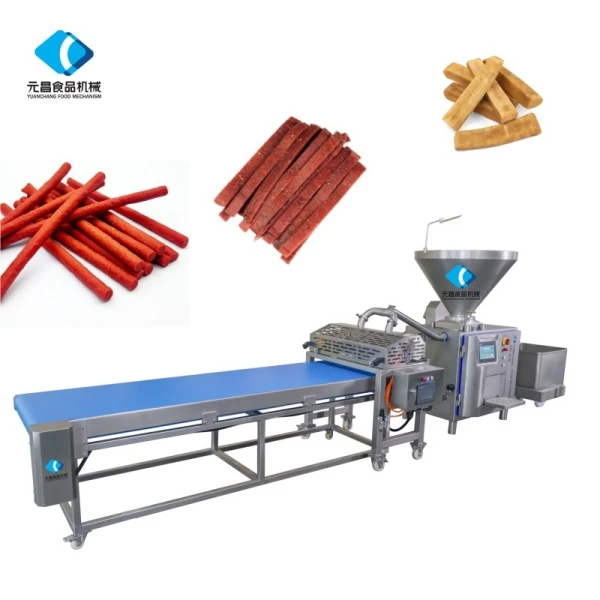
- A: Many machines offer adjustable extrusion dies and variable temperature/pressure settings, allowing diverse product profiles from chewy strips to chunks.
- Q: Where can I find support or parts for maintenance?
- A: Many vendors, like YC Meat Mech, provide aftersales support, including spare parts, technician training, and remote diagnostics.
Conclusion: Building a Sustainable Future with Soya Meat Making Machines
In real terms, investing in soya meat making machines isn’t just about producing another protein source—it’s about innovating food systems to meet tomorrow’s challenges today. Their scalability, sustainability, and social impact make them a vital part of the plant-based revolution, carving new paths from factory floors to disaster relief zones.
If you’re considering joining this wave of food innovation, visit our website to explore cutting-edge solutions tailored to your needs.
Mini takeaway: Soya meat making machines bridge technology, nutrition, and sustainability — a trifecta critical for feeding future generations.
References:
-
Efficient Meat Cubing Machine for Industrial Meat ProcessingNewsDec.09,2025
-
Meat Cube Cutter Machine – Efficient and Precise Meat Processing EquipmentNewsDec.09,2025
-
Machine Used To Cut Meat | High Performance Meat Cutting Machines for IndustryNewsDec.09,2025
-
Machine That Cuts Meat – Efficient, Durable Meat Processing Solutions for B2BNewsDec.09,2025
-
Machine Meat Cutter: Global Importance, Benefits & Future Trends ExplainedNewsDec.08,2025
-
Durable Machine Cut Meat Slicer for Industrial Efficiency | YC Meat MechNewsDec.08,2025