

- Afrikaans
- Albanian
- Amharic
- Arabic
- Armenian
- Azerbaijani
- Basque
- Belarusian
- Bengali
- Bosnian
- Bulgarian
- Catalan
- Cebuano
- chinese_simplified
- chinese_traditional
- Corsican
- Croatian
- Czech
- Danish
- Dutch
- English
- Esperanto
- Estonian
- Finnish
- French
- Frisian
- Galician
- Georgian
- German
- Greek
- Gujarati
- haitian_creole
- hausa
- hawaiian
- Hebrew
- Hindi
- Miao
- Hungarian
- Icelandic
- igbo
- Indonesian
- irish
- Italian
- Japanese
- Javanese
- Kannada
- kazakh
- Khmer
- Rwandese
- Korean
- Kurdish
- Kyrgyz
- Lao
- Latin
- Latvian
- Lithuanian
- Luxembourgish
- Macedonian
- Malgashi
- Malay
- Malayalam
- Maltese
- Maori
- Marathi
- Mongolian
- Myanmar
- Nepali
- Norwegian
- Norwegian
- Occitan
- Pashto
- Persian
- Polish
- Portuguese
- Punjabi
- Romanian
- Russian
- Samoan
- scottish-gaelic
- Serbian
- Sesotho
- Shona
- Sindhi
- Sinhala
- Slovak
- Slovenian
- Somali
- Spanish
- Sundanese
- Swahili
- Swedish
- Tagalog
- Tajik
- Tamil
- Tatar
- Telugu
- Thai
- Turkish
- Turkmen
- Ukrainian
- Urdu
- Uighur
- Uzbek
- Vietnamese
- Welsh
- Bantu
- Yiddish
- Yoruba
- Zulu

Smokehouse Machines and Industrial Smokehouse Equipment in Food Processing
In modern industrial food processing, smoking is an essential method for adding flavor, preserving meat, and enhancing product quality. Equipment such as smoke house machine, industrial smokehouse, smoke house equipment, commercial smokehouse equipment, and smokehouse equipment play a crucial role in large-scale food production. These machines allow processors to standardize smoking procedures, improve efficiency, and maintain hygiene while producing high-quality smoked meats, sausages, and other products. This article explores the types, functions, and advantages of smokehouse equipment in industrial food processing.
Types of Smokehouse Machines and Equipment
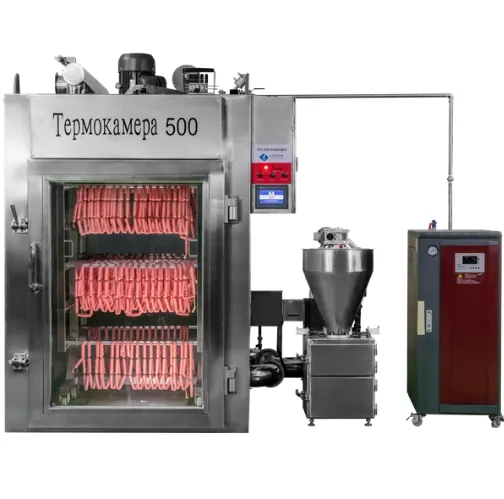
A smoke house machine is designed to apply smoke evenly to meat, fish, or poultry products under controlled conditions. Modern machines provide precise control over temperature, humidity, and smoke density, ensuring consistent flavor and texture. These machines are essential for industrial-scale production where consistency and quality must be maintained across large batches.
An industrial smokehouse is a larger, fully integrated system that allows simultaneous smoking of multiple products. Industrial smokehouses often include programmable settings for smoking, drying, and cooking, enabling operators to customize processes for different types of meat or sausage. These systems are built for high throughput, making them ideal for commercial food processors who need to maintain production efficiency without compromising quality.
Smoke house equipment and commercial smokehouse equipment are broader categories encompassing all machinery used in smoking and flavoring products. This includes smoke generators, racks, trays, temperature and humidity control systems, and ventilation units. High-quality smokehouse equipment ensures even smoke distribution, maintains food safety standards, and allows operators to produce a wide range of smoked products efficiently.
Functions and Advantages in Industrial Food Processing
The primary function of smokehouse equipment is to provide controlled smoking that enhances flavor, color, and preservation of meat products. Using a smoke house machine allows for uniform smoke application, preventing over-smoking or under-smoking, which can affect taste and product quality. Industrial smokehouses are equipped with automation systems that maintain consistent temperature and humidity, ensuring each batch meets quality standards.
One of the main advantages of using an industrial smokehouse is efficiency. Large-capacity machines allow processors to smoke significant quantities of meat simultaneously, reducing labor and production time. Automation features, including programmable smoking cycles, enable precise control over cooking times and smoke density, which is critical for standardized production in commercial facilities.
Commercial smokehouse equipment also improves hygiene and safety in food processing. Stainless steel construction, easy-to-clean surfaces, and integrated ventilation systems reduce contamination risks and simplify maintenance. By minimizing manual handling, smokehouse equipment ensures compliance with strict food safety regulations while improving workplace safety for operators.
Additionally, smokehouse equipment enhances product versatility. With modern smokehouses, food processors can produce a wide range of smoked products, including bacon, ham, sausages, poultry, and fish. Adjustable racks, trays, and smoke generators allow for customization of smoking profiles, catering to different flavors, textures, and regional preferences. This flexibility is critical for industrial producers aiming to serve diverse markets and maintain high product quality.
Applications in Industrial Food Production
In industrial food processing, smoke house machines and industrial smokehouses are essential for meat and poultry production facilities. They are used for smoking sausages, hams, bacon, hot dogs, and other processed meats. A typical commercial smokehouse equipment setup includes smoke generators, temperature and humidity controls, and product racks, ensuring that smoking is consistent across large batches.
Using a smoke house machine allows operators to achieve desired flavors and textures while reducing production variability. This is particularly important for large-scale operations supplying retail and foodservice markets, where consistent product quality is crucial for consumer satisfaction and brand reputation.
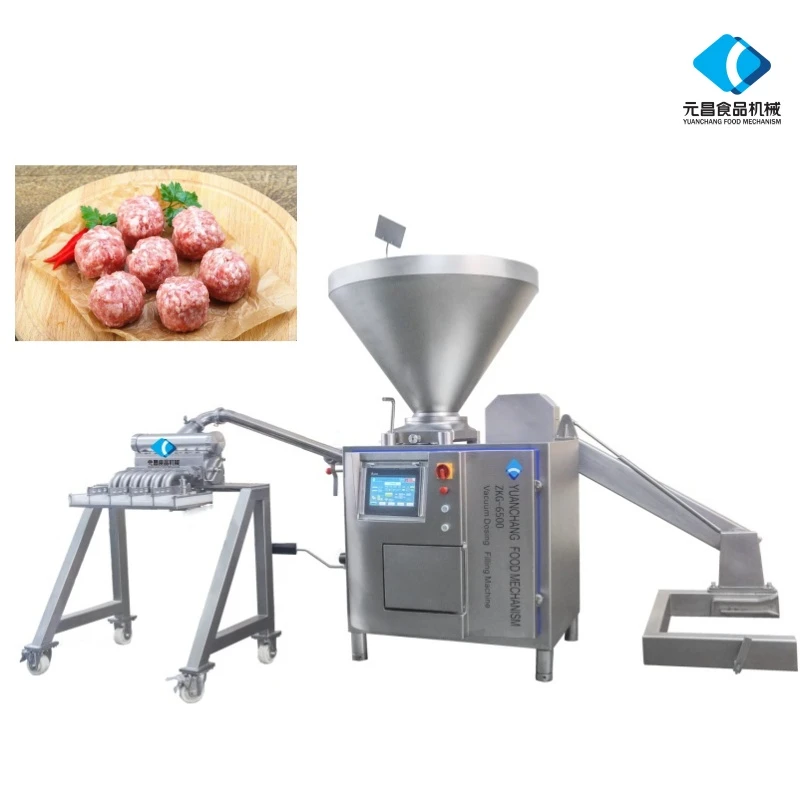
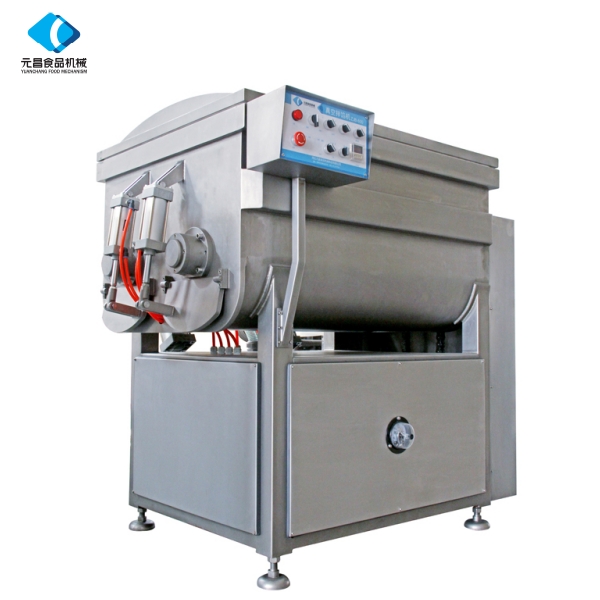
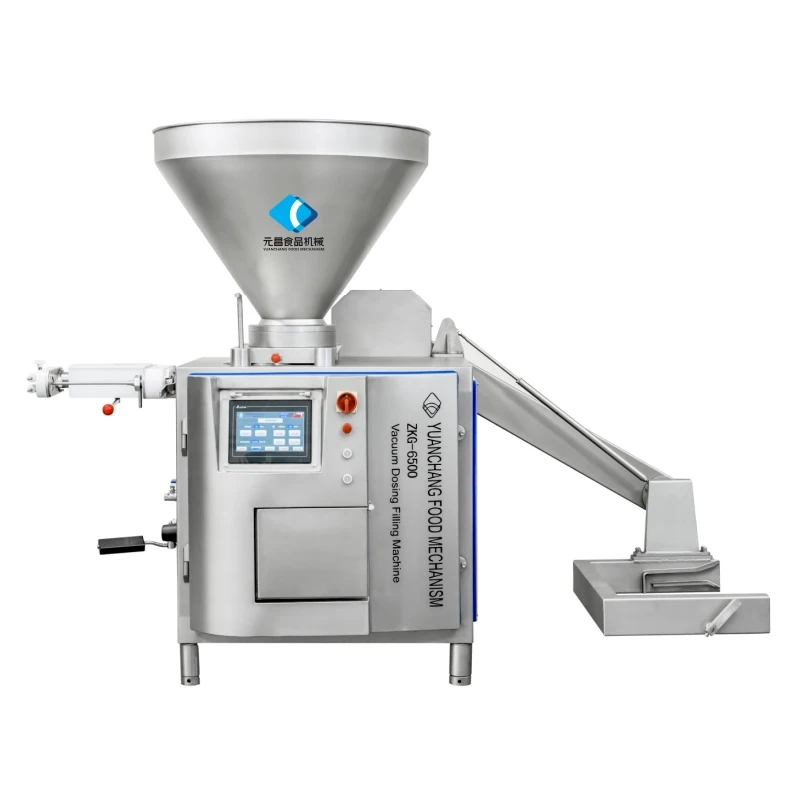
Smokehouse equipment is also integrated into production lines with other machinery, such as grinders, mixers, stuffers, and packaging systems. By combining these processes, industrial facilities can streamline production, reduce labor requirements, and maintain high throughput. Modern industrial smokehouse systems can handle continuous production, allowing for round-the-clock operations without compromising product quality.
Furthermore, commercial smokehouse equipment is suitable for specialty and artisanal smoked products, providing flexibility for small-batch runs in addition to large-scale industrial production. Adjustable settings, programmable cycles, and multi-level racks allow producers to experiment with flavor profiles, wood types, and smoking techniques, catering to both mass-market and niche products.
In industrial food processing, smoke house machine, industrial smokehouse, smoke house equipment, commercial smokehouse equipment, and smokehouse equipment are essential for producing high-quality smoked products efficiently and safely. These machines provide precise control over smoking conditions, improve production efficiency, enhance hygiene, and ensure consistent product quality.
By investing in modern industrial smokehouse systems and commercial smokehouse equipment, food processors can maintain high standards in flavor, texture, and preservation, meeting both regulatory requirements and consumer expectations. Whether for large-scale meat production or specialty artisanal products, smokehouse equipment plays a critical role in modern industrial food processing, enabling companies to deliver premium smoked products reliably and efficiently.
-
The Role of Smoke House Technology in Modern Meat Processing IndustryNewsApr.08,2026
-
The Role of Frozen Meat Slicing Machines in Modern Meat Processing IndustryNewsApr.08,2026
-
The Importance of Meat Dicing and Cutting Machines in Modern Meat ProcessingNewsApr.08,2026
-
The Essential Role of Meat Grinding Technology in Modern Meat Processing IndustryNewsApr.08,2026
-
Advancements in Meat Processing Equipment: The Role of Vacuum Stuffers and Filling MachinesNewsApr.08,2026
-
Vacuum Bowl Cutter ZKZB-125-Hebei Yuanchang|Vacuum Processing&Stainless Steel ConstructionNewsMar.16,2026