


Comprehensive Guide to Sausage Production Equipment and Its Global Impact
Sausage Production Equipment: The Modern Backbone of Meat Processing
When you think about your favorite sausage — whether a neighborhood bratwurst or a delicately spiced chorizo — you might not immediately imagine the machinery behind it. Yet, sausage production equipment is critical globally, not only shaping how we get these tasty proteins but also influencing food safety, efficiency, and scalability in the meat industry.
Understanding sausage production equipment matters because, frankly, it touches multiple layers: economic growth, food sustainability, hygiene, and innovation. The quality and design of this equipment determine how well producers can meet increasing demand while ensuring consistent product standards. Curious? Let’s dive into why this topic holds weight worldwide and what makes the technology so pivotal.
Global Context: Why Sausage Production Equipment Matters Today
The global meat processing industry is expected to grow steadily. According to the Food and Agriculture Organization (FAO), worldwide meat production surpassed 340 million tonnes in recent years, and processed meat products like sausages represent a significant chunk of that volume. It’s a booming market. This growth drives demand for efficient sausage production equipment that can handle high throughput while preserving safety and quality standards.
However, challenges remain — like managing hygiene in large-scale production, reducing waste, and meeting diverse consumer preferences. Sausage production equipment helps bridge those gaps by automating essential steps, increasing speed, and ensuring consistency.
What Exactly is Sausage Production Equipment?
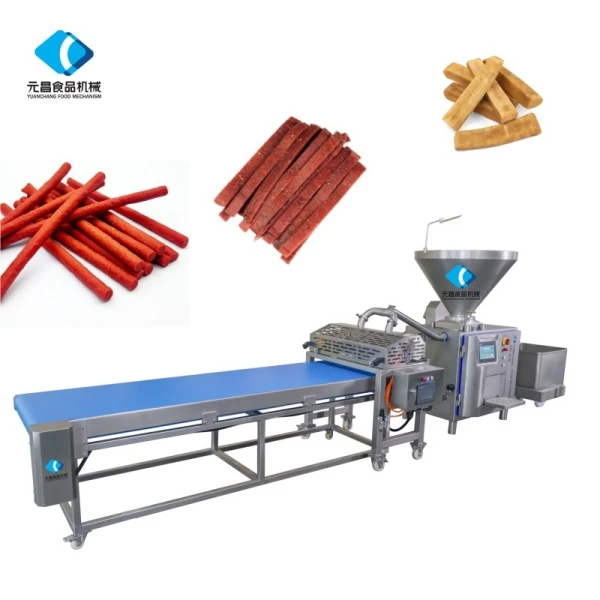
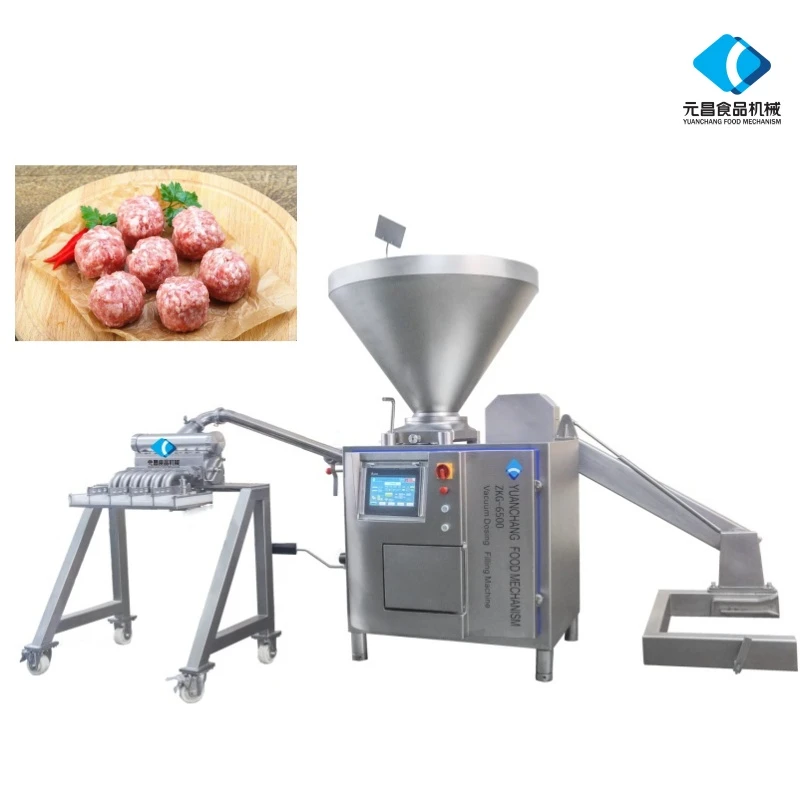
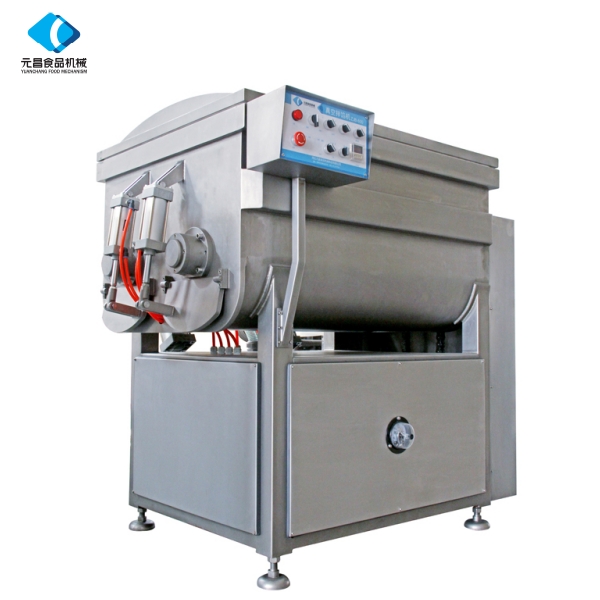
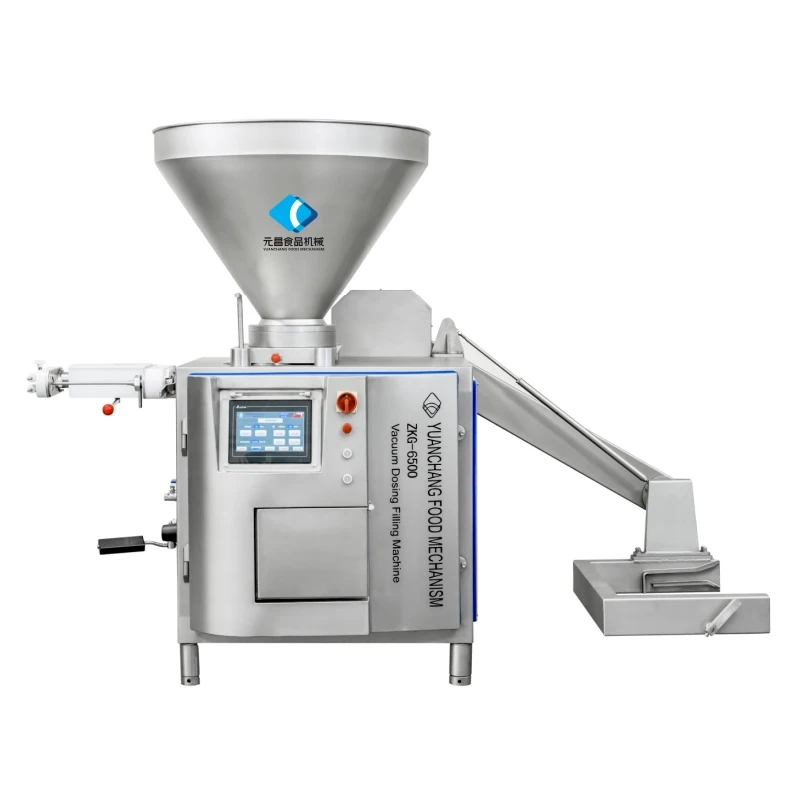
Put plainly, sausage production equipment refers to the specialized machines designed to automate or assist in the manufacturing of sausages. This includes everything from meat grinders and mixers to stuffers, casings fillers, and linking machines. It’s a bundle of technologies that turn raw meat into that perfectly packed, ready-to-cook sausage form.
Beyond industry use, this equipment also plays a humanitarian role in food supply chains, supporting reliable protein sources in developing regions or disaster relief operations where safe meat preparation is critical. So it’s not just about volume—it’s about delivering quality food consistently and safely.
Core Components & Key Factors in Sausage Production Equipment
1. Durability
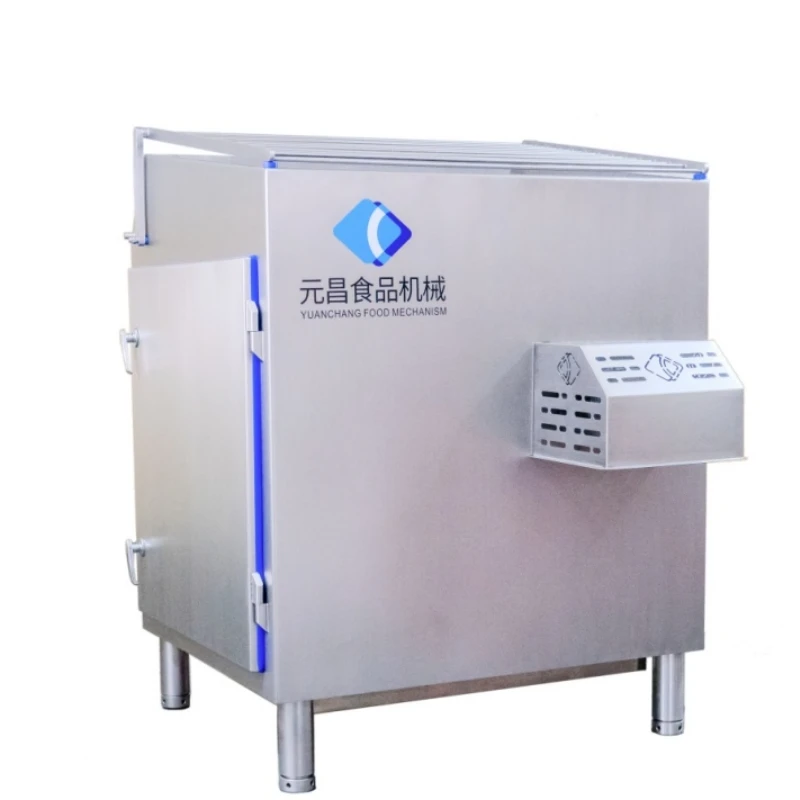
These machines often work in tough industrial environments. Stainless steel builds and corrosion-resistant parts are necessary to withstand cleaning chemicals and continuous production cycles.
2. Scalability
Whether it is a small artisan business or a large factory, equipment needs to scale capacity easily. Modular designs or adjustable speeds help cater to varying production volumes.
3. Cost Efficiency
Investing in sausage production equipment is capital intensive, so operators look for machines that offer low downtime, minimal maintenance, and efficient energy consumption.
4. Hygiene & Food Safety
Compliance with ISO 22000 and other food safety standards nudges manufacturers towards equipment that’s easy to disassemble and clean without trapping residues.
5. Automation & Precision
Modern equipment employs sensors and programmable logic controllers (PLCs) to ensure precise filling and linking, reducing waste considerably.
Product Specification Snapshot
| Feature | Typical Value / Example |
|---|---|
| Capacity | 500 – 2000 kg/hour |
| Material | Food-grade Stainless Steel (304/316) |
| Automation Level | Semi to Fully Automated with PLC Controls |
| Cleaning | CIP (Clean-In-Place) Capable |
| Power Supply | 220-480V, 3 Phase |
Mini takeaway: From durability to automation, the design of sausage production equipment is intricately tied to practical demands — be it hygiene, productivity, or operational cost.
Where Sausage Production Equipment Comes to Life Around the World
In Europe, particularly Germany and Italy, where traditional sausage varieties are a cultural staple, sophisticated sausage production equipment supports not only large-scale producers but also artisanal workshops striving for consistency amidst tradition.
North America has a booming sausage market with a focus on innovation — integrating automation and safety in meat processing plants. Meanwhile, emerging economies in Asia and Africa utilize versatile, often smaller-scale equipment to boost local protein production and improve food security.
Oddly enough, in disaster relief zones or remote industrial sites, portable or fast-deployable sausage production units help provide fresh protein sources quickly – an often overlooked yet critical application.
Comparing Key Vendors in Sausage Production Equipment
| Vendor | Automation Level | Price Range (USD) | Warranty | USP |
|---|---|---|---|---|
| MeatMach Corp. | Full Automation | $150,000 – $350,000 | 3 years | Highly customizable, IoT-ready |
| SausagePro Systems | Semi-Automated | $80,000 – $180,000 | 2 years | User-friendly, compact footprint |
| GlobalMeat Tech | Manual to Semi-Automated | $40,000 – $100,000 | 1 year | Budget-friendly, easy maintenance |
Mini takeaway: Picking the right equipment vendor depends on production needs, budget constraints, and desired automation — there’s no one-size-fits-all.
Why Invest in the Right Sausage Production Equipment? Advantages & Long-Term Value
- Cost Savings: Efficient automation leads to less waste and lower labor expenses.
- Food Safety: Designed for hygiene, these machines minimize contamination risks, critical for consumer safety.
- Sustainability: Newer models focus on energy conservation and less material waste.
- Consistency & Quality: Precision controls ensure every batch meets taste and texture expectations.
On a softer note, operators often talk about peace of mind — knowing their machines won’t unexpectedly break down during peak hours, and that they are aligning with food safety regulations that protect public health. It feels like a hidden but crucial trust between producer and consumer.
Looking Ahead: Future Trends in Sausage Production Equipment
The future is, unsurprisingly, digital and green— automation is becoming smarter, with AI-powered sensors predicting maintenance needs, reducing downtime. Sustainability-driven designs integrate renewable energy sources and biodegradable casing technologies.
There is also a push for more versatile machines that can switch quickly between different sausage types or incorporate plant-based alternatives — responding to changing consumer diets.
Challenges & Expert Solutions
Common hurdles include expensive upfront costs, complexities in maintenance, and adapting equipment for varied regional needs. But innovations like modular machine parts and better vendor support are increasingly addressing these issues.
FAQs about Sausage Production Equipment
Q1: How do I choose the right sausage production equipment for my business size?
A1: Consider your production volume, budget, and desired automation level first. Smaller businesses may prefer semi-automated or modular equipment for flexibility, while large-scale producers usually invest in full automation for efficiency.
Q2: What maintenance is required to keep sausage production equipment hygienic?
A2: Regular cleaning using CIP (Clean-In-Place) systems is essential, along with routine checks for worn parts. Follow manufacturer guidelines closely to reduce contamination risks and extend machine life.
Q3: Can sausage production equipment handle different casing sizes and sausage varieties?
A3: Modern machines often offer adjustable settings and quick-change parts to accommodate various casing diameters and sausage types. Always verify specs with your supplier to ensure compatibility.
Q4: Is automation worth the investment in regions with cheaper labor?
A4: Automation can still prove cost-effective due to improved consistency, higher throughput, and better food safety compliance, which may offset initial expenses over time.
Conclusion: Embracing Sausage Production Equipment for Lasting Impact
Sausage production equipment is no longer just the “meat grinder” behind the scenes — it’s a sophisticated, vital technology shaping food systems globally. From boosting productivity and safety to supporting evolving consumer preferences and sustainability goals, these machines are a cornerstone of modern meat processing.
If you want to explore state-of-the-art sausage production equipment that fits your business ambitions perfectly, take a look at trusted suppliers offering tailored solutions designed to last and perform.
Mini takeaway: Whether you’re a small producer or a global processor, investing in reliable and flexible sausage production equipment pays dividends far beyond just the final product.
References
-
Efficient Meat Cubing Machine for Industrial Meat ProcessingNewsDec.09,2025
-
Meat Cube Cutter Machine – Efficient and Precise Meat Processing EquipmentNewsDec.09,2025
-
Machine Used To Cut Meat | High Performance Meat Cutting Machines for IndustryNewsDec.09,2025
-
Machine That Cuts Meat – Efficient, Durable Meat Processing Solutions for B2BNewsDec.09,2025
-
Machine Meat Cutter: Global Importance, Benefits & Future Trends ExplainedNewsDec.08,2025
-
Durable Machine Cut Meat Slicer for Industrial Efficiency | YC Meat MechNewsDec.08,2025