Apr . 21, 2026 15:46 Back to list

Advanced Meat Processing Solutions for New Zealand's vacuum bowl chopper Industry

Advanced Meat Processing Solutions for New Zealand's vacuum bowl chopper Industry

Precision-engineered machinery designed to meet the rigorous food safety and quality standards of the New Zealand meat export and domestic markets.

Advanced Meat Processing Solutions for New Zealand's vacuum bowl chopper Industry

Providing high-efficiency automation and precision cutting tools to elevate the production capacity of New Zealand's premium sausage and cured meat manufacturers.

{Product List Placeholder 1}

The Current State of Meat Machinery in New Zealand

Analyzing the intersection of strict MPI regulations and the demand for artisan quality.

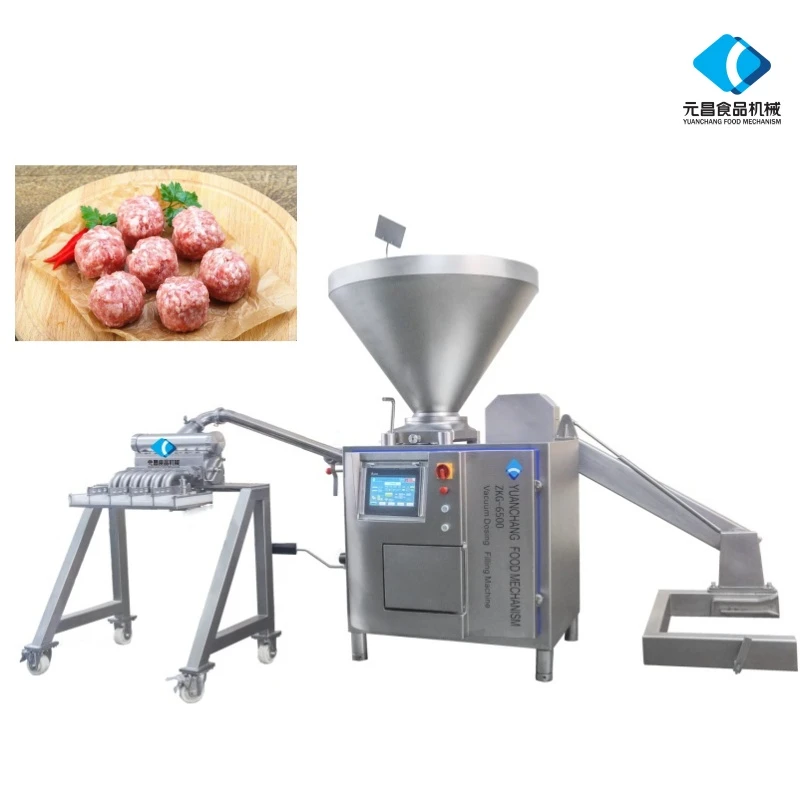
New Zealand's meat industry is characterized by a strong focus on "clean and green" branding, requiring equipment that ensures absolute hygiene. The adoption of the meat filling machine has become essential for local producers who need to maintain consistency across high-value organic product lines while adhering to strict Ministry for Primary Industries (MPI) standards.

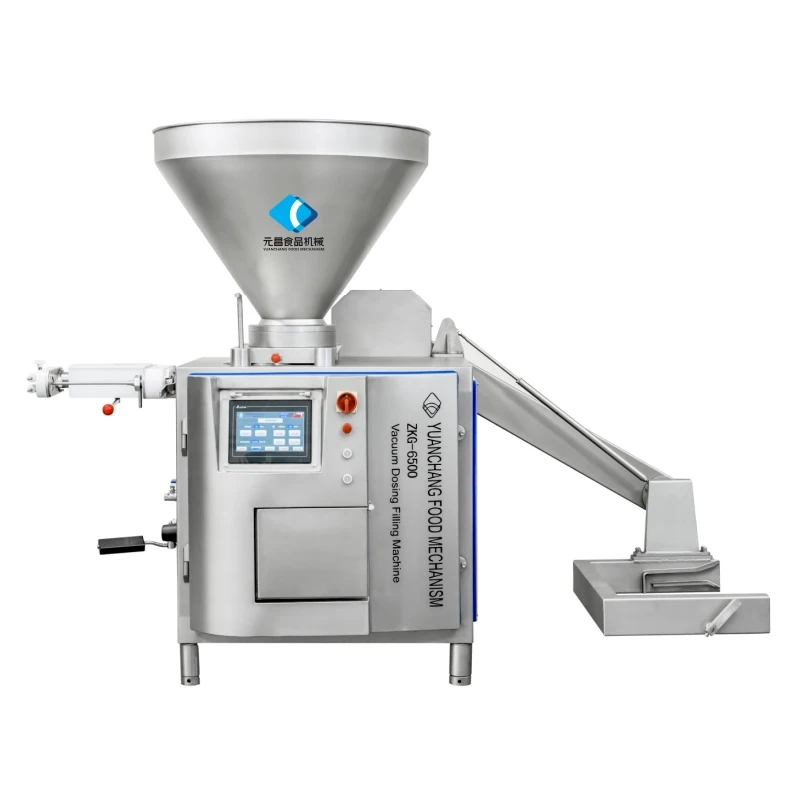
Due to the geographical isolation and high labor costs in Oceania, there is a significant shift toward automation. Many boutique processors are upgrading from manual stuffing to the vacuum sausage stuffer to reduce air pockets and extend shelf life, which is critical for both domestic distribution and export logistics.

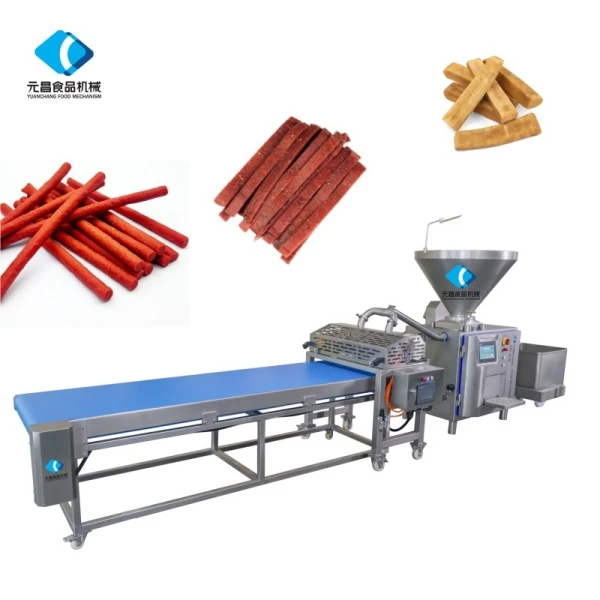
Furthermore, the trend toward gourmet, value-added meat products has increased the demand for precision. The use of a professional sausage cutting machine allows New Zealand producers to achieve uniform portions, reducing waste and increasing the profitability of high-cost raw materials like grass-fed beef and lamb.
Technical Evolution and Development Trajectory

From traditional smokehouses to digitized vacuum processing.

Market Development History

In the early 2000s, the New Zealand market relied heavily on traditional, manually operated equipment and basic thermal processing. The smoke house machine was primarily a simple heating chamber with limited humidity control, focusing on traditional curing methods passed down through generations.

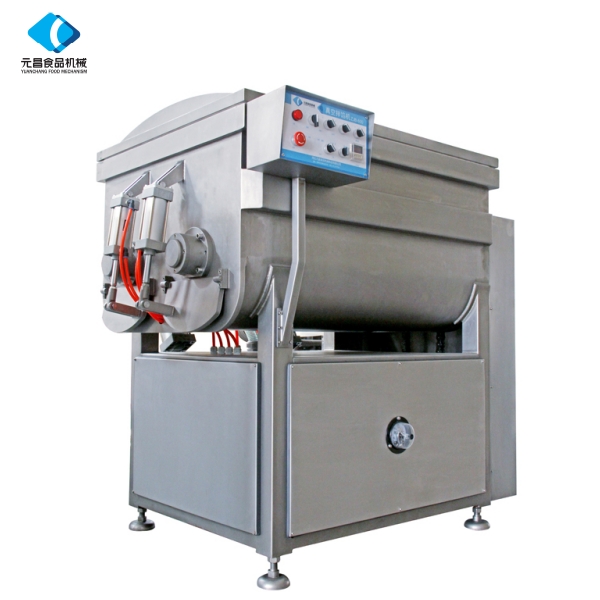
Between 2010 and 2020, a technological pivot occurred as the industry moved toward "Precision Processing." The introduction of vacuum technology transformed emulsification; the transition to the vacuum bowl chopper allowed producers to achieve superior texture and color by removing oxygen during the chopping process, significantly improving the sensory quality of premium sausages.

Currently, the market has entered the era of Integrated Automation. Modern facilities now sync their filling and cutting stages, ensuring a seamless flow from raw material preparation to final packaging, minimizing human contact and maximizing throughput.

Future Development Trends

Smart Sensor Integration

Integration of IoT sensors to monitor temperature and pressure in real-time, ensuring every batch meets New Zealand's strict export quality benchmarks.

Sustainable Energy Consumption

Development of energy-efficient heating elements in smoking and drying equipment to reduce the carbon footprint of meat processing plants.

Hyper-Customization of Portions

AI-driven cutting systems that adjust blade speed and pressure based on the meat density to ensure zero-waste portioning.

Industry Trends and Future Outlook

Strategic projections for the meat machinery sector in the Oceania region.

Vacuum Technology Dominance
Shift toward total vacuum environments to eliminate oxidation and extend the freshness of New Zealand's high-protein exports.
Automated Portion Control
Increased reliance on high-speed cutting automation to reduce labor overhead and ensure retail packaging consistency.
Eco-Friendly Curing
Next-gen smokehouse systems focusing on reduced emissions and precision humidity to meet environmental goals.
Modular System Design
Transition toward modular processing lines that allow New Zealand producers to scale production quickly.

Industry Outlook

Over the next 3-5 years, Google search trends for "automated meat processing" and "industrial food hygiene" in the Oceania region suggest a move toward fully integrated digital plants. The emphasis is shifting from simple output to "quality-per-unit," where every gram of meat is tracked and processed with minimal thermal stress.

We expect to see a surge in the integration of AI-driven recipe management within the smoke house machine and vacuum systems, allowing for remote monitoring and automatic adjustment of curing cycles to ensure absolute consistency across different seasonal raw material qualities.

Localized Application Scenarios in New Zealand

Practical implementations across various NZ meat processing sectors.

01. Premium Grass-Fed Lamb Sausage Production

Utilizing the vacuum bowl chopper to maintain the natural color and nutrient profile of New Zealand lamb, ensuring a high-end texture for luxury export markets.

02. Artisan Cured Meats in Otago/Canterbury

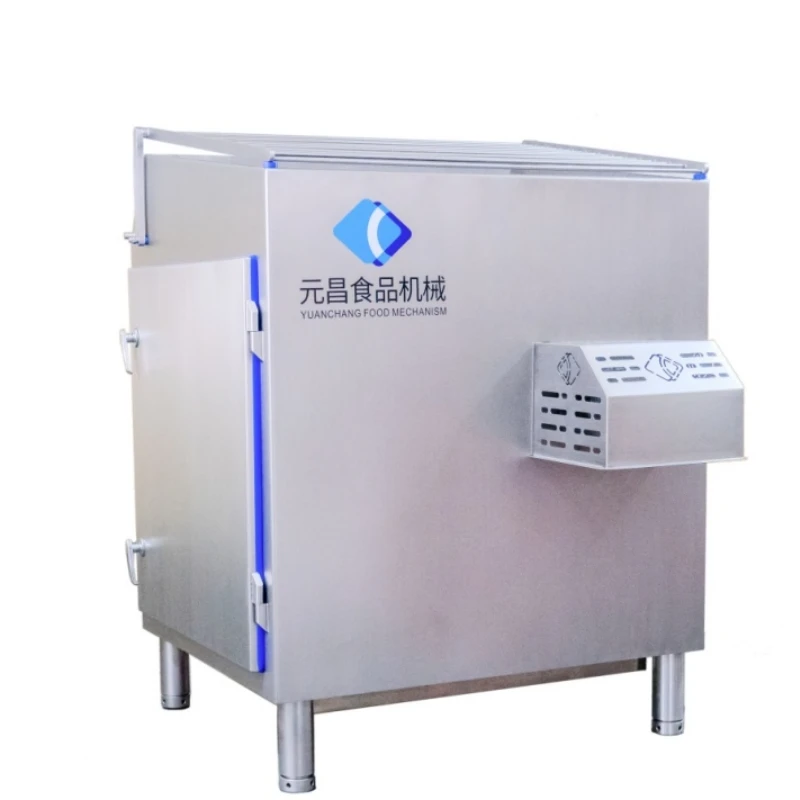
Implementing a precision smoke house machine to replicate traditional European curing styles while meeting modern NZ food safety laws.

03. High-Volume Beef Frankfurter Lines

Integrating a heavy-duty meat filling machine to handle high-viscosity emulsions, maximizing output for supermarket distribution across Auckland and Wellington.

04. Boutique Gourmet Salami Workshops

Using a vacuum sausage stuffer to ensure zero air pockets in fermented sausages, preventing spoilage during the long curing process.

05. Commercial Meat Packing Facilities

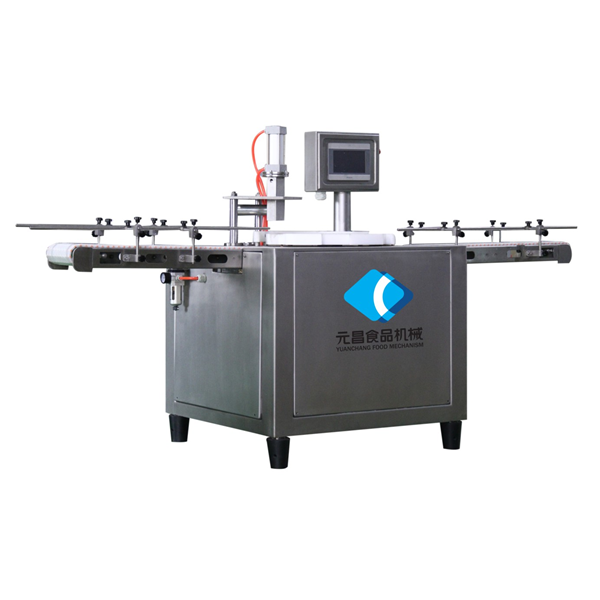
Deploying a sausage cutting machine to achieve exact millimetric precision for pre-packaged cocktail sausages, reducing product giveaway.

Brand Story

Global Development Journey of Hebei Yuanchang Food Machinery Technology Co., Ltd.

Foundational Engineering

Established with a mission to solve the instability of meat emulsification, we focused on the core physics of vacuum chopping and filling.

Technological Breakthroughs

Developed proprietary vacuum seals and precision cutting blades that reduced meat waste by 15% for our early industrial partners.

Global Market Expansion

Expanded our footprint into Oceania, tailoring our machinery to meet the rigorous hygiene and energy standards of New Zealand and Australia.

Quality Certification Era

Achieved international safety certifications, ensuring our equipment integrates seamlessly into MPI-approved facilities.

Vision for the Future

Leading the transition toward "Green Meat Processing" through energy-efficient automation and AI-driven precision.

Complete Meat Processing Portfolio for New Zealand

From raw material preparation to final smoke-cured products, we provide the full spectrum of industrial equipment.

{Product List Placeholder 2}

New Zealand Meat Machinery FAQs

Expert answers to the most common technical queries from local processors.

How does a vacuum sausage stuffer improve product shelf life in NZ?

By removing air from the meat emulsion during the filling process, it eliminates oxygen pockets that cause oxidative rancidity and aerobic bacterial growth, which is crucial for the New Zealand climate and export durations.

What is the capacity of a professional vacuum bowl chopper for boutique producers?

We offer a range from 20L to 300L, allowing small New Zealand artisan producers to start with low-volume, high-precision batches while maintaining the ability to scale up.

Can a sausage cutting machine handle different casing types used in Oceania?

Yes, our cutting systems are adjustable to handle natural lamb, hog, and collagen casings, ensuring a clean cut without crushing the product regardless of the casing diameter.

Is the smoke house machine compliant with NZ environmental emissions laws?

Our modern smokehouses feature advanced filtration and precise temperature control to minimize emissions and energy waste, aligning with New Zealand's strict environmental guidelines.

How often should a meat filling machine be calibrated for weight accuracy?

For high-precision retail packaging in New Zealand, we recommend a weekly calibration check and a full professional service every six months to ensure consistent portioning.

Which machine is best for creating a fine emulsion for frankfurters?

The vacuum bowl chopper is the ideal choice, as it combines high-speed cutting with air removal to create a smooth, stable emulsion with superior binding properties.

Ready to Optimize Your Production Line?

Contact our engineering team today for a customized meat processing solution tailored to the unique requirements of New Zealand.

Contact Us Now
Share


Previous:
Next:
Latest news

If you are interested in our products, you can choose to leave your information here, and we will be in touch with you shortly.