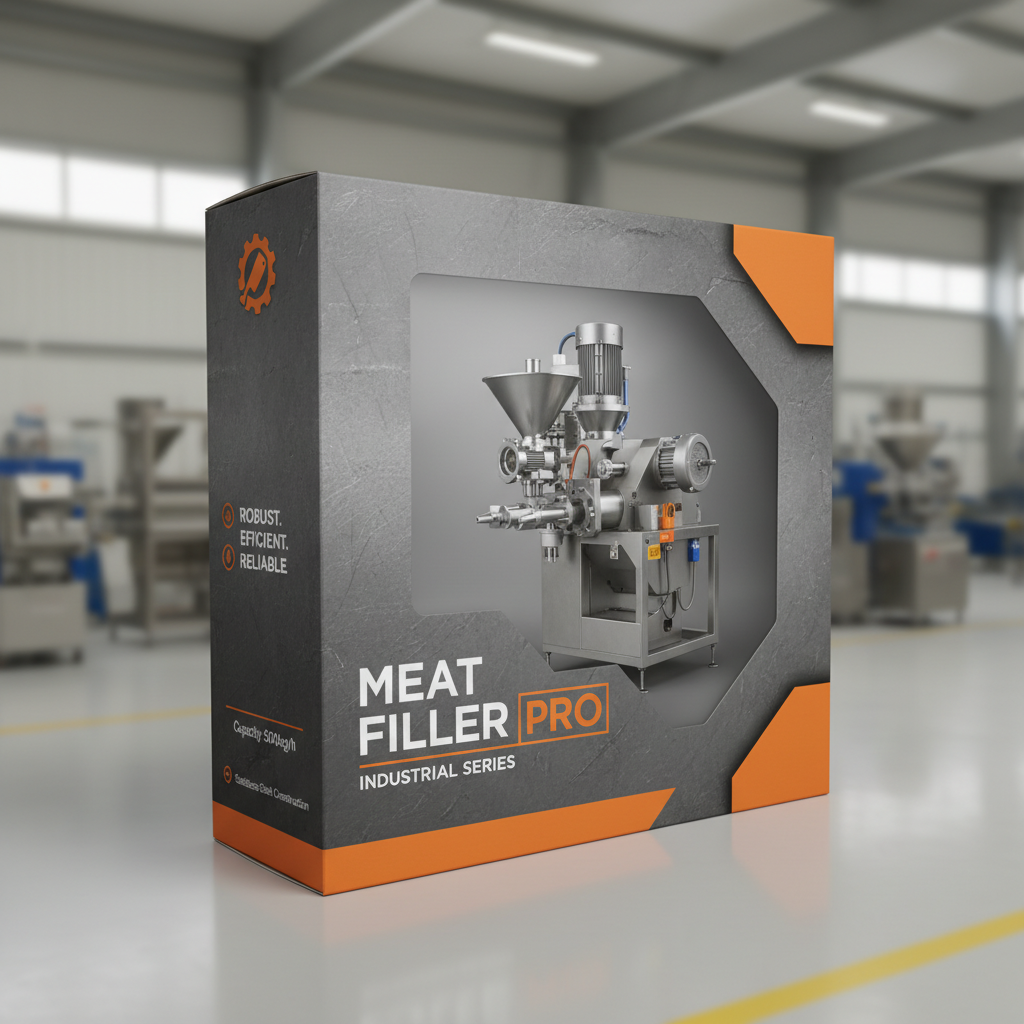
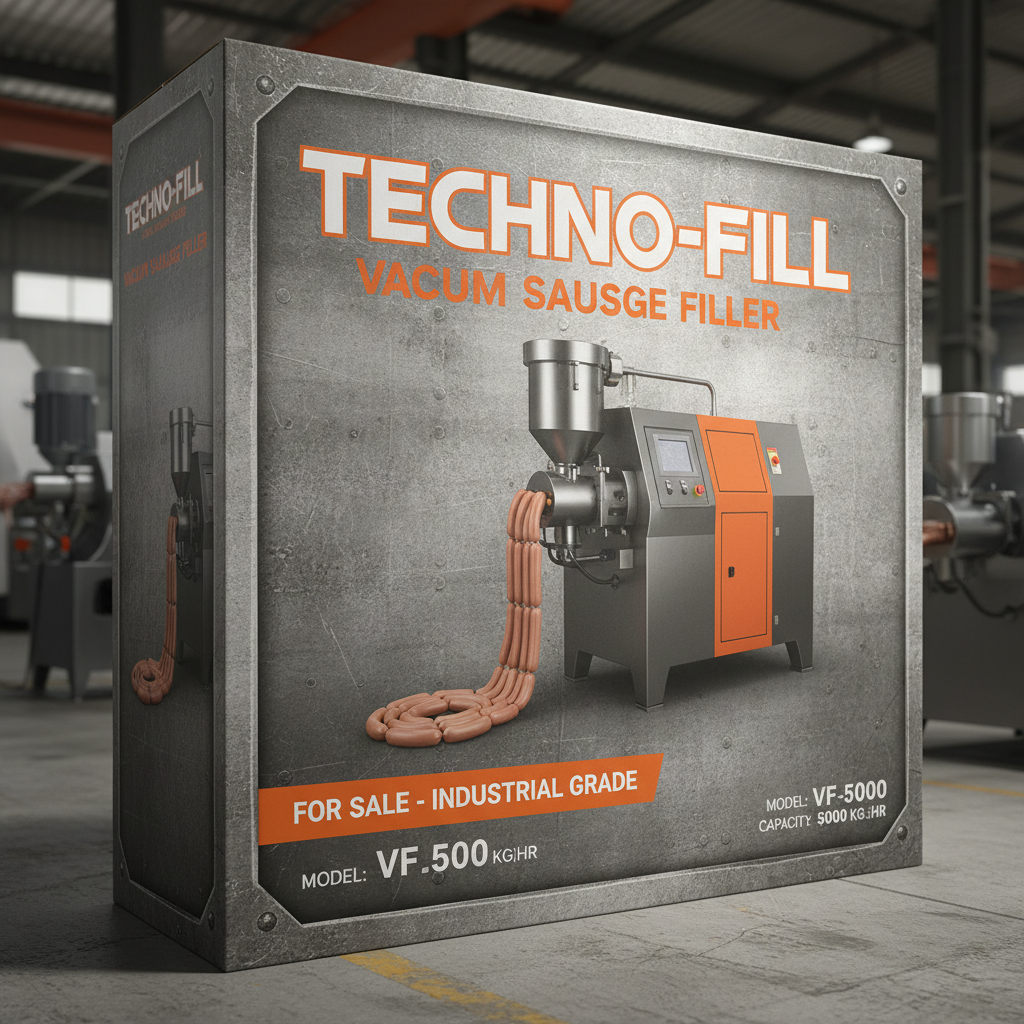
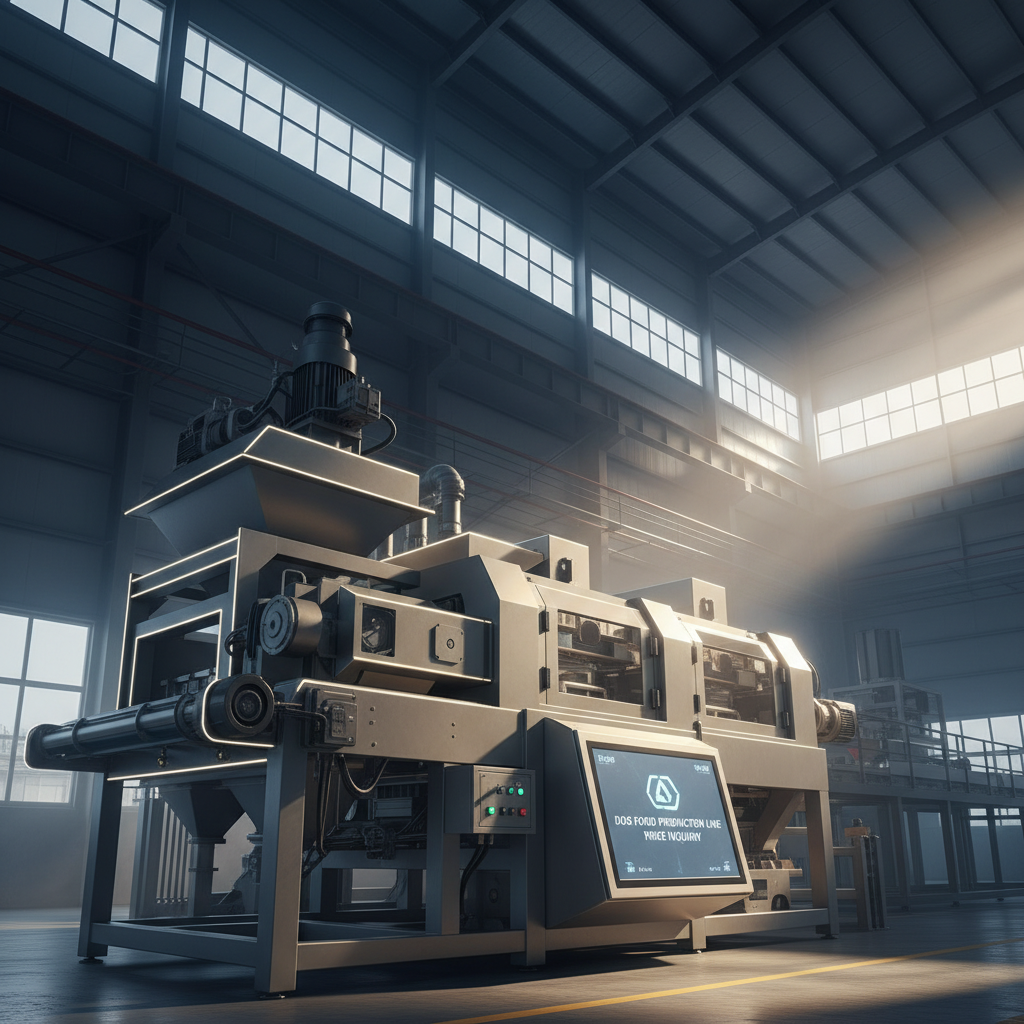
The global food industry relies heavily on efficient and hygienic processing equipment, and the meat filling machine stands as a cornerstone of that efficiency. From small-scale butcheries to large-scale processing plants, these machines are integral to the production of a vast array of meat products, impacting both food security and economic growth worldwide. Understanding the nuances of meat filling machinery, its advancements, and its potential is crucial for stakeholders across the food supply chain.
The demand for processed meats continues to rise globally, driven by changing consumer lifestyles and increasing urbanization. This growth necessitates continuous innovation in meat filling machine technology to meet stringent quality standards, optimize production throughput, and minimize waste. Furthermore, advancements in materials science and automation are reshaping the industry, offering opportunities for greater precision and reduced labor costs.
Investing in understanding the capabilities and future trends of meat filling machines isn’t simply about adopting new equipment; it’s about future-proofing your operations, ensuring product safety, and responding effectively to evolving market demands. The benefits extend beyond immediate production gains, impacting sustainability and brand reputation.
The Fundamentals of Meat Filling Machine
At its core, a meat filling machine is designed to accurately and efficiently deposit meat mixtures into casings, molds, or packaging. The primary goal is to create consistent product weight, shape, and texture, vital for both consumer satisfaction and automated processing downstream. These machines range in complexity from simple manual devices to fully automated systems capable of handling high-volume production.
The selection of the appropriate meat filling machine depends largely on the specific application, product type (e.g., sausages, patties, stuffed meats), and production volume. Understanding the different filling principles – such as piston, pump, or gravity feed – is critical to achieving optimal results and maintaining product quality.
Defining the Meat Filling Machine
A meat filling machine is a specialized piece of food processing equipment utilized to precisely fill meat products into various containers, including natural or synthetic casings, molds for patties, or directly into packaging. It’s a critical component in the production of sausages, hamburgers, meat pies, stuffed poultry, and a multitude of other processed meat items.
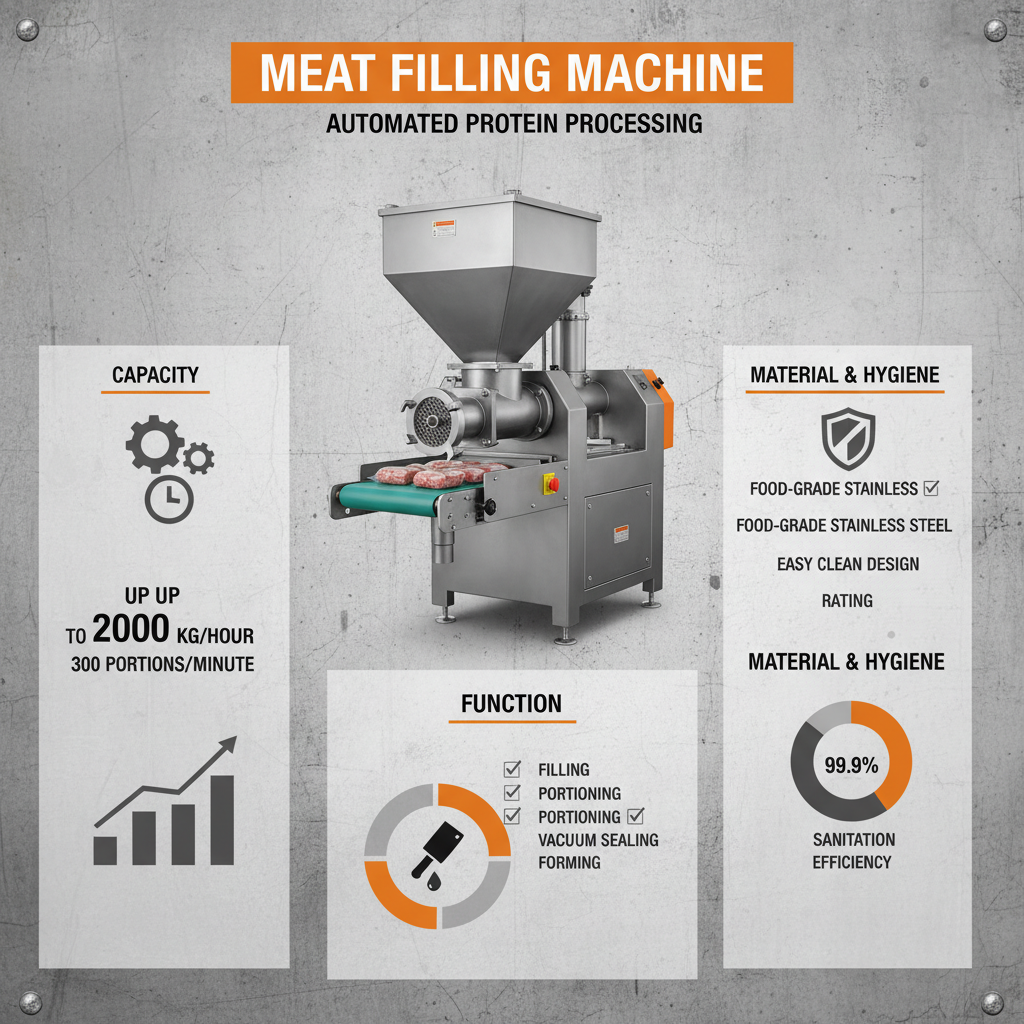
The evolution of these machines reflects advancements in hygiene standards and automation. Modern meat filling machines are often constructed from stainless steel for easy sanitation and feature automated controls for precise portioning and consistent product quality. They directly contribute to minimizing manual handling, reducing contamination risks, and increasing throughput.
Connecting to modern industry, meat filling machine technology isn’t just about food production. It’s integrated with quality control systems, data analytics for production optimization, and increasingly, with predictive maintenance programs to minimize downtime and maximize equipment lifespan.
Key Factors in Meat Filling Machine Selection
When selecting a meat filling machine, several key factors must be considered. Durability is paramount, as these machines operate in demanding environments and require robust construction to withstand continuous use. Stainless steel construction, high-quality components, and proper sealing are essential for longevity.
Scalability is another critical aspect. A machine’s capacity should align with current production needs but also accommodate future growth. Modular designs and adjustable settings allow for flexibility and adaptation as your business expands. Consider the ability to integrate the machine into a larger automated production line.
Cost Efficiency, encompassing both initial investment and long-term operating costs, is a significant factor. Energy-efficient models, low-maintenance designs, and readily available replacement parts contribute to reduced total cost of ownership. Automated features can also lower labor costs and improve overall productivity. Finally, Hygienic Design ensures compliance with food safety regulations.
Global Applications of Meat Filling Machines
The application of meat filling machines spans a diverse range of industries and regions globally. In Europe and North America, large-scale meat processing plants utilize high-volume automated machines for mass production of sausages, hot dogs, and pre-cooked meat products. These facilities often integrate the filling machines with other automated equipment like mixers, grinders, and packaging systems.
In developing countries, smaller butcheries and meat processing facilities often rely on semi-automatic or manual meat filling machines to produce a variety of traditional meat products. These machines offer a balance between affordability and efficiency, enabling local businesses to meet growing consumer demand.
Furthermore, in regions with limited access to refrigeration, the ability to efficiently fill and seal meat products is crucial for extending shelf life and preventing spoilage. Meat filling machines contribute to food security by enabling the preservation and distribution of meat products to remote areas.
Meat Filling Machine Performance Comparison
Advantages and Long-Term Value
Investing in a high-quality meat filling machine delivers tangible benefits beyond increased production capacity. Significant cost savings are realized through reduced labor requirements, minimized product waste due to precise filling, and lower energy consumption with modern, efficient designs.
The long-term value also extends to sustainability. Accurate portion control reduces overproduction and subsequent spoilage, aligning with environmental responsibility goals. Furthermore, the use of durable, hygienic materials ensures a longer machine lifespan, decreasing the need for frequent replacements and contributing to a more sustainable manufacturing process.
Future Trends and Innovations
The future of meat filling machine technology is being shaped by several key trends. Automation, driven by advancements in robotics and artificial intelligence, is leading to the development of fully integrated production lines that require minimal human intervention. This includes automated cleaning and sanitation systems for enhanced hygiene.
Digitalization and data analytics are also playing an increasingly important role. Smart machines equipped with sensors and data collection capabilities provide valuable insights into production performance, allowing for optimized settings, predictive maintenance, and improved quality control. The integration of IIoT (Industrial Internet of Things) is becoming increasingly common.
Challenges and Solutions in Meat Filling
One common challenge in meat filling machine operation is handling variations in meat consistency and texture. Different meat mixtures require specific filling parameters to ensure accurate portioning and prevent clogging. Solutions include adjustable filling pressures, specialized nozzle designs, and automated viscosity control systems.
Another challenge is maintaining hygiene and preventing bacterial contamination. Regular cleaning and sanitation are essential, but can be time-consuming and labor-intensive. Innovative designs incorporating quick-release components and clean-in-place (CIP) systems simplify the cleaning process and reduce downtime.
Finally, adapting to changing packaging formats and consumer demands requires flexible machine designs. Modular systems that can be easily reconfigured to accommodate different casing types and product sizes are becoming increasingly popular.
Summary of Common Challenges and Solutions in Meat Filling Machine Operation
| Challenge |
Impact on Production |
Potential Solution |
Implementation Cost (1-10) |
| Meat Consistency Variations |
Inaccurate Filling, Clogging |
Adjustable Filling Pressure & Nozzles |
3 |
| Hygiene & Contamination |
Product Recall, Health Risks |
CIP Systems, Stainless Steel Design |
6 |
| Packaging Format Changes |
Production Downtime, Limited Flexibility |
Modular Machine Designs |
5 |
| Manual Cleaning Requirements |
Increased Labor Costs, Sanitation Risks |
Automated Cleaning Cycles |
7 |
| Downtime & Maintenance |
Lost Production, Increased Costs |
Predictive Maintenance Systems |
4 |
| Operator Training |
Inconsistent Operation, Errors |
User-Friendly Interfaces, Training Programs |
2 |
FAQS
Piston fillers are ideal for products with high viscosity or containing solids, operating on a positive displacement principle. They provide accurate portioning but may be slower. Pump fillers, conversely, are better suited for liquid or semi-liquid products and offer higher speed and consistent filling. The choice depends on the specific product characteristics and production volume.
Regular and thorough cleaning is paramount. Disassemble components frequently for cleaning, utilizing food-grade sanitizers. Implement a strict cleaning schedule and follow manufacturer’s recommendations. Consider machines with CIP (Clean-in-Place) systems for automated sanitation. Proper training for operators on hygiene protocols is also essential.
Regular maintenance includes lubricating moving parts, inspecting seals and gaskets for wear, checking electrical connections, and calibrating filling volumes. Implement a preventative maintenance schedule and keep a log of all maintenance activities. Address any issues promptly to avoid costly downtime.
Yes, many meat filling machines are designed to accommodate various casing types, including natural, collagen, cellulose, and plastic casings. Some machines require tool changes or adjustments to optimize filling for specific casing materials. Ensure the machine is configured correctly for the chosen casing.
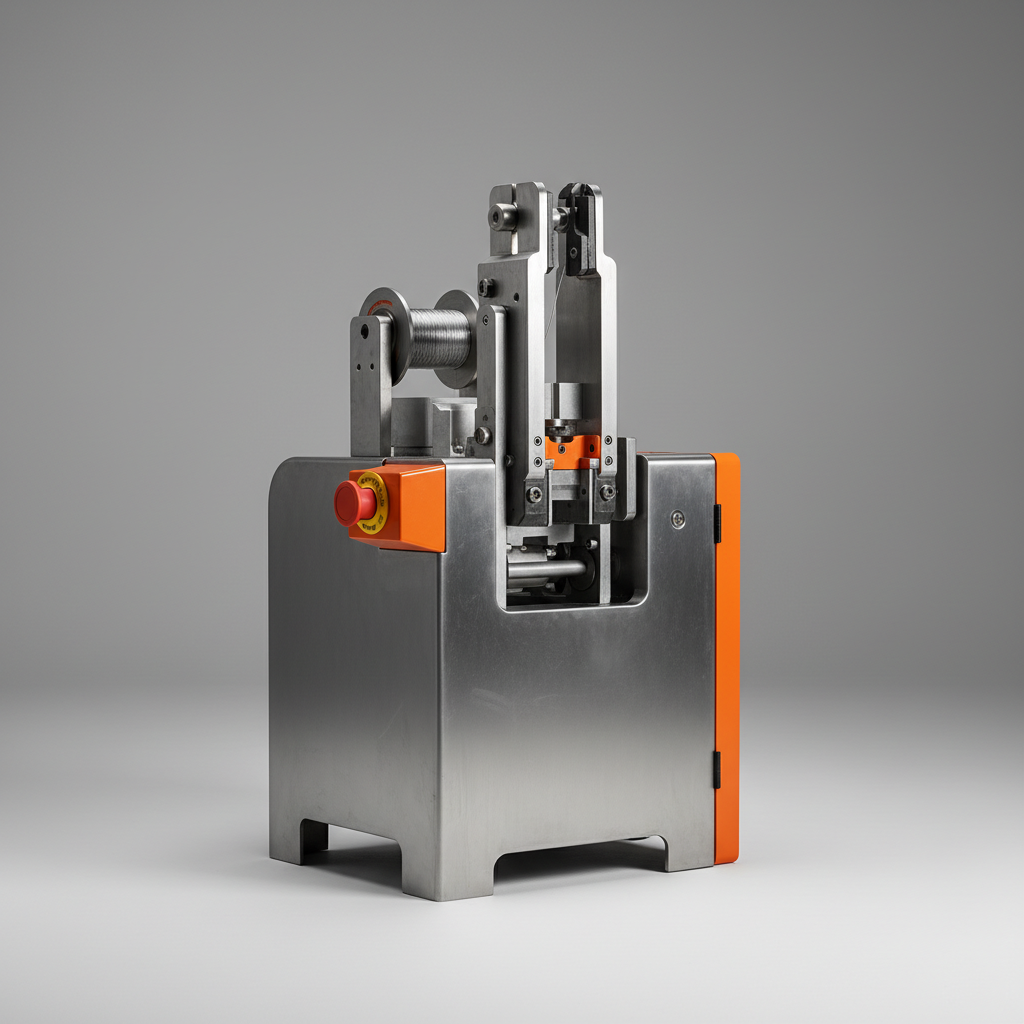
Essential safety features include emergency stop buttons, safety guards around moving parts, overload protection, and interlocks that prevent operation when components are not properly assembled. Ensure the machine complies with relevant safety standards and provide adequate training to operators.
With proper maintenance and care, a high-quality meat filling machine can have a lifespan of 10-20 years or even longer. Regular inspections, timely repairs, and adherence to manufacturer’s recommendations are crucial for maximizing the machine’s longevity and minimizing downtime.
Conclusion
In conclusion, the meat filling machine represents a vital component of the modern food processing industry. Its evolution has been driven by a need for increased efficiency, enhanced hygiene, and consistent product quality. Understanding the key factors influencing machine selection, exploring the latest innovations, and addressing common challenges are crucial for optimizing production processes and ensuring long-term success.
Looking ahead, advancements in automation, data analytics, and sustainable manufacturing practices will continue to reshape the landscape of meat filling technology. Investing in these innovations will not only improve operational efficiency but also contribute to a more sustainable and resilient food supply chain. Visit our website at www.ycmeatmech.com to explore our range of meat filling solutions and learn how we can help you optimize your production processes.