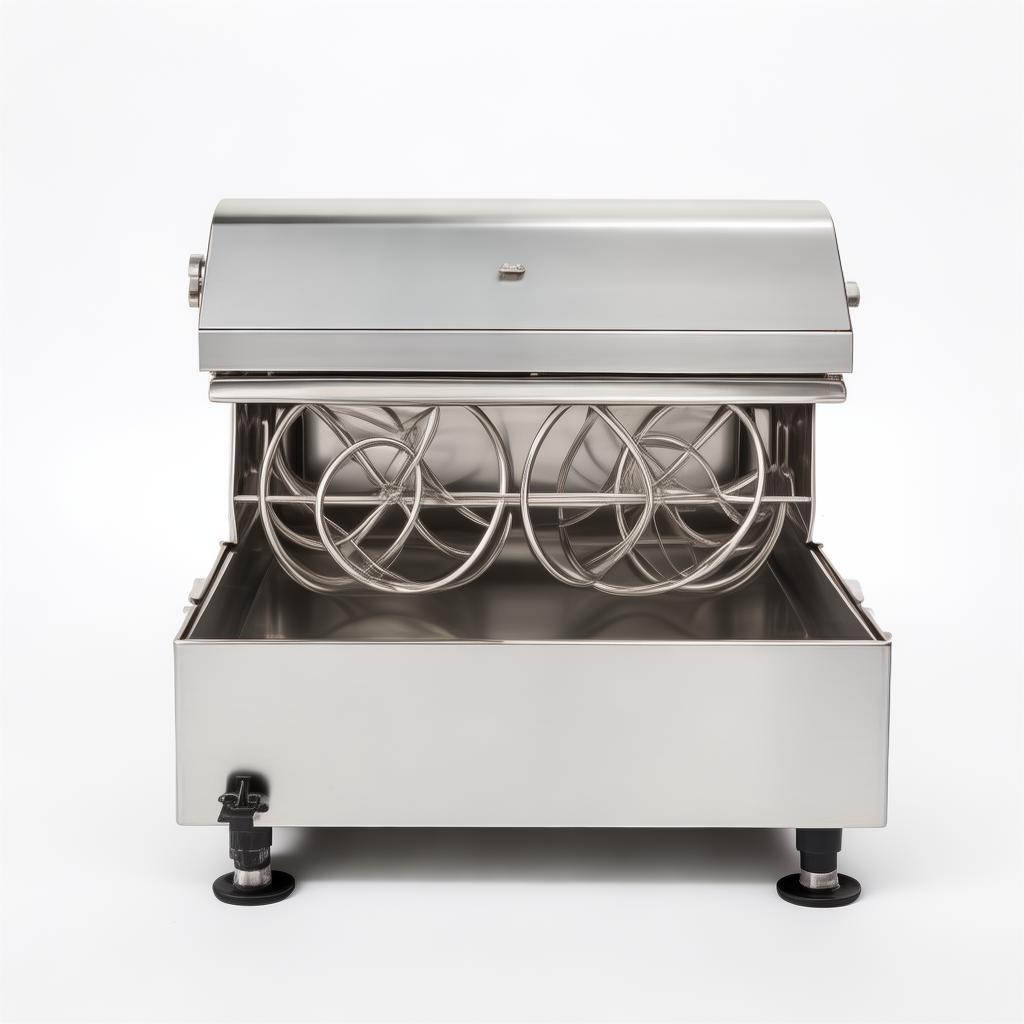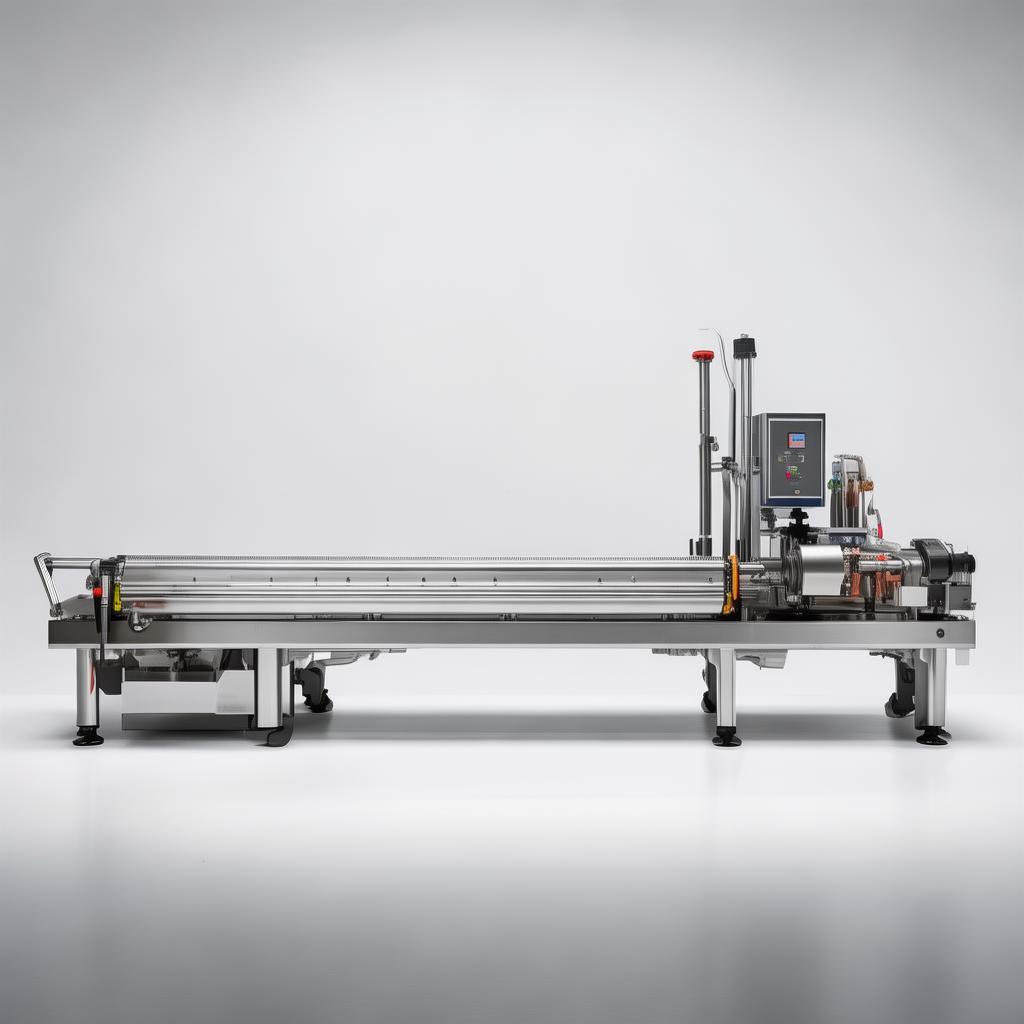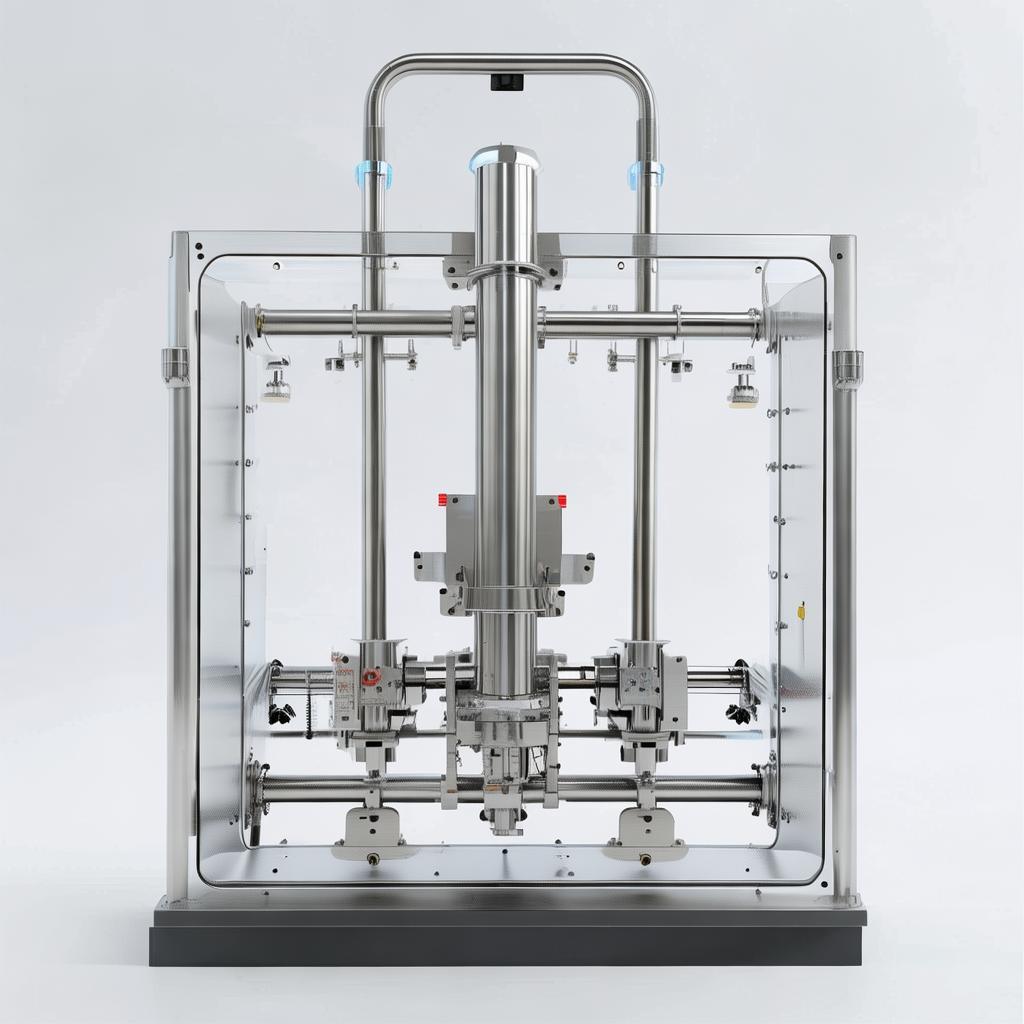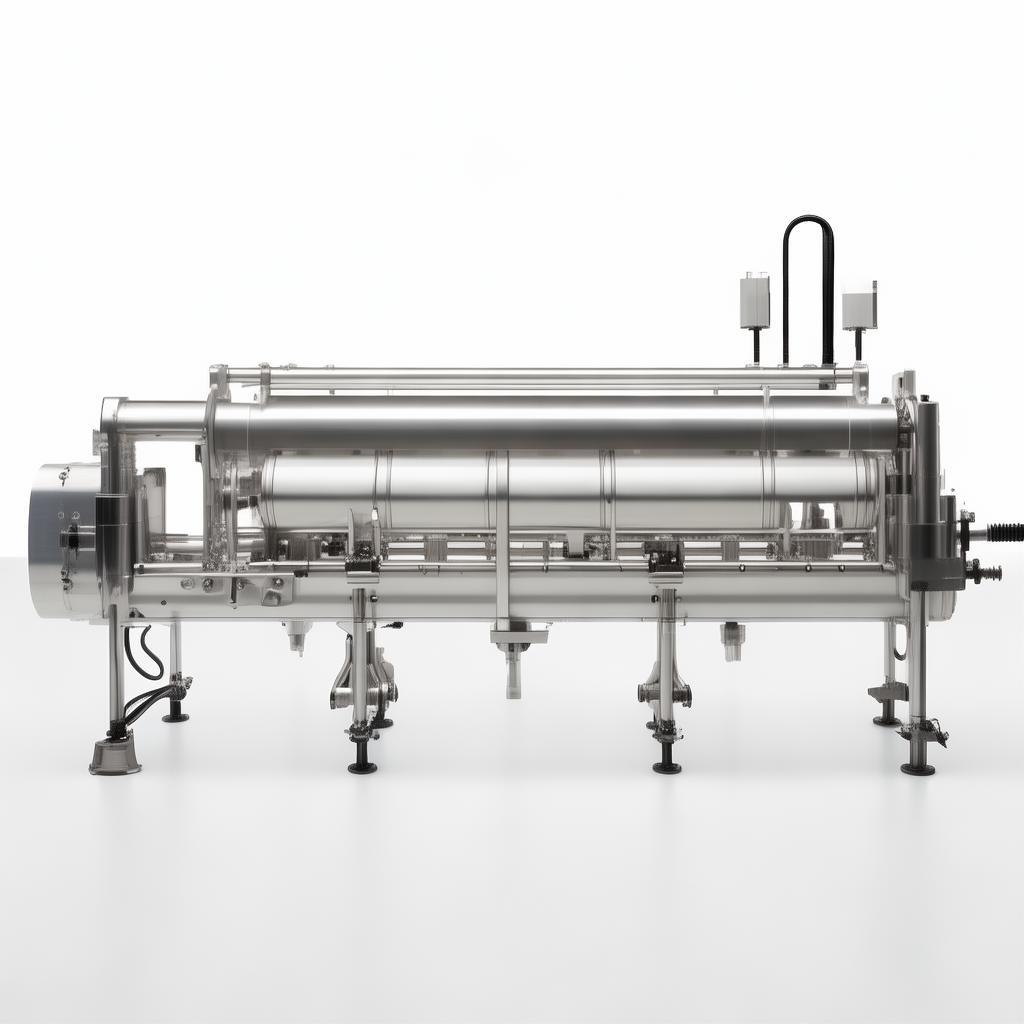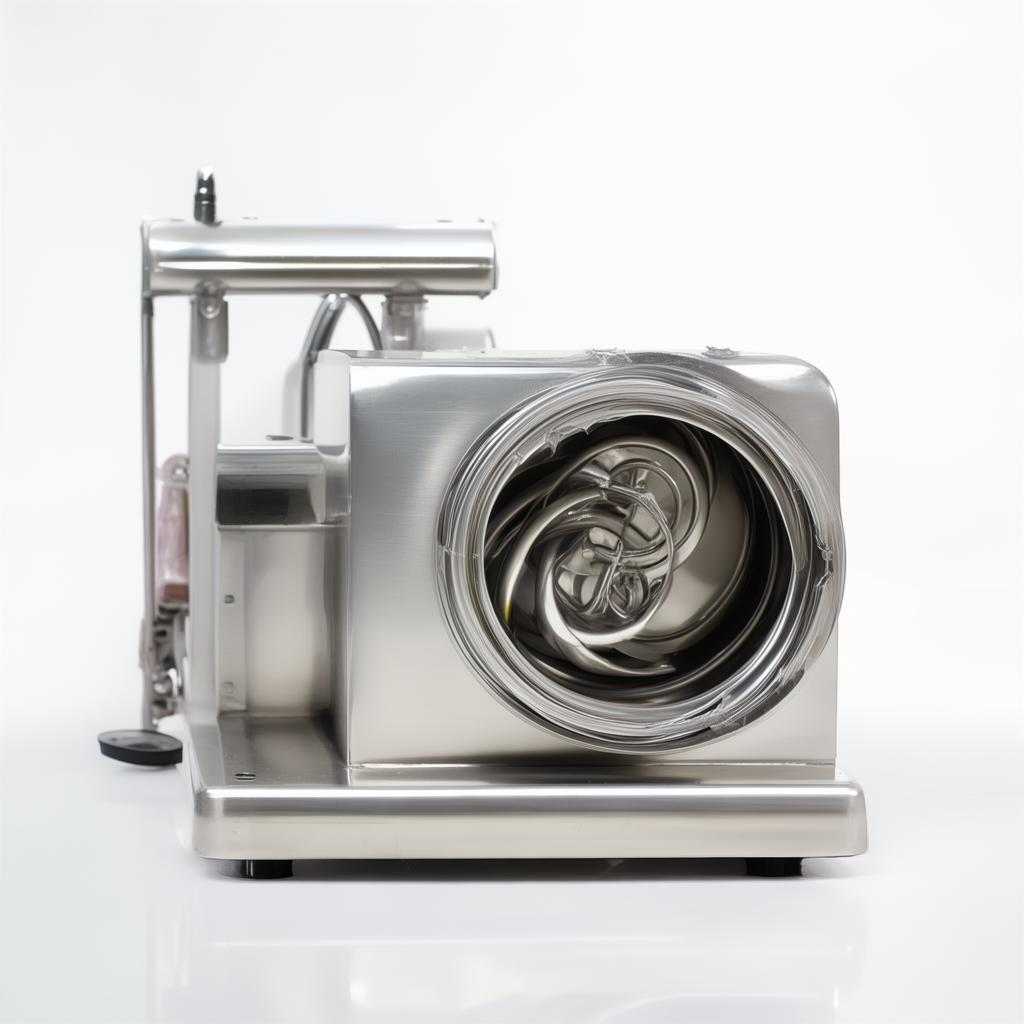
Washing System
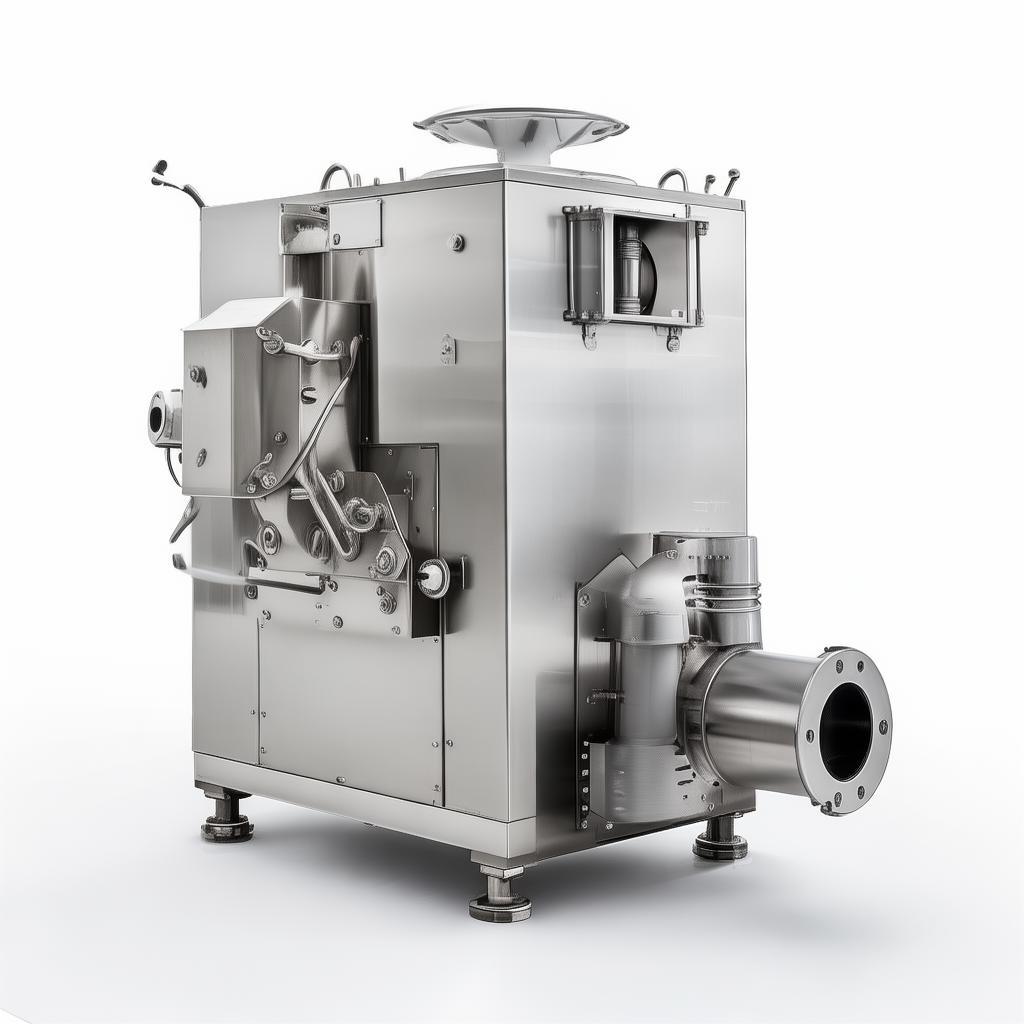
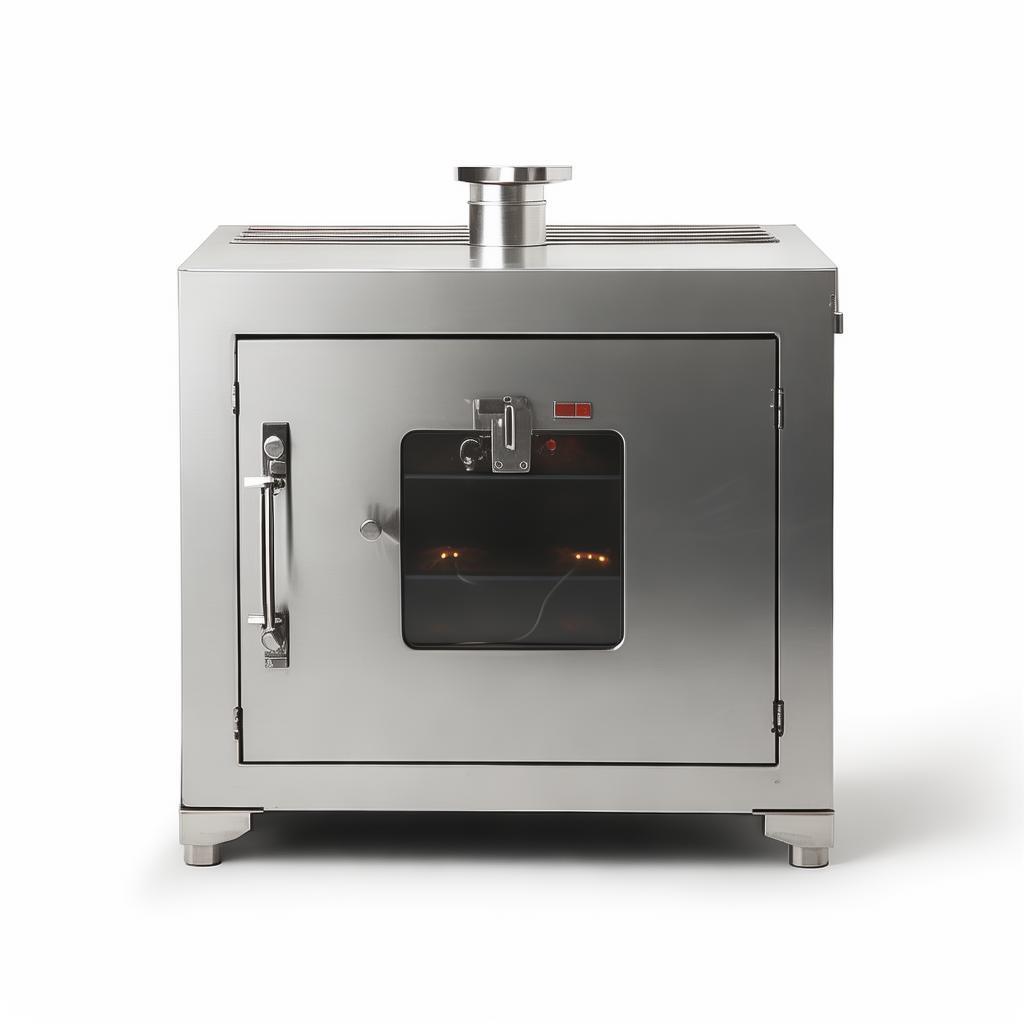
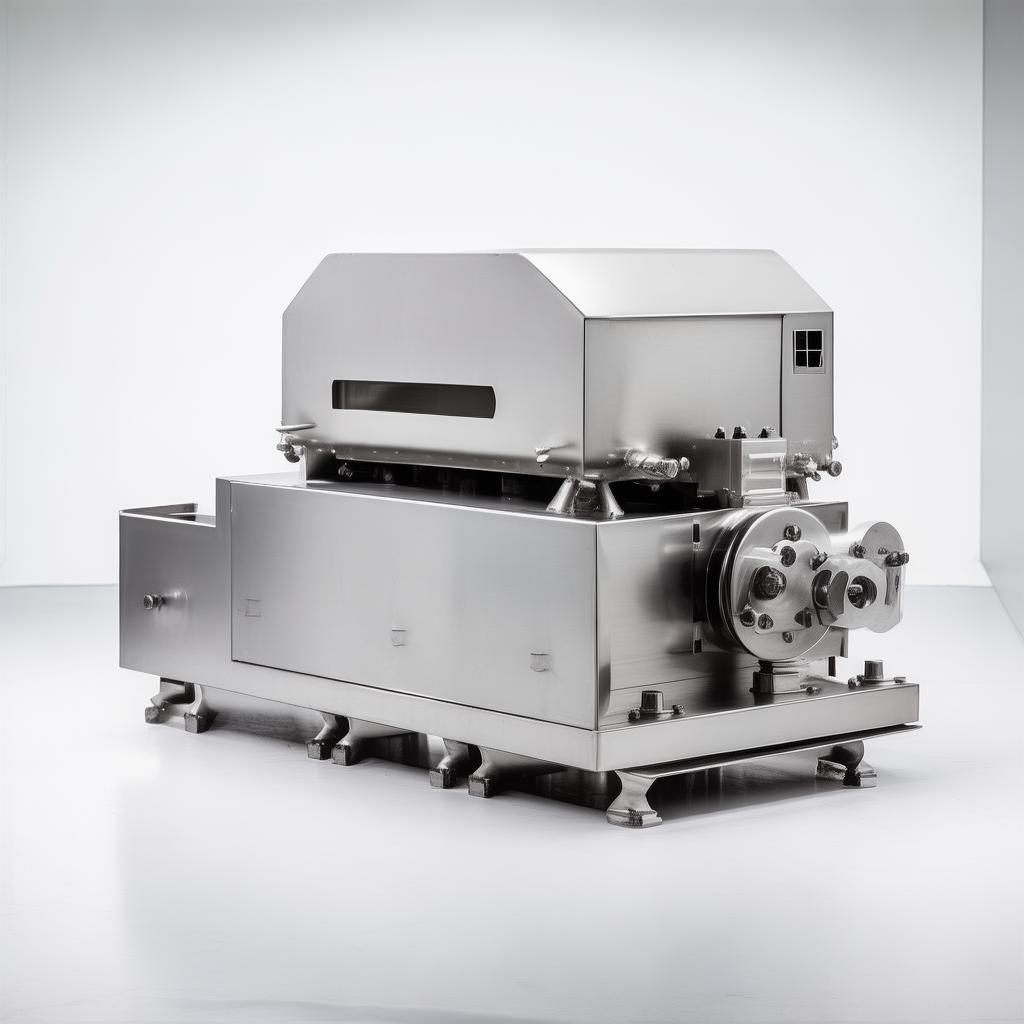
Industrial Washing Systems: Precision, Efficiency, and Hygiene for Wholesale Export
By Hebei Yuanchang - Your Partner in Advanced Food Processing Technology

The Critical Role of Washing Systems in Modern Food Processing and Wholesale Export
In the intricate world of food manufacturing and wholesale export, achieving and maintaining impeccable hygiene standards isn't just a regulatory requirement; it's the bedrock of product integrity, consumer trust, and ultimately, business profitability. For processors aiming to serve international markets, particularly in English-speaking regions like the USA, understanding the nuances of equipment that ensures cleanliness is paramount. This is where sophisticated industrial washing systems come into play. These aren't your typical kitchen sinks; they are robust, engineered solutions designed to handle high volumes, specific contaminants, and stringent food safety protocols demanded by global supply chains.
Consider the lifecycle of a processed food product destined for international export. From the initial raw material handling to the final packaging, every stage demands meticulous attention to cleanliness. Washing systems are often involved early on, tasked with the thorough cleaning of raw ingredients – be it vegetables, fruits, meats, or even specialized components used in processed goods. The goal is to remove soil, debris, residual chemicals, and microbial load before further processing can even begin. Inefficient or inadequate washing can lead to cross-contamination, spoilage, and the introduction of foreign matter, all of which can derail an entire export shipment.
The global meat processing equipment market, a significant sector where our expertise lies, offers a clear illustration. Reports indicate this market was valued at approximately USD 11.29 billion in 2025 and is projected to reach USD 17.39 billion by 2034, with a CAGR of around 5.0%. [1] Within this, equipment for pretreatment, which inherently includes robust washing capabilities, plays a vital role. The rising demand for processed meat, coupled with the increasing adoption of automation for enhanced hygiene and labor efficiency, underscores the necessity for advanced washing solutions. We are talking about systems that can handle delicate produce without damage, or tough carcasses with uncompromising efficacy. For example, equipment like our specialized cleaning tanks and tumblers are designed with these exact challenges in mind.
Furthermore, the processed meat market itself is experiencing significant growth, projected to reach USD 1,253.77 billion by 2034. [2] This expansion is directly linked to the need for reliable processing machinery, including effective washing stations that prepare ingredients for filling, molding, and ripening processes. Without a solid washing foundation, the quality and safety of these high-value processed goods are compromised from the start. This isn't about a simple rinse; it’s about targeted cleaning protocols that might involve multi-stage rinsing, sanitization cycles, and specialized water treatments, all calibrated to the specific product and desired outcome.
For international buyers, especially those in the USA, the expectation is not just clean, but scientifically clean. They are accustomed to high standards, often driven by FDA regulations and a discerning consumer base. Importing equipment that meets these rigorous demands requires a supplier who understands these expectations deeply. This includes not only the washing performance but also the materials used (e.g., food-grade stainless steel, robust plastics resistant to cleaning agents), the ease of maintenance, energy and water efficiency, and importantly, the logistical considerations for import and installation.
At Hebei Yuanchang, with over 40 years of experience in manufacturing since 1986, we’ve built our reputation on understanding these complexities. Our background in meat processing equipment, which includes everything from pretreatment to auxiliary items, has given us unparalleled insight into the critical role washing plays. We’ve seen firsthand how the right washing system can streamline production, reduce waste, and ensure products meet the highest global standards. Whether you are processing delicate herbs, robust root vegetables, or prime cuts of meat, the initial washing phase is a non-negotiable step towards a successful, compliant, and profitable operation.
This article delves into the essential aspects of industrial washing systems tailored for wholesale export, focusing on what procurement managers, operations directors, and technical engineers need to consider. We’ll explore the critical factors that differentiate basic cleaning from industrial-grade sanitation, the technical specifications that matter most for efficiency and compliance, and why choosing the right manufacturing partner is key to navigating the challenges of international trade. It’s about more than just a machine; it’s about a complete solution that supports your entire export strategy.
Common Operational Challenges in Raw Material Washing
Procurement and operations managers often face a recurring set of challenges when specifying or implementing raw material washing systems. These aren't minor inconveniences; they can directly impact throughput, product quality, and regulatory adherence. Recognizing these pain points is the first step toward selecting a truly effective solution.
- Inconsistent Cleaning Results: This is perhaps the most frustrating issue. Variable water pressure, uneven spray patterns, or insufficient agitation can lead to residual contaminants on some products, necessitating re-washing or leading to batch rejection. For export markets, this inconsistency is unacceptable.
- Product Damage: Delicate ingredients like leafy greens or soft fruits can be easily bruised or torn by overly aggressive washing mechanisms, leading to yield loss and reduced market appeal. Finding a balance between thorough cleaning and gentle handling is key.
- High Water and Energy Consumption: Older or poorly designed systems can be resource hogs. This not only increases operational costs but also raises environmental concerns, which are increasingly important for international buyers and regulatory bodies.
- Labor Intensive Operations: Manual loading/unloading, excessive scrubbing, or complicated setup procedures tie up valuable staff time. Automation and user-friendly designs are crucial for maximizing efficiency and reducing labor costs, especially in high-volume export scenarios.
- Hygiene Maintenance & Sanitation: Crevices, dead spots, or hard-to-reach areas in washing equipment can become breeding grounds for bacteria. Ensuring the system is designed for easy and thorough cleaning, including validated sanitation protocols, is vital for food safety.
- Integration Issues: A washing system doesn't operate in isolation. It must seamlessly integrate with upstream and downstream processes. Poor integration can create bottlenecks, material handling problems, or increase the risk of contamination.
- Material Degradation and Corrosion: Exposure to water, cleaning agents, and food products can degrade certain materials over time, leading to premature failure, contamination risks, and costly repairs. Proper material selection is non-negotiable for longevity and safety.
Addressing these challenges requires a deep understanding of both food processing mechanics and the specific needs of international trade. We design our washing systems with these very operational realities in mind, aiming to deliver reliability and performance that exceeds expectations.
Our Industrial Washing Systems: Engineered for Global Performance
At Hebei Yuanchang, we don't just build machines; we engineer solutions. Our industrial washing systems are designed to directly tackle the pain points faced by food processors, particularly those looking to export to competitive markets. Our commitment to quality, reliability, and efficiency is built into every unit.
Superior Cleaning Efficacy
Utilizing advanced spray nozzle technology, optimized water flow dynamics, and efficient agitation mechanisms, our systems ensure thorough removal of soil, debris, and microbial contaminants from even complex product surfaces. We focus on achieving a consistent and repeatable clean, batch after batch.
Gentle Product Handling
We understand that many food products are sensitive. Our designs incorporate features like variable speed controls, cushioned surfaces, and specialized internal configurations to minimize mechanical stress and prevent bruising or damage, thereby maximizing your yield and product quality.
Resource Efficiency
Our systems are engineered for minimal resource consumption. We employ advanced water recycling options where applicable and optimize pump and motor efficiency to reduce energy usage. This translates to lower operating costs and a smaller environmental footprint – a significant advantage for export markets.
Automated Operation & Ease of Use
Streamlined workflows are key to high-volume production. Our washing systems can feature automated loading/unloading options and user-friendly control panels, reducing manual intervention and freeing up your workforce for more critical tasks. Setup and operation are designed to be intuitive.
Hygienic Design for Food Safety
Compliance with international food safety standards (like FDA, HACCP principles) is paramount. Our machines feature smooth, crevice-free surfaces, easily accessible components for cleaning, and are constructed from food-grade materials (e.g., SUS304 stainless steel) to prevent microbial buildup and ensure easy sanitation.
Robust Construction for Longevity
Built to withstand demanding industrial environments, our washing systems are constructed with high-quality materials and precision engineering. This ensures long operational life, minimal downtime, and a reliable performance for years of continuous use, a critical factor for international investments.
Key Technical Specifications & Customization
When evaluating industrial washing systems, particularly for wholesale export, understanding the technical specifications is crucial. These details determine the system's capacity, efficiency, and suitability for your specific application. At Hebei Yuanchang, we offer a range of standard models and extensive customization options.
| Feature | Standard Specification Example | Customization Options |
|---|---|---|
| Model Name | YW-1000 Belt Washing Machine | Custom naming, specific series |
| Material Construction | SUS304 Food Grade Stainless Steel | SUS316L for corrosive environments, specific finishes |
| Capacity / Throughput | Up to 1000 kg/hr (product dependent) | Scalable based on belt width, length, and speed |
| Washing Method | High-pressure spray nozzles, immersion tank | Ultrasonic washing, air-bubble washing, multi-stage rinse |
| Power Supply | 380V / 50Hz / 3 Phase (Standard for China) | Customizable to 220V, 460V, 60Hz, or other international standards |
| Water Consumption | Approx. 2-5 m³/hr (adjustable) | Optimized with water recirculation systems |
| Dimensions (L x W x H) | 3000mm x 1500mm x 1800mm | Tailored to facility layout and throughput needs |
| Control System | Simple push-button operation, basic timer | PLC control with HMI touchscreen interface, variable speed drives, remote monitoring |
industrial washing system pallet washing systems washing machine for crates
Customization is our strength. Understanding that no two production lines are identical, we specialize in tailoring washing systems to your precise needs. This might include:
- Specific nozzle configurations for unique product shapes.
- Integrated drying or sanitizing stages.
- Adapting dimensions for tight spaces or high-volume throughput.
- Specialized filtration for water reuse systems.
- Integration with existing conveyor or sorting systems.
We work closely with our clients to define these requirements, ensuring the final system aligns perfectly with their operational goals and export market demands.
Versatile Applications Across Industries
Our industrial washing systems are not limited to one sector. Their robust design and customizable features make them adaptable to a wide array of food processing applications, ensuring cleanliness and quality wherever it's needed. This versatility is a significant advantage for diversified wholesale operations.
Meat Processing
Ideal for washing carcasses, cuts, offal, or pre-portioned meat products. Removes blood, fat residues, and other contaminants prior to further processing like marinating, stuffing, or smoking.
Poultry Processing
Effective for cleaning poultry carcasses, ensuring removal of feathers, blood, and debris, meeting stringent hygiene requirements for domestic and international markets.
Seafood Processing
Suitable for washing fish, shellfish, and other seafood products. Helps remove slime, scales, and residual marine matter, preparing them for packaging or further value-addition.
Fruit & Vegetable Processing
Can handle a wide range of produce, from root vegetables to delicate berries. Removes soil, pesticides, and other surface contaminants before cutting, blanching, freezing, or canning.
Dairy Products
Used for cleaning reusable containers, molds, or certain cheese-making components, ensuring compliance with strict dairy hygiene protocols.
Pet Food Production
Essential for cleaning raw meat ingredients used in pet food manufacturing, ensuring the safety and quality of the final product, a growing export segment.
Navigating Installation and International Logistics
Exporting industrial equipment involves more than just manufacturing a reliable product. It requires careful planning for installation and logistics, especially for clients in markets like the USA. We understand these challenges and work to simplify the process.
Installation Considerations:
- Power Requirements: We ensure machines are configured to meet international power standards (e.g., 460V/60Hz for the US) or provide clear guidelines for necessary site upgrades.
- Water & Drainage: Adequate water supply and drainage infrastructure are crucial. We provide specifications for required connections.
- Space & Accessibility: Our modular designs and customized dimensions help fit the equipment into various plant layouts. Ensure clear access for maintenance and operation.
- Local Regulations: While our equipment is built to high standards, understanding local building codes and safety regulations is the buyer's responsibility.
Logistics and Shipping:
- Packaging: Equipment is typically shipped disassembled or securely crated for international transit, protecting it from damage. We use robust packaging materials suitable for sea freight.
- Container Optimization: We can advise on optimal container loading to maximize space and minimize shipping costs. Consider the dimensions and weight of the crated components.
- Documentation: We provide all necessary export documentation, including commercial invoices, packing lists, and certificates of origin. We can assist with understanding import duties and customs procedures for your region.
- Shipping Partners: We have experience working with international freight forwarders and can facilitate shipping arrangements or work with your chosen logistics provider.
Our goal is to make the acquisition and integration of our washing systems as smooth as possible, ensuring you can focus on production, not on the complexities of international procurement.
Choosing Your Manufacturing Partner: What to Look For
Selecting an international supplier for critical industrial equipment like washing systems is a significant decision. Beyond the product specifications, several factors contribute to a successful, long-term partnership. For buyers in regulated markets, EEAT (Experience, Expertise, Authoritativeness, Trustworthiness) is not just a Google ranking factor; it's a business imperative.
Experience:
Look for manufacturers with a proven track record, ideally spanning decades, especially in your specific industry. Hebei Yuanchang boasts over 40 years of experience since 1986, giving us deep insights into the practical challenges of food processing. Experience translates to understanding material properties, wear patterns, and optimal design configurations.
Expertise:
Does the supplier demonstrate a strong grasp of the technical aspects? This includes understanding different stainless steel grades (like SUS304 vs. SUS316L), motor efficiencies, fluid dynamics for washing, and control system integration. Our in-house machining workshop, equipped with advanced CNC centers, showcases our commitment to precision engineering and technical capability.
Authoritativeness:
This comes from demonstrated manufacturing prowess, certifications, and a stable operational base. We operate from a 14,000 sq meter facility with a dedicated team of 80-100 employees. Our ability to independently produce high-precision parts underscores our manufacturing authority.
Trustworthiness:
Transparency in communication, reliable after-sales support, and adherence to commitments are crucial. Our traceable after-sales management system and commitment to quality assurance build trust. We aim for long-term relationships, not just transactional sales.
Requesting samples (if applicable), detailed case studies, and clear communication regarding lead times and warranties are essential steps in vetting any international supplier.
Our Manufacturing Backbone: Precision & Scale
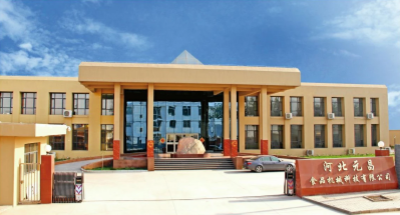
Our advanced machining workshop enables precision component manufacturing.
Hebei Yuanchang's operational strength lies in our integrated approach to manufacturing. With 40 years of experience, we have cultivated a robust production environment that ensures both quality and capacity.
- Extensive Machining Facilities: Our facility houses over 20 sets of advanced processing machinery, including lathes, milling machines, high-precision grinding machines, and wire cutting equipment. This allows us to control the production of critical components with exceptional accuracy.
- Japanese CNC Machining Centers: Since 2012, our investment in 8 sets of Japanese Mazak CNC machining centers has elevated our capabilities. We can now produce complex, high-precision, and non-standard components required for demanding industrial applications, ensuring parts meet tight tolerances essential for reliable operation.
- Quality Control: Every component, from raw material sourcing to finished assembly, undergoes rigorous quality checks. This adherence to standards is non-negotiable for international clients who depend on consistent performance.
- Scalability: Our 14,000 square meter facility and team of 80-100 skilled professionals allow us to handle both large-volume orders and custom projects efficiently.
This in-house manufacturing expertise is a cornerstone of our ability to deliver reliable, high-performance washing systems that meet global export standards.
Commitment to Quality: Our Certifications
Quality and compliance are not afterthoughts at Hebei Yuanchang. Our manufacturing processes adhere to recognized international standards, demonstrating our commitment to producing safe, reliable, and globally accepted equipment. While specific certifications can vary by product line and export destination, our core operations are aligned with:
- ISO Standards: We operate under principles aligned with ISO quality management systems, ensuring consistent product quality and continuous improvement.
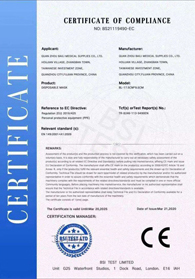
- CE Marking Compliance: For products destined for the European market, compliance with CE directives ensures safety and environmental standards are met.
- RoHS Compliance: We ensure our equipment meets Restriction of Hazardous Substances directives, critical for electronics and global environmental regulations.
- Food Safety Standards: Our equipment construction adheres to principles of hygienic design, crucial for food processing and meeting regulations like HACCP and FDA guidelines prevalent in markets like the USA.
These certifications are a testament to our rigorous manufacturing standards and our dedication to providing equipment that meets the highest international expectations.
Frequently Asked Questions (FAQ)
Q: What is the typical lead time for a customized washing system?
Lead times can vary based on the complexity of customization and current production schedules. Generally, for standard models, it could range from 30-60 days. For highly customized systems, we typically estimate 60-90 days, plus shipping time. We provide a precise estimate upon finalizing the order details.
Q: Can your washing systems handle both hot and cold water?
Yes, our systems are designed with high-grade stainless steel (typically SUS304) that can withstand a wide range of water temperatures. We can also incorporate specific heating or cooling elements if your process requires precise temperature control during washing.
Q: What kind of after-sales support do you offer for international clients?
We offer comprehensive after-sales support, including technical assistance via phone, email, or video call. We can provide spare parts promptly. For major issues, we can dispatch technicians, though this is subject to travel feasibility and associated costs. Our traceable management system ensures we can track your machine's history and support needs effectively.
Q: How do your washing systems compare to competitors in terms of ROI?
Our focus on resource efficiency (water, energy), durability, and reduced labor requirements directly contributes to a strong Return on Investment. While initial costs are a factor, the lower operational expenditure, minimal downtime due to robust construction, and consistent product quality for export markets lead to a significantly better long-term ROI. We encourage direct comparison based on lifecycle cost and performance metrics.
Q: Can you provide documentation for compliance with US FDA regulations?
Our equipment is designed with hygienic principles that align with FDA requirements for food contact surfaces and ease of cleaning. We provide detailed specifications on materials used (e.g., SUS304 stainless steel), design features that minimize contamination risks, and can supply documentation regarding the machine's construction and intended use to aid in your compliance efforts.
What Our Clients Say

Mark Johnson
Procurement Manager, American Produce Packers
"We needed a robust washing system for our export-grade vegetables. Hebei Yuanchang's YW-1000 Belt Washer has exceeded expectations. The cleaning is consistent, and we've seen a reduction in spoilage since installation. Their support throughout the ordering and shipping process was professional."

Sarah Chen
Operations Director, Global Meat Solutions
"Implementing their custom washing unit for meat trim has streamlined our prep line significantly. The hygienic design is excellent, making sanitation checks much easier. It handles the volume we need for our export contracts efficiently."

David Miller
Plant Engineer, Specialty Food Exporters Inc.
"We had specific requirements for washing delicate seafood components. Yuanchang delivered a solution that balances gentle handling with thorough cleaning. The build quality is solid, and the integration into our existing line was surprisingly smooth. Reliable equipment is crucial for our international clients."

Elena Petrova
Purchasing Director, Artisan Bakery Supply
"Though not a direct food processor, we supply equipment to them. We've recommended Yuanchang's washing systems for their durability and efficiency. Their export handling and responsiveness have made them a trusted partner for our international clients needing reliable processing gear."
Ready to Elevate Your Processing Standards?
Discover how Hebei Yuanchang's advanced industrial washing systems can enhance your production efficiency, ensure superior hygiene, and support your global export ambitions.
See Our Commitment in Action
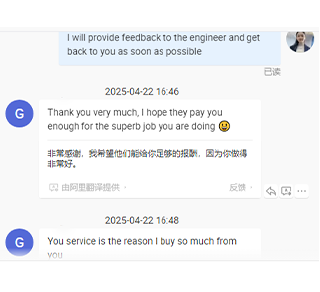
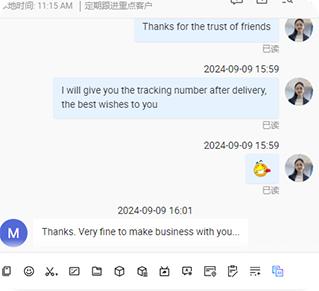

Direct conversations like these illustrate our proactive approach to client needs and our dedication to providing tailored solutions.