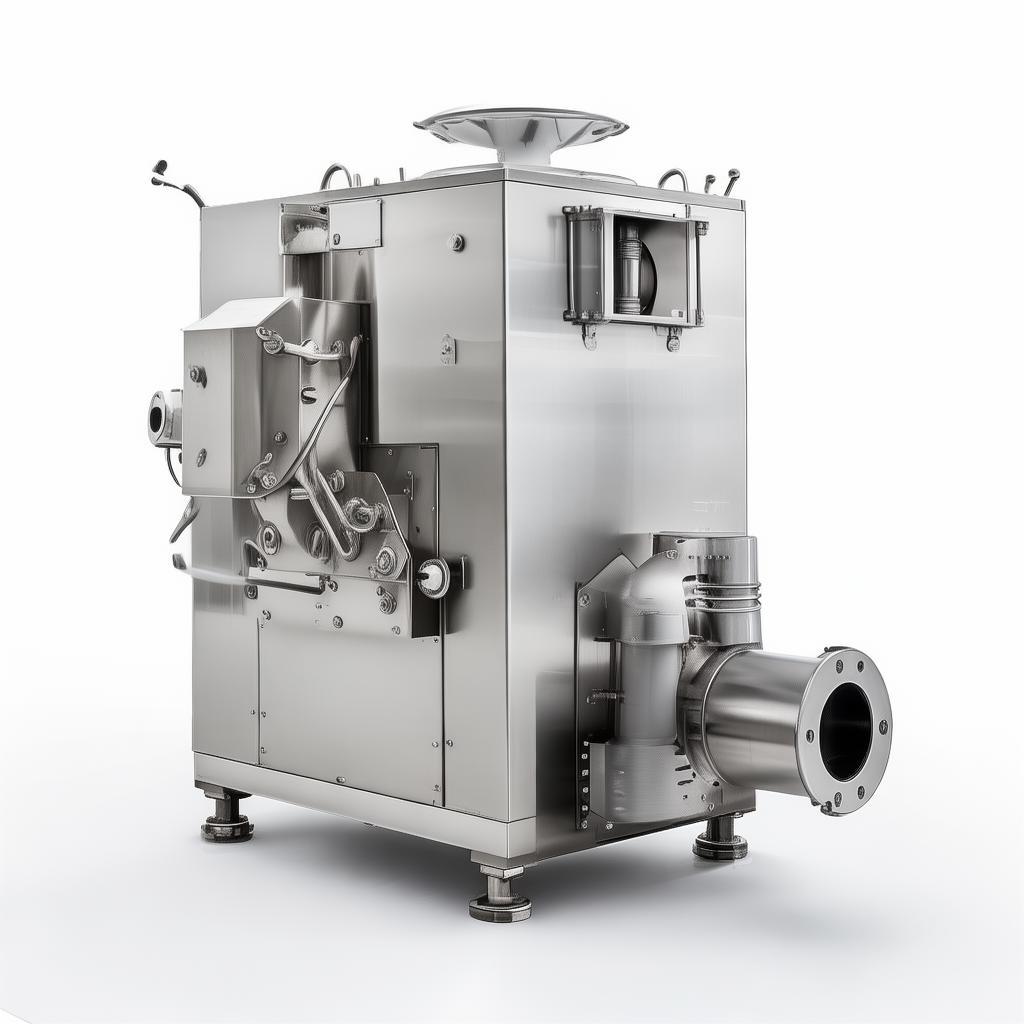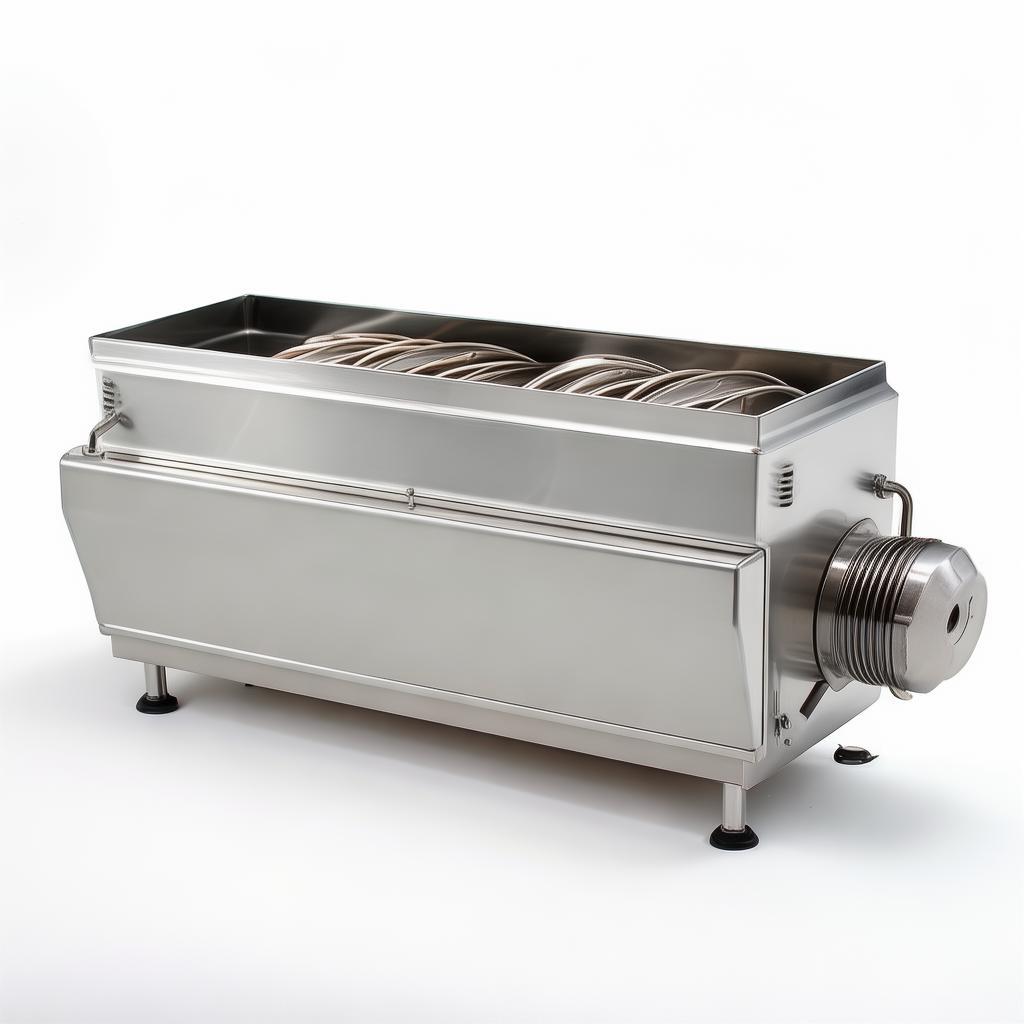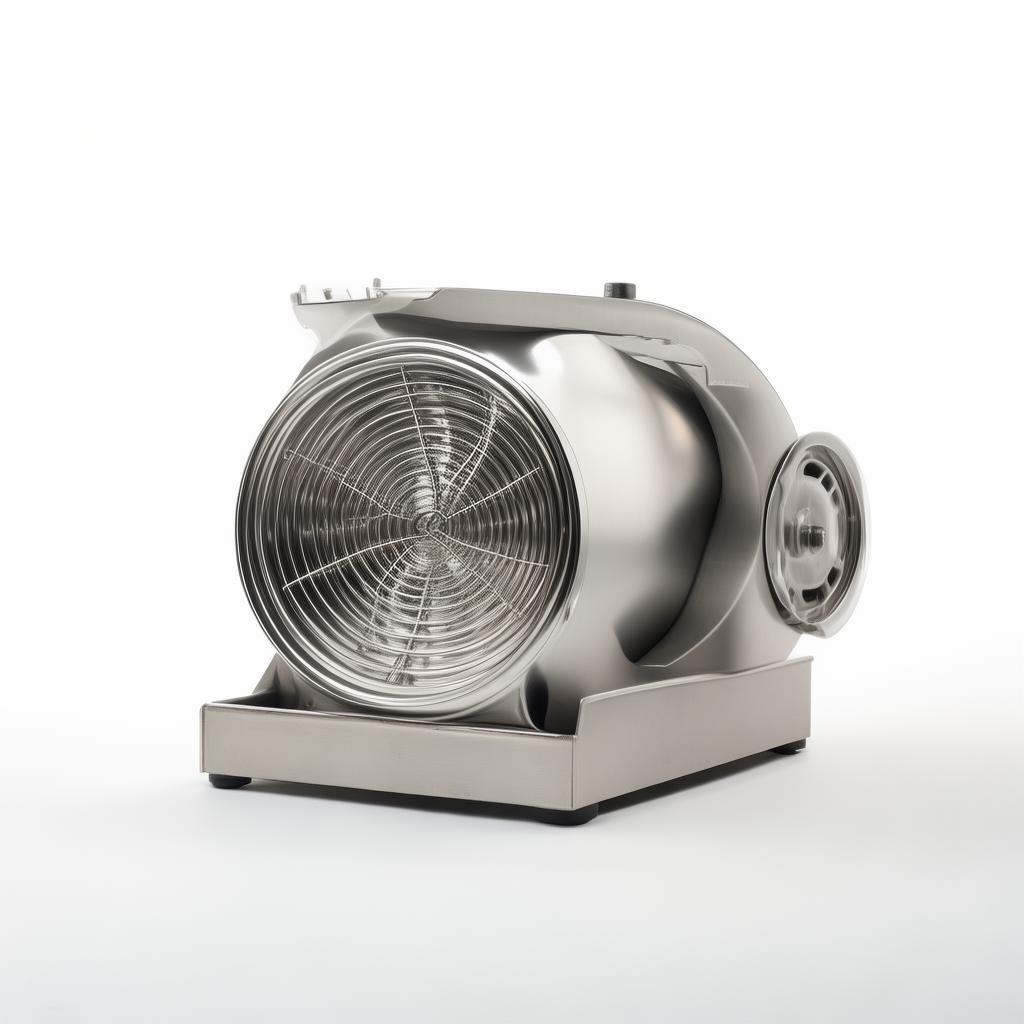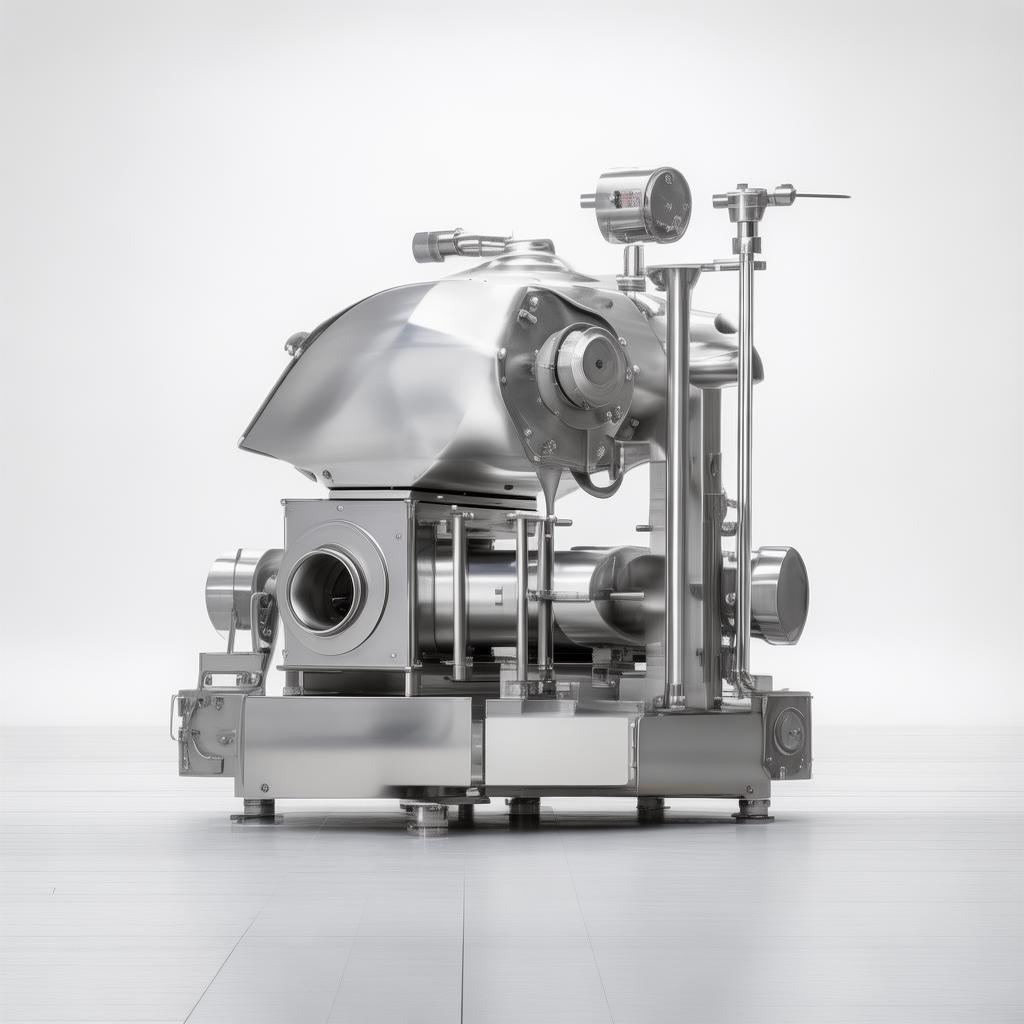
Used Industrial Food Processing Equipment
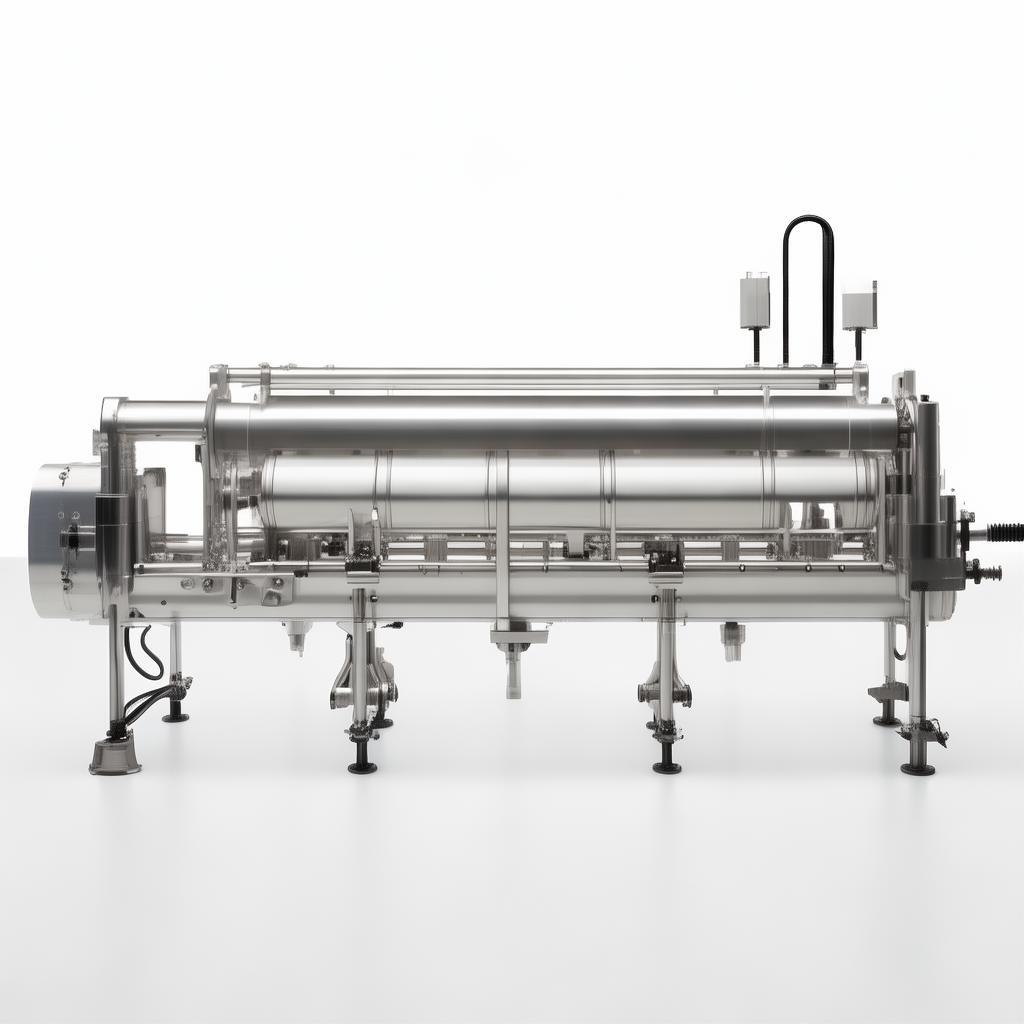
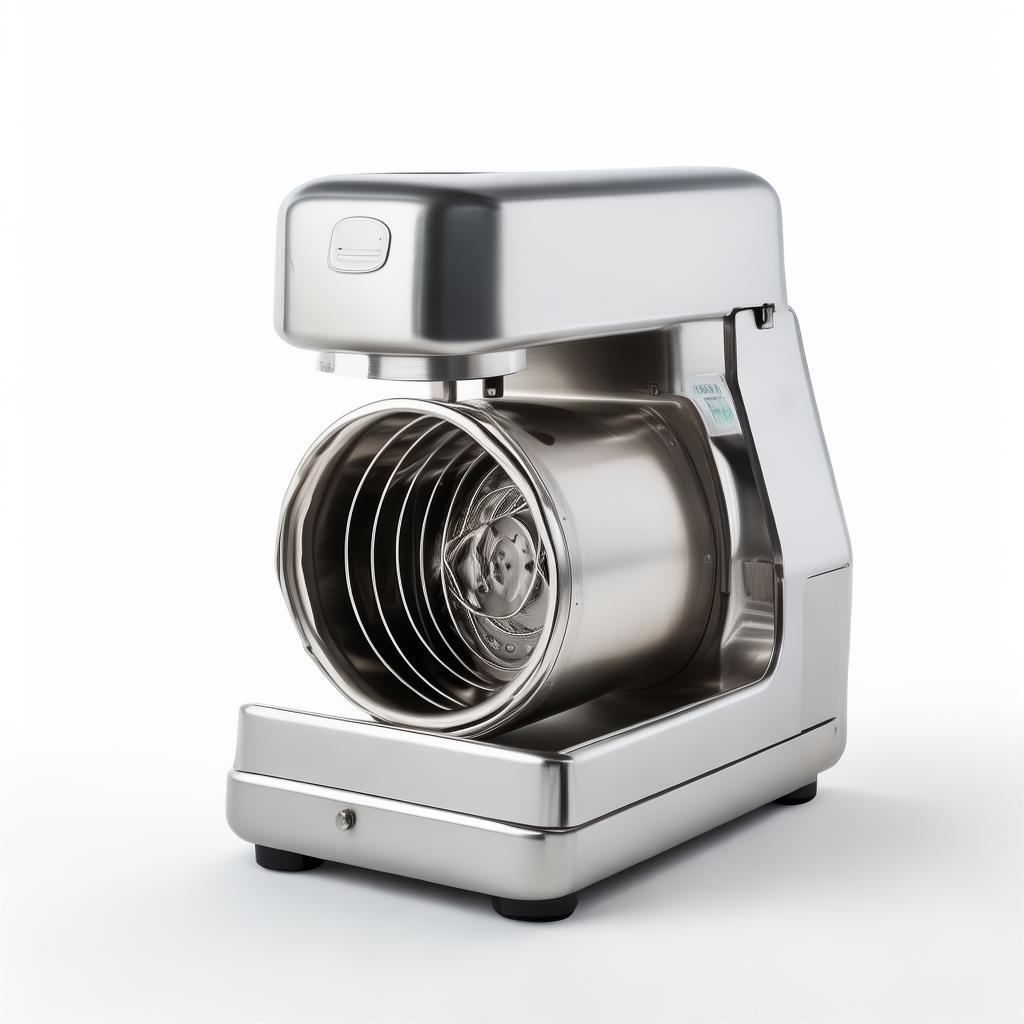
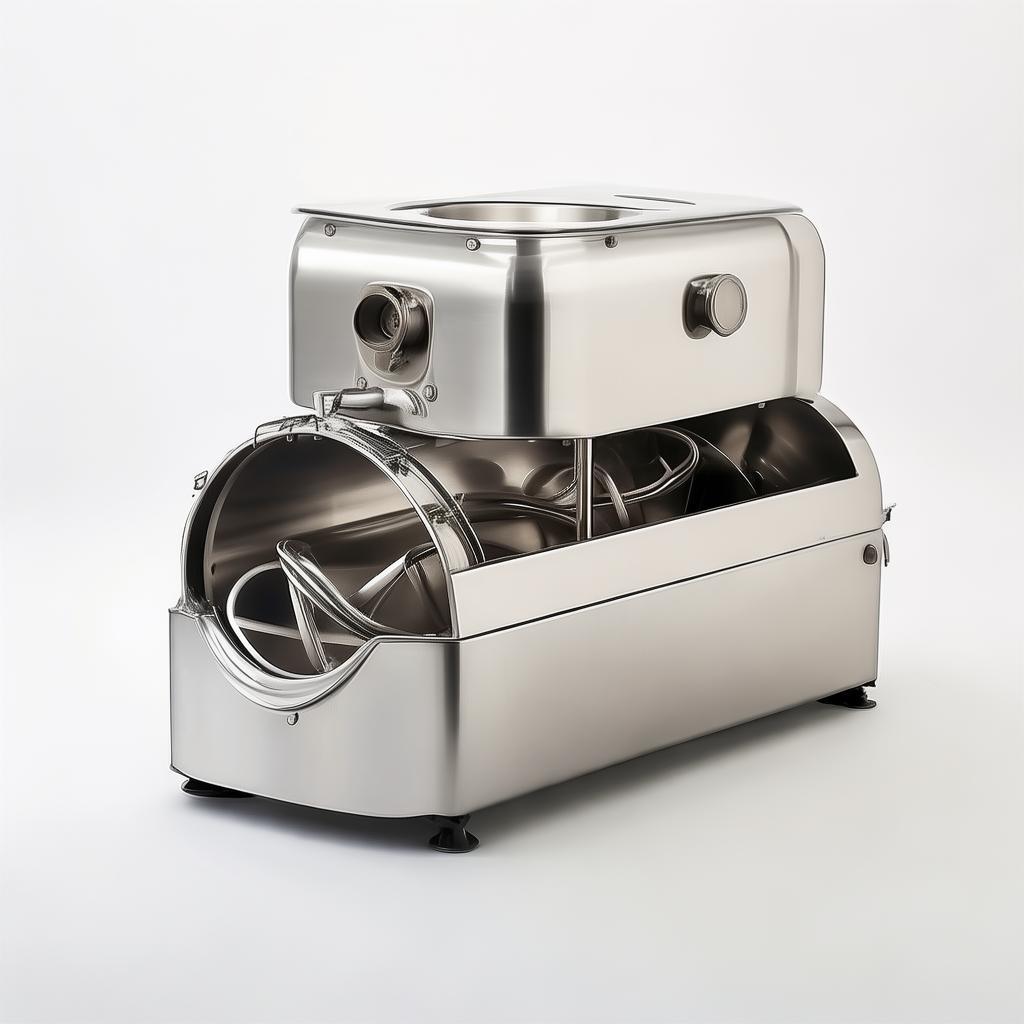
Acquire High-Quality Used Industrial Food Processing Equipment: Maximize ROI, Minimize Downtime
Expert insights on sourcing reliable pre-owned machinery for your food production line.

By: Alex Chen
Senior Export Manager & Procurement Specialist
Hebei Yuanchang Food Mechanism & Technology Co., Ltd.
Navigating the Market for Pre-Owned Food Processing Machinery
In today's dynamic food manufacturing landscape, the strategic acquisition of industrial equipment is paramount. For many operations, particularly those focusing on meat processing, pet food production, or even expanding into specialized niche markets, the decision between new and used machinery presents a critical juncture. It's not simply about cutting costs; it's about making a smart, operationally sound investment that balances immediate capital expenditure with long-term production capabilities.
At Hebei Yuanchang, with our 40 years of experience dating back to 1986, we've seen firsthand how savvy companies leverage the pre-owned equipment market. The global meat processing equipment market alone was valued at approximately USD 11.29 billion in 2025 and is projected to exceed USD 17.39 billion by 2034, exhibiting a steady CAGR of around 5.0% according to Fortune Business Insights. This significant market size underscores the ongoing demand for machinery, from pretreatment systems like grinders and tenderizers to forming, ripening (massaging), and auxiliary equipment such as smokers.
The drive behind this robust market includes the ever-increasing consumer appetite for processed and convenience foods. Reports suggest the processed meat market will surge, with projections reaching upwards of USD 1.25 trillion by 2034. This surge directly translates into a sustained need for reliable processing lines, where acquiring used equipment can offer a compelling pathway to capacity expansion or technology upgrades without the prohibitive price tag of brand-new units. Consider the intricate nature of meat product filling and molding – a core competency of our business. Reliable filling machines are essential for sausages, formed patties, and other products. When businesses look to scale production of these items, the used market can be a goldmine if sourced correctly.
Our expertise spans the entire spectrum of meat processing machinery, from advanced pretreatment systems for raw meat to sophisticated ripening processes and essential auxiliary items. We understand the nuances of equipment that handles everything from initial grinding and tenderizing to precise filling, molding, and the crucial ripening stages that define product quality. When you're evaluating used industrial food processing equipment, you're not just buying a machine; you're investing in its operational history, its remaining lifecycle, and its potential to integrate seamlessly into your existing workflow.
This isn't a decision to be taken lightly. A poorly chosen piece of used equipment can lead to unexpected maintenance costs, production bottlenecks, and even compromise food safety standards – issues that can quickly erode any initial cost savings. That's why understanding what to look for, where to source it from, and how to vet its condition is absolutely critical. It requires a blend of technical knowledge, market awareness, and a healthy dose of commercial pragmatism.
The operational realities of food processing are unforgiving. Machinery must withstand constant use, often in demanding environments, while maintaining stringent hygiene standards. The demand for automation, driven by labor shortages and the need for consistent quality and safety, is also a major factor. As noted by Grand View Research, automation adoption for hygiene and labor efficiency is a key growth driver. For used equipment, this means ensuring that any automation features still function reliably and are compatible with modern control systems.
We've observed firsthand how equipment designed for specific pretreatment steps – think high-capacity grinders for initial breakdown or specialized massaging machines for tenderizing and ripening – can represent significant value when acquired second-hand. The key is verifying their durability and suitability for your specific application. This guide aims to equip you with the knowledge to make informed decisions, focusing on how to identify quality used machinery that will contribute positively to your bottom line and operational efficiency. We will delve into critical aspects such as understanding different types of equipment, the importance of supplier vetting, essential technical checks, and the logistical considerations involved in acquiring and integrating these vital assets into your production lines.
Your objective is clear: acquire robust, reliable food processing equipment that meets your production demands and budget constraints. Our objective is to guide you through the complexities of the used market to achieve precisely that.
Identifying Your Production Needs: Beyond the Obvious
Before even browsing the listings for used industrial food processing equipment, the most crucial step is a thorough self-assessment of your operational requirements. This goes beyond simply stating you need a "filler." We need to define the specifics.
- Product Specificity: What exactly are you producing? Sausages? Formed meat products? Pet food kibble? Each requires specialized machinery. For instance, a vacuum filler designed for fine emulsion sausages won't perform optimally for chunky meat mixtures.
- Capacity & Throughput: What is your target output per hour or shift? Used equipment often comes with manufacturer specifications, but these must be verified under your operational conditions. Consider future growth – can the machine scale with you?
- Process Integration: How will this machine fit into your existing line? Does it need to interface with upstream pretreatment equipment (like mixers or grinders) or downstream ripening or packaging units? Compatibility in terms of physical dimensions, power requirements (voltage, phase), and material flow is vital.
- Material Handling: What types of raw materials will you be processing? Are they sensitive to shear or temperature? For example, machines used for delicate ripening processes require different engineering than those for high-speed grinding.
- Hygiene Standards: This cannot be overstated. Food safety regulations demand easy-to-clean designs, smooth surfaces, and appropriate materials (often stainless steel, specifically 304 or 316 grades). Ensure the used equipment can meet or be easily modified to meet current HACCP and GMP standards.
Understanding these points helps you filter the vast array of available used machinery. It prevents costly mistakes and ensures you're looking for equipment that genuinely solves a problem or enhances efficiency.
Key Equipment Categories in the Used Market
The used industrial food processing equipment market is diverse. Here are some of the most sought-after categories, particularly relevant to meat and related industries:
Pretreatment & Cutting Equipment
This includes grinders, dicers, cutters, mixers, and slicers. Crucial for initial raw material preparation. Look for motor condition, blade sharpness, and material consistency (e.g., stainless steel hopper).
Market Relevance: Essential for all meat processing. The global market for meat processing equipment, including grinding and cutting systems, is substantial.
Filling & Molding Machinery
These are the workhorses for producing sausages, formed patties, and other shaped products. Key considerations are fill accuracy, casing handling, and mold versatility. Vacuum fillers are common for premium products.
Market Relevance: A high-growth segment, vital for ready-to-eat and value-added products.
Ripening & Tenderizing Equipment
Massaging machines, tumblers, and climate-controlled ripening chambers are essential for improving meat texture, tenderness, and flavor development. Check for efficient temperature control, drum integrity, and gentle handling capabilities.
Market Relevance: Crucial for quality enhancement and achieving desired product characteristics.
Auxiliary & Specialized Equipment
used food processing equipment custom industrial food processing equipment food processing equipment used
This category includes smoking ovens, cooking equipment, deboning machines, portioning equipment, and packaging machinery. Each serves a specific function in the broader processing chain.
Market Relevance: Supports a wide range of specialized food production needs.
Supplier Due Diligence: Your First Line of Defense
The "where" of acquiring used food processing equipment is almost as critical as the "what." Not all used equipment suppliers are created equal. Our 40 years in this industry have taught us that a reliable supplier is as valuable as the machinery itself.
When evaluating a potential vendor, consider these points:
- Experience & Reputation: How long has the supplier been in business? Do they specialize in food processing equipment, or is it a sideline? Look for testimonials, reviews, or industry affiliations. At Yuanchang, our deep roots in manufacturing meat processing equipment since 1986 speak to our experience.
- Technical Expertise: Does the supplier's team understand the machinery they are selling? Can they answer detailed technical questions about the equipment's capabilities, maintenance history, and potential upgrades? We pride ourselves on our in-house engineering and production capabilities, enabling us to offer informed advice.
- Inspection & Refurbishment Services: Do they offer thorough pre-sale inspections? Do they perform necessary refurbishments or repairs? What is their process for ensuring a machine is production-ready?
- After-Sales Support: While "used" implies a reduced warranty, a reputable supplier will offer some level of support. This could include spare parts availability, technical documentation, or even consultation on installation and operation. Our traceable after-sales management system is a testament to this commitment.
- Transparency: Are they upfront about the equipment's condition, any known issues, and its history? Are they willing to provide detailed photos, videos, and operational reports?
Purchasing from a factory-direct source or a well-established dealer significantly mitigates risk. It's about building trust with your equipment provider.
Technical Inspection Checklist: What to Look For
When you've identified a potential piece of used industrial food processing equipment, a detailed inspection is non-negotiable. This requires a keen eye for detail and an understanding of how these machines operate and wear.
Structural Integrity & Materials
- Frame & Body: Check for rust, corrosion, significant dents, or signs of repair that might indicate previous damage. Ensure all structural components are sound.
- Material Contact Surfaces: For food processing, stainless steel is standard (typically 304 or 316 grade). Look for pitting, deep scratches, or discoloration that could harbor bacteria. Ensure welds are smooth and crevice-free.
- Seals & Gaskets: Inspect all seals around moving parts, hoppers, and discharge points. Damaged or worn seals can lead to contamination and product leakage.
Mechanical & Operational Components
- Motors & Gearboxes: Listen for unusual noises (grinding, whining) during operation. Check for oil leaks. Ask about motor age and any past servicing.
- Moving Parts: Examine blades, augers, conveyors, and plungers for wear, bending, or damage. For filling machines, check the accuracy and consistency of the dosing mechanism.
- Hydraulic/Pneumatic Systems: If applicable, check for leaks, consistent pressure, and smooth operation of cylinders and actuators.
- Control Panel & Electricals: Verify all buttons, switches, and displays are functional. Check wiring for signs of fraying or poor connections. Ensure the control system is understandable and potentially upgradeable.
Hygiene & Cleanability
- Ease of Disassembly: Can key parts be easily removed for cleaning? Are there complex areas that are difficult to reach?
- Drainage: Ensure the machine is designed with adequate drainage to prevent water and product residue buildup.
If possible, arrange for a demonstration of the equipment in operation. This is the best way to identify operational quirks and potential issues not visible during a static inspection.
Installation & Integration Considerations
Acquiring the equipment is only part of the equation. Proper installation and integration into your existing facility are critical for optimal performance and safety.
- Site Preparation: Ensure adequate floor space, proper ventilation, and access for maintenance. Consider the weight and dimensions of the machinery.
- Utilities: Verify that your facility can meet the power (voltage, amperage), water, and compressed air requirements of the used machinery. Unexpected upgrades here can add significant cost.
- Plumbing & Drainage: Proper connections for water supply and wastewater drainage are essential, especially for equipment requiring cleaning-in-place (CIP) or direct water feed.
- Safety Guards & Interlocks: Ensure all safety features are present, functional, and compliant with your local regulations.
- Commissioning: After installation, thorough commissioning is necessary. This involves testing all functions, calibrating settings, and running test batches to confirm performance.
If you're unsure about any aspect of installation, engaging a qualified industrial technician or the equipment supplier's technical team is highly recommended.
Maintenance & Longevity: Maximizing Your Asset's Lifespan
The lifespan and reliability of used equipment heavily depend on its maintenance regimen. Implementing a proactive maintenance schedule is key to avoiding costly breakdowns and ensuring consistent product quality.
- Routine Cleaning: Adhering to strict cleaning protocols after each production run is paramount for hygiene and preventing wear.
- Lubrication: Follow the manufacturer's (or supplier's recommended) lubrication schedule for all moving parts. Use the correct type and grade of lubricant.
- Regular Inspections: Conduct daily, weekly, and monthly checks of critical components, listening for unusual sounds, checking for leaks, and inspecting for wear.
- Spare Parts Management: Identify critical spare parts (e.g., blades, seals, belts, O-rings) and maintain an inventory. This minimizes downtime when replacements are needed.
- Operator Training: Ensure all operators are properly trained on the correct use and basic maintenance of the equipment.
Proactive maintenance is far more cost-effective than reactive repairs. It also contributes to a safer working environment and extends the usable life of your investment significantly. Our factory's experience in producing high-precision parts means we understand the value of quality components for long-term machinery health.
Logistics and International Shipping
For international buyers, the logistics of acquiring used industrial food processing equipment can be complex but manageable with the right partner.
- Packaging: Ensure the equipment is properly secured and protected for transit, especially for international shipments. This might involve crating, shrink-wrapping, or specialized bracing.
- Container Loading: Efficient container loading is key to maximizing space and minimizing shipping costs. For heavy machinery, proper weight distribution and securing are critical for safety and avoiding damage.
- Documentation: Ensure all necessary export/import documentation, including customs declarations, certificates of origin, and packing lists, are accurate and complete.
- Shipping Methods: Options include FCL (Full Container Load) for larger shipments or LCL (Less than Container Load) for smaller items. Freight forwarders can help navigate these choices and manage the process.
- Insurance: Insure the shipment against loss or damage during transit.
We have extensive experience coordinating shipments worldwide, ensuring your acquired machinery arrives safely and efficiently.
Why Choose Hebei Yuanchang for Your Used Equipment Needs?
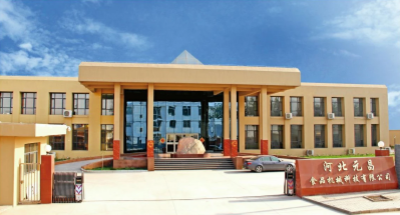
40 Years of Manufacturing Expertise
Since 1986, we've been a trusted name in meat processing equipment, building a deep reservoir of technical knowledge.

Quality & Precision
Our in-house machining workshop, including Japanese Mazak CNC centers, ensures we understand and can deliver high-precision components.

Comprehensive Support
We offer traceable after-sales management and are dedicated to providing informed guidance on sourcing and integrating equipment.
Customer Insights: Real-World Experiences

Maria Rodriguez, Operations Manager
South American Foods Co.
"We needed to expand our sausage production capacity quickly. Buying a used vacuum filler from Yuanchang was a game-changer. It was thoroughly inspected and performed flawlessly from day one. The support we received was exceptional."
— Reliable Performance, Swift Expansion

David Lee, Procurement Director
Premium Pet Food Ltd.
"Sourcing a robust meat processing line that met our hygiene standards was challenging. Yuanchang guided us through their used equipment inventory, providing detailed specs and even videos. The quality of the used massaging machine we acquired exceeded our expectations for ripening."
— Exceeded Hygiene & Quality Expectations

Ahmed Khan, Plant Manager
Middle Eastern Meats LLC
"We needed a cost-effective way to increase our slicing capacity for cured meats. The used slicer we purchased from Yuanchang was in excellent condition, and the logistics support for international shipping was seamless. A smart investment for our business."
— Seamless International Acquisition
Frequently Asked Questions
Q: What is the typical lifespan of used industrial food processing equipment?
The lifespan varies significantly based on the original build quality, how well it was maintained, and the type of equipment. High-quality machines from reputable manufacturers, especially those with good maintenance records, can offer many more years of reliable service. Our experience suggests that with proper care, many machines can have a second life of 10-15 years or more.
Q: How can I verify the condition of used equipment remotely?
Reputable suppliers will offer detailed photos, operational videos, and comprehensive inspection reports. We also facilitate live video calls for remote inspections, allowing you to see the equipment in action and ask specific questions. Always prioritize suppliers who are transparent and willing to provide extensive documentation.
Q: What are the risks associated with buying used food processing equipment?
Potential risks include unforeseen mechanical failures, incompatibility with existing systems, compliance issues with food safety regulations, and inadequate documentation. Mitigating these risks involves thorough supplier vetting, detailed technical inspections, and ensuring you understand the equipment's full specifications and operational history.
Q: Can you provide installation support for used machinery?
While direct on-site installation might be limited by geography, we offer extensive pre-installation guidance, technical documentation, and can connect you with trusted third-party technicians who specialize in the setup and commissioning of such equipment. Our goal is to ensure a smooth integration into your production line.
Q: What are the benefits of acquiring used equipment compared to new?
The primary benefit is significant cost savings, allowing for a lower initial capital investment and potentially a faster ROI. It also offers a quicker route to expanding capacity or accessing specialized machinery that might have long lead times when new. For many businesses, it's a strategic way to optimize budget while still acquiring capable production assets.
Ready to Enhance Your Production Efficiency?
Explore our inventory of high-quality used industrial food processing equipment or discuss your specific needs with our experienced team. Let us help you find the right machinery to drive your business forward.
Contact us: +86 15830991513 | ycmeatmech@gmail.com
Hebei Yuanchang Food Mechanism & Technology Co., Ltd. | Shijiazhuang, Hebei Province, China
© 2026 Hebei Yuanchang Food Mechanism & Technology Co., Ltd. All rights reserved.
We are committed to providing reliable industrial solutions for the global food processing industry.