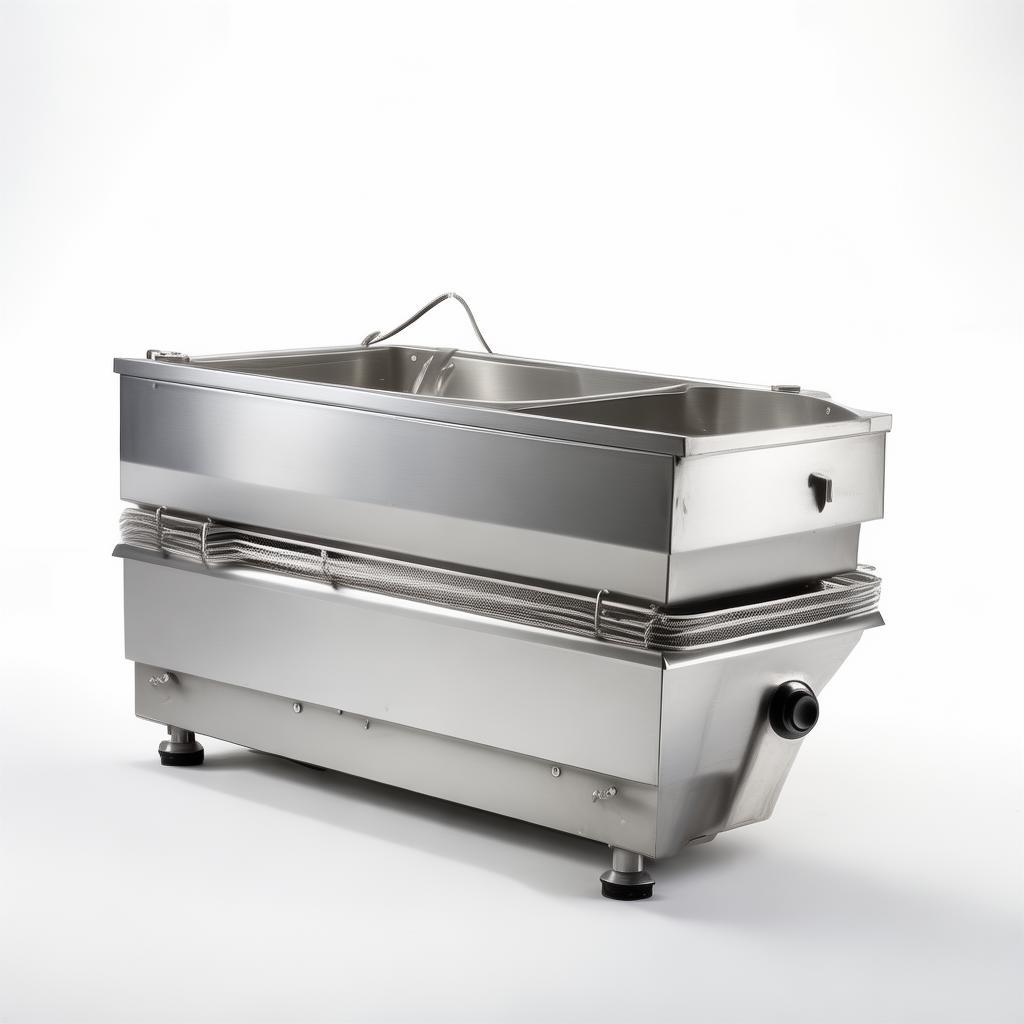
Twist Wrapping And Portioning Production Line Price
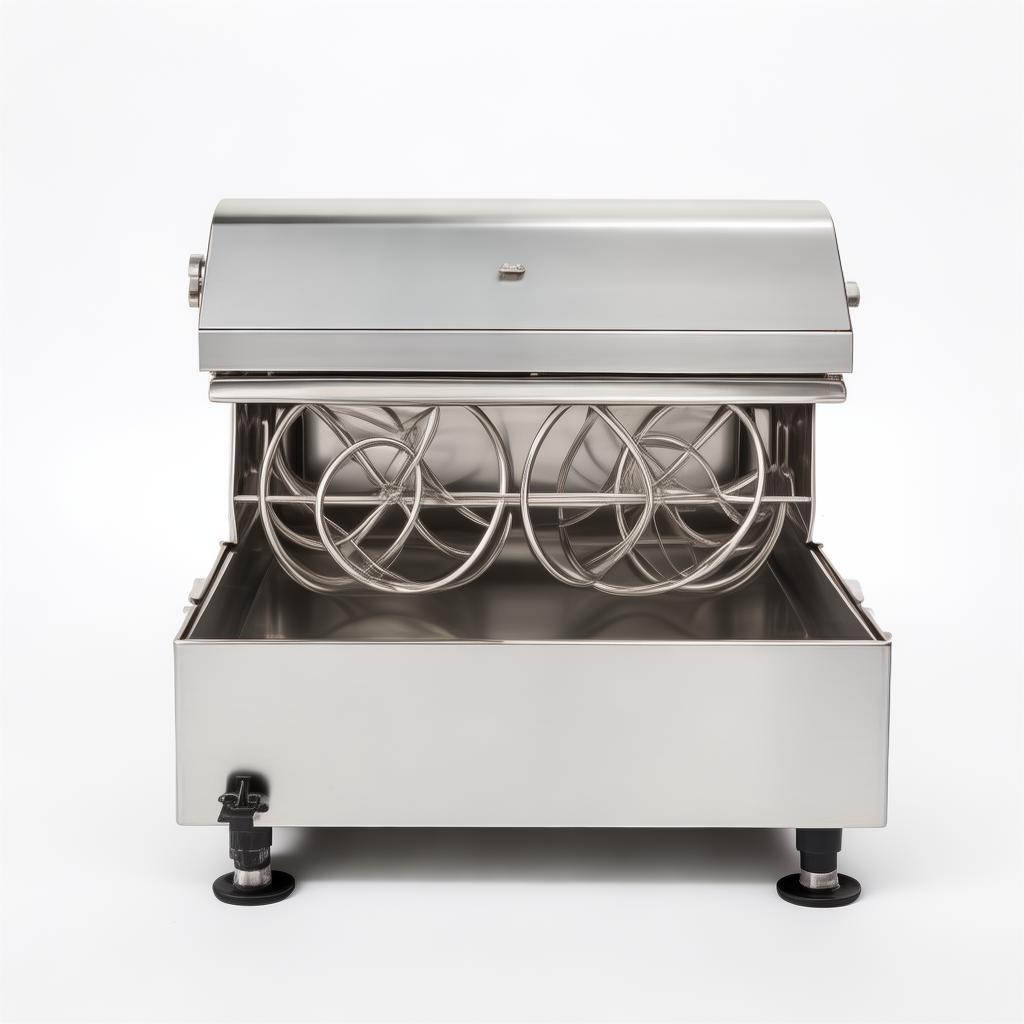
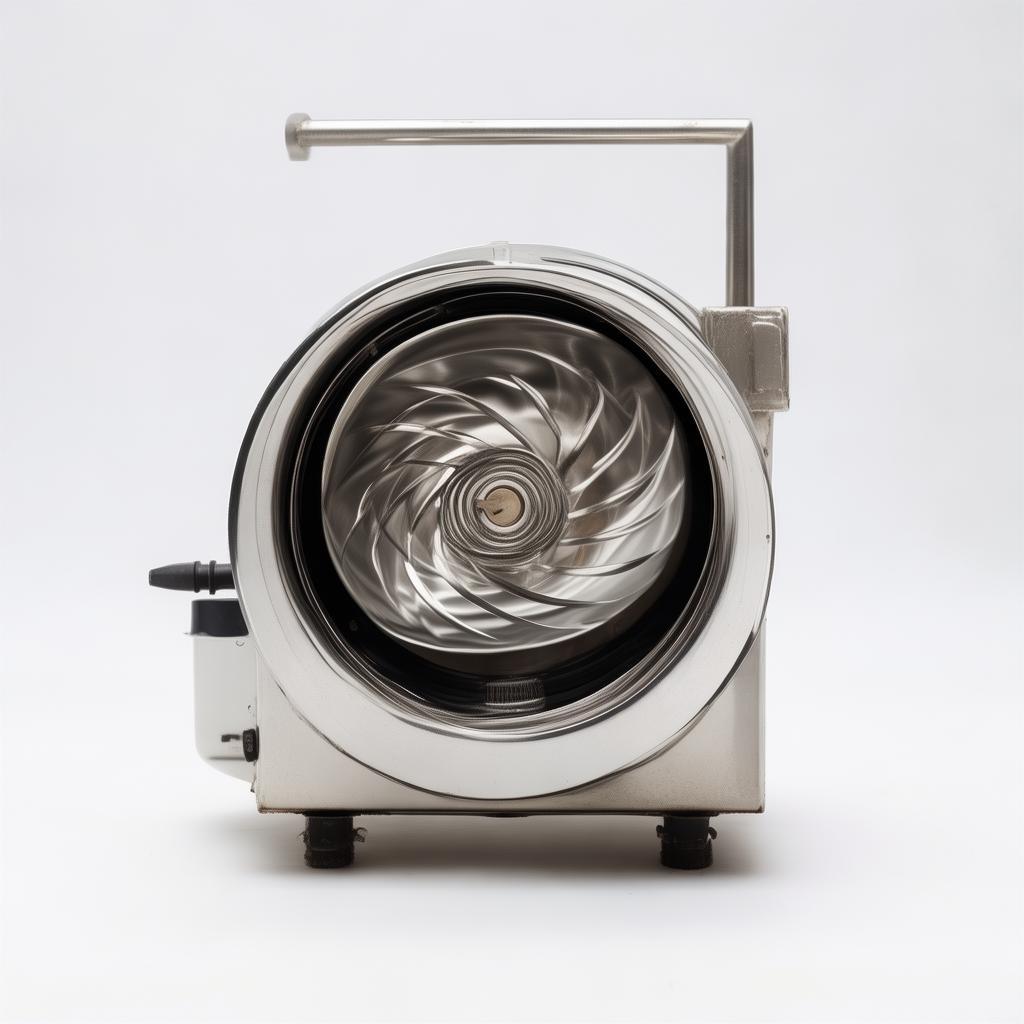
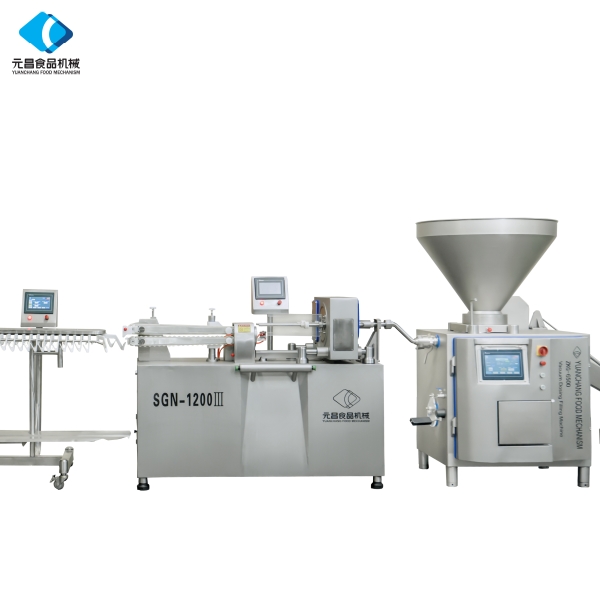
Precise Portioning & Efficient Twist Wrapping: Understanding Production Line Pricing for Your Wholesale Export Needs
Elevate your meat processing output with intelligent, cost-effective solutions.

Navigating the Investment: What Determines Twist Wrapping & Portioning Production Line Costs?
For any international B2B wholesale operation focused on processed meats, securing a competitive edge hinges on efficiency, consistency, and ultimately, smart capital investment. When evaluating the twist wrapping & portioning production line price, you're not just buying machines; you're investing in the scalability and reliability of your entire operation. This isn't a small decision, and understanding the factors that influence cost is paramount for making an informed procurement choice. We see many buyers trying to pinpoint a single number, but the reality is far more nuanced. The global market for meat processing equipment is robust, projected to grow significantly, with reports indicating figures like USD 11.29 billion in 2025, rising to USD 17.39 billion by 2034 at a 5.0% CAGR, as noted by Fortune Business Insights. This growth is fueled by increasing demand for processed meats and the essential need for automation in hygiene, labor efficiency, and meeting strict food safety standards. Our aim here is to demystify the pricing structure, offering you the clarity needed to budget effectively and select a line that truly aligns with your export ambitions.
The core components of such a line – portioning and twist wrapping – address distinct but complementary needs in modern meat processing. Accurate portioning ensures product consistency, reduces waste, and meets precise weight requirements demanded by retailers and consumers alike. Think of sausages, pre-formed patties, or even deli slices; accuracy here is non-negotiable. Following this, efficient twist wrapping secures the product, extending shelf life, maintaining hygiene during transit, and presenting a professional, tamper-evident package. The integration of these two functions into a cohesive production line can dramatically streamline your workflow, cutting down on manual handling and potential bottlenecks. The complexity and automation level of each stage are primary drivers of cost. A basic, semi-automatic portioner coupled with a manual wrapper will naturally be less expensive than a fully automated, high-speed system capable of handling diverse product types and packaging materials.
Beyond the immediate machinery, think about the downstream impact. When you invest in a quality twist wrapping & portioning production line, you're not just optimizing the current output. You're building capacity for growth. Many of our clients, especially those looking at export markets, are driven by scalability. They need to know that as their orders increase, their equipment can keep pace without requiring a complete overhaul. This means considering the modularity of the line, its ability to integrate with other upstream or downstream equipment (like grinding, mixing, or further packaging solutions), and its overall footprint. The projected growth in the meat processing equipment market, reaching up to USD 15.04 billion by 2030 according to Grand View Research, highlights a global trend towards professionalizing and automating these operations. Buyers are increasingly looking for integrated solutions rather than piecemeal machinery.
Furthermore, the concept of "price" needs to be viewed through the lens of Total Cost of Ownership (TCO). Initial purchase price is only one facet. Other significant considerations include:
- Installation & Commissioning: Depending on the complexity and location, this can range from a few days to several weeks, involving specialized technicians.
- Training: Ensuring your operators are proficient is crucial for efficiency and safety.
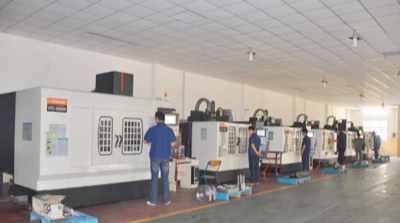
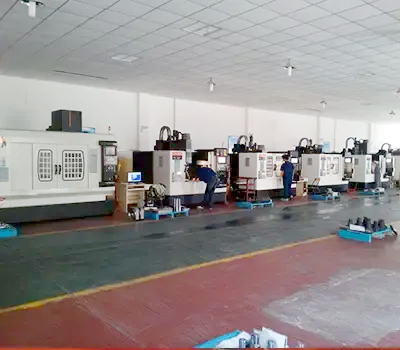
- Maintenance & Spare Parts: A robust after-sales support system and readily available parts are vital for minimizing downtime, especially for export operations where lead times for repairs can be critical. Our in-house machining workshop, equipped with over 20 sets of processing machinery including Japanese Mazak CNC machining centers, allows us to produce high-precision parts independently, ensuring worry-free after-sales service.
- Energy Consumption: Modern equipment is designed for better energy efficiency, which translates to lower operating costs over the equipment's lifecycle.
- Packaging Material Compatibility: The type and cost of wrapping materials required will impact ongoing expenses.
For international B2B buyers, understanding these variables is not just about getting a quote; it's about securing a long-term, profitable production asset. A slightly higher upfront investment in a more robust, automated system can yield significant returns through reduced labor costs, minimized product giveaway, lower rejection rates, and enhanced market access due to consistent quality and certifications. We believe in providing transparent pricing based on demonstrable value and operational excellence. The market research reinforces this; a growing demand for processed meats, coupled with stringent food safety regulations, is pushing manufacturers towards more sophisticated equipment. For example, the rise of value-added products, like reconstituted and formed meats, heavily relies on advanced molding and filling technologies, a key part of the portioning function.

The specific pricing for a twist wrapping & portioning production line is therefore a function of many intertwined elements. It's about the throughput capacity (pieces per minute/hour), the level of automation, the precision required, the types of materials handled, the environmental controls (e.g., stainless steel construction for washdown), and the brand reputation and engineering behind the solution. When you inquire, be prepared to discuss your current production volumes, target markets, product types, and future growth plans. This information allows us to tailor a solution and provide a quote that reflects genuine value. The global meat processing equipment market is indeed expected to expand, with various reports forecasting CAGRs around 5-7% over the next decade, indicating a healthy demand for these technologies. Our 40 years of experience since 1986, coupled with significant investment in advanced CNC machining, allows us to offer not just competitive pricing but superior engineering and support for your international ventures.
Understanding the Core Components: Portioning & Twist Wrapping Technology
At the heart of any successful processed meat operation lies the ability to accurately shape and package products. A dedicated twist wrapping & portioning production line addresses these critical needs with specialized machinery designed for high efficiency and consistency. Let's break down the two primary functions:
Precision Portioning Systems
This is where raw meat transforms into saleable units. Portioning equipment is designed to divide bulk meat into exact weights or volumes, ensuring uniformity across batches. This is vital for cost control, as it minimizes product giveaway, and for meeting strict regulatory or customer specifications. The technology employed can vary significantly:
- Forming Machines: These utilize molds to shape meat into specific forms like patties, nuggets, or even complex shapes for value-added products. The precision here is about volumetric consistency and accurate weight delivery. Market trends show significant growth in formed meat products, driving demand for sophisticated forming technologies.
- Grinding and Filling Systems: For products like sausages, a combination of high-precision grinders and volumetric fillers is essential. Fillers accurately inject the meat mixture into casings at a consistent density and weight. The global demand for sausages and similar filled products is a key driver for this segment.
- Slicing and Dicing Equipment: For products like deli meats or bacon, advanced slicing machines can produce ultra-thin, uniform slices with minimal waste.
- Weighing and Rejection Systems: Integrated scales and automated rejection mechanisms ensure that only perfectly portioned products move forward, maintaining quality and reducing scrap.
The accuracy of these systems directly impacts your bottom line. Over-portioning might seem like a minor issue, but across thousands of units daily, it translates to substantial product loss. Under-portioning, conversely, can lead to customer complaints and rejections. The twist wrapping & portioning production line price will reflect the chosen level of accuracy, speed, and automation in this critical stage.
Efficient Twist Wrapping Solutions
Once portioned, products need to be packaged to protect them, extend shelf life, and present them appealingly. Twist wrapping is a popular and cost-effective method, especially for irregular shapes or products that benefit from a tight, secure seal. Key considerations for twist wrapping machinery in a production line include:
- Speed and Throughput: High-speed wrappers are essential to keep pace with automated portioning systems, preventing upstream backups.
- Film Compatibility: Machines can be configured for various film types, including plastic films, biodegradable options, or specific barrier materials, depending on product requirements and market trends towards sustainability.
- Seal Quality: A consistently tight, reliable twist seal is crucial for product integrity and preventing contamination during distribution and retail display.
- Automation Level: From semi-automatic loading to fully integrated infeed and outfeed systems, the level of automation dictates labor requirements and overall line efficiency.
- Hygiene and Washdown Capabilities: Essential for food processing environments, stainless steel construction and easy-to-clean designs are standard for reliable operation.
The integration of portioning and twist wrapping into a single production line offers significant advantages: reduced manual handling, consistent product flow, and minimized risk of contamination. This synergy is what drives the value proposition for many B2B buyers looking to optimize their export capabilities. The twist wrapping & portioning production line price is a reflection of the combined engineering, throughput, and automation integrated into these two crucial functions.
Factors Influencing Twist Wrapping & Portioning Production Line Costs
When you receive a quote for a twist wrapping & portioning production line, several key variables will dictate the final figure. Understanding these allows for more targeted inquiries and a clearer evaluation of value.
1. Throughput & Capacity
The most significant factor. How many kilograms per hour or pieces per minute does the line need to produce? Higher capacity lines require more robust, larger, and often more automated machinery, naturally increasing the price. For export markets, ensuring your line can handle projected peak demand is crucial. The market analysis indicates a CAGR of 5-7% for meat processing equipment, signaling robust demand for scalable solutions. For instance, a line designed for 500 kg/hr will be priced differently than one designed for 2,000 kg/hr.
2. Level of Automation
Are you looking for a semi-automatic setup with manual loading and product transfer, or a fully integrated, end-to-end automated system? Automated portioning and wrapping lines reduce labor costs, minimize human error, and enhance speed. However, the advanced robotics, sensors, and control systems required for full automation represent a considerable investment. Think about labor availability and cost in your target export regions; automation often justifies its higher initial price through long-term operational savings.
3. Precision & Accuracy Requirements
For products where exact weight is critical (e.g., for retail packaging or specific regulatory compliance), the portioning equipment needs to be exceptionally precise. This often involves more sophisticated servo-driven systems, advanced weighing technologies, and integration with quality control software. Higher precision machinery naturally comes with a higher price tag.
4. Product Variety & Flexibility
Will the line handle a single product type, or does it need to accommodate a diverse range of products (e.g., different meats, various shapes, sizes, and textures)? Machines designed for flexibility, with quick changeover capabilities and adaptable molds or wrapping heads, are more complex and therefore more expensive. If your export strategy involves a wide product portfolio, this flexibility is a non-negotiable factor to consider in the price.
5. Materials of Construction & Build Quality
Food-grade stainless steel (e.g., 304 or 316L) is standard for hygiene and durability in washdown environments. High-quality components, precision engineering, and robust construction ensure longevity and minimal downtime. Reputable manufacturers like Hebei Yuanchang Food Mechanism & Technology Co., Ltd., with over 40 years of experience and advanced CNC machining capabilities, invest heavily in build quality, which is reflected in the price but also in the reliability and lifespan of the equipment. For export, durability is paramount to withstand diverse logistical conditions.
6. Integrated Technologies & Features
Additional features such as automated product feeding, integrated quality inspection systems (e.g., metal detection, X-ray), advanced HMI (Human-Machine Interface) touchscreens for easy operation, and data logging for traceability will add to the overall cost. These features can significantly enhance operational efficiency and compliance, justifying their inclusion in the overall investment.
7. Brand Reputation & Engineering Expertise
Established manufacturers with a proven track record in the international B2B market, known for their engineering excellence and reliable after-sales support, typically command higher prices. This premium often reflects superior design, longer equipment lifespan, and more comprehensive support services, which are critical for export operations. Our 40 years in the industry, specialized in complete production lines since 1986, and our in-house precision machining capabilities, speak to this commitment.
8. Certifications & Compliance
Equipment meeting international standards like CE or FDA requirements for food contact may have higher upfront costs due to the rigorous design and testing processes involved. For export, ensuring compliance with your target market's regulations is a must.
Technical Specifications: What to Look For
When evaluating a twist wrapping & portioning production line price, delve into the technical specifications. These details are the true indicators of performance and suitability for your operation.
| Specification | Key Considerations for B2B Buyers | Impact on Price |
|---|---|---|
| Portioning Capacity (kg/hr or pieces/min) | Match to your production targets. Consider peak demand. | Higher capacity = Higher Price |
| Portioning Accuracy (e.g., +/- 1g) | Critical for cost control and meeting specifications. | Higher precision = Higher Price |
| Product Size/Shape Range | Ensure compatibility with your current and future product mix. | Greater flexibility = Higher Price |
| Wrapping Speed (packs/min) | Must keep pace with portioning to avoid bottlenecks. | Higher speed = Higher Price |
| Film Type Compatibility | Consider various plastic films, laminates, or sustainable options. | Multi-film capability can increase price |
| Materials of Construction | Stainless steel (304/316L) preferred for hygiene and durability. | Higher grade SS, specialized finishes = Higher Price |
| Power Requirements (kW/Voltage) | Ensure compatibility with your facility's infrastructure. | Higher power for higher capacity = Higher Price |
| Control System (HMI, PLC) | User-friendly interface, data logging, remote diagnostics. | Advanced PLCs, touchscreens = Higher Price |
| Certifications (CE, FDA, etc.) | Essential for specific export markets. | Compliance testing and design = Higher Price |
twist wrapping & portioning production line for sale twist wrapping & portioning production line supplier commercial twist wrapping & portioning production line
Don't hesitate to request detailed spec sheets. For international procurement, clarity on these technical points is non-negotiable to ensure the line meets your operational requirements and local regulations.
Applications & Industry Impact
A well-specified twist wrapping & portioning production line is not just a capital expense; it’s a strategic asset that enhances competitiveness across numerous segments of the meat processing industry. Whether you’re dealing with red meat, poultry, or even specialized products, the ability to consistently portion and securely wrap is fundamental.
Sausage & Cured Meat Production
This is perhaps the most classic application. Portioning machines accurately fill casings to precise weights, ensuring uniformity in linked sausages. Twist wrappers then seal these links or individual portions, providing a barrier against moisture loss and contamination. This segment of the market, alongside tenderizing and massaging equipment for ripening, is a significant driver of growth for processing machinery.
Formed Meat Products (Patties, Nuggets, etc.)
Forming machines create consistent shapes and weights for patties, burgers, nuggets, and other formed items. The subsequent twist wrapping secures these products, maintaining their shape and freshness through the supply chain. The demand for convenience foods and ready-to-eat options directly fuels the need for reliable forming and packaging solutions. Reports show the reconstituted meat market, heavily reliant on molding, is set to see substantial growth.
Deli Meats & Sliced Products
While often associated with high-speed slicers, precision portioning can also involve accurate cutting and stacking of processed deli meats. Twist wrappers are then used to package these portions, often in flexible film, maintaining product integrity and presentation. The trend towards premiumization in processed meats further emphasizes the need for high-quality packaging.
Pet Food Processing
Our expertise extends to pet food processing as well. Consistent portioning and secure wrapping are just as critical for pet food products, ensuring correct nutritional delivery and product safety. The growing pet food market presents a significant opportunity for manufacturers equipped with efficient processing lines.
The impact on your business is profound. By investing in a capable twist wrapping & portioning production line, you can expect:
- Reduced Operational Costs: Lower labor input and less product waste.
- Enhanced Product Quality & Consistency: Meeting stringent buyer and consumer expectations.
- Increased Throughput: Scaling production to meet growing export demands.
- Improved Shelf Life: Reliable packaging protects against spoilage.
- Better Brand Reputation: Delivering consistent, high-quality products builds trust.
The global meat processing equipment market shows a strong and consistent growth trajectory, driven by these very needs. Investing in the right machinery is not just about keeping up; it's about getting ahead.
Procurement & Supplier Evaluation: Getting the Best Value
Securing the best twist wrapping & portioning production line price is a critical procurement exercise. Beyond the initial quote, rigorous supplier evaluation is essential for long-term operational success, especially in international trade.
1. Factory Capabilities & Experience
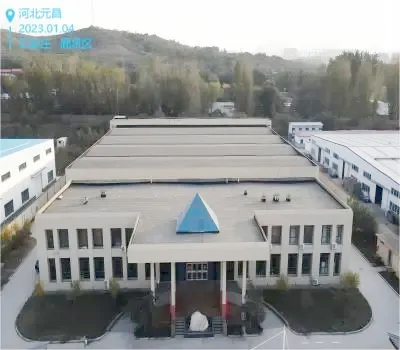
Look for manufacturers with a deep history in meat processing equipment. Companies like Hebei Yuanchang Food Mechanism & Technology Co., Ltd., with 40 years of experience since 1986, bring invaluable practical knowledge. Our dedicated R&D, production, and sales integration, along with an in-house machining workshop featuring over 20 sets of processing machinery and 8 Japanese Mazak CNC machining centers, signifies our ability to deliver high-precision, reliable solutions tailored to specific needs. A substantial physical presence (our 14,000 sq meter facility) and a dedicated team (80-100 employees) also indicate robust manufacturing capacity.
2. Technical Support & After-Sales Service
This is paramount for international buyers. Inquire about:
- Installation & Commissioning Assistance: Do they offer on-site support?
- Operator Training: Is it included? What's the duration?
- Spare Parts Availability: How quickly can parts be shipped internationally? What is the lead time for critical components? A traceable after-sales management system is key.
- Remote Diagnostics & Support: Can they troubleshoot issues remotely to minimize downtime?
For export, a supplier's ability to provide swift and effective support can be the difference between a minor interruption and a significant production stoppage.
3. Customization & OEM/ODM Capabilities
Does the supplier offer modifications to standard designs to meet unique requirements? Can they work with you on Original Equipment Manufacturer (OEM) or Original Design Manufacturer (ODM) projects? Flexibility in design and manufacturing is crucial for tailoring solutions to specific export market demands or integrating with existing infrastructure. Our CNC capabilities allow us to produce non-standard, high-precision components, facilitating customization.
4. Certifications & Compliance
Verify that the equipment meets relevant international standards (e.g., CE, FDA). This is not just about compliance; it demonstrates a commitment to quality and safety that resonates with international buyers and facilitates market entry. We ensure our equipment meets stringent quality and safety standards.
5. Transparency in Pricing & Lead Times
A reputable supplier will provide clear, itemized quotes. Understand what is included (shipping, installation, training, warranty). Realistic lead times for manufacturing and delivery are also crucial for production planning. We provide detailed proposals and realistic timelines.
6. Testimonials & Case Studies
Seek out references from similar international clients. Real-world examples of successful implementations provide confidence in the supplier's capabilities and product performance.
Installation & Maintenance Considerations for Global Operations
The investment in a twist wrapping & portioning production line extends beyond the purchase. Successful integration and long-term operation rely heavily on proper installation and diligent maintenance, especially for international deployments.
Site Preparation & Installation
Before the equipment arrives, ensure your facility is adequately prepared. This includes sufficient space, stable flooring capable of supporting the machinery's weight, proper electrical and pneumatic supply, and adequate ventilation. For complex lines, professional installation by the manufacturer's technicians or certified partners is highly recommended to ensure correct alignment, calibration, and safety compliance. For international shipments, understanding customs, import duties, and local installation regulations is a crucial part of the logistical planning.
Operator Training
A well-trained operator is the cornerstone of efficient production. Training should cover:
- Safe operation procedures.
- Routine cleaning and sanitation protocols.
- Basic troubleshooting and error correction.
- Product changeover procedures.
- Preventive maintenance scheduling.
Invest in comprehensive training, whether on-site or at the manufacturer's facility, to maximize your ROI and minimize operational risks.
Preventive Maintenance Schedules
Downtime is costly, especially in export operations where market demands are time-sensitive. A proactive preventive maintenance (PM) program is essential. This typically includes:
- Daily Checks: Visual inspections, lubrication points, cleaning.
- Weekly/Monthly Checks: Belt tension, sensor calibration, filter checks, wear assessments.
- Annual Servicing: Comprehensive inspection, component replacements (e.g., seals, knives), software updates.
Adhering to the manufacturer's recommended PM schedule significantly extends the lifespan of your equipment and prevents unexpected failures. Our traceable after-sales management system supports this.
Spare Parts Management
Maintain a stock of critical spare parts to minimize downtime in case of component failure. For international operations, understand the supplier's logistics for expedited parts delivery. Having local support or a reliable parts distribution network can be invaluable. Our ability to produce high-precision parts in-house means we can often fulfill requests faster.
Hygiene and Sanitation
Regular and thorough cleaning is non-negotiable in food processing. Design your PM program to facilitate easy access to all parts of the line for cleaning. Ensure cleaning agents and procedures are compatible with the materials of construction to prevent damage and maintain food safety compliance. Equipment designed for easy washdown (e.g., with IP-rated components) will simplify this process.
A smart investment in a twist wrapping & portioning production line also includes a commitment to its upkeep. Proper installation and a rigorous maintenance schedule are key to unlocking its full potential and ensuring a strong return on investment for your export business.
Frequently Asked Questions (FAQs)
Q1: What is the typical lifespan of a twist wrapping and portioning production line?
With proper maintenance, preventative care, and quality manufacturing, a well-built line can last 10-15 years, sometimes longer. Factors like usage intensity, materials, and the manufacturer's build quality play a significant role. Our focus on high-precision components and robust engineering aims to maximize equipment longevity.
Q2: Can these lines handle both fresh and frozen meat products?
Generally, portioning equipment is optimized for chilled or fresh meat. Processing frozen meat requires specialized equipment due to its hardness and potential for damage to standard components. Wrapping capabilities can often accommodate a wider range of products, but specific film types may be needed for frozen items. It's crucial to specify your product state during inquiry.
Q3: What kind of packaging films are compatible with twist wrapping machines?
Most twist wrappers can handle a variety of plastic films, including polyethylene (PE), polypropylene (PP), and laminates. The specific film type, its thickness, and its heat-sealing or twist-sealing properties will influence performance. We can advise on suitable film materials based on your product and desired shelf life.
Q4: How much space is typically required for a complete production line?
This varies greatly depending on the capacity and level of automation. A compact, semi-automatic line might fit within a few square meters, while a high-throughput, fully automated line can require a significant footprint, including space for infeed, outfeed, and material handling. We provide detailed layout drawings based on the selected configuration.
Q5: What are the typical lead times for manufacturing and delivery of a production line?
Lead times can range from 60 to 120 days or more, depending on the complexity of the customisation, current factory workload, and shipping logistics. It’s wise to factor this into your long-term production planning and investment cycles. Communicating your project timeline upfront is essential.
Q6: Do you offer financing options for international buyers?
While we primarily work on direct purchase agreements, we can often provide documentation and support for buyers seeking third-party financing or export credit. We recommend exploring options with your local financial institutions or export credit agencies.
Q7: How do you ensure quality control during manufacturing?
Quality is built into our process. We employ rigorous checks at every stage, from raw material inspection to precision machining with our CNC centers. Final assembly and testing are conducted by experienced technicians to ensure each machine meets stringent performance standards before shipment. Our traceability system ensures component quality.
Real-World Impact: What Our Clients Say
Hearing directly from our partners provides the best insight into the value our equipment brings.

Procurement Manager, South American Foods Inc.
"Implementing the portioning and twist wrapping line from Hebei Yuanchang was a game-changer. We've seen a dramatic reduction in product giveaway, easily saving us thousands per quarter. The consistency of the portion sizes is remarkable, and our export clients have noticed the improved product presentation. Their support throughout the installation process was invaluable."

Operations Director, Global Meats Export
"We needed a reliable line that could handle high volumes for our European market. The Hebei Yuanchang team understood our needs perfectly. The automation in both portioning and wrapping has significantly increased our output without compromising quality. The equipment's robust build quality is evident, and their responsiveness for technical queries has been excellent, minimizing our operational disruptions."

Production Engineer, Asia Pacific Meats Co.
"Our previous line was outdated and prone to frequent breakdowns. The new integrated line from Hebei Yuanchang has vastly improved our efficiency and uptime. The precision of the portioning is excellent, and the wrapping is secure and professional. We appreciated their willingness to discuss customization options to fit our specific product types."

Wholesale Meat Processor, Middle East
"The ability to maintain consistent product weight and secure packaging has been critical for our export contracts. Hebei Yuanchang delivered a line that exceeds our expectations in terms of reliability and performance. The after-sales support has been responsive, which is crucial given our international location. We are very satisfied with the ROI."
Ready to Enhance Your Production Line?
Don't let outdated equipment hold back your international export ambitions. Investing in a modern, efficient twist wrapping and portioning production line is a strategic move towards greater profitability and market competitiveness.
Discuss your project requirements and receive a detailed quote.
Get expert advice on technical specifications and customization.
Explore our full range of meat processing solutions.