Trailer Crane
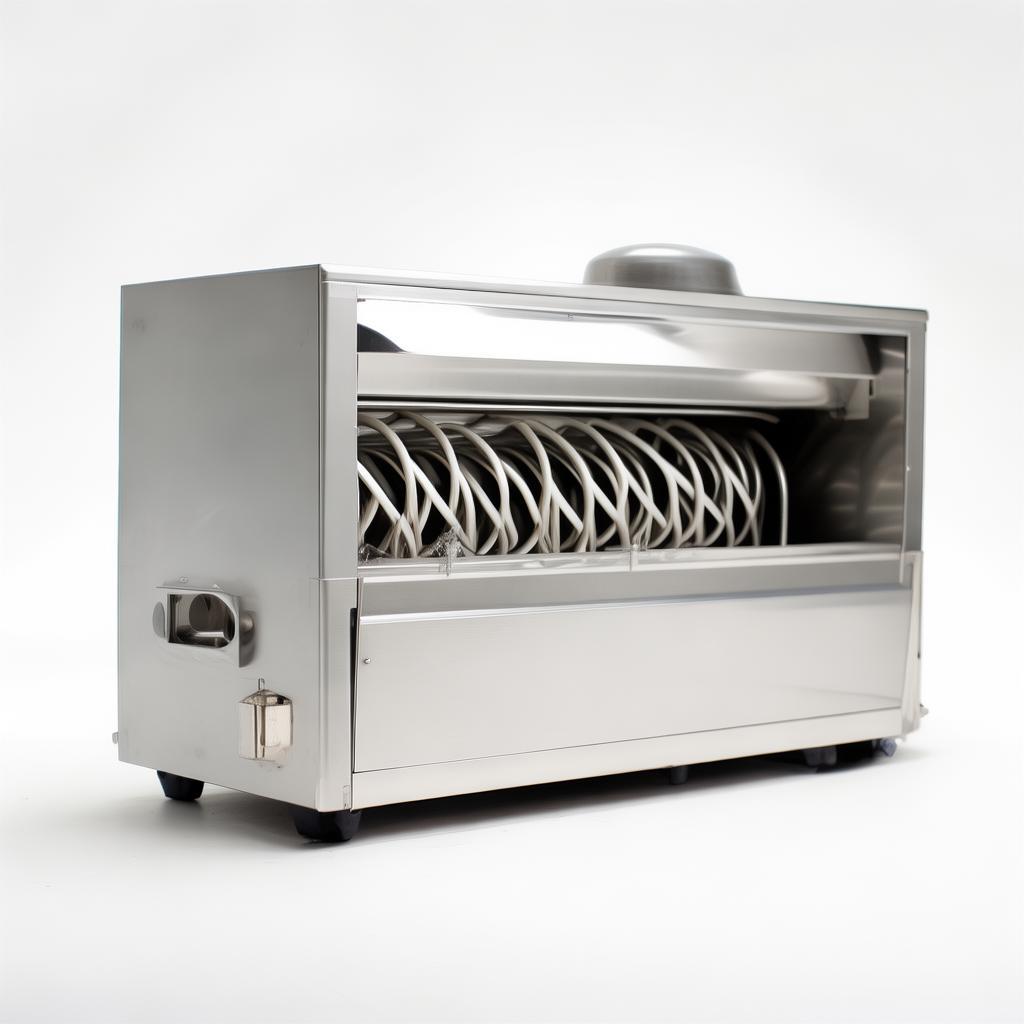
Trailer Cranes: Precision Lifting for Demanding Industrial Operations
Unlock Unparalleled Efficiency and Safety with Our Robust Trailer Crane Solutions
The Core of Efficient Material Handling: Understanding Trailer Cranes
In the intricate world of industrial operations, from construction sites and manufacturing facilities to logistics hubs and agricultural enterprises, the ability to move heavy materials with precision and safety is paramount. At the heart of many such operations lies the trailer crane – a versatile piece of equipment that combines the lifting power of a crane with the mobility of a trailer. Unlike fixed-location cranes, trailer cranes offer an exceptional degree of flexibility, allowing businesses to deploy lifting capabilities exactly where they are needed, when they are needed. This adaptability is crucial for optimizing workflows, reducing project timelines, and significantly enhancing operational efficiency. The market for such equipment is robust, reflecting a growing global demand for sophisticated material handling solutions. For instance, the meat processing equipment market, a sector where precise material handling is critical for everything from raw ingredient staging to final product packaging, was valued at USD 11.29 billion in 2025 and is projected to reach USD 17.39 billion by 2034. While this specific market focuses on food processing, the underlying principles of requiring robust, adaptable, and efficient machinery for material movement are universal across industries. Trailer cranes are engineered to meet these universal demands, offering a bridge between stationary lifting and the dynamic needs of modern industry.
Choosing the right trailer crane means more than just selecting a machine with a high lifting capacity. It involves a deep understanding of the specific operational challenges you face. Are you dealing with tight urban construction sites where maneuverability is key? Do you need to lift and position components on a large factory floor or across sprawling agricultural fields? The design and functionality of trailer cranes are tailored to address these varied requirements. They can range from compact, easily towed units suitable for smaller loads and confined spaces, to heavy-duty models capable of lifting substantial weights across significant distances. This broad spectrum of capability ensures that businesses can find a solution that precisely matches their needs without overspending on unnecessary features or compromising on essential performance. The operational integration of a trailer crane can transform how tasks are performed, reducing reliance on manual labor, minimizing the risk of workplace injuries, and accelerating project completion times, all of which contribute directly to the bottom line. The ROI on a well-chosen trailer crane isn't just measured in uptime, but in the cumulative gains from improved safety, faster execution, and greater operational flexibility.
Our expertise at Hebei Yuanchang Food Mechanism & Technology Co., Ltd., honed over 40 years in precision manufacturing, extends to understanding the critical role of such heavy-duty equipment. While our primary focus has been in sophisticated food processing machinery – involving intricate tasks like filling & stuffing, ripening processes, and auxiliary items – the core engineering principles of durability, precision, and operational reliability are identical. These are the very qualities that define a superior trailer crane. The global meat processing equipment market itself is projected to reach USD 15.44 billion by 2035 at a CAGR of 5.6%, highlighting the significant investment in machinery that ensures efficiency and safety in demanding environments. When considering trailer cranes, it's vital to partner with a manufacturer that possesses a profound understanding of materials science, engineering tolerances, and the practical realities of industrial deployment. This understanding ensures that the equipment you acquire is not just a tool, but a reliable asset built for longevity and peak performance, even under the most challenging conditions. We leverage our extensive experience in producing high-precision components, utilizing advanced machinery including Japanese Mazak CNC machining centers, to ensure every unit we offer meets the highest standards of quality and durability.
The inherent value of a trailer crane lies in its ability to decouple lifting operations from fixed infrastructure. This is a game-changer for businesses that operate across multiple sites, undertake project-based work, or require the flexibility to reconfigure their operational layouts frequently. Imagine a scenario where a heavy piece of machinery needs to be installed or removed from a production line; a trailer crane can be towed directly to the location, perform the lift, and then be redeployed to another task or site, all without the extensive setup and logistical complexities associated with traditional crane rentals or fixed installations. This mobility significantly reduces downtime and operational disruptions. Furthermore, the integration of advanced safety features, ergonomic controls, and robust structural engineering in modern trailer cranes minimizes the risk of accidents, protecting both personnel and valuable assets. For procurement managers and operations directors, this translates into a tangible reduction in insurance premiums, fewer lost workdays due to injury, and greater confidence in overall operational integrity. The commitment to quality, as evidenced by our advanced machining capabilities and meticulous after-sales management system, ensures that each trailer crane is a dependable workhorse.
As the meat processing equipment market continues its upward trajectory, with projections indicating a value of USD 17.39 billion by 2034, the underlying need for efficient, safe, and mobile material handling equipment remains a constant across all industrial sectors. Trailer cranes embody this need, offering a scalable and adaptable solution. Whether you are involved in heavy construction, infrastructure development, advanced manufacturing, or specialized logistics, the right trailer crane can become an indispensable asset. We understand that the decision to invest in such equipment is significant, and our role is to provide not just a product, but a solution backed by decades of engineering excellence and a deep understanding of industrial requirements. The combination of our manufacturing depth, our commitment to quality, and our focus on customer needs makes Hebei Yuanchang a trusted partner for your lifting and material handling challenges.
Addressing Operational Challenges in Lifting and Transport
Procurement teams and operations managers across various industries frequently grapple with a set of persistent challenges that directly impact project timelines, budgets, and overall safety. One of the most significant is the lack of flexibility in heavy lifting. Fixed cranes require extensive setup, can obstruct site movement, and are prohibitively expensive to relocate frequently. This inflexibility often leads to project delays and increased logistical costs, especially in dynamic construction environments or multi-site manufacturing operations.
Another critical issue is equipment downtime and maintenance. Complex machinery, if not built to rigorous standards, can be prone to breakdowns, leading to costly repair cycles and extended periods of non-operation. The need for specialized technicians and spare parts further exacerbates these issues, particularly for businesses operating internationally where supply chains can be stretched thin. The meat processing equipment market, for instance, sees substantial investment driven by the need for reliable machinery to maintain continuous production; downtime in such sensitive sectors can be catastrophic. This principle of reliability extends directly to trailer crane selection.
Safety concerns and regulatory compliance are also ever-present. Operating heavy machinery requires strict adherence to safety protocols. Inadequate lifting equipment, poor training, or a lack of robust safety features can lead to severe accidents, damaging equipment, causing injuries, and resulting in significant legal and financial repercussions. Ensuring that lifting solutions meet or exceed industry standards is not just a compliance requirement but a fundamental aspect of responsible operation.
Furthermore, cost-effectiveness and ROI are always under scrutiny. While initial investment is a factor, the long-term operational costs, including fuel, maintenance, specialized operator requirements, and potential downtime, must be carefully evaluated. Many businesses struggle to accurately forecast the total cost of ownership for lifting equipment, leading to budget overruns and suboptimal asset utilization. The push for automation and efficiency in industries like meat processing (e.g., using massaging equipment for ripening) underscores the industry's focus on maximizing output and minimizing waste – a philosophy that must apply to all critical operational machinery.
Finally, limited lifting capacity and reach can bottleneck operations. Projects requiring the movement of exceptionally heavy or awkwardly positioned loads may be stymied by equipment that simply cannot perform the required task. This necessitates either inefficient workarounds or the costly acquisition of multiple specialized machines, neither of which is ideal for streamlined operations.
Key Advantages of Investing in Modern Trailer Cranes
A well-specified trailer crane directly counters these operational hurdles, offering a compelling suite of benefits that enhance productivity, safety, and economic viability. The primary advantage is unmatched Mobility and Flexibility. Towed by standard trucks or suitable vehicles, these cranes can be rapidly deployed to any location, eliminating the need for stationary infrastructure and facilitating efficient operations across dispersed sites or within complex layouts. This mobility is a significant differentiator, enabling rapid response and task completion where fixed cranes would be impractical or impossible.
Secondly, enhanced Safety and Reliability are cornerstones of modern trailer crane design. Engineered with robust materials, advanced stabilization systems, and often incorporating features like load limiters and emergency stops, they provide a secure lifting environment. Our manufacturing process, which includes high-precision machining of critical components, ensures that these cranes are built to withstand demanding operational stresses, minimizing the risk of failure and promoting a safer workplace. The meat processing equipment market, for example, is heavily influenced by strict safety and hygiene standards, driving the adoption of equipment designed for maximum reliability and minimal contamination risk. These principles of precision and safety are paramount in our own engineering philosophy.
Economically, trailer cranes offer a superior Cost-Effectiveness and ROI. While the initial purchase represents an investment, their multi-purpose nature and ability to serve multiple locations reduce the need for multiple specialized machines or costly rentals. The long operational lifespan, facilitated by durable construction and accessible maintenance, further contributes to a favorable total cost of ownership. Reduced downtime due to superior engineering also directly translates to higher revenue-generating capacity.
The versatility in Lifting Capacity and Reach means that trailer cranes can handle a wide spectrum of loads. From small, delicate components to large structural elements, the availability of various models with different reach and capacity specifications ensures that the precise lifting requirements of diverse projects can be met effectively. This eliminates bottlenecks caused by inadequate equipment.
Lastly, streamlined Operations and Labor Efficiency are significant outcomes. By providing on-demand, powerful lifting capabilities, trailer cranes reduce the reliance on manual handling, which is often slower, more labor-intensive, and poses greater risks. This allows for quicker assembly, disassembly, and placement of materials, leading to accelerated project completion and optimized labor deployment. Think of tasks like positioning heavy machinery in a processing plant, where speed and precision are critical to minimizing production stoppages.
A Note on Industry Trends:
The broader food processing equipment market, which includes complex machinery for pretreatment of meat products, ripening, and molding, is seeing a strong drive towards automation and efficiency. The global market was estimated at USD 11.28 billion in 2024 and is projected to reach USD 15.04 billion by 2030. This trend underscores the universal demand for robust, efficient, and technologically advanced machinery across all industrial sectors, a principle we apply to our trailer crane manufacturing.
Technical Specifications: What to Look For
Selecting the correct trailer crane hinges on understanding its technical capabilities and ensuring they align with your specific operational demands. It's not just about the headline lifting capacity; a comprehensive review of specifications is crucial for making an informed investment. Our engineering team focuses on delivering robust and reliable performance, and we encourage buyers to scrutinize these key areas:
Maximum Lifting Capacity
This is the most frequently cited spec, indicating the heaviest load the crane can safely lift at its minimum radius. It's critical to match this to your heaviest anticipated loads, with a recommended buffer for safety. Consider not just the static weight but also dynamic forces encountered during lifting and maneuvering.
Boom Length and Reach
The extended length of the boom dictates how far the crane can reach and the maximum working radius. For sites with limited space or where precise placement is needed, a longer, more articulate boom can be invaluable. This is analogous to the reach required in complex food processing lines, where machinery must precisely position ingredients or products.
Hook Height
This specifies the maximum vertical height the hook can achieve. Essential for lifting materials to higher levels on construction sites, into elevated platforms, or onto taller structures.
Outrigger System and Stability
The outriggers are vital for providing a stable base, especially when lifting heavy loads at extended radii. Look for wide-spread, hydraulically operated outriggers with adequate ground pressure distribution. A robust outrigger system is non-negotiable for safety.
Power Source and Drive System
Trailer cranes can be powered by the towing vehicle's hydraulics, a dedicated onboard engine (diesel or electric), or a PTO (Power Take-Off) system. Each has implications for fuel efficiency, operational noise, and independence from the towing vehicle.
Towing Specifications
Consider the trailer's weight, dimensions, and required towing vehicle. Ensure your existing fleet is compatible or factor in the acquisition of suitable towing equipment. Compliance with local road regulations regarding towed loads is essential.
Safety Features
Essential features include load moment indicators (LMI), overload protection systems, emergency stop buttons, audible/visual alarms, and robust braking systems. Certifications like CE mark are indicative of adherence to safety standards.
| Specification | Value | Notes |
|---|---|---|
| Max. Lifting Capacity | 5,000 kg (11,023 lbs) | At 3m radius |
| Max. Boom Length | 12 meters | Telescopic |
| Max. Working Radius | 10 meters | At max boom extension |
| Hook Height (Max) | 14 meters | From ground level |
| Outrigger Spread | 3.5 meters x 3 meters | Hydraulically extendable |
| Power Unit | Onboard Diesel Engine | Model: Yanmar 3TNV88 |
| Towing Weight | ~2,800 kg | Excluding towing vehicle |
| Safety Features | LMI, Overload Protection | CE Certified |
We encourage prospective buyers to engage with our technical team to discuss specific load charts and operational parameters relevant to your use cases. Precision engineering translates directly into predictable performance.
Versatile Applications Across Industries
The inherent mobility and power of trailer cranes make them indispensable assets in a wide array of industrial sectors. Their ability to provide on-demand lifting capabilities where and when needed unlocks significant efficiencies. Here are just a few key areas where trailer cranes excel:
- Construction & Infrastructure: Ideal for lifting concrete sections, steel beams, formwork, and heavy machinery on job sites. Their portability allows them to follow the project's progress, from foundation laying to superstructure erection.
- Manufacturing & Assembly: Perfect for moving heavy components, installing large machinery, positioning workpieces, and loading/unloading finished goods. This is particularly relevant in facilities where reconfiguration or expansion occurs, such as those involved in complex food processing like the production of sausages or formed meat products, which require precise movement of delicate materials and machinery.
- Warehousing & Logistics: Useful for loading and unloading heavy freight from trucks and containers, particularly in locations without fixed loading docks or where flexibility is paramount.
- Agricultural Operations: Assisting with the movement of large equipment, bulk materials, or harvesting machinery across fields and farmyards.
- Mining & Resource Extraction: Supporting the placement and retrieval of heavy components, pumps, and machinery in remote or temporary operational sites.
- Energy Sector: Crucial for the installation and maintenance of equipment in power generation facilities, substations, and renewable energy installations (e.g., wind turbine components).
- Specialized Projects: From setting up temporary stages for events to deploying specialized scientific equipment, the adaptability of trailer cranes fits diverse niche requirements.
Procurement Consideration:
When evaluating trailer cranes for specific applications, always consider the environmental factors. Will it operate on uneven terrain? Are there overhead obstructions? What are the ambient temperature and weather conditions? These elements inform the choice of model and required specifications, much like selecting appropriate machinery for ripening processes in varying humidity and temperature controlled environments.
Installation, Maintenance, and Logistics Considerations
Integrating any heavy machinery into your operational workflow requires careful planning, and trailer cranes are no exception. While their mobility is a significant advantage, proper deployment and long-term care are essential for maximizing their utility and ensuring safety.
Deployment and Setup
On-site setup is generally straightforward, involving positioning the trailer, extending and leveling the outriggers on stable ground, and performing pre-operational checks. It's crucial to ensure the ground can support the outrigger loads to prevent sinking or shifting. Operators must be trained on proper setup procedures and load charts to avoid overloading or unstable configurations. This is akin to the careful calibration and setup required for precision machinery in food processing, ensuring each step aligns with the final product quality.
trailer mounted crane crane mounted on trailer trailers with cranes mounted
Routine Maintenance
Regular maintenance is key to longevity and preventing costly breakdowns. This typically includes:
- Lubrication: Greasing of all moving parts, pins, and hydraulic cylinders as per the manufacturer's schedule.
- Hydraulic System: Checking fluid levels, filter condition, and inspecting for leaks.
- Structural Integrity: Visual inspection of the boom, frame, and outriggers for any signs of wear, cracks, or damage.
- Safety Systems: Regular testing of load indicators, limit switches, and emergency stop functions.
Our company, with over 40 years of experience in precision manufacturing, understands the importance of robust design and accessible maintenance. We ensure our trailer cranes are built for durability and backed by a traceable after-sales management system, facilitating worry-free serviceability.
Logistics and Transportation
Transporting the trailer crane between sites requires a suitable towing vehicle and adherence to local transportation regulations concerning weight, dimensions, and towing. The ease of towing is a significant factor in its operational flexibility. When planning shipments, particularly for international clients, factors like containerization, shipping routes, and customs clearance need to be managed efficiently. Our team has extensive experience in handling export logistics to ensure timely and cost-effective delivery worldwide.
Practical Warning:
Never compromise on regular inspections, especially after heavy use or if the crane has been involved in any unusual incident. A small issue can quickly escalate into a major safety hazard or expensive repair. Proactive maintenance is always more economical than reactive repairs.
Procurement Insights: Making the Right Choice
Selecting the optimal trailer crane is a strategic decision that impacts operational efficiency, safety, and budget. It requires a systematic approach, moving beyond basic specifications to evaluate the holistic value proposition. As experts in industrial machinery, including sophisticated solutions for the meat product filling molding and ripening sectors, we guide our clients through this critical evaluation process.
Define Your Specific Needs
Start by meticulously documenting your operational requirements. What is the maximum weight you need to lift? What is the typical reach and height required? In what environments will the crane primarily operate (e.g., uneven terrain, confined spaces, indoors/outdoors)? Understanding these parameters will narrow down the suitable models significantly. For instance, comparing lifting needs for assembling heavy machinery versus delicate placement of food items requires different approaches.
Evaluate Manufacturer Reputation and Experience
Look for manufacturers with a proven track record in producing robust industrial equipment. Forty years of experience, like ours at Hebei Yuanchang, signifies deep engineering knowledge, consistent quality, and a commitment to customer support. A supplier's ability to provide detailed technical documentation, certifications, and references is also a strong indicator of reliability. Consider the manufacturer's capacity for OEM/ODM services if custom modifications are required.
Consider Total Cost of Ownership (TCO)
Don't let the initial purchase price be the sole determinant. Factor in:
- Maintenance costs and availability of spare parts.
- Operational costs (fuel, operator training).
- Expected lifespan and residual value.
- Associated logistics and transportation expenses.
Examine Safety Features and Certifications
Prioritize models equipped with advanced safety systems. Certifications such as CE mark or compliance with ISO standards demonstrate adherence to international safety and quality benchmarks. Ensure that the crane's safety features align with your industry's regulatory requirements and your company's safety policies.
Assess After-Sales Support and Service
A reliable after-sales service network is crucial. This includes prompt availability of technical support, spare parts, and servicing. Our integrated approach, from in-house component production to a traceable management system, ensures comprehensive after-sales support, providing peace of mind and minimizing downtime.
Buyer's Tip:
Request detailed load charts and operational manuals *before* making a purchase. Understanding how the crane performs at different radii and boom angles is vital for safe and efficient operation, much like understanding the precise temperature and timing required for meat ripening processes.
Our Manufacturing Prowess: Hebei Yuanchang
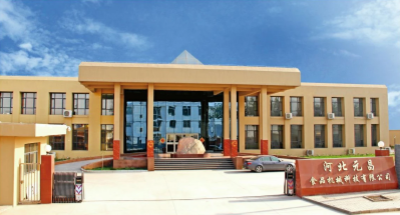
At Hebei Yuanchang Food Mechanism & Technology Co., Ltd., our 40-year legacy (since 1986) is built on a foundation of precision engineering, operational excellence, and a deep understanding of industrial machinery needs. While our core expertise lies in sophisticated food processing equipment – encompassing meat pretreatment, filling, molding, and ripening processes – the underlying principles of quality, durability, and performance are universally applied to every machine we produce, including our robust trailer cranes.
Our extensive facility, spanning approximately 14,000 square meters and powered by a dedicated team of 80-100 skilled professionals, integrates research & development, production, and sales. This in-house capability allows us to maintain absolute control over quality at every stage. Our dedicated machining workshop is equipped with over 20 sets of advanced processing machinery, including lathes, milling machines, high-precision grinding machines, boring machines, plate shears, bending machines, and wire cutting equipment. This arsenal of machinery enables us to produce components with stringent tolerances and non-standard specifications.
A significant milestone in our commitment to excellence was the integration of 8 sets of Japanese Mazak CNC machining centers in 2012. This investment revolutionized our capacity to undertake the production of high-standard components requiring large volumes, exceptional precision, and custom designs. This level of manufacturing capability is what allows us to build trailer cranes that are not only powerful but also exceptionally reliable and durable.
Coupled with our traceable after-sales management system, our independent production of high-precision parts ensures that we can offer worry-free service and support, a critical factor for any industrial equipment buyer. Whether it’s a critical component for a sausage stuffer or a structural element for a trailer crane, our commitment to quality remains unwavering. This is the pedigree that backs every product bearing the Hebei Yuanchang name.
Our Commitment to R&D:
We continuously invest in R&D to refine our designs, incorporate the latest manufacturing technologies, and ensure our products meet evolving industry demands. This proactive approach ensures our clients receive equipment that is not only reliable today but also future-ready.
Ensuring Quality and Compliance
For industrial buyers, certifications and adherence to standards are not just badges; they are concrete assurances of quality, safety, and reliability. At Hebei Yuanchang, we understand that trust is earned through demonstrable compliance. Our manufacturing processes and products are designed to meet rigorous international standards, ensuring that our trailer cranes and other equipment are suitable for global markets and demanding applications.
Our commitment to quality management is often reflected through certifications such as:
- ISO 9001: This internationally recognized standard for Quality Management Systems ensures that we have robust processes in place for consistently delivering products and services that meet customer and regulatory requirements. It underpins our entire operation, from design to delivery.
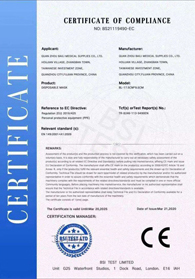
- CE Marking: For products sold within the European Economic Area (EEA), CE marking is a mandatory conformity assessment that indicates our trailer cranes meet the essential health, safety, and environmental protection requirements of the EU. This signifies our adherence to high safety standards.
Beyond these primary certifications, the materials we use and the design of our equipment often comply with other relevant industry specifications. For example, when selecting materials for components, we consider their suitability for various environmental conditions, including resistance to corrosion and wear. This is a practice mirrored in the food industry, where compliance with standards like FDA or RoHS for materials in contact with food is critical.
Our rigorous internal quality control procedures, backed by our advanced CNC machining capabilities, ensure that every component manufactured meets precise specifications. This attention to detail translates into equipment that is not only compliant but also inherently more reliable and safer to operate. When you choose Hebei Yuanchang, you are choosing a partner dedicated to upholding the highest standards of manufacturing excellence.

What Our Clients Say
Real feedback from businesses that have integrated our trailer cranes into their operations provides the most accurate picture of their performance and our service. We pride ourselves on building lasting partnerships based on trust and delivering equipment that truly adds value.
"The trailer crane we purchased from Hebei Yuanchang has been a game-changer for our construction site logistics. Its mobility means we can easily shift it between different zones, drastically cutting down on setup time compared to our old rental crane. The lifting capacity is spot-on for our needs, and the build quality is evident."

"We operate a large manufacturing facility and needed a flexible lifting solution for moving heavy machinery during line reconfigurations. Hebei Yuanchang's trailer crane has exceeded expectations. It's robust, reliable, and the precision control allows for delicate positioning. Their export process was smooth, and the machine arrived well-packaged and ready for immediate deployment."

"As a distributor, finding reliable suppliers is key. Hebei Yuanchang's commitment to quality manufacturing is evident in their trailer cranes. We've received positive feedback from our clients regarding ease of use, durability, and the company's responsive after-sales support. This makes it an easy product to stand behind."

Frequently Asked Questions
We understand you might have specific questions regarding trailer cranes. Here are some common inquiries:
Q1: What is the typical lead time for a trailer crane order?
Lead times can vary based on model availability and current production schedules. For standard models, it typically ranges from 4 to 8 weeks. For customized orders or large volumes, please contact us for a precise estimate. Our export department is adept at managing timelines for international clients.
Q2: What kind of maintenance is required, and how often?
Routine maintenance, including lubrication and visual inspections, should be performed daily before operation. More detailed checks of hydraulic systems and structural components are typically recommended monthly or after a specified number of operating hours, as outlined in the operator's manual. We provide comprehensive maintenance guides with every unit.
Q3: Can these trailer cranes be used in harsh weather conditions?
Our trailer cranes are built with robust materials designed to withstand demanding industrial environments. However, operation in extreme weather (e.g., heavy snow, ice, or gale-force winds) should be evaluated based on safety protocols and manufacturer recommendations. Adequate ground stability and operator visibility are paramount in adverse conditions.
Q4: Do you offer OEM/ODM services for trailer cranes?
Yes, we do. With our advanced manufacturing capabilities, including Japanese Mazak CNC machining centers, we can undertake custom projects and modifications to meet specific client requirements. Please contact our sales team to discuss your OEM/ODM needs.
Q5: What is the warranty period for your trailer cranes?
We offer a standard warranty on our trailer cranes, typically covering manufacturing defects for a period of 12 months from the date of delivery. Specific warranty terms may vary by model and region. Our goal is to ensure your investment is protected.
Q6: How do I get a quote or catalog?
You can easily request a detailed catalog or a personalized quote by contacting us directly via phone, email, or through the contact form on our website. Our sales team is ready to assist you.
Ready to Enhance Your Lifting Operations?
Don't let outdated or inflexible lifting equipment hinder your productivity and safety. Invest in a trailer crane from Hebei Yuanchang and experience the difference that precision engineering and decades of manufacturing expertise can make.
We are committed to providing transparent pricing and expert consultation.
Chat with Our Experts