Stainless Butcher Table
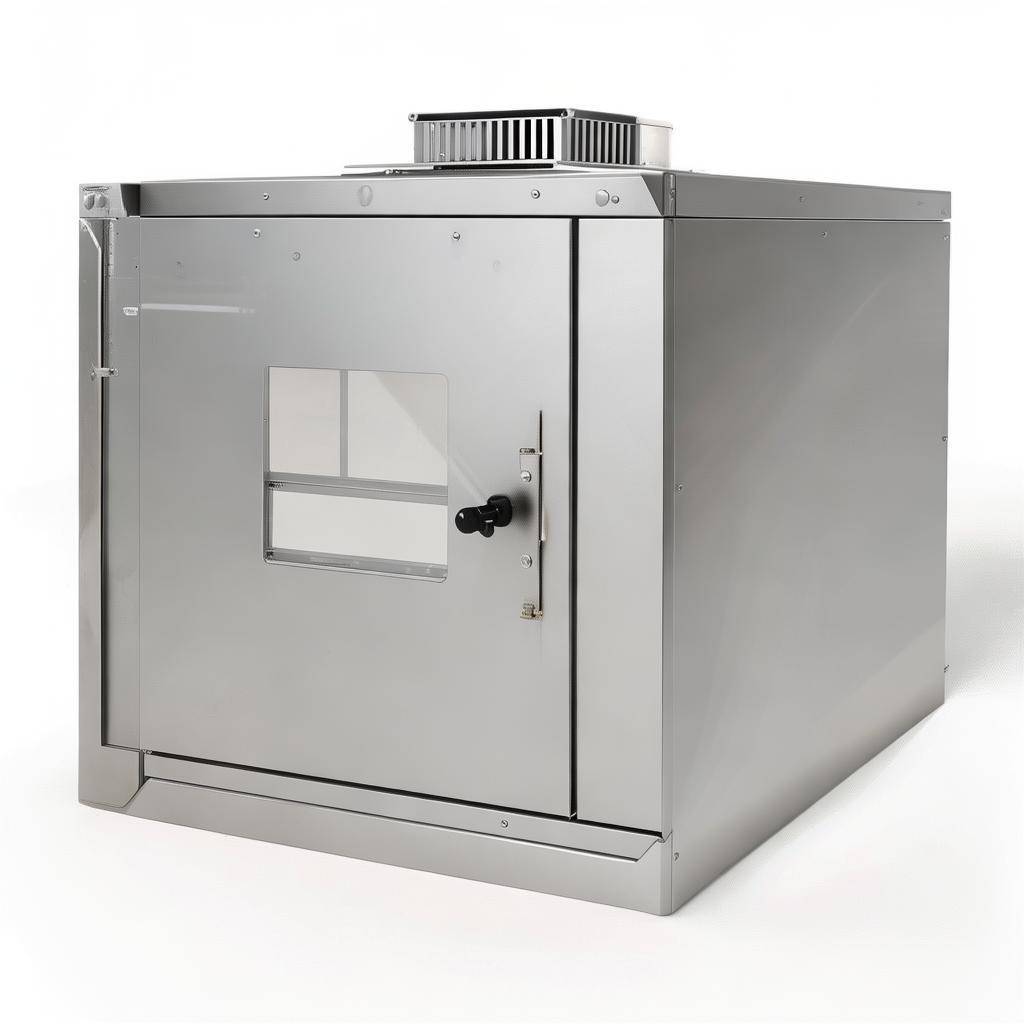
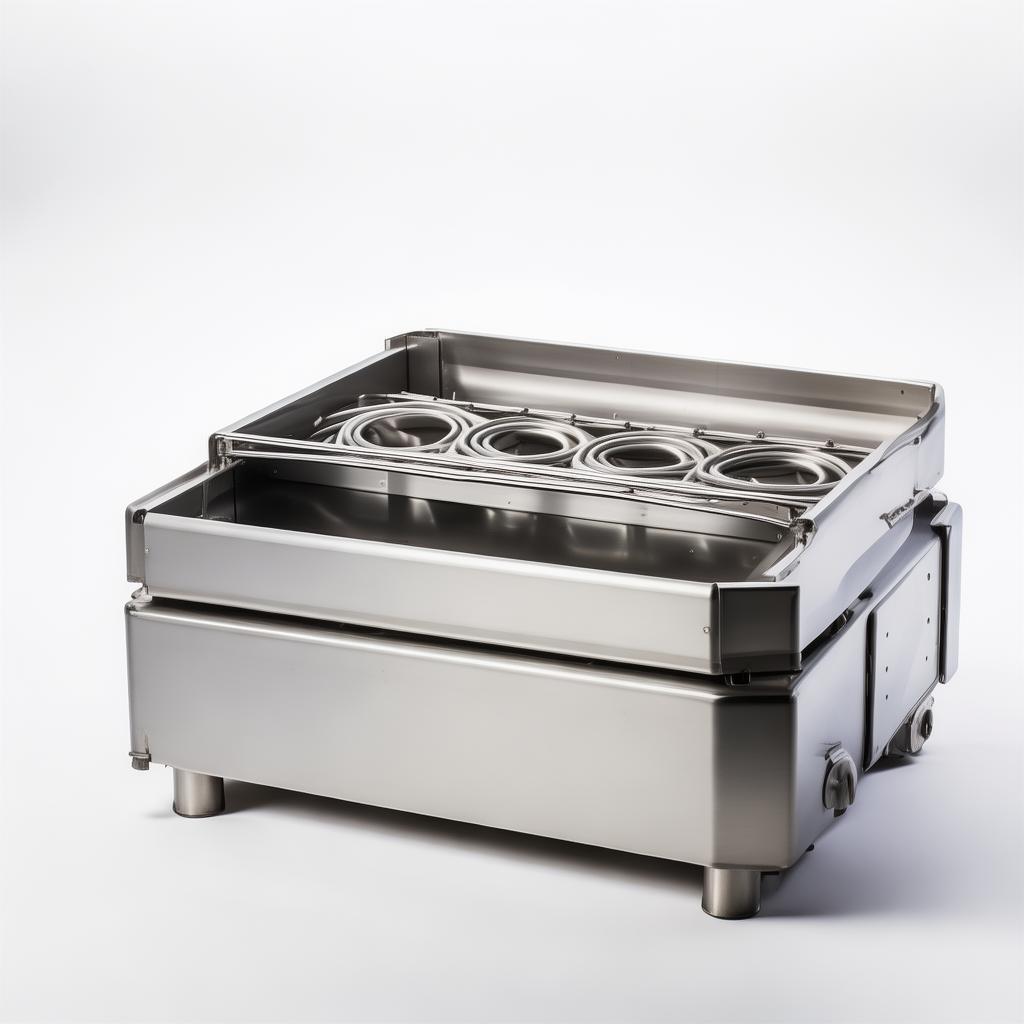
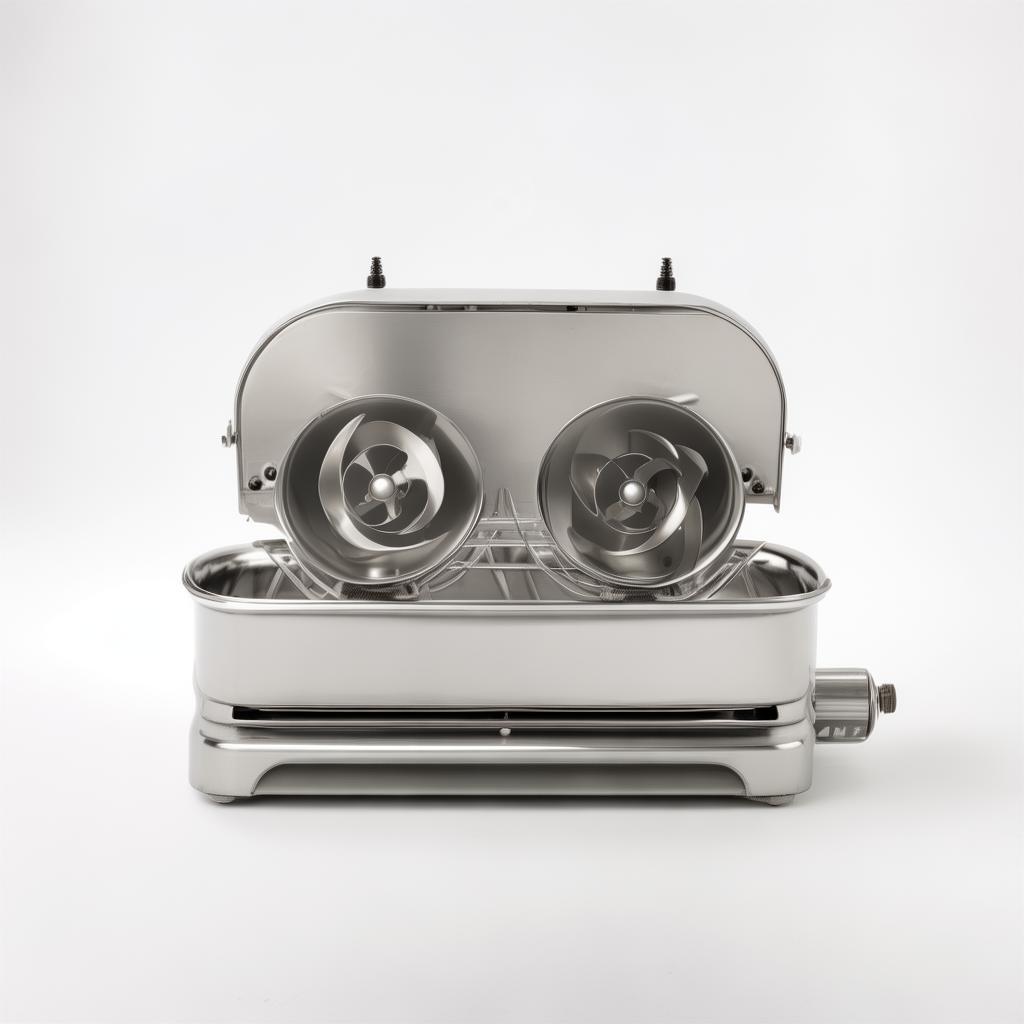
Stainless Butcher Tables: Precision, Durability, and Efficiency for Your Meat Processing Operations
The Backbone of a Hygienic and Productive Butchery
The Unseen Hero of the Butcher Shop: Why Stainless Steel Tables Matter
In the fast-paced, demanding environment of a butcher shop, wholesale meat processing facility, or even a high-volume catering kitchen, the choice of equipment can make or break your operation. While the saws, grinders, and slicers often grab the spotlight, the humble stainless butcher table is arguably the unsung hero. It's the primary workspace, the stage where raw ingredients are transformed into finished products. Its importance cannot be overstated, yet it’s an area where cutting corners can lead to significant operational headaches, compliance issues, and ultimately, a hit to your bottom line.
Think about it: every cut, every trim, every portion is handled on this surface. Hygiene is paramount. Durability is non-negotiable. Efficiency is key to meeting demand. For decades, industry professionals have relied on stainless steel for a reason. It’s non-porous, resistant to corrosion and staining from acids and salts commonly found in food preparation, and incredibly easy to sanitize. This material isn't just a preference; it's a requirement for food safety standards and maintaining the integrity of your products.
The global meat processing equipment market, a sector deeply reliant on robust and sanitary workstations, was valued at approximately USD 11.29 billion in 2025 and is projected to climb to USD 17.39 billion by 2034, with a compound annual growth rate (CAGR) of around 5.0%. This growth, as noted by Fortune Business Insights, is fueled by the increasing demand for processed meats, the adoption of automation for hygiene and labor efficiency, and stringent food safety regulations. Within this expansive market, the role of foundational equipment like stainless butcher tables is critical. They are the bedrock upon which higher-tech machinery operates, ensuring the initial stages of processing are up to par.
From small independent butchers to large-scale OEM meat product manufacturers, the need for reliable, food-grade workspaces is universal. Whether you're preparing cuts for retail sale, assembling ingredients for sausages, or portioning meat for wholesale distribution, your butcher table is where the action happens. It needs to withstand constant use, aggressive cleaning protocols, and the physical demands of cutting and deboning. A poorly chosen table can warp, rust, harbor bacteria, or even chip, leading to costly replacements and potential product contamination risks.
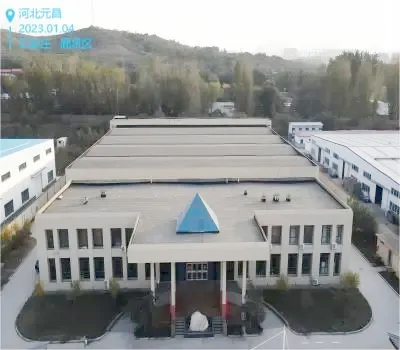
At Hebei Yuanchang Food Mechanism & Technology Co., Ltd., we understand these operational realities intimately. With 40 years of experience since 1986, we've seen firsthand how the right equipment, down to the most basic workstation, can transform a processing line. Our own manufacturing facilities, spanning 14,000 square meters and equipped with advanced CNC machining centers, allow us to produce components with exceptional precision – a philosophy we extend to every piece of equipment we offer, including our stainless butcher tables. This deep manufacturing expertise means we don't just sell equipment; we engineer solutions built for the rigors of the international food processing industry.
This guide delves into what makes a stainless butcher table indispensable, the critical factors to consider when selecting one for your specific needs, and why partnering with an experienced manufacturer like us is a strategic advantage. We’ll cover material grades, construction techniques, ergonomic considerations, and the operational benefits that translate directly into a more profitable and compliant business.
Consider this: A typical butcher or meat processing plant might handle hundreds, if not thousands, of pounds of product daily. Each pound touches that table multiple times. Over a year, that’s millions of pounds. The surface needs to remain pristine. We’re not just talking about aesthetics; we’re talking about food safety, product quality, and operational longevity. Choosing a stainless butcher table isn’t just a purchasing decision; it’s an investment in the core functionality and integrity of your entire operation.
High-grade stainless steel butcher tables designed for professional use.
Operational Pain Points: The Cost of Inadequate Workstations
Hygiene Compromises
Non-food-grade materials or poorly constructed seams can harbor bacteria, yeast, and mold, creating a significant food safety risk. This leads to costly recalls, brand damage, and potential legal liabilities. The ease of cleaning a true stainless steel surface is unparalleled for meeting stringent HACCP and FDA requirements.
Corrosion & Wear
Exposure to moisture, salt, acidic marinades, and harsh cleaning agents can degrade inferior metals. Rust spots, pitting, and discoloration not only look unprofessional but can also compromise the surface's integrity and hygiene. This is why choosing the correct stainless steel grade, like 304, is crucial.
Ergonomic Discomfort
Tables that are too high, too low, or lack stability can lead to operator fatigue, poor posture, and repetitive strain injuries. This directly impacts productivity, increases the risk of accidents, and contributes to higher labor costs. Proper height and a sturdy build are essential.
Reduced Throughput
A wobbly, sticky, or difficult-to-clean surface slows down your team. If your table isn't designed for efficient workflow—with adequate space, perhaps a built-in sink or shelving—it can become a bottleneck, limiting how much product you can process.
The Enduring Advantages of Stainless Steel Butcher Tables
Stainless steel has been the material of choice in food processing for good reason. Its inherent properties make it ideal for demanding environments. We leverage these advantages to build tables that enhance your operation.
- Superior Hygiene: Its non-porous surface resists bacterial adhesion and growth. It's easily cleaned and sterilized with standard industrial cleaning agents, meeting strict food safety regulations. This is non-negotiable in any food handling environment.
- Exceptional Durability: Grade 304 stainless steel, our standard, offers excellent resistance to corrosion, rust, and staining from common food acids and salts. This means your table will maintain its integrity and appearance for years, even under constant use and aggressive cleaning schedules.
- Longevity & ROI: While the initial investment might be higher than for other materials, the lifespan and low maintenance of stainless steel tables provide a significantly better return on investment over time. They don't warp, crack, or chip like wood or plastic alternatives.
- Workplace Safety: A stable, well-constructed stainless steel table minimizes the risk of equipment tipping or surfaces collapsing, contributing to a safer working environment. Many models include adjustable feet for perfect leveling on uneven floors.
- Aesthetically Pleasing: A clean, shiny stainless steel surface contributes to a professional and hygienic appearance in your processing area, which can impress inspectors and clients alike.
Understanding Stainless Steel Grades: The Foundation of Quality
Not all stainless steel is created equal. For food processing applications, especially where resistance to corrosion and sanitation is paramount, specific grades are essential. We primarily utilize Grade 304 stainless steel for our butcher tables.
Grade 304: The Industry Standard
This is the most common and versatile austenitic stainless steel. It contains at least 18% chromium and 8% nickel, providing excellent corrosion resistance and formability. 304 is resistant to a wide range of atmospheric environments and corrosive media. It’s known for its weldability and ease of fabrication. For butcher tables, this means resistance to moisture, food acids, and cleaning chemicals, ensuring a long service life without compromising hygiene.
Why it matters for your butcher table: It won't rust from contact with common food ingredients or cleaning agents. It's durable enough for heavy cutting and chopping. It's easy to sanitize effectively.

Manufacturing to international standards.
While 304 is our standard, we understand that some highly corrosive environments or specific applications might warrant consideration of other grades like 316. However, for the vast majority of butchery and meat processing operations, Grade 304 provides the optimal balance of performance, durability, and cost-effectiveness. When you procure from us, you are assured of genuine, high-quality stainless steel, not a cheaper substitute.
Key Features of Our Stainless Butcher Tables
We design our butcher tables with the practical needs of your operation in mind. Attention to detail in construction translates directly to better performance and reliability.
Robust Construction
Tables are built with sturdy gauge stainless steel tops, reinforced with underframes and support structures designed to withstand heavy loads and constant impact without wobbling. We ensure seamless welds where possible, and any necessary joints are meticulously finished to prevent food particle accumulation.
Ergonomic Design
Available in standard heights or customizable to your specific requirements. This ensures comfortable working postures for your staff, reducing fatigue and improving efficiency over long shifts. Rounded corners and edges further enhance safety.
Versatile Configurations
From simple, flat work surfaces to tables with integrated splashbacks, undershelves for storage, or even built-in sinks for convenient handwashing or tool cleaning. We offer a range of standard models and can customize to meet unique workflow needs.
Adjustable Feet
Most of our tables come with adjustable bullet feet, allowing for easy leveling on any floor surface. This is critical for stability and preventing liquid pooling, maintaining sanitary conditions.
Applications: Beyond the Butcher Block
While the name "butcher table" implies a specific use, the versatility and hygiene of these stainless steel workstations make them indispensable across a wide spectrum of food processing and preparation environments.
Retail Butcher Shops
The primary application for portioning, trimming, and displaying meats. Essential for maintaining a clean and professional customer-facing area.
Meat Processing Plants
Crucial for the initial breakdown of carcasses, deboning, trimming, and portioning meat destined for wholesale or further processing. They serve as key workstations in assembly lines.
Food Service & Catering
Used in commercial kitchens for prepping meats, poultry, and seafood before cooking. Their durability and ease of cleaning make them perfect for high-volume operations.
OEM/ODM Food Product Manufacturers
Essential for tasks like mixing ingredients, forming patties, filling sausages, and other preparation steps before packaging. Our precision manufacturing ensures consistency for your product lines.
Seafood Processing
Ideal for the delicate work of cleaning, portioning, and preparing fish and shellfish, where hygiene is particularly critical.
Pet Food Production
Used in the preparation and handling of raw ingredients for pet food manufacturing, requiring the same high standards of hygiene.
Technical Specifications: Built for Performance
Here’s a look at the typical specifications you can expect from our professional-grade stainless butcher tables. We also offer custom fabrication to meet exact project requirements.
| Feature | Specification | Description |
|---|---|---|
| Material (Tabletop) | Grade 304 Stainless Steel | 1.2mm - 1.5mm thickness (heavy-duty gauge) |
| Material (Frame/Legs) | Grade 304 Stainless Steel | Robust square or round tubing |
| Surface Finish | Brushed Stainless | Resistant to scratches, easy to clean |
| Load Capacity | Up to 300 kg (150 kg per shelf if applicable) | Stable under heavy operational loads |
| Standard Dimensions | Various sizes available | e.g., 1200x700x850mm, 1500x700x850mm, 1800x700x850mm (LxWxH) |
| Optional Features | Splashback, Undershelf, Drawer, Sink | Customizable to enhance workflow |
| Legs | Adjustable Bullet Feet | For leveling and stability |
| Certifications | FDA Compliant Materials | Ensures suitability for food contact |
Installation & Maintenance: Keeping Your Operation Smooth
Proper installation and routine maintenance are key to maximizing the lifespan and performance of your stainless butcher table.
Installation Considerations
Ensure the table is placed on a level surface. Use the adjustable feet to achieve perfect stability. If the table includes a splashback, ensure it is securely fastened to the wall to prevent movement. For tables with integrated sinks, proper plumbing connections are essential. Allow adequate space around the table for easy movement and cleaning of the surrounding floor area.
Practical Tip: Before final tightening of leg bolts, confirm the table is perfectly level in all directions. This prevents stress on the frame and ensures even weight distribution.
Routine Maintenance
Daily cleaning with a mild detergent and warm water is usually sufficient. Rinse thoroughly and dry with a soft cloth to prevent water spots. For tougher residues or sanitization, use food-grade sanitizers. Always clean in the direction of the brushed finish. Avoid abrasive cleaners or steel wool, which can scratch the surface and potentially lead to corrosion. Periodically check that all fasteners and connections are secure.
Industry Insight: Implementing a clear daily and weekly cleaning schedule for all workstations, including butcher tables, is one of the most effective ways to maintain high hygiene standards and prevent cross-contamination.
Procurement & Logistics: Getting Your Equipment to Your Door
As an international supplier, we understand the complexities of sourcing industrial equipment. Our process is designed for clarity and efficiency, ensuring you receive your order smoothly.
Order Process
Simply contact us with your requirements, whether for standard models or custom specifications. Our export team will provide a detailed quotation including product specifics, lead times, and shipping options.
Lead Times
Production lead times vary based on order volume and customization. For standard models, we typically aim for 2-4 weeks. Custom orders may require longer. We will provide an accurate estimate upon inquiry.
International Shipping
We are experienced in exporting worldwide. Our team will manage packaging, documentation, and freight coordination. We can ship via sea freight (LCL or FCL) or air freight, depending on your urgency and budget. Container loading optimization is a key consideration for cost-effectiveness.
Customs & Duties
While we handle export documentation, import duties, taxes, and customs clearance are typically the responsibility of the buyer. We can provide HS codes and other necessary information to assist you.
Buyer Tip: Always factor in potential import duties and local transportation costs when budgeting for international equipment purchases.
Why Choose Hebei Yuanchang Food Mechanism & Technology Co., Ltd.?
We're not just a supplier; we're a manufacturing partner with a legacy of expertise. Our 40-year journey since 1986 has solidified our position as a trusted name in meat processing equipment.
Manufacturing Prowess
With an in-house machining workshop boasting over 20 sets of advanced processing machinery, including Japanese Mazak CNC centers, we guarantee high-precision components and reliable product construction. This allows us to control quality from raw material to finished product.
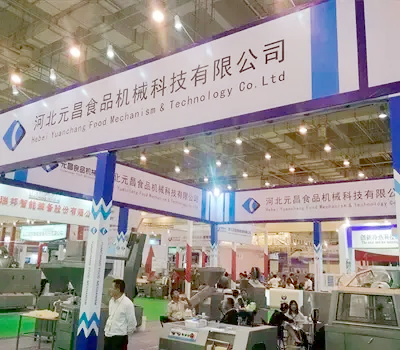
40 Years of Experience
Our deep-rooted experience since 1986 means we understand the nuances of meat processing. We've seen industry trends evolve and have consistently adapted, building complete production line expertise.
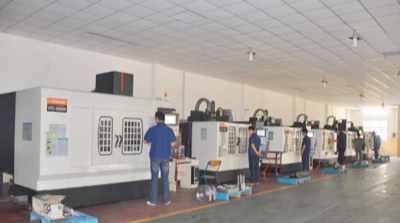
Commitment to Quality
We integrate R&D, production, and sales. Our commitment is to deliver equipment that meets rigorous international standards, ensuring durability, efficiency, and food safety compliance for your operations.
Traceable After-Sales Support
Our traceable after-sales management system, powered by our in-house precision parts production, ensures you receive prompt and effective support, minimizing downtime.

Customer Success Stories: Real-World Impact
Don't just take our word for it. Hear from businesses like yours who have experienced the difference our equipment makes.

US Meats Wholesale
"We upgraded our entire prep area with stainless steel tables from Yuanchang. The build quality is superb – solid, stable, and incredibly easy to clean. Our daily sanitation checks are quicker, and we've had zero issues with wear and tear, even with heavy daily use."
Reviewed: 3 months ago

Local Butcher Co.
"Switching to these stainless tables was a game-changer. The previous tables we had were a nightmare to keep clean. Yuanchang's tables are a dream – no nooks for bacteria, and they still look brand new after daily scrubbing. It's essential for our food safety reputation."
Reviewed: 8 months ago

Asia Foods Processing
"We ordered a custom-sized butcher table with an integrated sink. Yuanchang's team worked closely with us, and the final product exceeded expectations. The precision in manufacturing is evident, and it's significantly improved our workflow efficiency and sanitation compliance."
Reviewed: 1 year ago
Ready to Elevate Your Processing Line?
Invest in the foundation of a hygienic, efficient, and reliable operation. A high-quality stainless butcher table is not a luxury; it's a necessity for success in the competitive food processing industry.
Frequently Asked Questions (FAQs)
1. What is the standard height for a butcher table?
Standard commercial kitchen counter height, often around 850mm (33.5 inches), is common. However, ergonomic best practices suggest a height that allows the worker's elbows to be at roughly a 90-degree angle when standing. We offer custom heights to suit your specific workforce.
2. Can these tables be used for raw meat and also cooked products?
Absolutely. The non-porous, hygienic nature of Grade 304 stainless steel makes it ideal for both raw and cooked food preparation. Proper cleaning and sanitization between tasks are critical to prevent cross-contamination, a standard practice in any food safety program.
3. Are there any specific cleaning agents I should avoid?
Yes, avoid harsh abrasives, steel wool, or chlorine-based bleaches that can scratch or pit the stainless steel surface. Stick to mild detergents, warm water, and approved food-grade sanitizers. Cleaning in the direction of the grain (brush marks) is also recommended.
4. What is the typical lead time for a custom-sized table?
For custom fabrications, lead times can range from 4 to 6 weeks, depending on the complexity of the design and our current production schedule. We will provide a more precise estimate upon receiving your detailed requirements.
5. Do you offer tables with built-in sinks?
Yes, we do. Tables with integrated sinks are a popular option for enhanced workflow and hygiene, allowing for immediate handwashing or tool rinsing. We can customize sink placement and size to fit your needs.
Connect With Our Experts
Have questions about selecting the right stainless butcher table or need a custom solution? Our team of experienced engineers and export specialists is ready to assist you.
Hebei Yuanchang Food Mechanism & Technology Co., Ltd. | Shijiazhuang, Hebei Province, China
© 1986 - 2026. All Rights Reserved.