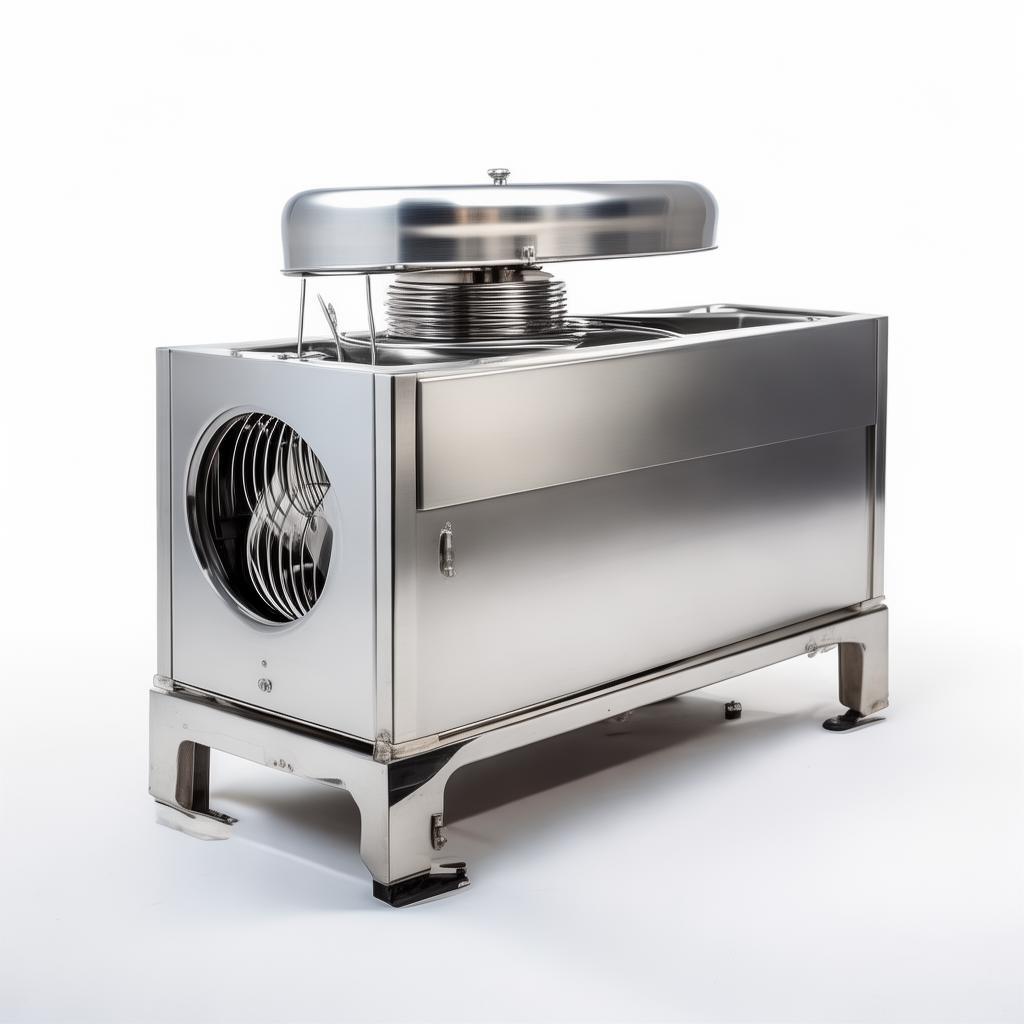
Smoked Stainless Steel
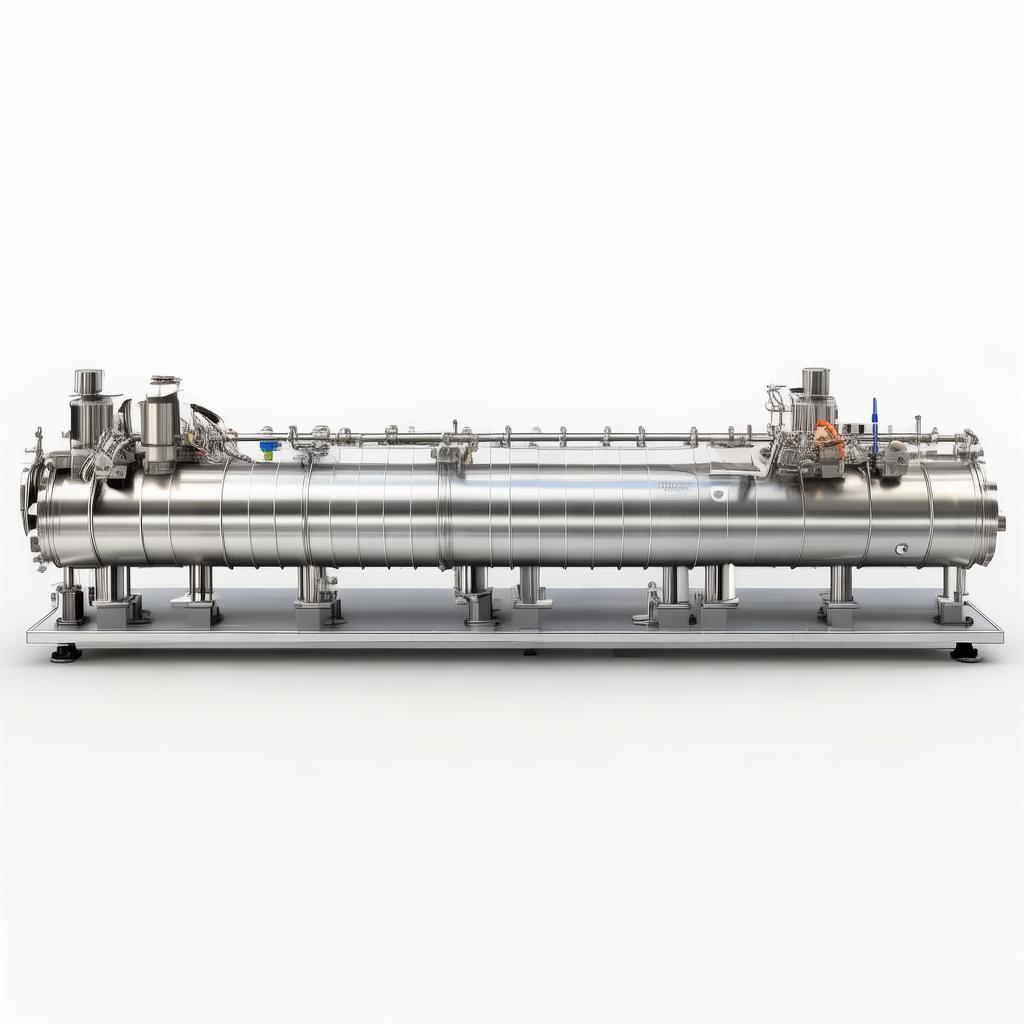
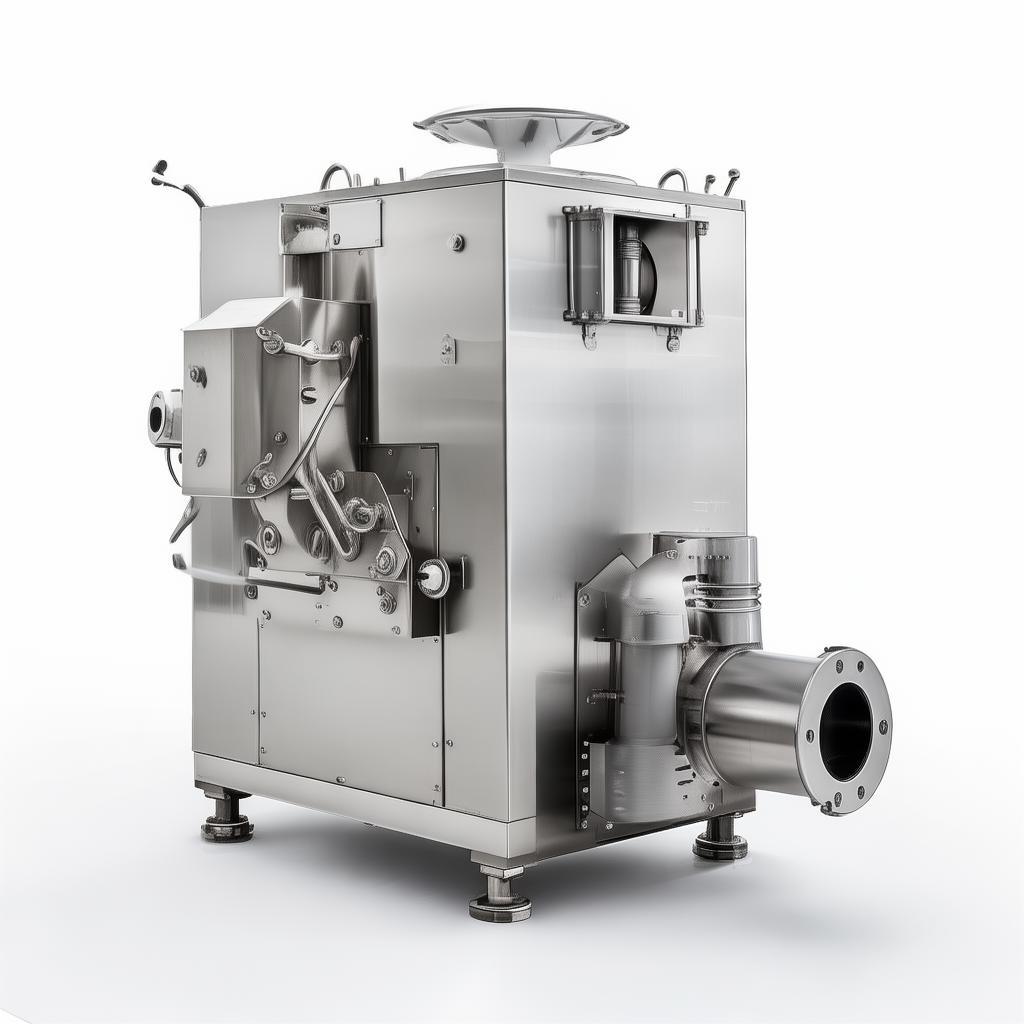
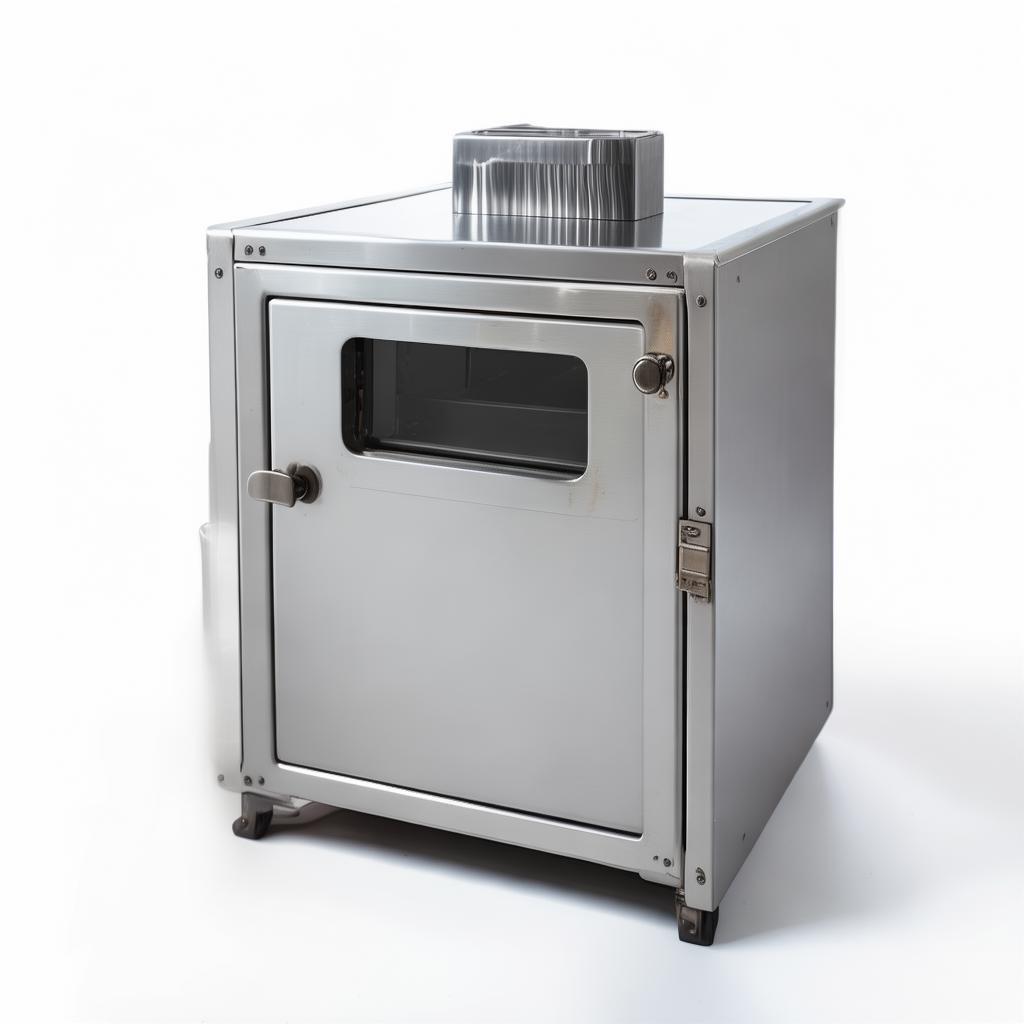
Smoked Stainless Steel: Enhancing Durability, Aesthetics, and Performance in Industrial Applications
Hebei Yuanchang Food Mechanism & Technology Co., Ltd. | 40 Years of Manufacturing Excellence

Written by: Alex Chen, Senior Export Manager
Navigating the Demands of Modern Industrial Material Selection
In the intricate world of B2B international trade, selecting the right materials isn't just about meeting specifications; it's about building robust, long-lasting solutions that withstand harsh environments and demanding operational cycles. For procurement professionals, engineers, and operations managers, the choice of materials directly impacts product lifespan, maintenance costs, regulatory compliance, and ultimately, the bottom line. Smoked stainless steel, a specialized finish applied to conventional stainless steel, is emerging as a compelling option for a variety of industrial applications where aesthetics, enhanced surface properties, and a unique visual appeal are paramount. It’s not merely a cosmetic treatment; it represents a sophisticated approach to material engineering that offers tangible benefits.
Our experience, spanning four decades at Hebei Yuanchang Food Mechanism & Technology Co., Ltd., has shown us that the "best" material is rarely a one-size-fits-all proposition. It's a dynamic decision, influenced by the specific end-use, the operational environment, and even market perception. Smoked stainless steel, for instance, moves beyond standard brushed or polished finishes. The process typically involves controlled thermal treatment or chemical patination that imbues the surface with a distinctive, often dark, hue. This isn't about superficial coloring; it can subtly alter surface characteristics, providing a unique blend of visual sophistication and functional enhancement that appeals to sectors ranging from high-end architectural elements to specialized equipment manufacturing.
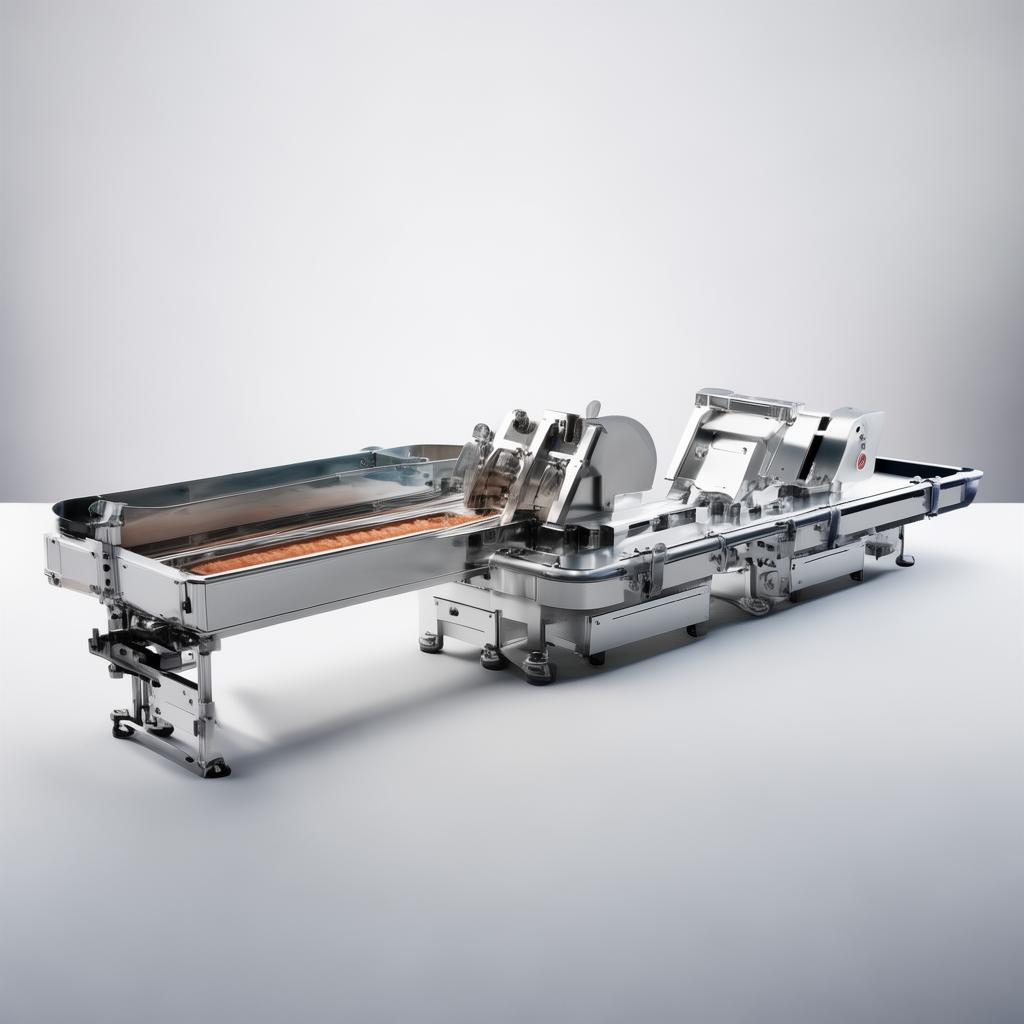
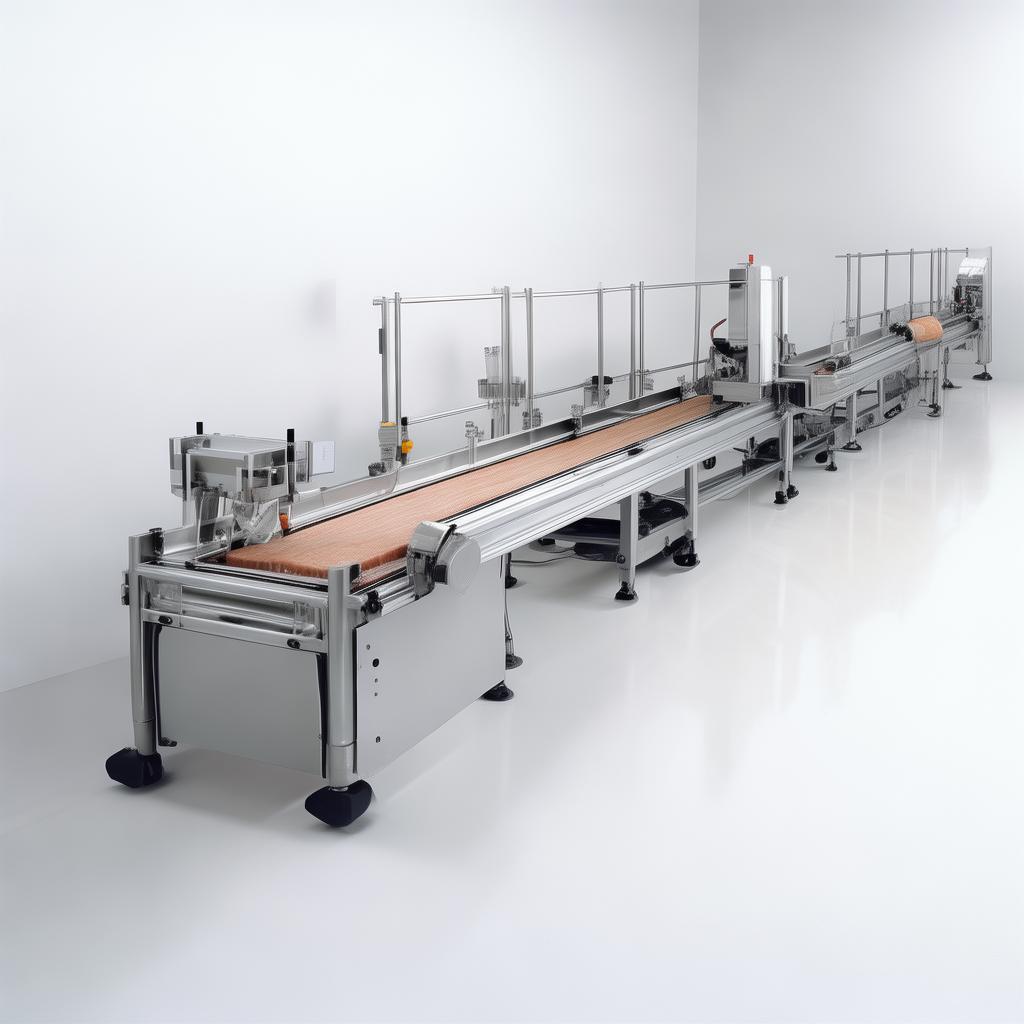
The global market for meat processing equipment, for example, is a testament to the continuous innovation in material science and manufacturing. Reports from industry analysts like Fortune Business Insights and Grand View Research consistently highlight a market valued in the billions, projected for substantial growth. Key drivers include the rising demand for processed meats, the increasing adoption of automation for hygiene and efficiency, and stringent food safety standards. Within this complex ecosystem, the materials used for machinery – from conveyor belts and casings to tanks and structural components – must not only be durable and food-safe but also meet specific operational and aesthetic criteria. Smoked stainless steel offers a unique angle here, providing a visually distinct, durable surface suitable for certain processing stages or even auxiliary equipment where visual appeal can complement functionality.
Consider the implications for food contact surfaces or visible external components of processing machinery. While standard stainless steel (like 304 or 316 grades) is the industry benchmark for corrosion resistance and hygiene, a smoked finish can add a layer of visual depth. This can be particularly relevant for premium product lines or export markets where product presentation plays a significant role in market positioning. Furthermore, the thermal or chemical treatments involved in creating a smoked finish can sometimes impart subtle improvements in surface hardness or resistance to minor abrasions, though this is highly dependent on the specific process employed and the base stainless steel alloy. It’s crucial to understand that the primary driver for smoked stainless steel in many B2B contexts remains its unique aesthetic, offering a departure from the conventional metallic sheen.
For procurement decision-makers, the introduction of a material like smoked stainless steel prompts several critical questions. How does its performance compare to standard finishes? What are the potential risks or limitations? What is the supply chain reliability for such a specialized finish? At Hebei Yuanchang, we pride ourselves on providing transparent, technically grounded answers to these questions. Our 40 years of experience, coupled with our investment in advanced manufacturing technologies like Japanese Mazak CNC machining centers, allows us to not only produce complex components but also to understand and work with specialized material finishes. We recognize that specifying a material is a commitment, and our role is to ensure that commitment is met with unparalleled quality and reliability.
This article delves into the world of smoked stainless steel, exploring its manufacturing process, its advantages, its applications, and the critical considerations for businesses looking to leverage its unique properties. We aim to equip you with the knowledge needed to make informed decisions, drawing on our deep understanding of industrial manufacturing and international trade to provide insights that are both practical and forward-looking. Whether you are in the food processing, architectural, automotive, or specialized equipment sector, understanding the nuances of material finishes like smoked stainless steel can unlock new possibilities for product design and market appeal.
The global market for meat processing equipment alone is projected to reach significant figures, with market research firms like IMARC and SkyQuest reporting values exceeding $12 billion and compound annual growth rates around 5-6%. This growth is fueled by escalating demand for convenience foods, stringent hygiene regulations, and the push for automation. Within this expanding landscape, specialized materials and finishes are crucial for differentiation and compliance. Smoked stainless steel can fit into niche applications within this sector, offering a distinct visual and tactile experience for visible components or specialized internal parts where durability and cleanability are balanced with an elevated aesthetic.
Understanding the "Smoked" Finish: Beyond Standard Stainless Steel
When we talk about "smoked stainless steel," we're referring to a range of treatments that alter the surface appearance of standard stainless steel alloys, most commonly grades like 304 or 316. Unlike a simple coating, this is typically an intrinsic modification of the surface layer. The most common methods involve:
- Controlled Thermal Annealing: Exposing the stainless steel to specific temperatures in a controlled atmosphere can cause oxidation that results in a darker, often bluish-gray to black, finish. This process needs precise control to achieve uniformity and prevent material degradation.
- Chemical Patination: Utilizing specific chemical solutions can etch or color the stainless steel surface. This method allows for a broader spectrum of dark shades and can sometimes offer a more consistent, controllable outcome than purely thermal methods.
- Specialized Surface Treatments: Some manufacturers might employ proprietary techniques involving a combination of mechanical polishing followed by specific chemical or thermal processes to achieve unique visual effects and surface characteristics.
The key takeaway here is that this is not a paint or a plating that can easily chip or wear off. The color is integrated into the surface of the metal itself. This is crucial for industrial applications where abrasion and wear are concerns. Imagine components on a meat processing line; they are subject to constant contact, cleaning cycles, and potential impacts. A finish that is integral to the material provides superior longevity.
However, it's essential for procurement managers to be specific. "Smoked stainless steel" can be interpreted differently by various manufacturers. At Hebei Yuanchang, our technical team works with clients to define the exact aesthetic requirements and understand the intended application to recommend the most suitable finishing process. This consultative approach is vital, especially when dealing with international suppliers where precise communication is key.
While the primary draw is often visual, some suppliers may claim enhanced properties. It's important to scrutinize these claims. Typically, the corrosion resistance remains largely dependent on the base stainless steel grade (e.g., 304, 316). The smoking process itself usually doesn't significantly degrade this, but extreme thermal treatments could potentially alter the passive layer if not managed correctly. Surface hardness might see a marginal increase due to controlled oxidation or patination, but it won't transform the material into something akin to hardened steel. Always request technical data sheets and, if possible, samples for your own testing.
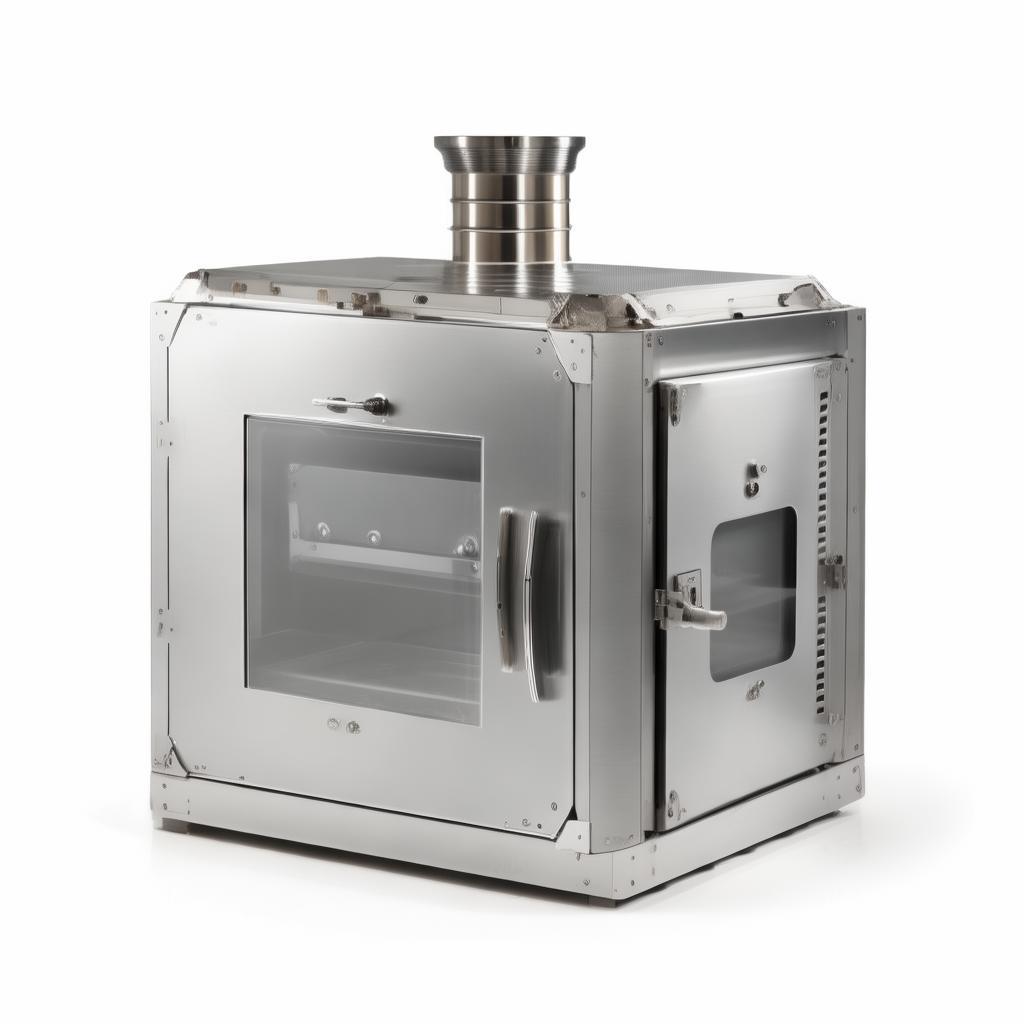
The market for processed meats continues to expand, with reports indicating a global market size expected to reach over $1.2 trillion by 2034 (Fortune Business Insights). This growth necessitates efficient, reliable, and compliant processing equipment. Auxiliary items like smoking chambers or components within ripening processes (e.g., massaging machines) are critical. While dedicated smoking equipment uses specific techniques, a "smoked" aesthetic on stainless steel components of other machinery can offer a thematic consistency or a premium look.
Key Advantages for Industrial Applications
Why would a discerning buyer opt for smoked stainless steel over a standard brushed or polished finish? The advantages, while sometimes subtle, can be significant in specific contexts:
Unique Aesthetic Appeal
This is often the primary driver. Smoked stainless steel offers a sophisticated, modern, and less reflective appearance that can significantly enhance the visual appeal of finished products or architectural elements. It stands out from the crowd.
Enhanced Durability (Surface)
Depending on the process, the smoked finish can offer improved resistance to minor scratches and abrasions compared to highly polished surfaces. This is particularly beneficial for components that experience regular wear and tear.
Reduced Glare
The matte or semi-matte nature of the smoked finish significantly reduces glare and reflections. This can be critical in environments with bright lighting or for applications where visual comfort is important, such as in architectural features or certain equipment displays.
The meat processing equipment market is a prime example of where these advantages can be leveraged. Reports indicate a steady CAGR of around 5-6% from various market research firms (e.g., Mordor Intelligence, Precision Business Insights), driven by demand for processed and convenience meats. In such a sector, hygiene is paramount, but the visual appeal of the machinery can also play a role in attracting clients, especially for equipment used in semi-public areas like demonstration kitchens or high-end processing plants. Smoked stainless steel can offer a high-tech, clean appearance that aligns with these demands.
Furthermore, the reduction in glare is not just an aesthetic point. For operators working with machinery, reduced eye strain can contribute to improved focus and safety. In specialized manufacturing environments, where precision is key, eliminating distracting reflections from equipment surfaces can be a practical operational benefit.
Material Comparison: Smoked vs. Standard Stainless Steel
When evaluating materials, a direct comparison helps clarify where smoked stainless steel fits within the broader landscape.
| Feature | Standard Stainless Steel (e.g., 304, 316) | Smoked Stainless Steel |
|---|---|---|
| Appearance | Classic metallic, reflective (brushed, polished options) | Dark, matte to satin finish, often with subtle tonal variations. Low reflectivity. |
| Corrosion Resistance | Excellent, especially 316 grade for marine/chemical environments. | Primarily dependent on the base alloy; typically excellent, similar to standard grades. The process itself should not compromise this if done correctly. |
| Surface Hardness | Standard for the alloy. | May offer slight improvement due to controlled surface alteration, but not a significant hardening effect. |
| Scratch/Abrasion Resistance | Varies by finish; polished can show scratches easily. | Often better than highly polished finishes, as subtle surface texture can mask minor marks. |
| Glare/Reflection | High, especially polished finishes. | Significantly reduced. |
| Cost | Standard for the material grade. | Typically higher due to the additional specialized processing step. |
| Applications | Ubiquitous: food processing, chemical, construction, medical, automotive. | High-end architectural, luxury appliances, specialized industrial equipment where aesthetics are key, components requiring reduced glare. |
electric smoker stainless steel stainless steel racking custom stainless steel products
The market for processed meat and poultry processing equipment is substantial, with projections indicating a future value of tens of billions of dollars (GM Insights). This growth is driven by consumer demand for convenience and evolving safety standards. While standard stainless steel remains the workhorse for most machinery components due to its balance of properties and cost, smoked stainless steel offers a niche advantage for specific applications. For example, visible parts of packaging machinery, control panels, or specialized internal chambers where visual design complements operational efficiency can benefit from this finish.
When specifying, always ensure the base material grade (e.g., AISI 304, 316, or even duplex grades for higher strength) is appropriate for the intended environment. The "smoking" process should be considered an added value, not a substitute for fundamental material selection based on corrosive potential, temperature, and mechanical stress.
Applications Across Industries
Smoked stainless steel isn't limited to one sector. Its unique properties lend themselves to a variety of demanding applications:
- Architecture & Construction: Facades, elevator interiors, wall panels, decorative screens, and railing systems where a premium, dark aesthetic is desired. Reduced glare can also be beneficial in lobby areas or high-traffic zones.
- Food & Beverage Processing: While standard grades are essential for direct food contact, smoked stainless steel can be used for external casings of machinery, control panels, or components in auxiliary systems where appearance is important. Think of the exterior of a high-end sausage stuffer or a branded smoking chamber.
- Automotive & Transportation: Interior trim, exhaust components (depending on specific alloy and temperature resistance), or visible structural elements where a sleek, dark metallic finish is preferred.
- High-End Appliances: Refrigerator doors, oven panels, range hoods, and custom kitchen fixtures benefit from the sophisticated, fingerprint-resistant (often enhanced) surface.
- Marine & Offshore: For less critical components where aesthetics are prioritized over extreme corrosion resistance, it can offer a unique look for interior fittings or visible exterior accents. However, for true marine environments, higher grades of stainless steel with robust finishes are usually recommended.
- Specialized Industrial Equipment: Casings for control systems, visible parts of manufacturing machinery, or components in environments where a clean, dark, and durable finish is advantageous for both form and function.
The global processed meat market is expected to reach substantial figures, with reports from various analysts (e.g., The Business Research Company, Persistence Market Research) projecting growth rates between 5-9% leading up to 2035. This market heavily relies on efficient processing equipment, including specialized machinery for pretreatment, molding, and ripening. While the core functionality demands standard food-grade materials, external components or auxiliary equipment like specialized smoking chambers (which might inspire the aesthetic) can utilize smoked stainless steel for a premium presentation.
Our extensive experience in manufacturing for diverse industries, including advanced meat processing equipment, means we understand the interplay between material properties, functional requirements, and market expectations. We can guide you on the best applications for smoked stainless steel within your specific operational context.
Technical Specifications & Considerations
When specifying smoked stainless steel, several technical details are crucial for ensuring performance and satisfaction.
Base Material Grade
The foundation of your smoked stainless steel component is the base alloy. Common choices include:
- 304/1.4301: The most widely used austenitic stainless steel. Good corrosion resistance, excellent formability, and weldability. Suitable for general industrial applications, architectural elements, and many appliance parts.
- 316/1.4401: Contains molybdenum, significantly enhancing its resistance to pitting and crevice corrosion, especially in chloride-rich environments (e.g., marine, chemical processing). Preferred for harsher conditions.
- Duplex Grades (e.g., 2205): Offer higher strength and corrosion resistance than standard austenitic grades. Might be used for structural components where both aesthetic and mechanical properties are critical.
Finish Variations
"Smoked" is not a single finish. Be prepared to discuss:
- Color Depth: From a light charcoal to a deep, rich black.
- Surface Texture: Can range from a smooth, almost liquid satin to a more textured, brushed appearance beneath the smoked layer.
- Uniformity: Consistency across large panels or batches.
Surface Treatment Details
Understand the specific process used: thermal annealing or chemical patination. Each has implications for uniformity, cost, and potential surface alteration. For food processing applications, confirm that any chemicals used in patination are food-grade compliant or that the process leaves no harmful residues.
Thickness and Tolerances
Specify the required material thickness, sheet size, or component dimensions. Our in-house machining capabilities, including over 20 sets of processing machinery and Japanese Mazak CNC centers, ensure we can meet precise specifications for components, whether standard or custom.
| Property | Standard 304 | Smoked 304 (Approx.) |
|---|---|---|
| Tensile Strength (MPa) | 500-720 | 510-730 (minimal change) |
| Yield Strength (MPa) | 205-210 | 210-215 (minimal change) |
| Corrosion Resistance | Excellent (ASTM A240) | Excellent (ASTM A240), dependent on base alloy and treatment integrity. |
| Surface Finish | Brushed, Polished (e.g., #4, #8) | Smoked (e.g., dark grey, black) - specific designation required. |
| Food Contact Approval | Standard (if grade appropriate) | Requires verification of treatment process compliance. |
The meat processing equipment market sees constant innovation, with auxiliary items like smoking chambers playing a vital role. For instance, market research from Coherent Market Insights suggests a strong demand for filling, tenderizing, and smoking technologies. While the core equipment requires robust, food-safe materials, the aesthetic of adjacent or external components can be enhanced with finishes like smoked stainless steel, provided compliance with food safety regulations for any surface treatments is confirmed.
Installation, Maintenance, and Longevity
Integrating smoked stainless steel into your projects requires considering its long-term performance.
Installation Considerations
Fabrication methods are similar to standard stainless steel: cutting, bending, welding, and machining. However, care must be taken to avoid scratching or damaging the smoked finish during handling and installation. Always use protective films where possible and employ non-abrasive tools and techniques. For welding, ensure the process and filler materials are compatible with the base stainless steel grade, and consider post-weld cleaning to maintain the aesthetic integrity of the surrounding area.
Maintenance for Longevity
Cleaning smoked stainless steel is straightforward:
- Use a soft cloth or sponge with mild soap and water.
- Rinse thoroughly with clean water.
- Dry with a clean, soft cloth to prevent water spots.
Important: Avoid abrasive cleaners, steel wool, or scouring pads, as these can scratch the surface and potentially remove or alter the smoked finish. For industrial applications, especially in food processing, ensure cleaning agents are compliant with relevant hygiene standards.
Expected Lifespan
When installed and maintained correctly, smoked stainless steel components can offer a lifespan comparable to their standard stainless steel counterparts. The inherent corrosion resistance of the base alloy ensures structural integrity. The aesthetic longevity depends on the quality of the finishing process and adherence to cleaning protocols.
In the context of the food processing equipment market, which sees steady growth driven by demand for processed meats and automation (as noted by Market Research Future and others), equipment longevity is a key factor. Choosing materials that are both durable and easy to maintain, like properly cared-for smoked stainless steel, contributes to overall operational efficiency and reduced downtime.
Procurement & Supplier Evaluation: What to Look For
Sourcing specialized materials like smoked stainless steel requires a diligent approach. Here’s what we advise procurement professionals:
Verify the Base Material Quality
Ensure the supplier can provide mill test certificates or material traceability reports for the base stainless steel grade used. This confirms its composition and adherence to international standards (e.g., ASTM, EN).
Understand the Finishing Process
Ask for detailed information about how the smoked finish is achieved. Inquire about the consistency of the process and any quality control measures in place. A reputable supplier will be transparent about their methods. At Hebei Yuanchang, our 40 years of manufacturing experience, including advanced CNC machining, means we understand precision in every step, including material finishes.
Request Samples & Test
Always obtain samples to assess the color, texture, and feel of the smoked finish. Subject these samples to your own in-house testing for scratch resistance, cleanability, and visual appeal under your operating conditions.
Check for Certifications & Compliance
Depending on your industry (e.g., food processing), ensure the material and finishing process comply with relevant standards such as FDA, RoHS, or specific food safety regulations. We can provide certifications for our materials and processes.
Evaluate Supplier Experience & Capacity
Look for suppliers with a proven track record in metal fabrication and specialized finishes. Consider their production capacity, lead times, and ability to handle both small and large orders. Hebei Yuanchang’s facility covers 14,000 sq meters with 80-100 employees, equipped to manage complex production runs.
The global market for meat processing equipment, projected to grow significantly (e.g., CAGR around 5-6% per various reports), demands reliable suppliers. As an experienced manufacturer with 40 years in the field, we understand the critical nature of material selection and supplier reliability for your production lines.
Client Testimonials
Hear from our partners who have integrated our materials and solutions into their operations:

"We were looking for a unique aesthetic for our new line of premium kitchen appliances. The smoked stainless steel finish from Hebei Yuanchang exceeded our expectations. The consistency of the finish and the durability have been excellent, and our customers love the sophisticated look."
Sarah K., Product Development Manager, Appliance Manufacturer
"As a procurement director for a large architectural firm, sourcing high-quality, unique materials is crucial. Hebei Yuanchang provided smoked stainless steel sheets for a high-profile lobby renovation. The material was exactly as specified, and the team's communication regarding lead times and specifications was top-notch. It's a finish that really elevates the design."
David L., Procurement Director, Architectural Services
"We needed custom components for specialized industrial equipment where both functionality and appearance mattered. Hebei Yuanchang's expertise in custom metal fabrication and their ability to source and apply the smoked stainless steel finish were invaluable. The precision of their CNC machining is outstanding."
Mark T., Operations Manager, Industrial Machinery ManufacturerReady to Enhance Your Products with Smoked Stainless Steel?
Leverage 40 years of manufacturing expertise and cutting-edge technology to secure high-quality smoked stainless steel components tailored to your exact specifications.
Hebei Yuanchang Food Mechanism & Technology Co., Ltd. | Shijiazhuang, Hebei Province, China | Phone: +86 15830991513 | E-mail: ycmeatmech@gmail.com