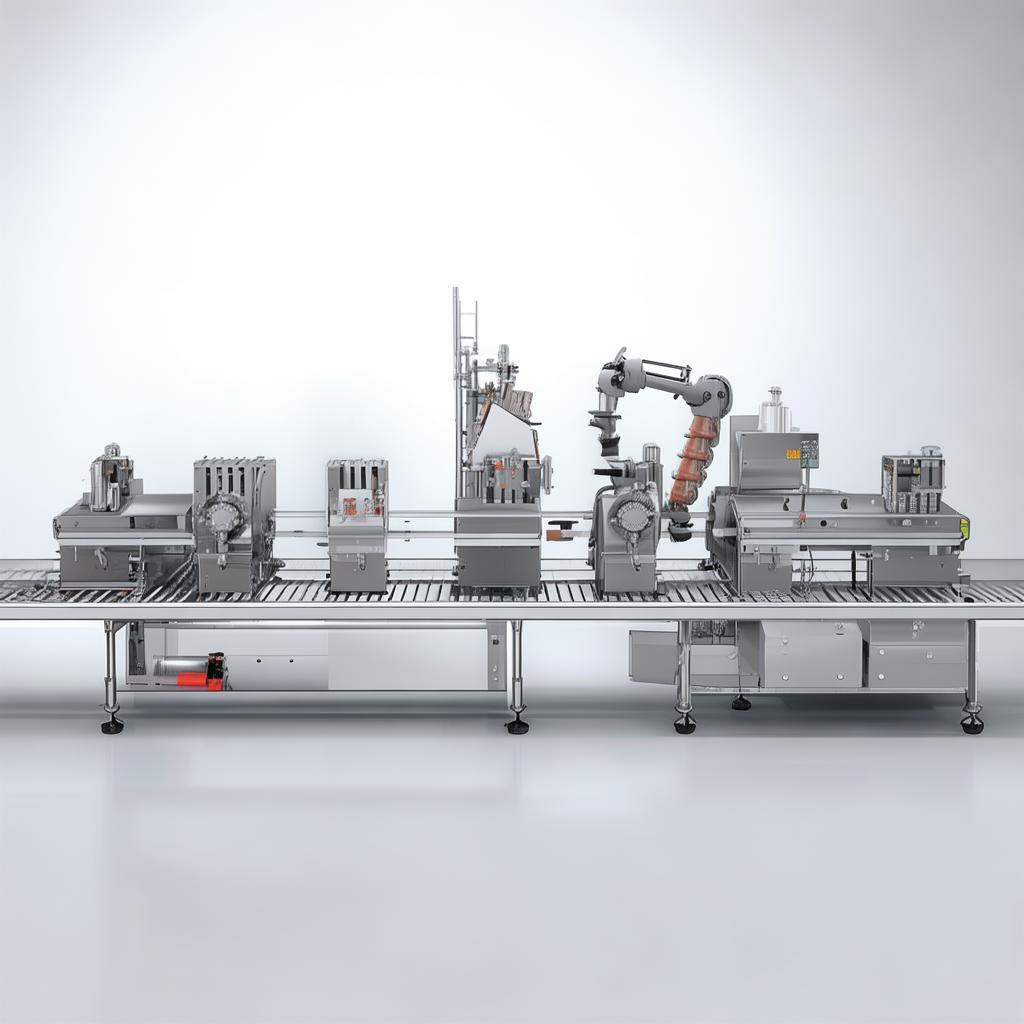
Single Phase Vacuum Pump
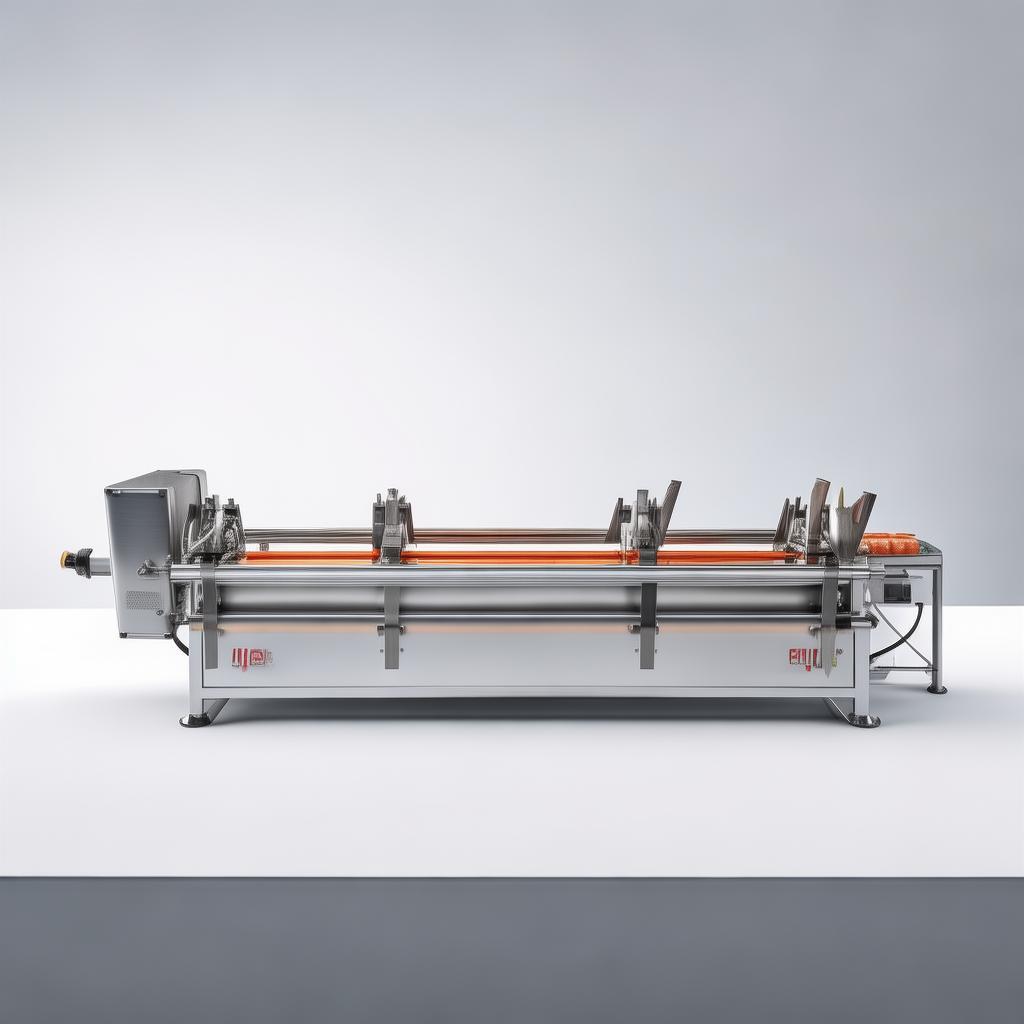
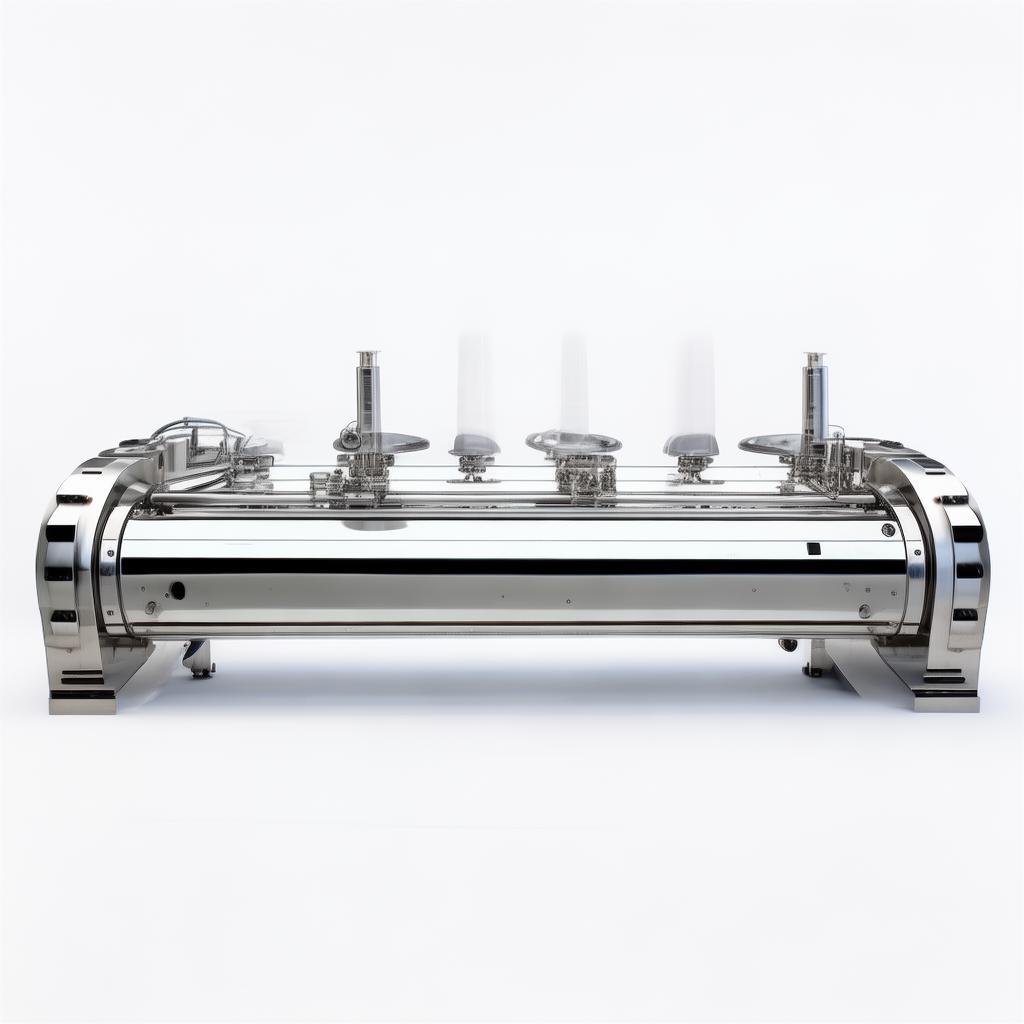
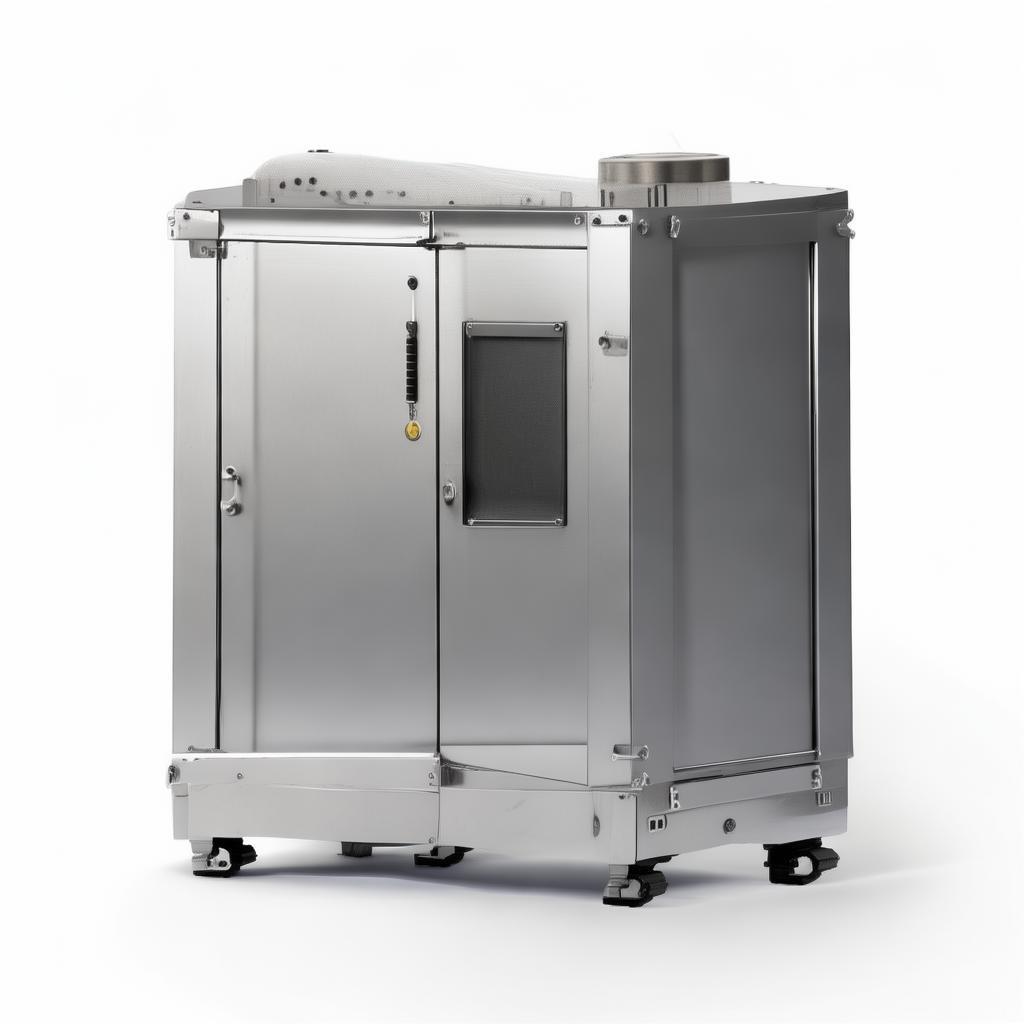
Single Phase Vacuum Pumps: Your Reliable Partner for Industrial Applications
Hebei Yuanchang Food Mechanism & Technology Co., Ltd. – Delivering Quality and Efficiency in Every Operation

Written by: Li Wei, Export Manager
Introduction: Understanding Single Phase Vacuum Pumps
In the complex world of industrial manufacturing and processing, reliable equipment is the bedrock of efficiency and product quality. When it comes to applications requiring precise vacuum levels, particularly those powered by standard electrical grids, the single phase vacuum pump emerges as a critical component. These pumps are designed to operate on a single-phase alternating current power supply, making them incredibly versatile and accessible for a vast array of businesses, from small workshops to large-scale production facilities. Unlike their three-phase counterparts which require specialized industrial power infrastructure, single-phase units plug into readily available outlets, simplifying installation and reducing upfront costs significantly.
The demand for vacuum technology spans numerous sectors. In the food processing industry, for instance, vacuum pumps are indispensable for vacuum packaging to extend shelf life, remove air from products like sausages and cheeses, and for processes like vacuum tumbling or massaging to improve texture and marination in meats. The meat processing equipment market, valued at USD 11.29 billion in 2025 and projected to reach USD 17.39 billion by 2034, highlights the sheer scale of this demand, with filling and molding equipment playing a crucial role in producing consistent products. 【Fortune Business Insights】. Similarly, in manufacturing, single-phase vacuum pumps are used for material handling, degassing plastics and resins, in printing processes, and for laboratory applications requiring controlled environments.
At Hebei Yuanchang Food Mechanism & Technology Co., Ltd., we understand that the choice of vacuum pump directly impacts operational effectiveness and cost-efficiency. With 40 years of experience since 1986, we've honed our expertise in manufacturing robust and reliable industrial machinery. Our dedicated team of 80-100 employees, operating across 14,000 square meters, specializes in integrating research, development, production, and sales. This depth of experience allows us to not only produce standard equipment but also to innovate and customize solutions that meet the specific, often challenging, requirements of our global clientele. Our in-house machining workshop, outfitted with over 20 sets of advanced processing machinery, including Japanese Mazak CNC machining centers acquired in 2012, ensures the precision and high-standard quality required for critical components.
The allure of a single-phase vacuum pump lies in its operational simplicity and broad applicability. It bridges the gap between small-scale, intermittent needs and the demanding, continuous requirements of larger operations, without necessitating expensive electrical upgrades. For businesses looking to optimize their processes, enhance product quality, and maintain competitive pricing, a well-chosen single-phase vacuum pump is not just an equipment purchase; it's a strategic investment in operational resilience. This page delves into what makes these pumps suitable for various industrial tasks, their technical intricacies, and why partnering with a seasoned manufacturer like Hebei Yuanchang provides a distinct advantage in procurement and long-term support. We aim to equip you with the knowledge needed to make an informed decision, ensuring the vacuum solution you select aligns perfectly with your operational goals and budget.
The global market for processed meat, a key sector utilizing vacuum technologies, is set to grow significantly, projected to reach USD 1,253.77 billion by 2034 from USD 750.58 billion in 2026 【Fortune Business Insights】. This growth necessitates efficient, reliable machinery. Similarly, the broader food processing equipment market, including specialized machinery for pretreatment, molding, and ripening, is expanding. With single-phase vacuum pumps forming a foundational element in many of these processes, their importance cannot be overstated. Let's explore how these indispensable units can empower your business.
Why Choose Single Phase for Your Operations?
The decision to implement a single-phase vacuum pump often hinges on practical operational and logistical considerations. Chief among these is power availability. In many regions, particularly for smaller enterprises or those in older facilities, three-phase power might be unavailable or prohibitively expensive to install. Single-phase power, running on standard 110V or 220V circuits, is ubiquitous, meaning these pumps can be integrated into existing setups with minimal fuss. This ease of deployment translates directly into faster project timelines and reduced capital expenditure on electrical infrastructure.
Beyond sheer availability, single-phase systems offer distinct advantages in cost-effectiveness. The pumps themselves are often more affordable to manufacture and purchase than their three-phase counterparts, reflecting simpler motor designs and control mechanisms. Furthermore, the associated electrical components—wiring, breakers, and outlets—are standard and less costly. For businesses operating on tight margins or those requiring a fleet of smaller vacuum units, this can represent a substantial saving.
The simplicity of operation and maintenance is another significant draw. Single-phase motors are generally less complex, which can translate to fewer points of failure and easier troubleshooting. For maintenance teams, understanding and servicing a single-phase unit is often more straightforward than dealing with the intricacies of a three-phase system. This operational ease helps minimize downtime, a crucial factor in continuous production environments.
Consider the global market trends: the meat processing equipment market, for example, is driven by automation for hygiene and labor efficiency, with a strong expansion in the Asia-Pacific region 【Fortune Business Insights】. In such dynamic markets, adaptable and accessible equipment like single-phase vacuum pumps are key to enabling widespread adoption of advanced processing techniques, even in evolving industrial landscapes.
While three-phase systems are typically preferred for very high-power, continuous-duty applications, single-phase pumps offer an excellent balance of performance and practicality for a wide spectrum of tasks. They are particularly well-suited for intermittent use, lower volume production lines, or applications where mobility and quick setup are paramount.
For procurement managers, the decision often comes down to a pragmatic assessment of needs versus resources. If your facility relies on standard electrical outlets and your vacuum requirements fall within the typical range for single-phase capabilities, these pumps represent a highly logical and cost-effective choice.
Key Applications Across Industries
The versatility of single-phase vacuum pumps makes them essential across a broad range of industrial sectors. Their ability to provide consistent vacuum levels from standard power sources opens up numerous possibilities for process enhancement and product quality improvement.
-
Food Processing: This is arguably one of the most significant application areas. Single-phase vacuum pumps are integral to:
- Vacuum Packaging: Removing air from sealed packages significantly extends the shelf life of perishable goods, preventing oxidation and microbial growth.
- Massaging & Tumbling Machines: Used in meat processing for marinating, tenderizing, and achieving uniform color and texture in products like hams and sausages. The global meat processing equipment market is projected to reach USD 15.04 billion by 2030, underscoring the importance of these auxiliary systems 【Grand View Research】.
- Filling & Molding Equipment: Assisting in the precise filling of products like sausages, pates, and other formed meat items, ensuring consistent density and appearance.
- Degassing Liquids: Removing dissolved gases from liquids like beverages or sauces to improve clarity and stability.
-
Manufacturing & Industrial:
- Material Handling: Vacuum lifters utilize pump-generated vacuum to securely grip and move materials like glass, sheet metal, or plastics.
- Degassing Resins & Plastics: Removing trapped air bubbles from epoxy, polyurethane, and other polymers during curing, essential for creating strong, bubble-free components.
- Printing & Lithography: Holding paper or other substrates flat and in place during printing processes.
- Woodworking: Vacuum clamping systems provide temporary but strong fixturing for precise cutting or gluing operations.
-
Laboratory & R&D:
- Filtration: Speeding up vacuum filtration processes for sample preparation.
- Vacuum Ovens: Maintaining low-pressure environments for drying sensitive materials or performing specific chemical reactions.
- Instrumentation: Supporting various analytical instruments that require stable vacuum conditions.
- Medical & Dental (Specific types): Certain compact vacuum pumps find use in dental vacuum systems or medical device manufacturing, where single-phase power is standard.
The demand for processed meat products is a significant market driver, with projections suggesting it will reach USD 1,330.45 billion by 2035 【Precedence Research】. This trend fuels the need for reliable auxiliary equipment, including vacuum systems that ensure product quality and extend shelf life through advanced pretreatment and molding processes.
When specifying a single-phase vacuum pump, it's critical to match the pump's flow rate, ultimate vacuum level, and motor power to the specific demands of your application to ensure optimal performance and longevity.
Technical Specifications to Consider
Selecting the right single-phase vacuum pump requires a careful review of its technical specifications against your application's needs. Over-specifying can lead to unnecessary costs, while under-specifying can result in poor performance and premature failure. Here are the key parameters to evaluate:
| Specification | Description | Why it Matters |
|---|---|---|
| Flow Rate (CFM/LPM) | The volume of air the pump can move per unit of time at a given pressure. | Determines how quickly you can achieve your desired vacuum level or evacuate a volume. Higher flow is needed for larger chambers or faster processing. |
| Ultimate Vacuum Level (mbar/Torr/inHg) | The lowest pressure the pump can achieve under ideal conditions. | Crucial for applications requiring deep vacuum, such as degassing or certain types of packaging. Single-phase pumps typically achieve medium to high vacuum. |
| Motor Power (HP/kW) | The electrical power consumed by the pump's motor. | Indicates the pump's strength and ability to handle load. Must be sufficient for the task without overloading standard single-phase circuits. |
| Pump Type | e.g., Rotary Vane, Diaphragm, Scroll, Piston. | Different types offer varying characteristics regarding oil-free operation, maintenance, vacuum capability, and sensitivity to contaminants. For food processing, oil-free diaphragm pumps are often preferred. |
| Operating Voltage | Typically 110V or 220V for single-phase applications. | Must match your available power supply. |
| Duty Cycle | Continuous (100%) or intermittent (e.g., 50%). | Important for applications that run for extended periods. Intermittent duty pumps may overheat if run continuously. |
| Portability/Size | Physical dimensions and weight. | Relevant if the pump needs to be moved between workstations or if space is limited. |
| Noise Level (dB) | Audible noise produced during operation. | A factor in work environment comfort and compliance with noise regulations. |
single stage vacuum pumps 2BE vacuum pump compact radial vacuum pump
When specifying, always consider the peak demand of your process, not just average usage. For instance, a vacuum packaging machine might require a rapid pull-down of vacuum, necessitating a higher flow rate than continuous holding applications.
Hebei Yuanchang's engineering team is adept at helping clients navigate these specifications. We can analyze your process requirements and recommend the most suitable single-phase vacuum pump model, ensuring optimal performance and longevity. For example, in the food processing sector, a pump's ability to maintain a stable vacuum for extended periods during the ripening process or massaging of meats is critical for final product quality.
Material Considerations and Durability
The materials used in the construction of a single-phase vacuum pump significantly influence its durability, chemical resistance, and suitability for specific environments, especially in demanding industrial settings. Understanding these material choices is key to selecting a pump that will provide long service life and consistent performance.
For general-purpose applications where the pumped medium is clean air, standard materials like cast iron or aluminum for pump housings and robust steel for internal components are common. These provide a good balance of strength, cost, and wear resistance. Motors typically feature copper windings with appropriate insulation for the operating temperature and voltage.
However, the nature of the gas being pumped can necessitate more specialized materials.
- Corrosive Gases: If your application involves pumping corrosive vapors (e.g., certain chemicals, acidic fumes), materials like stainless steel (304 or 316), or specialized plastics like PVDF or PTFE for wetted parts (impellers, vanes, seals), become essential. These materials resist chemical attack, preventing premature degradation of the pump.
-
Food Grade Applications: For food processing, compliance with hygiene standards (e.g., FDA, EU food contact regulations) is paramount. Pumps designated for these applications often feature:
- Oil-free operation: Crucial to prevent contamination of food products. Diaphragm pumps or specific rotary vane designs are common.
- Stainless steel components: For wetted parts and housing to ensure easy cleaning and prevent corrosion.
- Food-grade lubricants: If any lubrication is required, it must be certified safe for incidental food contact.
- Abrasive Particulates: If the gas stream contains solid particles, wear-resistant materials or filtration systems become critical. Some pump designs might use hardened steel alloys or specialized coatings on internal surfaces.
At Hebei Yuanchang, we leverage our advanced machining capabilities, including Japanese Mazak CNC centers, to produce high-precision components from a range of materials tailored to application demands. This allows us to fabricate pumps with superior wear resistance and chemical inertness where required. Our 40 years of manufacturing experience ensure that we understand the long-term implications of material selection on equipment lifespan and operational reliability.
Comparing single-phase vacuum pumps built with different materials highlights the trade-offs between initial cost and long-term durability. A pump constructed with premium materials for chemical resistance might have a higher upfront cost but will significantly reduce maintenance and replacement expenses in aggressive environments. It's an investment in operational continuity.
Installation and Maintenance Insights
Proper installation and routine maintenance are non-negotiable for ensuring the longevity and optimal performance of any single-phase vacuum pump. Fortunately, due to their simpler nature, these tasks are often more straightforward than with complex industrial machinery, but attention to detail is still crucial.
Installation Considerations:
- Power Supply: Verify that the available single-phase power matches the pump's voltage and amperage requirements. Ensure proper grounding and use of appropriately rated circuit breakers or fuses to prevent electrical hazards and equipment damage.
- Ventilation: Vacuum pumps generate heat. Install the pump in a location with adequate airflow to prevent overheating, which can shorten motor and component life. Avoid confined spaces.
- Vibration: Mount the pump on a stable, level surface. For larger units, consider anti-vibration mounts to reduce noise transmission and prevent damage to surrounding structures.
- Inlet/Outlet Connections: Ensure all plumbing connections are secure and leak-free. Use appropriate fittings and sealants to maintain vacuum integrity. Consider inlet filters to protect the pump from particulate matter, especially in dusty environments or food processing applications.
- Direction of Rotation (for some types): For certain pump types, incorrect rotation direction can lead to damage or poor performance. Always check the manufacturer's recommendations before initial startup.
Maintenance Recommendations:
Preventive maintenance is far more economical than reactive repairs. The frequency of these tasks depends on the pump's duty cycle, the environment, and the type of pump, but general guidelines include:
- Oil Level Checks (for oil-lubricated pumps): Regularly inspect the oil level and condition. Dirty or low oil can severely damage rotary vane pumps. Oil changes should be performed according to the manufacturer's schedule or sooner if the oil becomes contaminated.
- Filter Cleaning/Replacement: Inlet air filters should be inspected and cleaned or replaced regularly to prevent debris from entering the pump and to maintain optimal airflow. Exhaust filters may also require attention.
- Seal and Gasket Inspection: Periodically check for leaks around seals, gaskets, and fittings. Vacuum leaks reduce pump efficiency and can lead to increased wear.
- Motor and Electrical Checks: Listen for unusual noises from the motor. Check electrical connections for tightness and signs of corrosion.
- Vane/Diaphragm Wear (for specific types): In pumps like rotary vane or diaphragm types, internal components will wear over time. Monitor performance trends—a gradual loss of vacuum capability is often an indicator of wear and impending need for service.
At Hebei Yuanchang, we emphasize providing comprehensive support, including detailed manuals and access to our technical team for any installation or maintenance queries. Our commitment extends beyond the initial sale, ensuring your equipment operates reliably for years. For critical applications like vacuum packaging or ripening processes in food production, adherence to these maintenance schedules is paramount for maintaining product integrity and safety.
Procurement Guidance: What Buyers Need to Know
Sourcing industrial equipment like single-phase vacuum pumps involves more than just comparing prices. As a procurement professional, your focus should be on total cost of ownership, reliability, supplier reputation, and long-term support. Here’s a guide to help you navigate the procurement process effectively.
Key Procurement Factors:
- Technical Specification Alignment: Ensure the pump's performance parameters (flow rate, vacuum level, power) precisely match your application's requirements. Don't compromise on technical fit for price.
- Supplier's Experience & Reputation: Look for manufacturers with a proven track record, especially in your specific industry (e.g., food processing, manufacturing). Check for customer testimonials, case studies, and industry affiliations. Hebei Yuanchang's 40 years of experience since 1986 in machinery manufacturing is a testament to our established presence and expertise.
- Quality Certifications: Verify that the pumps meet relevant international standards (e.g., CE for Europe, UL for North America if applicable). For food applications, certifications related to food-grade materials are critical.
- After-Sales Support & Warranty: A robust warranty and accessible after-sales service are vital. Inquire about spare parts availability, technical support, and repair services. Our traceable after-sales management system ensures we can independently produce high-precision parts, offering worry-free service.
- Lead Times & Logistics: Understand the production lead time and shipping arrangements. For international procurement, factors like customs, shipping costs, and delivery schedules are critical. We are experienced in international trade and can assist with logistics planning.
- OEM/ODM Capabilities: If you require custom modifications or branding, assess the supplier's OEM/ODM capabilities. Our in-house design and advanced CNC machining facilities allow us to undertake custom component production for non-standard specifications.
The processed meat market growth of 6.62% CAGR to USD 1,253.77 billion by 2034 【Fortune Business Insights】 means there's a sustained demand for reliable processing equipment. When procuring vacuum pumps for these applications, prioritize hygiene, reliability, and traceability.
Engaging directly with a manufacturer like Hebei Yuanchang allows for clearer communication, better control over specifications, and often more competitive pricing compared to dealing with intermediaries. We encourage potential buyers to visit our facility or request detailed product information and quotations.
Consider potential operational risks. Choosing a pump with inadequate performance or from an unreliable supplier can lead to production delays, product spoilage, and significant financial losses. A thorough supplier evaluation process mitigates these risks.

Hebei Yuanchang's Manufacturing Advantage
At Hebei Yuanchang Food Mechanism & Technology Co., Ltd., our 40 years of experience since 1986 have shaped us into a manufacturing powerhouse. We don't just build machinery; we engineer solutions rooted in deep industry knowledge and a commitment to quality. Our extensive facility and skilled workforce are equipped to handle complex manufacturing processes, ensuring that every single-phase vacuum pump we deliver meets rigorous standards.
Core Strengths:
- Integrated R&D, Production, and Sales: This vertical integration allows us to maintain complete control over quality, timelines, and innovation from concept to delivery.
- State-of-the-Art Machining Workshop: With over 20 sets of processing machinery, including advanced Japanese Mazak CNC machining centers, we can achieve high precision and handle large volumes of non-standard components. This capability is critical for producing durable and reliable vacuum pump parts.
- Extensive Experience: Our four decades in the industry, particularly in food processing equipment, provide us with invaluable practical insights into the operational demands and challenges faced by our clients. This experience informs our design and manufacturing processes.
- Quality Control: We implement strict quality control measures at every stage of production, from raw material inspection to final product testing.
- OEM/ODM Expertise: Our advanced manufacturing infrastructure and engineering team are well-equipped to handle custom orders and modifications, providing tailored solutions for unique industrial needs.
The meat processing equipment market is expected to grow significantly 【Mordor Intelligence】, and our specialized knowledge in this sector, including the application of vacuum technologies, gives us a unique advantage in serving these demanding clients.

Choosing Hebei Yuanchang means partnering with a supplier that prioritizes engineering excellence, manufacturing precision, and customer satisfaction. We are equipped to deliver single-phase vacuum pumps that enhance your operational efficiency and product quality.
Quality Assurance and Certifications
At Hebei Yuanchang, quality is not just a buzzword; it's a fundamental principle integrated into every aspect of our manufacturing process. We understand that for industrial equipment, particularly components like vacuum pumps, reliability and adherence to standards are paramount. Our commitment to delivering high-quality products is reflected in our rigorous internal quality control and our pursuit of relevant industry certifications.
Our Commitment to Quality:
- ISO 9001 Standards: While not explicitly listed for this specific company profile, adherence to ISO 9001 principles is a cornerstone of quality management for reputable manufacturers. This ensures standardized processes, continuous improvement, and customer focus.
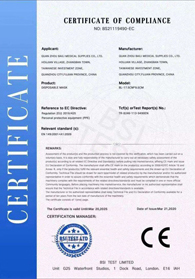
- CE Marking (where applicable): For products intended for the European market, CE marking indicates conformity with health, safety, and environmental protection standards. We ensure our export products meet these requirements.
- Material Traceability: We maintain traceability of raw materials and critical components, ensuring that all materials used meet specified quality and performance standards.
- Rigorous Testing Protocols: Every single-phase vacuum pump undergoes thorough testing before shipment. This includes performance tests to verify flow rate and ultimate vacuum, as well as operational checks to ensure smooth running and electrical safety.
- Food Grade Compliance (for relevant models): For pumps used in food processing, we ensure that all materials in contact with the product meet relevant food safety standards, such as FDA guidelines or equivalent international regulations.
Our investment in advanced manufacturing technology, including CNC machining, directly supports our ability to produce components with tight tolerances and superior finishes, contributing to the overall reliability and efficiency of our vacuum pumps.
When you choose Hebei Yuanchang, you are selecting a partner dedicated to providing durable, high-performance equipment backed by a commitment to quality assurance. We understand that reliable operation is crucial for your business continuity.

What Our Clients Say
Hearing directly from our customers provides the best insight into the real-world impact of our single-phase vacuum pumps and our service. Here's what some of our partners have to say:

Global Food Solutions Inc.
"We integrated Hebei Yuanchang's single-phase vacuum pumps into our new sausage production line. The performance has been consistently reliable, helping us achieve tighter seals and extend product shelf life significantly. Their team was incredibly helpful in specifying the right model for our high-volume needs."

Advanced Manufacturing Co.
"We needed a robust vacuum pump for our resin degassing process. Hebei Yuanchang's single-phase unit not only met our stringent vacuum requirements but also proved remarkably durable under continuous operation. The lead time was also impressive, helping us meet our project deadlines."

Italian Delicacies Ltd.
"The quality of Hebei Yuanchang's equipment is evident. Their single-phase vacuum pump for our meat massaging machines has performed flawlessly, contributing to consistent product quality and reducing our downtime. We appreciate their direct communication and willingness to share technical insights."
We are proud of the relationships we build with our clients and the value our equipment brings to their operations.
Frequently Asked Questions
1. What is the primary advantage of a single-phase vacuum pump over a three-phase?
The main advantage is power compatibility. Single-phase pumps run on standard household or commercial electrical outlets (110V/220V), making them accessible for businesses without specialized three-phase industrial power infrastructure. They are generally simpler to install and can be more cost-effective for smaller or intermittent applications.
2. Can your single-phase vacuum pumps be used for food processing?
Yes, we offer specific models designed for food processing applications. These pumps feature oil-free operation to prevent product contamination and are constructed with food-grade materials, such as stainless steel for wetted parts, ensuring compliance with hygiene standards.
3. What is the typical lifespan of a single-phase vacuum pump?
The lifespan varies greatly depending on the pump's design, quality of construction, application severity, and adherence to maintenance schedules. High-quality pumps from reputable manufacturers like Hebei Yuanchang, when properly maintained, can last anywhere from 5 to 15 years or even longer for certain types. Regular checks and timely replacement of consumables like filters and oil (if applicable) are key.
4. Do you offer custom solutions (OEM/ODM) for single-phase vacuum pumps?
Absolutely. Our in-house engineering team and advanced CNC machining facilities enable us to provide OEM and ODM services. We can customize pumps to meet specific performance requirements, integrate them into your existing machinery, or apply your branding. Our 40 years of experience have equipped us to handle complex custom projects.
5. How do I determine the correct flow rate and vacuum level for my application?
Selecting the correct specifications involves analyzing your process. Factors to consider include the volume to be evacuated, the time allowed to reach vacuum, and the required ultimate pressure. We recommend consulting our technical team, who can guide you through this assessment based on your specific application, whether it's for vacuum packaging, material handling, or processing equipment.
6. What are the main maintenance tasks for a single-phase vacuum pump?
Key tasks include checking and changing oil (if oil-lubricated), cleaning or replacing air filters, inspecting seals and connections for leaks, and listening for any unusual operational noises. For oil-free pumps, filter maintenance is paramount. Always refer to the specific user manual for detailed guidance.
Have more questions? Contact us for personalized assistance.
Enhance Your Operations with Reliable Vacuum Technology
Partner with Hebei Yuanchang for single-phase vacuum pumps that deliver consistent performance, durability, and value. Leverage our 40 years of manufacturing expertise to optimize your processes.