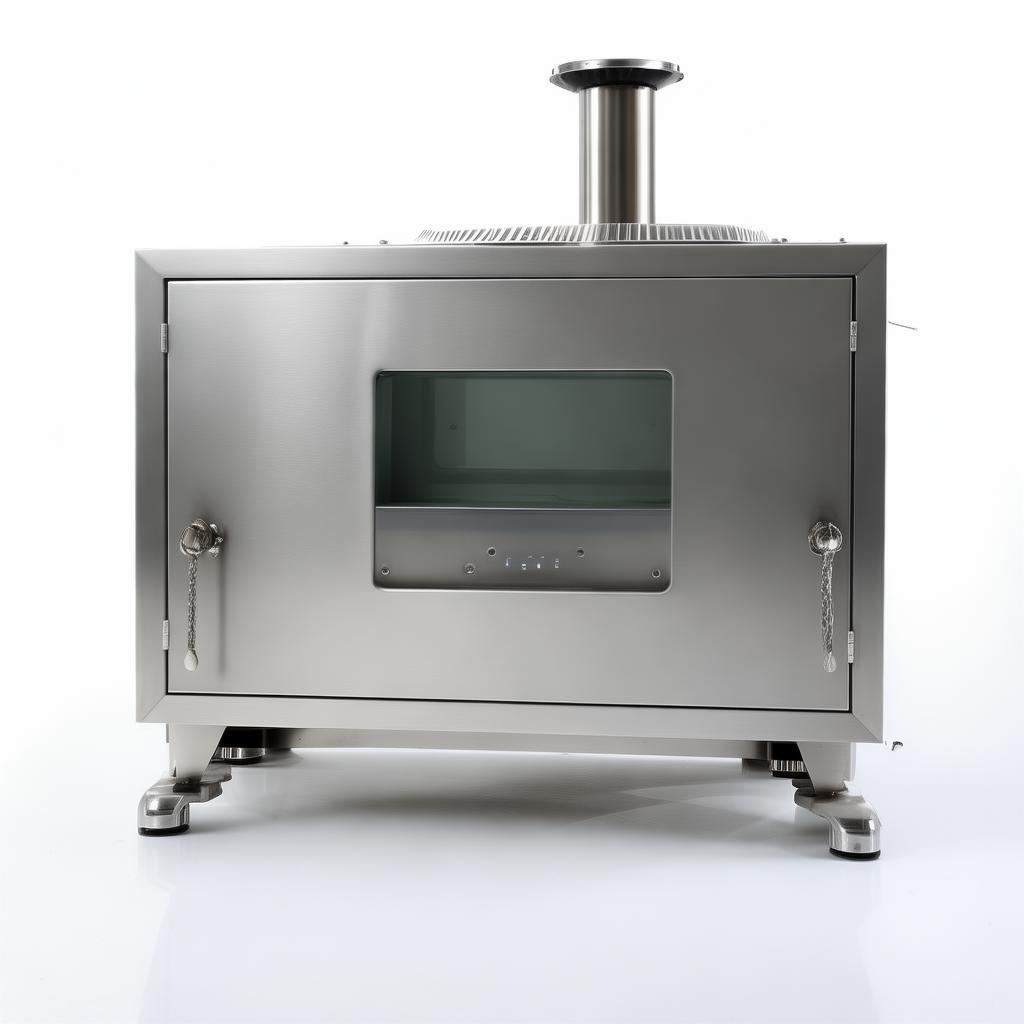
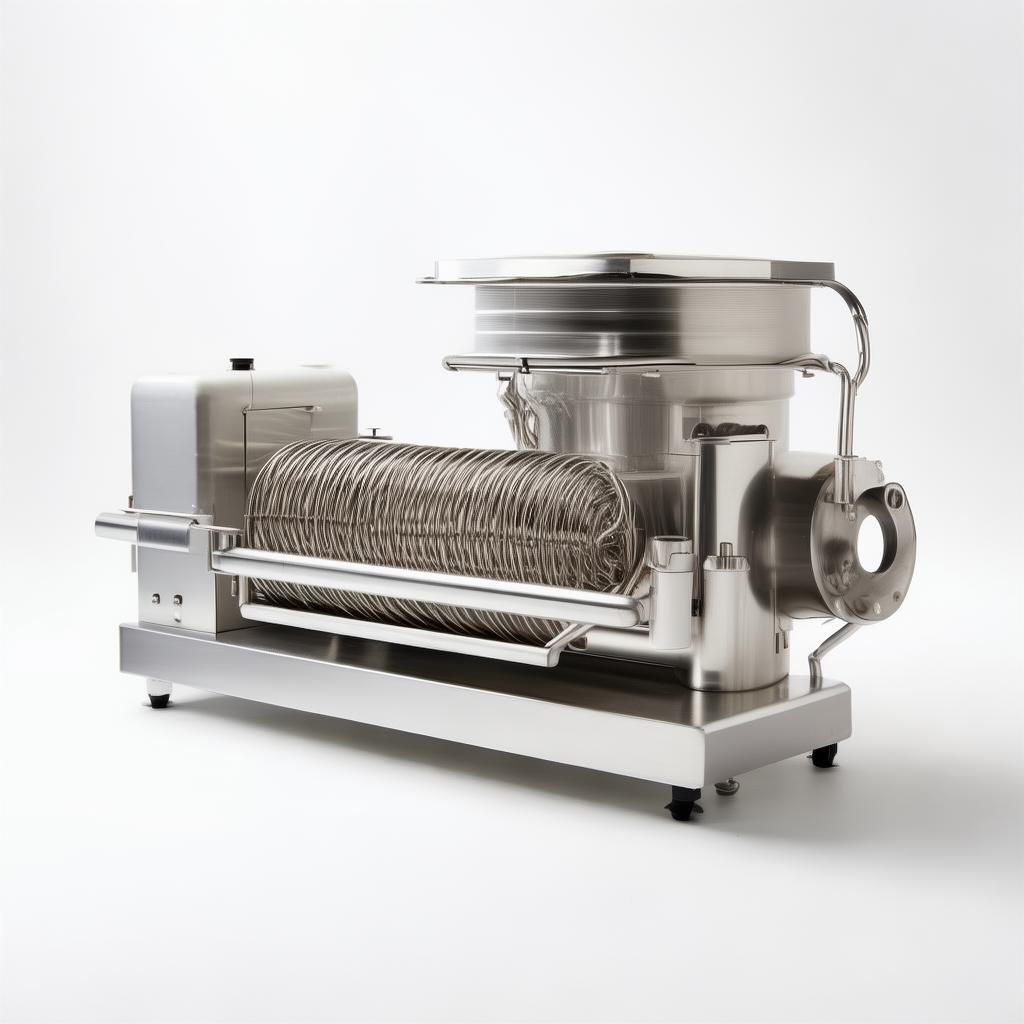
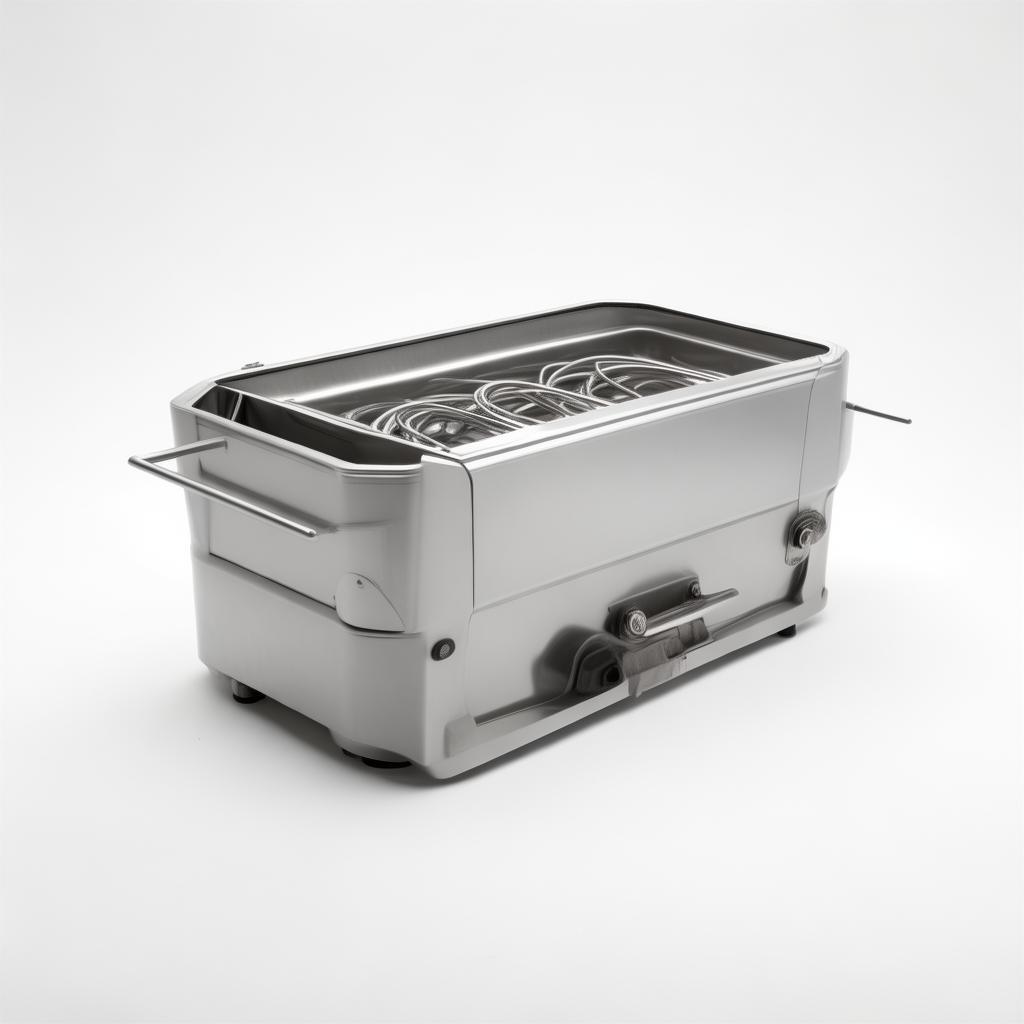
Self Propelled Trailers
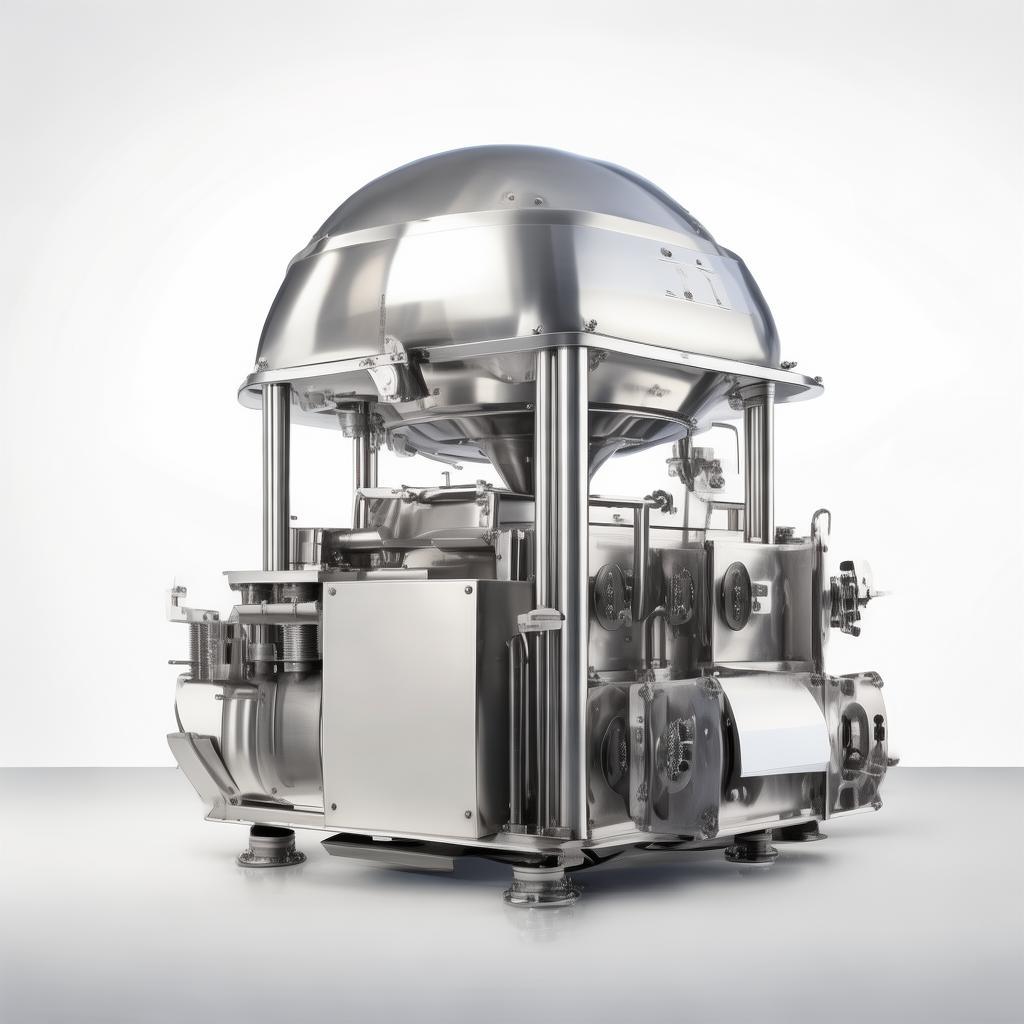
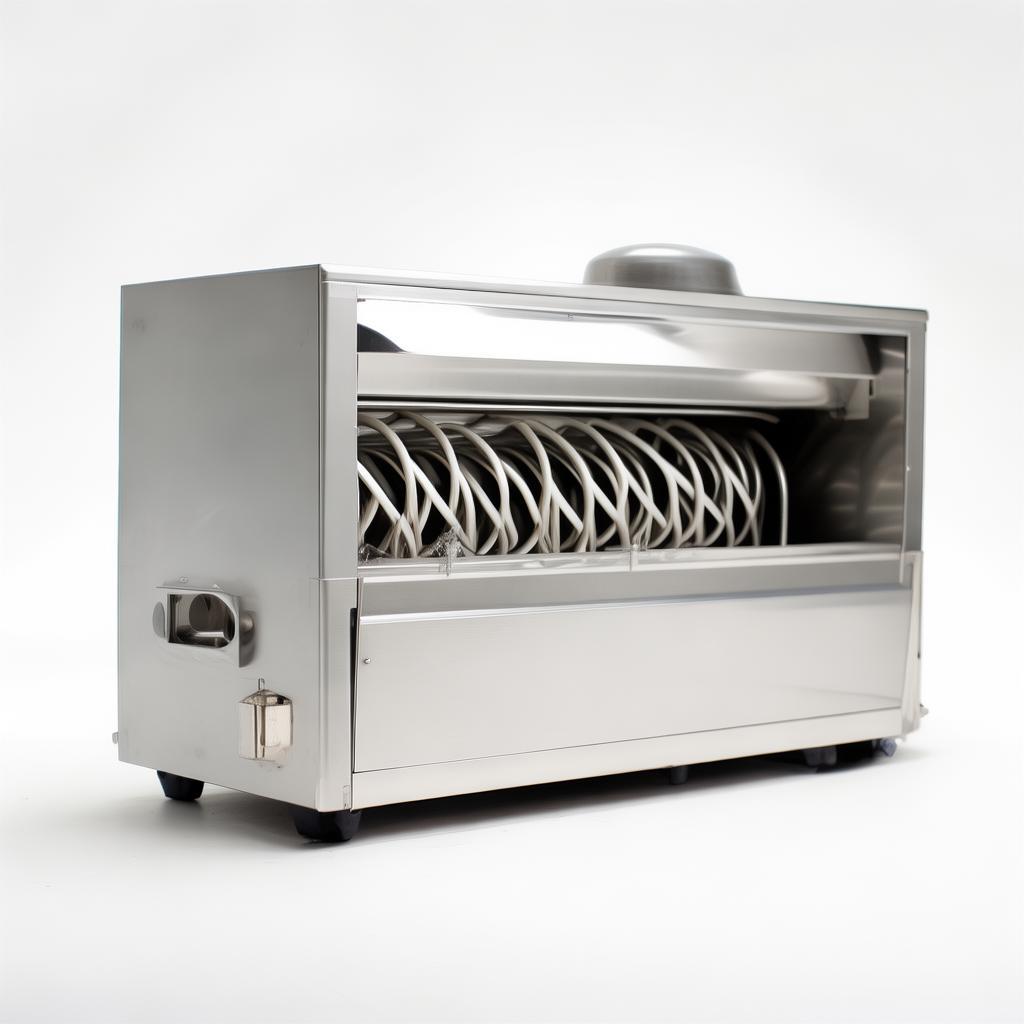
Self-Propelled Trailers: Revolutionizing Material Handling & Logistics
Seamlessly move heavy loads with intelligent, automated trailer solutions designed for modern industrial demands.
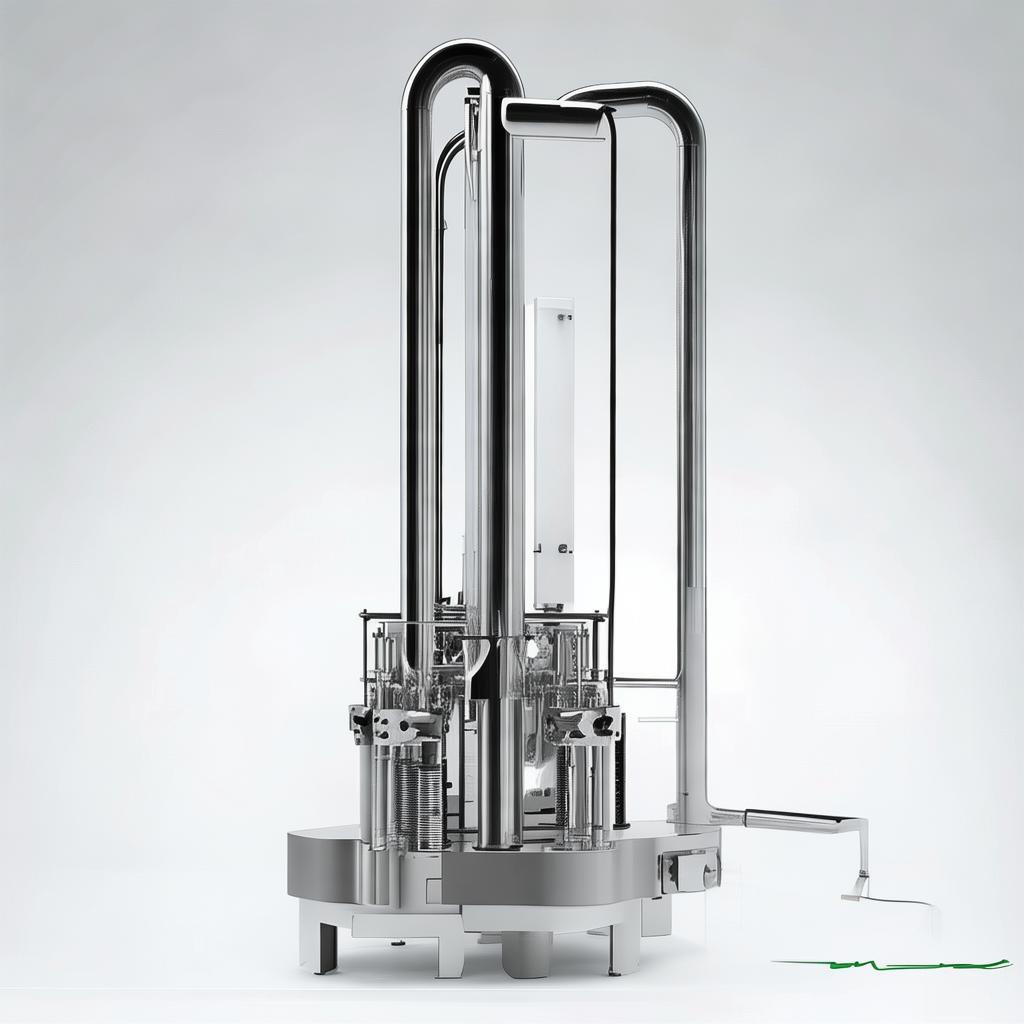
Featured: Advanced Self-Propelled Trailer Unit
Navigating the Evolving Landscape of Industrial Logistics
In today's fast-paced manufacturing and logistics environments, efficiency isn't just a goal; it's a critical competitive differentiator. Across sectors – from heavy manufacturing and automotive production to warehousing and specialized material handling – the constant challenge is moving substantial payloads quickly, safely, and with minimal disruption. Traditional towing methods, while tried and true, often introduce bottlenecks. They can require multiple operators, complex maneuvering in tight spaces, and significant time investment for simple transfers. The need for more agile, intelligent, and self-sufficient material transport solutions has never been more apparent.
Consider the typical scenario in a large assembly plant or a sprawling distribution center. Goods, components, or finished products often need to be moved from staging areas to production lines, between departments, or to outbound shipping docks. This can involve loads ranging from a few tons to hundreds of tons. Forklifts, while versatile, have load capacity limitations and require skilled operators for every movement. Tuggers and tow tractors are common, but their effectiveness is directly tied to the availability of trained personnel and the efficiency of the routes they follow. Moreover, the physical constraints of many industrial facilities—narrow aisles, sharp turns, and limited floor space—can make these operations cumbersome and, frankly, time-consuming.
The drive for automation and smart factory integration further amplifies this need. Businesses are actively seeking ways to reduce reliance on manual labor for repetitive, heavy-duty tasks, thereby freeing up skilled workers for more value-added activities. They're looking for solutions that can operate with precision, integrate seamlessly with existing Warehouse Management Systems (WMS) or Manufacturing Execution Systems (MES), and offer predictable performance with reduced operational variability. This is precisely where the innovation of self-propelled trailers comes into play, offering a sophisticated answer to these persistent logistical puzzles.
The global market for industrial machinery and automation solutions reflects this trend. While specific data for "self-propelled trailers" as a distinct sub-category can be niche, the broader context of material handling equipment growth is telling. Reports indicate sustained growth in the meat processing equipment market, for example, with market values projected to reach upwards of USD 19-30 billion by 2034-2035 across various analyses, driven by automation and demand for processed goods. (Sources: Fortune Business Insights, GM Insights). This illustrates a wider industrial commitment to optimizing internal logistics through advanced machinery. Even in sectors seemingly unrelated, the underlying need for efficient, controlled movement of goods necessitates sophisticated equipment. Our focus here, however, is on the self-propelled trailer itself – a technology designed to bring unprecedented autonomy and efficiency to your heaviest material movements.
At its core, a self-propelled trailer represents a paradigm shift. Instead of a separate vehicle pulling a static load, the trailer itself becomes the powered unit. Equipped with integrated drive systems, steering mechanisms, and intelligent control interfaces, these trailers can operate independently or as part of a managed fleet. This technology is particularly transformative for companies dealing with large, heavy, or awkward items that are impractical for standard forklifts or tow vehicles. Think of oversized components in aerospace manufacturing, large rolls of material in the paper industry, or massive assemblies in heavy machinery production. The ability for a trailer to navigate itself, position precisely, and execute movements without a dedicated tractor unit attached at all times unlocks new levels of operational flexibility.
This isn't about replacing existing equipment wholesale, but about augmenting your capabilities. For operations that frequently move exceptionally heavy loads across significant distances within a facility, or require extremely precise placement, a self-propelled trailer can be the optimal solution. It addresses common pain points like limited maneuverability, the need for high-capacity forklifts (which can be expensive and have operational restrictions), and the logistical headache of managing a fleet of tow tractors. The integrated nature of the self-propelled trailer streamlines operations, enhances safety by reducing multi-vehicle interaction, and significantly improves throughput for these specific, demanding material handling tasks.
We understand that adopting new industrial technology requires careful consideration. Questions about integration, maintenance, operator training, and, of course, return on investment (ROI) are paramount. This page aims to provide a comprehensive overview of self-propelled trailers, delving into their technical advantages, practical applications, and how they can be a strategic asset for your business. We’ll explore the underlying technology, the benefits over traditional methods, and the considerations for selecting the right unit for your specific operational needs. We are here to offer not just equipment, but solutions built on decades of manufacturing experience.
Addressing Key Industrial Logistics Pain Points
Many businesses grapple with recurring operational challenges that impact efficiency, safety, and overall profitability. Self-propelled trailers are engineered to directly combat these issues:
- Maneuverability Constraints: Tight factory floors, narrow aisles, and complex layouts often hinder the movement of large payloads. Traditional tow tractors can struggle to navigate these environments, leading to slow operations and increased risk of damage.
- Limited Load Capacity of Standard Equipment: Forklifts and standard pallet movers have defined weight limits. Handling extremely heavy or oversized items requires specialized, expensive, and often less agile machinery.
- Labor Intensive Processes: Relying on tow tractors or multiple personnel to move heavy items increases labor costs and the potential for human error. This also ties up valuable skilled labor in purely logistical tasks.
- Safety Concerns: Multi-vehicle operations, blind spots, and the sheer mass of loads increase the risk of accidents, damage to goods, and personnel injury.
- Operational Inflexibility: Static floor-based transport systems or routes limit the ability to quickly reconfigure workflows or adapt to changing production demands.
- High Capital Expenditure for Specialized Vehicles: Investing in multiple high-capacity forklifts or dedicated heavy-duty prime movers can be cost-prohibitive for many operations.
The Self-Propelled Trailer Advantage: Intelligent Automation in Motion
Self-propelled trailers aren't just powered carts; they are sophisticated pieces of material handling technology designed for optimal performance in demanding industrial settings. They represent a significant leap forward by integrating power, control, and navigation directly into the trailer unit itself.
Integrated Drive & Steering
Each trailer unit features its own robust electric drive system and precision steering. This eliminates the need for a separate tractor unit for every movement, allowing the trailer to maneuver autonomously or under remote control with remarkable agility. Think 360-degree turning radius in some configurations, allowing for navigation in extremely confined spaces.
Advanced Control Systems
Equipped with state-of-the-art control modules, these trailers can be operated via remote control, pre-programmed paths, or integrated into fleet management software. Navigation can be achieved through various methods, including line following, magnetic guidance, or even sophisticated SLAM (Simultaneous Localization and Mapping) technologies for complex environments.
High Payload Capacity
Designed for heavy-duty applications, our self-propelled trailers can handle significant weights, often ranging from several tons to hundreds of tons, depending on the model. This makes them ideal for transporting large machinery components, tooling, dies, or entire production modules.
Enhanced Safety Features
Integrated sensors, emergency stop buttons, obstacle detection, and precise control reduce the likelihood of collisions and accidental damage. The elimination of a separate tow vehicle also simplifies traffic flow and reduces potential pinch points.
Reduced Operational Costs
While the initial investment is a consideration, the long-term savings are substantial. Reduced labor requirements, minimized product damage, lower energy consumption compared to multiple diesel tow vehicles, and increased throughput contribute to a strong ROI. The ability to operate autonomously or with minimal oversight is a key cost driver.
Integration Capabilities
Modern self-propelled trailers can interface with existing factory automation systems, WMS, or MES. This allows for automated dispatch, route optimization, and real-time tracking, supporting Industry 4.0 initiatives and smart factory environments.
Technical Specifications & Configuration Options
Our self-propelled trailers are built with robust engineering and designed for durability. While specific configurations can be customized to your exact needs, here’s a look at typical specifications you can expect:
| Feature | Standard Specification | Notes & Customization Options |
|---|---|---|
| Payload Capacity | 10 Tonnes - 200 Tonnes (and higher on request) | Customizable based on load type and weight requirements. Higher capacities available via multi-trailer configurations or specialized units. |
| Power Source | High-capacity Lithium-ion Battery Pack | Longer operational life, fast charging capabilities. Backup battery options, swappable battery systems for continuous operation. |
| Drive System | Dual Electric Drive Motors (All-Wheel Drive) | Provides excellent traction and control. Optimized for various floor surfaces. |
| Steering System | Electric Power Steering (EPS) | Options for omnidirectional, crab steering, or 2-wheel steer for precise maneuverability. Independent control of each wheel. |
| Control Interface | Wireless Remote Control / Onboard HMI | Integration with AGV/AMR fleet management systems. API for custom automation integration. |
| Navigation Technology | Laser Guidance / Visual Markers / Pre-programmed Paths | SLAM capabilities for dynamic environments. GPS for large outdoor areas (if applicable). Integration with facility mapping. |
| Safety Features | 360° Obstacle Detection Sensors, Emergency Stop Buttons, Load Sensors | Redundant safety systems. Audible and visual alerts. Auto-braking. |
| Frame Construction | Heavy-Duty Steel Chassis with Anti-Corrosion Coating | Designed for industrial environments. Customizable deck surfaces (e.g., anti-slip, specialized cradles). |
| Charging System | Automated Docking / Manual Plug-in | Fast charging capabilities. Opportunity charging solutions. |
| Operating Environment | Indoor Manufacturing & Warehouse Facilities | Optional upgrades for dusty or hazardous environments (ATEX rated units available). Temperature range considerations. |
manual trailer side load trailers trailer machine
*Actual specifications may vary based on model and customization. Please consult with our engineering team for detailed requirements.
Applications Across Industries
The versatility of self-propelled trailers makes them invaluable across a wide array of industrial sectors:
Automotive Manufacturing
Moving large chassis components, body-in-white sections, engine assemblies, and finished vehicles between production lines, paint shops, and staging areas.
Aerospace & Defense
Transporting large fuselage sections, wing assemblies, engine modules, and heavy tooling within assembly plants and maintenance facilities.
Heavy Machinery & Equipment
Relocating large industrial machines, generators, transformers, and complex equipment components during manufacturing or for installation.
Logistics & Warehousing
Moving oversized palletized goods, bulk containers, or specialized inventory across vast warehouse floors or between production and distribution centers.
Energy Sector
Transporting large components for power generation equipment, wind turbines, or specialized oil and gas industry machinery.
Manufacturing of Large Goods
Ideal for companies producing items like large appliances, industrial storage tanks, or modular construction units that require internal movement of significant mass.
Installation, Operation, and Maintenance Insights
Implementing self-propelled trailers into your operations is a strategic investment. Understanding the lifecycle of this equipment is key to maximizing its value and ensuring seamless integration.
Installation & Commissioning
Our approach to installation is thorough. It typically involves site assessment to determine optimal routes and operational zones. We then proceed with the setup of navigation markers or laser guides, system calibration, and comprehensive testing. For integrated systems, collaboration with your IT department or automation partners is crucial. We ensure the units are configured precisely for your facility's layout and workflow. This isn't a plug-and-play situation; it's a tailored solution deployment. We recommend a phased rollout for larger fleets to minimize disruption.
Operational Considerations
Operator training is streamlined. While remote operation is common, personnel need to understand system commands, safety protocols, and basic troubleshooting. The key benefit is that these trailers operate with predictable precision, reducing the variability associated with human-driven equipment. Establishing clear communication protocols and maintenance schedules is vital for continuous, high-volume operation. Think about battery management – ensuring charging stations are strategically located and that the charging schedule aligns with operational shifts. Many clients opt for swappable battery systems to achieve near 24/7 uptime.
Maintenance & Longevity
Self-propelled trailers are engineered for industrial resilience. Regular preventive maintenance, including checks on battery health, drive motors, steering components, and sensor calibration, is essential. Our in-house machining workshop and commitment to high-precision parts, backed by our traceable after-sales management system, means we can support your long-term needs. We provide detailed maintenance manuals and offer service contracts to ensure your fleet remains operational and efficient for years to come. The use of high-quality components, like those enabled by our Japanese Mazak CNC machining centers, ensures reliability and reduces unexpected downtime.
Procurement Guidance: Selecting the Right Self-Propelled Trailer
Choosing the correct self-propelled trailer system involves a careful assessment of your specific operational requirements. It's not a one-size-fits-all scenario. Here’s what buyers and procurement managers should consider:
- Load Characteristics: What is the maximum weight, dimensions, and shape of the items you need to move? This dictates the required payload capacity and deck configuration.
- Operational Environment: Assess your facility's layout – aisle widths, turning radii, floor conditions, and any obstacles. This influences the choice of steering (omnidirectional is often best for tight spaces) and navigation technology.
- Integration Needs: Do you need the trailer to communicate with your existing WMS, MES, or other automation systems? Understanding your IT infrastructure is crucial.
- Fleet Management: Will this be a single unit, or part of a larger fleet? Consider the software and management interface required for optimal fleet coordination and scheduling.
- Power & Charging Strategy: How long do your movements take? What are your shift patterns? This determines battery capacity needs and the most efficient charging strategy (opportunity charging, battery swapping).
- Safety & Compliance: Ensure the chosen system meets all relevant industry safety standards and local regulations.
- Supplier Reliability: Look for a manufacturer with a proven track record, strong after-sales support, and the capability for customization. Our 40 years of experience since 1986, combined with modern CNC capabilities, speaks to our commitment to quality and support.
Don't hesitate to engage with our technical sales team early in the process. We can help you navigate these considerations and design a solution that precisely fits your needs. Requesting detailed technical documentation and case studies relevant to your industry is a wise next step.
Factory Capabilities & Commitment to Quality
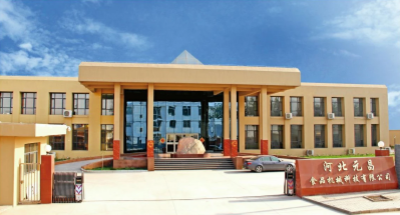
At Hebei Yuanchang Food Mechanism & Technology Co., Ltd., our 40-year legacy since 1986 is built on a foundation of robust manufacturing and an unwavering commitment to quality. While our expertise is deeply rooted in food processing machinery, our advanced manufacturing infrastructure and engineering principles are directly applicable to high-precision industrial equipment like self-propelled trailers.
Extensive Manufacturing Space
Spanning approximately 14,000 square meters, our facility is equipped to handle complex production runs and large-scale projects efficiently.
Experienced Workforce
A dedicated team of 80-100 skilled engineers, technicians, and production staff ensures precision and expertise in every unit manufactured.
Advanced Machining Capabilities
Our workshop houses over 20 sets of processing machinery, including high-precision grinding machines and lathes. Since 2012, we've integrated 8 Japanese Mazak CNC machining centers, enabling us to produce high-volume, high-precision, and non-standard components with exceptional accuracy.
Traceable Quality Control
We maintain a rigorous, traceable after-sales management system. Our ability to independently produce high-precision parts ensures consistency and allows for swift, informed support.
OEM/ODM Expertise
We excel in offering Original Equipment Manufacturer (OEM) and Original Design Manufacturer (ODM) services. Whether you need custom modifications to existing designs or a completely new solution, our engineering team is equipped to meet your specifications.
Our commitment extends beyond production. We are dedicated to providing solutions that enhance your operational efficiency and safety, backed by decades of practical engineering experience.
Trusted by Industry Leaders
Hear what some of our clients have to say about how our material handling solutions have transformed their operations:

"The precision of these self-propelled trailers is incredible. We've reduced transit times for our heavy components by nearly 30% and virtually eliminated accidental damage. The integration with our factory floor management system was smoother than anticipated."
- Mark Jenkins, Operations Manager, Automotive Plant
"Moving massive molds around our facility was always a bottleneck. The self-propelled trailers have solved this. Their omnidirectional steering allows us to navigate our dense production lines with ease. The support from the Yuanchang team has been excellent."
- Sarah Chen, Procurement Director, Heavy Machinery Manufacturer
"We needed a solution that could handle extremely heavy and delicate payloads without the risk associated with traditional methods. These trailers deliver on that promise. The safety features alone have provided immense peace of mind for our floor staff."
- David Rodriguez, Plant Manager, Aerospace Component SupplierReady to Enhance Your Material Handling Efficiency?
Discover how our self-propelled trailers can optimize your logistics, improve safety, and reduce operational costs.
Contact Us
Phone: +86 15830991513
Email: ycmeatmech@gmail.com
Address: Shijiazhuang, Hebei Province, China
Chat with our specialists for immediate assistance:


Our team is ready to answer your questions about specifications, applications, and custom solutions.