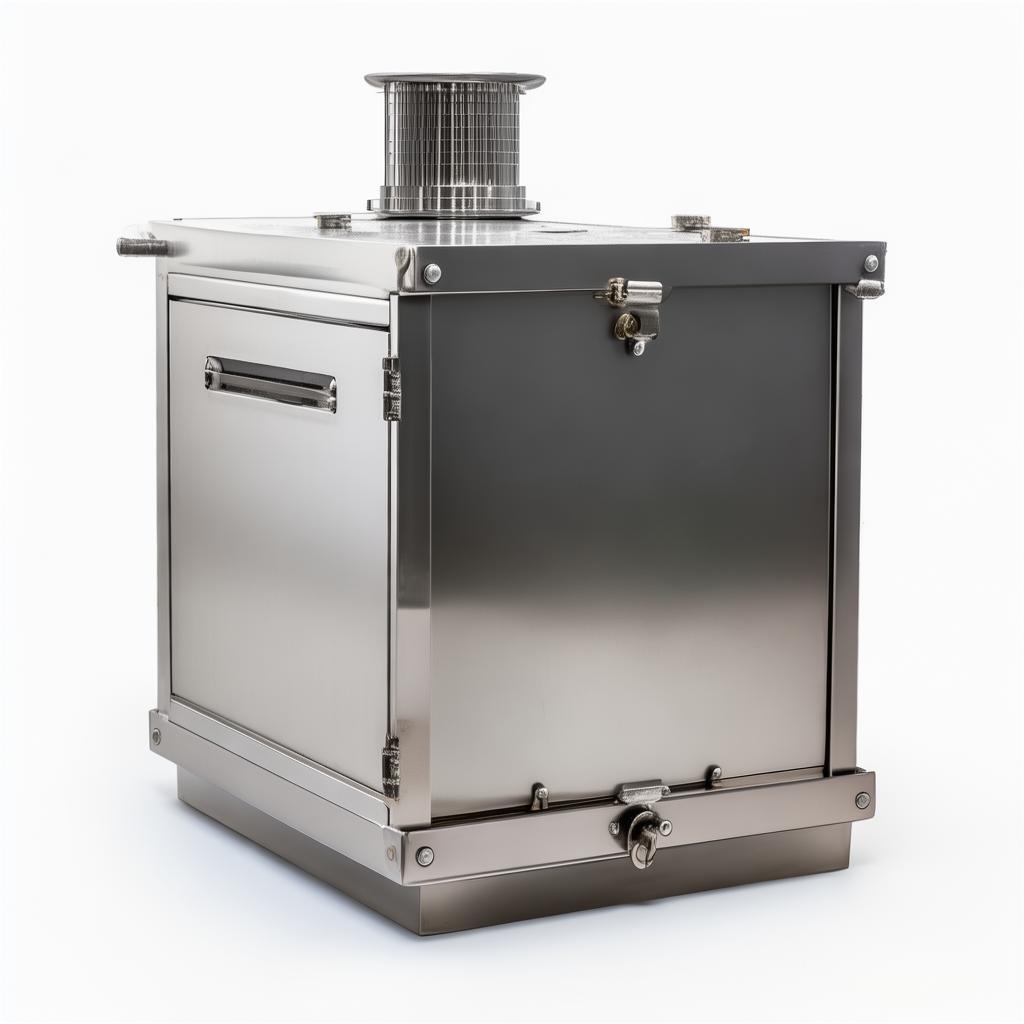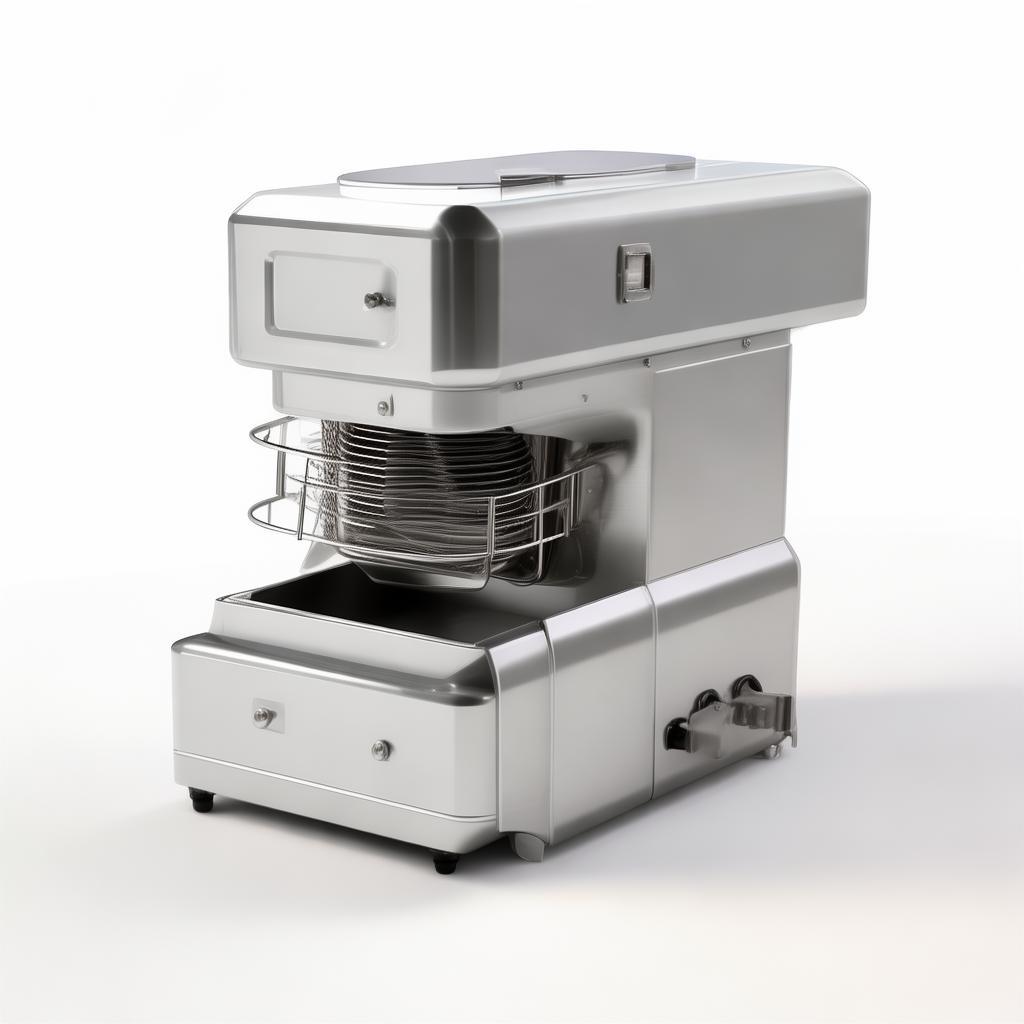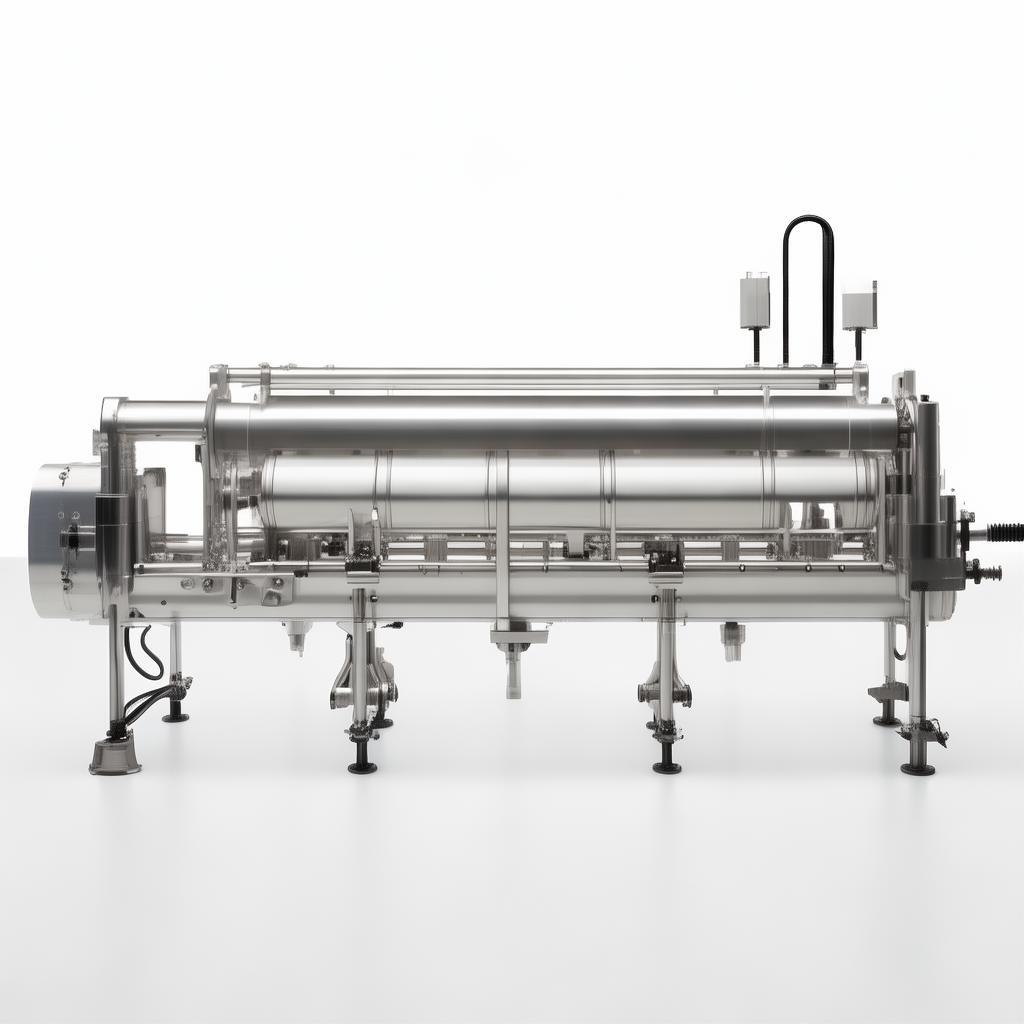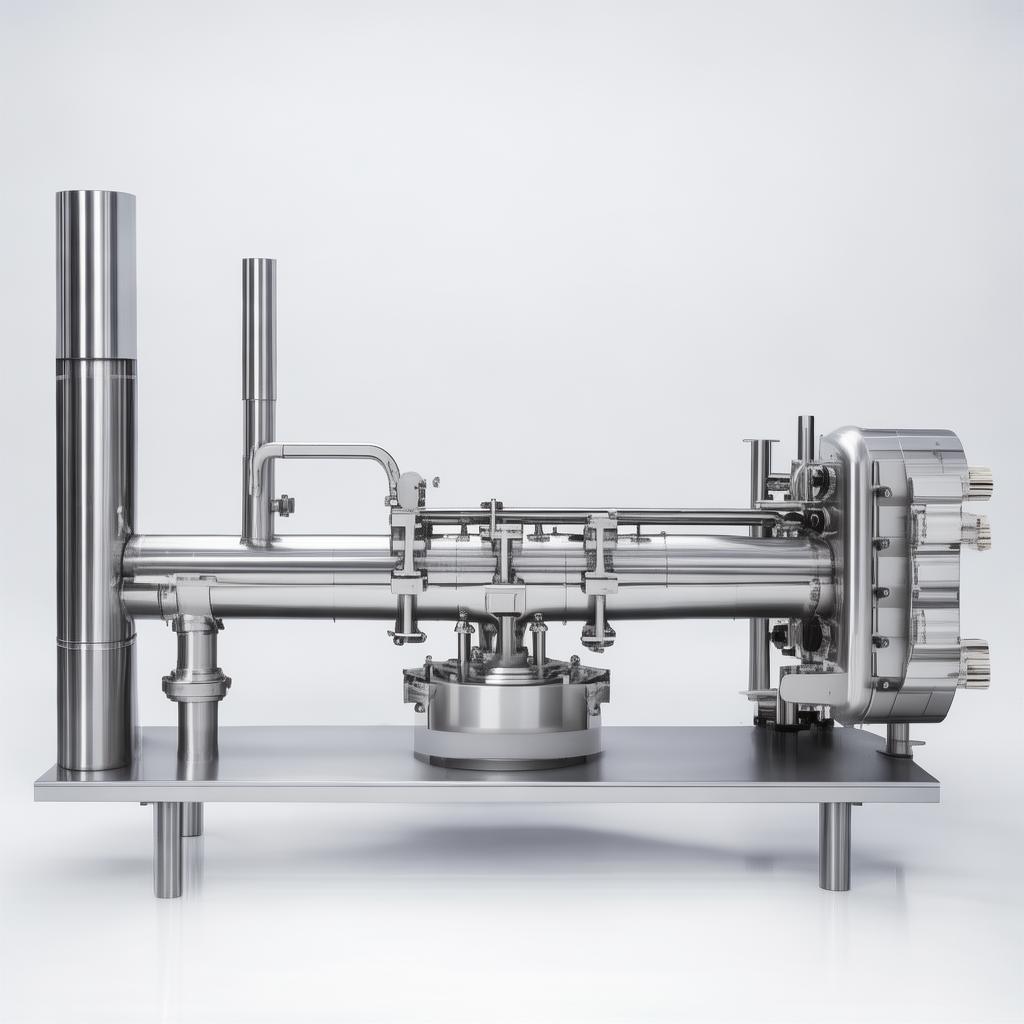
Screw Feeder Hopper
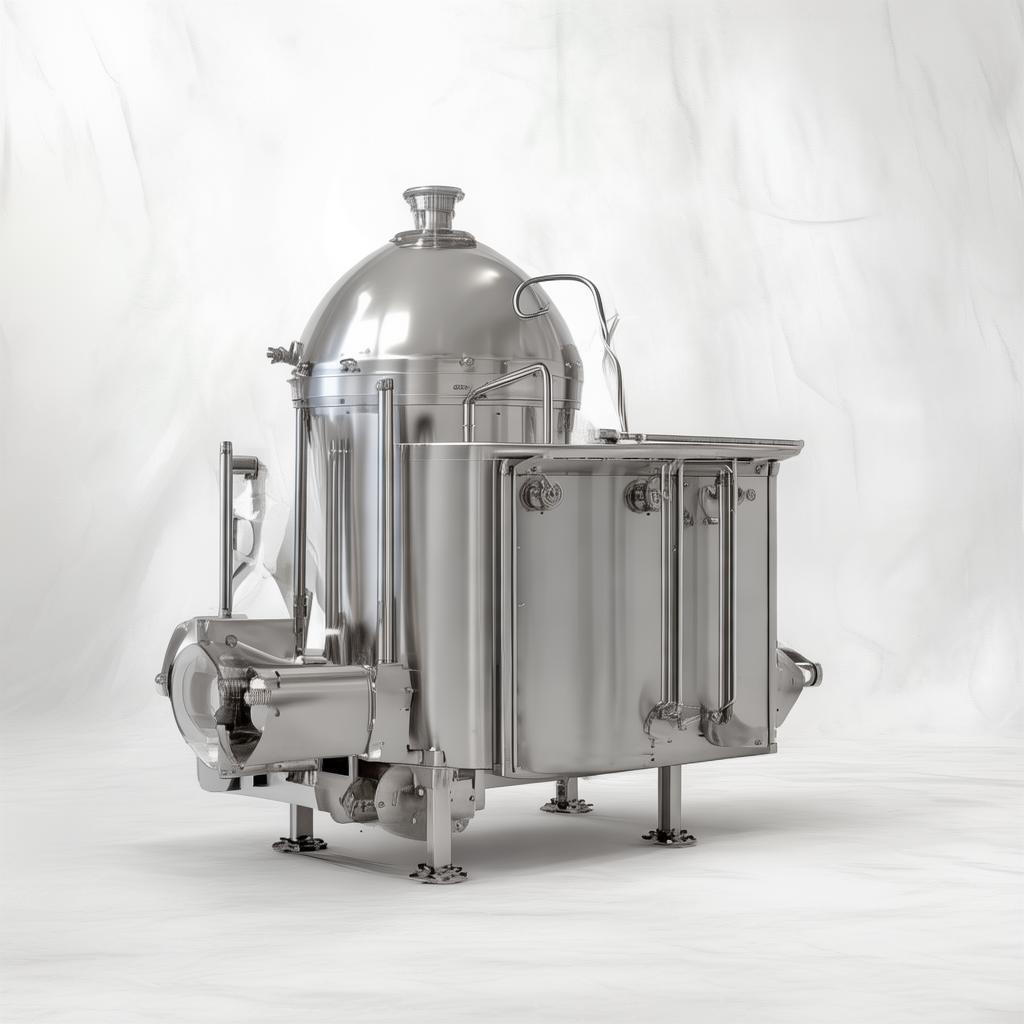
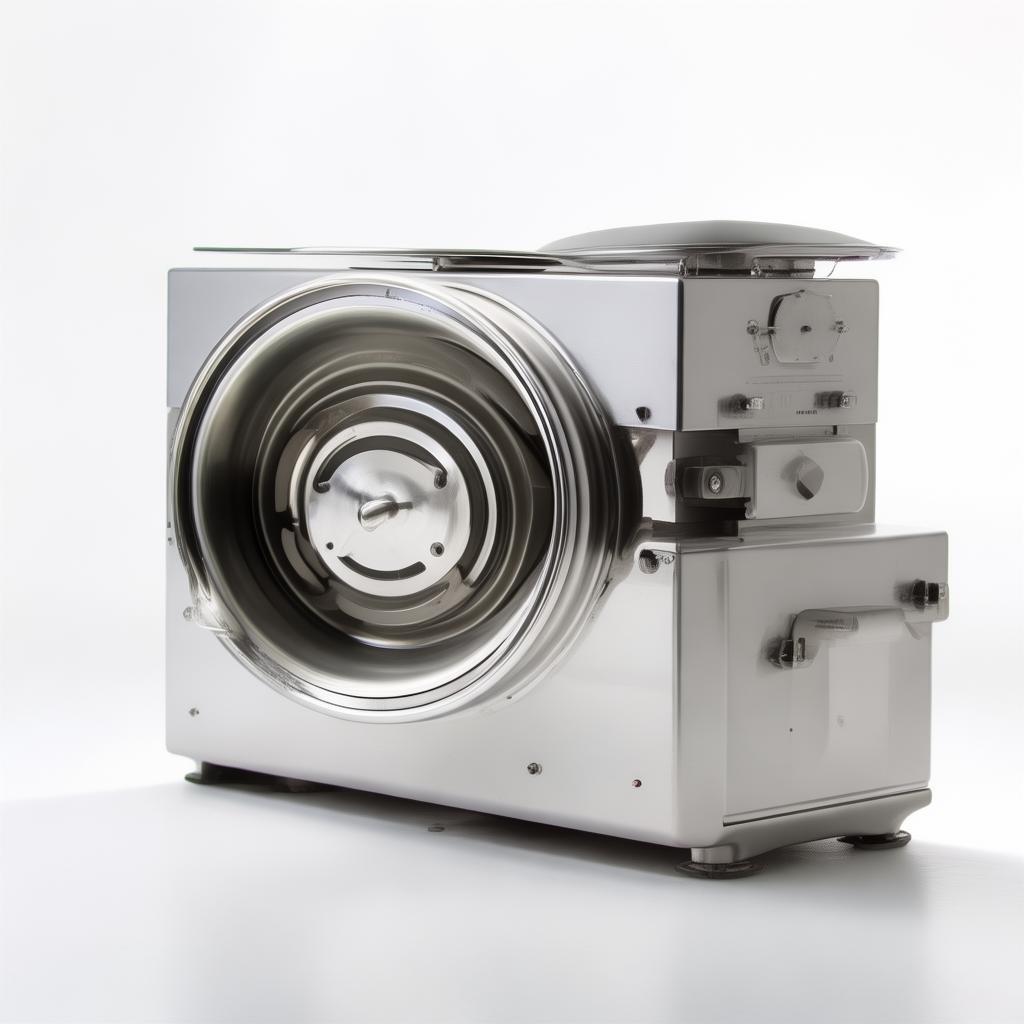
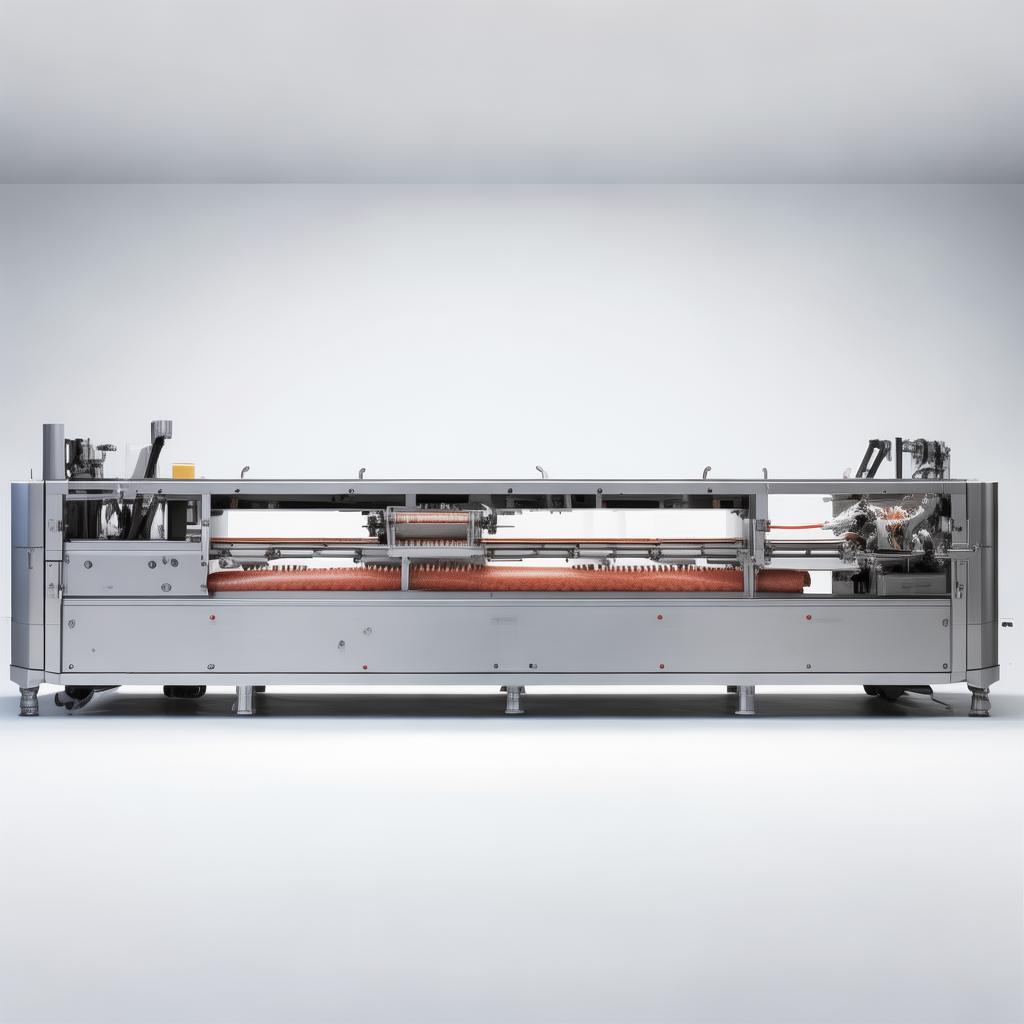
Precision Screw Feeder Hoppers: The Backbone of Efficient Meat Processing Automation
Streamline Your Production, Enhance Product Quality, and Reduce Operational Costs with Hebei Yuanchang's Advanced Feeding Solutions
 By John Chen, Senior Export Manager at Hebei Yuanchang Food Mechanism & Technology Co., Ltd.
The Critical Role of Screw Feeder Hoppers in Modern Production
In the fast-paced world of industrial food processing, particularly within the meat sector, efficiency isn't just a buzzword; it's the bedrock of profitability and product integrity. A significant contributor to this efficiency, often working behind the scenes, is the humble yet indispensable screw feeder hopper. This piece of equipment serves as a crucial interface, bridging the gap between raw material storage and the subsequent processing stages like filling, molding, or ripening. Without a reliable and precisely controlled feeding mechanism, production lines can falter, leading to inconsistent product quality, increased waste, and significant downtime. The global meat processing equipment market, valued at USD 11.29 billion in 2025 and projected to reach USD 17.39 billion by 2034, underscores the industry's massive scale and the continuous demand for advanced machinery. Within this landscape, the screw feeder hopper plays a vital, albeit often specialized, role in ensuring that materials like ground meat, emulsions, or even minced pet food are delivered to the next stage at a consistent rate and volume. This consistency is paramount for achieving uniform product dimensions, optimal texture, and effective curing or cooking processes. The impact of a well-designed screw feeder extends beyond mere material transfer; it influences the overall throughput, labor requirements, and even the hygiene standards of the entire operation. The complexities of handling viscous, sticky, or particulate materials like meat pastes demand more than a simple gravity feed. This is where the engineered precision of a screw feeder comes into play, offering controlled volumetric displacement that is far superior to conventional methods. For procurement managers and operations directors, understanding the nuances of screw feeder technology is key to unlocking higher productivity and maintaining a competitive edge. The sophistication of modern meat processing relies on integrated systems where each component, including the feeder, performs flawlessly. The increasing demand for processed and convenience meats globally, which is projected to drive the processed meat market to USD 1,253.77 billion by 2034, further amplifies the need for robust and automated feeding solutions. This means investing in equipment that not only performs reliably but also integrates seamlessly with other machinery on the line, be it emulsifiers, stuffers, or forming machines. The technical advancements in screw feeders have kept pace with these industry demands, offering improved material handling characteristics, enhanced sanitation design, and greater control over feed rates, all contributing to superior end-product quality and compliance with stringent food safety regulations.
At Hebei Yuanchang Food Mechanism & Technology Co., Ltd., we recognize that the screw feeder hopper is not just an accessory; it is an integral component that dictates the rhythm and success of a meat processing operation. With over 40 years of experience since 1986, we've seen firsthand how the right feeding system can transform a production line. Our commitment lies in providing robust, high-precision screw feeders that meet the diverse needs of the international market, ensuring that our clients can achieve unparalleled levels of operational excellence. This detailed exploration aims to shed light on the multifaceted benefits and technical considerations of implementing advanced screw feeder hopper technology, particularly as it applies to the sophisticated demands of the meat processing industry. We will delve into the operational challenges that prompt the need for such equipment, the specific advantages our designs offer, and the practical considerations for procurement and integration. Our goal is to provide you with the insights necessary to make an informed decision that enhances your production capabilities and boosts your bottom line. The technological evolution in food processing equipment, with a projected global market value reaching USD 19.73 billion by 2034, necessitates a deep understanding of each machine's contribution to overall efficiency and quality. For companies aiming to stay ahead, selecting equipment like screw feeders that offer precision, reliability, and ease of maintenance is no longer optional—it's a strategic imperative.
The global processed meat market's growth, driven by factors like urbanization, evolving consumer preferences for convenience foods, and stringent food safety regulations, is creating an unprecedented demand for automated processing solutions. This trend is particularly visible in regions like Asia-Pacific, where the industrialization of processing facilities is rapidly accelerating. The equipment that forms the backbone of these operations—from pretreatment machinery to molding and ripening systems—must be reliable, efficient, and capable of handling a wide variety of ingredients. A screw feeder hopper, in this context, acts as the critical first step in many of these automated workflows. It ensures a consistent supply of material to downstream equipment, preventing bottlenecks and maintaining the steady flow required for high-volume production. For instance, in the production of sausages, formed patties, or even pet food kibble, the precise volumetric feeding provided by a screw feeder is essential for ensuring consistent weight and size, which directly impacts product yield and consumer satisfaction. The market for meat processing equipment is dynamic, with an expected valuation of USD 15.04 billion by 2030, and within this, specialized components like screw feeders are increasingly being recognized for their foundational importance. Investing in a high-quality screw feeder hopper is an investment in the overall reliability, efficiency, and quality of your entire production chain. It's about minimizing human intervention in critical material handling steps, thereby reducing the potential for error and contamination, while simultaneously maximizing throughput and optimizing resource utilization. Our extensive experience, spanning four decades, allows us to engineer solutions that not only meet current industry standards but also anticipate future needs, ensuring that our clients are always at the forefront of processing technology.
Addressing Common Bottlenecks in Meat Processing Operations
Manufacturing food products, especially those derived from meat, presents a unique set of challenges. Procurement teams and operations managers often grapple with inconsistencies that can significantly impact their bottom line. For example, if raw materials aren't fed into a filling machine or a molding apparatus at a uniform rate, you'll inevitably see variations in product weight, size, and density. This leads to costly over-filling, underweight products (which can cause compliance issues), and a generally inconsistent consumer experience. Think about sausage stuffing: a fluctuating feed rate means some sausages might be too loose, others too tight, affecting texture and appearance. This inconsistency is a major pain point that directly impacts yield and quality control.
Key Operational Challenges:
- Inconsistent Material Flow: Gravity feeds or poorly controlled manual additions lead to unpredictable delivery rates, disrupting downstream processes.
- Product Quality Variability: Inconsistent feed rates directly translate to variations in portion size, density, and texture, affecting consumer satisfaction and brand reputation.
- Labor Inefficiencies: Manual loading and adjustment of feed rates are time-consuming and prone to error, requiring constant operator attention and increasing labor costs.
- Downtime and Waste: Jams, overflows, or material starvation caused by unreliable feeding can bring production to a halt, leading to product spoilage and lost output.
- Hygiene Concerns: Open or poorly designed feeding systems can expose materials to contamination, posing significant food safety risks.
- Handling Difficult Materials: Sticky, viscous, or highly particulate meat products are notoriously challenging to handle consistently with standard equipment.
Consider the practical side: a production manager is under pressure to increase output by 10% without compromising quality. If the bottleneck is an inconsistent feed from the raw material hopper to the emulsifier, no amount of effort on the filling or packaging end will solve the core problem. This is where specialized equipment like a precision screw feeder hopper becomes not just a desirable addition, but a necessity. The market for meat processing equipment, projected to reach USD 19.11 billion by 2035, highlights the industry's continuous investment in solutions that address these very challenges. We see many clients come to us after struggling with batch-to-batch variations that they can't explain. Often, the root cause lies in the fundamental step of material delivery. Automating this critical stage with a controlled volumetric feed dramatically reduces these variables, allowing for much tighter process control and predictable outcomes.
Why Hebei Yuanchang's Screw Feeders Stand Out
Our screw feeder hoppers are engineered with a singular focus: to provide unparalleled precision, reliability, and efficiency in material handling for the demanding meat processing industry. We don't just build hoppers; we build solutions that integrate seamlessly into your workflow, addressing the very pain points that hinder optimal production. At the heart of our design is the precision-engineered screw, which ensures consistent volumetric displacement of your product, regardless of minor variations in material consistency or temperature. This controlled delivery is the key to eliminating guesswork and variability in your downstream processes.
Key Advantages:
- Consistent Volumetric Feeding: Our precisely machined screws deliver a predictable volume of product per revolution, ensuring uniform portioning and density. This is crucial for achieving consistent product quality batch after batch.
- Robust Construction for Demanding Environments: Built with high-grade stainless steel (e.g., SUS304 or SUS316L, depending on application), our feeders are designed to withstand the corrosive effects of meat processing, frequent washdowns, and continuous operation. This means longer equipment life and lower maintenance costs.
- Enhanced Hygiene Design: Features like smooth, crevice-free surfaces, easily disassembled components, and optional food-grade lubricants minimize bacterial harborage points. Compliance with food safety standards is paramount in our design philosophy.
- Versatile Material Handling: Our feeders are capable of handling a wide range of meat products – from fine emulsions and pastes to coarser ground meats and mixes containing small particulates. We can customize screw designs and hopper configurations for optimal flow.
- Variable Speed Control: Integrated variable frequency drives (VFDs) allow for precise adjustment of the screw speed, enabling operators to fine-tune the feed rate to match the demands of the specific product and downstream equipment. This adaptability is a significant operational advantage.
- Reduced Product Degradation: Gentle handling by the screw mechanism minimizes shear and pressure, preserving the texture and integrity of sensitive meat formulations.
- Integration Capabilities: Designed for easy integration with existing production lines, our feeders can be equipped with sensors and control interfaces for seamless automation.
The efficiency gains are tangible. Many of our clients report a reduction in product giveaway by estimated 2-5% due to precise portioning, which can translate into substantial cost savings over time. Furthermore, by ensuring a steady, controlled flow, you minimize the risk of machine stoppages and associated product spoilage. The market trends point towards increased automation and standardization, with the meat processing equipment market expected to grow at a CAGR of 5.0%. Our screw feeders are a key component in achieving this level of automation and consistency. We believe in a consultative approach, working closely with you to understand your specific product characteristics and line requirements. This collaboration ensures that the feeder we supply is not just a piece of equipment, but a perfectly matched solution designed to optimize your unique operation. Imagine a line running smoothly, producing perfectly formed sausages or patties, all thanks to a precisely regulated supply of product. That's the Hebei Yuanchang advantage.
Consider the operational impact: a consistent feed rate means your filling machine operates at its optimal capacity without being starved or overwhelmed. This smoother operation leads to reduced wear and tear on all downstream equipment, extending their lifespan and lowering maintenance expenditures. Moreover, the consistency achieved allows for easier process validation and compliance with quality standards, which is increasingly critical in the global food trade. The advancements in feeding technology are a direct response to the growing demand for processed and convenience meats, a sector projected to reach USD 1,330.45 billion by 2035. Our screw feeders are designed to meet this demand head-on, offering the precision and reliability needed for high-volume, high-quality production. They are not just about moving material; they are about controlling a critical aspect of your product's journey from raw ingredient to finished good, ensuring that every piece meets your exacting standards.
Detailed Technical Specifications
Understanding the technical capabilities of a screw feeder hopper is crucial for integration and performance. Our standard models are designed for versatility, but customization is always an option to meet unique production needs. Below are typical specifications. Please consult with our engineers for your specific application details.
| Feature | Standard Specification | Notes / Customization Options |
|---|---|---|
| Hopper Capacity | 50L - 500L (Typical) | Customizable to project requirements. Larger capacities available. |
| Screw Diameter | 50mm - 200mm (Typical) | Selected based on product viscosity and desired throughput. |
| Screw Pitch | Variable | Optimized for product flow and preventing bridging. |
| Motor Power | 1.5 kW - 7.5 kW (Typical) | Dependent on hopper size, screw design, and material density. |
| Drive System | Gear Motor with VFD | For precise speed control and variable feed rates. |
| Materials of Construction | SUS304 Stainless Steel (Standard) | SUS316L available for highly corrosive environments. Food-grade coatings optional. |
| Hopper Outlet | Flanged / Customized Connection | Designed to match downstream equipment inlet. |
| Control System | Basic Start/Stop with VFD Control | PLC integration, load cell options for volumetric accuracy, level sensors available. |
| Overall Dimensions | Varies with capacity | Compact footprint designs available. |
Conical screw mixer Screw mixer Conical screw belt mixer
The selection of materials is critical in food processing. Our standard SUS304 construction provides excellent corrosion resistance for most applications. However, for aggressive brines or certain types of processed meats, upgrading to SUS316L is a worthwhile consideration that enhances longevity and maintains hygiene. The choice of screw design and pitch is also heavily product-dependent. A steeper pitch might be better for powders, while a tighter pitch with flight stabilizers is often preferred for sticky pastes to prevent product rollback and ensure efficient discharge. We also offer options for heated hoppers or specialized seals if your process requires it. For companies focusing on high-volume production, where even minor inefficiencies add up, understanding these technical details can lead to significant operational improvements. The meat processing equipment market's growth, projected to reach USD 15.44 billion by 2035, signifies a strong industry trend towards investing in equipment that offers precise control and customization.
Versatile Applications Across the Industry
The adaptability of our screw feeder hoppers makes them suitable for a wide array of applications within the food processing sector, extending beyond just meat. While their primary strength lies in handling viscous and particulate meat products, their precision volumetric feeding capabilities are invaluable in many contexts.
Common Use Cases Include:
- Sausage Production: Precisely feeding meat batter into stuffer/filler machines for consistent sausage weight and texture.
- Formed Products: Supplying uniform amounts of meat mixture to patty formers, meatball machines, or other molding equipment.
- Pet Food Manufacturing: Delivering precise portions of meat blends for extrusion or forming processes in kibble and wet pet food production.
- Deli Meats and Luncheon Loaves: Controlled feeding of processed meat mixtures for ripening, smoking, or final molding into loaf pans.
- Pre-treatment Feeding: Transferring materials from primary storage to intermediate processing steps like mixers, tenderizers, or grinders.
- Specialty Meat Products: Handling delicate or sticky mixtures for products requiring specific texture and density control.
- Reconstituted Meat Products: Ensuring consistent feeding for molding and forming of value-added meat products.
The demand for processed meats, a market segment poised for significant growth, directly fuels the need for reliable auxiliary equipment like screw feeders. With projections indicating the processed meat market could reach USD 1,393.99 billion by 2030, the efficiency and precision these feeders bring are increasingly critical. Our feeders are not limited to large-scale industrial operations. We also cater to mid-sized processors and specialized food manufacturers looking to upgrade their existing lines for better control and consistency. The key is that any process requiring accurate volumetric delivery of semi-solid, viscous, or particulate matter can benefit. We’ve seen them successfully used in conveying viscous sauces, cheese pastes, and even certain types of dough, demonstrating their versatility beyond meat applications. The integration of such feeders is often a key step in modernizing older processing plants, bringing them up to current standards of automation and efficiency. This is particularly relevant in growing markets where modernization of processing facilities is a significant trend.
In the pet food industry alone, the demand for consistent portioning is vital for nutritional accuracy and product appeal. Our screw feeders ensure that the correct blend of ingredients is delivered to the extruder or forming equipment, maintaining product integrity and preventing costly material waste. Even in the production of premium reconstituted meat products, where precise texturization and binding are key, the consistent volumetric input from a screw feeder is non-negotiable. As the industry continues to innovate with value-added products, the equipment that enables their precise creation becomes increasingly important. The global food processing equipment market, of which meat processing is a significant segment, is expected to reach USD 109.61 billion by 2035. Investing in a reliable screw feeder is a strategic move to ensure your operation benefits from this growth by enhancing both capacity and quality.
Installation, Operation, and Maintenance Insights
Proper installation and regular maintenance are key to maximizing the lifespan and performance of any industrial equipment, and our screw feeder hoppers are no exception. While designed for robustness, a few practical considerations can make a significant difference in day-to-day operations.
Installation Considerations:
- Foundation and Stability: Ensure the feeder is mounted on a stable, level surface. For larger units, consider anchoring to the floor to prevent vibration or movement during operation.
- Connection to Downstream Equipment: The outlet of the hopper should align as closely as possible with the inlet of the subsequent machine (e.g., stuffer, former). Minimize any gaps or vertical drops that could cause product degradation or bridging.
- Electrical Connections: All electrical connections should be made by a qualified electrician, ensuring compliance with local safety standards. Verify voltage and phase requirements. The variable frequency drive (VFD) should be set up by someone familiar with motor control for optimal performance and protection.
- Initial Run-In: Before full production, conduct a test run with your actual product. Monitor the flow rate, screw engagement, and any unusual noises. Adjust VFD settings as needed to achieve the desired output.
Operational Tips:
- Material Loading: Avoid overloading the hopper. Gradual loading helps prevent bridging and ensures the screw is consistently engaged with the product.
- Product Consistency: While our feeders handle variations, significantly changing the product's formulation (e.g., fat content, particle size) may require adjustments to the screw speed or even the screw design.
- Monitoring: Regularly check the feed rate and product consistency. Listen for any changes in motor sound that might indicate an issue.
Maintenance Schedule:
- Daily: Visually inspect the hopper and screw for any product buildup or foreign material. Check for leaks. Clean accessible surfaces according to your plant's hygiene protocols.
- Weekly: Inspect screw and hopper for wear. Check gearbox oil level and condition if applicable. Lubricate any external moving parts as per the manual.
- Monthly/Quarterly: Check motor and gearbox mounts. Inspect drive belts for tension and wear. For units with VFDs, ensure control panel connections are secure. A more thorough cleaning of the screw and internal surfaces may be required.
- Annually: Consider a professional inspection. Depending on operating hours, gearboxes may require oil changes, and seals might need replacement. Checking alignment of the screw within its housing is also good practice.
We provide comprehensive manuals with all our equipment, detailing specific maintenance procedures. For complex tasks or if you're unsure, our technical support team is always available. Proactive maintenance can prevent unexpected breakdowns, which are incredibly costly in food processing where production schedules are often tight. Given that the meat processing equipment market is projected to grow significantly, ensuring your equipment performs reliably throughout its lifecycle is a key competitive advantage. Investing in our feeders means investing in equipment designed for durability and ease of maintenance. For example, features like quick-release screw mechanisms can dramatically reduce the time required for cleaning and changeovers, which is a major operational benefit in multi-product facilities.
Procurement Guidance for Screw Feeder Hoppers
When sourcing screw feeder hoppers for your operation, it's essential to approach the procurement process strategically. Beyond just price, consider the long-term value, reliability, and the supplier's ability to support your needs. This is particularly critical for international B2B trade where logistics, communication, and after-sales support are paramount.
Key Procurement Considerations:
- Define Your Requirements Clearly: What specific product(s) will you be feeding? What is the desired throughput (kg/hour or L/min)? What are the space constraints? What level of automation is needed? Answering these questions upfront is crucial.
- Material Compatibility: Ensure the feeder's construction materials are suitable for your product and processing environment. Stainless steel grades (SUS304 vs. SUS316L) are a common point of discussion.
- Supplier Reputation and Experience: Look for manufacturers with a proven track record, especially in the food processing or meat industry. Hebei Yuanchang has over 40 years of experience and specializes in food processing equipment.
- After-Sales Support and Spare Parts: This is vital for international purchases. Can the supplier provide technical assistance, troubleshooting, and readily available spare parts? A traceable after-sales management system, like ours, ensures peace of mind.
- Customization Capabilities: Most complex food processing applications benefit from tailored solutions. Can the supplier modify designs to fit your specific needs? Our in-house machining workshop, including Japanese Mazak CNC centers, allows for high-precision component production for non-standard requirements.
- Lead Time and Logistics: Understand the manufacturing lead time and shipping options. For international orders, factors like Incoterms (e.g., FOB, CIF), shipping container optimization, and customs procedures are critical.
- Compliance and Certifications: Does the equipment meet relevant international standards (e.g., CE, FDA-compliant materials)?
Don't hesitate to request detailed technical drawings, material certifications, and references from potential suppliers. For critical components like screw feeders, the lowest initial price often doesn't represent the best value. Consider the Total Cost of Ownership, which includes operational efficiency, maintenance, energy consumption, and lifespan. The market for meat processing equipment is projected to reach USD 19.5 billion by 2033, indicating strong global demand and intense competition. Choosing a reliable supplier with a robust manufacturing capability is key to navigating this market successfully. We at Hebei Yuanchang pride ourselves on transparency and customer partnership throughout the entire procurement and operational lifecycle. Our ability to independently produce high-precision parts means we have greater control over quality and lead times, offering you a more secure supply chain.
When evaluating suppliers, consider the depth of their expertise. Do they understand the nuances of handling different meat products? Can they advise on the best screw design for your specific emulsion or mix? This level of insight is what separates basic equipment suppliers from true solution providers. For instance, a supplier who can demonstrate their manufacturing capabilities, like our comprehensive machining workshop with over 20 sets of processing machinery and advanced CNC centers, instills confidence in their ability to deliver on quality and precision. This direct manufacturing control minimizes reliance on third parties and ensures that critical components meet exacting standards, crucial for international trade where quality assurance is paramount.
Our Manufacturing Prowess: Hebei Yuanchang Advantage
At Hebei Yuanchang Food Mechanism & Technology Co., Ltd., our 40 years of experience since 1986 are rooted in a deep understanding of manufacturing excellence. We are not just assemblers; we are true manufacturers with comprehensive in-house capabilities that allow us to control every aspect of our screw feeder hopper production.
What Sets Us Apart:
- Extensive Facility: Our operations span approximately 14,000 square meters, providing ample space for R&D, production, and quality control.
- Skilled Workforce: A dedicated team of 80-100 employees, bringing a wealth of knowledge and commitment to every project.
- Advanced Machining Workshop: Equipped with over 20 sets of precision processing machinery including lathes, milling machines, grinders, boring machines, plate shears, bending machines, and wire cutting equipment. This allows us to produce complex parts in-house.
- Japanese Mazak CNC Machining Centers: Since 2012, our investment in 8 sets of these high-precision CNC machines enables us to manufacture components requiring extreme accuracy, large volumes, and non-standard specifications. This is crucial for producing our precision screw elements.
- Complete Production Lines Expertise: Our 40 years of experience encompass entire production lines, giving us a holistic view of how individual components like screw feeders contribute to overall system performance.
- Traceable After-Sales Management: Our system ensures that every part we produce is accounted for, enabling efficient troubleshooting and rapid supply of spare parts. This is vital for our international clientele.
This in-house capability means we are not reliant on external suppliers for critical components, significantly reducing lead times and ensuring consistent quality. It allows us to undertake custom projects with confidence, knowing our engineering and manufacturing teams can deliver exactly what is needed. For businesses involved in international trade, especially in sectors like meat processing where equipment reliability is paramount, partnering with a manufacturer like Hebei Yuanchang offers a distinct advantage. The market for advanced food processing equipment is growing, with reports suggesting it will reach USD 15.2 billion by 2035, and our commitment to manufacturing excellence positions us to meet this demand with superior products.
Our ability to independently produce high-precision parts, especially the screw elements which are the heart of the feeder, is a key differentiator. This control over manufacturing processes ensures that each screw meets stringent tolerances, leading to predictable volumetric output and reduced wear. The integration of Japanese Mazak CNC technology signifies our commitment to precision engineering, enabling us to handle complex geometries and tight tolerances that are essential for optimal performance in demanding applications like meat processing. This level of manufacturing depth is particularly valuable for OEMs and large-scale food producers who require consistency and reliability across their entire fleet of machinery. The investment in such advanced manufacturing infrastructure is a testament to our dedication to quality and our long-term vision for serving the global food industry.
Commitment to Quality and Compliance
For Hebei Yuanchang, quality is not just a goal; it's a fundamental principle integrated into every stage of our manufacturing process. We understand that in the food processing industry, compliance with safety and quality standards is non-negotiable. Our commitment is reflected in our manufacturing practices and the materials we use.

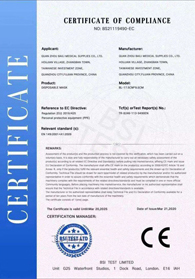


While specific certifications for each feeder model may vary based on customer requirements and regional regulations, our core manufacturing adheres to principles that align with international standards such as:
- ISO 9001 Principles: Our quality management systems are guided by ISO 9001 principles, ensuring consistent product quality and continuous improvement.
- CE Marking Compliance: Many of our products are designed to meet CE marking requirements for market access in the European Economic Area.
- Food-Grade Materials: We prioritize the use of food-grade stainless steel (SUS304, SUS316L) and other materials that comply with FDA or equivalent standards for components in direct contact with food products.
- RoHS Compliance: For electrical components, we ensure compliance with RoHS directives to restrict hazardous substances.
Our dedication to quality extends to the rigorous testing of our equipment before shipment. We understand that reliable performance is crucial for your operations, especially when dealing with international markets where equipment downtime can be exceedingly costly. The increasing demand for processed and convenient meat products necessitates processing equipment that adheres to the highest safety and quality standards. By choosing Hebei Yuanchang, you are partnering with a manufacturer committed to delivering compliant, high-quality machinery. The market growth in meat processing equipment, projected to reach USD 16.36 billion by 2032, is a testament to the industry's focus on adopting reliable and compliant technologies.
What Our Clients Say
We believe that the best testament to our product quality and service comes directly from our satisfied customers. Here are a few examples from clients who have integrated our screw feeder hoppers into their operations:
"We were struggling with inconsistent patty weights on our forming line. Since installing the Yuanchang screw feeder, the variation has dropped dramatically. It feeds our patty machine flawlessly, and our QC checks are much simpler now. Installation was straightforward, and the support from their team was excellent."

Midwest Meat Processors, USA
"The quality of the stainless steel on the feeder is top-notch. Our product is quite sticky, and we were worried about cleaning. The design is smooth, and it disassembles easily for our nightly sanitation. It's been running 10 hours a day for 6 months with zero issues. Highly recommended for any serious sausage producer."

European Fine Foods Ltd., UK
"We purchased a custom-sized feeder for our pet food line. Hebei Yuanchang worked closely with our engineers to get the specifications right. The precision delivery system has improved our kibble formation consistency significantly. The lead time was reasonable considering the customization. Excellent value for money."

Global Pet Nutrition Inc., Canada
Frequently Asked Questions
Q: What is the typical lead time for a standard screw feeder hopper?
A: For our standard models, lead times typically range from 4 to 8 weeks, depending on current production schedules and any minor customization required. For highly specialized or large-scale orders, lead times will be quoted individually.
Q: Can your screw feeders handle products with bone fragments?
A: This depends on the size and nature of the bone fragments. Our standard screw designs are best suited for ground meats, emulsions, and mixes without large, hard particulates. For applications involving bone fragments, especially if they are large or sharp, we recommend consulting with our engineers to discuss specific screw designs and materials that can better withstand such conditions and minimize wear.
Q: What are the power requirements for your screw feeders?
A: Power requirements vary based on the size of the feeder and motor. Standard models typically range from 1.5 kW to 7.5 kW. Specific details for each model are available in the technical specifications. We can also design units for different voltage and frequency requirements to suit your region.
Q: How easy is it to clean your screw feeders?
A: We design our feeders with sanitation in mind. Components like the screw and the internal surfaces of the hopper are made smooth and accessible. Many models feature quick-release mechanisms for the screw, allowing for fast disassembly and thorough cleaning, which is essential for food safety compliance.
Q: Do you offer OEM/ODM services for screw feeders?
A: Yes, we do. With our strong R&D capabilities and advanced in-house manufacturing facilities, including CNC machining, we are well-equipped to develop and produce custom screw feeder hoppers tailored to your specific brand or system requirements. Please contact us to discuss your OEM/ODM project.
Ready to Elevate Your Production Efficiency?
Discover how Hebei Yuanchang's precision screw feeder hoppers can optimize your meat processing line.
Or visit our contact page: ycmeatmech.com/contacts.html
Industry Insights & References:
- 【Meat Processing Equipment Market Size, Share & Industry Analysis - Fortune Business Insights】 - Highlights growth driven by processed meat demand and automation, with filling and molding equipment being key segments.
- 【Meat Processing Equipment Market Size, Share Report, 2030 - Grand View Research】 - Emphasizes rising consumption of ready-to-eat meats and automation adoption for labor efficiency and hygiene.
- 【Processed Meat Market Size, Share & Growth Report - Fortune Business Insights】 - Projects substantial growth in the processed meat sector, increasing demand for advanced processing technologies including pretreatment and molding equipment.
- 【Meat and Poultry Processing Equipment Market - Global Market Insights】 - Forecasts significant market expansion driven by automation, hygiene standards, and demand for advanced ripening and molding systems.