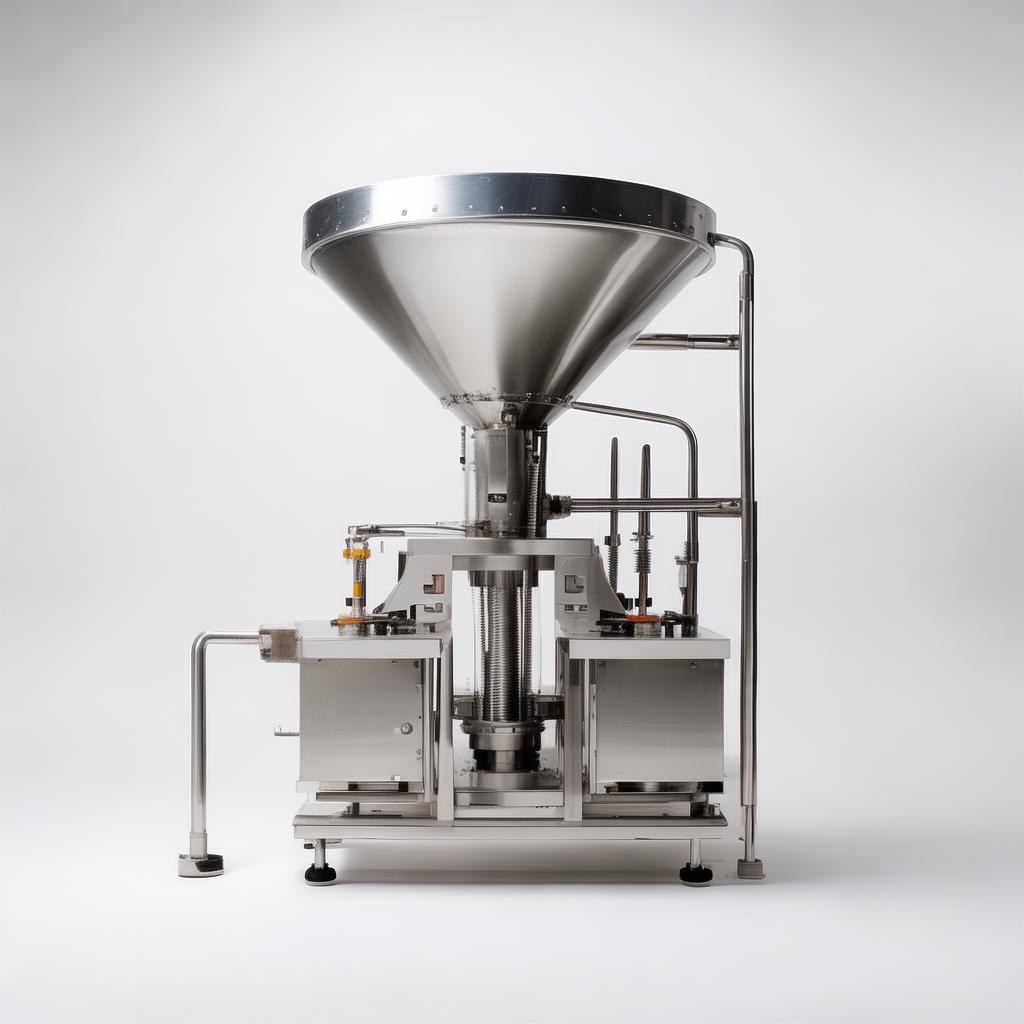
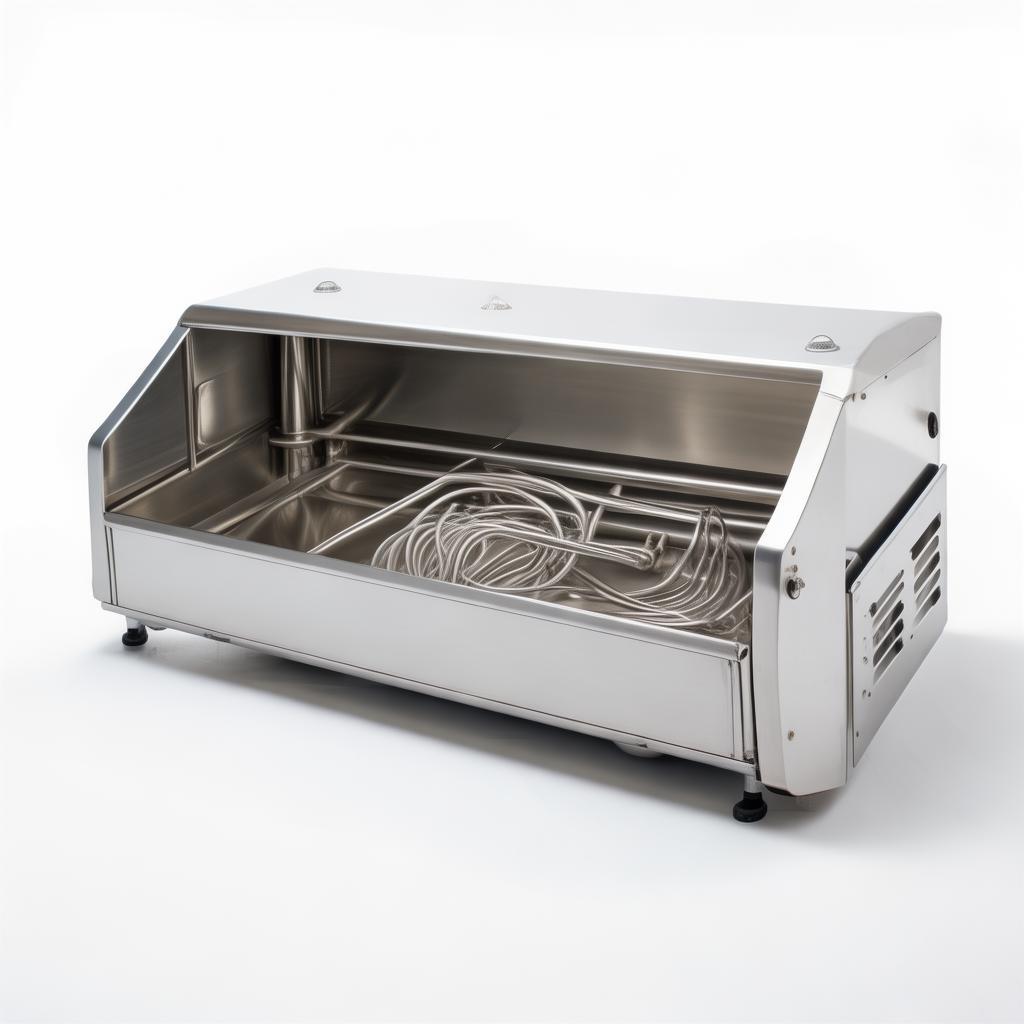
Peanut Butter Filling Machine
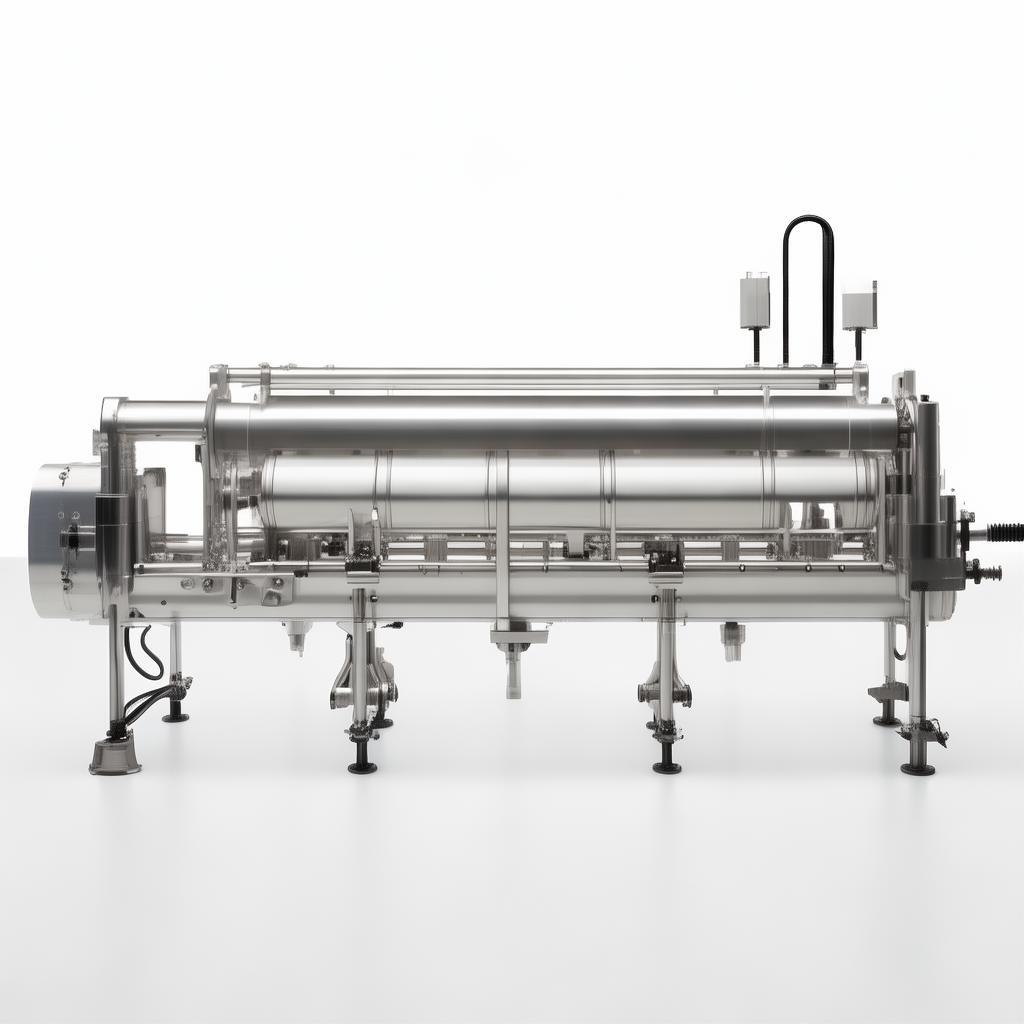
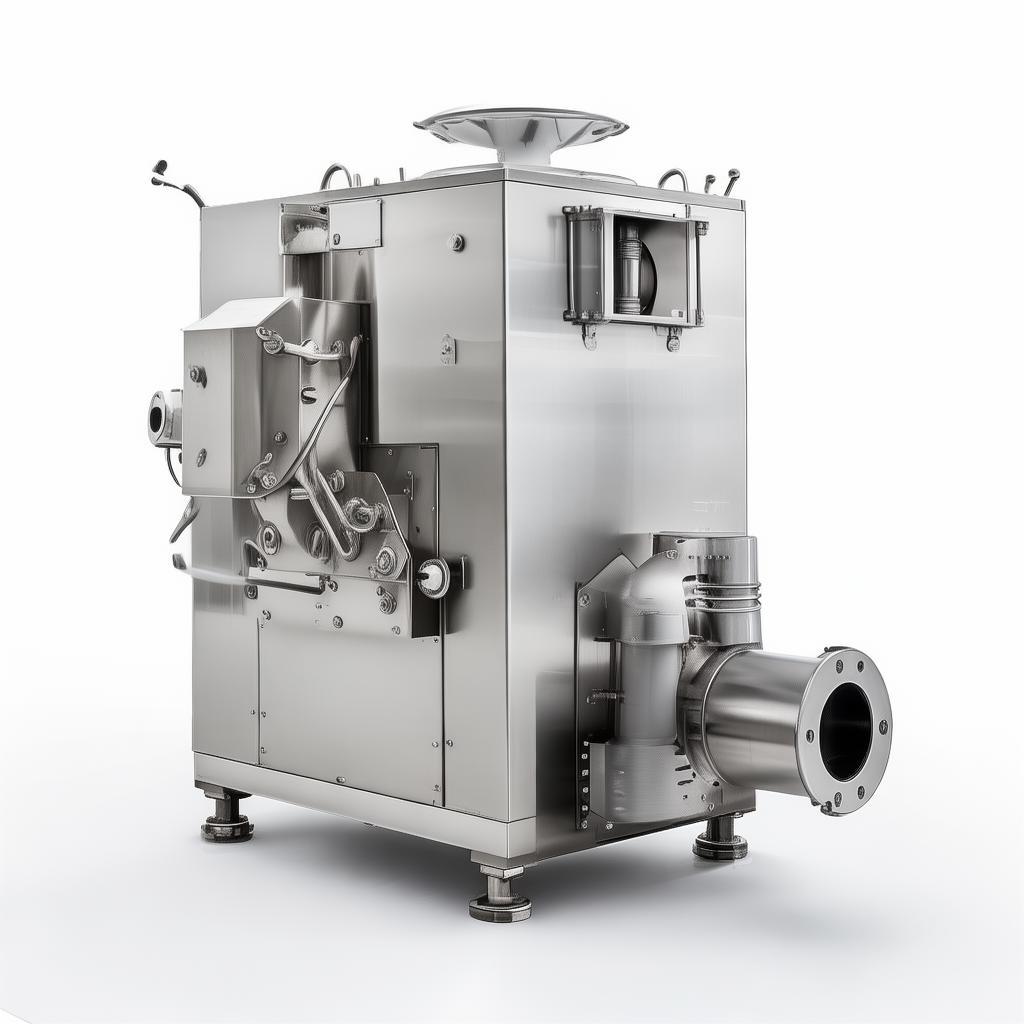
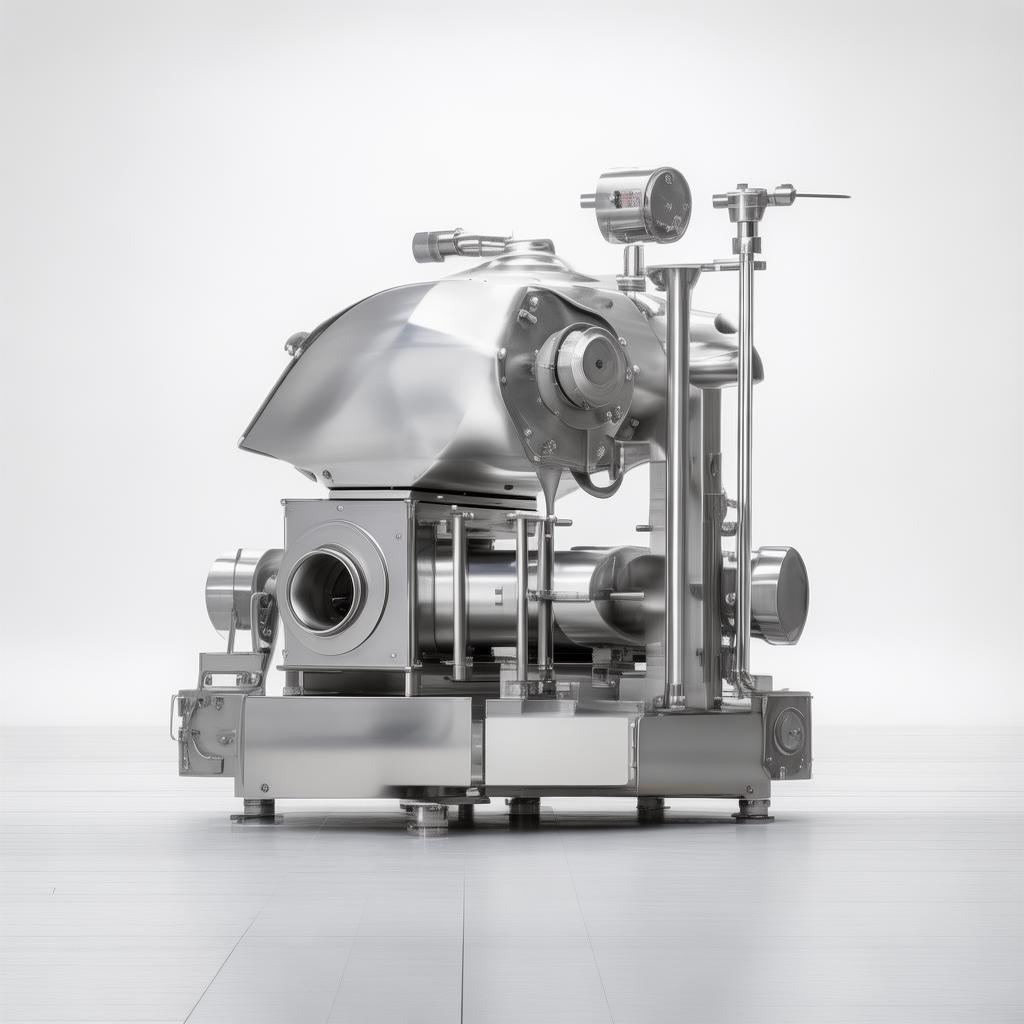
Peanut Butter Filling Machines: Precision, Efficiency, and ROI for Wholesale and OEM Production
By Eng. Jian Li, Senior Export Manager at Hebei Yuanchang Food Mechanism & Technology Co., Ltd.

Table of Contents
- Introduction: The Crucial Role of Filling Machines in Peanut Butter Production
- Operational Challenges in High-Volume Peanut Butter Filling
- Our Solution: The Advanced Peanut Butter Filling Machine
- Key Technical Specifications and Features
- Beyond Peanut Butter: Versatile Applications
- Hebei Yuanchang: 40 Years of Manufacturing Excellence
- Procurement Insights: What to Look For
- Installation, Commissioning, and Maintenance Considerations
- Quality Assurance and Certifications
- What Our Clients Say
- Frequently Asked Questions (FAQ)
- Ready to Enhance Your Production?
Introduction: The Crucial Role of Filling Machines in Peanut Butter Production
In the highly competitive landscape of food manufacturing, particularly for products like peanut butter, the machinery you deploy is not just an asset; it's the bedrock of your operational efficiency, product quality, and ultimately, your profitability. For wholesale producers and OEM factories serving global markets, the peanut butter filling machine is a pivotal piece of equipment. It directly impacts throughput, precision, hygiene, and the overall integrity of the final product that reaches consumers.
The global food processing equipment market, a sector that includes vital filling technologies, is robust. Reports indicate strong growth, with various analyses projecting it to reach anywhere from USD 11.28 billion to over USD 30 billion by the mid-2030s, exhibiting compound annual growth rates typically between 5% and 8%. This expansion is fueled by an insatiable consumer appetite for processed and convenience foods, the increasing industrialization of processing facilities, especially in regions like Asia-Pacific, and a persistent global push towards higher standards of hygiene and automation. Specifically, equipment like filling and molding machines are highlighted as critical components for producing a consistent, high-quality output. The Meat Processing Equipment Market report from Fortune Business Insights, for instance, emphasizes the importance of filling and stuffing equipment for product integrity. While the report focuses on meat, the underlying principles of precision filling and volumetric accuracy apply universally to viscous food products like peanut butter.
Think about the journey of a jar of peanut butter from your facility to a retailer's shelf. Each step demands precision. The filling stage is where errors can lead to significant issues: inconsistent fill levels that disappoint customers and violate regulatory standards, product spillage that creates waste and hygiene problems, and inefficient cycle times that cripple production output. For a B2B operation, especially one involved in wholesale export or OEM manufacturing, these aren't minor inconveniences; they are direct threats to your competitive edge and bottom line. A poorly performing filling machine can lead to higher labor costs, increased product giveaway, greater waste disposal, and a tarnished reputation.
Peanut butter, with its varying textures (smooth, chunky) and viscosities, presents unique challenges for automated filling. Unlike liquids, its semi-solid nature requires specialized filling mechanisms that can handle its density without compromising product integrity, preventing air entrapment, or causing damage to delicate inclusions like nut pieces in chunky variants. This is where the technology of the filling machine becomes paramount. It's not just about dispensing; it's about controlled, repeatable, and accurate dispensing under demanding production schedules. This is precisely why selecting the right peanut butter filling machine is a decision that requires careful consideration of technical capabilities, operational reliability, and long-term cost-effectiveness.
At Hebei Yuanchang, we've spent four decades honing our expertise in food processing machinery, accumulating invaluable practical knowledge from 1986. Our journey has involved not just manufacturing, but deeply understanding the operational realities faced by our clients worldwide. We recognize that a robust, reliable, and high-precision filling machine is indispensable for businesses aiming for scalable, high-quality peanut butter production. This isn't a commodity purchase; it's an investment in your production line's future performance. The demand for convenience foods and value-added products, as highlighted by market analyses like the Processed Meat Market report (though focused on meat, it points to trends in prepared foods), underscores the need for machinery that can consistently deliver on product quality and consumer expectations. Our machines are designed with this understanding at their core.
This page delves into the critical aspects of selecting and implementing a peanut butter filling machine, focusing on the practical needs of industrial manufacturers, wholesale exporters, and OEM factories. We will explore the common operational hurdles, present our advanced solution, detail the technical specifications that matter, and offer insights into making a procurement decision that aligns with your business objectives. Our aim is to equip you with the knowledge to invest wisely in equipment that drives efficiency, ensures compliance, and ultimately, enhances your market competitiveness.
Operational Challenges in High-Volume Peanut Butter Filling
Operating at industrial scale presents unique challenges, especially when dealing with viscous products like peanut butter. Foreseeing these potential roadblocks before investing in machinery can save significant time, resources, and operational headaches down the line.
- Inconsistent Fill Volumes: This is perhaps the most common and costly issue. Variations in weight or volume per container lead to product giveaway, reduced profit margins, and customer dissatisfaction if underfilled. Achieving precise volumetric or gravimetric filling with a dense, non-Newtonian fluid like peanut butter is technologically demanding.
- Product Integrity and Texture: Peanut butter, particularly with inclusions (chunky style), can be sensitive to shearing forces. Overly aggressive filling mechanisms can break down nut pieces, alter the texture, or incorporate air, leading to product defects and a less appealing end product. Maintaining the desired mouthfeel and appearance is critical.
- Hygiene and Food Safety Compliance: Filling lines are prime areas for contamination if not designed and maintained properly. Difficult-to-clean components, dead zones where product can accumulate, and inadequate sealing can compromise food safety. Meeting stringent international standards (like FDA, EU regulations) requires meticulous design and materials.
- Speed vs. Accuracy Trade-off: Many facilities face a dilemma: do we prioritize rapid filling to meet high throughput demands, or do we slow down to ensure accuracy and product quality? The ideal solution offers both, which is a testament to advanced machine design. The Meat Processing Equipment Market report by Grand View Research highlights automation for labor efficiency and hygiene, a trend directly applicable here.
- Material Handling and Consistency: The raw peanut butter itself can vary in viscosity based on temperature, grinding fineness, and oil content. The filling machine must be adaptable to these natural variations to maintain consistent performance without constant manual adjustments. Batch-to-batch consistency from your roasters and grinders directly impacts filling performance.
- Maintenance and Downtime: Complex machinery can lead to costly downtime if not easily maintained or if parts wear out prematurely. Access for cleaning, calibration, and repair is a critical factor often overlooked until a breakdown occurs. Predictable maintenance schedules are key to continuous operation.
- Integration with Existing Lines: For OEM manufacturers or facilities running a full production line, seamless integration of the filling machine with upstream (e.g., jar unscramblers) and downstream (e.g., capper, labeler) equipment is essential. Bottlenecks upstream or downstream can render even the best filler inefficient.
Addressing these challenges requires more than just a basic dispensing unit. It demands a robust, intelligent, and user-friendly filling system engineered for the specific demands of viscous food products.
Our Solution: The Advanced Peanut Butter Filling Machine
Hebei Yuanchang's peanut butter filling machine is engineered to directly tackle the complexities of viscous product filling, providing unparalleled accuracy, reliability, and operational flexibility for your production needs. Built on decades of experience since 1986, this machine is not an off-the-shelf generic solution; it's a finely tuned instrument for achieving superior production outcomes.
At its core, our machine utilizes a high-precision servo-driven piston filling system. This technology offers several critical advantages over traditional pneumatic or volumetric cup fillers:

Precision & Repeatability
Servo control allows for incredibly precise volumetric dispensing. Each fill stroke is meticulously controlled, minimizing variations and maximizing accuracy. This directly translates to less product giveaway and consistent package weights, crucial for cost control and customer satisfaction.

Gentle Product Handling
The controlled movement of the servo piston ensures that even chunky peanut butter is handled delicately. This prevents the shearing that can damage inclusions and degrade the product's texture. The filling nozzle is designed to minimize aeration during the fill process.

Versatility and Quick Changeovers
The servo system allows for easy adjustment of fill volumes via the HMI (Human-Machine Interface). This significantly reduces changeover times when switching between different product sizes or formulations. Whether it's smooth, crunchy, or a specialty blend, the machine adapts.
Furthermore, our design emphasizes hygiene and ease of maintenance. We understand that for a wholesale or OEM operation, minimizing downtime is paramount. The machine is constructed with food-grade stainless steel (typically SS304 or SS316 for product contact parts), and its design facilitates quick disassembly for cleaning, a crucial aspect for compliance with international food safety standards. The Meat Processing Equipment Market report by SkyQuest highlights the importance of hygiene standards driving automation, a principle we embed in our machine's design.
Our commitment extends beyond the machinery itself. We offer integrated solutions that can be tailored to your specific needs, whether you are looking for a standalone filling machine or a complete automated line. This pragmatic approach ensures that the equipment you invest in directly addresses your production challenges and contributes to your business growth.
Key Technical Specifications and Features
Understanding the technical heart of the machine is essential for procurement managers and engineers evaluating equipment. Here are the core specifications and features of our standard peanut butter filling machine. Please note that custom configurations are always possible to meet unique requirements.
| Feature | Specification | Notes |
|---|---|---|
| Model | YC-PBFM-1000 | Representative model; variations available |
| Filling Type | Volumetric, Servo-Piston Driven | High accuracy for viscous products |
| Fill Volume Range | 100ml - 1000ml (Customizable) | Adjustable via HMI |
| Filling Accuracy | ± 1% (Volumetric) | Varies slightly with product viscosity and temperature |
| Production Speed | 20-40 containers/min (Single head) | Depends on fill volume and container size. Multi-head options available for higher output. |
| Hopper Capacity | Approx. 50 Liters | Standard; larger capacities available |
| Material Contact Parts | Food-grade Stainless Steel (SS304/SS316L) | Ensures hygiene and durability |
| Control System | PLC Control with Touchscreen HMI | User-friendly interface, parameter storage |
| Power Supply | AC 220V/380V, 50/60Hz (Customizable) | Standard industrial power requirements |
| Air Pressure | 0.4 - 0.8 MPa | Clean, dry air required |
| Dimensions (L x W x H) | Approx. 1.2m x 0.8m x 1.8m | Subject to configuration |
peanut butter maker machine butter filling machine food filling machine
Key Operational Features:
- No Bottle, No Fill System: Prevents product waste and messy cleanups.
- Drip-Proof Nozzle: Designed to prevent stringing and dripping, ensuring a clean fill.
- Easy Cleaning (CIP Adaptable): Quick-release mechanisms for parts, with options for Clean-In-Place (CIP) integration to meet demanding hygiene protocols.
- Robust Construction: Built with industrial-grade components designed for continuous operation in demanding environments.
- HMI Parameter Storage: Save and recall recipes for different products and container sizes, streamlining production changeovers.
The machine's automation level can be configured, from semi-automatic standalone units perfect for smaller operations or specialized runs, to fully integrated systems that synchronize with your conveyor belts, capping machines, and labeling equipment for maximum efficiency. We understand that the Meat Processing Equipment Market is driven by efficiency and safety; these principles are fundamental to our filling machine design.
Beyond Peanut Butter: Versatile Applications
While our machine is expertly designed for peanut butter, its advanced servo-piston technology and adaptable nozzle configurations make it highly versatile. For wholesale operations and OEM manufacturers looking for multi-product lines, this offers significant value.
- Other Nut Butters: Almond butter, cashew butter, and other nut-based spreads with similar viscosity profiles.
- Jams, Jellies, and Preserves: Especially those with higher fruit content or thicker consistencies.
- Honey and Syrups: For precise dispensing of liquid sweeteners.
- Sauces and Dips: Mayonnaise, pesto, hummus, and various thick sauces.
- Creams and Pastes: Certain cosmetic or industrial pastes where precise volumetric filling is required.
The ability to adjust fill volume and nozzle settings via the HMI allows for quick adaptation. For specific applications, we can also design custom filling nozzles and modify machine configurations. This flexibility is a significant advantage for businesses that aim to diversify their product offerings or serve multiple markets. The demand for value-added processed foods, as seen in the Processed Meat Market analysis, indicates a broader trend towards specialized, high-quality food products requiring precise manufacturing. Our filling machines are well-positioned to support this trend across various food categories.
Hebei Yuanchang: 40 Years of Manufacturing Excellence
When you choose Hebei Yuanchang Food Mechanism & Technology Co., Ltd., you are partnering with a company that has been at the forefront of industrial machinery manufacturing since 1986. With over 40 years of accumulated experience, our foundation is built on deep technical expertise, a commitment to quality, and a thorough understanding of our clients' operational needs.

Our Manufacturing Prowess:
- Extensive Facility: We operate from a 14,000 square meter facility, staffed by a dedicated team of 80-100 skilled professionals.
- Integrated Production: Our operations encompass R&D, production, and sales, allowing for complete control over quality and innovation. We specialize in complete production lines, not just individual machines.
- Advanced Machining Capabilities: Our in-house workshop is equipped with over 20 sets of advanced processing machinery, including CNC machining centers, lathes, milling machines, and more. Since 2012, our Japanese Mazak CNC centers enable us to produce high-precision, non-standard components with exceptional accuracy, ensuring critical parts for our machines meet the highest international standards.
- Traceable Quality Control: We maintain a rigorous, traceable after-sales management system. This allows us to independently produce and verify high-precision parts, guaranteeing the long-term reliability and performance of our equipment, and providing truly worry-free after-sales support.
- Product Range: While this page focuses on filling machines, our expertise spans Pretreatment, Filling & Molding, Ripening Processes, and Auxiliary Items for meat and pet food. This broad understanding of food production workflows allows us to design integrated solutions.
Our dedication to precision engineering and manufacturing excellence means that when you invest in a Hebei Yuanchang machine, you are investing in equipment built to last, perform, and deliver tangible ROI. We are proud of our heritage and continuously innovate to meet the evolving demands of the global food processing industry.
Procurement Insights: What to Look For
As a procurement professional or operations manager, your task is to secure equipment that offers the best value, not just the lowest initial price. For a critical piece of machinery like a peanut butter filling machine, consider these factors to ensure a wise investment:
Key Procurement Considerations:
- Precision and Repeatability: Look for machines that guarantee minimal variance in fill volumes. This directly impacts your cost of goods sold. Servo-driven systems are generally superior for this.
- Material Compatibility: Confirm all product contact parts are food-grade (SS304/SS316L) and that the machine's design prevents contamination. Consider seals and gaskets for durability and hygiene.
- Ease of Operation & Changeover: A machine that's difficult to set up or change over between products/batches leads to lost production time and increased labor costs. Intuitive HMI and quick-adjustment mechanisms are vital.
- Maintenance & Serviceability: What is the design for cleaning? Are spare parts readily available and reasonably priced? Understanding the recommended maintenance schedule and the availability of technical support is crucial for minimizing downtime.
- Supplier Reputation & Experience: Partner with manufacturers who have a proven track record, especially in your specific product category. Longstanding companies like Hebei Yuanchang (since 1986) bring extensive field experience and product refinement. Review their certifications and client testimonials.
- Scalability and Future Needs: Will this machine support your projected growth? Consider if higher throughput options (e.g., multi-head fillers) or integration with other automation are feasible with this manufacturer.
- Total Cost of Ownership (TCO): Look beyond the upfront purchase price. Factor in energy consumption, maintenance costs, spare parts, potential downtime, and the machine's lifespan. A slightly higher initial investment in a robust, efficient machine can yield significantly lower TCO over its operational life. The Meat Processing Equipment Market analysis often points to TCO as a key purchasing driver.
Don't hesitate to ask for detailed technical drawings, performance data under specific conditions, and references from similar clients. A reputable supplier will be transparent and proactive in providing this information.
Installation, Commissioning, and Maintenance Considerations
Proper installation and ongoing maintenance are as critical as selecting the right machine. They ensure optimal performance, longevity, and adherence to safety and hygiene standards.
Installation and Commissioning:
- Site Preparation: Ensure adequate space, stable flooring, and access to necessary utilities (power, compressed air). The machine should be placed on a level surface.
- Utility Connections: Correctly connect electrical power and compressed air lines according to the machine's specifications. Improper connections can lead to malfunctions or safety hazards.
- Integration: If part of a larger line, ensure smooth transitions between upstream and downstream equipment. Our technical team can provide guidance on conveyor heights and alignment.
- Initial Setup and Calibration: Our engineers, or trained local technicians, will oversee initial startup, calibrate filling volumes, and test the system with your actual product to ensure it meets specifications. This is a critical step often overlooked by buyers of generic equipment.
- Operator Training: Comprehensive training for your operators and maintenance staff on machine operation, cleaning procedures, basic troubleshooting, and safety protocols is provided during commissioning.
Routine Maintenance:
- Daily Cleaning: Thoroughly clean all product contact parts, nozzles, and the hopper after each production run. Follow the specific cleaning procedures outlined in the manual. Hygiene is paramount in food processing.
- Lubrication: Regularly lubricate moving parts as per the maintenance schedule to ensure smooth operation and prevent wear. Use only approved food-grade lubricants.
- Inspection: Periodically inspect seals, gaskets, piston O-rings, and electrical connections for wear or damage. Replace any worn components promptly.
- Calibration Checks: Regularly verify fill accuracy and recalibrate the machine as needed to maintain specified tolerances.
- Software Updates: Ensure your PLC and HMI software are up-to-date. We provide support for software maintenance.
Hebei Yuanchang offers comprehensive after-sales support, including readily available spare parts and technical assistance. Proactive maintenance, guided by our manuals and support, will maximize your machine's uptime and operational lifespan. For businesses in remote locations, we also offer remote diagnostics capabilities where feasible.
Quality Assurance and Certifications
Trust and compliance are non-negotiable in international B2B trade. Hebei Yuanchang is committed to delivering machinery that meets stringent global standards.

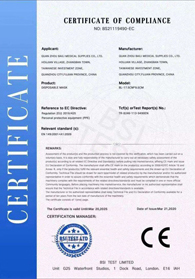



Our manufacturing processes adhere to ISO quality management systems. The components and final assembly of our peanut butter filling machines are designed to meet international safety and electrical standards, often carrying CE certification for export to European markets. For products intended for specific markets, we ensure compliance with relevant regulations, such as FDA guidelines for food contact materials in the United States. Materials used are selected for their safety, durability, and compliance with food-grade requirements. This commitment to quality assurance ensures that our equipment is not only efficient but also safe and compliant, reducing your regulatory risk and facilitating smoother international trade.
What Our Clients Say
We pride ourselves on building long-term relationships with our clients, backed by reliable machinery and attentive service. Here's what some of them have shared:

Procurement Manager, NutriSpread Inc.
"We transitioned to Yuanchang's servo-driven peanut butter filler for our premium line, and the difference in consistency was immediately noticeable. Our fill accuracy improved, leading to less waste. The changeover process is also significantly faster than our old machine, which is a huge win for our production scheduling. Their support team was responsive during installation."

Operations Director, Global Foods Export
"As an exporter, product quality and reliability are paramount. We rely on Yuanchang's filling machines for several of our product lines. They handle our chunky peanut butter without issue, preserving the texture our customers expect. The build quality is robust, and we appreciate their commitment to international standards. Shipping and setup were managed efficiently."

Factory Manager, India Foods Co.
"We needed a filling machine that could handle high viscosity products and be easily cleaned for our OEM operations. Yuanchang delivered. Their team understood our challenges and provided a solution that integrates seamlessly with our existing packaging line. The technical support has been invaluable for getting us operational quickly."
Frequently Asked Questions (FAQ)
1. Can this machine handle both smooth and chunky peanut butter?
Yes, our servo-driven piston filling machine is designed to handle both smooth and chunky peanut butter. The servo control allows for precise dispensing, and the nozzle design can be optimized to minimize damage to nut inclusions in chunky varieties. We can discuss specific particle size requirements for optimal performance.
2. What is the typical lead time for a peanut butter filling machine?
Standard configurations typically have a lead time of 4-8 weeks from order confirmation and deposit. For custom-engineered solutions, lead times may vary. We will provide a precise estimate upon finalization of your requirements.
3. What are the power and air requirements for the machine?
Our standard machines operate on AC 220V/380V, 50/60Hz, which is customizable. They require a clean, dry compressed air supply of 0.4 - 0.8 MPa. Specific requirements will be detailed in the machine's technical documentation.
4. Do you provide installation and training services globally?
Yes, we offer comprehensive installation, commissioning, and operator training services worldwide. Our team of engineers or certified local partners can be dispatched to your facility to ensure a smooth and efficient setup. We also provide remote support and detailed manuals for self-installation where feasible.
5. What kind of warranty do you offer?
We offer a standard 12-month warranty on parts and labor from the date of commissioning, covering manufacturing defects. Extended warranty options and service contracts are available. Our commitment is to ensure your long-term satisfaction and operational continuity.
6. Can the machine be integrated with our existing packaging line?
Absolutely. Our machines are designed with integration in mind. We work closely with clients to ensure compatibility with upstream (e.g., jar feeders) and downstream (e.g., cappers, labelers) equipment. Providing us with details of your existing line will help us optimize the solution for seamless integration.
Elevate Your Production with Precision Filling
Invest in a peanut butter filling machine that delivers accuracy, reliability, and efficiency. Partner with Hebei Yuanchang for machinery built on 40 years of manufacturing excellence and a commitment to your success.
Or call us directly: +86 15830991513
Chat Support