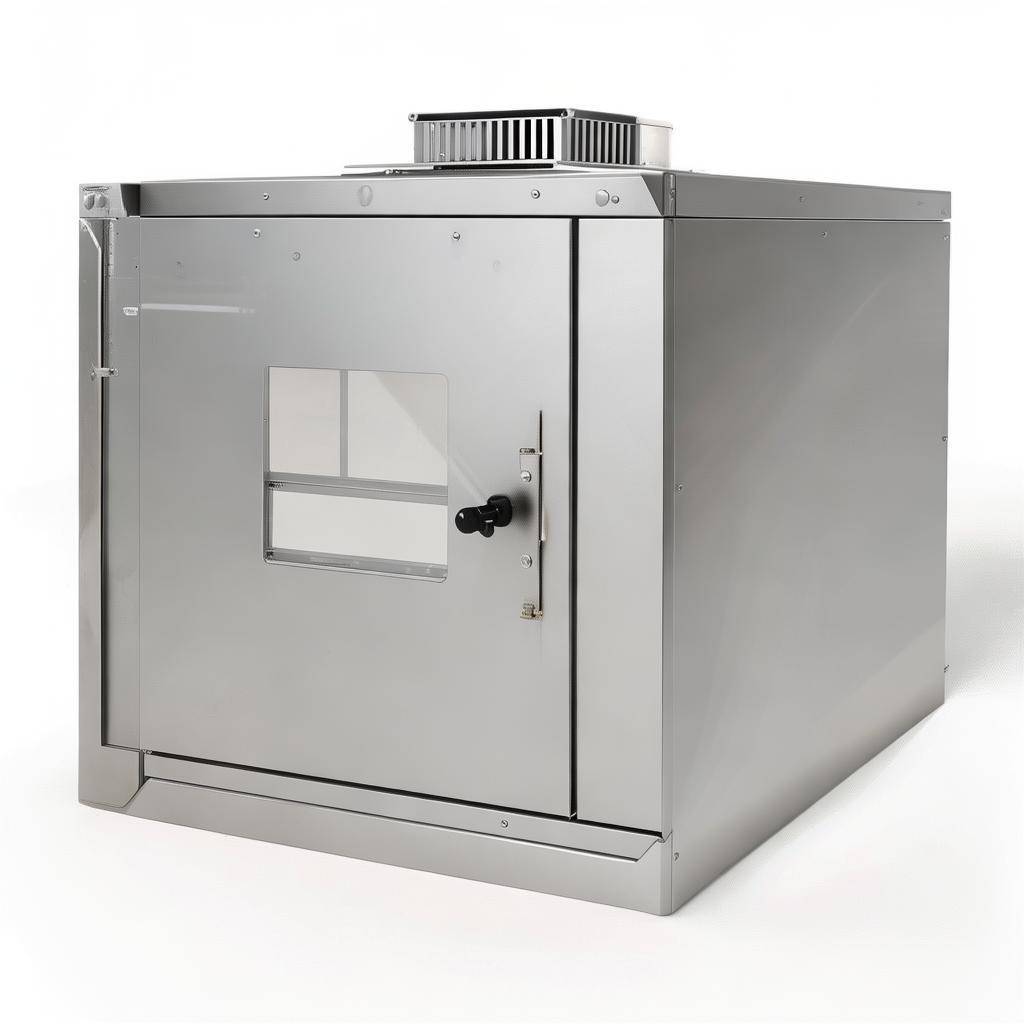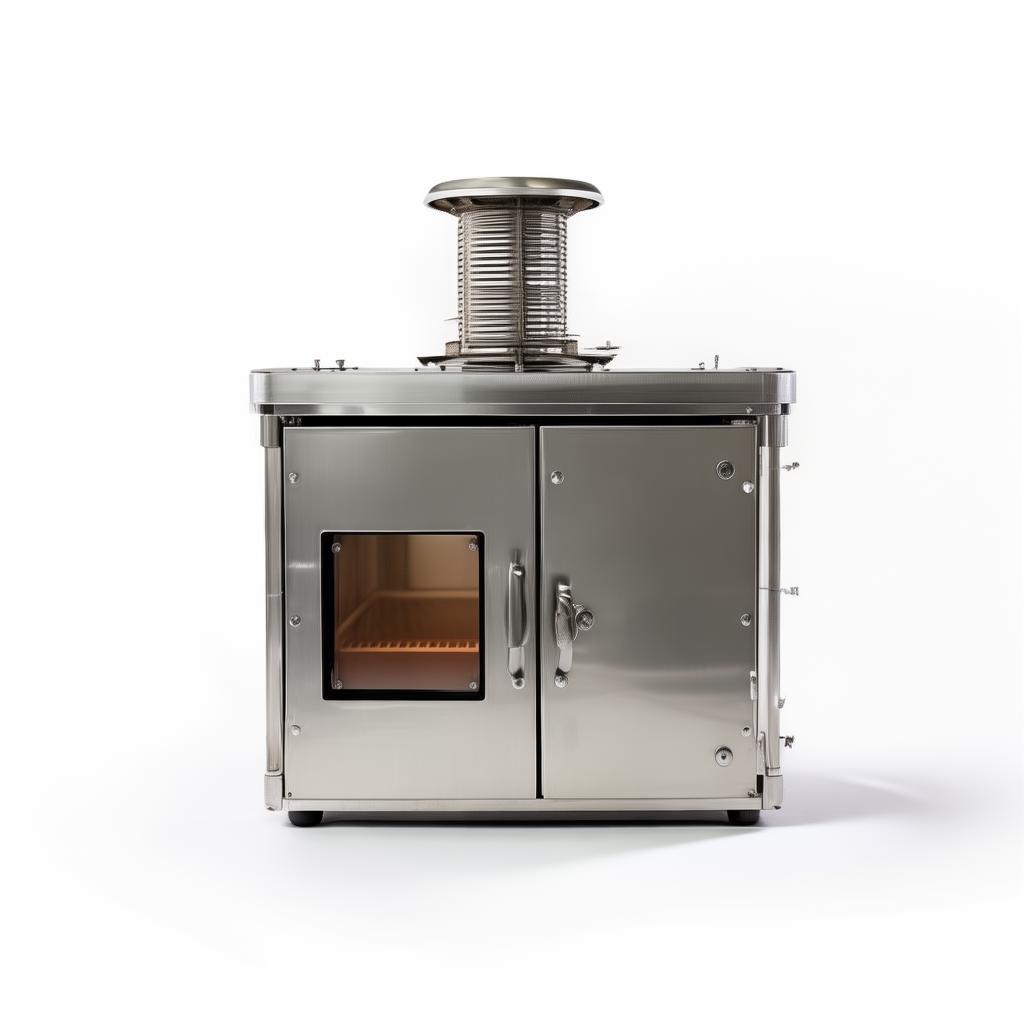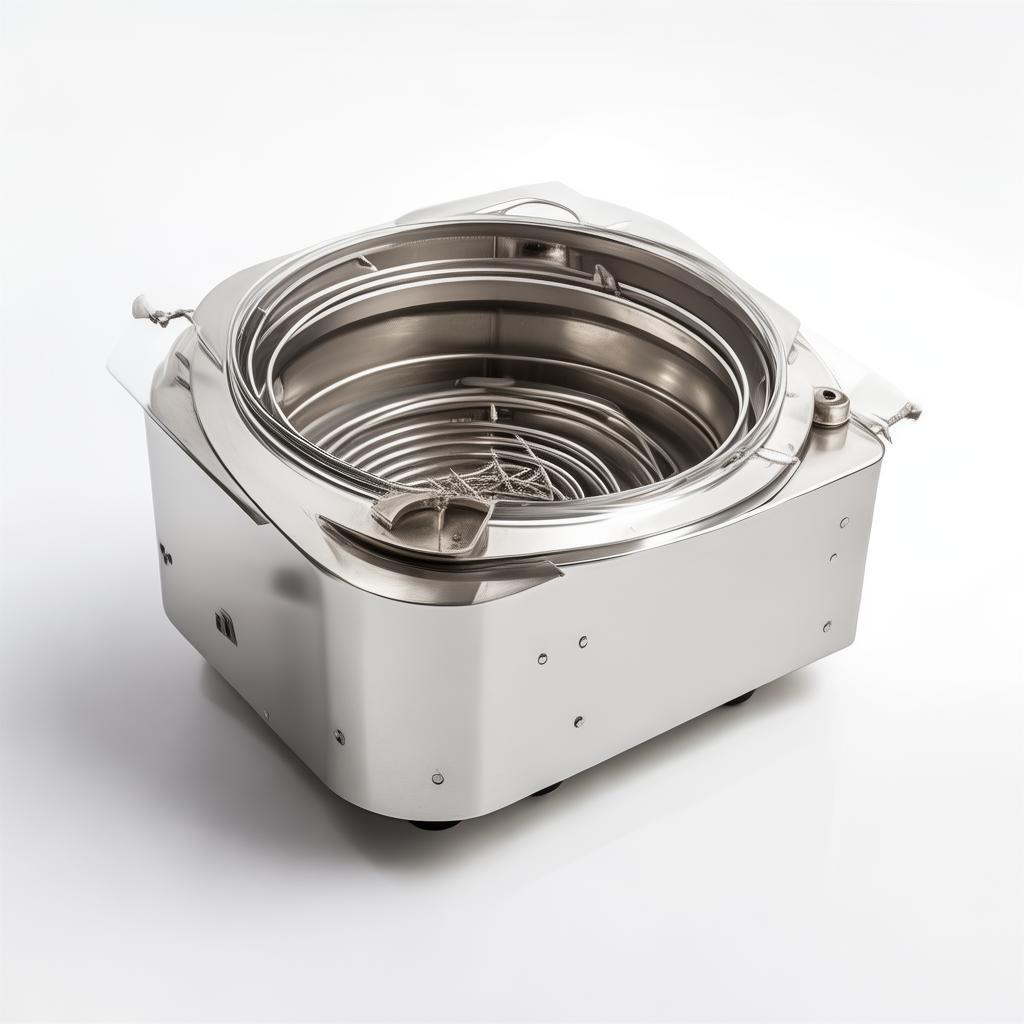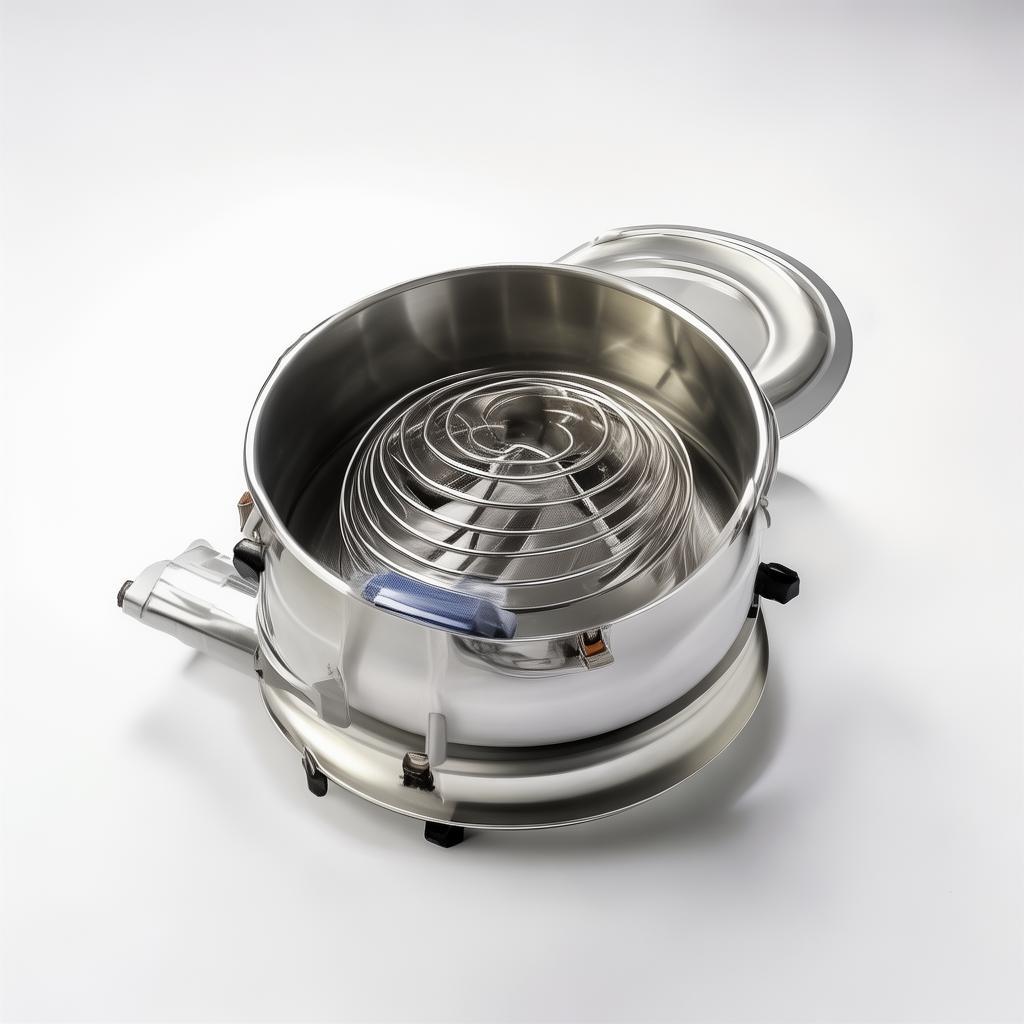
Mechanically Deboned Meat
Mechanically Deboned Meat (MDM): Your Guide to Sourcing High-Quality, Cost-Effective Ingredients
An expert's perspective on sourcing, applications, and operational considerations for this versatile food ingredient.

By: Chen Wei, Senior Production Engineer
Hebei Yuanchang Food Mechanism & Technology Co., Ltd.
Over 15 years in meat processing equipment design and optimization.
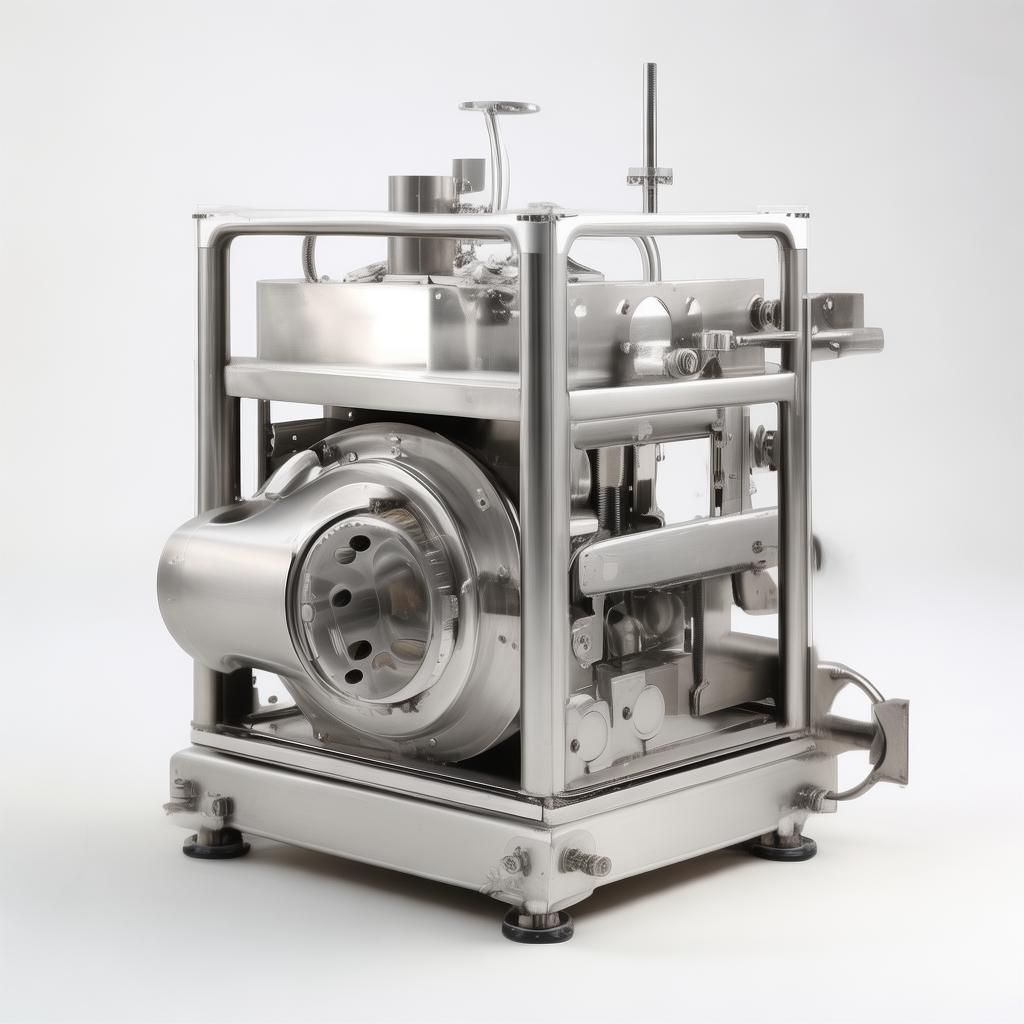
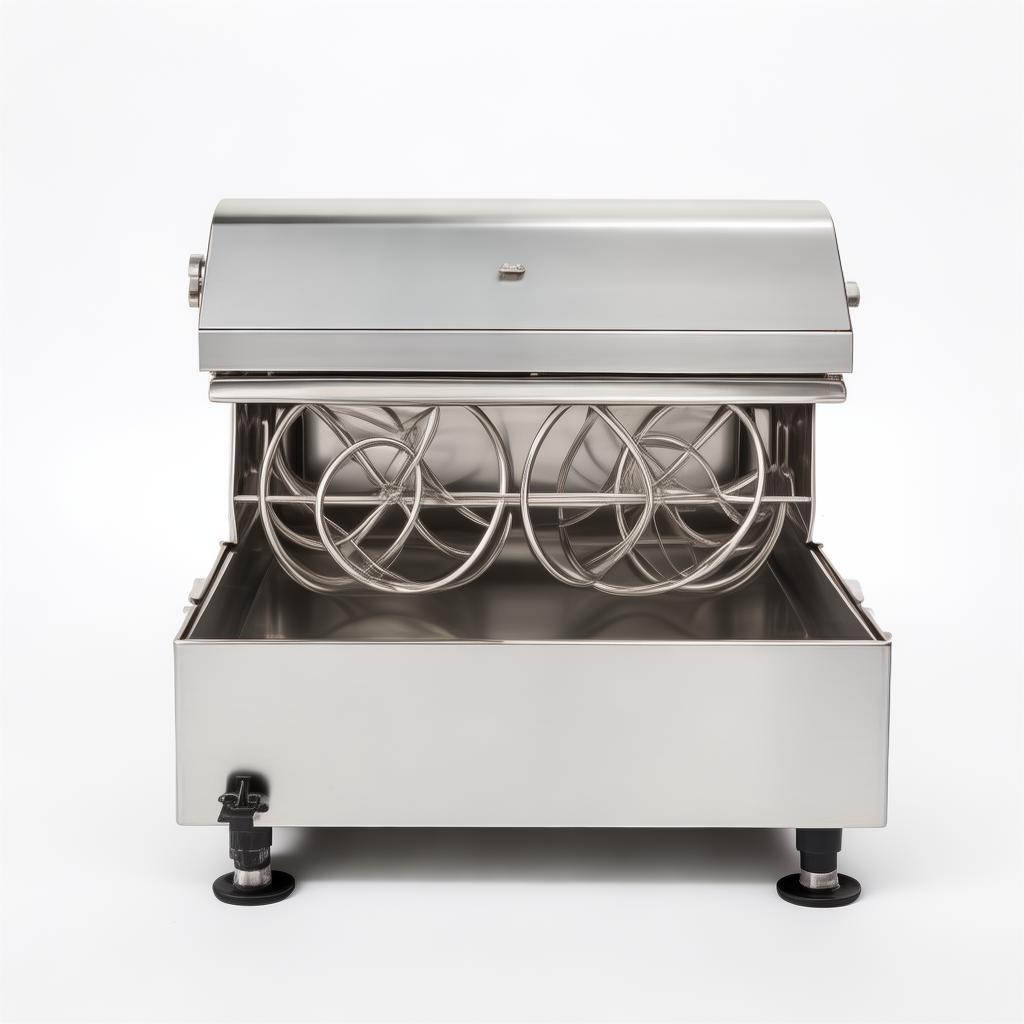
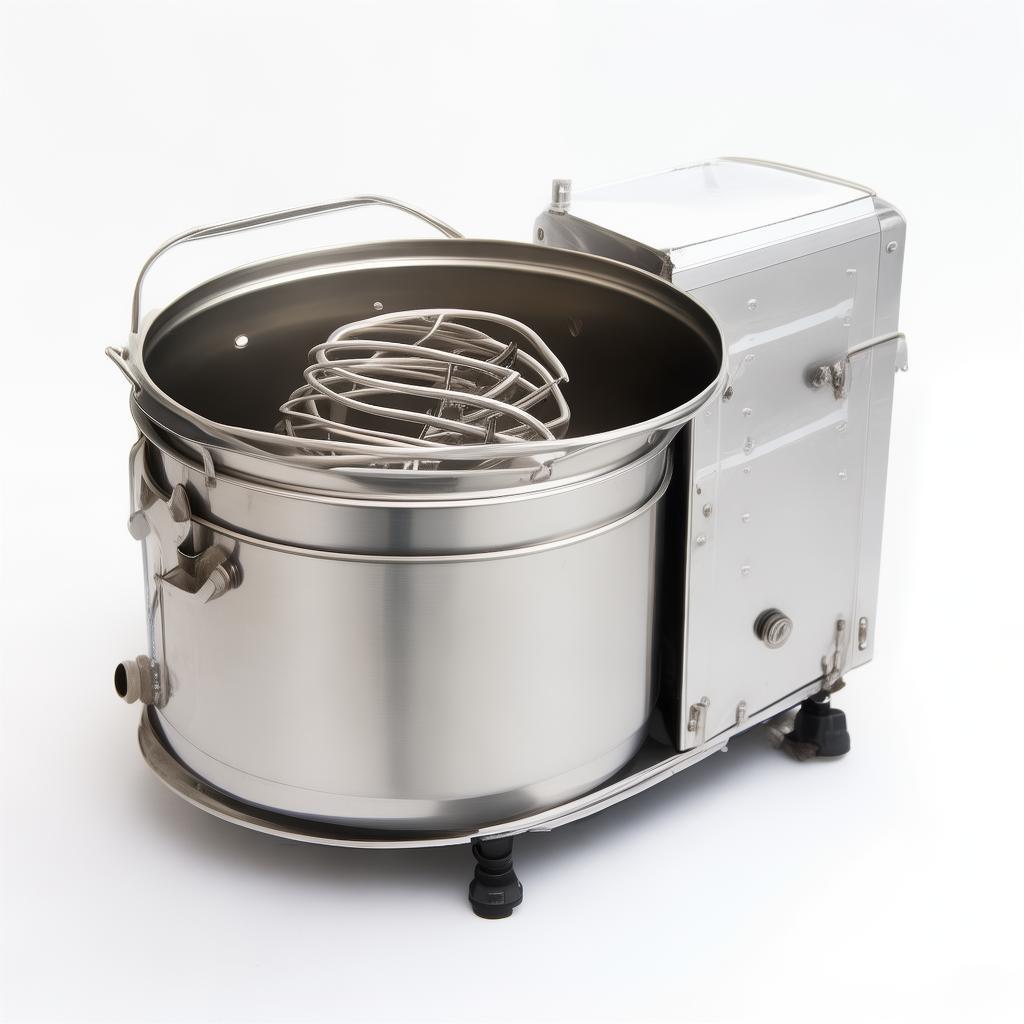
meat deboner shredded meat machine beef deboning machine
What is Mechanically Deboned Meat (MDM)?
For any food manufacturer or processor looking to optimize costs while maintaining product integrity, understanding Mechanically Deboned Meat (MDM) is crucial. It’s not just another ingredient; it’s a carefully processed component derived from bones that still have a significant amount of meat and fat adhering to them. The process involves specialized machinery that removes this meat from the carcass bones after the initial cuts have been made. Think of poultry carcasses, pork frames, or beef bones – after primary deboning for retail cuts, there's still valuable material left. This material is then passed through a high-pressure mechanical process, forcing the meat, fat, and connective tissue through a fine sieve or screen. The resulting product is a homogenous paste with a specific texture and composition, ready for further processing.
From a procurement perspective, MDM offers a compelling proposition. It allows manufacturers to utilize animal by-products more efficiently, significantly reducing waste and thereby lowering raw material costs. This is particularly relevant in today's market where supply chain efficiency and cost control are paramount. However, the term "mechanically deboned meat" can sometimes carry a stigma. It's important to understand that when produced correctly, under strict sanitary conditions and with appropriate equipment, MDM is a safe, nutritious, and versatile ingredient. Its nutritional profile often includes protein, minerals, and other essential components, making it a valuable addition to a wide range of processed meat products.
The global meat processing equipment market is a testament to the growing importance of such ingredients and the technology behind them. Reports indicate this market was valued at approximately USD 11.2 billion in 2025 and is projected to reach over USD 17 billion by 2034, with key segments including filling, massaging, and cutting equipment. This growth is fueled by the increasing demand for processed meats, the need for automation to improve hygiene and efficiency, and the rigorous enforcement of food safety standards. Understanding the nuances of MDM production and sourcing is key to leveraging its benefits effectively. It’s not simply about using a cheaper alternative; it’s about intelligent ingredient utilization and optimizing the entire value chain. This involves selecting suppliers who prioritize quality control, possess state-of-the-art processing machinery, and adhere to international food safety certifications.
At Hebei Yuanchang Food Mechanism & Technology Co., Ltd., we've been at the forefront of meat processing equipment for four decades, since 1986. Our deep understanding of the entire production workflow, from initial meat pretreatment to final product molding and ripening, gives us unique insights into the challenges and opportunities associated with ingredients like MDM. We recognize that while MDM can offer significant cost savings, its quality, texture, and microbiological safety are non-negotiable. Therefore, the equipment used for its production, and the controls surrounding that process, are critical.
The process typically yields a fine paste that can be further blended with other meat products, extenders, or binders. The particle size can be controlled by the mesh size used in the deboning equipment. For instance, using finer meshes results in a smoother texture, ideal for products like emulsified sausages or spreads, while coarser meshes might be suitable for certain reformed meat products where a slightly more granular texture is desired. This adaptability is a major advantage. Furthermore, the use of advanced equipment ensures minimal bone fragments and consistent fat content, which are critical parameters for product formulation and sensory attributes.
The market for processed meats is booming. Globally, the processed meat market is projected to grow substantially, with some reports estimating it reaching over USD 1.3 trillion by 2035. This expansion directly translates to an increased demand for ingredients that can support cost-effective production without compromising quality. Mechanically deboned meat fits perfectly into this demand landscape, offering a solution for manufacturers looking to produce popular items such as sausages, hot dogs, burgers, deli meats, and pet food at competitive price points. Properly sourced MDM can enhance protein content, improve binding properties, and contribute to a desirable mouthfeel in the final product. It's a component that, when integrated thoughtfully into product formulations and manufactured with precision, contributes significantly to the profitability and market competitiveness of food businesses.
It's essential to distinguish between mechanically deboned meat and other meat by-products. The mechanical separation process is key. Unlike trims or whole cuts, MDM's texture is significantly altered, creating a more homogenous mixture. This transformation is what makes it suitable for specific applications where a smooth, emulsified texture is required. The choice of raw material – be it chicken, pork, or beef frames – will also influence the final characteristics of the MDM, including its flavor profile, fat content, and color. Producers often specify the source animal and the typical fat content range.
Key Applications in Food Manufacturing
The versatility of Mechanically Deboned Meat (MDM) is one of its strongest commercial attributes. Its homogenous paste-like consistency and cost-effectiveness make it a preferred ingredient across numerous food processing categories. Understanding these applications helps procurement managers identify opportunities to improve their product lines and margins.
Sausages and Emulsified Products
This is perhaps the most common application for MDM. Its fine texture and binding properties are ideal for producing smooth, cohesive sausages, frankfurters, hot dogs, and bologna. MDM helps to emulsify the fat and water within the sausage mixture, contributing to a consistent texture and preventing fat separation during cooking. Many manufacturers utilize MDM to achieve a specific mouthfeel that's difficult to replicate with coarser ground meats alone.
Formed Meat Products
For items like burger patties, chicken nuggets, and reformed steak products, MDM acts as an excellent binder. It helps to hold the product together during processing and cooking, reducing shrinkage and improving yield. When blended with larger meat chunks or texturized vegetable proteins, MDM contributes to a cohesive final product.
Deli Meats and Loaves
In the production of deli meats, loaves, and pâtés, MDM can be incorporated to improve texture, increase moisture retention, and enhance overall yield. Its neutral flavor profile (depending on the source animal) means it can be seasoned to match the desired taste of the final product without overpowering other ingredients.
Pet Food Ingredients
The nutritional value and cost-effectiveness of MDM make it a staple in the pet food industry. It provides essential protein and minerals for pet food formulations, particularly for canned or semi-moist products. Manufacturers of wet pet food often rely on MDM for its texture and binding capabilities, contributing to palatability and nutritional completeness. Our expertise extends to designing machinery specifically for pet food applications, ensuring the efficient processing of ingredients like MDM.
Meat Fillers and Extenders
MDM serves as an effective filler or extender in various processed meat items. It allows manufacturers to increase the volume of a product while managing ingredient costs. When used in conjunction with other meat cuts, it can help achieve desired yield targets without a significant compromise in perceived quality, provided the formulation is balanced.
The Commercial & Operational Advantages
Beyond its versatility, the primary drivers for incorporating Mechanically Deboned Meat (MDM) into your production are its significant economic and operational benefits. For procurement and operations managers, these advantages translate directly to improved profitability and streamlined processes.
- Cost Reduction: This is the most compelling benefit. MDM is typically priced lower than whole muscle cuts. By utilizing this ingredient, manufacturers can achieve substantial savings in raw material costs, allowing for more competitive pricing of finished goods or improved profit margins. Reports on the meat processing equipment market highlight that automation and efficient ingredient utilization, like MDM, are key to market growth.
- Enhanced Yield and Utilization: MDM allows for the effective use of meat that might otherwise be considered waste. This maximizes the value derived from the raw animal carcass, contributing to a more sustainable and profitable operation. It turns by-products into valuable components.
- Consistent Texture and Binding: The homogenous nature of MDM makes it an excellent binder and emulsifier. This consistency is critical for achieving uniform texture in products like sausages, patties, and formed meats, reducing batch-to-batch variability. Operational consistency reduces customer complaints and rework.
- Nutritional Fortification: MDM retains valuable protein, minerals, and other nutrients from the bone and surrounding tissue. It can contribute to the overall nutritional profile of processed foods, especially in terms of protein content.
- Product Development Flexibility: Its neutral flavor base allows for easy integration into a wide array of product formulations. Manufacturers can create diverse product ranges using MDM as a foundational ingredient, experimenting with different seasonings and flavor profiles.
- Improved Process Efficiency: When sourced in consistent forms, MDM can simplify processing steps. Its pre-pulverized state often requires less intensive initial grinding compared to bulk meat trims, potentially saving processing time and energy.
The global processed meat market is projected to continue its robust growth, driven by demand for convenience and value. With market estimates suggesting substantial increases in market value over the next decade, strategic ingredient sourcing like the use of MDM becomes even more critical for staying competitive. By choosing suppliers that adhere to high production standards, you ensure these advantages are realized without compromising safety or quality.
Critical Sourcing Considerations
Procuring Mechanically Deboned Meat (MDM) requires a discerning eye and a clear understanding of what constitutes a high-quality, safe, and reliable supply. It’s not enough to simply look for the lowest price. For experienced procurement professionals, the focus shifts to risk mitigation, quality assurance, and long-term supplier partnership.
Supplier Reputation and Certifications: Start by evaluating potential suppliers based on their track record and adherence to international standards. Look for ISO certifications (e.g., ISO 22000 for food safety management), HACCP, or other relevant food safety accreditations. A supplier that openly shares its certifications and audit reports is generally more trustworthy. For export markets like the USA, understanding FDA regulations and compliance is non-negotiable.
Production Process and Equipment:
Inquire about the specific equipment used for mechanical deboning. Modern, high-precision machines, such as those employing CNC technology for critical component manufacturing (like our Japanese Mazak centers), ensure consistent particle size, controlled fat content, and minimal bone particle contamination. A supplier with an in-house machining workshop capable of producing precise parts for their own equipment demonstrates a strong commitment to maintenance and quality control. Ask about their bone particle detection and removal systems.

Microbiological and Chemical Safety: Regular testing for pathogens (e.g., Salmonella, Listeria) and chemical contaminants is vital. Request Certificates of Analysis (CoAs) for each batch. Understand the supplier's testing protocols and their frequency. Any supplier hesitant to provide this information should be treated with caution.
Traceability: A robust traceability system is essential. Know the origin of the raw materials used for MDM and ensure there's a clear chain of custody from farm to your facility. This is critical for recall management and overall food safety assurance.
Consistency in Fat Content and Texture: MDM specifications typically include a range for fat content. Consistent adherence to this range is important for product formulation and sensory attributes. Inconsistent fat content can lead to processing issues and affect the final product's quality.
Logistics and Packaging: Ensure the supplier uses appropriate packaging (e.g., food-grade bags, bulk containers) to maintain product integrity during transit. Understand their shipping capabilities and timelines, especially for international orders. Reliable cold chain management during transport is paramount to prevent microbial growth.
Ask about OEM/ODM Capabilities: For manufacturers looking for tailored solutions or proprietary formulations, inquire about the supplier's OEM (Original Equipment Manufacturer) or ODM (Original Design Manufacturer) services. This can open doors to customized product development.
Supplier Visits and Audits: If feasible, conducting an on-site visit or arranging a third-party audit of the supplier's facility can provide invaluable firsthand insight into their operations and quality control measures.
Choosing the right MDM supplier is an investment in your product's quality and your company’s reputation. At Hebei Yuanchang, our 40 years of experience means we understand these critical points intimately, both from an equipment manufacturing and a food processing perspective. We partner with clients to ensure they source effectively.
Understanding the Technical Nuances
For technical teams and product developers, understanding the specific technical parameters of Mechanically Deboned Meat (MDM) is essential for successful formulation and processing. These specifications dictate how MDM will behave in your products and what equipment might be needed for its integration.
Composition and Particle Size
The key compositional elements are protein, fat, moisture, and ash. Typical Protein Content: Generally ranges from 12% to 18%, depending on the source and deboning efficiency. Fat Content: This is a critical variable, often specified within a range, e.g., 15-30% for poultry MDM, or sometimes higher for pork or beef. The mesh size of the deboning screen directly influences fat distribution and particle size. Moisture Content: Usually around 65-75%. Ash Content: Typically low, indicating minimal bone particle presence. Particle Size: Achieved through different screen apertures (e.g., 0.5mm, 1mm, 2mm). Smaller particle sizes create a smoother, more emulsified texture suitable for sausages, while larger sizes can be used in reformed products.
Source Material and Variations
MDM can be produced from various sources, each imparting different characteristics:
- Poultry MDM (Chicken/Turkey): Often lighter in color, with a milder flavor, and typically a lower fat content unless specifically formulated. It's very common for emulsified products.
- Pork MDM: Can have a slightly stronger flavor and often a higher fat content, making it suitable for pork sausages and similar products.
- Beef MDM: Less common due to stricter regulations in some markets and potential for darker color.
Microbiological and Chemical Parameters
Microbiological Load: Suppliers must maintain low Total Plate Counts (TPC), absence of pathogens like Salmonella, E. coli O157:H7, Listeria monocytogenes. This is ensured through strict hygiene during deboning and rapid chilling. Bone Particle Analysis: Regulatory limits exist for bone particle size and quantity. Advanced deboning equipment minimizes these. pH: Typically around 6.0-6.5, important for shelf-life and protein functionality.
Storage and Handling
MDM is a perishable product. It requires refrigerated storage, typically between -1°C to 2°C (30°F to 35°F). Freezing is also an option for longer shelf life, but freezing and thawing can impact texture. Proper handling to prevent cross-contamination is critical.
Equipment for Integration: Incorporating MDM often requires specialized equipment:
- Vacuum Stuffers: For precise filling of sausages and casing products.
- Emulsifying Grinders/Cutters: To further refine the texture if needed or to blend with other ingredients.
- Forming Machines: For creating consistent patties or nuggets.
- Massaging/Tumbling Equipment: For curing and tenderizing applications where MDM is part of a larger meat mixture.
Understanding these technical specifications is the first step in developing successful products and optimizing your processing operations. We encourage technical discussions to ensure our equipment aligns perfectly with your ingredient requirements.
Market Dynamics and Industry Insights
The landscape for ingredients like Mechanically Deboned Meat (MDM) is shaped by evolving consumer preferences, technological advancements, and global economic factors. For businesses involved in international trade and wholesale export, staying abreast of these trends is not just beneficial; it's essential for strategic planning and market positioning.
Rising Demand for Processed and Convenience Foods: Consumers globally are increasingly seeking convenient, ready-to-eat, or easy-to-prepare food options. This trend directly fuels the demand for processed meats, which in turn boosts the need for cost-effective and versatile ingredients like MDM. Multiple market reports, including those from Fortune Business Insights and Grand View Research, consistently point to the growing processed meat sector as a primary driver for meat processing equipment. For example, the global processed meat market is projected to reach USD 1.33 trillion by 2035.
Focus on Sustainability and Waste Reduction: There’s a growing global emphasis on sustainability, circular economy principles, and reducing food waste. MDM production aligns with these goals by maximizing the utilization of animal carcasses. This not only reduces waste but also improves the overall economic viability of meat processing operations. Manufacturers are increasingly being evaluated not just on product quality but also on their environmental footprint.
Automation and Technological Advancements:
The meat processing industry is undergoing significant automation. This is driven by a need for enhanced hygiene, improved efficiency, labor cost reduction, and consistent product quality. Reports from Mordor Intelligence and IMARC Group highlight that investments in advanced machinery, including high-precision deboning, filling, and massaging equipment, are critical.
 At Hebei Yuanchang, we've integrated Japanese Mazak CNC machining centers to ensure our components and machinery meet these high-precision demands.
Stringent Food Safety Regulations: As processed meat consumption grows, so do the expectations and regulations regarding food safety. This necessitates the use of modern processing equipment that minimizes contamination risks and ensures microbiological safety. Compliance with international standards (like FDA in the US) is a prerequisite for global trade.
Regional Market Growth (Especially Asia-Pacific): Emerging markets, particularly in the Asia-Pacific region, are witnessing substantial growth in meat consumption and the industrialization of meat processing facilities. This expansion is creating significant demand for processing equipment and ingredients like MDM.
The Reconstituted Meat Market: A related and growing segment is the reconstituted meat market. This involves using processed meat components to form new shapes and products. MDM plays a vital role in this sector due to its binding and textural properties. FMI projects this market to grow significantly.
OEM/ODM Opportunities: The increasing complexity of food manufacturing and the demand for differentiated products are driving opportunities for OEM/ODM collaborations. Manufacturers seeking specialized formulations or equipment integration can leverage the capabilities of experienced partners.
Navigating these trends requires a supplier partner who not only provides quality ingredients but also understands the broader industrial context. Our 40 years of experience equips us to advise on how equipment and ingredient choices align with market demands and future growth.
Our Factory's Commitment to Quality
At Hebei Yuanchang Food Mechanism & Technology Co., Ltd., our legacy of over 40 years (since 1986) in designing and manufacturing meat processing equipment is built on a foundation of rigorous quality control, technical expertise, and a deep understanding of the food industry's evolving needs. When you consider sourcing ingredients or equipment related to Mechanically Deboned Meat (MDM), our capabilities offer a significant advantage.

Our production facility in Shijiazhuang, China.
Our 14,000 square meter facility houses a team of 80-100 dedicated professionals who integrate Research & Development, production, and sales. This vertical integration allows us unparalleled control over the quality and precision of our equipment.
Advanced Machining Capabilities:
We operate over 20 sets of advanced processing machinery, including lathes, milling machines, high-precision grinders, and wire-cutting equipment. Crucially, since 2012, we have invested in 8 sets of Japanese Mazak CNC machining centers. This allows us to produce components with extremely high precision, fulfilling non-standard specifications and large volume orders – essential for maintaining the integrity and efficiency of meat processing lines, including those for MDM.


Comprehensive Product Lines: Our expertise covers critical stages of meat processing:
- Pretreatment Of Meat Products (including deboning and grinding solutions)
- Meat Product Filling Molding (essential for MDM applications)
- Ripening Process For Meat Products (massaging and tumbling)
- Auxiliary Items
Traceable After-Sales Management: Our commitment doesn't end with delivery. We have a traceable after-sales management system, enabling us to independently produce high-precision replacement parts. This ensures that your equipment remains in optimal working condition with minimal downtime, a critical factor in high-volume food production.
Experience in International Markets: We have extensive experience serving clients across the globe, understanding the diverse regulatory environments and operational challenges of international food manufacturers.
When partnering with Hebei Yuanchang, you gain access to decades of practical engineering knowledge and a commitment to delivering robust, reliable solutions. This foundation allows us to support your sourcing needs for MDM, whether it's through providing optimized processing equipment or advising on best practices.
Frequently Asked Questions
Q1: What is the primary difference between MDM and ground meat?
MDM is produced by passing meat and bone through a mechanical process to separate finely ground meat from bone fragments. This results in a more homogenous, paste-like product with a very fine particle size compared to standard ground meat, which is typically produced by coarsely grinding deboned muscle meat.
Q2: Is MDM safe for human consumption?
Yes, when produced under strict sanitary conditions and with appropriate equipment, MDM is safe for human consumption. Regulatory bodies in most major markets approve its use in specific food products. The key is adherence to food safety standards, proper handling, and reliable sourcing.
Q3: What are the typical fat content ranges for different types of MDM?
Fat content varies by source and processing. Poultry MDM might range from 15-30% fat, while pork MDM could be higher. Manufacturers often specify their required fat percentage for formulation consistency.
Q4: How does MDM affect the texture of processed meats?
Its fine, homogenous texture acts as an excellent emulsifier and binder, contributing to a smooth, cohesive texture in products like sausages and formed meats. It helps prevent fat and water separation, leading to a more stable product.
Q5: What is the role of mechanical deboning equipment in ensuring quality?
The quality of the MDM is directly tied to the precision of the deboning equipment. High-quality machines ensure minimal bone particle contamination, controlled particle size, and consistent fat content. Regular maintenance and use of advanced machinery, like those featuring CNC-machined components, are crucial.
Q6: How is MDM typically packaged and stored?
It is usually packaged in food-grade bags or containers and must be kept refrigerated (typically -1°C to 2°C) or frozen to maintain its quality and safety. Proper cold chain management throughout transport is essential.
Q7: Can you provide OEM/ODM services for MDM processing or equipment?
Yes, Hebei Yuanchang offers OEM/ODM capabilities. We can customize processing equipment to meet specific requirements for MDM production or integration into existing lines. We can also advise on optimal equipment configurations for your target product.
Ready to Optimize Your Meat Processing Operations?
Discover how Hebei Yuanchang's advanced meat processing equipment and decades of expertise can help you leverage ingredients like Mechanically Deboned Meat (MDM) for superior quality, cost efficiency, and operational excellence.
We are committed to providing innovative solutions for the global food processing industry. Let's build a more efficient future together.