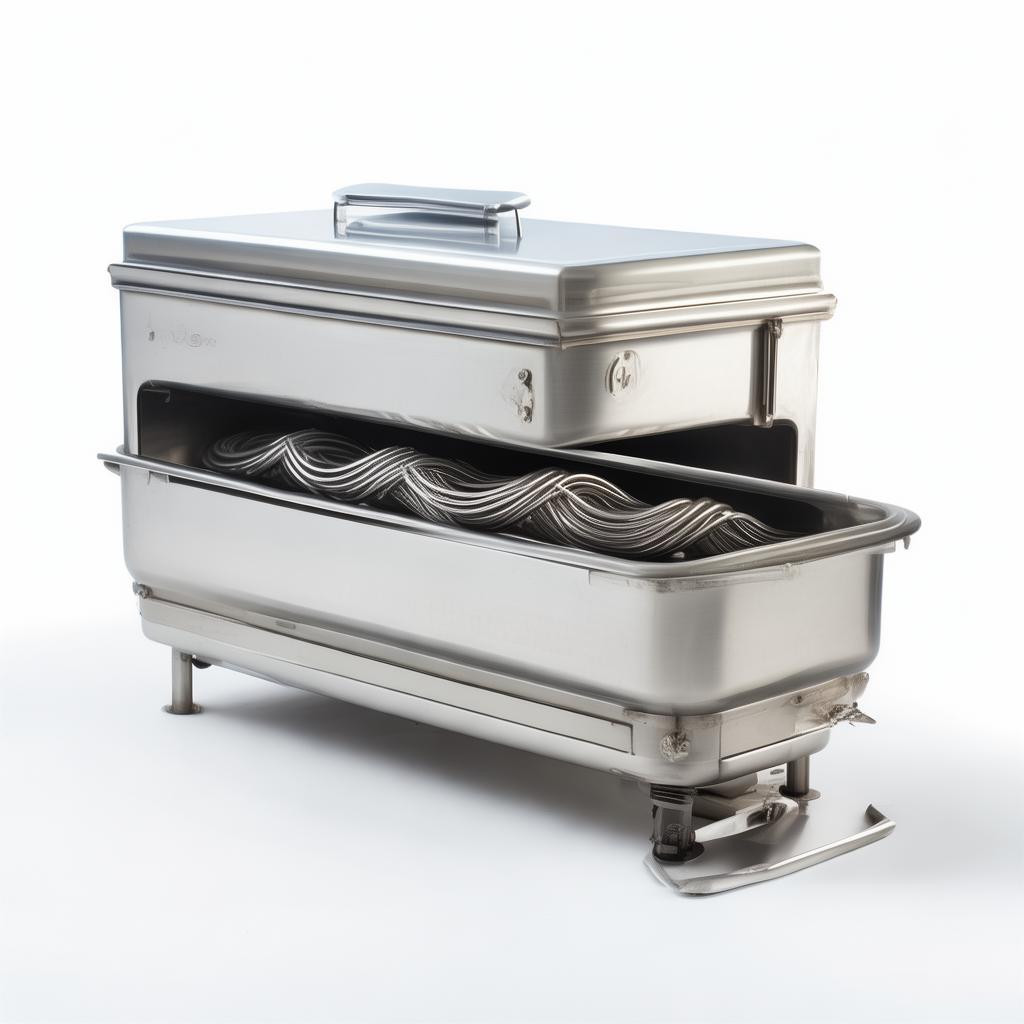
Meat Tote
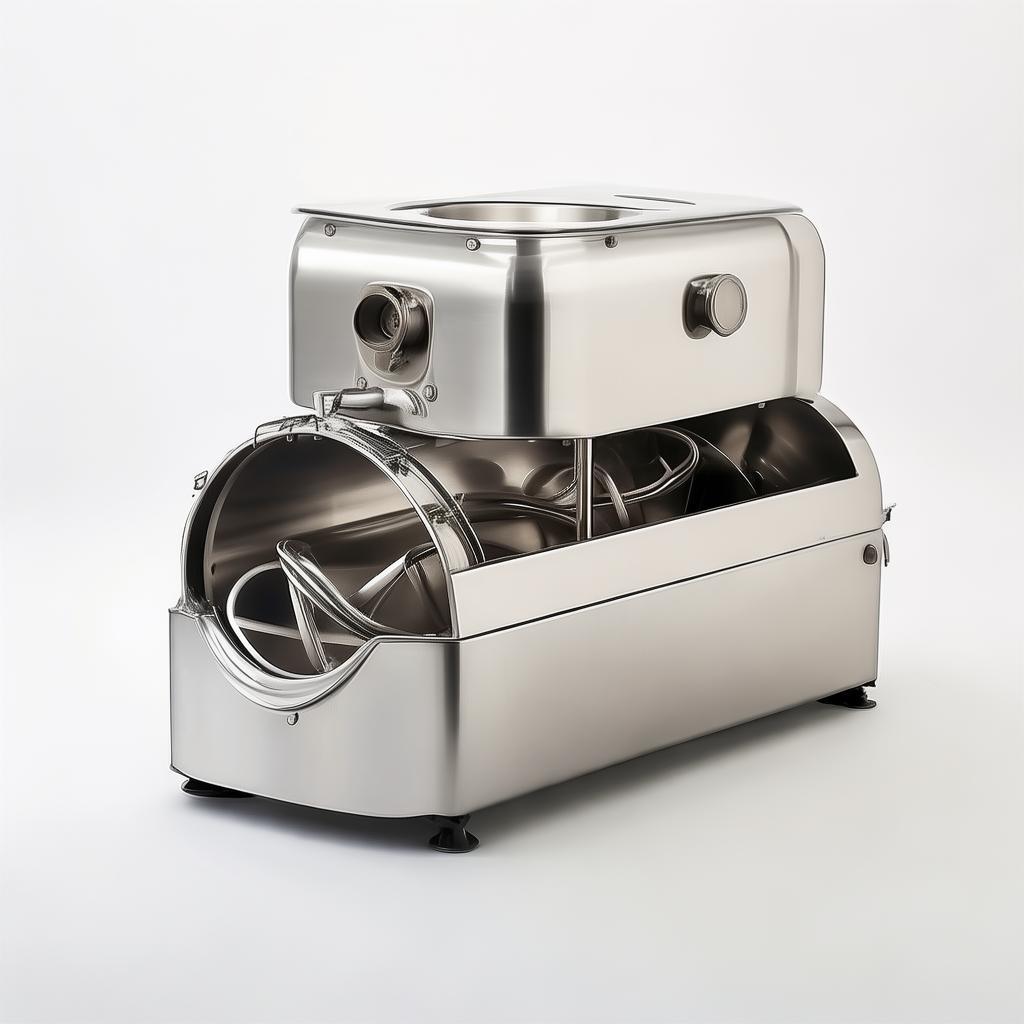
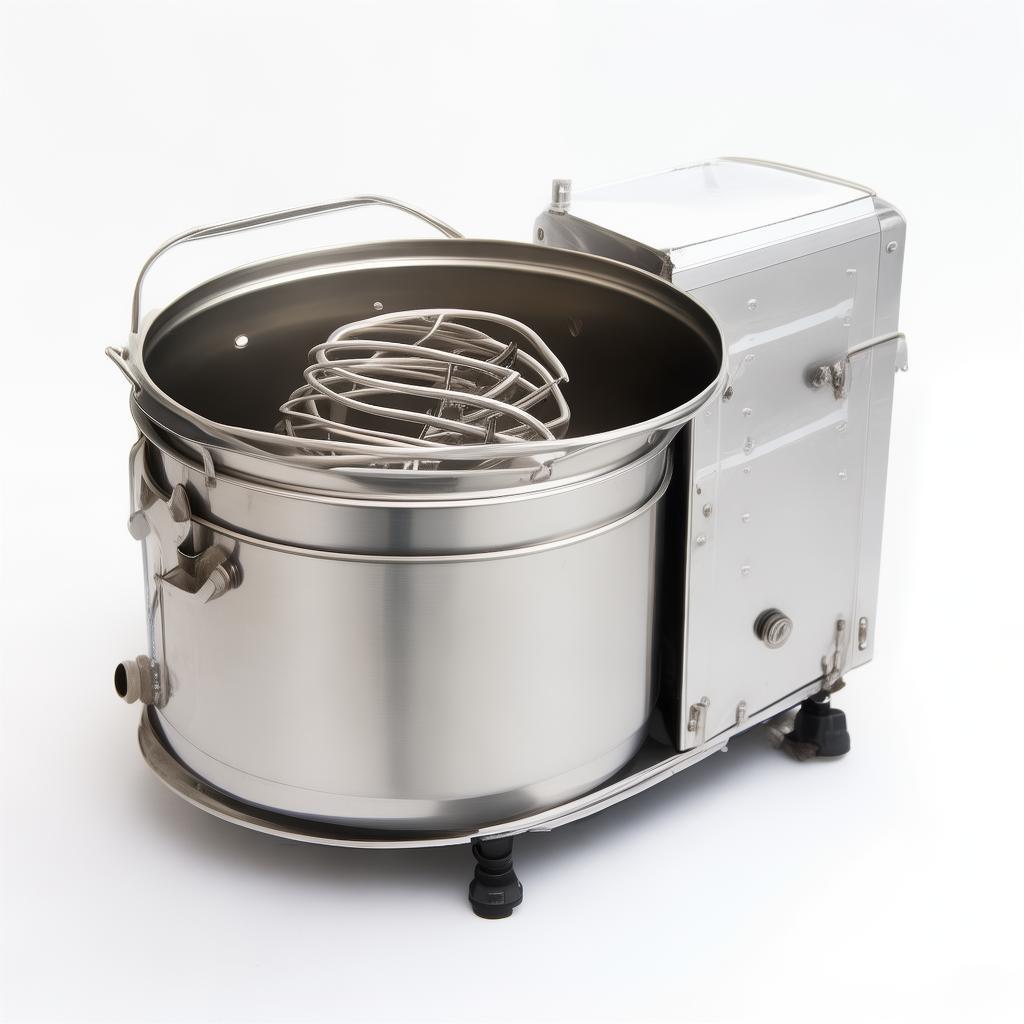
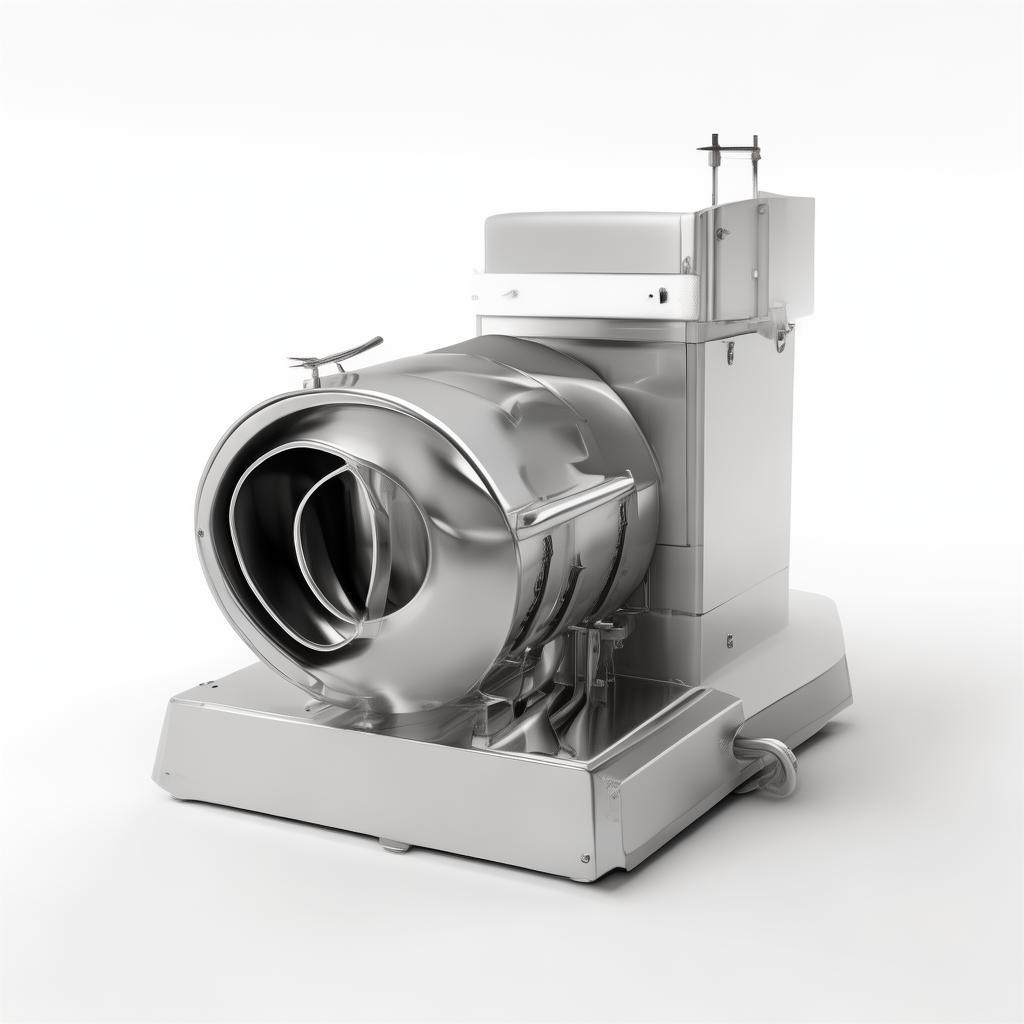
Meat Totes: Essential Handling Solutions for the Modern Abattoir and Processing Plant
Streamlining Your Operations with Robust, Hygienic, and Efficient Tote Systems
 By Alex Chen, Senior Export Manager at Hebei Yuanchang Food Mechanism & Technology Co., Ltd.
| 40 Years of Industry Experience
By Alex Chen, Senior Export Manager at Hebei Yuanchang Food Mechanism & Technology Co., Ltd.
| 40 Years of Industry Experience
Understanding the Critical Role of Meat Totes in Your Supply Chain
In the demanding world of meat processing, efficiency, hygiene, and product integrity are paramount. Every step, from receiving raw materials to shipping finished goods, requires dependable equipment. Among the unsung heroes of these operations are meat totes. These aren't just containers; they are integral components of your workflow, designed to facilitate the safe, sanitary, and organized movement of meat products. Whether you're dealing with fresh cuts, seasoned marinades, or semi-finished products awaiting further processing, the right tote can significantly impact your operational efficiency, reduce waste, and maintain the high standards expected by consumers and regulatory bodies alike.
The global meat processing equipment market, a sector that includes essential handling solutions like meat totes, was valued at approximately USD 11.29 billion in 2025 and is projected to expand to USD 17.39 billion by 2034, growing at a CAGR of around 5.0%. This growth is underpinned by the increasing demand for processed meat products, the drive towards automation for improved hygiene and labor efficiency, and the continuous enforcement of stringent food safety regulations. 【Meat Processing Equipment Market Size, Share & Industry Analysis - Fortune Business Insights】 Our own experience at Hebei Yuanchang, with over four decades in meat processing machinery since 1986, has shown us firsthand how critical even seemingly simple equipment like totes are. They are the workhorses that ensure continuity, prevent cross-contamination, and protect the quality of your valuable product.
Choosing the correct meat tote involves more than just picking a sturdy box. It requires considering the specific type of meat, the processing stage, your storage capacity, transportation methods, and your plant's overall hygiene protocols. Factors such as material, construction, load-bearing capacity, ease of cleaning, and stackability all play a crucial role. An improperly selected tote can lead to product damage, costly spoilage, sanitation challenges, and even pose risks to your personnel. This is why investing time in understanding the nuances of meat tote selection is not an overhead, but a strategic decision that supports your bottom line and brand reputation.
At Hebei Yuanchang, we understand that the equipment you choose must be reliable, durable, and designed with operational realities in mind. Our commitment extends beyond just manufacturing; it’s about providing solutions that genuinely enhance your processing capabilities. We recognize that whether you're a large-scale abattoir, a specialized butcher, a commissary kitchen, or an exporter of meat products, the need for robust, food-grade handling equipment is universal. The global processed meat market itself is a colossal entity, projected to grow from USD 750.58 billion in 2026 to USD 1,253.77 billion by 2034 at a CAGR of 6.62%. 【Processed Meat Market Size, Share & Growth Report - Fortune Business Insights】 This expansive market relies heavily on efficient, sanitary systems for handling raw and processed ingredients, making the meat tote an indispensable piece of equipment in this vast chain.
Furthermore, the operational challenges in meat processing are significant. Dealing with varying temperatures, moisture, and the inherent nature of meat products demands materials that are resistant, non-porous, and easy to sanitize. Totes are often subjected to rigorous cleaning cycles, sometimes involving high-pressure washing and sanitizing agents. Therefore, the material choice and construction quality directly influence the tote's lifespan and your maintenance costs. We often see facilities struggling with totes that chip, crack, or absorb odors – problems that can be entirely avoided with informed procurement. A well-designed meat tote contributes to a safer work environment by minimizing slips from spilled product and ensuring secure stacking that prevents accidental tip-overs.
For international B2B trade, the specifications and compliance of handling equipment are also critical. Buyers in different regions have specific requirements regarding material safety (e.g., FDA, EU food contact compliance), durability for long-haul transport, and hygienic design to meet import regulations. Our expertise in export, honed over decades, ensures that the meat totes we supply meet these diverse international standards. We guide our clients through selecting the optimal totes that not only serve their immediate processing needs but also facilitate smooth cross-border commerce, minimizing delays and compliance issues. This meticulous approach to product selection and documentation is a cornerstone of our service, ensuring your investment is protected and your operations run smoothly, wherever your business operates.
Key Considerations When Selecting Meat Totes for Your Facility
Making the right choice in meat totes is crucial for optimizing your processing workflow. It's not a one-size-fits-all decision. Several factors demand careful consideration to ensure the totes serve your specific needs effectively and safely.
- Material Durability & Food Safety: The primary material should be high-density polyethylene (HDPE) or similar food-grade, impact-resistant plastic. It must be non-porous to prevent bacterial growth and resist staining or odor absorption. Ensure compliance with FDA or EU food contact regulations. Our totes are manufactured from virgin HDPE, guaranteeing both durability and absolute food safety.
- Load Capacity & Structural Integrity: Totes vary in their weight-bearing capabilities. Assess the typical weight of the meat products you handle – whether it's bulk ground meat, whole cuts, or bone-in portions. A tote that is undersized or poorly constructed can warp, crack, or fail under heavy loads, leading to product loss and safety hazards. We offer totes engineered for specific load capacities, ensuring reliable performance.
- Ease of Cleaning & Sanitation: This cannot be stressed enough. Smooth interior surfaces, rounded corners, and minimal crevices are vital for effective cleaning. Many of our tote designs feature ribbed or reinforced bases that facilitate drainage and prevent pooling, making them easier to wash and sanitize. Consider stackability for efficient storage, but also ensure they can be disassembled or easily accessed for thorough cleaning.
- Stackability & Space Efficiency: Efficient storage and transport within your facility depend on the tote's design. Nesting or stackable designs save valuable floor space when empty. When full, they should stack securely without damaging the contents or creating unstable towers. We offer models optimized for both stacking and nesting to maximize your logistical efficiency.
- Ergonomics & Handling: Consider how your staff will interact with the totes. Integrated handles, smooth edges, and a manageable weight when empty are important for reducing strain and preventing injuries. Some totes are designed for forklift or pallet jack access, which can be a significant efficiency booster in larger operations.
- Temperature Resistance: Meat processing environments can range from refrigerated holding areas to slightly warmer processing zones. The tote material must maintain its structural integrity and not become brittle in cold temperatures or deform in warmer conditions. HDPE generally performs well across a broad temperature range.
Selecting totes that meet these criteria isn't just about compliance; it's about building a more resilient and cost-effective operation. We've seen many facilities overlook these details, only to face recurring issues with damaged product or sanitation failures down the line. A robust tote system is a foundational element of good manufacturing practices (GMP).
Our Meat Tote Solutions: Engineered for Performance and Durability
At Hebei Yuanchang Food Mechanism & Technology Co., Ltd., we pride ourselves on providing meat processing equipment that is not only functional but also built to last. Our range of meat totes is a testament to this commitment, designed with the practical needs of modern food processing plants in mind.
Robust Construction
Our totes are molded from high-grade, virgin HDPE. This ensures exceptional strength, resistance to impact, and longevity even in demanding industrial environments. The seamless, non-porous surface is crucial for hygiene, preventing the absorption of liquids and odors, and making sanitation procedures straightforward and effective. We understand that downtime for cleaning or replacement is costly, which is why durability is built into every tote we offer.
Hygienic Design
Every aspect of our tote design prioritizes sanitation. Smooth, continuous interior surfaces with gently radiused corners eliminate hard-to-clean areas where bacteria could proliferate. Many models incorporate reinforced bases with drainage features, facilitating effective washing and preventing stagnant water. This focus on hygienic design is not just about regulatory compliance; it’s about safeguarding the quality and safety of your meat products.
Versatile Applications
Our meat totes are suitable for a wide range of applications within the meat processing industry. They are ideal for receiving and transporting raw meat cuts, holding marinated or seasoned products, storing processed items like sausages or ground meat, and for use in conjunction with other processing equipment such as tumblers, mixers, and filling machines. They are also robust enough for logistics and shipping, ensuring product integrity throughout the supply chain.
Technical Specifications (Representative Model)
| Feature | Specification |
|---|---|
| Material | 100% Virgin HDPE (Food Grade) |
| Dimensions (L x W x H) | 1200mm x 1000mm x 760mm (Customizable) |
| Capacity | ~700 Liters / ~350 kg (Product Dependent) |
| Weight | 28 kg (Approx.) |
| Load Capacity (Static) | Up to 1000 kg |
| Temperature Range | -30°C to +70°C |
| Stacking | Secure stacking up to 5 high (when empty) |
| Certifications | FDA, EU Food Grade Compliant |
| Color Options | Standard White/Blue (Custom colors available) |
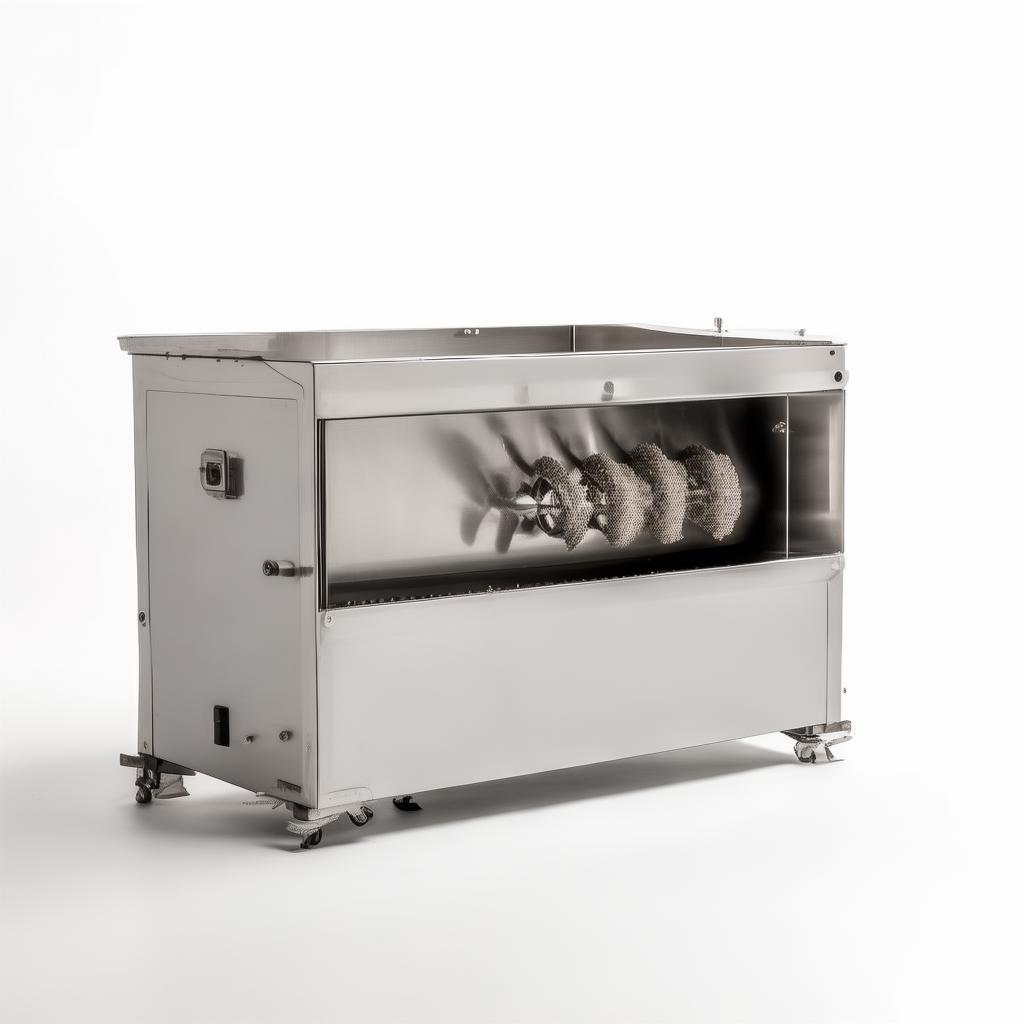
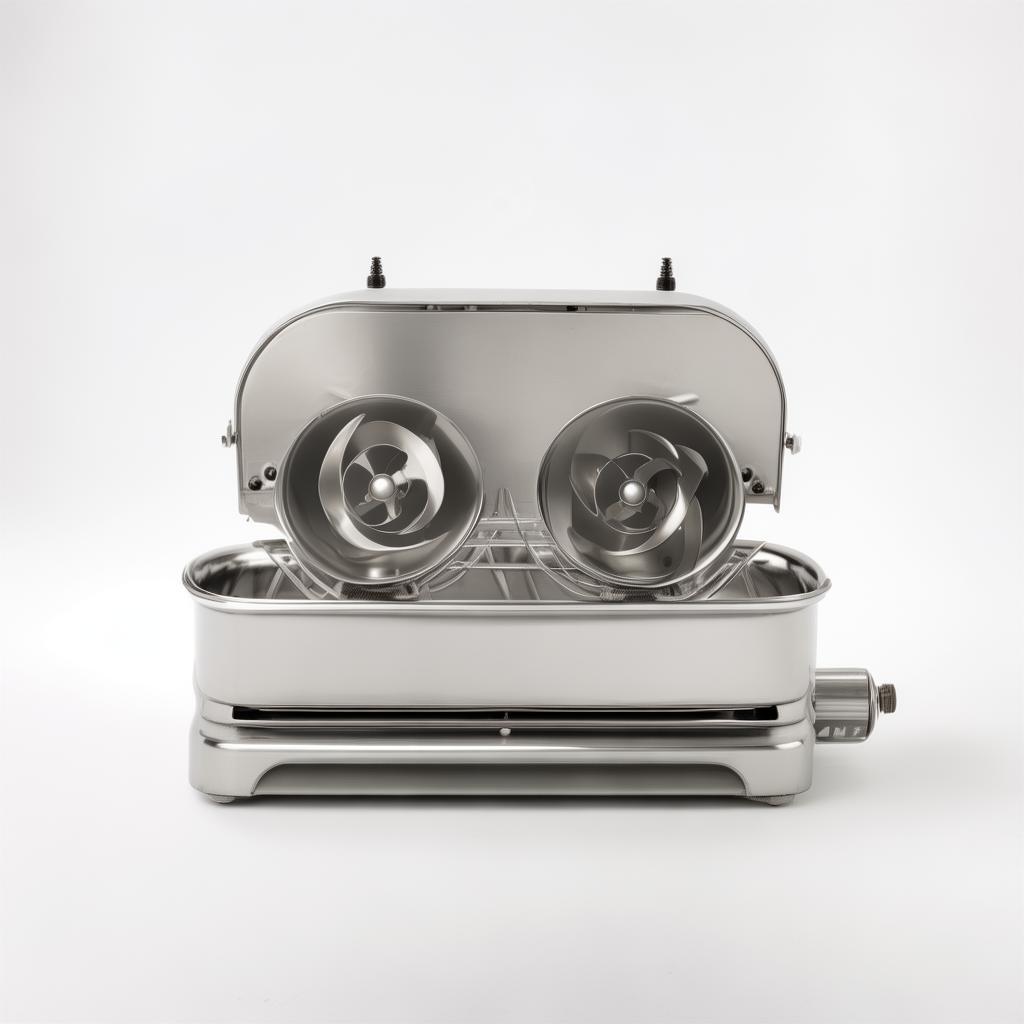
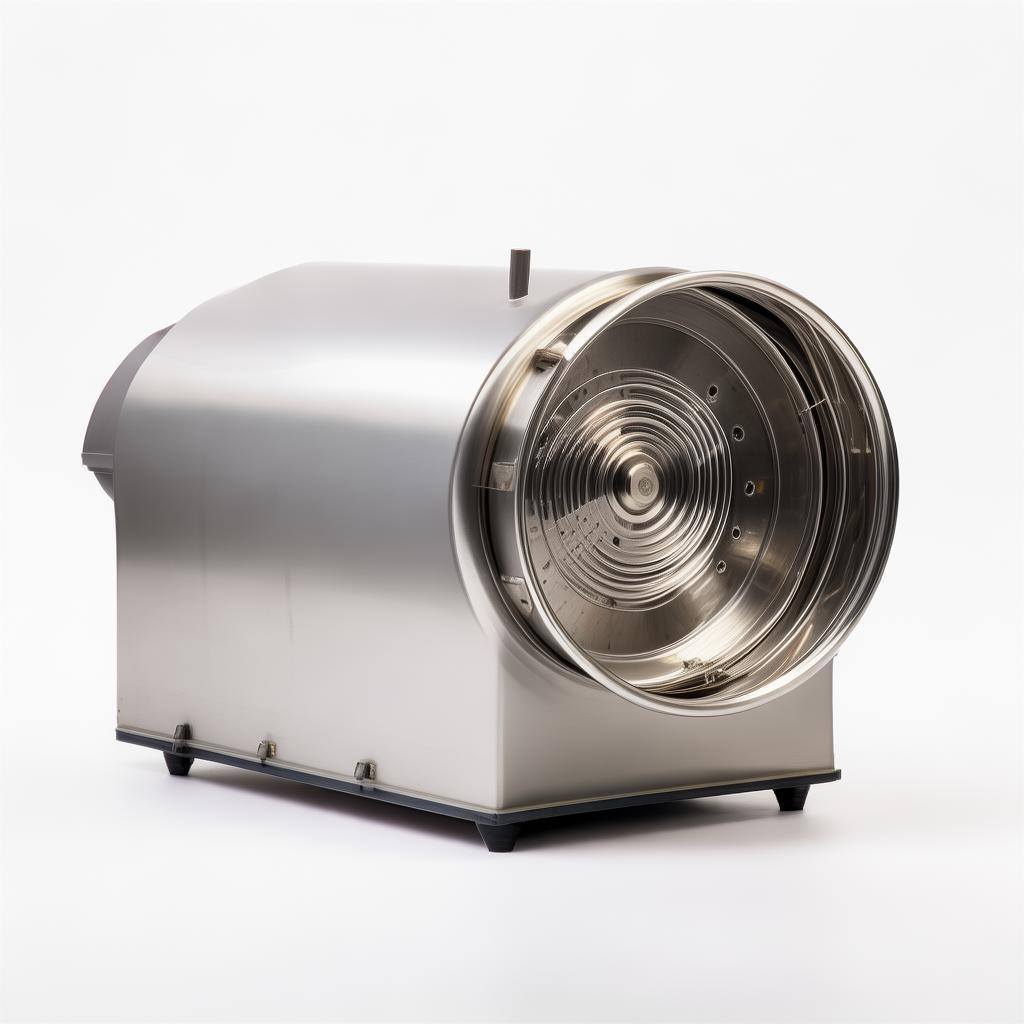
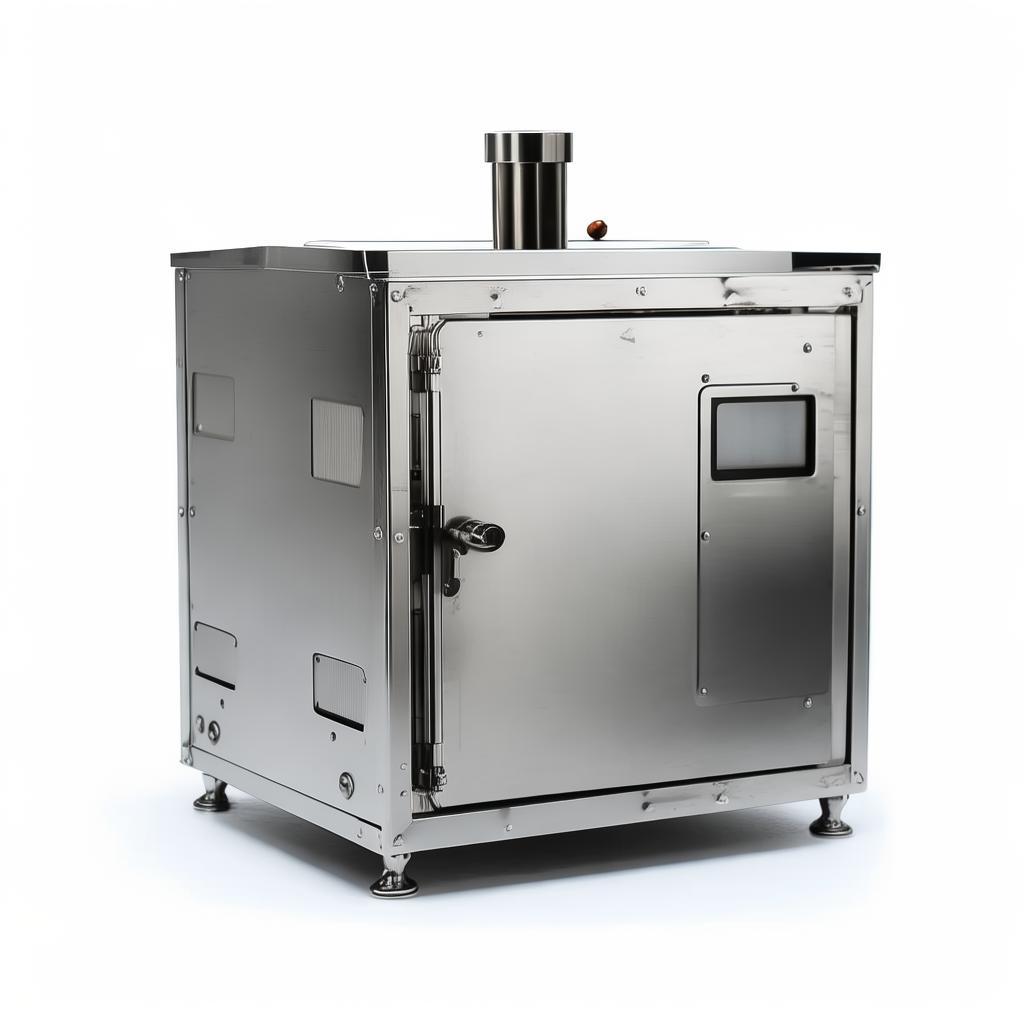
dicer meat meat mincer meat former
Note: Specifications are approximate and can be customized to meet specific client requirements.
Streamlining Your Meat Processing Workflow
The implementation of well-chosen meat totes can demonstrably improve various aspects of your meat processing operations. Beyond simply holding product, they become facilitators of efficiency and quality control.
Pretreatment and Preparation
During the initial stages, totes are crucial for holding meat cuts before they enter systems for tenderizing, massaging, or grinding. Our totes ensure that raw materials are kept sanitary and organized, preventing cross-contamination. For instance, when preparing meat for sausage production, you might use totes to hold spiced meat mixes before they are fed into a stuffer. The smooth interior of our totes minimizes product loss and residue adherence, simplifying the batch transition.
Molding and Forming Processes
For facilities involved in molding or forming meat products (e.g., patties, nuggets, deli slices), totes serve as intermediary holding containers. Meat mixtures can be portioned into totes, allowing for easy transport to forming machines. The consistent dimensions and sturdy construction of our totes ensure reliable feeding into automated forming equipment, contributing to uniform product size and weight. The global reconstituted meat market is expected to grow substantially, relying heavily on precise molding and pretreatment equipment. 【Reconstituted Meat Market - Future Market Insights】
Ripening and Curing
In processes like curing or smoking, totes can be used to hold meat pieces. While specialized equipment often handles the bulk of ripening (e.g., massaging machines), totes play a role in transporting and storing products between stages. Their ability to withstand specific temperature ranges and their easy-to-clean surfaces are vital in these sensitive processes where microbial control is critical.
Logistics and Distribution
For wholesale export and distribution, meat totes are indispensable. Their standardized sizes often align with pallet dimensions, facilitating efficient loading and transportation via trucks, ships, or air cargo. The robust nature of our HDPE totes ensures they can withstand the rigors of transit, protecting your product from damage. We often work with clients to optimize container loading, maximizing space and minimizing shipping costs – a crucial consideration for international trade.

Installation and Maintenance: Practical Insights
While meat totes are not complex machinery requiring extensive installation, their integration into your facility and their upkeep are critical for sustained performance and hygiene.
Facility Integration
Ensure your facility has designated areas for tote storage, cleaning, and use. This segregation helps prevent contamination and optimizes workflow. If using automated systems for filling or conveying, confirm that the tote dimensions and base design are compatible. For operations using forklifts or pallet jacks, ensure clear pathways and adequate clearance for safe maneuverability around stacked totes.
Cleaning Protocols
Establish a clear and regular cleaning schedule. High-pressure washers are effective, but ensure they are used at appropriate distances to avoid damaging the plastic. Utilize food-grade cleaning agents and sanitizers. Crucially, allow totes to dry completely before re-use, as moisture can promote bacterial growth. Many facilities implement a system of having a separate set of clean totes ready while others are in use or undergoing cleaning, ensuring no operational bottlenecks.
Inspection and Replacement
Periodically inspect totes for signs of wear and tear, such as cracks, significant scuffing, or warping. Damaged totes can harbor bacteria and pose a safety risk. While HDPE is very durable, constant heavy use will eventually degrade the material. Having a proactive replacement strategy ensures you maintain optimal hygiene and operational safety.
Our in-house machining workshop, equipped with over 20 sets of processing machinery including Japanese Mazak CNC centers, allows us to produce high-standard components. This capability ensures that even the components for our simpler products, like the molds for our robust totes, are manufactured with precision, contributing to their overall quality and lifespan.
Why Partner with Hebei Yuanchang for Your Meat Tote Needs?
Choosing a supplier for critical processing equipment like meat totes is a decision that impacts your entire operation. At Hebei Yuanchang, we offer more than just products; we offer partnership built on decades of industry experience and a deep understanding of meat processing.
40 Years of Proven Expertise
Since 1986, we have been at the forefront of meat processing equipment manufacturing. This extensive history means we've seen and solved countless challenges, giving us unparalleled insight into the practical needs of our clients. Our 80-100 strong team is dedicated to R&D, production, and sales, ensuring you receive expert support at every stage.
Commitment to Quality and Compliance
Our manufacturing processes adhere to strict quality control measures. Our meat totes are made from high-quality, food-grade materials, compliant with international standards such as FDA and EU regulations. We understand the critical nature of food safety, and our products are designed to meet and exceed these expectations.
OEM/ODM Capabilities
Do you have specific design requirements or need a custom solution? We offer comprehensive OEM (Original Equipment Manufacturer) and ODM (Original Design Manufacturer) services. Leverage our engineering expertise to develop bespoke meat totes or other processing equipment tailored precisely to your unique operational needs and brand specifications. Our advanced machining capabilities allow us to produce custom molds and components efficiently.
Reliable After-Sales Support
Our commitment doesn't end with delivery. With our traceable after-sales management system and the ability to independently produce high-precision parts, we ensure that any support or replacement needs are handled promptly and efficiently, minimizing disruption to your operations.
Hear From Our Clients
"The meat totes from Hebei Yuanchang are incredibly robust. We’ve been using them daily for over a year now, and they still look and perform like new. Cleaning is a breeze, which is essential for our HACCP compliance."
 David Miller, Operations Manager, Prime Cuts Meats (USA)
"We needed high-capacity, durable totes for exporting beef. Hebei Yuanchang delivered exactly that. Their understanding of international shipping requirements and material compliance was impressive. Highly recommended for B2B export."
 Sofia Rodriguez, Procurement Director, Global Meats Ltd. (Canada)
"The OEM service for custom-sized totes was invaluable. They worked with our engineers to create a perfect fit for our automated handling system. The lead time was reasonable, and the quality exceeded expectations."
 Kenji Tanaka, Production Engineer, Fuji Food Processing (Japan)
Frequently Asked Questions About Meat Totes
Q: What are the typical dimensions and capacities of your meat totes?
A: Our standard large totes often measure around 1200mm x 1000mm x 760mm with a capacity of approximately 700 liters, suitable for holding up to 350 kg of product depending on density. However, we offer a wide range of sizes and can customize dimensions and capacities to meet specific requirements. Please inquire about our full product catalog or custom solutions.
Q: Are your meat totes safe for all types of meat, including poultry and red meat?
A: Absolutely. Our totes are constructed from 100% virgin HDPE, which is a food-grade, non-porous, and inert material. This makes them safe for all types of raw and processed meats, including beef, pork, lamb, and poultry. They are designed to prevent bacterial contamination and product degradation.
Q: How do I ensure proper sanitation of the totes?
A: Proper sanitation involves regular washing with food-grade detergents and sanitizers, ideally using high-pressure washing systems. Ensure all surfaces, including the base and any internal ribs, are thoroughly cleaned. Allow totes to air dry completely in a clean environment before reuse to prevent microbial growth. We can provide guidance on optimal cleaning procedures for your specific setup.
Q: What is the expected lifespan of your meat totes?
A: With proper care and regular cleaning, our high-density polyethylene totes are designed for a long service life, typically several years of heavy industrial use. Their resistance to impact, chemicals, and temperature fluctuations contributes to their durability. However, regular inspection for damage is recommended, and worn-out totes should be replaced to maintain hygiene and safety standards.
Q: Do you offer custom branding or colors for the totes?
A: Yes, we offer OEM/ODM services that include custom branding (logos, serial numbers) and specific color requirements to match your facility's identification system or corporate branding. Please contact us with your specific needs, and our team will explore the possibilities.
Ready to Enhance Your Meat Handling Operations?
Invest in reliable, hygienic, and efficient meat totes from a trusted industry leader with 40 years of experience. Let us help you optimize your workflow and ensure product integrity.