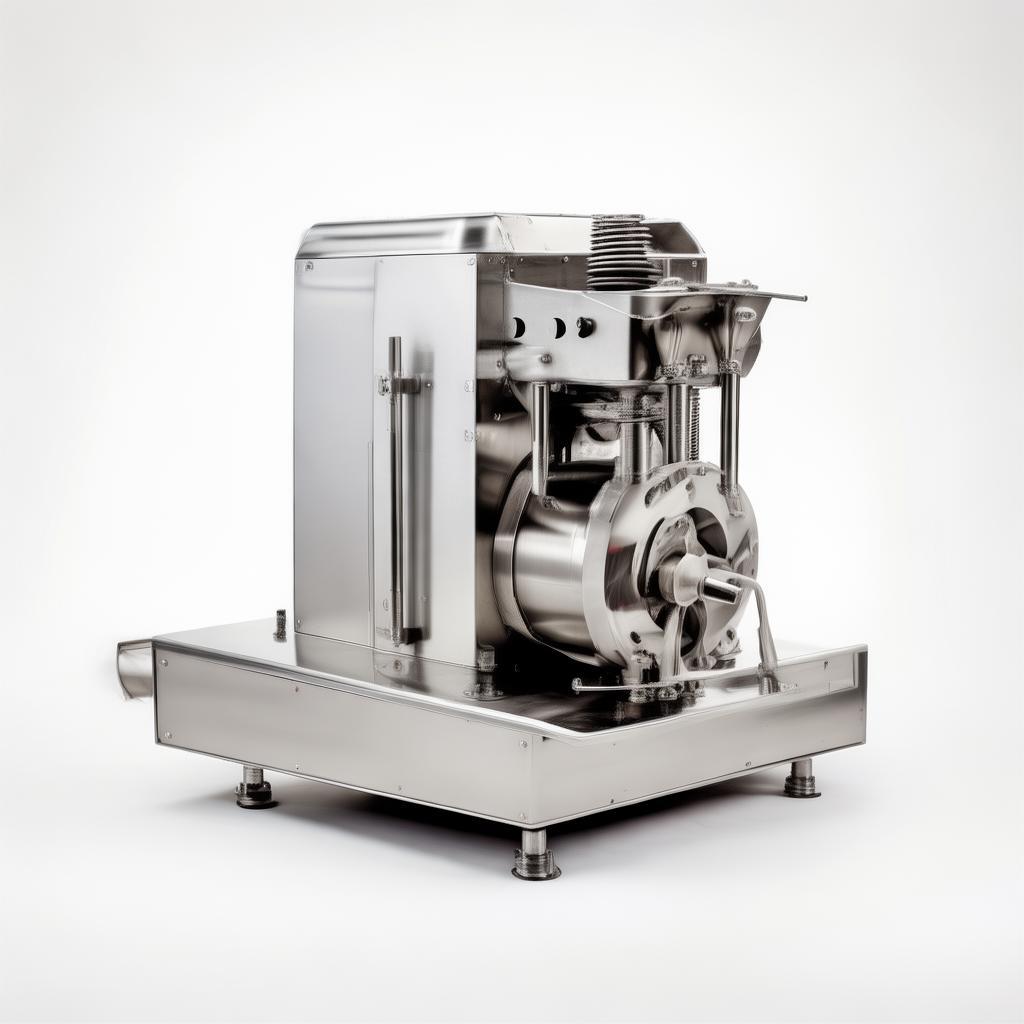
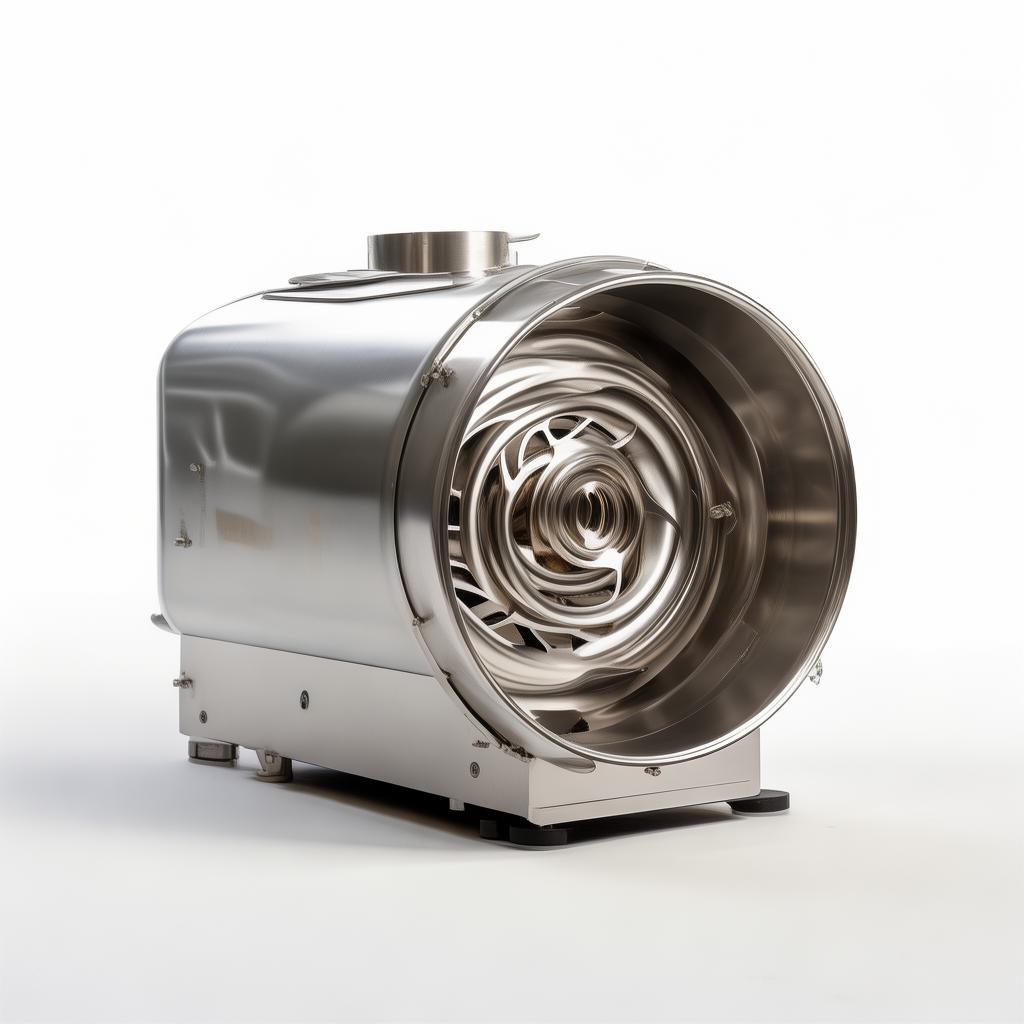
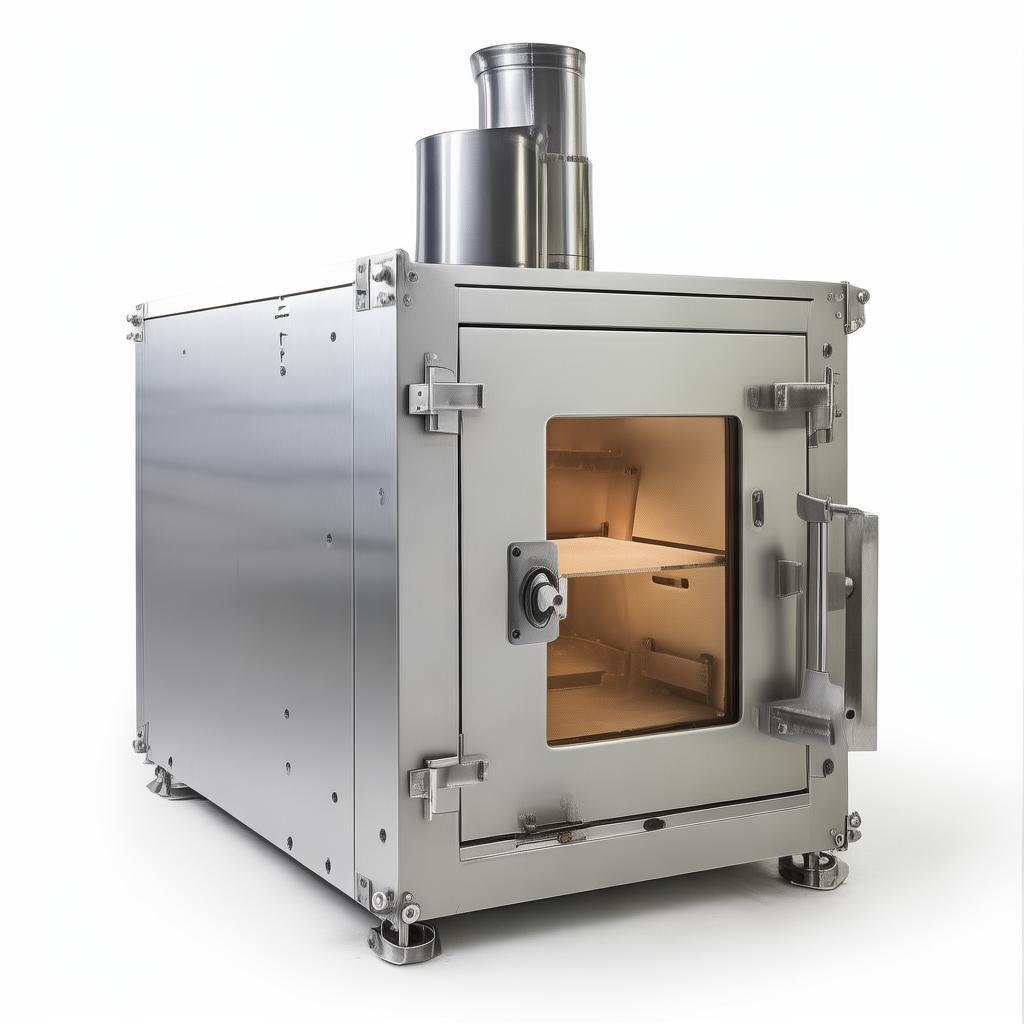
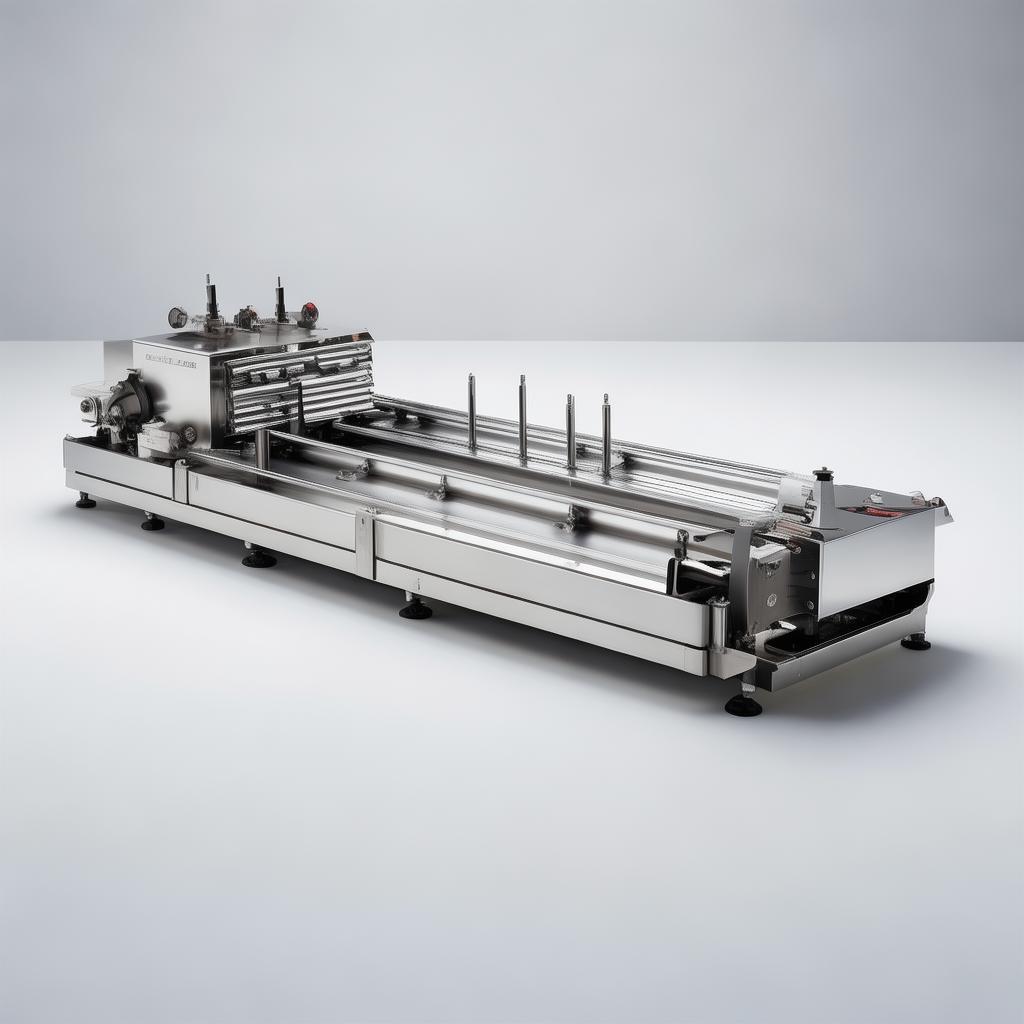
Meat Mixer For Sale
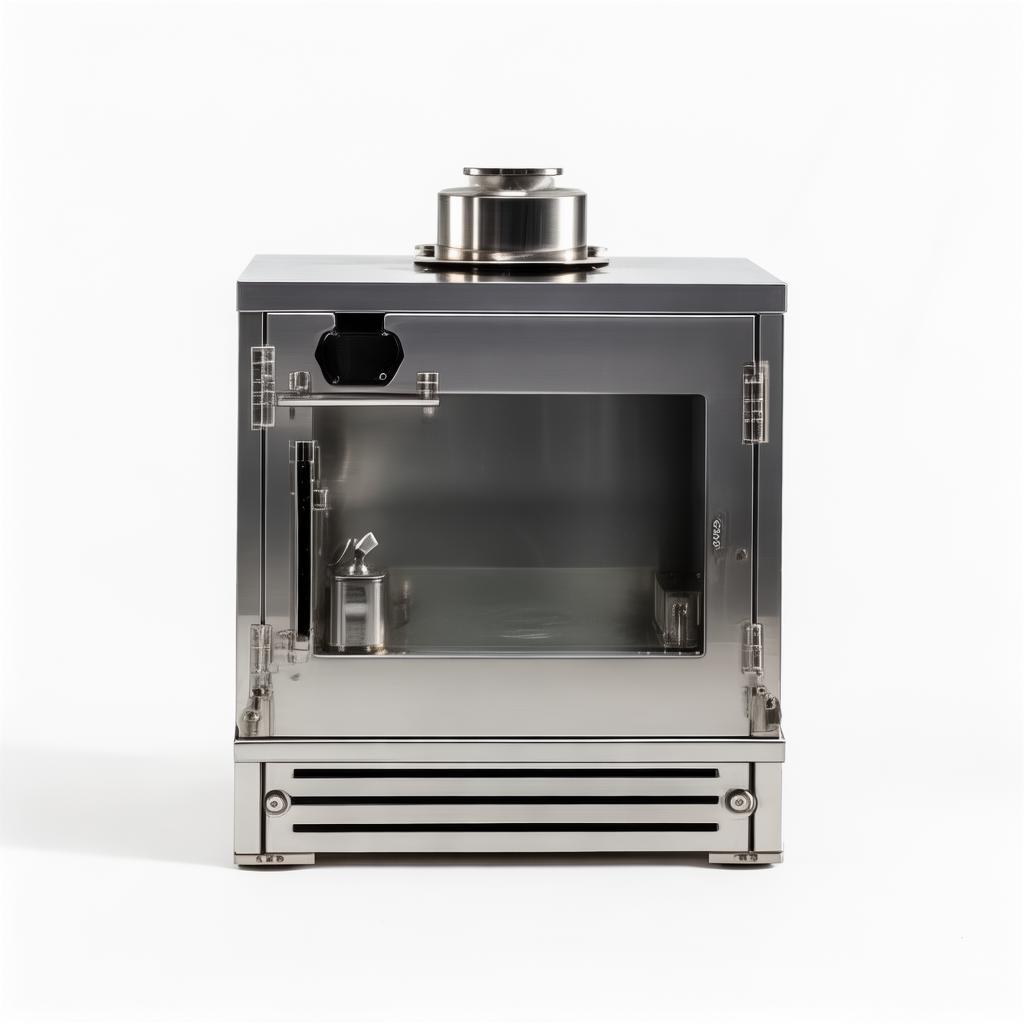
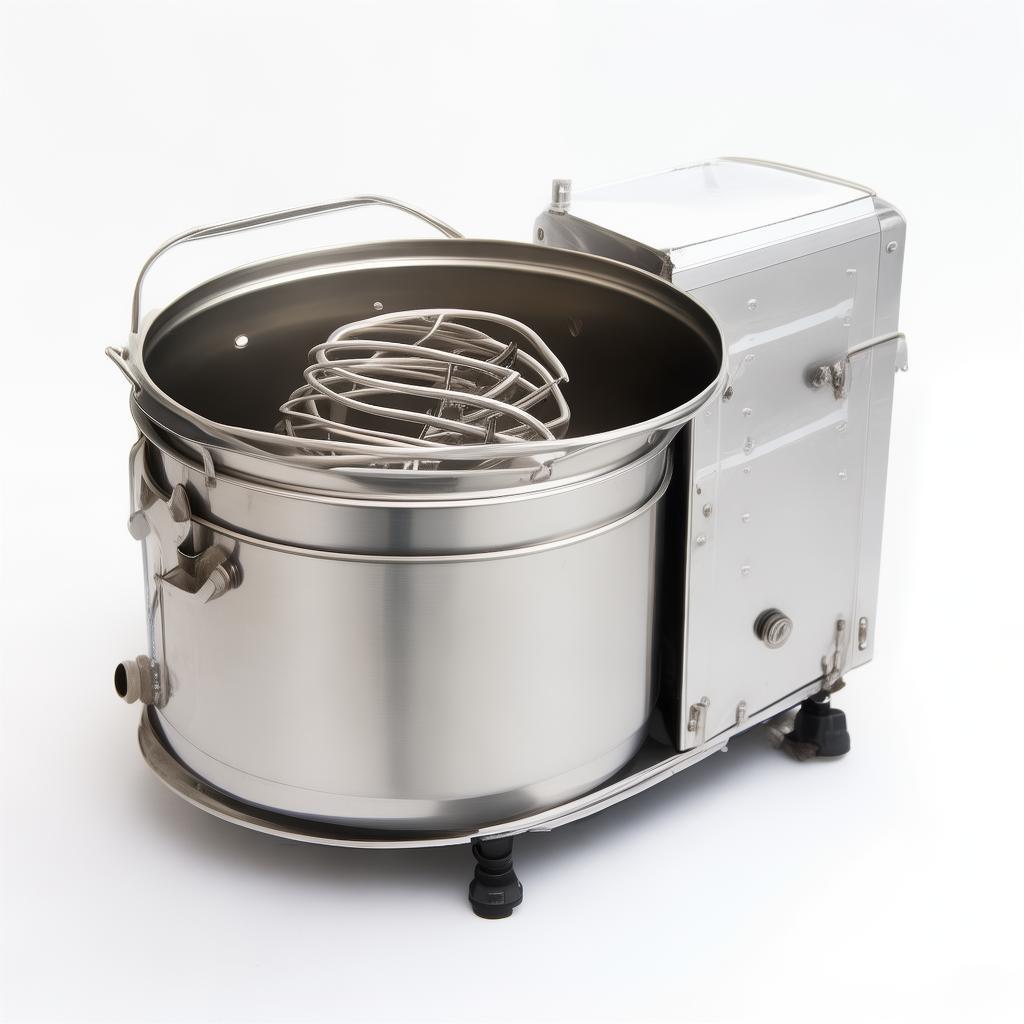
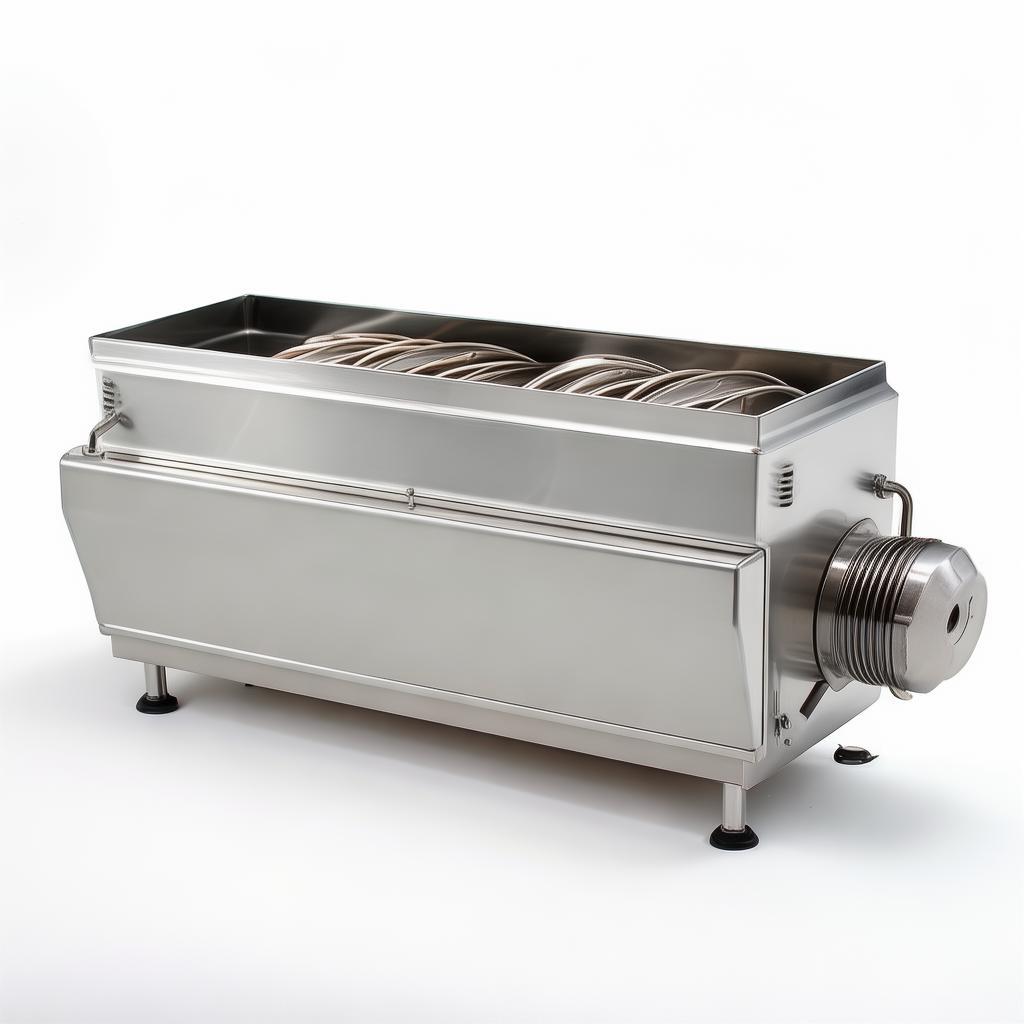
Industrial Meat Mixers for Sale: Achieve Unparalleled Product Consistency & Efficiency
Your partner in achieving superior texture, flavor, and profitability in meat processing.

By: Alex Chen
Senior Export Manager

Hebei Yuanchang Food Mechanism & Technology Co., Ltd.
The Unseen Engine: Why Your Meat Mixer is Crucial
In the competitive landscape of meat processing, achieving consistent quality, optimal texture, and efficient production is paramount. While cutting, grinding, and packaging often grab the spotlight, the humble meat mixer is, in many ways, the true unsung hero. It's the stage where raw ingredients are transformed into homogeneous blends, ready for further processing into sausages, burgers, cured meats, pet food, and a myriad of other popular products. The effectiveness of your mixing process directly impacts everything from flavor distribution and moisture retention to the final visual appeal and shelf life of your finished goods. Without a robust, reliable meat mixer, achieving batch-to-batch uniformity becomes an uphill battle, leading to product variability, increased waste, and a dip in customer satisfaction. The global meat processing equipment market, projected to reach figures upwards of USD 17-30 billion by 2034 across various reports (Fortune Business Insights, GMInsights, IMARC Group), underscores the sheer scale and importance of this industry, with dedicated segments for filling, massaging, and crucially, mixing. This isn't just about blending; it's about precision engineering for your core ingredients.
The demand for processed meats continues to rise globally, driven by urbanization, changing consumer lifestyles, and the demand for convenience foods. Market forecasts from sources like Fortune Business Insights suggest the processed meat market could exceed USD 1.2 trillion by 2034. This growth directly fuels the need for efficient, high-capacity meat processing machinery, including industrial meat mixers. Whether you're a large-scale enterprise looking to scale up production of premium sausages or a specialized producer of artisanal charcuterie, the right mixer is fundamental. It’s the piece of equipment that ensures your spices are evenly distributed, your fat and lean ratios are perfectly maintained, and any binders or additives are integrated flawlessly. It’s also the area where operational efficiency can be significantly impacted – downtime, cleaning time, and energy consumption are all directly tied to the mixer’s design and build quality. For businesses operating in sectors like pet food manufacturing, where ingredient uniformity is critical for nutritional balance and palatability, a specialized meat mixer is non-negotiable.
When we talk about a meat mixer for sale, we're not just talking about a motor and a bowl. We're discussing a sophisticated piece of industrial machinery designed for the rigorous demands of food production. This includes considerations for hygiene, ease of cleaning, material durability, precise control over mixing speed and duration, and importantly, the ability to handle various meat types and consistencies without compromising the integrity of the product. The technology behind these machines has evolved significantly, moving beyond simple paddle designs to more advanced configurations like vacuum mixers and specialized tumblers that can also perform ripening functions. Understanding these nuances is key to selecting a unit that will not only meet your current needs but also support your future growth and product development strategies. Our 40 years of experience, since 1986, have shown us that investing in a high-quality mixer is one of the most impactful decisions a meat processor can make for their operational success.
At Hebei Yuanchang Food Mechanism & Technology Co., Ltd., we specialize in precisely this kind of robust, reliable equipment. With our in-house machining capabilities, including advanced Japanese Mazak CNC centers, we ensure that every component, from the mixing paddles to the drive shaft, meets stringent precision standards. This internal control over manufacturing allows us to produce high-precision parts that are essential for the longevity and consistent performance of our meat mixers. We understand the challenges faced by procurement managers and plant operators: the need for dependable machinery that minimizes downtime, adheres to strict food safety regulations (like CE or FDA compliance where applicable), and delivers a tangible return on investment. This page aims to provide you with a comprehensive overview of what to look for in an industrial meat mixer, focusing on practical benefits and technical considerations that truly matter on the factory floor.
Common Roadblocks in Meat Blending Operations
Many operations struggle with inconsistent blending. This can manifest as uneven spice distribution, visible fat pockets, or variations in moisture content from batch to batch. These issues are often rooted in mixers that lack proper paddle design, insufficient torque, or inadequate mixing time control. Trying to achieve a homogenous mix with improper equipment is a direct path to product recalls or customer complaints.
Another significant challenge is product degradation. Over-mixing or using aggressive paddle designs can damage meat fibers, leading to a mushy texture, reduced yield, and a less appealing final product. This is particularly critical when processing delicate meats or preparing ingredients for high-value items.
Cleaning and sanitation are perpetual concerns in food processing. A mixer that is difficult to clean, with numerous nooks and crannies where product can accumulate, becomes a breeding ground for bacteria. This not only poses a health risk but also leads to substantial downtime for manual cleaning, impacting your overall OEE (Overall Equipment Effectiveness). Many market reports, like those from Grand View Research, highlight automation and hygiene compliance as major drivers for equipment upgrades.
Furthermore, capacity limitations can bottleneck production. Investing in a mixer that is too small for your current or projected batch sizes means inefficient throughput, requiring more batches and thus more time and labor. Conversely, an oversized mixer can lead to poor mixing of smaller batches.
Finally, the initial procurement cost versus long-term value is a constant balancing act. While a cheaper unit might seem attractive upfront, frequent breakdowns, high maintenance costs, and poor performance can quickly negate any initial savings. Choosing a robust, industrially designed machine from a reputable manufacturer is a strategic investment.
Engineering Excellence for Superior Meat Blending
Our industrial meat mixers are engineered to directly address these challenges, delivering tangible benefits to your operation:
- Uniformity and Consistency: Precisely designed mixing paddles and powerful, variable-speed drives ensure thorough and consistent blending of all ingredients. This means even distribution of spices, marinades, and other additives, resulting in a predictable and high-quality final product every time.
- Gentle Yet Effective Blending: We employ paddle designs optimized for the specific viscosity and texture of meat products. This allows for efficient mixing without damaging meat fibers, preserving texture, yield, and overall product integrity. This is vital for products where mouthfeel is a key consumer attribute.
- Hygienic Design for Easy Cleaning: Our mixers feature smooth surfaces, minimal crevices, and often detachable components that can be easily disassembled for thorough cleaning and sanitation. Stainless steel construction throughout meets stringent food safety standards and simplifies washdown procedures.
- Robust Construction and Durability: Built with high-grade stainless steel (e.g., SUS304), these machines are designed for continuous, heavy-duty operation. Our in-house precision machining ensures robust components that withstand the rigors of a demanding production environment, minimizing unexpected downtime.
- Versatile Capacity and Performance: We offer a range of models with varying capacities to suit different production scales, from smaller batches to large industrial runs. Variable speed control allows optimization for different meat types and formulations, enhancing flexibility.
- Enhanced Yield and Reduced Waste: Efficient blending ensures better incorporation of all ingredients, leading to improved yield and less product waste. Consistent moisture distribution also contributes to better shelf-life, reducing spoilage.
Understanding the Mechanics: Key Features of Industrial Meat Mixers
The effectiveness of an industrial meat mixer hinges on several critical technical aspects. At Hebei Yuanchang, we focus on integrating these into every unit we manufacture.
Mixing Mechanism: The heart of any mixer is its paddle or agitator design. We offer several configurations, including:
- Dual Spiral/Paddle Mixers: These are excellent for achieving a thorough and even mix, ideal for products requiring homogeneous distribution of fat, spices, and binders. The counter-rotating paddles ensure ingredients are moved effectively throughout the bowl.
- Single Paddle Mixers: Often suitable for less viscous products or where a gentler mixing action is preferred, these can still achieve excellent results with the right paddle geometry.
- Tumble Mixers: While often associated with marinating and tumbling for ripening, some designs can also be adapted for effective low-shear blending of certain meat products.
The material of the paddles is also crucial. Typically, food-grade stainless steel (like SUS304) is used, offering both durability and hygienic properties. Some specialized applications might require different surface finishes or even polymer coatings for specific textures or anti-stick properties, though this is less common for standard meat mixers.
Motor and Drive System: The power and control of the motor are vital. We utilize robust electric motors with sufficient torque to handle dense meat mixtures without bogging down. Variable frequency drives (VFDs) are often integrated, allowing operators to precisely control mixing speed. This is essential for tailoring the mixing process to different product types—higher speeds for initial blending, lower speeds for final integration of delicate ingredients, or for specific textural outcomes. The reliability of the gearbox and drive train is equally important to prevent costly failures during peak production.
Bowl Design and Capacity: The shape and size of the mixing bowl are designed for optimal ingredient movement and retention. Capacities can range from a few hundred liters to several cubic meters, depending on the model. The material, almost universally stainless steel, is selected for hygiene and durability. Consider your typical batch size and projected growth when evaluating capacity.
Vacuum Capability: Many of our industrial meat mixers can be equipped with a vacuum system. This is a significant advantage for producing high-quality sausages and other emulsified products. Vacuum mixing degasses the mixture, preventing oxidation, improving color retention, enhancing binding, and creating a smoother, denser texture by removing air pockets. This also contributes to a longer shelf-life. This feature is particularly beneficial for applications cited in market reports, like those from Market Research Future, which highlight vacuum technology as a key innovation in improving product quality.
Control Systems: Modern mixers often feature user-friendly control panels, allowing operators to set mixing time, speed, and vacuum levels (if applicable). Programmable logic controllers (PLCs) can enable pre-programmed recipes for consistent batch execution. Safety features, such as lid interlocks and emergency stop buttons, are paramount.
Material Choices: Balancing Durability, Hygiene, and Cost
When selecting an industrial meat mixer, the materials used are critical for food safety, longevity, and operational efficiency. At Hebei Yuanchang, we adhere to industry best practices, primarily utilizing high-grade stainless steels.
Stainless Steel (SUS304): This is the standard for food-grade equipment worldwide. SUS304 offers an excellent balance of corrosion resistance, durability, and ease of cleaning. Its non-porous surface prevents bacterial adhesion and makes it straightforward to sanitize. It’s resistant to most food acids and cleaning agents. The smooth, polished finish we achieve on our internal machining workshops, especially with our CNC capabilities, ensures minimal product buildup and maximum hygiene.
While other metals might be stronger or cheaper, they often fall short on critical food safety or corrosion resistance aspects. For instance, carbon steel can rust, and certain alloys might react with food products. Aluminum, while lighter, can be more prone to scratching and can react with acidic foods. Therefore, SUS304 remains the benchmark for mixer construction. We also ensure that all fasteners and critical components meet food-grade standards.
The thickness and gauge of the stainless steel used in the bowl and paddles are also important. Thicker materials translate to greater durability and resistance to deformation under heavy loads, extending the operational life of the mixer. Our manufacturing process, including our plate shears and bending machines, allows us to fabricate robust bowls that can withstand years of demanding use.
We do not shy away from recommending the best material for the job, which, in 99% of meat processing applications, is high-quality food-grade stainless steel. It’s an investment in product integrity, operational reliability, and compliance.
Technical Specifications at a Glance
To help you compare and select the right model, here's a typical breakdown of specifications for our industrial meat mixers. Specifics will vary by model and capacity.
| Feature | Description / Range | Typical Configuration |
|---|---|---|
| Model Capacity (Liters) | 100L - 5000L+ | e.g., 500L, 1000L, 2000L |
| Material Construction | Food Grade Stainless Steel (SUS304) | Bowl, Paddles, Frame |
| Mixing Paddle Type | Dual Spiral, Single Paddle, Tumble | Optimized for homogeneity and gentle action |
| Motor Power | 3kW - 30kW+ | Dependent on capacity and mixing intensity |
| Variable Speed Control | Yes (with VFD) | 0-60 RPM typical range |
| Vacuum System | Optional | For de-aeration, improved binding and texture |
| Control Panel | Digital / PLC | Time, Speed, Vacuum control, Safety interlocks |
| Power Supply | 380V/50Hz/3Phase (Customizable) | Standard industrial power |
| Dimensions (L x W x H) | Varies by model | Requires floor space assessment |
| Weight | Varies by model | Foundation/support considerations |
commercial meat mixer for sale meat mixer mincer for sale electric meat mixer for sale
Note: Specifications are subject to change based on model and customization. Always refer to the official product datasheet for precise details.
Versatility in Every Blend: Key Applications
Our industrial meat mixers are not confined to a single use case. Their robust design and flexible operation make them suitable for a wide range of meat processing applications:
- Sausage Production: This is perhaps the most common application. Mixers ensure the uniform distribution of lean meat, fat, spices, curing agents, and water, which is critical for consistent texture, flavor, and binding in all types of sausages – from fresh breakfast links to smoked kielbasa. Vacuum mixers are particularly prized here for producing finer emulsions and better binding.
- Burger Patties and Meatballs: Achieving the right texture and ingredient integration for ground meat products is essential for consumer appeal. Our mixers help create cohesive mixes that hold their shape during cooking and provide consistent flavor throughout.
- Cured and Emulsified Meats: Products like pâtés, terrines, and certain ham products rely heavily on the precise blending of ingredients to achieve their characteristic texture and mouthfeel.
- Pet Food Manufacturing: The pet food industry demands strict uniformity in ingredients for balanced nutrition and palatability. Meat mixers play a vital role in blending meat, grains, and additives for both wet and dry pet food production. The reconstituted meat market, with its substantial growth forecasts (e.g., Future Market Insights), is a key sector relying on advanced molding and pretreatment equipment, including mixers.
- Ready-to-Eat (RTE) Meals: As demand for convenient meals grows, so does the need for efficiently processing meat components that will be incorporated into these dishes.
- Marinating and Seasoning: While tumblers are more common for large-scale marinating, certain mixer designs can also be used to effectively coat meat pieces with marinades or dry rubs.
The underlying theme is consistency and efficiency. Regardless of the end product, the mixer ensures that the foundation – the blended meat mixture – is perfect. This aligns with broader industry trends, such as the rise of processed meat, which requires reliable pretreatment and molding technologies.
Operational Realities: Installation and Maintenance
Proper installation and routine maintenance are critical for the longevity and performance of your industrial meat mixer. They are not just "nice-to-haves"; they are operational necessities.
Installation:
- Foundation: Most industrial mixers, especially larger units, require a solid, level concrete foundation. The weight and vibration during operation necessitate a stable base to prevent movement and excessive wear.
- Power Supply: Ensure your facility's electrical system can support the mixer's power requirements (voltage, phase, amperage). Proper grounding is essential for safety and equipment protection.
- Space: Allow adequate clearance around the mixer for operation, loading/unloading, and crucially, for cleaning and maintenance access. Consider proximity to other processing equipment and floor drainage.
- Ventilation: While not typically a major heat generator, good ventilation in the processing area contributes to overall operational comfort and hygiene.
- Professional Setup: We strongly recommend professional installation, especially for larger units or those with complex features like vacuum systems. Our team can provide guidance and, in some cases, direct installation support.
Maintenance:
- Daily Cleaning: This is non-negotiable. After each production run, the mixer must be thoroughly cleaned and sanitized. This includes washing the bowl, paddles, and any accessible internal surfaces. Check for any product residue that could harbor bacteria.
- Lubrication: Regularly check and maintain lubrication points for the motor, gearbox, and any moving parts as per the manufacturer's manual. Use food-grade lubricants where applicable.
- Inspection: Periodically inspect paddles for wear or damage, check seals for leaks, and examine the drive system (belts, chains) for tension and wear. Look for any signs of corrosion or structural fatigue on the stainless steel components.
- Electrical Checks: Ensure control panel components, wiring, and safety interlocks are functioning correctly.
- Professional Servicing: We recommend annual or bi-annual servicing by qualified technicians, especially for larger, more complex machines. This proactive approach can identify potential issues before they lead to costly breakdowns.
A well-maintained mixer not only performs better but also lasts significantly longer, contributing to a lower total cost of ownership. Investing a little time and resources in maintenance pays dividends in reduced downtime and consistent product quality.
Smart Procurement: Finding the Right Meat Mixer for Your Business
Sourcing industrial equipment is a critical business decision. Here's a practical guide for procurement professionals looking for a meat mixer:
- Define Your Needs Clearly: What type of products will you be making? What is your expected batch size and daily/weekly throughput? What are your key quality requirements (texture, consistency, binding)? Do you need vacuum capability? Answering these questions will narrow down your search significantly.
- Prioritize Food Safety & Hygiene: Look for machines constructed from food-grade stainless steel (SUS304 is standard). Inspect the design for ease of cleaning – are there minimal crevices? Are components easily accessible or detachable? Certifications like CE or compliance with FDA guidelines are important indicators.
- Assess Build Quality and Durability: Examine the thickness of the materials, the robustness of the welds, and the quality of the motor and drive system. Does it feel like a machine built for industrial environments, or something that might struggle under load? Our in-house machining capabilities, including CNC centers, directly contribute to the precision and durability of our components.
- Consider Manufacturer Experience and Support: How long has the manufacturer been in business? Do they have a good reputation for quality and after-sales service? Reliable after-sales support, including access to spare parts and technical assistance, is crucial for minimizing downtime. With 40 years of experience since 1986, Hebei Yuanchang brings a wealth of practical knowledge.
- Evaluate ROI, Not Just Price: The cheapest mixer is rarely the best long-term investment. Consider factors like energy efficiency, maintenance costs, uptime, and the impact on product quality and yield. A higher upfront investment in a quality machine often leads to greater profitability over its lifespan.
- Request Detailed Specifications and Quotes: Don't hesitate to ask for detailed technical datasheets, manufacturing origin information, and clear pricing that includes any relevant shipping and import duties.
- OEM/ODM Capabilities: If you have specific or unique requirements, inquire about customization options. Many reputable manufacturers, including ourselves, offer OEM (Original Equipment Manufacturer) and ODM (Original Design Manufacturer) services to tailor equipment to your exact needs.
Navigating the market can be complex, but focusing on these key areas will help you secure a meat mixer that becomes a reliable asset for your business.
Our Manufacturing Prowess: The Hebei Yuanchang Advantage
Hebei Yuanchang Food Mechanism & Technology Co., Ltd. isn't just another equipment supplier. We are a fully integrated manufacturing entity with over 40 years of dedicated experience (since 1986) in the food processing machinery sector, particularly for meat products. Our strength lies in our comprehensive in-house capabilities:
 Our advanced machining workshop.
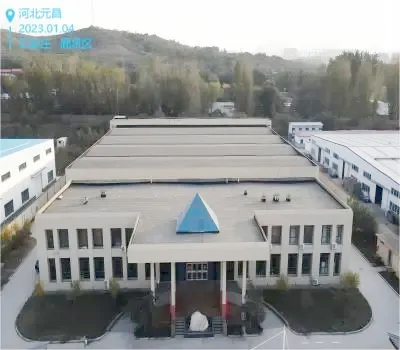 Precision components from Japanese Mazak CNC.
- Extensive Machining Facilities: Our 14,000 square meter facility houses over 20 sets of processing machinery, including lathes, milling machines, grinders, boring machines, and wire cutting equipment. This allows us to produce high-precision parts in-house.
- Advanced CNC Technology: Since 2012, we've invested in 8 sets of Japanese Mazak CNC machining centers. This capability is critical for producing complex, high-tolerance, and non-standard components that are essential for the reliability and performance of our meat mixers and other equipment.
- Integrated R&D, Production, and Sales: We manage the entire product lifecycle internally, from initial design and research to manufacturing and final sales. This integration ensures quality control at every step and allows us to be responsive to market needs and customer feedback.
- Traceable After-Sales Management: Our commitment extends beyond the sale. We have a robust system for managing after-sales service, supported by our ability to independently produce high-precision replacement parts. This guarantees peace of mind for our international clients.
- Deep Industry Expertise: With decades of experience focusing on meat processing equipment, we possess a profound understanding of the operational challenges and quality demands faced by our customers. This expertise is reflected in the thoughtful design and robust engineering of our mixers.
By controlling our manufacturing processes, we can consistently deliver high-quality, durable, and precisely engineered meat mixers that meet international standards and exceed customer expectations. This level of manufacturing control is a key differentiator in the global market.
Commitment to Quality: Our Certifications
For international clients, quality assurance and compliance are paramount. Hebei Yuanchang Food Mechanism & Technology Co., Ltd. is committed to meeting global standards. While specific certifications can vary based on the exact product and target market, our manufacturing processes are geared towards compliance with:
- ISO 9001 Standards: Our quality management system is designed to align with ISO 9001 principles, ensuring consistent product quality and continuous improvement in our operations.
- CE Marking: For products destined for the European Economic Area, our machines are designed to meet CE marking requirements, indicating conformity with health, safety, and environmental protection standards.
- Food Grade Compliance: All materials in contact with food, particularly the stainless steel used in our mixers, are sourced and processed to meet international food-grade standards (e.g., FDA requirements for materials).
- RoHS Compliance: Where applicable, our electrical components adhere to RoHS (Restriction of Hazardous Substances) directives.

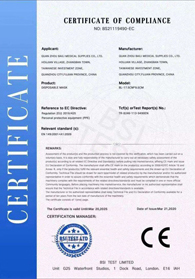


Our commitment to quality extends from the precision of our engineering to the reliability of our after-sales support. We understand that for international trade, trust is built on demonstrable adherence to standards and consistent performance.
What Our Clients Say
"We upgraded our mixing line with one of Yuanchang's vacuum mixers about 18 months ago. The difference in our sausage emulsion quality is remarkable. Reduced air pockets, better binding, and much easier to achieve consistent fat distribution. Downtime has been minimal. Their support during installation was also very helpful."

Production Manager, USA
"As a pet food manufacturer, ingredient consistency is critical. The large-capacity mixer we purchased from Hebei Yuanchang has significantly improved our batch uniformity. Cleaning is straightforward, which is a huge plus in our HACCP-compliant facility. The build quality is robust, exactly what we needed for continuous operation."

Operations Director, Canada
"We needed a custom-sized mixer for a specific product line, and Hebei Yuanchang delivered. Their willingness to work with our engineers on the ODM project was impressive. The machine performs beyond expectations, and the precision of the components is evident. A reliable supplier for specialized industrial needs."

Procurement Specialist, UK
"The meat mixer we sourced from Yuanchang has been running 5 days a week for over two years with only routine maintenance. It consistently produces well-blended mixtures for our burger patties. The price was competitive, but the real value is in its uptime and the quality it helps us achieve. Glad we chose them."

Plant Manager, Australia
Frequently Asked Questions (FAQ)
A: Lead times can vary based on model complexity, customization, and current production schedules. Generally, standard models might take 4-8 weeks, while custom or large-scale units could require 8-16 weeks. We can provide a more precise estimate upon inquiry.
A: We provide comprehensive installation guidance and can offer remote technical support. For complex installations, we can discuss options for on-site assistance through our trained partners or engineers, depending on your location and project scope.
A: Our industrial meat mixers typically come with a standard one-year warranty covering manufacturing defects. Critical components and longer warranties may be available for certain configurations or through extended service agreements. Detailed warranty information will be provided with your quotation.
A: For frozen meat blocks, pre-grinding or thawing is usually required before mixing. Standard mixers are designed for chilled or slightly thawed meat. Heavy-duty grinders are typically used as a pretreatment step. We can advise on the best pre-processing equipment to complement your mixing needs.
A: We encourage you to provide details about your current line, including space constraints, power availability, and integration points with upstream (grinders, cutters) and downstream (fillers, molders) equipment. Our engineers can help assess compatibility and suggest the best-fit models or modifications.
A: Vacuum mixing removes air from the meat mixture, leading to a denser product, improved color stability (less oxidation), better binding properties (critical for sausages and emulsified products), and a smoother, more uniform texture. It’s a key technology for premium meat products.
Elevate Your Meat Processing with Precision-Engineered Mixers
Don't let inefficient blending limit your product quality and production output. Partner with Hebei Yuanchang for industrial meat mixers that deliver reliability, consistency, and performance.
Talk to Our Experts
Our team of industrial engineers and export specialists is ready to discuss your specific needs and recommend the ideal meat mixer solution for your facility.
ycmeatmech@gmail.com