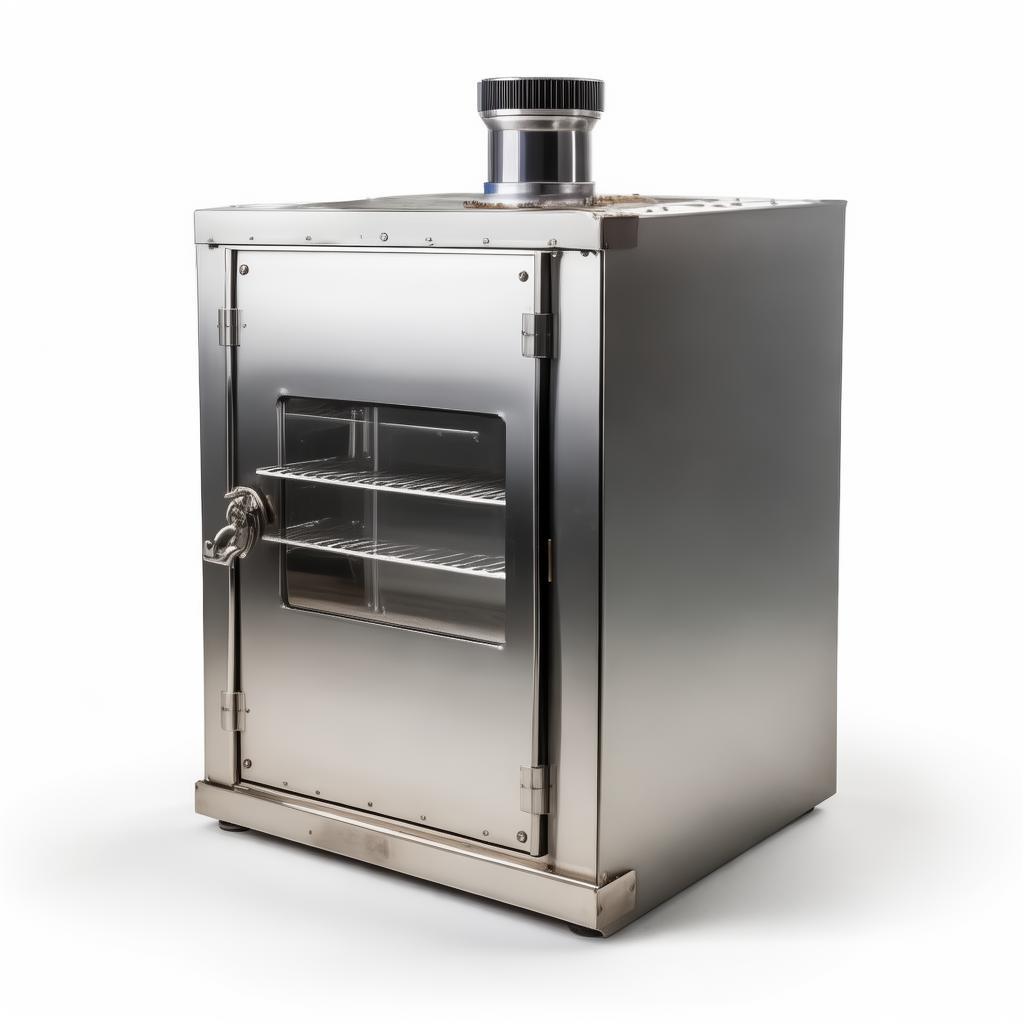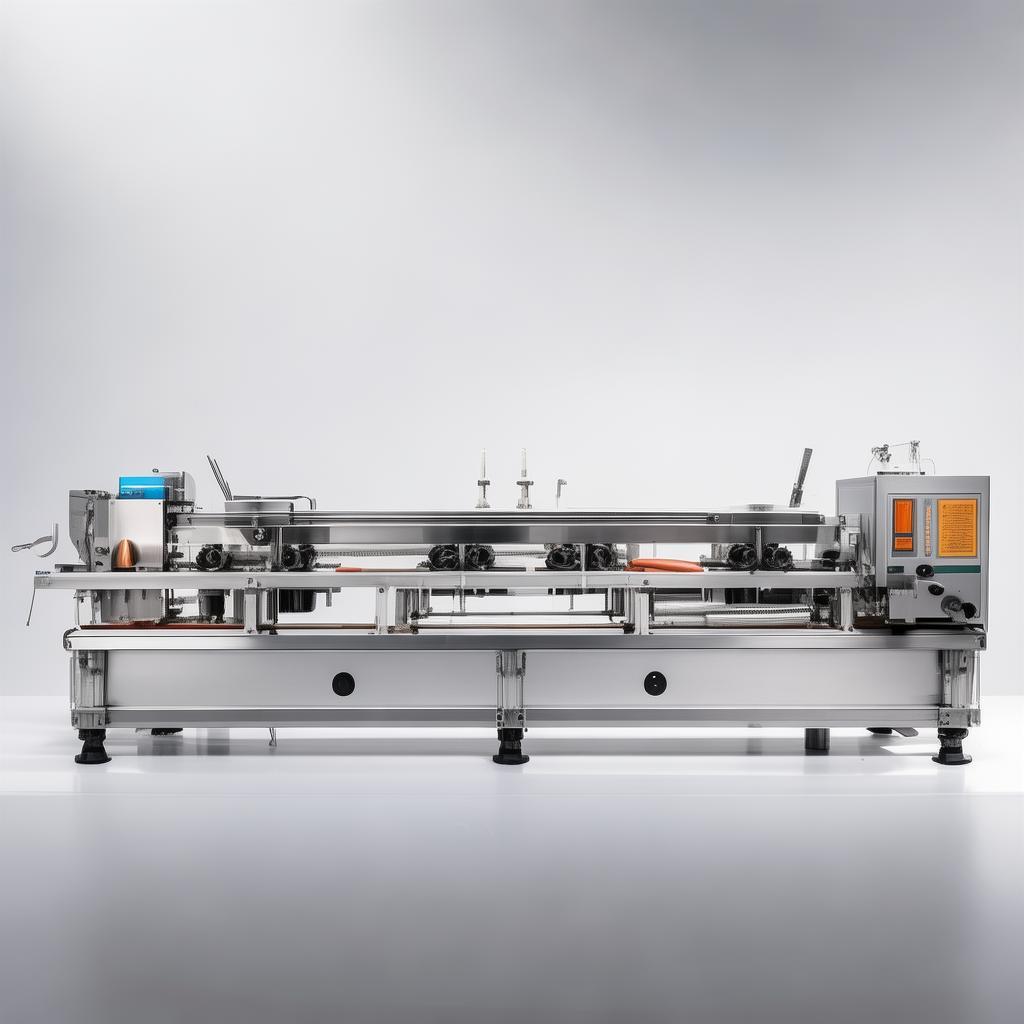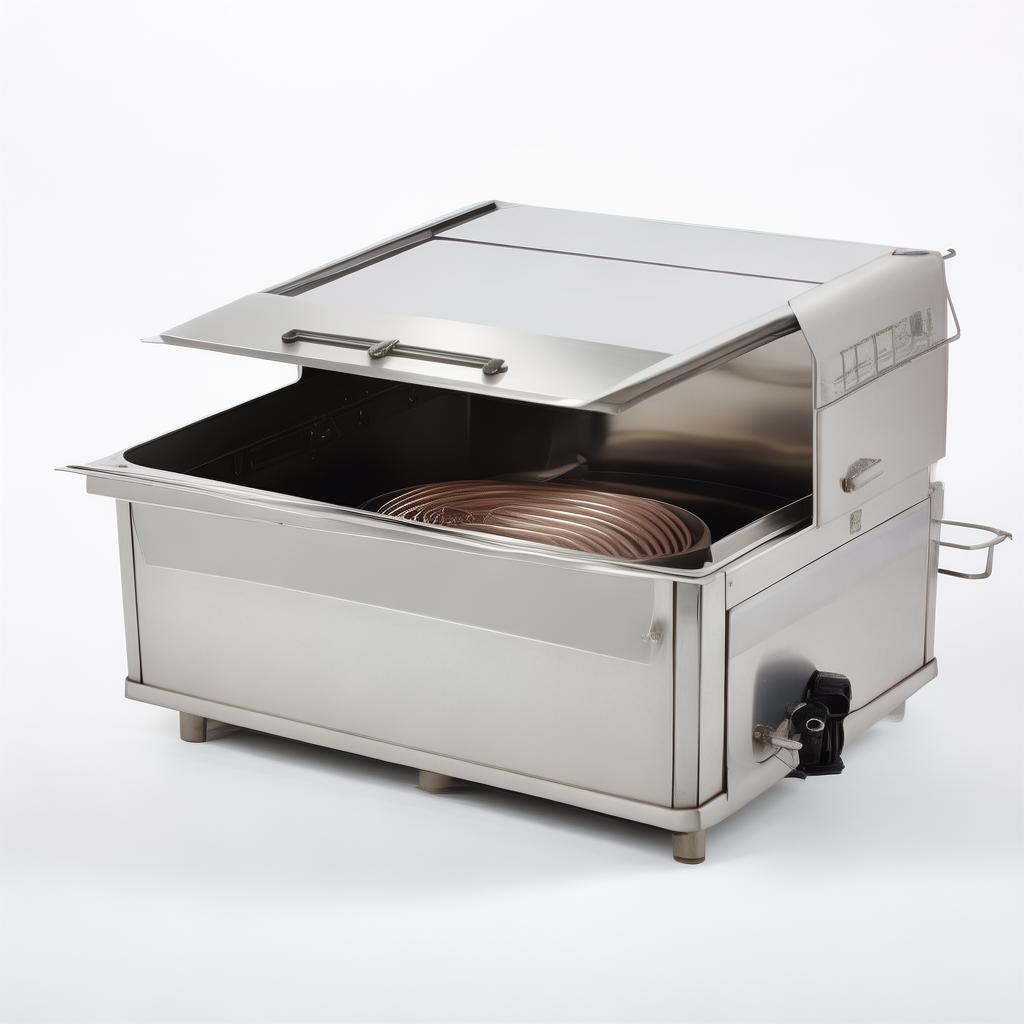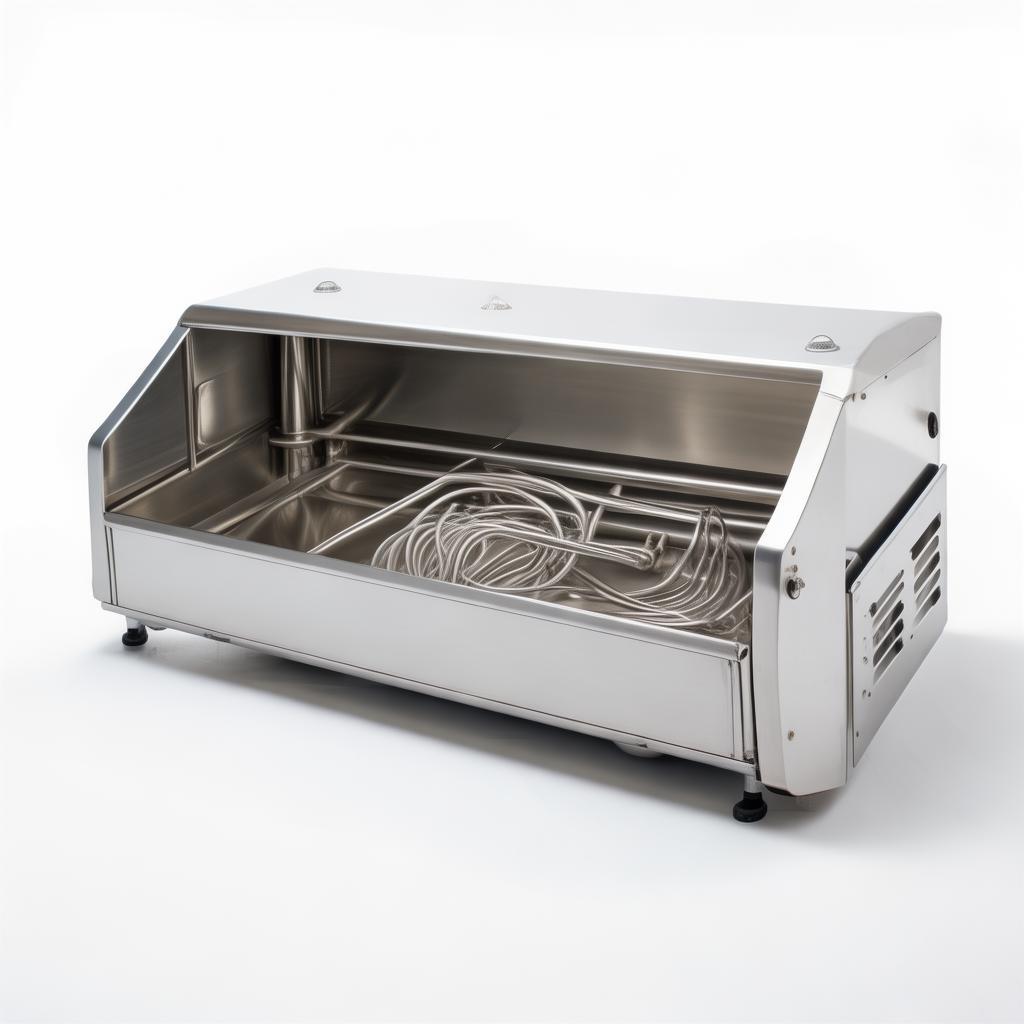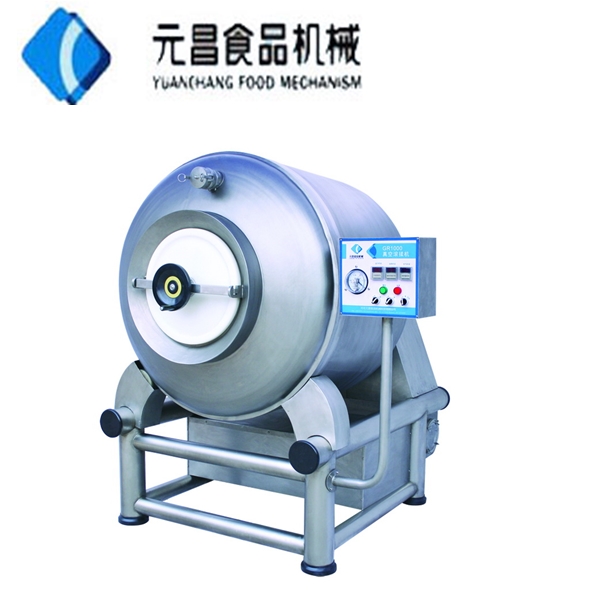
Meat Filler Machine
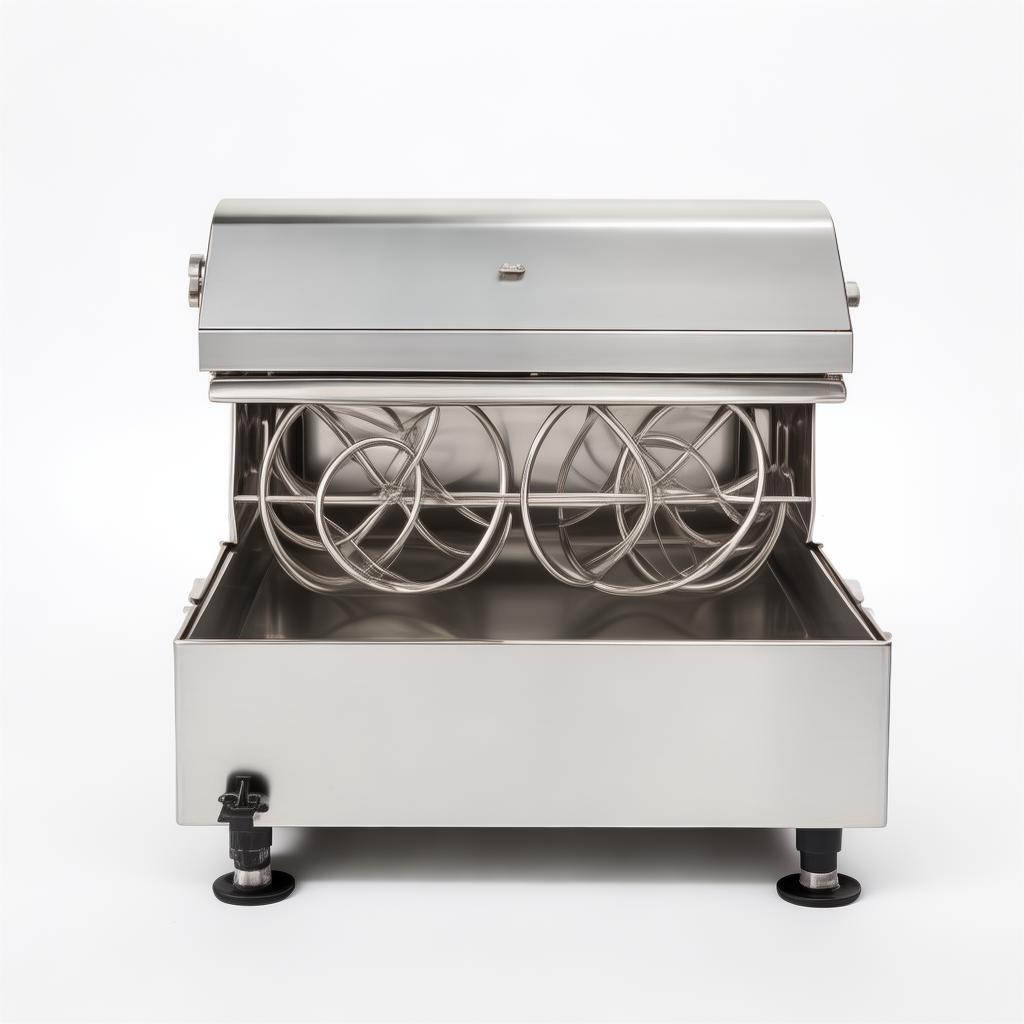
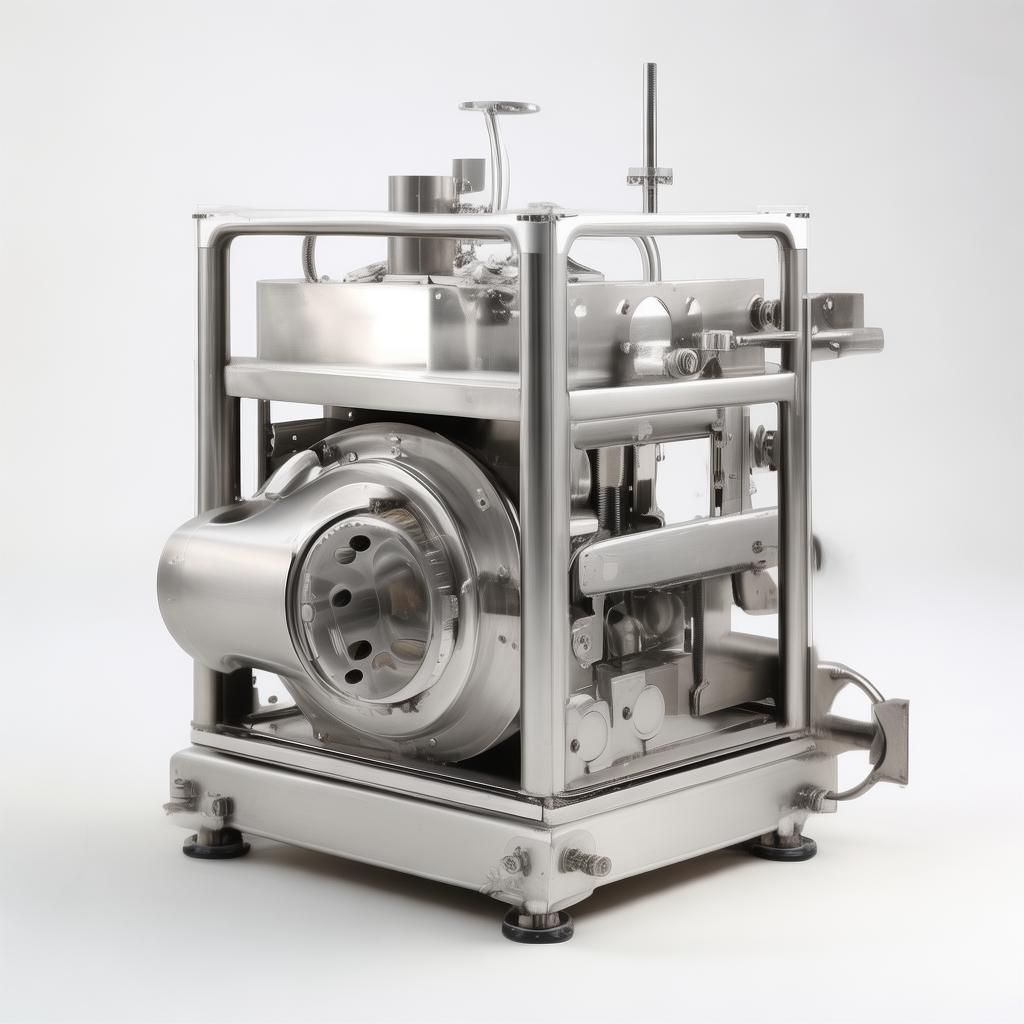
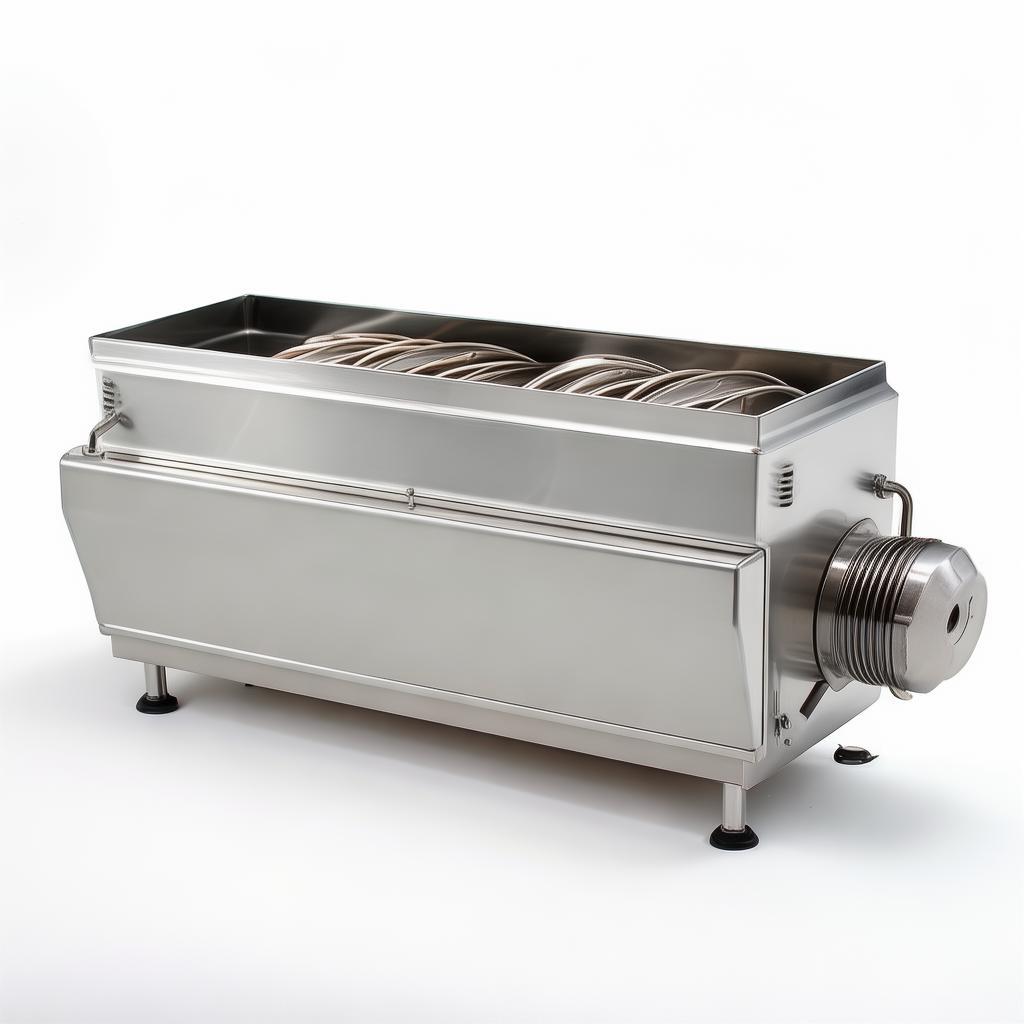
Precision Meat Filling Machines: Elevating Your Sausage and Processed Meat Production
By:  Li Wei, Senior Export Manager at Hebei Yuanchang Food Mechanism & Technology Co., Ltd.
Understanding the Core of Meat Filling: More Than Just Stuffing
In the competitive landscape of processed meat production, the humble meat filler machine—often called a sausage stuffer or emulsifier—is the true workhorse. It's not just about pushing ground meat into casings. It's about achieving precise weights, uniform textures, and consistent quality batch after batch. For businesses focused on everything from artisanal sausages to mass-produced deli meats, the reliability and efficiency of their filling machinery directly impact profitability and brand reputation. We're talking about a critical piece of equipment that underpins the entire forming and packaging process.
The global meat processing equipment market, a sector valued at over USD 11 billion annually and projected to approach USD 19 billion by 2034 according to industry analyses like those from Fortune Business Insights and Grand View Research, highlights the immense scale and ongoing growth of this industry. This expansion is fueled by a growing global appetite for processed meats—convenience foods that cater to busy lifestyles and evolving consumer preferences. However, this demand also brings significant operational pressures. Manufacturers face a constant need to increase output, maintain stringent hygiene standards, and control labor costs, all while ensuring the final product meets consumer expectations for taste, texture, and appearance.
At its heart, a meat filler machine is designed to accurately portion and shape meat batters into various forms, most commonly sausages. But the sophistication goes far beyond this basic function. Modern fillers are engineered for precision, capable of handling a wide range of meat types, fat percentages, and spice blends. The choice of filling technology—whether it's a piston-based system, a screw-driven mechanism, or a combination—significantly influences the final product's texture and the machine's suitability for different applications. For instance, high-speed production lines demand fillers that can deliver thousands of kilograms per hour without compromising accuracy, while smaller operations might prioritize flexibility for producing diverse product lines, from delicate pâtés to firm frankfurters.
We've observed firsthand that the "right" meat filler isn't a one-size-fits-all solution. It must align with your specific production volume, the types of products you intend to create, the casings you use (natural, collagen, synthetic), and even the available factory space and utility hookups. A machine that's too small will bottleneck your entire operation, leading to overtime and lost sales. Conversely, an oversized, overly complex unit might represent an unnecessary capital expenditure and introduce maintenance challenges if not fully utilized. That’s where understanding the nuances of machine design, material handling, and process integration becomes paramount.
The need for automation in meat processing is undeniable. As cited in market reports, rising labor costs and shortages are significant drivers for adopting advanced machinery. Furthermore, regulatory bodies worldwide are increasingly focused on food safety and hygiene. Automated filling systems minimize manual handling, reducing the risk of contamination and ensuring a more sanitary production environment. This is not just about compliance; it's about building consumer trust and protecting your brand. A well-chosen filler contributes to a safer, more efficient, and ultimately more profitable operation.
At Hebei Yuanchang, with our 40 years of dedicated experience since 1986, we've seen the evolution of meat processing technology. We understand that selecting a meat filler machine is a strategic investment. It requires a deep dive into technical capabilities, build quality, ease of operation, maintenance requirements, and, critically, the supplier's commitment to after-sales support. Our goal is to provide you with not just a piece of equipment, but a robust solution that enhances your production efficiency, ensures product consistency, and supports your business growth in the long term. This page delves into what makes a superior meat filler and how our offerings stand out in the global market.
With market projections indicating continued robust growth in the meat processing equipment sector, driven by factors like increasing demand for convenience foods, advancements in automation, and stringent food safety regulations, the need for reliable, high-performance filling machinery is more critical than ever. The global processed meat market itself is on a trajectory to exceed USD 1.25 trillion by 2034, according to Fortune Business Insights. This paints a clear picture: the demand for high-quality, efficiently produced processed meats is only set to climb, making the investment in the right filling technology a strategic imperative for any forward-thinking food processor.
Our expertise, honed over decades, allows us to guide you through this complex decision. We don’t just sell machines; we offer integrated solutions backed by deep industry knowledge. Whether you’re looking to scale up production, introduce new product lines, or simply improve the efficiency and consistency of your current operations, understanding the capabilities and limitations of different meat filler designs is key. This introduction sets the stage for a detailed exploration of how our advanced meat filling machines can be the cornerstone of your success.
Operational Hurdles in Meat Processing: Common Pain Points We Address
Running a meat processing plant involves navigating a complex web of operational challenges. Many of our clients come to us grappling with issues that directly impact their bottom line. One of the most common frustrations is inconsistent product weight and fill. This isn't just about minor variations; significant deviations can lead to product giveaway, reduced profit margins, and issues with regulatory compliance, especially in markets with strict portion control laws. Achieving precise fill weights, particularly at high speeds, requires machinery engineered for accuracy.
Another significant concern is product texture and appearance variability. The way meat is handled during the filling process—the shear forces, the pressure applied—can drastically alter the final texture. Overworking the meat can lead to a mushy texture, while insufficient filling might result in casings that are too loose or prone to bursting. Maintaining a consistent, desirable texture is crucial for consumer satisfaction and brand loyalty. This is where the design of the filling mechanism, including the type of pump and nozzle, becomes critical. For example, delicate batters for products like pâtés require a gentler approach than the high-pressure filling needed for firm sausages.
Hygiene and sanitation are non-negotiable in food processing. Manual cleaning of complex machinery can be time-consuming, labor-intensive, and prone to human error, leaving potential breeding grounds for bacteria. Equipment that is difficult to disassemble or clean thoroughly poses a significant risk to product safety and can lead to costly downtime for deep cleaning or, worse, product recalls. Modern fillers are designed with ease of cleaning in mind, featuring smooth surfaces, minimal crevices, and quick-release components.
Production bottlenecks are a constant threat. If the filling process cannot keep pace with upstream (grinding, mixing) or downstream (linking, smoking, packaging) operations, the entire line slows down. This inefficiency translates directly into higher labor costs per unit produced and missed market opportunities. Selecting a filler with sufficient throughput capacity is vital to maintaining a smooth, continuous production flow. The meat processing equipment market reports indicate that filling and stuffing equipment are key segments driving growth, underscoring their central role in production efficiency.
Finally, maintenance and downtime are major operational drains. Mechanical failures can halt production unexpectedly, leading to significant financial losses. The availability of spare parts, the ease of performing routine maintenance, and the robustness of the machine's construction all play a role in minimizing downtime. For businesses importing equipment, understanding the supplier's ability to provide timely technical support and readily available spare parts is a crucial consideration. Our approach at Yuanchang emphasizes building machines that are not only high-performing but also durable and straightforward to maintain.
Why Choose Yuanchang's Meat Filler: Engineering for Your Success
Our meat filler machines are not simply assembled; they are meticulously engineered solutions designed to tackle the very challenges our clients face daily. We leverage our 40 years of experience to deliver equipment that offers tangible benefits:
- Unrivaled Filling Accuracy: Utilizing advanced piston or screw-driven systems, our fillers provide exceptional precision in portion control. This means consistently accurate weights for every sausage or formed product, minimizing giveaway and ensuring product uniformity. You'll see it in reduced rejects and improved yield right from the start.
- Superior Product Texture & Quality: The design of our filling head and auger/piston assembly is optimized to handle meat batters gently, preserving texture and preventing overworking. This results in products with the desired mouthfeel and appearance, crucial for consumer acceptance. We can cater to both delicate emulsions and firmer meat mixtures.
- Streamlined Operation & High Throughput: Built for efficiency, our machines can handle substantial volumes, keeping pace with demanding production schedules. Variable speed controls and intuitive interfaces allow operators to fine-tune performance, ensuring a seamless integration into your existing line. Markets like Asia-Pacific are seeing rapid industrialization of processing facilities, driving demand for such high-capacity machines.
- Robust Construction & Durability: We use high-grade stainless steel (SUS304 or higher) for all food contact parts and robust structural components. This ensures longevity, resistance to corrosion in demanding environments, and compliance with stringent food safety standards. Our in-house machining capabilities, including Japanese Mazak CNC centers, guarantee the precision and durability of critical parts.
- Enhanced Hygiene & Ease of Cleaning: Designed with sanitary principles in mind, our fillers feature smooth surfaces, minimal dead zones, and easily detachable components. This significantly reduces cleaning time and labor, ensuring compliance with HACCP and other food safety protocols. Quick disassembly means faster changeovers and less risk of cross-contamination.
- Reliable After-Sales Support: We stand by our products. With a traceable after-sales management system and the capability to produce high-precision parts independently, we ensure that any maintenance or spare part requirement is addressed promptly and efficiently, minimizing your operational downtime.
Consider the meat and poultry processing equipment market, which is projected to reach USD 30.5 billion by 2035. This growth is driven by automation and hygiene standards—exactly the areas where our fillers excel.
Key Technical Specifications & Features
Our meat filler machines are available in various configurations to suit diverse production needs. Below is a representative overview of a common model, with customization options always available:
| Feature | Specification / Description |
|---|---|
| Model Name | YC-F1000 (Example Model) |
| Hopper Capacity | 100 Liters (approx. 100 kg) |
| Filling Speed (Pcs/min) | Adjustable, up to 120 (depending on product & operator skill) |
| Portioning Range (g) | 10g - 1000g (customizable) |
| Power Supply | 380V / 50Hz / 3 Phase (or as per local standards) |
| Motor Power | 5.5 kW (example) |
| Machine Dimensions (L x W x H) | Approx. 1.5m x 0.9m x 1.6m |
| Material | SUS304 Stainless Steel (food-grade) |
| Control System | PLC Control with Touch Screen Interface |
| Filling Mechanism | Piston Type / Screw Type (choice available) |
| Key Features | Automatic portioning, Twist-linking capability, Easy-clean design, Safety interlocks, Variable speed control, Precise temperature control interface. |
Beyond these standard specifications, we offer various nozzle sizes and types, specialized augers for different batters, and integration with automatic linking machines. The PLC control system allows for precise programming of filling parameters, ensuring repeatability and reducing the need for constant manual adjustments. This level of control is crucial for maintaining product consistency, a point emphasized in market reports like the one from Mordor Intelligence, which highlights the importance of consistent output in the sector.
Operational Insight:
When selecting your filler, consider not just the maximum speed but the optimal running speed that balances throughput with product quality and machine longevity. Running a machine at its absolute limit might increase output momentarily but can lead to faster wear and tear and reduced consistency. Our engineers can help you find that sweet spot.
Versatile Applications Across the Board
Our meat filler machines are designed to be adaptable, serving a wide array of applications within the meat processing industry. Whether you're producing high-volume consumer products or specialized gourmet items, our equipment is built to perform.
- Sausage Production: This is the primary application. From breakfast links and frankfurters to Italian sausage and bratwurst, our fillers ensure consistent size, weight, and filling density for both natural and artificial casings. We support both continuous filling and portion-controlled twisting for linked products.
- Formed Meat Products: Beyond sausages, our fillers are crucial for creating formed products like meatloaves, burger patties (when paired with forming molds), and certain types of deli meats. The precise portioning capability is key here.
- Pâtés and Terrines: For more delicate applications, our machines can be configured with specialized nozzles and gentler filling mechanisms to handle fine emulsions without compromising their smooth texture, ideal for pâtés and terrines. This aligns with the growth in reconstituted meat market demand for specialized equipment.
- Pet Food Processing: Our expertise extends to the pet food industry. We offer fillers suitable for processing meat-based pet foods, ensuring consistent portions and formulations for kibble binders or wet food products.
- Poultry and Fish Products: The technology is equally effective for processing poultry (chicken, turkey) and fish, enabling the production of fish sausages, fish cakes, and other formed seafood products.
The processed meat market is incredibly diverse, encompassing cured, smoked, and filled products. Our machinery is a foundational component for producing many of these, ensuring that manufacturers can meet varied consumer demands for different textures and flavor profiles.
Navigating Your Procurement Decision: What Buyers Need to Consider
Purchasing industrial equipment, especially for international markets, requires a structured approach. We often advise our clients to consider the following critical factors when evaluating meat filler machines and suppliers:
1. Production Volume & Scalability
What is your current daily or hourly output target? More importantly, do you anticipate growth? Choosing a machine that can handle your projected needs for the next 3-5 years prevents costly upgrades or bottlenecks later. Consider the machine's capacity vs. your line's integrated speed.
2. Product Variety & Flexibility
Will you be producing a single product or a diverse range? For varied products, look for machines with easy-to-change nozzles, flexible programming, and the ability to handle different viscosity batters. Our modular design philosophy aims to provide this adaptability.
3. Material Handling Capabilities
The type of meat batter (lean content, particle size, binder inclusion) significantly affects performance. Ensure the machine is specified to handle your typical formulations without jamming or compromising the filling process. Our experience spans across various meat types, from pork and beef to poultry and even fish.
4. Ease of Operation & Maintenance
A machine that is intuitive to operate reduces training time and errors. Similarly, easy disassembly for cleaning and straightforward maintenance procedures are vital. Look for features like quick-release components and accessible service points. We invest heavily in making our machines operator-friendly.
5. Supplier Reliability & Support
This is where international procurement gets tricky.:
- Experience: How long has the manufacturer been in business? Do they specialize in this type of equipment?
- Manufacturing Capabilities: Do they have in-house machining for critical parts, ensuring quality control? (We do, with advanced CNC centers.)
- After-Sales Service: What is their warranty policy? How quickly can they provide spare parts and technical support? Do they offer remote diagnostics?
- Certifications: Does the equipment meet relevant international standards (e.g., CE for European markets)?
At Hebei Yuanchang, our 40-year history and ISO certifications are testaments to our commitment to quality and reliability. We understand the importance of a robust supply chain for our global clients.
Procurement Tip:
Always ask for detailed shipping and crating information upfront. This impacts transit times, costs, and the condition of the equipment upon arrival. Proper crating is essential for protecting high-value machinery during international transit.
Our Manufacturing Prowess: 40 Years in the Making
Hebei Yuanchang Food Mechanism & Technology Co., Ltd. isn't just another equipment supplier; we are a vertically integrated manufacturer with deep roots in precision engineering. Since our founding in 1986, we have dedicated ourselves to mastering the science and art of meat processing equipment.
Spanning approximately 14,000 square meters, our facility is home to a team of 80-100 skilled professionals who are experts in R&D, production, and sales. Our core strength lies in our comprehensive in-house machining workshop, equipped with over 20 sets of advanced processing machinery. This includes lathes, milling machines, high-precision grinding machines, boring machines, plate shears, bending machines, and wire cutting equipment. This robust internal capability allows us to control every stage of component manufacturing.
A significant milestone in our development was the integration of 8 sets of Japanese Mazak CNC machining centers in 2012. This investment empowered us to undertake the production of components requiring extreme precision, high volumes, and non-standard specifications – precisely the kind of parts that differentiate high-quality machinery. This capability ensures that critical components in our meat filler machines, like precision gears, robust shafts, and perfectly machined filling chambers, meet the highest international standards.
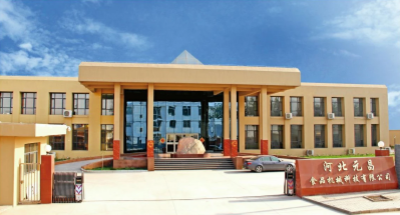
Our product lines, including pretreatment, filling/molding, and ripening equipment for meat products, are developed with a holistic view of the entire processing chain. This integrated approach allows us to understand how each piece of equipment interacts and impacts the final product quality. Coupled with our traceable after-sales management system, our ability to independently produce high-precision parts guarantees worry-free operation and exceptional support for our clients worldwide.
Manufacturer's Insight:
The difference between a good meat filler and a great one often lies in the tolerance and precision of its internal components. Our investment in CNC technology ensures these critical parts are manufactured to exact specifications, directly translating to smoother operation, longer lifespan, and superior product consistency for you.
Quality Assured: Certifications & Standards
At Hebei Yuanchang, we understand that international trade demands adherence to global quality and safety standards. Our commitment to excellence is reflected in our adherence to:
-
 ISO 9001 Quality Management
-
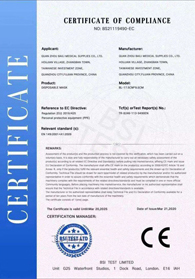 CE Marking (for EU markets)
-
 RoHS Compliance
Our machines are built using food-grade stainless steel (SUS304) and components that meet international safety regulations. We ensure that our equipment is not only efficient and reliable but also safe for use in food processing environments, aligning with industry trends driving demand for high-quality, compliant machinery.
For specific market requirements, such as FDA compliance for certain regions, we can discuss and implement necessary modifications. Transparency in our manufacturing processes and adherence to recognized standards build the trust essential for long-term international partnerships.
What Our Partners Say: Real-World Feedback
We pride ourselves on building lasting relationships with our clients, grounded in the performance and reliability of our equipment. Here’s what some of them have shared:
"We were looking to upgrade our sausage line for better consistency and higher output. The YC-F1000 model from Yuanchang has been a game-changer. The precision in portioning is excellent, and the machine is surprisingly easy to clean given its capacity. Downtime has been minimal."

Operations Manager, USA
"As an importer, finding a reliable supplier with robust machinery was key. Yuanchang's communication and their willingness to provide detailed specs and support were impressive. Their meat filler meets our quality standards, and the delivery was handled professionally."

Procurement Director, Canada
"We've been using Yuanchang's filling machines for our diverse range of products, from frankfurters to finer pâté. The flexibility and consistency they offer are crucial for our business. The engineering is solid – built to last."

Production Supervisor, Mexico
"The after-sales support from Yuanchang has been exceptional. When we had a query about optimizing a new recipe, their technical team provided timely guidance. It's reassuring to know we have a partner who understands our operational needs."

Plant Manager, UK
Trust Through Transparency
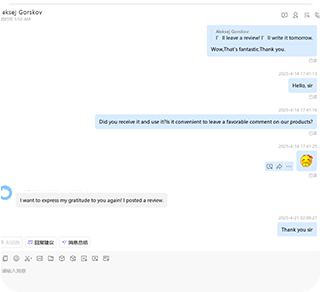
We believe in clear communication and direct problem-solving. Here's a glimpse of how we engage with potential partners to address their specific needs:
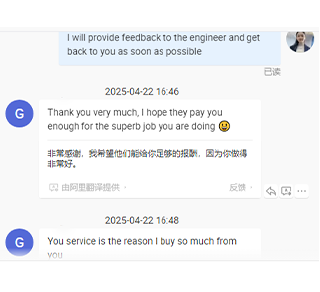
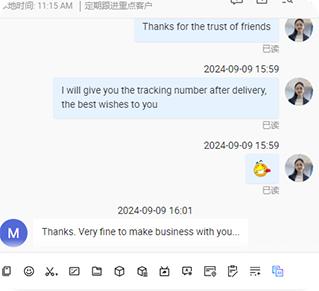
commercial meat dicer machine fresh meat dicer machinery meat dicing machine
Frequently Asked Questions
- Q: What is the typical lead time for a meat filler machine?
- A: Lead times can vary based on current production schedules and any customization required. Typically, it ranges from 30 to 60 days from order confirmation to shipment. We always provide an estimated delivery schedule upon order.
- Q: Do your machines require special installation or training?
- A: Installation is generally straightforward, requiring standard electrical and air connections. We provide comprehensive user manuals and can offer remote training support. On-site training can be arranged at an additional cost if required.
- Q: What kind of maintenance is required for these fillers?
- A: Routine maintenance includes daily cleaning, lubrication of moving parts, and regular checks of seals and belts. We provide a detailed maintenance schedule in the operation manual. Our robust design aims to minimize unscheduled maintenance.
- Q: Can your fillers handle frozen meat pieces?
- A: Our standard fillers are designed for refrigerated meat batters (typically -2°C to 4°C). Processing frozen meat directly requires specialized equipment and techniques that can significantly stress the machine. For best results, meat should be tempered or ground/emulsified before filling.
- Q: What are the shipping and logistics like for international orders?
- A: We professionally crate our machines for international shipping. We can arrange FOB, CIF, or DDP terms as per your preference and can provide all necessary documentation for customs clearance. Container optimization is considered to maximize space and minimize shipping costs.
- Q: Do you offer OEM or ODM services for meat fillers?
- A: Yes, we do offer OEM and ODM services. With our strong R&D and advanced manufacturing capabilities, we can customize machines to your specifications or develop entirely new solutions based on your unique requirements. Contact us to discuss your project.
Ready to Elevate Your Meat Processing Efficiency?
Let our 40 years of expertise in food machinery bring precision, consistency, and reliability to your production line. We offer robust solutions tailored to your specific needs.
Contact us today for a personalized consultation.
Phone: +86 15830991513 | E-mail: ycmeatmech@gmail.com