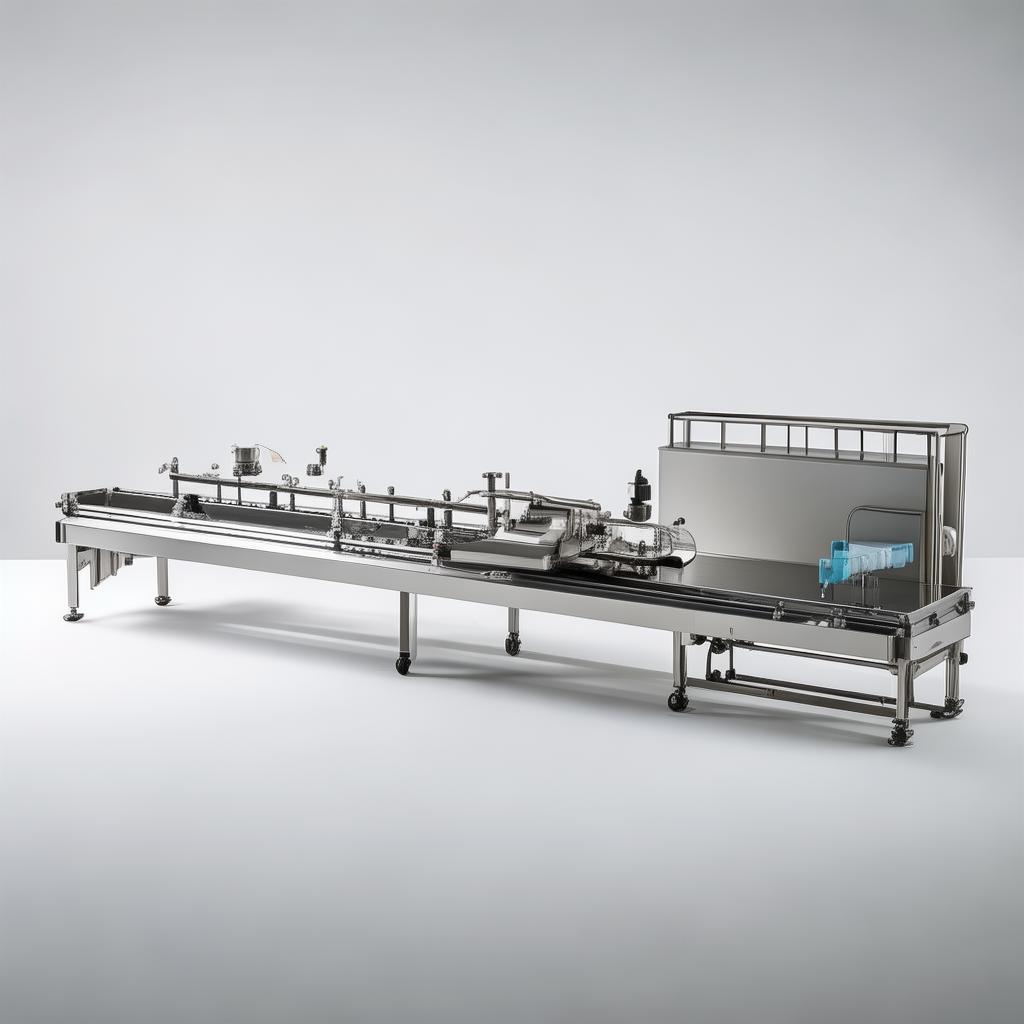
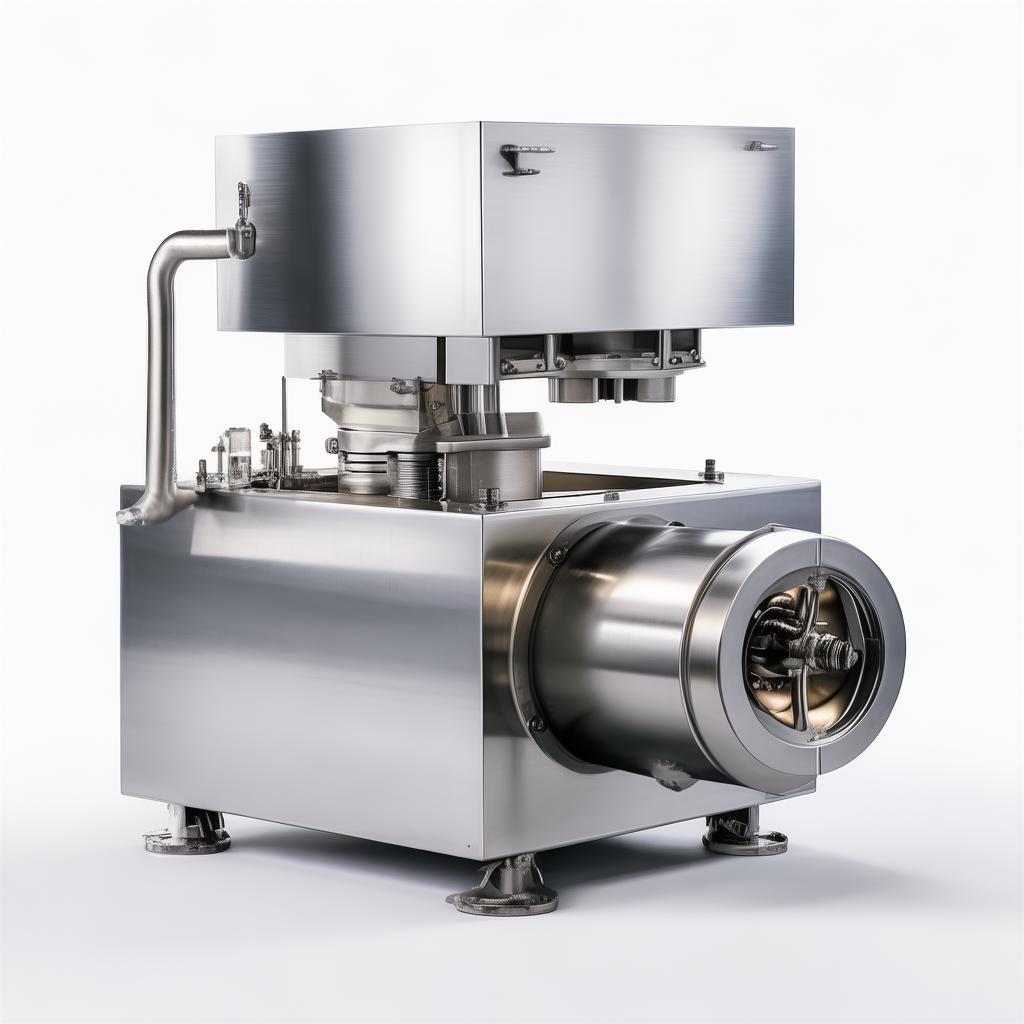
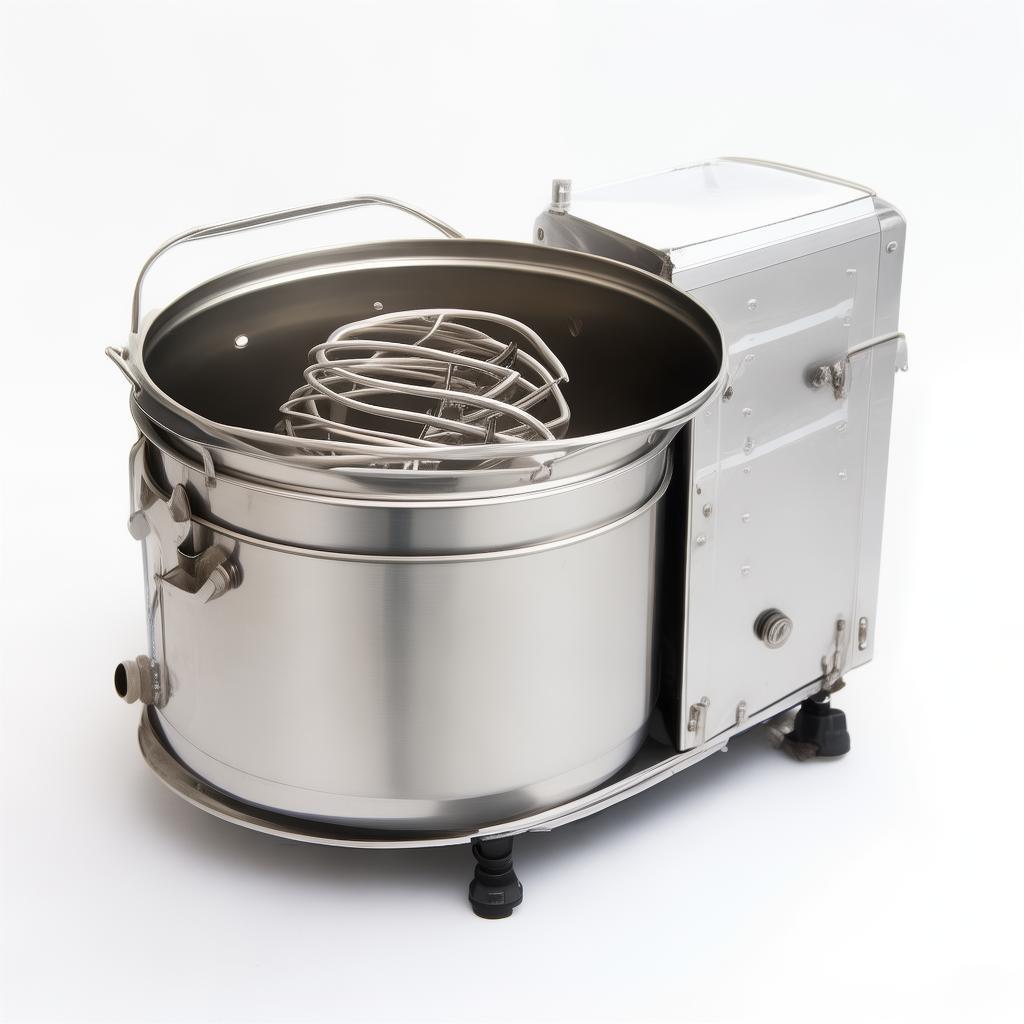
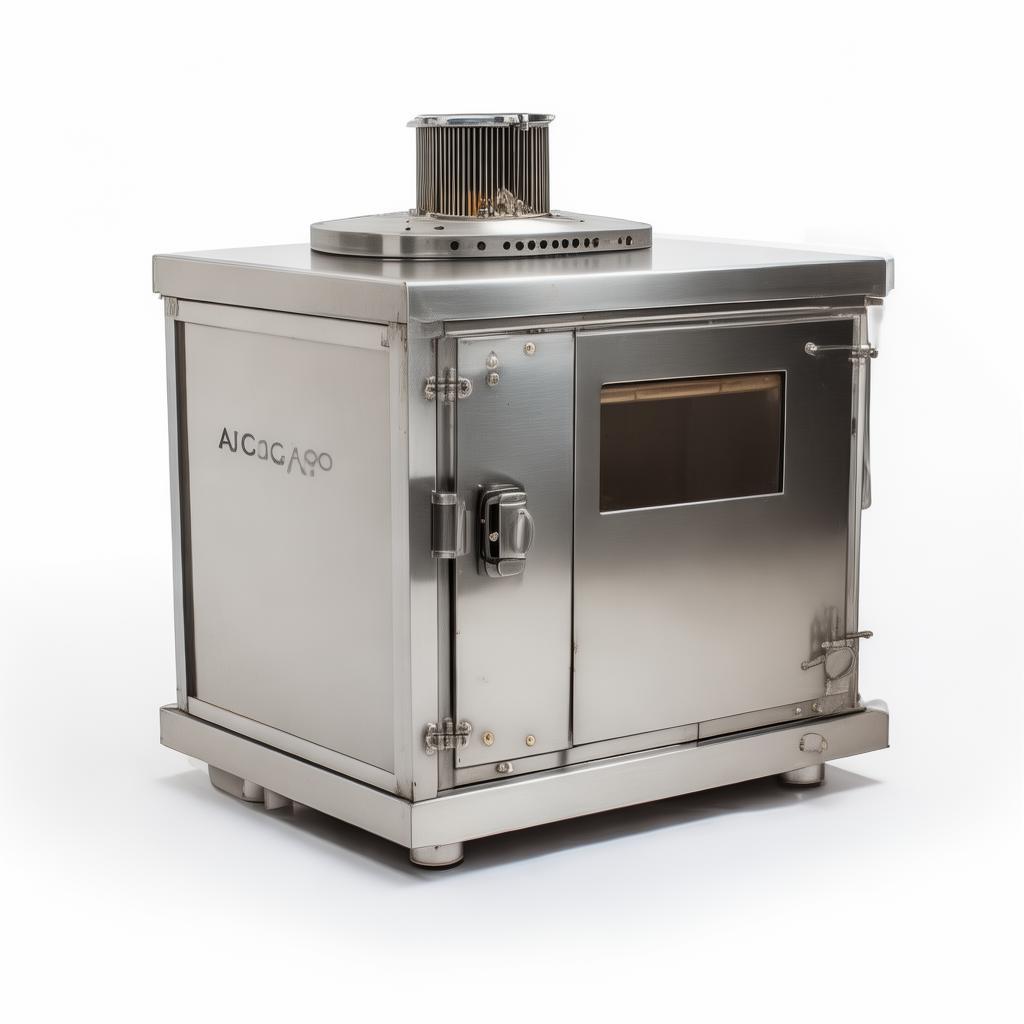
Meat Chopper Commercial
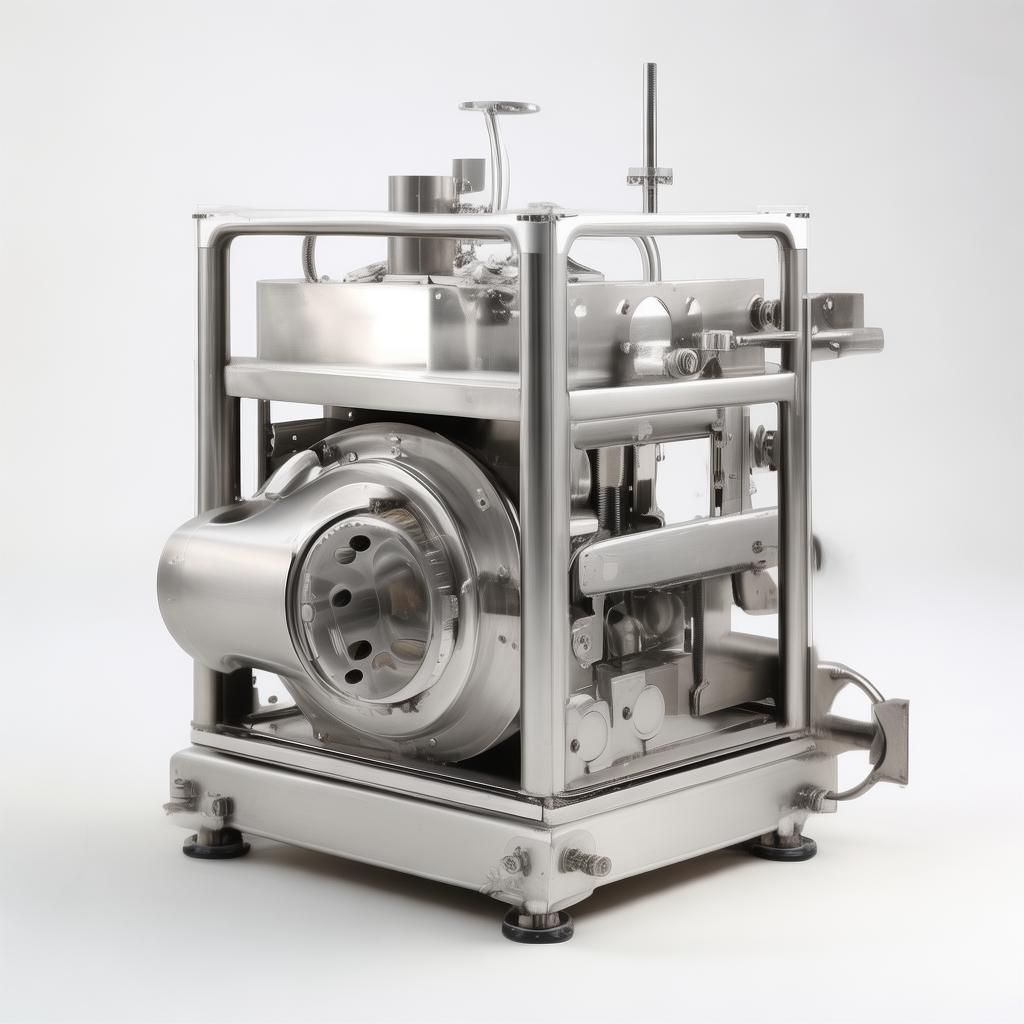
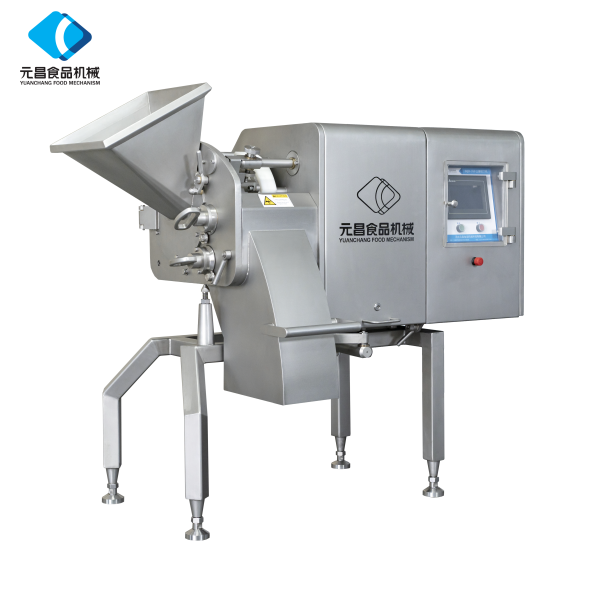
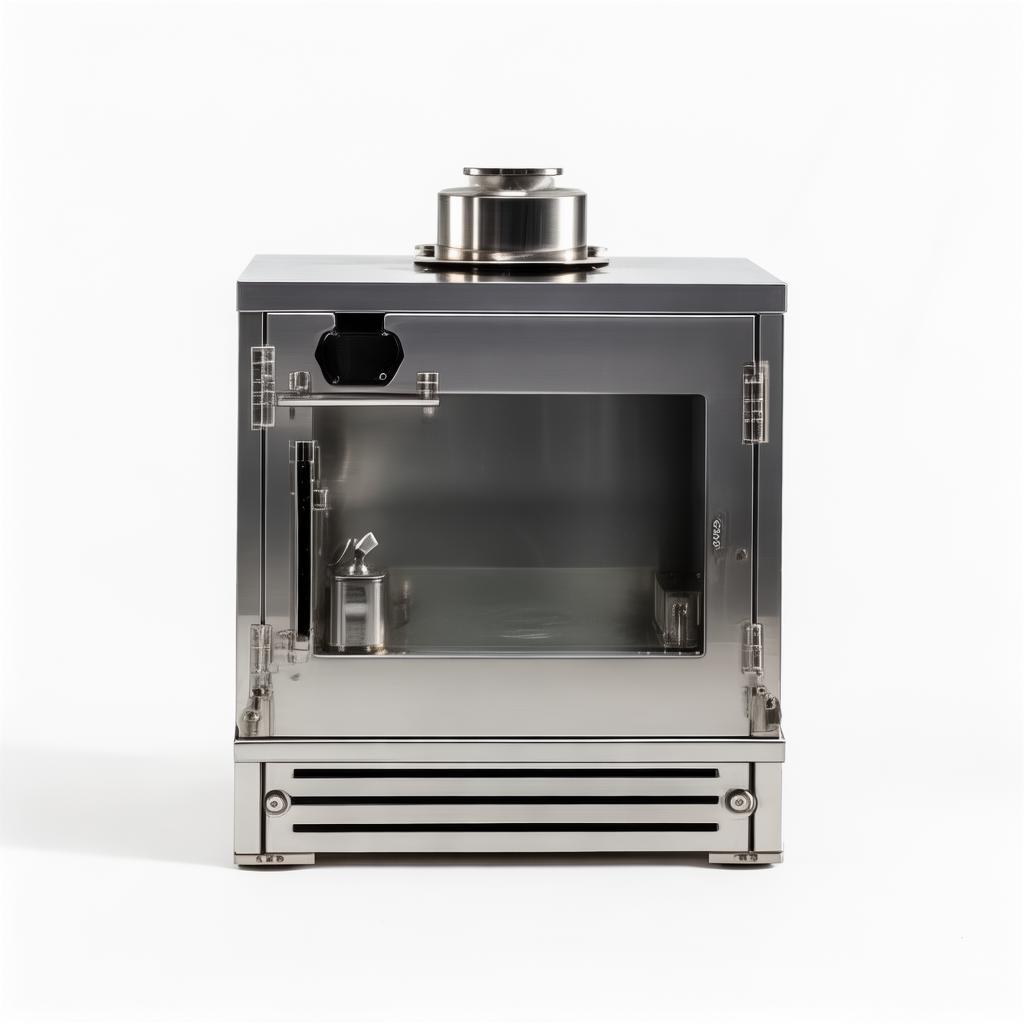
Commercial Meat Choppers: Precision, Efficiency, and Reliability for Your Food Processing Operations
In the demanding world of food processing, whether you're producing artisanal sausages, ready-to-eat meals, or high-volume pet food, the right equipment isn't just a convenience—it's foundational to your entire operation. At the heart of many meat processing lines lies the commercial meat chopper. More than just a grinder, a commercial chopper is a precision instrument designed to process various meat types into specific textures, forms, and preparations. It's an investment that impacts everything from product quality and consistency to production speed and ultimately, profitability. Navigating the market for commercial meat choppers requires understanding not just the machinery itself, but the operational demands it must meet. Factors like throughput, meat types handled, hygiene standards, ease of maintenance, and integration into existing workflows are critical considerations.
The global meat processing equipment market, valued at approximately USD 11.28 billion in 2024 and projected to reach USD 15.04 billion by 2030 (Grand View Research), underscores the significant investment and demand in this sector. This growth is propelled by several key drivers: the ever-increasing global demand for processed meats, the critical need for automation to improve hygiene and labor efficiency, and the stringent enforcement of food safety standards worldwide. Within this broad market, choppers and grinders play a pivotal role in the pretreatment phase, preparing meat for subsequent stages like filling, molding, or ripening. For businesses aiming to scale, maintain stringent quality control, or simply enhance operational efficiency, selecting a commercial meat chopper that aligns with specific processing needs is paramount. This guide delves into the essential aspects of commercial meat choppers, offering insights to help procurement managers, operations directors, and plant engineers make informed decisions. We’ll cover the technology, applications, crucial specifications, and the tangible benefits a robust chopper brings to your plant floor.

Table of Contents
- Operational Challenges in Meat Processing
- The Role of the Commercial Meat Chopper
- Key Features and Technical Considerations
- Material Excellence and Durability
- Versatile Applications Across the Industry
- Why Choose Hebei Yuanchang? Our Manufacturing Advantage
- Industry Standards and Certifications
- Installation, Maintenance, and Logistics
- Procurement Insights and Supplier Evaluation
- What Our Clients Say
- Frequently Asked Questions
- Get a Quote Today
Operational Challenges in Meat Processing
Running a modern meat processing facility presents a unique set of challenges. From maintaining consistent product quality batch after batch to meeting ever-tighter deadlines and navigating complex food safety regulations, the pressure is constant. Many operations struggle with:
- Inconsistent Texture: Achieving the desired fineness or coarseness in ground meat or pre-mixes can be difficult with outdated or undersized equipment, leading to rejected batches and customer dissatisfaction.
- Production Bottlenecks: Slow chopping or grinding can hold up entire processing lines, affecting output and increasing labor costs per unit. The global meat processing equipment market growth, projected at CAGR 5.0% to 7.7% across various reports, highlights the drive for efficiency.
- Hygiene and Sanitation: Inadequate equipment design can create hard-to-reach areas, becoming breeding grounds for bacteria. This not only risks product contamination but also complicates cleaning and sanitation protocols, a critical aspect for compliance.
- Material Inconsistencies: Handling different types of meat—from tough beef or pork to softer poultry—requires robust machinery capable of processing without jamming or damaging the product's integrity.
- Maintenance Downtime: Frequent breakdowns or the need for specialized, time-consuming repairs can severely impact production schedules and increase operational expenses.
These issues are not minor inconveniences; they directly affect your bottom line. Overcoming them requires strategic investment in reliable, high-performance machinery that understands the nuances of meat processing.
The Commercial Meat Chopper: Your Solution for Precision and Throughput
A commercial meat chopper, often used interchangeably with heavy-duty meat grinders, is engineered to tackle these challenges head-on. Its primary function is to precisely cut and process meat, either frozen or fresh, into uniformly sized particles. This uniform particle size is crucial for subsequent processing steps like emulsification for sausages, forming patties, or creating mixtures for further ripening and tenderizing processes.
At Hebei Yuanchang Food Mechanism & Technology Co., Ltd., our commercial meat choppers are designed with both performance and practicality in mind. We understand that a chopper is not just about raw power; it's about controlled power that delivers consistent results. Whether you're working with lean beef, fatty pork, poultry, or even preparing specialized ingredients for pet food—a field that's seeing significant growth, as evidenced by reports on the reconstituted meat market—our machines are built to deliver. They are the workhorses that ensure your raw materials are perfectly prepared, setting the stage for superior end products. The demand for refined textures in products like sausages and formed meats directly translates to a need for choppers that offer precise control over particle size.

By investing in a high-quality commercial meat chopper, you are investing in:
- Enhanced Product Quality: Consistent grind size leads to uniform texture, better emulsification, and improved visual appeal.
- Increased Production Efficiency: High throughput capabilities minimize bottlenecks and maximize your line's output.
- Improved Food Safety: Designs that prioritize ease of cleaning and minimize harborage points contribute to a more hygienic processing environment.
- Versatility: Ability to handle various meat types and achieve different particle sizes without compromising performance.
Key Features and Technical Considerations for Your Chopper
Selecting the right commercial meat chopper involves a deep dive into its technical specifications and design features. What might seem like minor details can have significant operational implications. When evaluating options, pay close attention to the following:
1. Drive System and Motor Power
The motor is the heart of the chopper. For commercial applications, you'll need a robust motor, typically ranging from 3 HP to 15 HP or more, depending on the model and intended throughput. The drive system (e.g., direct drive, belt drive) influences efficiency, noise levels, and maintenance requirements. A powerful motor ensures that the machine can handle frozen meat blocks or dense cuts without strain, preventing jamming and maintaining consistent RPMs.
2. Hopper and Feed Mechanism
The hopper size dictates how much meat you can load at once, impacting batch processing efficiency. For larger operations, a wider, more accessible hopper reduces manual loading effort. Some models feature integrated feeding mechanisms or paddles to assist material flow, ensuring a steady, even feed into the cutting chamber.
3. Cutting Assembly: Plates and Knives
This is where the magic happens. Commercial choppers use hardened steel knives and perforated plates (dies) with varying hole sizes. The combination of knife speed, sharpness, and plate pattern determines the final texture.
- Knives: Typically made from high-carbon stainless steel, often self-sharpening or designed for easy replacement.
- Plates (Dies): Available in numerous hole diameters (e.g., 2mm for fine grind, 8mm for coarse grind). The material is usually stainless steel. Some advanced systems offer double-grind capabilities for extremely fine emulsions.
Choosing the right plate and ensuring knives are sharp is fundamental to achieving the desired output consistency. Reports on the meat processing equipment market highlight the critical role of cutting and grinding machines in pretreatment.
4. Throughput Capacity
Expressed in kilograms or pounds per hour (kg/hr or lbs/hr), this is a key metric. Ensure the stated capacity is realistic for your intended meat type and grind size. A machine rated for 500 kg/hr might achieve that with fresh, semi-frozen beef, but could be lower with very hard frozen blocks.
5. Construction and Hygiene Design
Look for machines constructed from food-grade stainless steel (e.g., SS304). Essential features include:
- Seamless Surfaces: Welded seams should be smooth and polished to prevent food particle buildup.
- Accessible Components: Easy disassembly of the cutting head, auger, and hopper for thorough cleaning.
- Sealed Motors: Protecting the motor and electrical components from water and dust ingress is critical for longevity and safety.
These design elements are crucial for meeting stringent HACCP and GMP standards.
6. Safety Features
Interlocks on access points, emergency stop buttons, and overload protection are non-negotiable safety features. Operating with frozen meat, especially, requires robust safety systems to prevent equipment damage and protect personnel.

Material Excellence: Ensuring Longevity and Food Safety
The materials used in a commercial meat chopper are paramount to its performance, durability, and compliance with food safety regulations. At Hebei Yuanchang, we prioritize materials that offer the best balance of strength, corrosion resistance, and food-grade certification.
Stainless Steel (SS304 and SS316)
The gold standard for food processing equipment. SS304 is widely used for its excellent corrosion resistance, strength, and ease of cleaning. It forms the primary structure, hopper, auger, and housing of our choppers. For environments with even higher corrosive potential, SS316 offers superior resistance due to its molybdenum content.
Hardened Tool Steel
For the cutting knives and, in some cases, the plates, hardened tool steel is employed. This material provides the extreme hardness and edge retention necessary for efficiently slicing through meat, whether fresh or frozen. While not always polished to the same mirror finish as food-grade stainless steel, these components are designed for optimal cutting performance and are meticulously machined and heat-treated. We ensure these components are easy to access for maintenance and replacement.
High-Density Polymers (for Seals and Gaskets)
Where seals and gaskets are necessary, especially around motor shafts or access points, we use food-grade polymers. These materials offer flexibility, durability, and excellent sealing properties while adhering to strict food contact safety standards.
The choice of materials directly impacts the machine's lifespan, maintenance needs, and the overall safety of your food products. Our 40 years of experience since 1986 have taught us that investing in high-quality materials is non-negotiable for long-term reliability and customer trust.
Versatile Applications: Where Our Meat Choppers Excel
The commercial meat chopper is a fundamental piece of equipment across a wide spectrum of the food processing industry. Its ability to precisely control meat texture makes it indispensable for various applications:
Sausage and Cured Meats Production
This is perhaps the most common application. Choppers are used to achieve the fine, emulsified texture required for sausages (frankfurters, bologna, breakfast sausages) and other cured products. The consistency of the grind directly affects the binding and texture of the final product.
Burger and Patty Forming
For producing high-quality ground beef or blended patties, a consistent coarse grind is often desired. Our choppers can deliver this uniform texture, ensuring that each patty has the right bite and appearance.
Pet Food Manufacturing
The pet food industry relies heavily on precise meat processing for both wet and dry food formulations. Choppers are essential for creating the base meat ingredients, ensuring consistent particle size for palatability and digestibility. The market for pet food processing equipment is robust, reflecting this demand.
Ready-to-Eat Meals and Convenience Foods
Many convenience food products, such as meat sauces, fillings for pies, or pre-cooked meal components, require finely processed meat. A reliable chopper ensures that these ingredients meet the required specifications for texture and consistency.
Pre-processing for Ripening and Tenderizing
While not the primary function, the chopping process can sometimes initiate changes in meat structure that aid subsequent ripening or tenderizing processes, particularly when combined with specific chilling or mixing techniques.

Our Manufacturing Advantage: 40 Years of Expertise
Hebei Yuanchang Food Mechanism & Technology Co., Ltd. isn't just a supplier; we are manufacturers with a deep heritage in food processing equipment. Since 1986, we've accumulated four decades of hands-on experience, integrating R&D, production, and sales of essential meat processing machinery.

Our modern production facility in Shijiazhuang.
- Extensive Facility: Operating from approximately 14,000 square meters, our expansive facility houses a dedicated team of 80-100 skilled professionals.
- In-House Machining: We boast our own advanced machining workshop, equipped with over 20 sets of precision processing machinery, including lathes, milling machines, high-precision grinders, and wire cutting equipment.
- Precision CNC Capabilities: Since 2012, our investment in 8 sets of Japanese Mazak CNC machining centers allows us to produce high-standard, non-standard, and high-precision components with exceptional accuracy – critical for critical parts like chopper augers and cutting assemblies.
- Complete Production Lines: Our expertise extends beyond individual machines to complete production line solutions for meat products.
- Traceable After-Sales: Our integrated after-sales management system ensures that we can trace and support every component we produce, offering unparalleled peace of mind.
This vertical integration and commitment to in-house manufacturing mean we control quality at every step, from raw material sourcing to final assembly. It allows us to offer competitive pricing, shorter lead times, and, most importantly, equipment built to last and perform reliably in demanding industrial environments. When you partner with Hebei Yuanchang, you're engaging with genuine manufacturers who understand the intricacies of your operations.
Adherence to Global Standards and Certifications
In international trade and food processing, compliance with global standards is not optional; it's a prerequisite for market access and customer trust. Hebei Yuanchang is committed to manufacturing equipment that meets rigorous international quality and safety benchmarks.

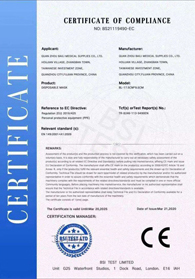


Our manufacturing processes adhere to principles of quality management systems, often aligned with ISO 9001 standards. Key components and finished machinery can be supplied with certifications such as CE marking, signifying compliance with European health, safety, and environmental protection standards for products sold within the European Economic Area. Furthermore, materials used comply with regulations like RoHS (Restriction of Hazardous Substances), ensuring that restricted materials are not present in our equipment.
For equipment intended for direct food contact, we ensure all materials used in the processing path (e.g., stainless steel grades, seals) meet or exceed requirements like those set by the FDA (Food and Drug Administration) in the United States. This dedication to compliance means our choppers are not only efficient and durable but also safe for use in regulated food production environments worldwide. For buyers in regions with specific requirements, such as specific national sanitary approvals, we can discuss and accommodate these needs during the consultation phase.
Installation, Maintenance, and Logistics Considerations
A reliable commercial meat chopper isn't just about its performance on day one; it's about its long-term operational viability. Proper installation, routine maintenance, and efficient logistics are key factors that we, as experienced manufacturers, always consider.
Installation Insights
Our choppers are designed for straightforward integration. They typically require a stable, level floor, adequate ventilation, and a suitable electrical connection (voltage and amperage matching the motor specifications). For larger units, consider the placement relative to other processing equipment and cleaning access. We provide detailed installation manuals and support to ensure your team can set up the machine correctly and safely. Some larger models might require professional electrical connection and initial setup by a qualified technician.
Routine Maintenance for Peak Performance
Consistent maintenance is the cornerstone of equipment longevity and consistent output. For our meat choppers, this typically involves:
- Daily Cleaning: Thoroughly washing and sanitizing the hopper, auger, cutting head, and plates after each shift. Proper drying prevents rust and bacterial growth.
- Knife and Plate Inspection: Regularly checking for wear, chipping, or dullness. Sharpening or replacing knives and plates as needed ensures optimal performance and prevents motor strain. This is a critical step that many neglect.
- Lubrication: Ensuring any designated greasing points on bearings or drive mechanisms are serviced according to the manual.
- Electrical Checks: Periodically inspecting power cords and connections for damage.
Our robust design and high-quality materials minimize the need for frequent major repairs, but diligent routine care is essential. We offer spare parts readily, ensuring minimal downtime when replacements are needed.
Logistics and Global Shipping
As an international exporter, we have extensive experience in packaging and shipping our equipment worldwide. Meat choppers are typically crated or securely palletized to withstand the rigors of international transit. We work with reliable freight forwarders to ensure safe, timely, and cost-effective delivery to your port of choice. Factors like container loading optimization, customs documentation, and shipping insurance are all managed with professional care. Our aim is to make the cross-border procurement process as seamless as possible.
Procurement Guidance: Navigating Your Commercial Chopper Purchase
Investing in commercial meat processing equipment is a significant decision, often involving substantial capital. For purchasing managers and procurement directors, a strategic approach is vital to ensure the best return on investment and operational fit.
1. Define Your Specific Needs
Before engaging with suppliers, clearly outline your requirements:
- What types of meat will you process? (Beef, pork, poultry, frozen, fresh?)
- What is your target throughput (kg/hr or lbs/hr)?
- What textures are you aiming for (fine grind, coarse grind, specific particle size)?
- What are your hygiene and sanitation standards?
- What is your budget and expected ROI timeline?
- Are there specific electrical requirements for your region?
2. Evaluate Supplier Credentials
Look beyond just the product. Consider the supplier's:
- Manufacturing Experience: How long have they been producing this type of equipment? Do they own their manufacturing facilities? (We have 40 years since 1986.)
- Technical Expertise: Do they have engineers who can answer detailed questions? Can they offer customization?
- Global Reach: Do they have experience exporting to your region? What is their logistical capability?
- After-Sales Support: What is their policy on spare parts, warranty, and technical assistance?
- Certifications and Compliance: Do they adhere to international standards?
3. Understand the Total Cost of Ownership
The purchase price is only one component. Factor in shipping costs, import duties, installation, training, spare parts, energy consumption, and maintenance. A slightly higher initial investment in a more durable, efficient machine can lead to significant savings over its lifecycle.
4. Request Detailed Specifications and Quotes
Ensure you receive comprehensive technical documentation for any machine you consider. Compare quotes carefully, looking at what is included (e.g., different plate sizes, specific certifications, warranty terms).

At Hebei Yuanchang, we are transparent and ready to provide all necessary information. Our goal is to build long-term partnerships based on trust and reliable equipment.
Client Testimonials: Real-World Impact
Hear from businesses that have integrated our commercial meat choppers into their operations:

Operations Manager, Artisan Meats USA
"We upgraded our sausage line with Yuanchang's commercial chopper about 18 months ago. The consistency of the grind is remarkable – a noticeable improvement in our final product quality. It handles our mix of pork and beef flawlessly, and cleaning is surprisingly straightforward. It's been a solid investment."

Procurement Director, Global Pet Foods
commercial meat chopper commercial meat chopper machine meat spatula chopper
"For our pet food production, ingredient consistency is key. Yuanchang's chopper delivers the precise meat texture we need for our kibble formulations. Their export process was efficient, and we received the unit well-packaged and on schedule. Their after-sales support for spare parts has also been responsive."

Factory Manager, Middle East Meats
"We needed a reliable, high-capacity chopper for our processed meat line. The team at Yuanchang understood our requirements immediately and recommended a model that perfectly fits our production volume. The build quality is excellent, especially the stainless steel construction which is vital in our climate. Highly recommended."
Frequently Asked Questions about Commercial Meat Choppers
A: Yes, our robust commercial meat choppers are designed to process frozen meat blocks. However, the degree of freezing (e.g., -18°C to -2°C) and the specific model's motor power will affect throughput. We recommend consulting our technical specifications or our sales team for the best model for your frozen meat needs.
A: The plate size determines the coarseness of the grind. For very fine products like emulsified sausages, you'll use smaller holes (e.g., 2-4mm). For coarser grinds suitable for patties or chunkier sausages, larger holes (e.g., 6-10mm) are used. We supply a range of plates with our machines and can advise on the best options for your application.
A: We typically offer a standard warranty of 12 months on our machinery against manufacturing defects. Specific terms can be discussed and may vary based on the model and destination.
A: Our choppers are designed for ease of maintenance. Daily cleaning involves disassembling the cutting head, which is straightforward. Regular checks on knives and plates, along with basic lubrication, are the primary ongoing tasks. We provide detailed maintenance manuals.
A: Yes, as a manufacturer with significant R&D and production capabilities, we do offer OEM (Original Equipment Manufacturer) and ODM (Original Design Manufacturer) services. We can customize machines to your specifications, branding, or integrate them into your proprietary systems. Please contact us to discuss your specific project requirements.
Ready to Enhance Your Meat Processing Efficiency?
Invest in a commercial meat chopper from Hebei Yuanchang Food Mechanism & Technology Co., Ltd., and experience the difference that quality, precision, and decades of manufacturing expertise can make.
Request your personalized quote or speak directly with our technical sales team today.