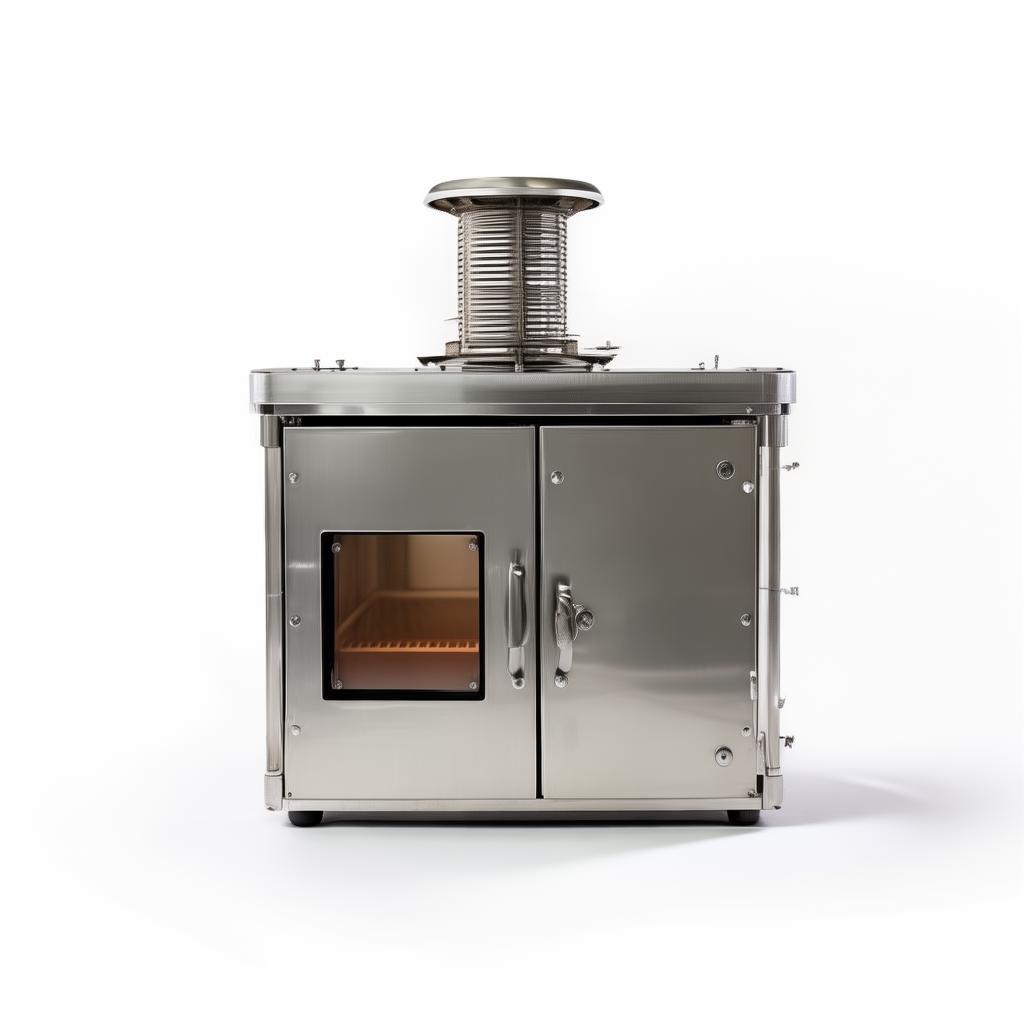
Meat Bone Separator
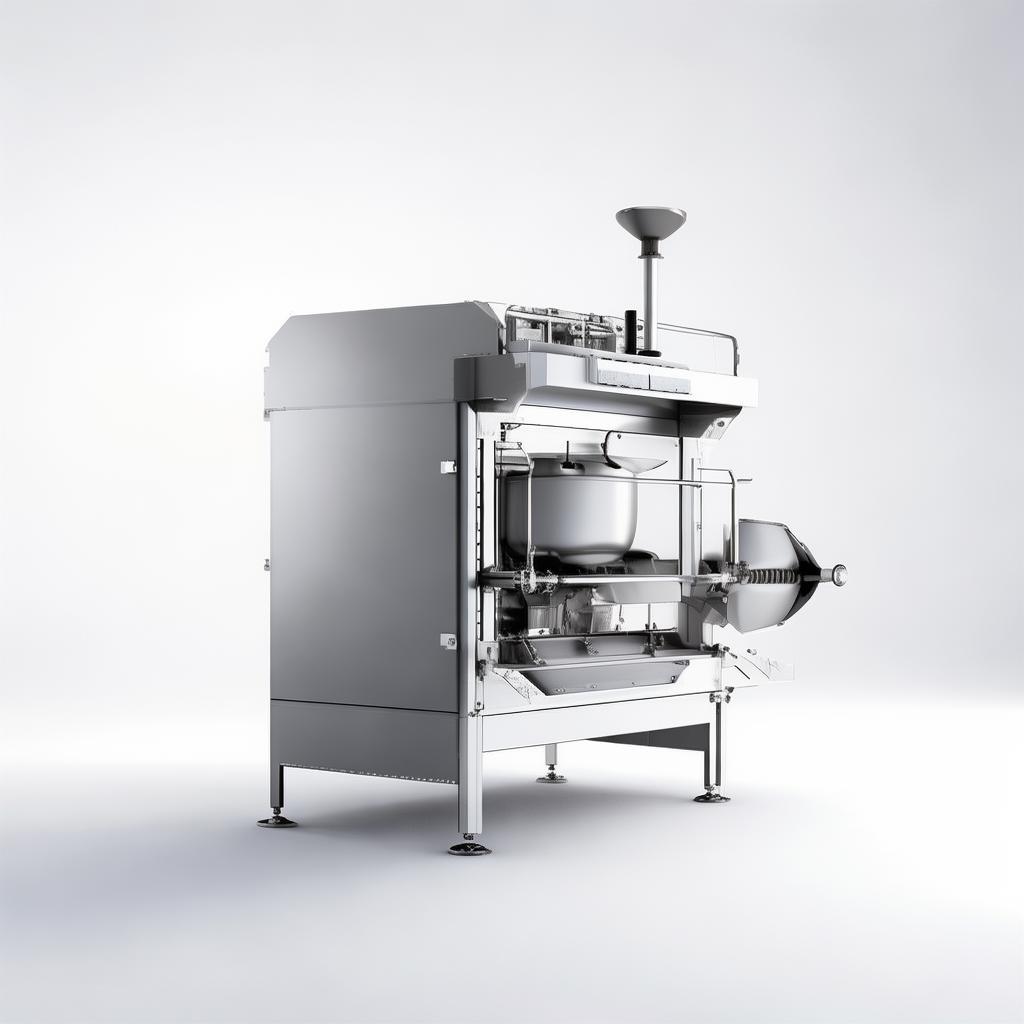
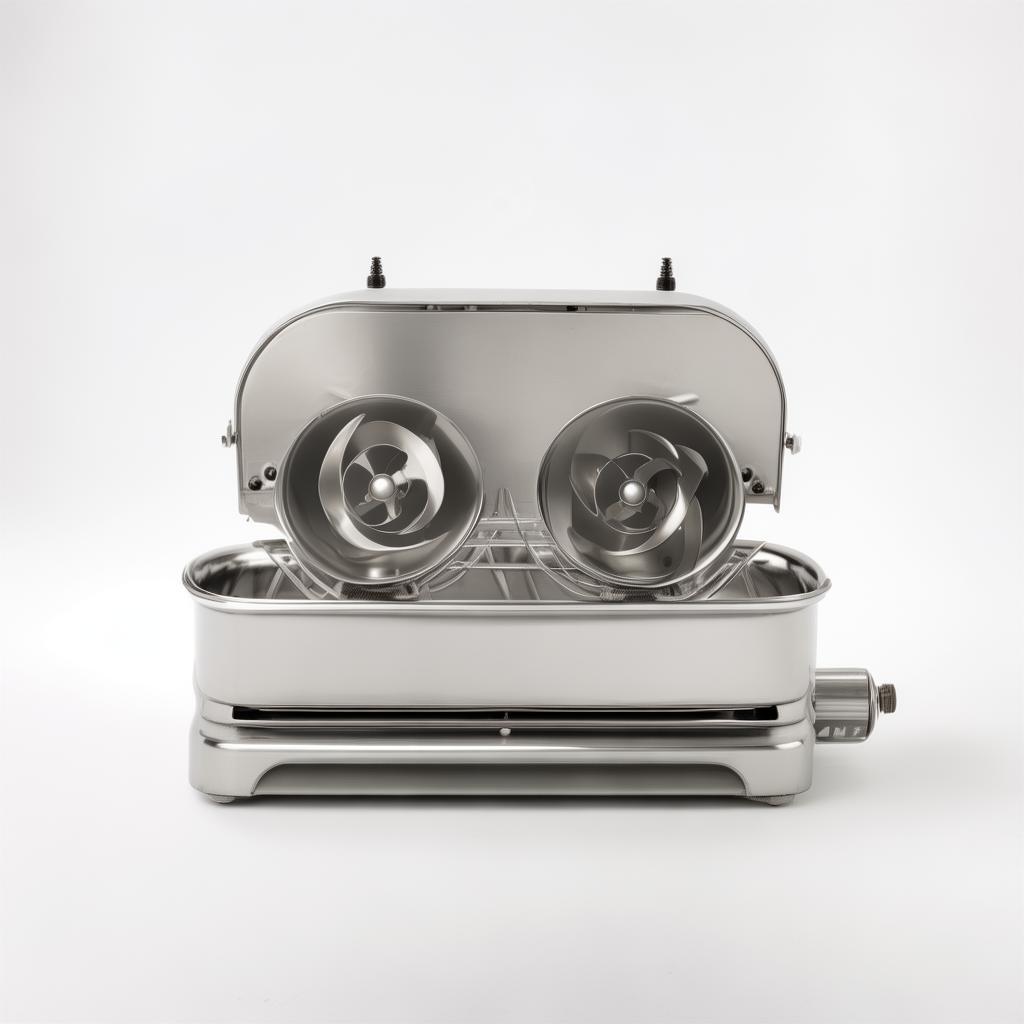
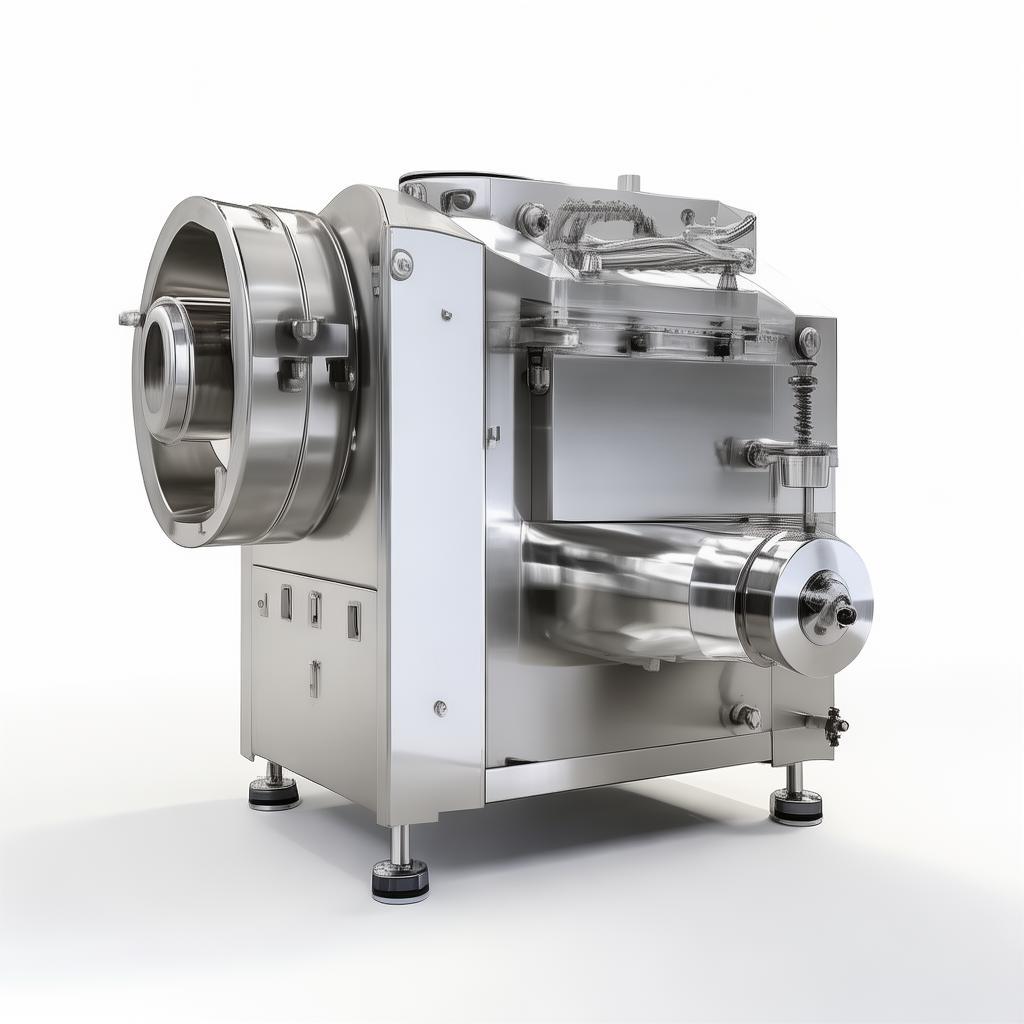
Meat Bone Separator: Precision Extraction for Enhanced Yield & Quality
Optimizing your meat processing operations with advanced bone separation technology.
The Crucial Role of a Meat Bone Separator in Modern Processing
In today's competitive meat processing landscape, maximizing yield and ensuring product quality are paramount. Every gram of usable meat counts, and the efficient separation of meat from bone is no longer a luxury but a fundamental operational necessity. A high-quality meat bone separator is at the heart of this efficiency. It's a machine designed to extract valuable muscle meat, fats, and connective tissues from carcasses and bone frames that would otherwise be discarded or relegated to lower-value by-products.
The global meat processing equipment market is a robust sector, projected to reach substantial figures. Reports from Fortune Business Insights indicate the market was valued at USD 11.29 billion in 2025 and is anticipated to grow to USD 17.39 billion by 2034, with a CAGR of 5.0%. This growth is fueled by several key factors: increasing demand for processed meats, the adoption of automation to improve hygiene and labor efficiency, stringent food safety standards, and significant expansion in emerging markets, particularly in the Asia-Pacific region. Within this market, specialized equipment like meat bone separators play a vital role in optimizing the entire value chain, from primary carcass breakdown to the production of refined meat products.
From a procurement standpoint, investing in the right bone separator directly impacts the bottom line. It's not just about the initial capital expenditure; it's about the long-term operational savings, increased product output, and the ability to create higher-margin products. Think about the raw materials you process daily – poultry frames after deboning, beef trimmings, pork carcasses. Without effective separation technology, a significant percentage of potentially valuable meat is lost. This lost potential represents missed revenue, wasted resources, and a competitive disadvantage.
Furthermore, modern meat bone separators are engineered with precision and durability in mind. They are designed to handle high volumes, maintain consistent separation quality, and operate reliably under demanding industrial conditions. The technology has evolved significantly, moving beyond basic grinding to sophisticated mechanical separation that preserves the integrity of the meat. This allows for the production of finer textured meat pastes and emulsions used in sausages, patés, burgers, and convenience foods, catering to the growing global demand for processed and ready-to-eat meat products. The processed meat market itself is a colossal entity, with forecasts suggesting growth towards USD 1.3 trillion by 2035, underscoring the importance of efficient upstream processing.
Understanding the nuances of this equipment is crucial for any purchasing manager, operations director, or plant engineer. Factors such as throughput capacity, bone particle size reduction, meat yield percentages, ease of cleaning, maintenance requirements, and compliance with food safety regulations (like FDA or CE standards) are all critical considerations. An incorrectly chosen or poorly maintained bone separator can lead to cross-contamination risks, inconsistent product quality, excessive downtime, and ultimately, financial losses. Therefore, a deep dive into what a separator can do, how it operates, and what to look for when selecting one is essential for making an informed investment decision.
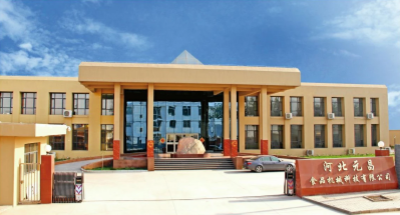
At Hebei Yuanchang Food Mechanism & Technology Co., Ltd., we've been in this business for over 40 years, since 1986. Our experience isn't just about building machines; it's about understanding the entire meat processing workflow, from initial cutting to final product. We've seen firsthand how advancements in separation technology can transform a facility's profitability and efficiency. This is why we've dedicated significant resources to developing and refining our meat bone separators, ensuring they meet the exacting standards of the international market. Our in-house machining capabilities, including Japanese Mazak CNC centers, allow us to produce high-precision components that are the backbone of reliable, high-performance equipment. This commitment to manufacturing excellence ensures you receive a machine that delivers consistent results, day in and day out.
The choice of a meat bone separator is a strategic one. It impacts your product portfolio, your operational efficiency, your cost of goods sold, and your overall market competitiveness. This page aims to provide you with the in-depth knowledge required to navigate this decision effectively, covering everything from the core operational benefits to the finer points of technical specifications and supplier reliability. Let's explore how the right separation technology can empower your business.
Addressing Key Industry Challenges in Meat Processing
Procurement and operations managers in the meat industry face a consistent set of challenges. Overcoming these hurdles is what separates successful, high-yield operations from those struggling with inefficiencies and waste. A robust meat bone separator directly addresses several of these critical pain points:
- Maximizing Raw Material Utilization: The most significant challenge is often the underutilization of carcass meat. Bones and trimmings, if not processed effectively, represent lost revenue. Traditional deboning methods can leave substantial amounts of meat behind, which becomes difficult to recover manually.
- Labor Costs and Shortages: Manual deboning and scraping are labor-intensive, time-consuming, and prone to inconsistency. In regions facing labor shortages or rising wage costs, automating this process with a bone separator is a strategic move towards operational sustainability.
- Product Quality Consistency: Achieving uniform texture and composition in processed meat products (like sausages, burgers, or pet food) is vital. Inconsistent meat recovery from bones can lead to variations in fat content, protein levels, and overall product texture, impacting consumer acceptance and brand reputation.
- Food Safety and Hygiene: Ensuring the highest standards of hygiene is non-negotiable. Equipment must be designed for easy cleaning and sanitization to prevent bacterial contamination. Mechanical separation, when performed correctly, can be more hygienic than prolonged manual handling.
- Waste Reduction and By-Product Value: Minimizing waste is not only environmentally responsible but also economically beneficial. A meat bone separator helps transform what might be low-value waste into high-quality meat ingredients, improving the overall profitability of the processing operation. The market for processed meats, including those derived from bones, is substantial, as indicated by reports like those from Mordor Intelligence.
- Throughput and Efficiency: Processing plants operate under tight deadlines. Any bottleneck in the production line can have cascading effects. Slow or inefficient deboning processes can significantly limit overall plant throughput.
Our experience shows that plants adopting advanced mechanical separation see a direct and measurable improvement in these key areas. It's about working smarter, not just harder, to extract maximum value from every raw material.
Unlocking Operational & Financial Benefits with Our Meat Bone Separator
Investing in a high-performance meat bone separator from Hebei Yuanchang offers tangible advantages that directly impact your operational efficiency and profitability. We engineer our machines with the understanding that practical, day-to-day performance is what matters most to our clients.
Enhanced Yield & Revenue
Our separators are designed for maximum meat extraction, significantly increasing the yield from carcasses and trimmings. This means more sellable product from the same raw material input, directly boosting your revenue.
Reduced Operational Costs
By automating the separation process, you drastically reduce the labor hours and associated costs required for manual deboning. This is particularly critical in today's challenging labor market.
Superior Product Quality
Our technology separates meat with minimal damage to the protein structure, ensuring a higher quality mince or paste. This consistency is crucial for manufacturing premium processed meat products like sausages and formed items.
Increased Production Throughput
High-capacity models are available to match your plant's specific needs, ensuring that the deboning process does not become a bottleneck. Faster processing means greater overall plant efficiency.
Durability & Reliability
Built with robust materials and high-precision components, our separators are designed for continuous, demanding industrial use. Our 40 years of manufacturing experience translates into equipment you can depend on.
Compliance and Safety
Our machines adhere to strict international food safety and engineering standards, ensuring safe operation and compliance with regulatory requirements, crucial for export markets.
Technical Deep Dive: Understanding the Mechanics
Selecting the right meat bone separator involves understanding its technical specifications and how they translate to performance. At Hebei Yuanchang, we focus on delivering robust engineering and precise functionality. Our separators typically employ a combination of auger-fed screw mechanisms and perforated drums, working in tandem to achieve efficient separation.
Core Separation Principle
The process begins with the raw material (carcasses, frames, trimmings) being fed into the machine. An auger or screw conveyor gently but firmly moves the material towards a rotating perforated drum. The drum has precisely sized holes, and as it rotates, pressure is applied. Muscle meat and finer tissues are forced through these perforations, forming a relatively pure meat paste. Bones, cartilage, and coarser connective tissues are retained on the inside of the drum and are then discharged separately.
The key to performance lies in several design elements:
- Drum Perforation Size: This is a critical parameter that dictates the texture and composition of the separated meat. Smaller perforations yield finer meat paste, ideal for emulsified products, while larger ones allow for more texture, suitable for chunkier applications or specific by-products. Common sizes range from 0.5mm to 5mm, depending on the intended use.
- Auger and Drum Speed: Variable speed control on the auger and drum allows operators to optimize separation based on the type of raw material and desired output. This prevents overheating of the meat, which can negatively affect quality and flavor.
- Pressure Adjustment: The mechanism for applying pressure is crucial. Too little pressure and yield suffers; too much and bone particles can be forced through, compromising quality and potentially damaging the equipment.
- Material of Construction: For food processing, stainless steel (typically SS304 or SS316) is standard for all food-contact parts to ensure hygiene, corrosion resistance, and durability.
Technical Specification Examples (Model Dependent)
While specific models vary, here's a look at typical specifications you might encounter:
| Parameter | Specification Range | Notes |
|---|---|---|
| Capacity (kg/hr) | 500 - 5000+ | Varies by model and raw material type |
| Motor Power (kW) | 3 - 22 | Depends on capacity and application |
| Drum Perforation Diameter (mm) | 0.5 - 5 | Customizable for specific product needs |
| Material of Construction | SS304 / SS316 | Food-grade stainless steel |
| Meat Yield (%) | 70 - 90+ | Highly dependent on raw material and settings |
| Power Supply | 380V/50Hz/3Phase (Customizable) | Standard industrial voltages |
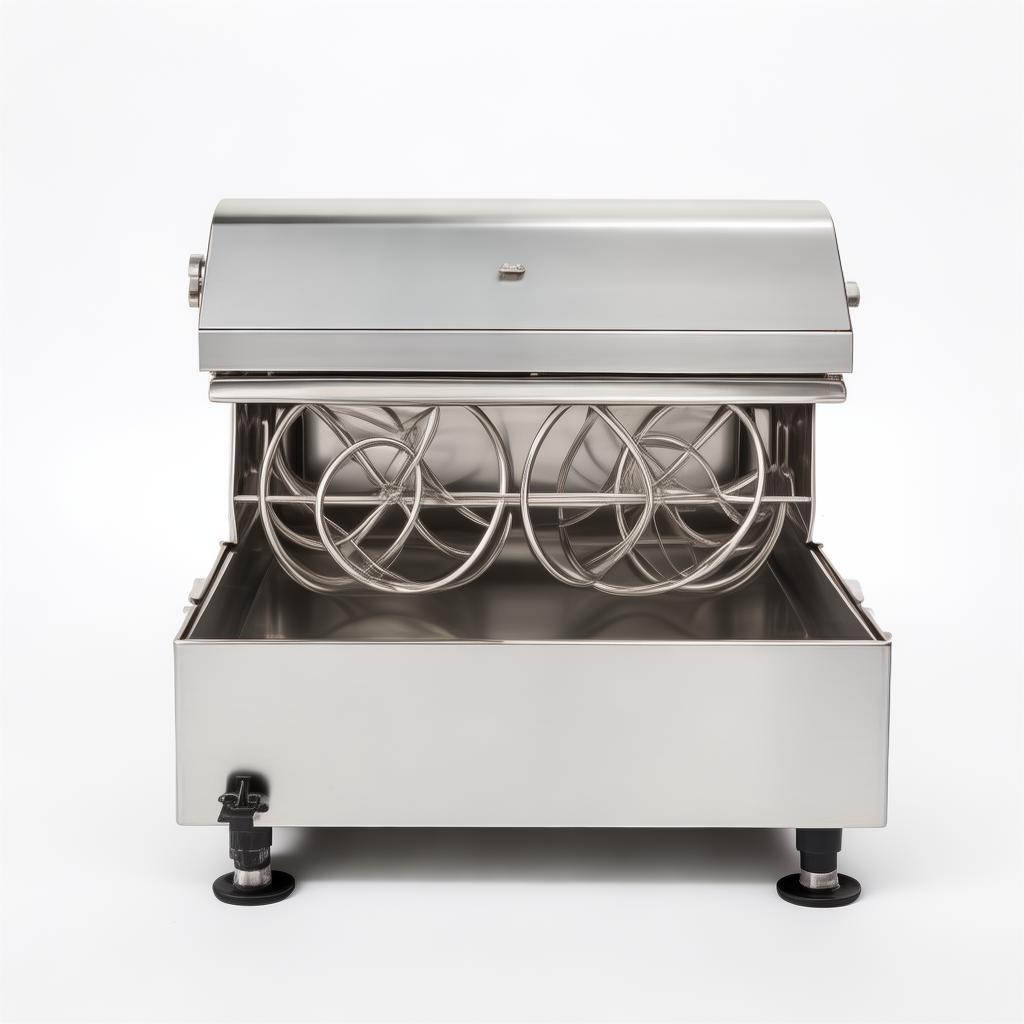
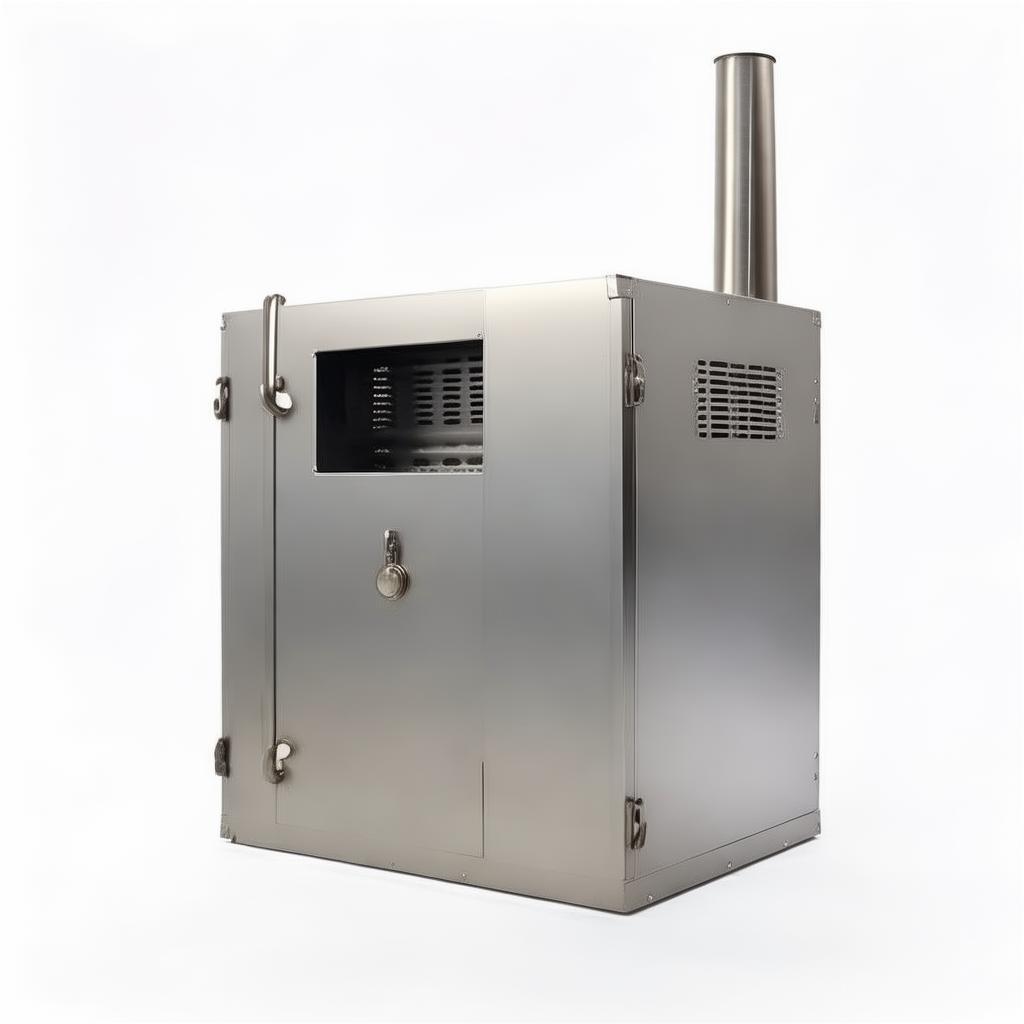
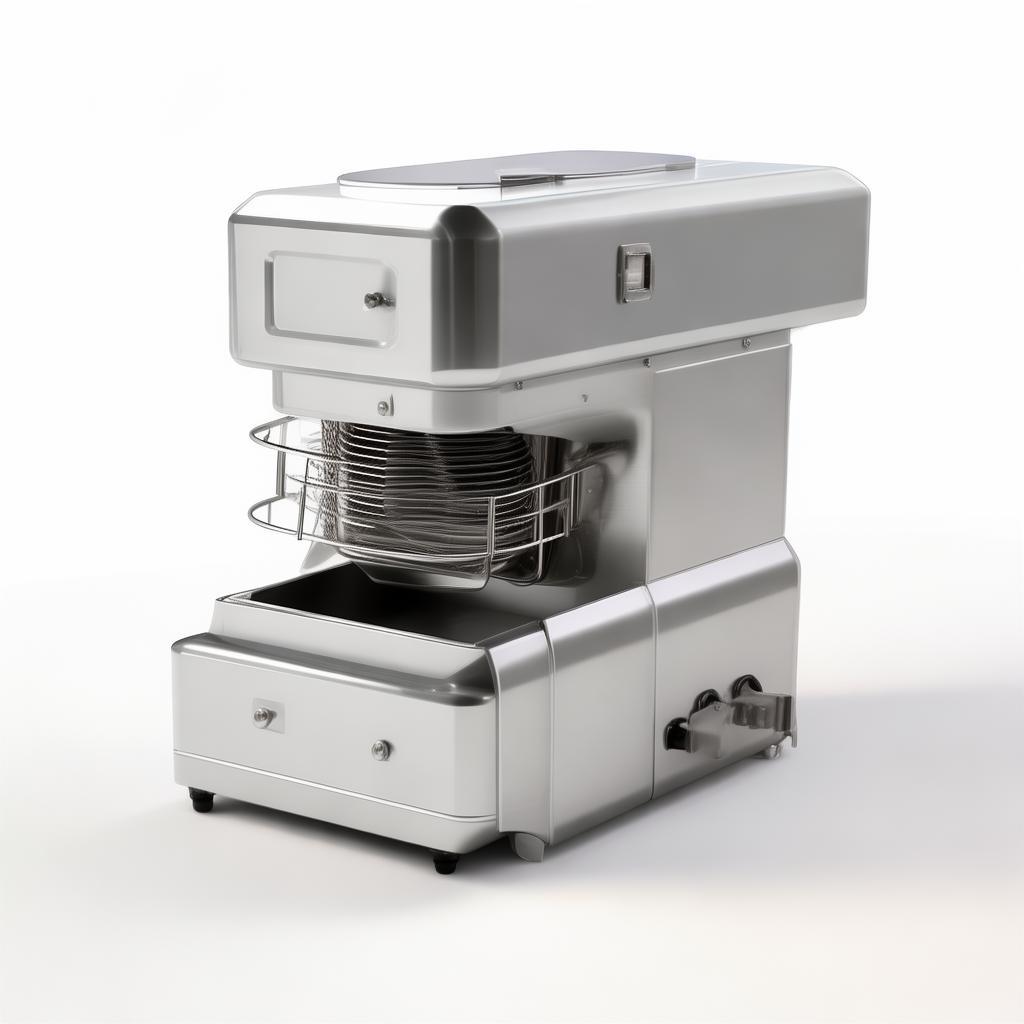
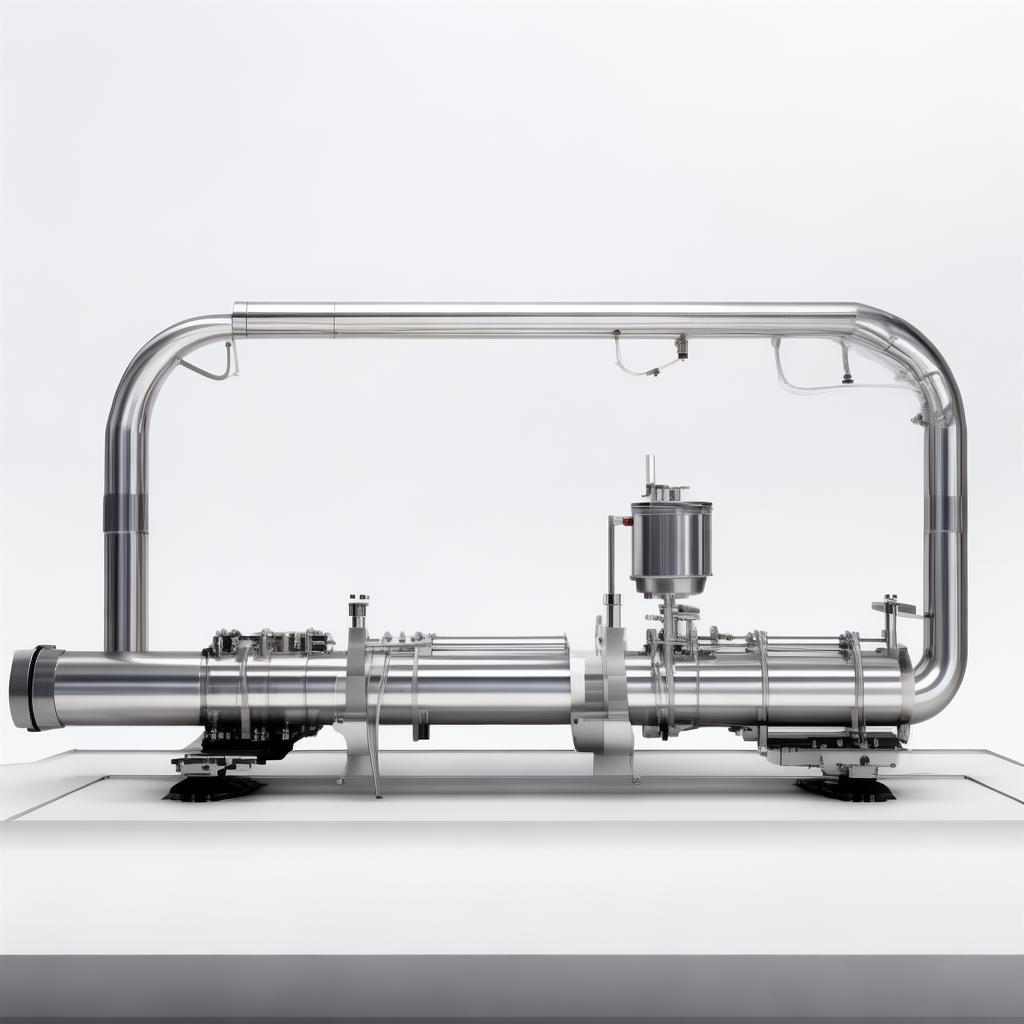
bone separator meat and bone cutting machine beef separator
Our engineering team can guide you through selecting the precise specifications that align with your production goals and raw material inputs. Precision machining, like that achieved with our Japanese Mazak CNC centers, ensures that these critical components meet tight tolerances for optimal performance.
Versatile Application Scenarios for Our Meat Bone Separators
The utility of a high-quality meat bone separator extends across a wide range of meat processing applications. Its ability to efficiently extract usable meat from bone structures makes it an indispensable piece of equipment for various sectors of the food industry.
Key Application Areas:
- Sausage and Emulsified Product Manufacturing: This is perhaps the most common application. The fine meat paste produced by separators with smaller perforations is ideal for creating smooth, consistent sausages, hot dogs, bologna, pates, and terrines. The extracted meat provides a cost-effective base, reducing reliance on prime cuts.
- Pet Food Production: The pet food industry heavily relies on efficient meat recovery. Separated meat is a primary ingredient for wet pet foods, providing essential protein and nutrients. The market for pet food is growing significantly, increasing demand for such processing equipment. Reports indicate the reconstituted meat market, heavily reliant on separation and molding, is experiencing rapid growth, with a CAGR of up to 18.0% according to Future Market Insights.
- Formed Meat Products: Burgers, nuggets, meat patties, and meat loaves benefit from the consistent texture and composition achieved through mechanical separation. It ensures a uniform product, batch after batch, which is critical for food manufacturers aiming for product standardization.
- Chicken Processing: Chicken frames and carcasses, after primary deboning, are excellent candidates for separation. The resulting chicken meat is used in a multitude of products, from chicken sausages to processed chicken meals.
- Red Meat Processing (Beef & Pork): Rib cages, leg bones, and trimmings from beef and pork can be effectively processed to recover valuable meat. This is essential for cost-effective production of processed red meat items.
- Fish Processing: While primarily for meat, similar principles apply to deboning fish frames, particularly for producing fish pastes and surimi-based products.
- Value-Added By-Product Creation: What might otherwise be waste can be transformed into valuable ingredients for further processing or sale, optimizing the entire utilization of the animal.
The versatility means a single investment can serve multiple product lines, enhancing the economic justification for acquiring a separator. For example, the flexibility in drum perforation allows a single machine to cater to different texture requirements, a key advantage for producers with diverse product portfolios.
Procurement Guidance: Making the Right Choice
Purchasing industrial equipment like a meat bone separator requires careful consideration beyond just the price tag. As experienced manufacturers, we advise our clients to focus on long-term value, operational fit, and supplier reliability. Here's a breakdown of key procurement considerations:
Critical Factors for Your Decision:
- Production Volume & Capacity: Accurately assess your current and projected throughput needs. Don't over-spec, which can lead to inefficient operation, but ensure the chosen model can handle your peak loads. Consider the type of raw material; softer materials might process at higher rates than tougher, bonier ones.
- Target Product Texture: The type of end-product dictates the required perforation size. For emulsified products, smaller perforations (0.5mm - 2mm) are essential. For more texturized meat, larger perforations (3mm - 5mm) might be suitable. Understand if the machine offers interchangeable drums for flexibility.
- Raw Material Type: Different meats (poultry, beef, pork, fish) and parts (frames, trimmings, whole carcasses) have varying bone densities and meat-to-bone ratios. Ensure the separator is optimized for the primary materials you process.
- Ease of Cleaning and Maintenance: This cannot be overstated. Food safety compliance hinges on thorough cleaning. Look for designs that allow easy disassembly, access to all parts, and smooth surfaces without crevices where bacteria can hide. Regular maintenance is also key to longevity; consider part availability and service support.
- Material Quality and Construction: Opt for robust, food-grade stainless steel construction (SS304 or SS316). The durability of the auger, drum, and frame directly impacts the machine's lifespan and resistance to wear and tear.
- Power Requirements & Utilities: Verify the machine's electrical specifications (voltage, phase, frequency) and motor power. Ensure your facility can support these requirements.
- After-Sales Support & Spare Parts: A reliable supplier will have a system for readily available spare parts and responsive technical support. This minimizes downtime, which is critical in a production environment. Our traceable after-sales management system at Hebei Yuanchang ensures we can independently produce high-precision parts for you.
- OEM/ODM Capabilities: If you have specific modifications or custom requirements, inquire about the manufacturer's OEM (Original Equipment Manufacturer) and ODM (Original Design Manufacturer) capabilities. A strong OEM/ODM partner can tailor solutions to your unique needs.
- Certifications: Ensure the equipment meets relevant international standards (e.g., CE for European markets, FDA compliance for the US).
Making an informed decision means aligning the machine's capabilities with your operational reality. We're here to help you navigate these details.
Evaluating Your Supplier: Beyond the Spec Sheet
Choosing a manufacturer for a critical piece of equipment like a meat bone separator is a partnership. A reliable supplier offers more than just a product; they provide expertise, support, and a commitment to your long-term success. Here’s what to look for when evaluating potential partners:
Key Differentiators for a Trusted Partner:
- Experience and Longevity: A manufacturer with decades of experience, like Hebei Yuanchang's 40 years since 1986, demonstrates resilience, deep industry knowledge, and a proven track record. This experience translates into refined product designs and a better understanding of operational challenges.
- Manufacturing Capabilities: Assess their in-house manufacturing strengths. Do they have their own machining workshops with advanced equipment (like CNC centers)? This indicates control over quality, precision, and the ability to produce critical components independently, reducing reliance on external suppliers and ensuring consistent part quality.
- Commitment to R&D: A forward-thinking supplier invests in research and development to continuously improve their equipment, incorporate new technologies, and meet evolving industry standards and customer demands.
- Global Export Experience: For international buyers, a supplier with established export channels and experience navigating customs, shipping, and international regulations is invaluable. Understanding logistics, like container loading optimization, is a sign of operational expertise.
- Customer Support and After-Sales Service: This is paramount. What is their response time for inquiries? How accessible are spare parts? Do they offer remote or on-site technical support? A traceable after-sales management system is a strong indicator of commitment.
- References and Testimonials: Look for genuine customer reviews and case studies. Do their claims of quality and performance hold up in real-world applications? We encourage you to speak with our existing clients.
- Transparency and Communication: A good supplier is open about their processes, capabilities, and lead times. Clear, honest communication builds trust and prevents misunderstandings.
- Compliance and Certifications: Verify that they adhere to relevant international standards and can provide necessary certifications for your market.
At Hebei Yuanchang, our comprehensive approach, from in-house component manufacturing to extensive after-sales support, is designed to be a long-term asset for your business. We don't just sell equipment; we build partnerships.
Frequently Asked Questions
1. What is the typical meat yield from a bone separator?
Meat yield can vary significantly based on the type of raw material, the specific model of the separator, the size of the perforations, and operational settings. However, well-maintained, high-quality separators can achieve yields ranging from 70% to over 90% of the usable meat from carcasses and frames.
2. How do I choose the right perforation size?
The perforation size determines the texture of the separated meat. For finely emulsified products like sausages and pates, smaller holes (0.5mm - 2mm) are used. For a coarser texture, suitable for burgers or formed products, larger holes (3mm - 5mm) are preferred. Many machines offer interchangeable drums to provide flexibility.
3. What is the difference between a meat bone separator and a grinder?
While both process meat, a meat bone separator uses mechanical pressure and a perforated drum to extract meat from bone structures, often preserving more protein integrity and yielding higher quantities of usable meat. Grinders, on the other hand, cut meat and bone through a plate with holes, typically resulting in a more fragmented mixture that may contain smaller bone particles and can be less efficient for pure meat extraction.
4. How easy is it to clean and maintain the equipment?
Ease of cleaning is a critical design consideration. Our separators are engineered for straightforward disassembly, allowing access to all food-contact surfaces for thorough washing and sanitization. Regular maintenance involves checking wear parts, lubrication, and ensuring all safety guards are in place. We provide detailed manuals and are available for support.
5. What kind of after-sales support do you offer?
We provide comprehensive after-sales service, including installation guidance, operational training, readily available spare parts, and technical support. Our 40 years of experience mean we understand the importance of minimizing downtime for our clients.
6. Can these machines handle different types of meat, like poultry and beef?
Yes, our meat bone separators are designed to be versatile. With adjustments to settings and potentially different drum configurations, they can effectively process various types of meat, including poultry, pork, and beef, as well as their respective frames and trimmings.
What Our Clients Say
"Since installing the Yuanchang meat bone separator, our sausage production yield has increased by nearly 15%. The meat quality is consistent, and the reduction in manual labor is significant. A solid investment for any serious processor."

"We process a lot of chicken frames. The separator from Hebei Yuanchang is robust and reliable. Cleaning is manageable, and the meat recovery is exactly what we needed for our pet food line. Their support team was very helpful during setup."

"The precision of the separation is impressive. We use the separated pork meat for premium burgers, and the consistent texture is a major selling point. Yuanchang's manufacturing quality stands out."

Ready to Optimize Your Meat Processing Yield?
Discover how our advanced meat bone separators can transform your operations, increase revenue, and enhance product quality. Contact our expert team today for a personalized consultation and a competitive factory quote.
Trusted by Industry Professionals



See the real-time value and expertise we bring to our clients.