Meat Balls Maker
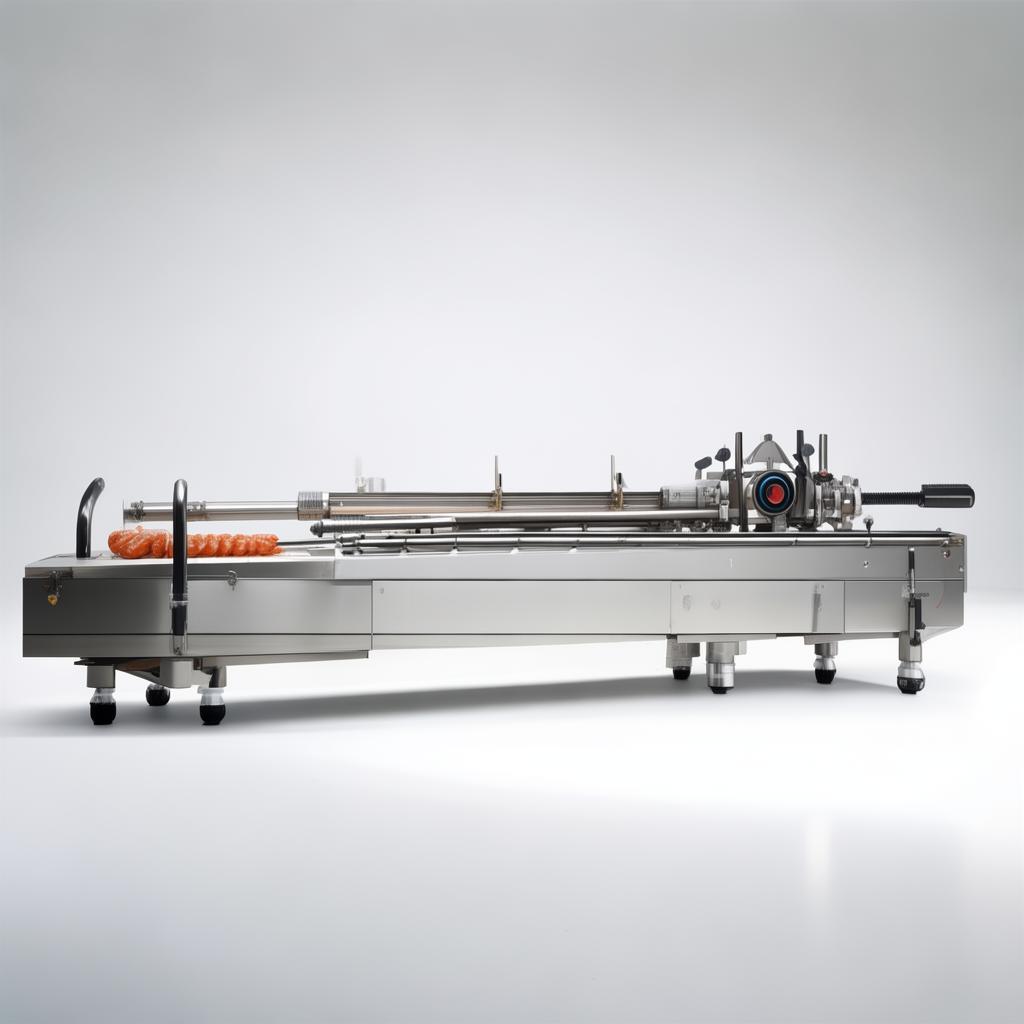
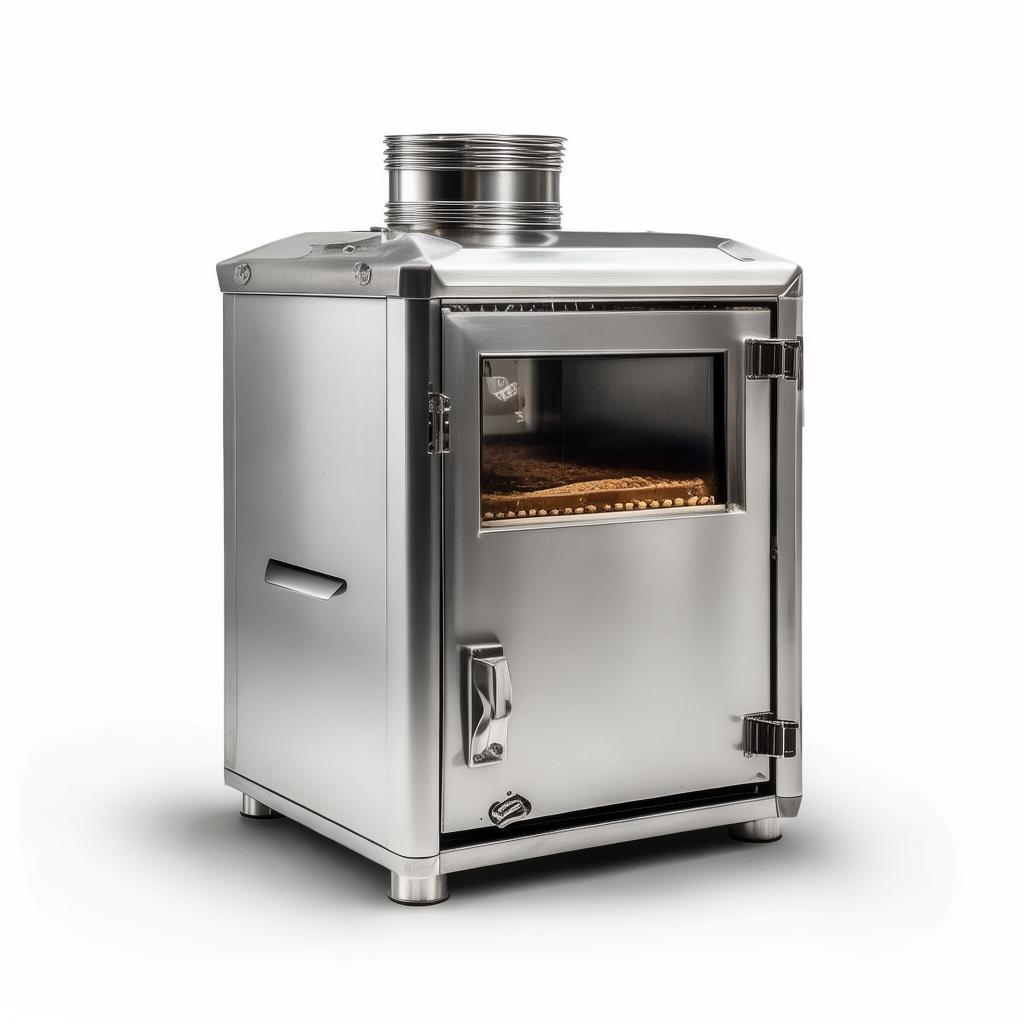
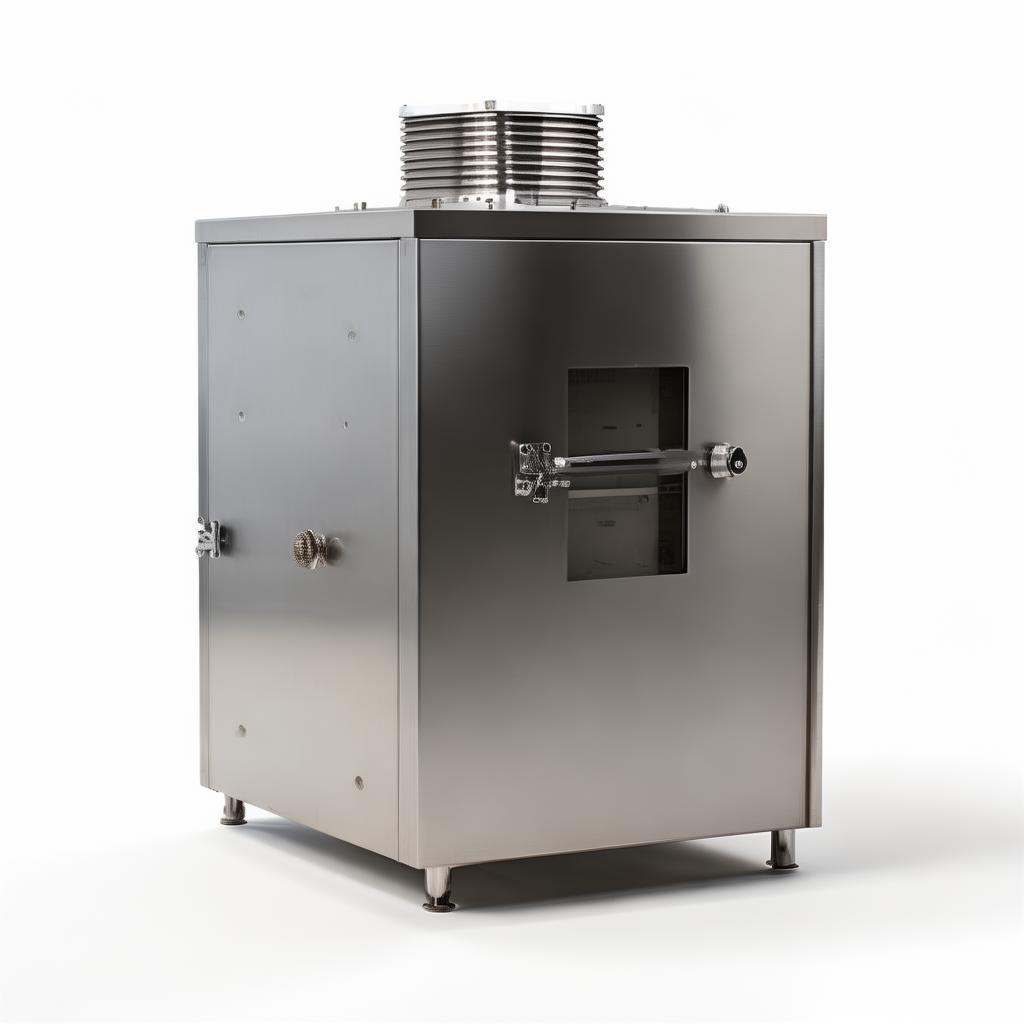
Precision Meatball Makers: Elevating Your Food Production Efficiency
Consistent Quality, Scalable Output, and Unmatched Reliability for Global Food Manufacturers.
In the dynamic landscape of global food manufacturing, achieving consistent product quality while scaling production efficiently is paramount. For businesses specializing in processed meats, particularly those focused on popular items like meatballs, the right equipment isn't just an advantage—it's a necessity. The journey from raw ingredients to perfectly formed, uniformly sized meatballs demands precision, reliability, and a deep understanding of food science. This is where a high-quality meat ball maker transcends its role as mere machinery; it becomes a critical component in your production line, directly impacting your brand's reputation and your bottom line.
Navigating the global market for industrial food processing equipment can be complex. You're not just looking for a machine; you're seeking a partner who understands the intricacies of food safety, international compliance, and the operational demands of high-volume output. This guide is designed to equip purchasing managers, operations directors, and procurement specialists with the insights needed to select and implement the ideal meatball maker, ensuring your operations run smoother, your products are superior, and your business continues to grow. We'll delve into the core functionalities, the critical technical considerations, and the strategic advantages that a well-chosen meatball forming machine brings to your factory floor.
The global meat processing equipment market itself is a testament to the industry's growth and innovation. Valued at USD 11.29 billion in 2025, and projected to reach USD 17.39 billion by 2034, this sector is experiencing a steady CAGR of 5.0%. Key segments driving this expansion include filling and stuffing equipment, alongside massaging and tumbling machines crucial for ripening and tenderizing. The underlying forces are clear: a rising global appetite for processed meat products, a growing emphasis on automation to meet hygiene and labor efficiency demands, and the ever-present need to comply with stringent food safety regulations. Within this, the demand for precise molding and forming equipment for products like meatballs, sausages, and patties is particularly robust, especially in fast-growing regions like Asia-Pacific. Understanding these market dynamics provides context for the strategic importance of investing in the right meatball maker.
Consider the practical challenges. Inconsistent meatball size can lead to uneven cooking, affecting both taste and customer satisfaction. Manual forming is labor-intensive, prone to variability, and raises hygiene concerns. Batch-to-batch consistency is a hallmark of reputable food brands, and achieving this at scale requires mechanical precision. This is precisely where automated meatball makers, or meatball forming machines as they are often cataloged, shine. They are engineered to handle various meat formulations – beef, pork, chicken, lamb, or even plant-based alternatives – delivering uniform shapes and weights with remarkable accuracy. Our focus here is to cut through the technical jargon and operational noise to highlight what truly matters when selecting a meatball maker that aligns with your production goals and international market requirements.
Our extensive experience in the industry, spanning decades of manufacturing and exporting food processing machinery, has shown us that the "perfect" meatball maker isn't a one-size-fits-all solution. It depends heavily on your specific needs: Are you producing large batches of a single product, or do you require flexibility for a diverse range of formed meat items? What are your throughput targets? What are the regulatory standards in your target export markets (e.g., FDA, CE)? These questions inform the selection process, from the machine's capacity and forming mechanisms to its material construction and ease of cleaning. This comprehensive overview aims to simplify that decision-making process, offering practical advice grounded in real-world manufacturing and international trade realities.
The evolution of food technology means that modern meatball makers are more than just simple shapers. They are sophisticated pieces of engineering, often integrated into larger processing lines that might include mixers, tumblers, batter mixers, and even automated packaging solutions. For entities looking into OEM or ODM services, understanding the underlying technology of these machines allows for customization that can provide a significant competitive edge. Whether you are a seasoned importer or a growing food producer, investing in robust, efficient, and compliant meatball forming equipment is a strategic decision that pays dividends in product quality, operational efficiency, and market competitiveness.
The Crucial Role of a Dedicated Meatball Maker in Modern Food Production
The demand for processed meat products, including convenient and popular items like meatballs, continues to surge globally. This trend is fueled by urbanization, changing consumer lifestyles that favor ready-to-eat or quick-preparation meals, and a growing international palate for diverse culinary options. According to Fortune Business Insights, the global processed meat market is projected to grow from USD 750.58 billion in 2026 to USD 1,253.77 billion by 2034, a CAGR of 6.62%. This robust growth directly translates into an increased need for efficient, high-capacity processing equipment. A specialized meat ball maker is at the heart of this demand, offering solutions that manual methods simply cannot match in terms of consistency, speed, and safety.
Consider the operational benefits:
- Uniformity: Ensures every meatball has the same diameter, density, and weight. This is critical for predictable cooking times and consistent product presentation.
- Speed & Throughput: Automated machines can form hundreds or even thousands of meatballs per hour, significantly increasing production capacity compared to manual labor.
- Hygiene & Food Safety: Minimizing human contact with the product directly reduces the risk of contamination. Stainless steel construction and designs that facilitate easy cleaning are non-negotiable for international markets.
- Versatility: Many machines can be adjusted to produce different sizes and shapes, accommodating various product lines and customer specifications.
- Cost Efficiency: While an initial investment, a high-quality meatball maker reduces labor costs, minimizes waste from inconsistent production, and improves overall operational efficiency, leading to a strong ROI.
The market for meat processing equipment itself is expanding, with reports from Grand View Research indicating a valuation of USD 11.28 billion in 2024, poised to reach USD 15.04 billion by 2030. Essential components of this market include filling, grinding, and massaging equipment, all working in concert for pretreatment, molding, and ripening. For meatball production, the molding and forming aspect is primary, but the efficiency of upstream mixing and downstream ripening (often enhanced by massaging machines) directly impacts the effectiveness of the meatball maker.
When sourcing equipment for international markets, compliance with standards like CE marking for European markets or FDA regulations for the US is vital. Manufacturers with a proven track record of exporting and understanding these requirements are invaluable. The construction materials, particularly food-grade stainless steel (e.g., 304 or 316), are critical for durability, corrosion resistance, and ease of sanitation. Furthermore, the design should facilitate quick changeovers for different product runs and allow for thorough cleaning between batches, a non-negotiable aspect of HACCP and other food safety protocols.
Our 40 years of experience, since 1986, at Hebei Yuanchang Food Mechanism & Technology Co., Ltd., have been dedicated to mastering precisely these challenges. We understand that a meatball maker isn't just about forming spheres; it's about integrating seamlessly into a complex food production ecosystem. It requires robust engineering, precise machining, and a commitment to quality that ensures every machine leaving our facility meets the highest international standards.
Technical Deep Dive: What Makes a Meatball Maker Perform?
The operational efficiency and product quality derived from a meatball maker are directly tied to its underlying technology and design. Understanding these technical aspects is crucial for procurement decisions, especially when considering international suppliers. At its core, a meatball forming machine typically uses a volumetric filling and shaping mechanism to create uniform portions of meat mixture.
Key components and principles include:
| Component/Feature | Description & Significance |
|---|---|
| Forming Dies/Molds | These are the critical parts that dictate the shape and size of the meatball. They are typically made from hardened stainless steel for durability and precise molding. Interchangeable dies allow for a range of sizes, from small cocktail meatballs to larger dinner-sized ones. Precision machining ensures smooth surfaces that prevent sticking and produce a clean finish. |
| Dosing System | Accurately measures the volume of meat mixture dispensed for each meatball. This is key for weight consistency, which impacts cooking and cost control. Systems can range from rotary vane pumps to auger-driven mechanisms, depending on the machine's capacity and the mixture's viscosity. |
| Conveyor/Discharge System | Transports the formed meatballs away from the machine for further processing (e.g., cooking, freezing, or packaging). This can be a simple belt or a more integrated system designed to maintain the meatball's shape during transfer. |
| Material of Construction | Food-grade stainless steel (e.g., SUS304 or SUS316) is standard for all food-contact parts and exterior surfaces. This ensures hygiene, durability, corrosion resistance, and compliance with international food safety standards. |
| Drive System | Typically electric, utilizing motors and gearboxes to power the forming and dosing mechanisms. Variable speed drives (VFDs) can offer precise control over throughput and consistency. |
| Ease of Cleaning (CIP/COP) | Designs that allow for easy disassembly and thorough cleaning are critical. Some advanced systems may incorporate Clean-In-Place (CIP) or Clean-Out-of-Place (COP) capabilities. This reduces downtime and labor for sanitation. |
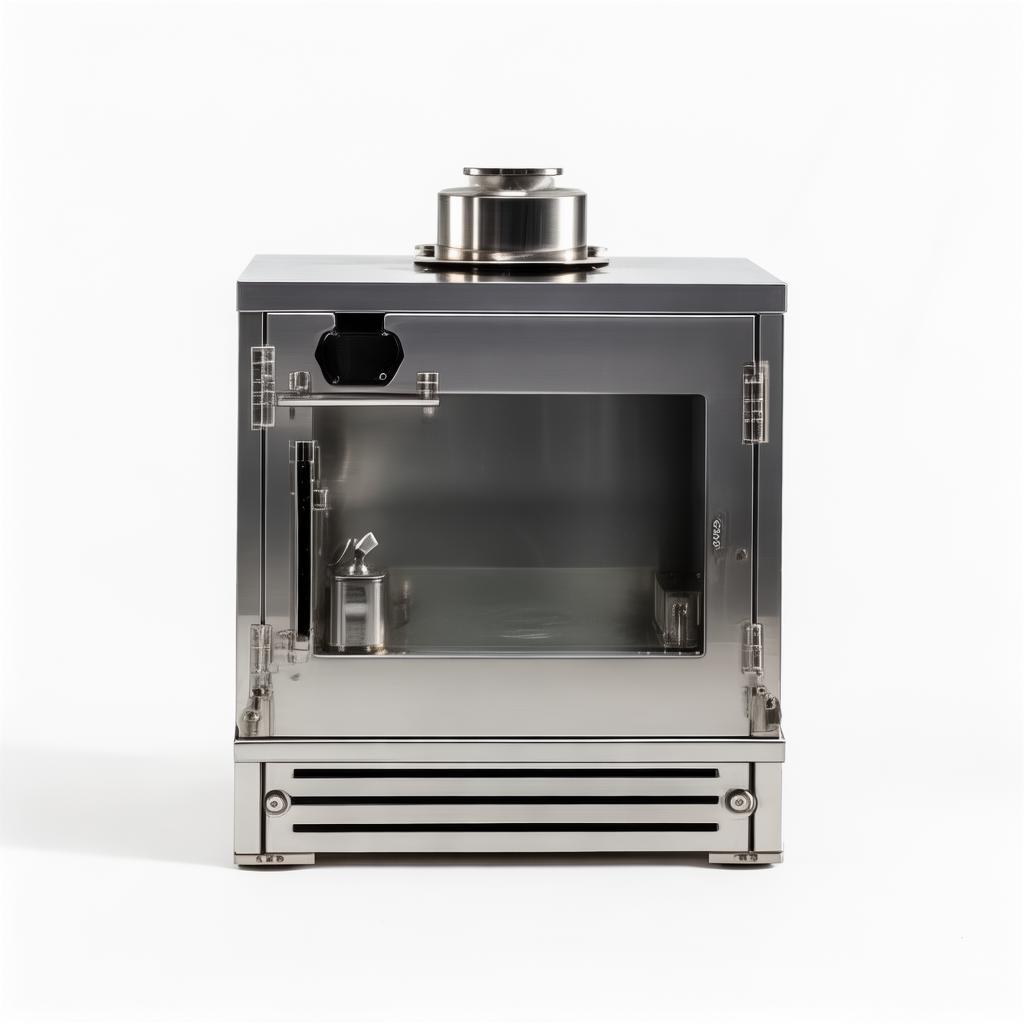
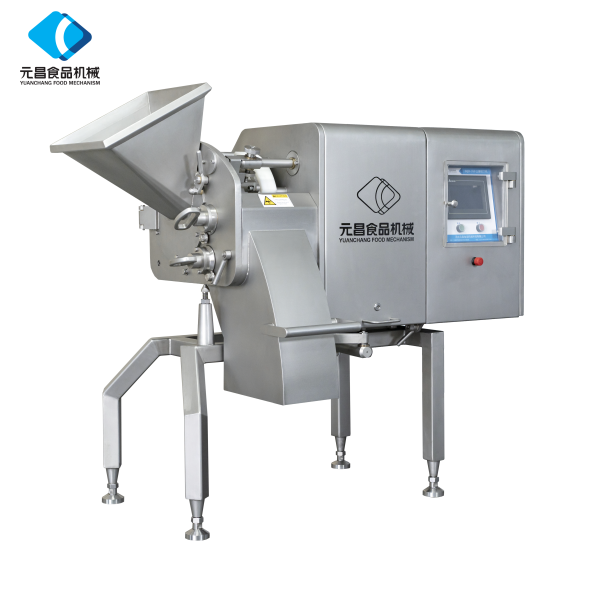
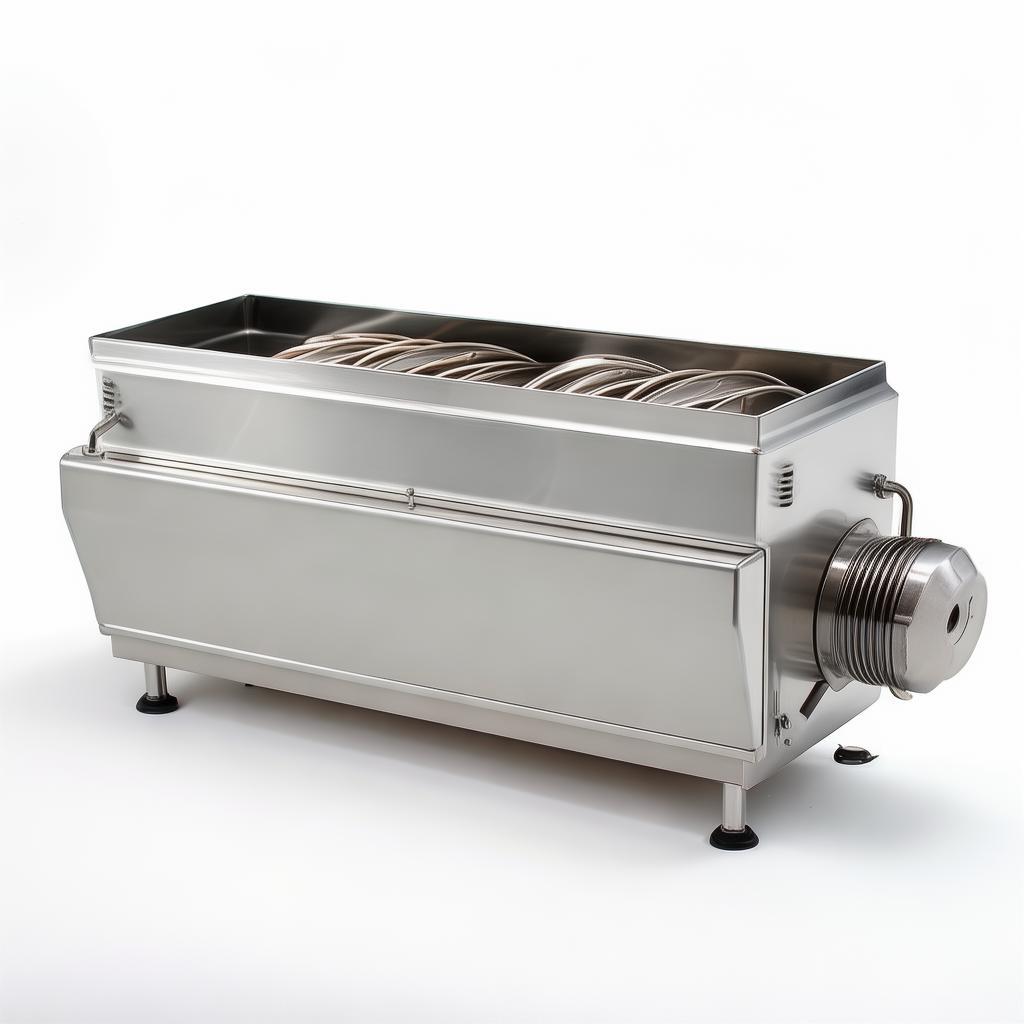
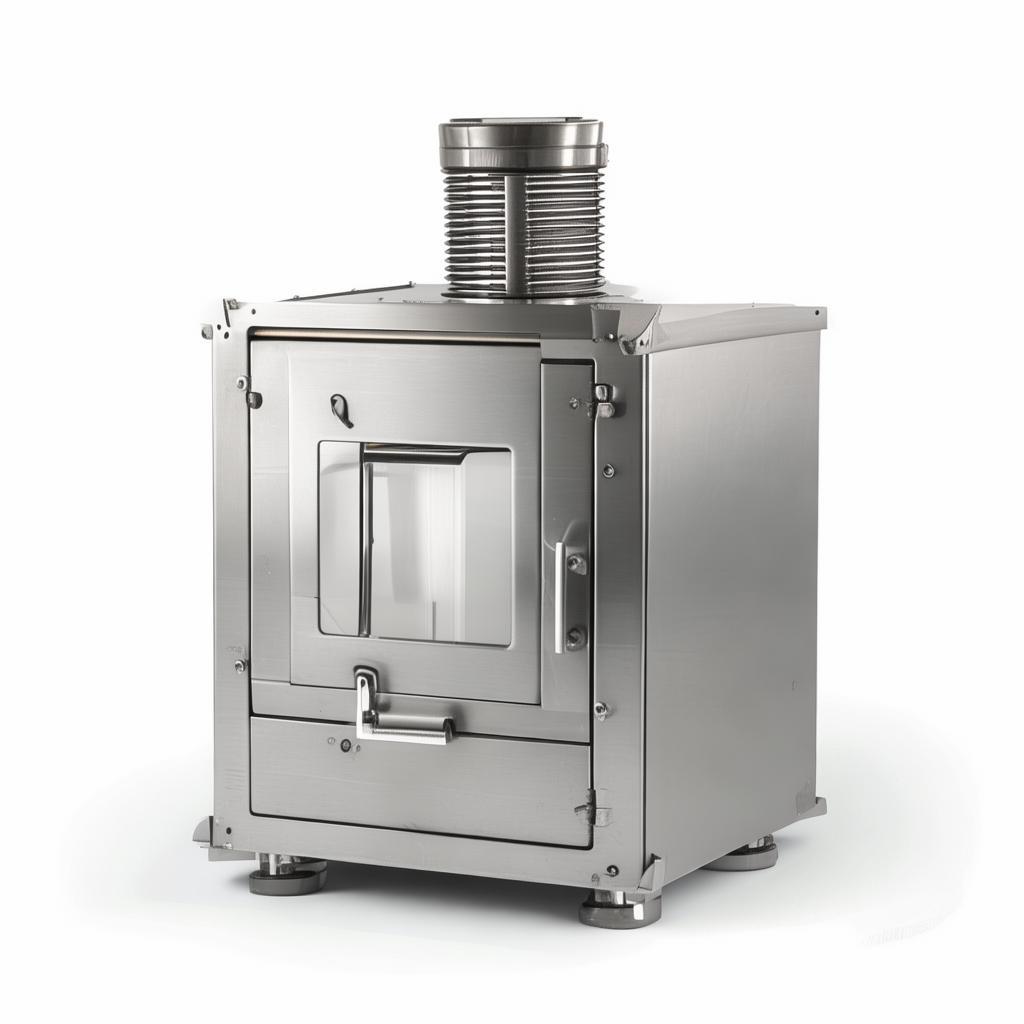
Meatball making machine meatball maker machine commercial meatball making machine
The precision of our in-house machining workshop, equipped with over 20 sets of processing machinery and advanced Japanese Mazak CNC machining centers, is what allows us to produce high-standard components that require large volumes, high precision, and non-standard specifications. This capability is essential for crafting forming dies and dosing mechanisms that ensure repeatable accuracy, a critical factor for any food manufacturer aiming for consistent product quality.
Beyond the core mechanics, consider the blend characteristics. The consistency of the meat mixture fed into the machine significantly impacts the outcome. A well-homogenized blend, often achieved through pre-mixing in tumblers or mixers, is essential. If the mixture is too sticky, it can adhere to the dies; if it's too dry, it may not form properly. Understanding the rheology of your specific meat formulation is key to optimizing the meatball maker's performance. This often involves fine-tuning the die material, the dosing rate, and the pressure applied during formation.
For export markets, the machine's footprint, power requirements (voltage, phase, frequency), and pneumatic needs (if any) must also be clearly specified to ensure compatibility with local infrastructure. Electrical components should meet international safety standards (e.g., UL, CE).
Applications and Advantages: Beyond Just Meatballs
While the primary focus is on producing meatballs, the versatility of a well-designed meatball maker extends to a wide array of other food products. This adaptability is a significant advantage for manufacturers looking to diversify their product lines or cater to different market demands without investing in multiple specialized machines. The core principle of precise volumetric filling and forming can be applied to numerous items, provided the mixture is suitable.
Common applications include:
- Sausage Patties: With a change of forming die, the machine can produce perfectly round and consistently sized burger patties or smaller sausage patties.
- Croquettes and Fritters: Many dough-based or breaded food items that require a uniform shape can be formed.
- Fish Cakes and Seafood Balls: Preparations using ground fish or seafood are ideal candidates for forming.
- Vegetarian and Vegan Products: Plant-based meat alternatives, when formulated to the correct consistency, can be perfectly shaped into vegetarian "meatballs" or patties. This is a rapidly growing segment, with the reconstituted meat market alone projected to reach USD 36.1 billion by 2035.
- Confectionery: In some non-food applications, similar forming principles are used for items like energy balls or certain types of candies.
The real advantage here is scalability and cost control. The global meat processing equipment market is expected to reach USD 19.73 billion by 2034. Investing in equipment that offers flexibility means you can adapt to market shifts and optimize your production lines for a broader range of high-demand products, maximizing your return on investment.
Our commitment at Hebei Yuanchang is to provide machines that are not only robust but also adaptable. By leveraging our in-house CNC machining capabilities, we can design and produce custom forming dies to meet specific customer requirements, whether for intricate shapes or unique product dimensions. This OEM/ODM flexibility is a cornerstone of our service, allowing partners to develop proprietary product formats.
Furthermore, integrating a meatball maker into a complete processing line enhances overall operational synergy. For example, after forming, meatballs can be efficiently transferred to our ripening process equipment, such as massagers, which are vital for improving texture and flavor. This comprehensive approach ensures that every stage of production, from raw material preparation to final product shaping, is optimized for quality and efficiency.
Procurement Guidance: Sourcing Your Meatball Maker with Confidence
Purchasing industrial machinery for international markets involves more than just comparing prices. It requires a strategic approach that considers long-term operational reliability, compliance, and after-sales support. As a seasoned exporter with decades of experience, we've seen firsthand the pitfalls of overlooking critical procurement factors.
When evaluating a meat ball maker supplier, especially for cross-border transactions, consider these key areas:
- Manufacturer's Experience and Reputation: Look for suppliers with a long history in food processing machinery manufacturing and a strong export record. Companies with 40 years of experience, like ours since 1986, have cultivated deep expertise and established trust.
- Certifications and Compliance: Ensure the equipment meets the standards of your target markets (e.g., CE for Europe, UL for North America, relevant food safety certifications). This is non-negotiable for market access.
- Material Quality and Construction: Demand food-grade stainless steel (SUS304 or SUS316) for all product-contact parts. Verify the quality of motors, electrical components, and sealing.
- Technical Specifications vs. Your Needs: Clearly define your required throughput (kg/hour or pieces/hour), desired meatball size range, and the types of meat mixtures you'll be processing. Match these to the machine's capabilities.
- Ease of Operation and Maintenance: The machine should be intuitive to operate and, crucially, easy to clean and maintain. Downtime for sanitation or repairs is costly.
- After-Sales Support and Spare Parts: This is vital for international purchases. Inquire about warranty terms, the availability of spare parts, and the process for technical assistance. A traceable after-sales management system ensures you're supported long-term. We pride ourselves on our ability to independently produce high-precision parts, ensuring worry-free after-sales service.
- OEM/ODM Capabilities: If you need customized solutions or branding, confirm the supplier's ability to handle OEM (Original Equipment Manufacturer) and ODM (Original Design Manufacturer) requests.
The global meat processing equipment market is diverse, with projections indicating continued growth. For instance, IMARC Group forecasts it reaching USD 29.8 billion by 2034. Navigating this market requires diligence. Don't hesitate to ask for detailed documentation, machine certifications, and references from past international clients. A reputable supplier will be transparent and proactive in providing this information.
At Hebei Yuanchang, we integrate R&D, production, and sales, offering a complete solution. Our extensive experience means we can guide you through the selection process, ensuring the meatball maker you choose is not just a purchase, but a strategic investment that contributes to your business growth and operational excellence.
Factory Capabilities and Trustworthiness: Why Choose Us
Selecting a manufacturing partner for critical food processing equipment is a decision that impacts product quality, operational efficiency, and long-term business success. At Hebei Yuanchang Food Mechanism & Technology Co., Ltd., our 40-year legacy, dating back to 1986, is built on a foundation of robust manufacturing, deep technical expertise, and an unwavering commitment to our international clientele.
Our operational strength is rooted in our comprehensive facilities:
- Extensive Area and Skilled Workforce: Operating within approximately 14,000 square meters and employing 80-100 dedicated professionals, we have the capacity and the talent to handle complex manufacturing demands.
- In-House Machining Excellence: Our dedicated machining workshop is equipped with over 20 precision processing machinery sets, including lathes, milling machines, high-precision grinding machines, boring machines, plate shears, bending machines, and wire cutting equipment.
- Advanced CNC Capabilities: Since 2012, we have invested in 8 sets of Japanese Mazak CNC machining centers. This enables us to produce high-standard, high-precision components, including non-standard specifications, in large volumes. This precision is paramount for the consistent performance of a meat ball maker.
- Integrated R&D, Production, and Sales: This synergy allows us to be agile, responsive to market trends, and capable of offering complete production line solutions, not just individual machines.
- Traceable After-Sales Management: Our commitment extends far beyond delivery. Our system ensures that we can independently produce high-precision replacement parts, providing you with reliable and timely after-sales service, mitigating potential downtime.
We understand that trust in international trade is built on tangible evidence. Our certifications (e.g., ISO, CE) underscore our adherence to global quality and safety standards. We provide transparent documentation and are always open to client audits and site visits (virtual or in-person) to demonstrate our capabilities firsthand. The continuous growth in the meat processing equipment market, projected to reach USD 18 billion by 2033 according to Yahoo Finance, highlights the industry's dynamic nature and the need for reliable manufacturing partners.
Choosing Hebei Yuanchang means partnering with a manufacturer that possesses not only the technical prowess to build superior machinery but also the industrial experience to understand your operational challenges. Our focus on complete production lines, from pretreatment of meat products to auxiliary items, means we can offer holistic solutions that enhance your entire operation.
Hear From Our Clients

Purchased: Meatball Maker (Model YC-MB200)
"We were struggling with inconsistent sizing on our high-volume meatball production line. The YC-MB200 from Hebei Yuanchang has been a game-changer. The uniformity is incredible, cutting our cooking discrepancies to almost zero. Delivery was smooth, and their support team was responsive during setup. Highly recommend for any serious food producer."

Purchased: Meatball Maker & Dough Mixer (Custom Setup)
"We needed a specialized solution for our unique regional meatball recipe. Hebei Yuanchang's ODM service was exceptional. They worked with our engineers to develop custom forming dies that perfectly capture the traditional texture and shape. The quality of the machinery and their collaborative approach exceeded our expectations."

Purchased: Meatball Maker (Model YC-MB300)
"Ensuring strict hygiene standards is paramount for our export business. The YC-MB300 is incredibly easy to clean, and the stainless steel construction feels very robust. We've seen a significant increase in our production output since integrating it. The communication and support from the sales team were also excellent."
Frequently Asked Questions
Q1: What is the typical output capacity of your meatball makers?
Our models vary, with capacities ranging from 100-200 kg/hour for smaller units up to 500-800 kg/hour or more for industrial-scale machines. Please specify your production volume needs so we can recommend the most suitable model.
Q2: Can these machines handle different types of meat mixtures, including plant-based options?
Yes, our meatball makers are designed for versatility. They can handle various formulations of beef, pork, chicken, lamb, and fish. With appropriate mix consistency, they are also highly effective for shaping plant-based meat alternatives, a growing market area. We advise on optimal mix preparation for best results.
Q3: What is the lead time for ordering and delivery?
Lead times can vary based on model availability and any custom modifications required. Standard models typically ship within 4-8 weeks. Custom orders may require additional time for design and fabrication. We will provide a precise estimate upon order confirmation.
Q4: What are the requirements for installation and operation?
Our machines are designed for straightforward installation. They require standard electrical connections (voltage/phase to be confirmed based on your location) and adequate space for operation and cleaning. Pneumatic air is required for some models. We provide detailed installation manuals and offer remote or on-site support if needed.
Q5: How do you ensure product quality and safety compliance for export?
We adhere to strict manufacturing standards, using high-quality food-grade stainless steel and robust electrical components. Our machines are built to comply with international standards such as CE and relevant food safety regulations. We provide all necessary documentation and certifications to facilitate your import process.
Ready to Enhance Your Meatball Production?
Let us help you find the perfect meatball maker for your operation.