Elevator Encoder
Precision Encoders for Elevator Systems: Ensuring Smooth Operation and Safety
Empowering Your Vertical Transport Solutions with Reliable Encoder Technology
Table of Contents
- The Critical Role of Elevator Encoders
- Addressing Operational Challenges in Elevators
- Why Encoders are Non-Negotiable for Modern Elevators
- Understanding Encoder Technology for Elevators
- Key Advantages of Our Elevator Encoders
- Technical Specifications: Engineered for Performance
- Diverse Applications in Vertical Transportation
- Procurement Insights for Elevator Components
- Our Manufacturing Prowess: Precision and Reliability
- Commitment to Quality: Certifications and Standards
- What Our Clients Say
- Frequently Asked Questions
- Ready to Enhance Your Elevator Systems?

In the complex world of vertical transportation, precision is paramount. Every movement, every stop, and every safety feature relies on accurate data. Elevator encoders are the unsung heroes, providing the critical positional feedback that keeps elevators running smoothly, efficiently, and, most importantly, safely. For facility managers, elevator maintenance contractors, and system integrators, sourcing reliable encoder solutions is not just about functionality; it's about maintaining operational integrity, ensuring passenger comfort, and meeting stringent safety regulations. The decision to integrate a high-quality encoder can significantly impact maintenance costs, system longevity, and overall user experience. With decades of experience in specialized industrial components, we understand the intricate demands of elevator systems. Our focus is on delivering encoders that go beyond basic functionality, offering robust performance in diverse environmental conditions and long-term dependability. We’ve seen firsthand how a minor inaccuracy in positional feedback can cascade into significant operational issues, from jerky rides to costly downtime. That’s why our development and manufacturing processes are geared towards producing components that deliver unwavering accuracy and durability. We're not just selling parts; we're providing the confidence that your elevator systems will perform optimally, day in and day out. This dedication stems from our understanding of the procurement cycle – the need for clear specifications, consistent quality, competitive pricing, and reliable supply chains. Whether you're upgrading an existing system or designing a new installation, selecting the right encoder is a foundational step. Our aim is to demystify this choice by offering transparent technical information, practical application insights, and direct factory support, ensuring you find the perfect fit for your specific elevator requirements.
Addressing Operational Challenges in Elevators
Elevator systems are sophisticated pieces of engineering, and their continuous operation hinges on managing several critical challenges:
- Positional Accuracy: Ensuring the elevator car stops precisely at the designated floor level is fundamental for accessibility, especially for individuals with mobility issues and for cargo handling. Inaccurate stopping can lead to trip hazards and operational inefficiencies.
- Smooth Acceleration and Deceleration: Passengers expect a comfortable ride. Abrupt starts and stops, or inconsistent speed control, detract from the user experience and can indicate underlying control system issues.
- System Efficiency and Energy Consumption: Modern buildings demand energy-efficient systems. Precise speed and position control contribute to optimized motor performance and reduced energy waste.
- Safety and Reliability: Over-speed protection, emergency stop functionality, and preventing unintended movements are paramount. These safety mechanisms rely heavily on accurate real-time data about the elevator’s position and speed.
- Maintenance and Downtime: Unexpected failures lead to significant inconvenience and substantial repair costs. Proactive maintenance and the use of durable, high-quality components like encoders can drastically reduce downtime.
- Environmental Factors: Elevator systems operate in diverse environments, from bustling high-rises to industrial facilities. Components must withstand variations in temperature, dust, and vibration.
These challenges underscore the need for precise, reliable components that can consistently deliver accurate data under demanding conditions. This is where advanced encoder technology plays an indispensable role.
Why Encoders are Non-Negotiable for Modern Elevators
In the realm of elevator control, encoders serve as the eyes and ears of the system, providing crucial real-time feedback. Without them, achieving the required levels of performance and safety would be nearly impossible. Let’s break down their indispensable functions:
Position Feedback
Encoders translate the rotational or linear movement of the elevator's drive system into digital signals. This allows the control system to know precisely where the car is located within the shaft at any given moment. Accuracy here directly translates to the precision of floor stops.
Speed Measurement
By counting the pulses generated by the encoder over a specific time interval, the system can accurately determine the elevator's speed. This is vital for smooth acceleration and deceleration, ensuring a comfortable ride and preventing over-speed conditions.
Direction Sensing
Many encoders provide quadrature outputs, allowing the control system to detect not only the amount of movement but also the direction (up or down). This is essential for accurate navigation within the shaft.
System Control and Optimization
The data from encoders enables sophisticated control algorithms. This includes precise floor leveling, efficient traffic management, and optimized energy usage by controlling motor speed and torque accurately.
Selecting an encoder that provides high resolution (many pulses per revolution) and excellent noise immunity is crucial for achieving the best possible performance and reliability in demanding elevator applications.
Understanding Encoder Technology for Elevators
At its core, an elevator encoder is a transducer that converts mechanical motion into an electrical signal. The most common types used in elevator systems are:
Incremental Encoders
These are the workhorses of elevator control. They output a series of pulses as the shaft rotates. By counting these pulses, the controller knows the relative position. Quadrature outputs (A and B channels) allow for direction detection. An index pulse (Z channel) provides a reference point for each revolution. They are cost-effective and offer high resolution.
Common Use: Main motor feedback, drive shaft monitoring.
Absolute Encoders
Unlike incremental encoders, absolute encoders provide a unique digital code for each shaft position. This means they know their exact position immediately upon power-up, without needing to move. This is critical for systems where power loss might occur or where homing sequences are undesirable. They are generally more complex and costly.
Common Use: Critical positioning applications where immediate absolute position is needed, sometimes for safety interlocks.
When selecting an encoder, consider the following technical aspects relevant to elevator applications:
- Resolution (PPR/CPR): Pulses Per Revolution (PPR) or Counts Per Revolution (CPR) determines the granularity of position and speed data. Higher resolution means more precise control.
- Output Type: Common outputs include TTL (for shorter distances) and HTL (for industrial environments, more noise resistant). Differential outputs (like RS422) offer superior noise immunity over longer cable runs.
- Shaft Type: Solid shaft, hollow shaft, or shaft with encoder coupling. The mounting method must be robust and compatible with the motor or drive.
- IP Rating: An Ingress Protection (IP) rating indicates the degree of protection against dust and water. For elevator shafts and machine rooms, a higher IP rating (e.g., IP65) is often necessary.
- Operating Temperature Range: Ensure the encoder can reliably operate within the expected ambient temperature of the installation site.
- Vibration and Shock Resistance: Elevator machinery can experience vibrations. Components must be built to withstand these conditions without premature failure.
Our range of encoders is specifically designed to meet these demanding requirements, drawing on our extensive experience in industrial component manufacturing.
Key Advantages of Our Elevator Encoders
We engineer our elevator encoders not just for functionality, but for the practical realities of installation, operation, and long-term value. When you choose Hebei Yuanchang, you're choosing components built for sustained performance:
Uncompromised Accuracy
High-resolution output ensures precise floor leveling and smooth speed control, enhancing passenger comfort and operational efficiency.
Industrial-Grade Robustness
Built with durable materials and designed for high vibration resistance, our encoders maintain performance even in challenging machine room environments.
Extended Operational Life
Engineered for longevity, reducing the frequency of replacements and the associated maintenance costs. Our manufacturing precision contributes directly to this.
Simplified Installation
Designed for straightforward mounting and connection, minimizing installation time and potential errors. We offer various shaft configurations to match your existing setup.
Excellent Noise Immunity
Utilizing differential outputs and robust internal design, our encoders ensure reliable signal transmission even in electrically noisy environments common in machine rooms.
Direct Factory Support
Benefit from direct communication with our experienced technical team and engineers for seamless integration and support.
Technical Specifications: Engineered for Performance
Our standard elevator encoders are built to meet the rigorous demands of modern vertical transportation. Here’s a look at typical specifications, though custom configurations are always an option:
| Parameter | Specification | Notes |
|---|---|---|
| Encoder Type | Incremental Rotary Encoder | Quadrature (A/B) + Index (Z) channels |
| Resolution | 1000 to 5000 PPR (Counts Per Revolution) | Higher resolution for enhanced precision |
| Output Signal | Differential HTL (5-30V) or TTL (5V) | HTL for industrial environments, TTL for standard controls |
| Shaft Diameter | 6mm, 8mm, 10mm, 12mm, 15mm | Custom sizes available |
| Shaft Type | Solid Shaft with Keyway / Hollow Shaft | Select based on motor shaft |
| Max Speed | Up to 6000 RPM | Depends on resolution and model |
| Operating Temperature | -20°C to +70°C (Standard) / -40°C to +85°C (Optional) | Extended range for extreme conditions |
| IP Rating | IP65 | Dust-tight and protected against water jets |
| Vibration Resistance | 50 G, 6-2000 Hz | Meets industrial standards |
| Connection | Cable with Connector / Terminal Box | Flexible options for installation |
Detailed datasheets are available upon request. We pride ourselves on our in-house machining capabilities, allowing us to tailor encoder specifications to your exact project needs.
Diverse Applications in Vertical Transportation
Our elevator encoders are not limited to standard passenger elevators. Their robust design and precise feedback capabilities make them suitable for a wide array of vertical transport solutions:
- Passenger Elevators: Ensuring smooth rides and accurate floor leveling in commercial buildings, residential complexes, hospitals, and hotels.
- Freight and Service Elevators: Providing the reliable positional data required for heavy-duty operations, where accuracy prevents damage to goods and ensures safe loading/unloading.
- Dumbwaiters and Service Lifts: Offering precise control for smaller automated transport systems within buildings.
- Industrial Lifts: Used in manufacturing plants and warehouses for material handling, where durability and consistent performance are critical.
- Escalators and Moving Walkways: While typically using simpler systems, advanced encoders can be integrated for sophisticated speed and position monitoring in large-scale installations.
- Specialty Vertical Transport: Including applications like vehicle lifts and automated parking systems that demand extremely high precision.
The global meat processing equipment market is projected to grow significantly, with segments like filling, tenderizing, and massaging equipment seeing strong demand. While our expertise is primarily in industrial components, the principles of precision, reliability, and robust manufacturing are universal. For instance, the need for consistent product quality in meat processing mirrors the need for accurate floor leveling in elevators. Our manufacturing facility, equipped with Japanese Mazak CNC machining centers, allows us to produce high-standard components with high precision and non-standard specifications, skills that translate directly to the quality of our elevator encoders. As the meat processing market expands, driving demand for sophisticated equipment, our capacity to produce high-tolerance components ensures we can meet the stringent requirements of industries like elevator manufacturing. The market reports consistently show growth in areas requiring precise control and automation, aligning perfectly with the benefits our encoders provide. For example, the demand for molded and formed meat products necessitates precise filling and shaping machinery, much like how precise encoder feedback is required for forming the correct elevator car position. The market insights indicate that Asia-Pacific is a key growth region for industrial automation and processing equipment, a trend that also supports the global demand for reliable elevator components. The need for hygienic processing in food manufacturing, demanding rigorous cleaning and robust materials, shares a parallel with the durability requirements for elevator components operating in varied environmental conditions.
Procurement Insights for Elevator Components
Sourcing critical components like elevator encoders involves more than just comparing prices. As experienced suppliers, we guide our international clients through a more strategic procurement process:
Define Technical Requirements Clearly
Don't just ask for "an elevator encoder." Specify resolution (PPR), output type (TTL/HTL, differential), shaft size, IP rating, and environmental conditions. A clear specification sheet prevents costly misunderstandings.
Evaluate Supplier Experience
Look for manufacturers with a proven track record in industrial automation and specifically in elevator components. Over 40 years of experience, like ours, means deep-rooted knowledge and refined manufacturing processes.
Consider Total Cost of Ownership (TCO)
A cheaper encoder that fails prematurely incurs significant costs in downtime, replacement parts, and labor. Investing in a durable, high-quality unit often proves more economical long-term.
Verify Certifications and Standards
Ensuring compliance with relevant international standards (e.g., CE, RoHS) is crucial for product safety and market acceptance. We maintain strict quality control and certifications.
Assess After-Sales Support and Logistics
Reliable technical support and efficient global shipping are vital. Our traceable after-sales management system and experience with international logistics ensure peace of mind.
We understand that procurement decisions are influenced by ROI, reliability, and risk mitigation. Our commitment is to provide transparent pricing and dependable delivery, making us a trusted partner for international buyers.
Our Manufacturing Prowess: Precision and Reliability
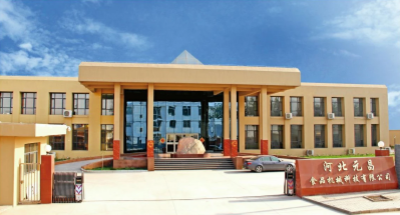
At Hebei Yuanchang Food Mechanism & Technology Co., Ltd., our 40 years of experience since 1986 are the bedrock of our manufacturing capabilities. While our name reflects our historical focus, the core expertise lies in precision engineering and complex component manufacturing. Spanning 14,000 square meters with a dedicated team of 80-100 professionals, we integrate R&D, production, and sales with a relentless focus on quality.
Our in-house machining workshop is equipped with over 20 sets of advanced processing machinery, including lathes, milling machines, high-precision grinding machines, boring machines, and wire cutting equipment. The strategic introduction of 8 Japanese Mazak CNC machining centers in 2012 was a significant leap, enabling us to produce high-standard components requiring large volumes, exceptional precision, and non-standard specifications. This advanced capability is precisely what allows us to manufacture encoders that meet the exacting demands of the elevator industry.
We believe in end-to-end control. By independently producing high-precision parts, we ensure not only superior product quality but also a traceable, worry-free after-sales service. This integrated approach means we can guarantee the performance and reliability of every encoder that leaves our facility.
Request Factory Tour or Sample: Contact Us
Commitment to Quality: Certifications and Standards

ISO 9001 Certified
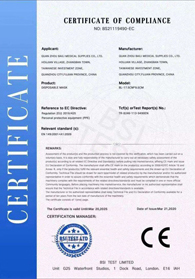
CE Compliant
RoHS Compliant
Our adherence to international quality and safety standards ensures that every encoder we produce is reliable, safe, and compliant for global markets. Our manufacturing processes are audited regularly to maintain these high standards.
What Our Clients Say

Mark Chen
Lead Engineer, Skyline Elevators
"We've been sourcing encoders from Yuanchang for our mid-rise projects for the last three years. The consistency in performance and accuracy has been excellent. Installation is straightforward, and the robust build quality means fewer callbacks for us. Their technical team is responsive, which is crucial when integrating new components."
"The HTL output and IP65 rating are non-negotiable for our machine room environments, and Yuanchang delivers on both."

Sophia Rodriguez
Elevator belt elevator elevator and lowerator
Procurement Director, Global Lifts Corp.
"Finding a reliable international supplier for critical elevator components can be a challenge. Yuanchang has proven to be a valuable partner. Their communication is clear, lead times are competitive, and the quality of their encoders meets international standards. We appreciate their ability to provide custom shaft configurations on demand."
"Their traceable after-sales system gives us confidence in our long-term supply chain."

Kenji Tanaka
Senior Technician, Summit Vertical Systems
"We integrated Yuanchang's encoders into a complex modernization project for a high-traffic commercial building. The precision in floor leveling was exceptional, immediately improving passenger satisfaction. The build quality is solid; they feel like they'll last for years in a demanding environment."
"Their 5000 PPR resolution encoders provide the fine control we needed for this critical upgrade."
Direct Communication with Our Experts
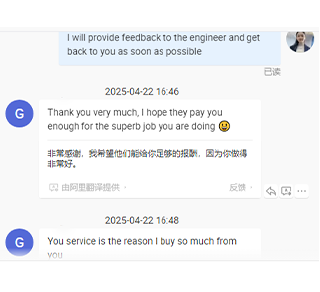
Inquiry on Customization Options

Logistics and Lead Time Discussion
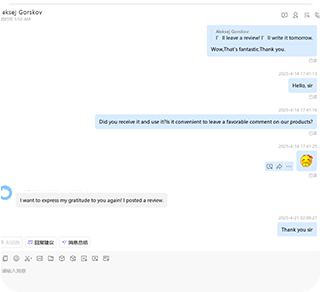
Technical Specification Clarification
Frequently Asked Questions
Q1: What is the typical lifespan of one of your elevator encoders?
Our encoders are engineered for longevity. With proper installation and operation within specified environmental parameters, they are designed to last well beyond 10-15 years, significantly reducing the total cost of ownership compared to less durable alternatives.
Q2: How do I choose the correct encoder resolution (PPR) for my elevator?
The required resolution depends on the elevator's speed, the size of the drive sheave, and the desired precision of floor leveling. Generally, higher speeds and smaller sheaves require higher resolution. For most passenger elevators, resolutions between 1000 to 2500 PPR are common. For high-speed elevators or applications demanding extreme precision, 5000 PPR or higher might be necessary. We recommend consulting your control system's manual or contacting our technical team for personalized guidance.
Q3: Can your encoders be used with variable frequency drives (VFDs)?
Yes, absolutely. Our encoders, particularly those with differential HTL outputs like RS422, are well-suited for use with VFDs and other variable speed drives commonly found in modern elevator systems. The differential signals provide excellent noise immunity, crucial in the electrically noisy environment often associated with VFDs.
Q4: What is the typical lead time for an order?
Standard configurations are typically ready to ship within 5-7 business days. For custom orders or larger volumes, lead times can range from 3 to 6 weeks, depending on the complexity and current production schedules. We always strive to provide the most accurate and competitive lead times upon order confirmation.
Q5: Do you offer OEM/ODM services for elevator encoders?
Yes, we specialize in OEM/ODM solutions. With our advanced CNC machining capabilities and extensive R&D experience, we can develop and manufacture custom encoder designs tailored to your specific brand requirements, form factors, or unique performance needs. Discuss your project with our engineering team.
Elevate Your Elevator System Performance
Experience the difference that precision-engineered encoders can make. Whether you're specifying for a new build or upgrading an existing system, our solutions offer the reliability and accuracy your operations demand.
Phone: +86 15830991513 | E-mail: ycmeatmech@gmail.com